Image Source: Jayanta Rout
About Baladevjew Temple
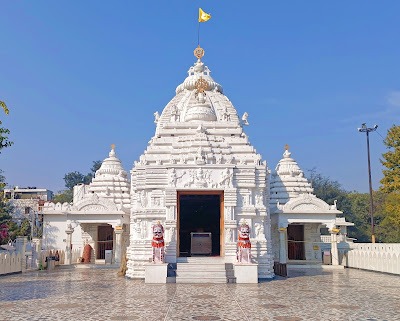
Nestled in the heart of Kendrapara district in Odisha, the Baladevjew Temple is one of the most important Vaishnavite shrines in eastern India. Dedicated to Lord Balabhadra, also known as Baladeva — the elder brother of Lord Jagannath — the temple is deeply rooted in Odisha’s spiritual and cultural traditions. Revered by thousands of devotees every year, this sacred shrine is often called “Tulasi Kshetra,” a name that reflects its religious importance in the Jagannath tradition.
The temple is not only a place of worship but also a center of faith, heritage, and community life. Pilgrims visit the shrine seeking blessings for prosperity, peace, protection, and spiritual fulfillment. The atmosphere around the temple becomes especially vibrant during major festivals when devotional music, rituals, and processions fill the streets of Kendrapara with energy and devotion.
History
The history of the Baladevjew Temple dates back to the 18th century, when the shrine was constructed under the patronage of the Maratha rulers who governed Odisha during that period. However, the spiritual roots of the temple are believed to be much older. Kendrapara has long been associated with Vaishnavism and the Jagannath culture, and local legends suggest that worship of Lord Balabhadra existed here centuries before the present structure was built.
Over time, the temple evolved into a major pilgrimage destination for followers of Lord Vishnu and the Jagannath tradition. Despite periods of political unrest, invasions, and changing dynasties, the temple continued to remain a strong symbol of faith and devotion. Generations of devotees and temple priests have preserved its rituals, customs, and sacred traditions, helping it maintain its religious identity even in modern times.
Today, the temple stands as a testimony to Odisha’s rich spiritual legacy and its enduring connection to Jagannath culture.
Architecture and Temple Design
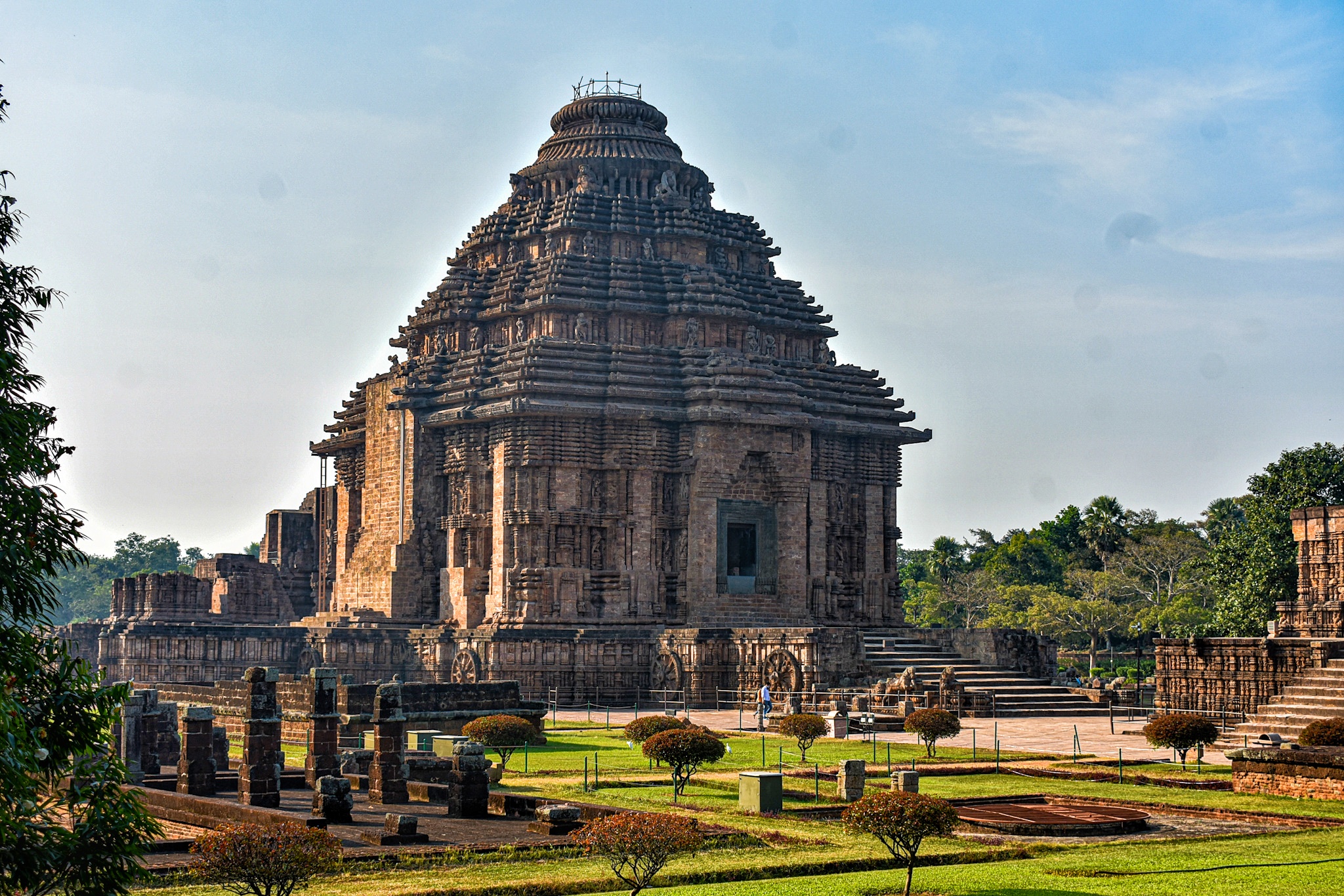
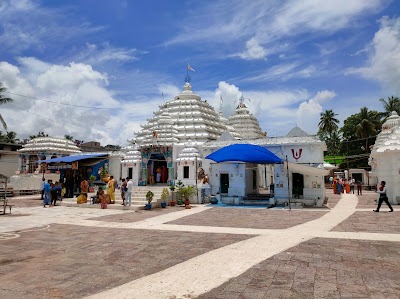
The Baladevjew Temple beautifully reflects the traditional Kalinga style of architecture, which is famous across Odisha for its elegant structures and intricate craftsmanship. The temple complex consists of several important sections, including the rekha deula (sanctum tower), jagamohana (assembly hall), nata mandapa (dance hall), and bhoga mandapa (offering hall).
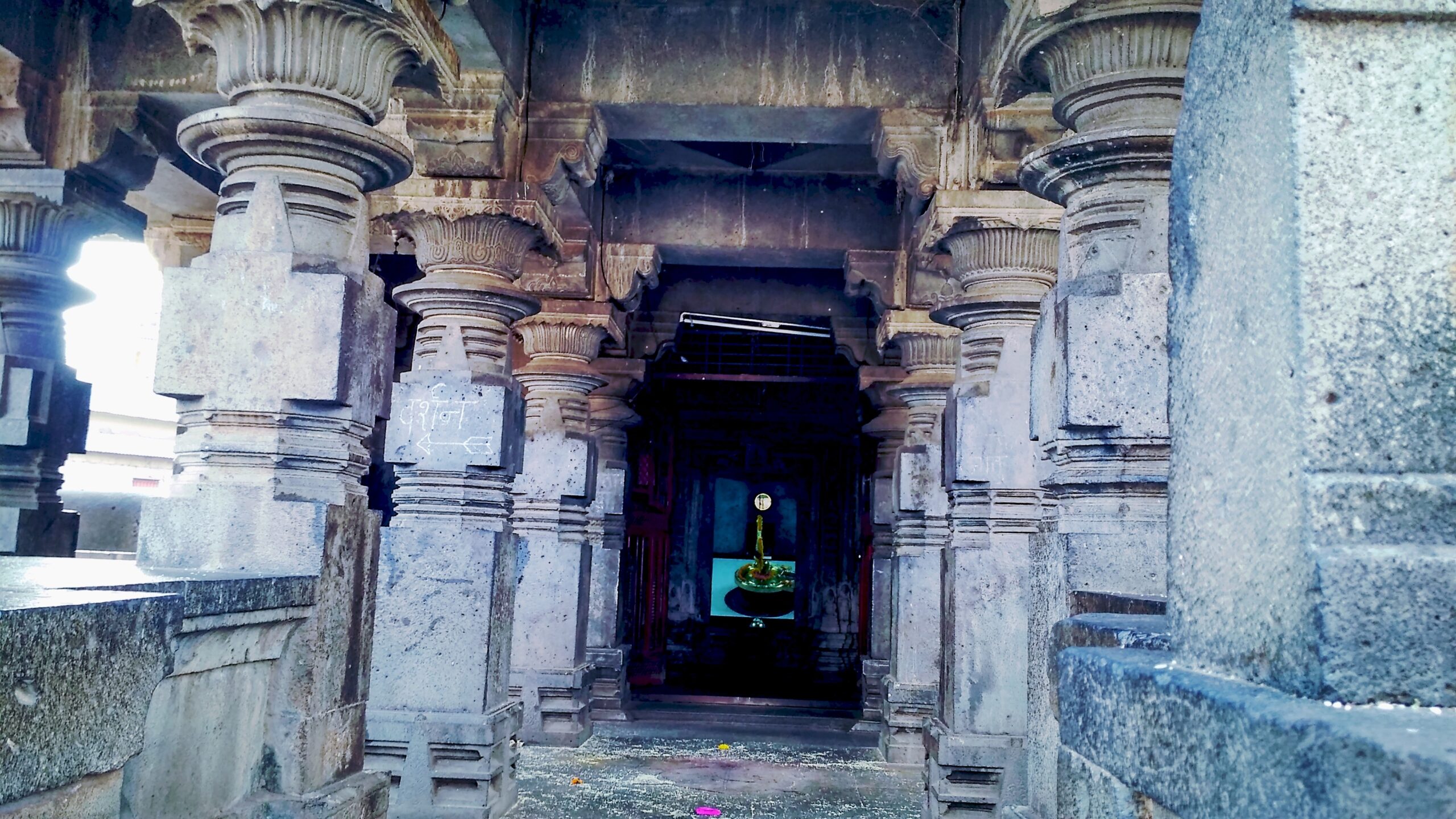
Built using locally available stone, the temple showcases detailed carvings of mythological scenes, floral patterns, divine figures, and Vaishnavite symbols. The architecture combines simplicity with spiritual grandeur, creating an atmosphere that feels both sacred and peaceful.
Inside the sanctum are the idols of Lord Baladeva, Lord Jagannath, and Goddess Subhadra, worshipped together in accordance with Odisha’s Jagannath tradition. The idol of Lord Baladeva is especially striking because of its size and presence, attracting devotees from across the region. Smaller shrines dedicated to various deities can also be found within the temple premises, adding to the spiritual richness of the complex.
The temple’s traditional design, along with the rhythmic chanting of prayers and the scent of incense, creates an experience that deeply resonates with visitors.
Religious Importance and Spiritual Beliefs
The Baladevjew Temple holds immense religious significance for followers of Vaishnavism and devotees of the Jagannath tradition. Although the temple is primarily dedicated to Lord Balabhadra, it also emphasizes the divine bond between Balabhadra, Jagannath, and Subhadra, who are worshipped together as sacred siblings.
Devotees believe that offering prayers at the temple brings protection, prosperity, good health, and spiritual harmony. Many people visit the shrine to seek blessings before beginning important life events such as marriages, new businesses, or journeys.
One of the unique aspects of the temple is its Mahaprasad, the sacred food offering prepared using traditional methods. The food is considered blessed by the deities and is distributed among devotees as a symbol of divine grace and equality. Sharing Mahaprasad is regarded as a sacred act that strengthens spiritual connection and community bonding.
The temple also plays a vital role in preserving Odisha’s religious customs, devotional music, and traditional rituals, making it an important center of cultural continuity.
Festivals Celebrated at Baladevjew Temple
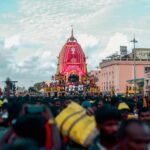
Festivals at the Baladevjew Temple are celebrated with extraordinary devotion and enthusiasm. The most famous among them is the Rath Yatra, or Chariot Festival, which closely resembles the world-famous Rath Yatra of Puri.
During this grand event, beautifully decorated wooden chariots carry the deities through the streets as thousands of devotees gather to pull the chariot ropes while chanting prayers and hymns. The atmosphere becomes deeply spiritual and festive, attracting pilgrims from different parts of Odisha and neighboring states.
Apart from Rath Yatra, several other important festivals are observed throughout the year, including:
Snana Purnima
A ceremonial bathing ritual where the deities are bathed with sacred water amidst elaborate prayers and rituals.
Makar Sankranti
Celebrated during the harvest season, this festival marks the transition of the sun into Capricorn and includes special offerings and prayers.
Dola Purnima
Associated with Holi celebrations, the festival includes colorful rituals, devotional songs, and processions.
Janmashtami
The birth anniversary of Lord Krishna is celebrated with fasting, bhajans, and night-long prayers.
Daily rituals and seasonal ceremonies are also conducted with great discipline, preserving centuries-old temple traditions.
Cultural Significance of the Temple
Beyond its religious role, the Baladevjew Temple is deeply woven into the cultural identity of Kendrapara and coastal Odisha. The temple serves as a gathering place for communities during festivals and spiritual events, strengthening social bonds and preserving regional traditions.
Traditional Odia music, devotional singing, folk performances, and temple rituals continue to thrive because of institutions like the Baladevjew Temple. The temple also supports local artisans and craftsmen who create chariots, ritual items, decorations, and traditional offerings used during festivals.
For many people in Odisha, the temple represents not only faith but also a living connection to their history, culture, and spiritual heritage.
Best Time to Visit Baladevjew Temple
The ideal time to visit the Baladevjew Temple is between October and March, when the weather remains pleasant and suitable for sightseeing and pilgrimage.
However, if visitors wish to experience the temple in its most vibrant form, the Rath Yatra season is considered the best time. During this period, the temple and surrounding town come alive with celebrations, devotional gatherings, and cultural performances.
Morning and evening hours are especially peaceful for prayer and temple visits, as the rituals and aarti ceremonies create a serene spiritual atmosphere.
How to Reach Baladevjew Temple
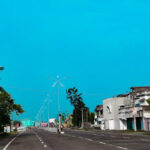
The Baladevjew Temple is located in Kendrapara district of Odisha and is well connected by road to major cities in the state.
By Road
Regular buses and taxis are available from Bhubaneswar, Cuttack, and Paradip to Kendrapara. The road journey offers scenic views of rural Odisha and coastal landscapes.
By Rail
The nearest major railway station is Cuttack Railway Station, located around 60 kilometers away. Cuttack is well connected to cities such as Kolkata, Bhubaneswar, Puri, and Visakhapatnam.
By Air
The nearest airport is Biju Patnaik International Airport in Bhubaneswar, approximately 90 kilometers from the temple. From the airport, travelers can hire taxis or use public transport to reach Kendrapara.
Nearby Attractions Around Kendrapara
Visitors exploring the Baladevjew Temple can also discover several nearby attractions in Kendrapara district and surrounding regions.
Bhitarkanika National Park
Known for its mangrove forests, saltwater crocodiles, and rich biodiversity, Bhitarkanika is one of Odisha’s most famous wildlife destinations.
Gahirmatha Beach
A serene coastal area famous for Olive Ridley turtle nesting during the breeding season.
Hukitola Island
A historic island associated with British colonial history and riverine landscapes.
Paradeep Port
One of India’s major seaports, located within driving distance from Kendrapara.
These nearby places make the region an excellent combination of spirituality, culture, and nature tourism.
Google Maps
FAQs
Where is Baladevjew Temple located?
The temple is located in Kendrapara district in the Indian state of Odisha.
Which deity is worshipped in Baladevjew Temple?
The temple is primarily dedicated to Lord Balabhadra (Baladeva), the elder brother of Lord Jagannath.
Why is the temple called Tulasi Kshetra?
The temple is known as Tulasi Kshetra because of its strong association with Vaishnavite traditions and sacred Tulasi worship.
What is the most famous festival celebrated here?
The Rath Yatra or Chariot Festival is the most important and widely celebrated festival at the temple.
What is the architectural style of the temple?
The temple is built in the traditional Kalinga style of architecture, which is common in Odisha.
Is Mahaprasad available at the temple?
Yes, sacred Mahaprasad is prepared and distributed among devotees daily.
What is the best time to visit Baladevjew Temple?
The winter months from October to March are considered ideal for visiting the temple.
How far is the temple from Bhubaneswar?
The temple is approximately 85–90 kilometers from Bhubaneswar.
Are there accommodations available near the temple?
Yes, basic hotels, lodges, and guesthouses are available in Kendrapara for pilgrims and tourists.
Can tourists visit nearby attractions along with the temple?
Yes, visitors can explore Bhitarkanika National Park, Gahirmatha Beach, and other nearby attractions during their trip.