
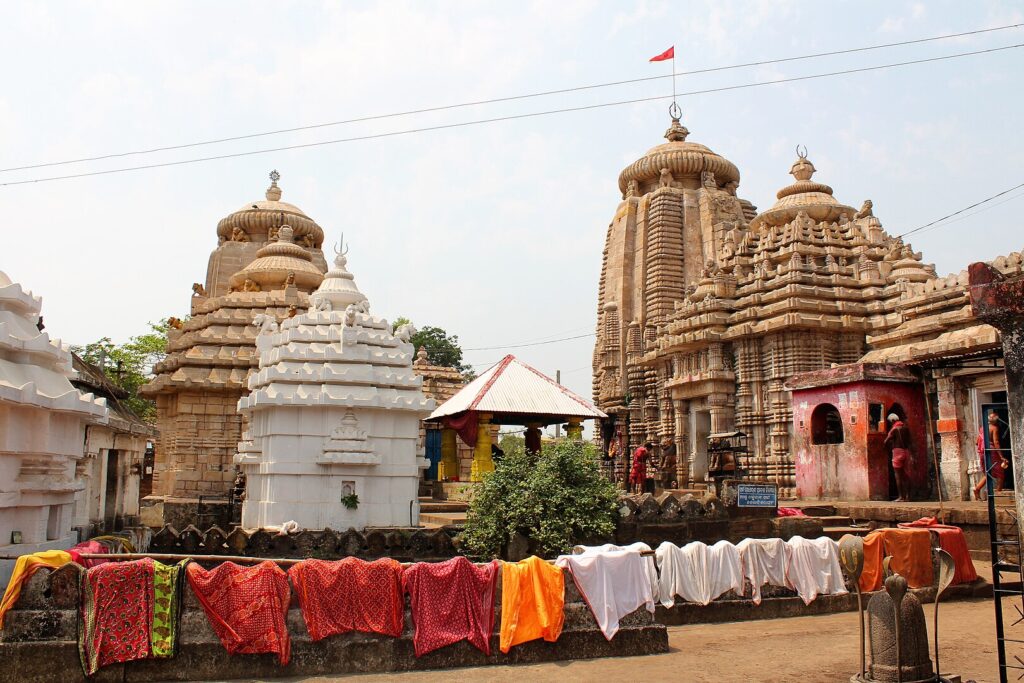
Image Source: Ssriram mt
About Kapileswar Temple
Kapileswar Temple, located in the serene village of Kapileswar near Bhubaneswar, is a peaceful and sacred shrine dedicated to Lord Shiva. Unlike the grand and towering temples of Bhubaneswar’s Ekamra Kshetra, this temple is revered more for its natural charm and spiritual aura.
Set against the backdrop of a flowing river and lush greenery, the Kapileswar Temple beautifully blends spirituality with nature, making it a sought-after pilgrimage spot for devotees and a scenic retreat for visitors.
History and Significance
The Kapileswar Temple is considered an ancient shrine linked to the Shaivite traditions of Odisha. Legends associate the temple with sage Kapila, after whom the temple and village are named. It is believed that sage Kapila performed intense meditation here, invoking Lord Shiva, who manifested as Kapileswar Mahadeva.
This association makes the temple spiritually significant for devotees seeking peace, blessings, and liberation from worldly attachments.
Over time, the temple evolved as a revered local shrine, where villagers and devotees from surrounding regions gather to celebrate festivals and rituals with devotion. Despite being less famous than Bhubaneswar’s larger temples, Kapileswar Temple holds a deep cultural and spiritual value.
Architecture and Features
The temple showcases traditional Kalinga architectural style, though on a smaller scale compared to Bhubaneswar’s towering temples. The sanctum houses a Shiva Lingam, the main deity worshipped as Kapileswar Mahadeva. The temple structure is simple yet elegant, with a vimana (tower) and modest carvings on the walls that reflect the artistic traditions of Odisha’s medieval period.
What makes Kapileswar Temple truly unique is its setting. Surrounded by riverbanks, trees, and a calm village atmosphere, the temple exudes a meditative environment. The presence of sacred ponds nearby adds to the sanctity, where pilgrims take ritualistic baths before offering prayers.
Festivals and Rituals
The Kapileswar Temple comes alive during major Hindu festivals like Maha Shivaratri, Shravan month rituals, and Kartika Purnima, when devotees perform special pujas and night-long chanting. Local traditions also include cultural performances, community feasts, and folk rituals.
The temple is particularly significant for newly married couples and devotees who visit to perform rituals for prosperity and family well-being.
Scenic Beauty and Spiritual Experience
Unlike the crowded temple complexes in urban Bhubaneswar, Kapileswar Temple offers a serene experience. The river flowing beside the temple provides a soothing backdrop, perfect for meditation and quiet reflection. The surrounding greenery makes it an ideal place for spiritual seekers, nature lovers, and photographers looking to capture the divine and natural essence together.
How to Reach Kapileswar Temple
By Air: The nearest airport is Biju Patnaik International Airport, Bhubaneswar (about 10 km away). From the airport, taxis and auto-rickshaws are available to reach Kapileswar.
By Rail: The nearest railway station is Bhubaneswar Railway Station (around 8 km away). From there, visitors can take local transport to Kapileswar village.
By Road: Kapileswar Temple is well-connected by road. Buses, shared autos, and taxis are available from Bhubaneswar city. The drive offers a scenic route passing through rural landscapes and river views.