/se
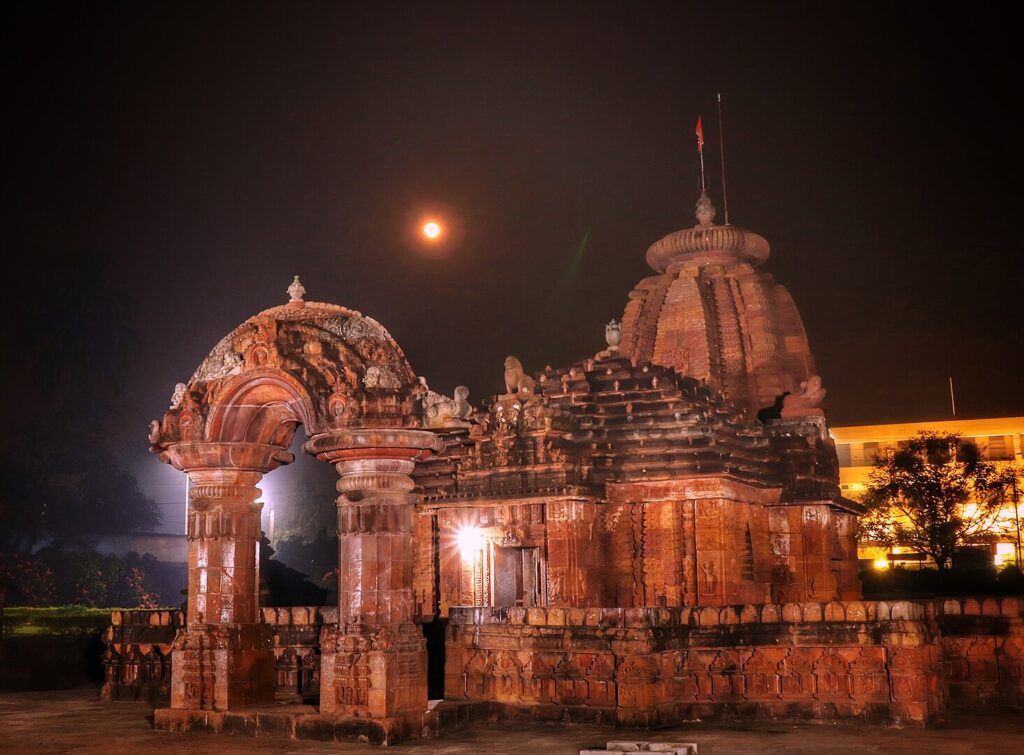
Image Source: Robin Mohapatra
About Mukteshwar Temple
If you’re exploring Bhubaneswar, Mukteshwar Temple is one place you really shouldn’t miss. Often called the “Gem of Odishan Architecture,” this beautiful 10th-century temple may be small in size, but it leaves a big impression.
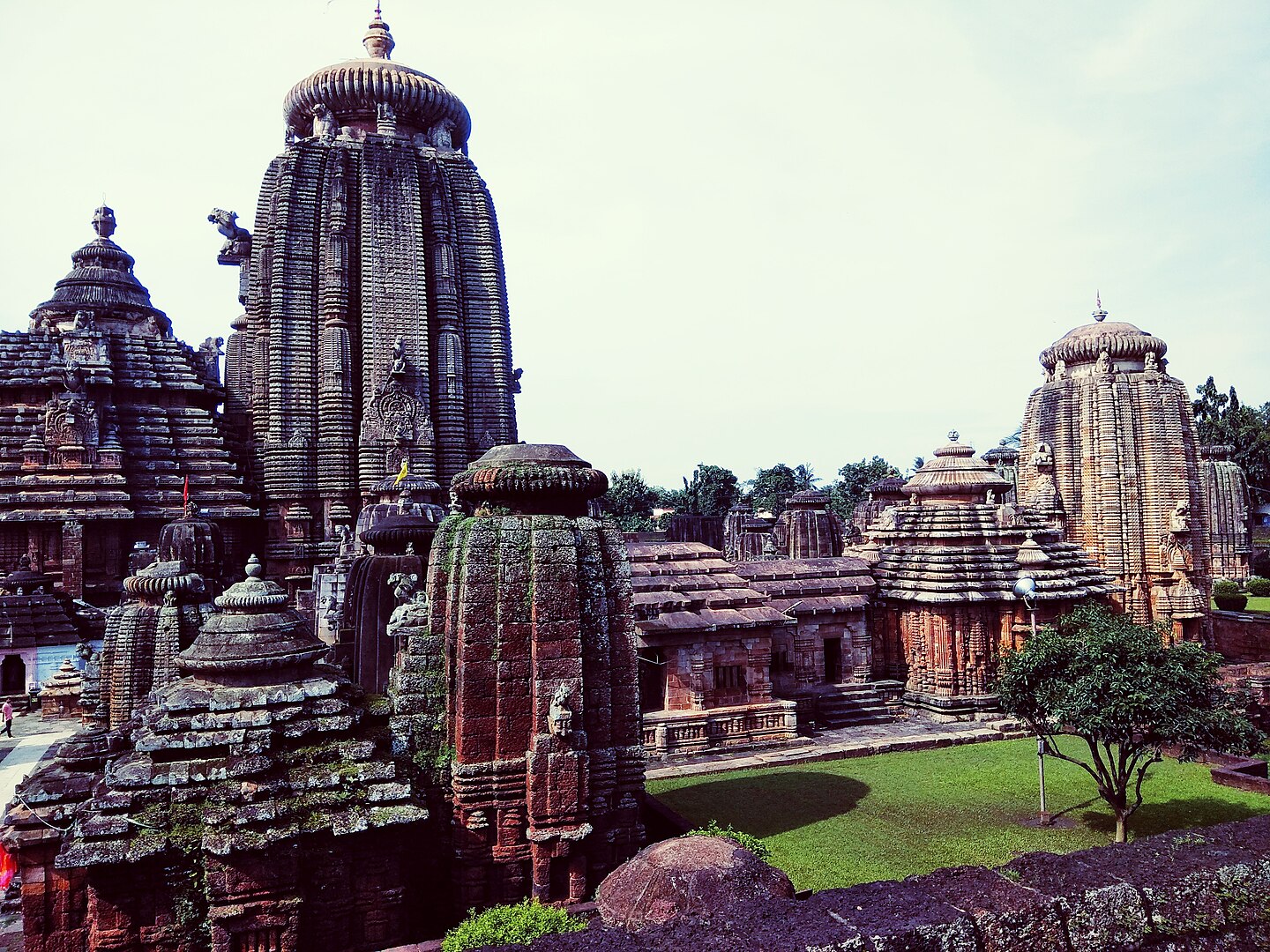
Dedicated to Lord Shiva as Mukteswara—the “Lord of Freedom”—the temple is known for its elegance, detailed carvings, and perfect proportions. It also represents an important moment in the evolution of Odisha’s temple architecture, connecting earlier simple shrines like Parasurameswara Temple with later grand structures such as Lingaraja Temple.
Whether you’re into history, art, or spirituality, Mukteshwar Temple feels like a hidden masterpiece waiting to be explored.
History
Mukteshwar Temple was built around 950–975 CE during the rule of the Somavamsi dynasty. This was a time when temple architecture in Odisha was evolving, and Mukteshwar played a key role in that transformation.
What makes it stand out is its artistic refinement. Compared to earlier temples, it introduced a more decorative and sophisticated style, especially visible in its beautifully carved gateway.
The temple is also associated with the idea of moksha (liberation). The name “Mukteswara” itself suggests that offering prayers here can help one break free from worldly attachments—a belief that continues to draw devotees even today.
Architecture
Even though Mukteshwar Temple isn’t very large, its craftsmanship is truly remarkable.
Torana (Gateway Arch):
This is the star attraction. The beautifully carved arched gateway is unique in Odisha and features delicate patterns, floral designs, and intricate detailing that instantly catches your eye.
Vimana (Sanctum):
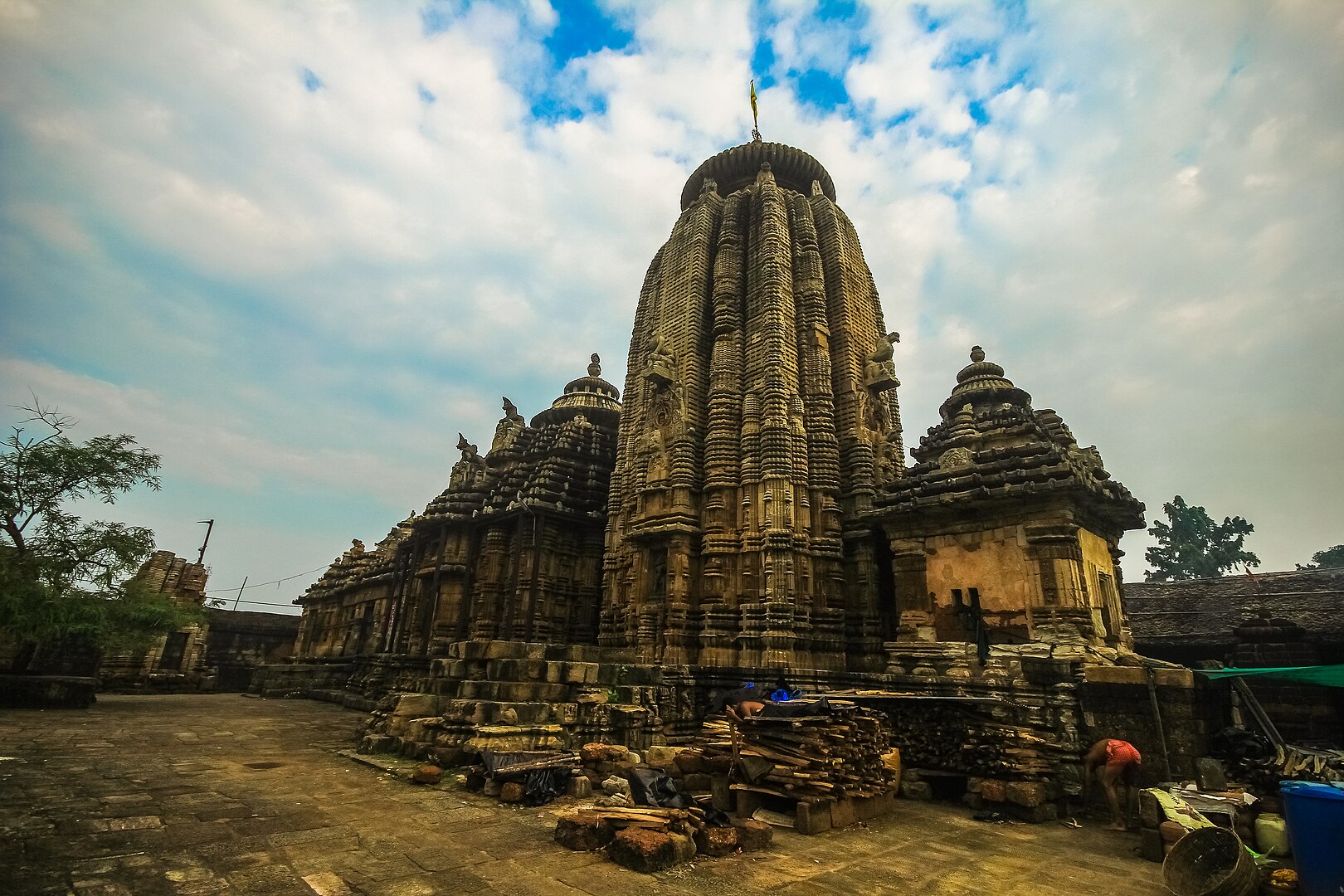
The main tower rises to about 35 feet and follows the classic rekha deula style, with a graceful curving shape typical of Kalinga architecture.
Jagamohana (Assembly Hall):
The front hall has a pyramid-shaped roof supported by carved pillars and decorated ceilings, adding to the temple’s charm.
Sculptures and Carvings:
The walls are filled with life—ascetics in meditation, dancers, musicians, mythical creatures, and stories from ancient texts. You’ll even notice figures in yogic postures, which is why the temple is sometimes called the “Yoga Temple of Odisha.”
Religious Importance
The temple is dedicated to Lord Shiva, worshipped here as Mukteswara in the form of a Shiva Lingam. Many devotees believe that praying here helps in attaining spiritual freedom and inner peace.
Another interesting aspect is the presence of Lakulisa imagery, which hints at the influence of the Lakulisa-Pashupata sect in this region during ancient times.
Festivals and Rituals
Mukteshwar Temple truly comes alive during festivals.
The highlight is the Mukteswar Dance Festival, held every year in January. During this time, the temple becomes a stage for classical Odissi dance performances, beautifully lit up in the evening. It’s a magical blend of art, culture, and spirituality.
Festivals like Maha Shivaratri also attract a large number of devotees, with special prayers and rituals taking place throughout the day and night.
Local Culture and Surroundings
Mukteshwar Temple is located in the Old Town area, which is packed with heritage sites. You’ll find other famous temples nearby, including Rajarani Temple and Parasurameswara Temple.
The area around the temple is lively, with local markets, handloom shops, and small sweet stalls selling traditional Odia delicacies. Despite the buzz, the temple complex itself feels peaceful and perfect for a relaxed visit.
How to Reach
By Air:
The temple is about 3.5 km from Biju Patnaik International Airport. Taxis and auto-rickshaws are easily available.
By Rail:
Bhubaneswar Railway Station is around 4 km away, with excellent connectivity to major cities.
By Road:
Bhubaneswar is well connected via NH-16 and NH-316. You can easily reach the temple by local buses, taxis, or auto-rickshaws. The Baramunda Bus Stand is about 8 km from the temple.
Nearby Attractions
- Parashurameswar Temple (about 150 m) – One of the oldest surviving temples in Bhubaneswar, dating back to the 7th century. It is admired for its early Kalinga-style architecture and intricate stone carvings.
- Siddhesvara Temple (about 200 m) – A historic Shiva temple known for its elegant Kalinga architecture and peaceful surroundings.
- Kedar Gouri Temple (about 300 m) – A revered temple complex dedicated to Lord Shiva and Goddess Gouri, attracting pilgrims throughout the year.
- Rajarani Temple (about 700 m) – An 11th-century temple famous for its reddish-golden sandstone, graceful sculptures, and remarkable architectural beauty.
- Brahmeswar Temple (about 1 km) – A magnificent Shiva temple renowned for its finely carved sculptures and one of the earliest uses of iron beams in temple construction.
- Lingaraj Temple (about 1.3 km) – Bhubaneswar’s largest and most sacred Shiva temple, celebrated for its towering spire and outstanding Kalinga architecture.
- Bindu Sagar Lake (about 1.4 km) – A sacred lake surrounded by numerous ancient temples, offering a serene atmosphere and deep religious significance.
- Ananta Vasudeva Temple (about 1.5 km) – A unique Vaishnavite temple dedicated to Lord Krishna, Balarama, and Subhadra, known for its beautifully preserved medieval architecture.
- Odisha State Museum (about 3 km) – A fascinating museum housing archaeological artifacts, ancient manuscripts, sculptures, tribal heritage exhibits, and traditional Odia art.
- Khandagiri and Udayagiri Caves (about 6 km) – Ancient Jain rock-cut caves dating back to the 2nd century BCE, featuring remarkable carvings, inscriptions, and panoramic views of the city.
- Dhauli Shanti Stupa (about 8 km) – A striking white Peace Pagoda situated on Dhauli Hills, marking the place where Emperor Ashoka embraced Buddhism after the Kalinga War.
- Nandankanan Zoological Park (about 18 km) – One of India’s leading zoological parks, famous for its white tigers, lion safari, botanical gardens, and wildlife conservation efforts.
Google Maps
FAQs
1. Why is Mukteshwar Temple famous?
It’s known for its exquisite carvings and unique torana (arched gateway), making it one of the finest examples of Kalinga architecture.
2. Which deity is worshipped here?
Lord Shiva is worshipped here as Mukteswara.
3. What is special about the temple architecture?
The temple is famous for its intricate carvings, elegant design, and the only surviving torana in Odisha’s temple architecture.
4. When is the best time to visit?
Winter months (October to February) are ideal. January is especially great if you want to attend the Mukteswar Dance Festival.
5. How much time should I spend here?
About 1–2 hours is enough to explore the temple and admire its carvings.
6. Is photography allowed?
Yes, photography is generally allowed in the temple परिसर (complex), especially outside.
7. Can I visit nearby attractions along with it?
Yes, you can easily combine it with Rajarani Temple, Lingaraja Temple, and other heritage sites in Bhubaneswar.