Image Source: Jeevan S Kandathil
Introduction: The Quiet Charm Beyond Thekkady
While many travelers rush toward Periyar Tiger Reserve or the spice gardens of Thekkady, Peermade remains a serene, less-explored hill station that reveals a softer, more contemplative side of Kerala’s high ranges.
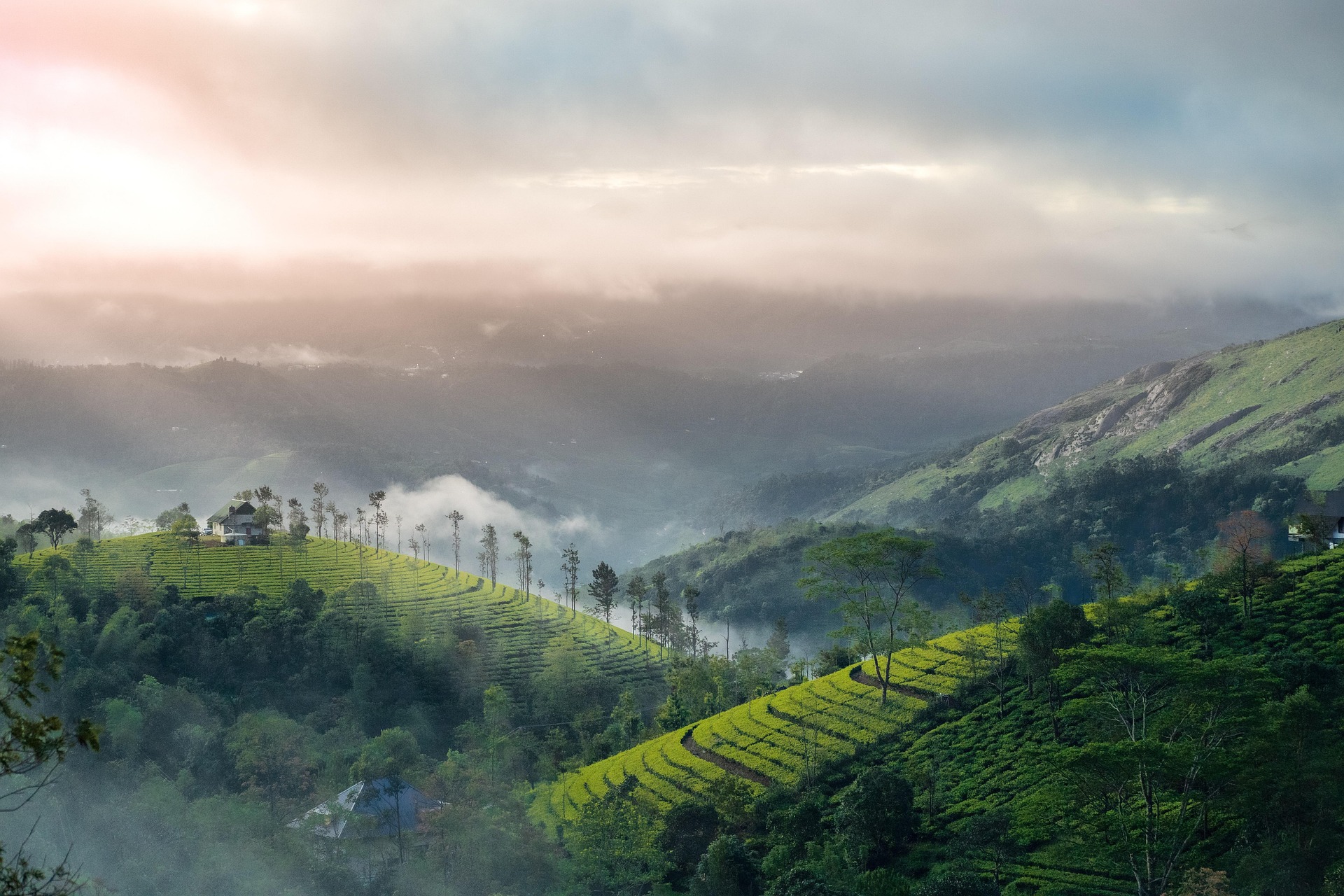
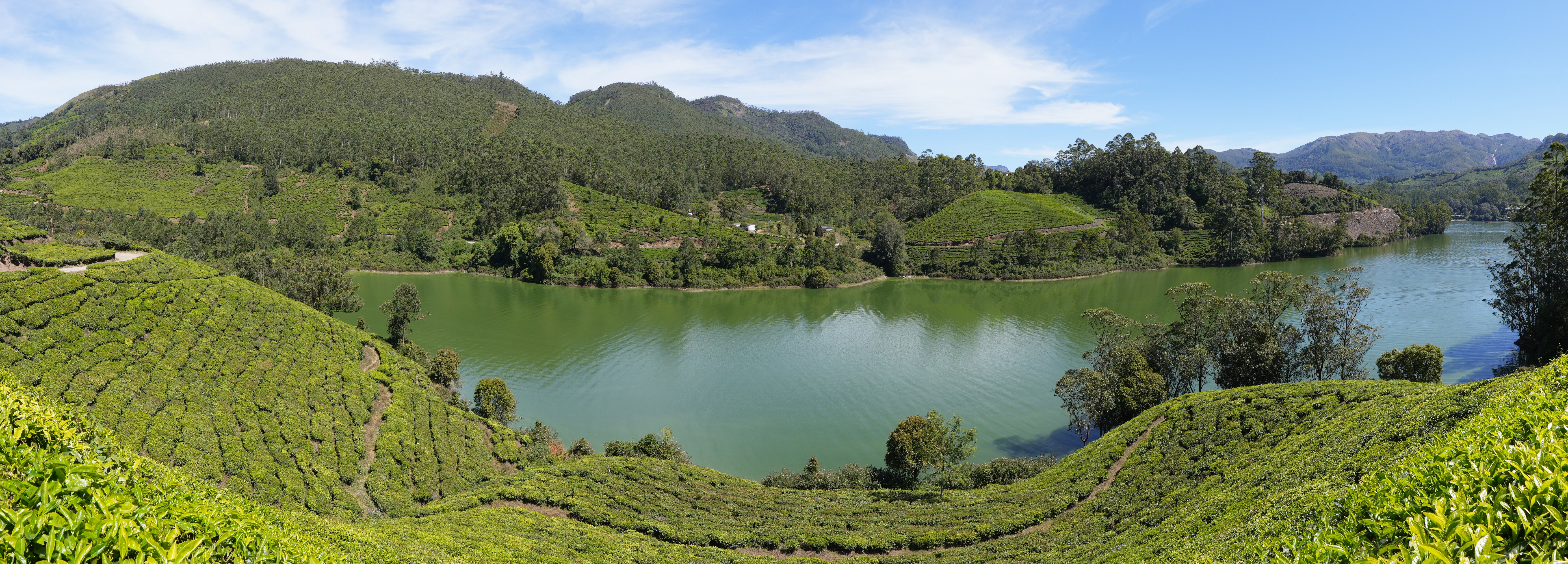
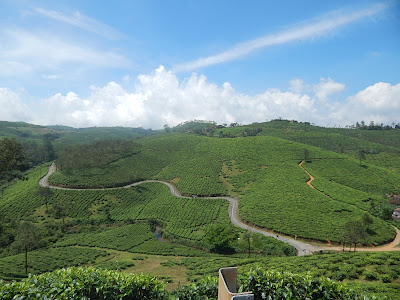
Perched at an altitude of about 915 meters , Peermade is not dramatic like Munnar—it is gentler, wrapped in rolling hills, cardamom plantations, mist-laden mornings, and colonial-era nostalgia . It is the kind of place where the journey slows down, and the landscape begins to tell stories.
Location and Landscape
Peermade lies in the Idukki district of Kerala , forming part of the Western Ghats’ mid-elevation belt. It sits strategically between:
* Thekkady
* Kumily
The terrain is characterized by:
* Rolling hills
* Dense plantations
* Forest patches
* Cool, temperate climate
Unlike the dense wilderness of nearby reserves, Peermade is a cultivated landscape , where nature and agriculture coexist harmoniously.
The Spice Highlands: Cardamom and Beyond
Peermade is part of Kerala’s famed spice belt , especially known for:
* Cardamom plantations.
* Pepper vines.
* Clove and cinnamon cultivation.
The region’s climate—cool temperatures, moderate rainfall, and shaded slopes—creates ideal conditions for spice growth .
Walking through these plantations, you’ll notice:
* Cardamom plants growing close to the ground under shade.
* Pepper vines climbing tall trees.
* The faint aroma of spices lingering in the air.
This agricultural landscape connects Peermade closely with nearby spice hubs like Thekkady.
Historical Significance
Peermade has a fascinating historical layer that blends colonial influence and spiritual heritage .
Sufi Connection
The name “Peermade” is believed to be derived from Peer Mohammed , a Sufi saint who meditated in the region. His presence adds a spiritual dimension to the hills.
Colonial Era
During British rule, Peermade became a summer retreat for colonial officials due to its cool climate.
Remnants of this era include:
* Old bungalows.
* Plantation estates.
* Hilltop viewpoints.
The British also played a role in developing tea and spice plantations , shaping the region’s economy.
Attractions in and Around Peermade
Peermade is less about crowded tourist spots and more about experiential travel .
Viewpoints and Meadows
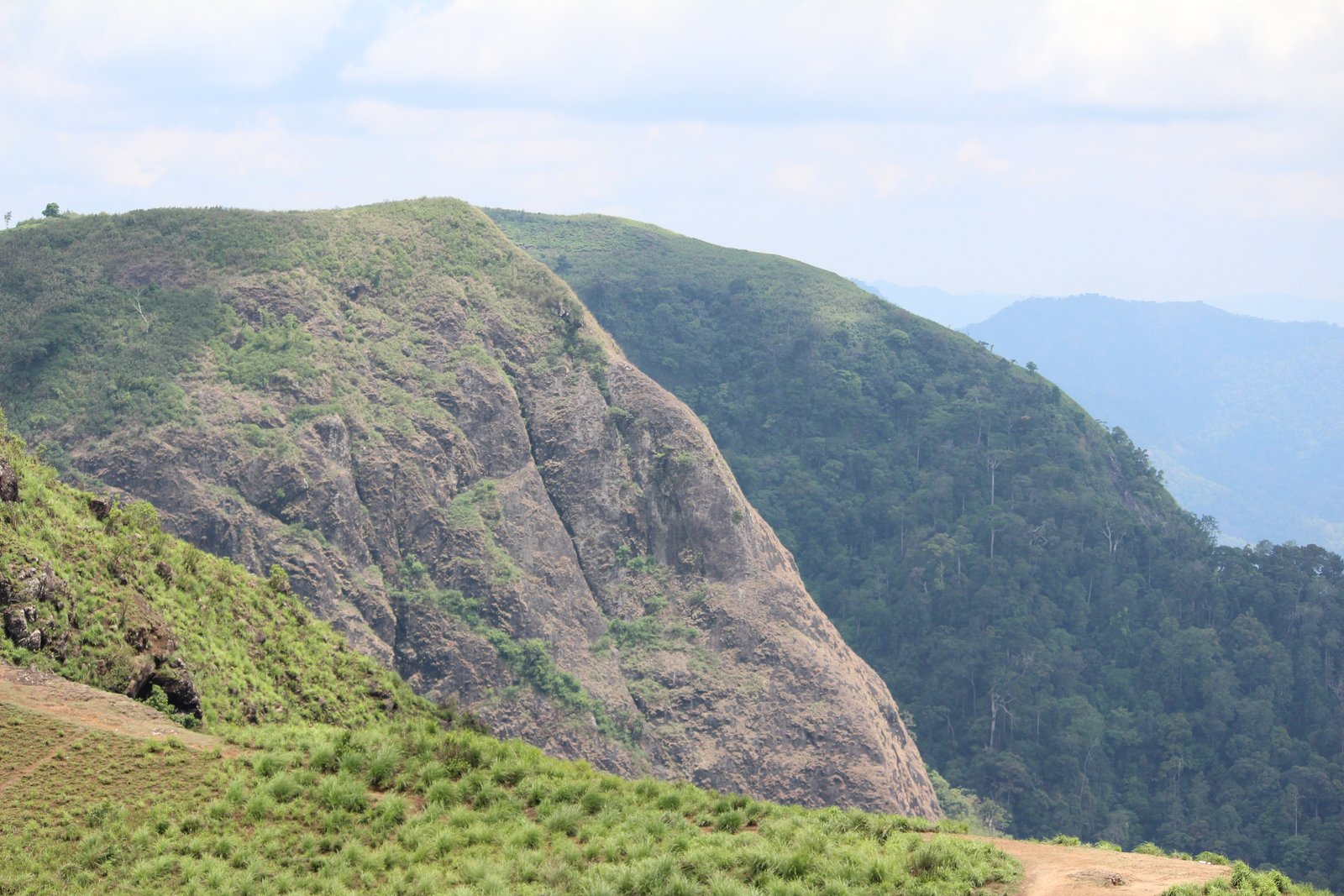
The rolling grasslands and viewpoints offer:
* Panoramic views of valleys.
* Mist-covered hills at sunrise.
* Quiet, uninterrupted landscapes.
Plantation Walks
Guided tours through spice estates provide:
* Insights into cultivation processes.
* Opportunities to see cardamom and pepper up close.
* A sensory experience of smell and texture.
Nearby Attractions
Peermade acts as a gateway to several destinations:
* Periyar Tiger Reserve – wildlife and boating.
* Vagamon – meadows and pine forests.
* Thekkady – spice markets and tourism.
Travel Experience: Slow, Immersive, and Scenic
Peermade is ideal for travelers seeking:
* Quiet retreats.
* Nature walks.
* Cultural immersion.
Unlike bustling hill stations, here you can:
* Walk through plantations without crowds.
* Sit in silence overlooking valleys.
* Experience the rhythm of rural life.
The roads leading to Peermade are equally enchanting, winding through forests, spice estates, and misty hills .
Climate and Best Time to Visit
Peermade enjoys a pleasant climate throughout the year :
* Winter (October–February) : Cool and misty, ideal for travel.
* Summer (March–May) : Mild compared to plains.
* Monsoon (June–September) : Lush greenery, but heavy rains.
Each season offers a different mood:
* Winter for clarity.
* Monsoon for lushness.
* Summer for quiet escapes.
How to Reach
Peermade is well connected yet retains its offbeat charm.
* Nearest town : Kumily.
* Nearest airport : Cochin International Airport.
* Nearest railway station : Kottayam.
Scenic Routes
* Kottayam to Peermade via plantation roads
* Munnar to Peermade via highland routes
These drives are among the most scenic in Kerala, transitioning from rubber plantations to spice estates and forested hills .
Ecology and Environmental Importance
Peermade lies within the broader Western Ghats biodiversity hotspot , one of the richest ecological regions in the world.
Though heavily cultivated, it still supports:
* Birdlife.
* Small mammals.
* Native plant species.
The coexistence of plantations and forest patches makes it an example of a semi-natural ecosystem .
Challenges and Sustainability
Like many plantation regions, Peermade faces:
* Land-use changes.
* Pressure from tourism.
* Climate impacts on spice cultivation.
Sustainable tourism and responsible farming practices are essential to maintain its ecological balance.
Cultural Life and Local Experience
The region reflects a blend of:
* Kerala traditions.
* Plantation culture.
* Tribal influences.
Local life revolves around:
* Agriculture.
* Small-scale trade.
* Spice processing.
Visitors often find the human element of Peermade as enriching as its landscapes .
Final Perspective: The Soul of Kerala’s Highlands
Peermade is not a destination that shouts for attention. It whispers.
* In the rustle of cardamom leaves.
* In the fog drifting over hills.
* In the quiet legacy of colonial bungalows.
It represents a different kind of travel—one that values stillness over spectacle, depth over distraction .
For those exploring Kerala beyond the obvious, Peermade offers a journey into:
* Spice-scented landscapes.
* Layered histories.
* And the enduring harmony between people and the hills.