Image Source: Xilont
About Patwon Ki Haveli
A shining example of Rajasthan’s rich architectural legacy, Patwon Ki Haveli is among the most fascinating attractions in Jaisalmer. Known for its intricate carvings, grand facades, and historical significance, this stunning haveli complex reflects the prosperity and artistic excellence of the merchant families of the desert city. Located just about 500 meters from Jaisalmer Fort and around 1.5 kilometers from the Jaisalmer Railway Station, the haveli is easily accessible and remains a must-visit destination for travelers exploring the Golden City.
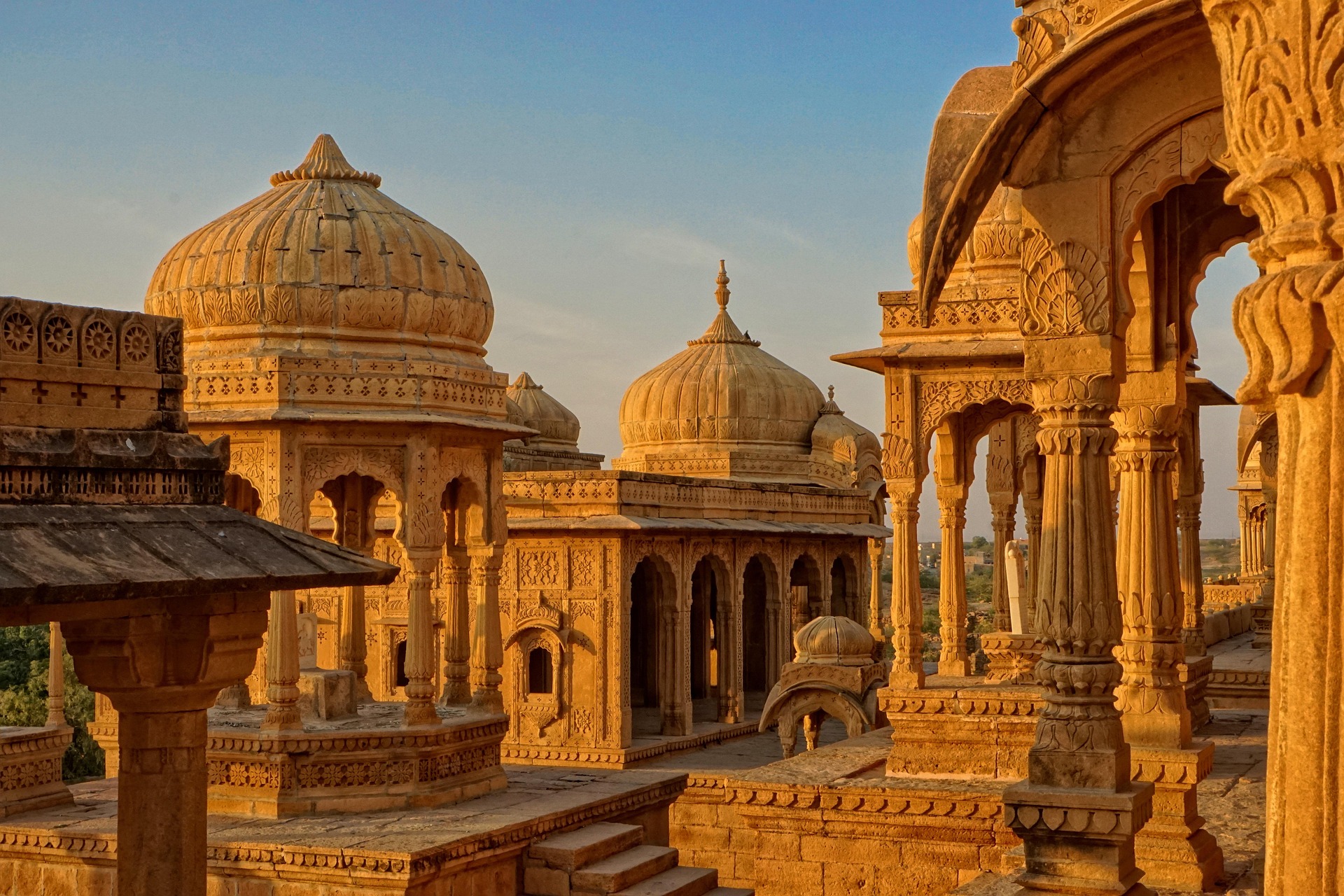
Walking through the narrow lanes leading to the haveli feels like stepping into another era. Every corner of the structure narrates stories of royal lifestyles, flourishing trade routes, and the craftsmanship that once defined Rajasthan’s wealthy merchant communities. The haveli’s golden-yellow sandstone glows beautifully under the desert sun, giving it an almost magical appearance, especially during sunrise and sunset.
History of Patwon Ki Haveli
Patwon Ki Haveli holds a special place in the history of Jaisalmer because it is considered the first haveli built in the city. Construction began in 1805 CE under the patronage of a wealthy trader and banker named Guman Chand Patwa. He was one of the most influential merchants of his time and belonged to a prosperous Jain family involved in trading precious goods such as gold, silver, brocade, and textiles.
Rather than building a single mansion, Guman Chand Patwa constructed a cluster of five interconnected havelis, each dedicated to one of his five sons. Over time, the complex became a symbol of wealth, prestige, and social standing. The grandeur of the haveli showcased not only the family’s financial prosperity but also their appreciation for fine art and architecture.
The Patwa family never permanently lived in the haveli for long periods, but the complex became a major cultural landmark in Jaisalmer. Today, parts of the haveli are preserved and maintained by the government and archaeological authorities, allowing visitors to experience its timeless beauty and historical significance.
Architecture and Artistic Beauty
One of the most striking features of Patwon Ki Haveli is its breathtaking architecture. Built entirely from golden-yellow sandstone, the haveli is a masterpiece of Rajputana craftsmanship blended with Mughal influences. The exterior walls are covered with delicate carvings, ornamental balconies, and beautifully designed jharokhas that display extraordinary attention to detail.
The haveli rises up to five stories and contains several chambers, courtyards, balconies, and decorated rooms. The narrow windows and intricately carved screens were designed not only for decoration but also to keep the interiors cool during the harsh desert summers.
Inside the haveli, visitors can admire richly painted walls, mirror work, murals, and decorative ceilings that reveal the luxurious lifestyle of the merchant families of that era. The craftsmanship seen in the wooden doors, stone latticework, and miniature artwork reflects the remarkable skill of local artisans. Even today, the detailing remains impressive and continues to attract architects, historians, photographers, and travelers from around the world.
Museum and Cultural Significance
A section of Patwon Ki Haveli has been converted into a museum that offers deeper insight into the history and culture of Jaisalmer. The museum displays antique furniture, traditional costumes, paintings, utensils, artifacts, and household items once used by affluent families of Rajasthan.
Exploring the museum gives visitors a glimpse into the lifestyle of traders who played an important role in connecting Rajasthan with ancient trade routes across Central Asia and beyond. Many rooms preserve the original décor, helping visitors imagine how the haveli looked during its glorious days.
The haveli also serves as a center for preserving traditional Rajasthani art and handicrafts. Local artisans continue to showcase their craftsmanship through textiles, embroidery, paintings, and decorative items inspired by the artistic traditions of the region.
Experience of Visiting Patwon Ki Haveli
A visit to Patwon Ki Haveli is more than just sightseeing; it is an immersive cultural experience. The narrow lanes surrounding the haveli are filled with small shops selling handicrafts, puppets, jewelry, and traditional Rajasthani souvenirs. The atmosphere becomes even more vibrant during the tourist season when folk music and local performances add charm to the historic surroundings.
Photography enthusiasts especially love the haveli because of its stunning carvings, golden hues, and vintage interiors. The changing colors of the sandstone throughout the day create spectacular visual effects, making it one of the most photogenic locations in Jaisalmer.
Early morning and evening are considered the best times to visit, as the weather remains pleasant and the lighting beautifully highlights the intricate details of the architecture.
Entry Fee and Timings
Patwon Ki Haveli is generally open to visitors every day from 8:00 AM to 6:00 PM. These timings provide enough opportunity to explore the haveli complex comfortably.
- Entry Fee for Indian Visitors: Approximately Rs. 20
- Entry Fee for Foreign Tourists: Approximately Rs. 100
- Camera Fee: Around Rs. 50
Ticket prices may occasionally change depending on government regulations or management policies.
Best Time to Visit
The ideal time to visit Jaisalmer and Patwon Ki Haveli is between October and March. During these months, the weather remains cool and comfortable, making sightseeing more enjoyable. Summers in Jaisalmer can be extremely hot, with temperatures often rising above 40°C, which may make daytime exploration difficult.
Winter evenings also provide a wonderful opportunity to experience the cultural side of Jaisalmer, including folk music performances, desert cuisine, and local markets.
Nearby Attractions
Since Patwon Ki Haveli is located in the heart of Jaisalmer, several famous attractions can be explored nearby:
- Jaisalmer Fort.
- Nathmal Ki Haveli.
- Salim Singh Ki Haveli.
- Gadisar Lake.
- Bada Bagh.
These sites together provide a complete glimpse into the heritage, architecture, and desert culture of Rajasthan.
Location of Patwon ki Haveli
FAQs
Why is Patwon Ki Haveli famous?
Patwon Ki Haveli is famous for its magnificent architecture, intricate sandstone carvings, historical importance, and beautiful collection of five interconnected mansions built by a wealthy merchant family.
Who built Patwon Ki Haveli?
The haveli was built by Guman Chand Patwa, a prosperous Jain trader, in the early 19th century for his five sons.
How much time is needed to explore Patwon Ki Haveli?
Most visitors spend around 1 to 2 hours exploring the haveli, museum, and surrounding lanes.
Is photography allowed inside the haveli?
Yes, photography is allowed, although visitors may need to pay an additional camera fee.
What is the best time of day to visit?
Morning and evening are the best times to visit because the weather is pleasant and the golden sandstone looks especially beautiful in natural light.
Is Patwon Ki Haveli suitable for family visits?
Yes, it is an excellent place for families, history enthusiasts, architecture lovers, and photographers.
Are guides available at the haveli?
Yes, local guides are often available near the entrance and can provide detailed historical information about the haveli and its architecture.