Image Source: Rangan Datta Wiki
About Dubdi Monastery
Nestled quietly near Yuksom in Sikkim, Dubdi Monastery is one of those places that instantly slows down your pace the moment you arrive. Surrounded by dense pine forests, terraced fields, and distant Himalayan peaks, the monastery feels less like a tourist spot and more like a living space of peace and devotion. It is widely regarded as the first monastery established in Sikkim, making it an important landmark in the state’s spiritual and cultural history.
Today, it continues to attract both pilgrims and curious travelers who want to experience the roots of Tibetan Buddhism in Sikkim while also enjoying the raw beauty of the mountains.
Historical and Religious Importance
Built in 1701, Dubdi Monastery holds a very special place in Sikkim’s history. It was established during the time of the coronation of Phuntsog Namgyal, the first Chogyal (king) of Sikkim, and is closely tied to the early spread of Buddhism in the region.
The monastery belongs to the Nyingma school of Tibetan Buddhism, one of the oldest traditions. Over the centuries, it has remained a center for monastic learning, meditation, and religious ceremonies. Even today, monks continue to follow traditional practices here, keeping the spiritual heritage alive in a very authentic way.
Architecture and Scenic Beauty
Unlike grand, heavily decorated monasteries, Dubdi Monastery stands out for its simplicity. Its traditional Tibetan-style architecture, wooden details, and peaceful prayer hall reflect a sense of quiet devotion rather than grandeur.
Inside, you’ll find ancient scriptures, thangkas (Buddhist paintings), and ritual objects that have been preserved with care over generations. The atmosphere inside is calm and deeply spiritual, often filled with the sound of chanting prayers.
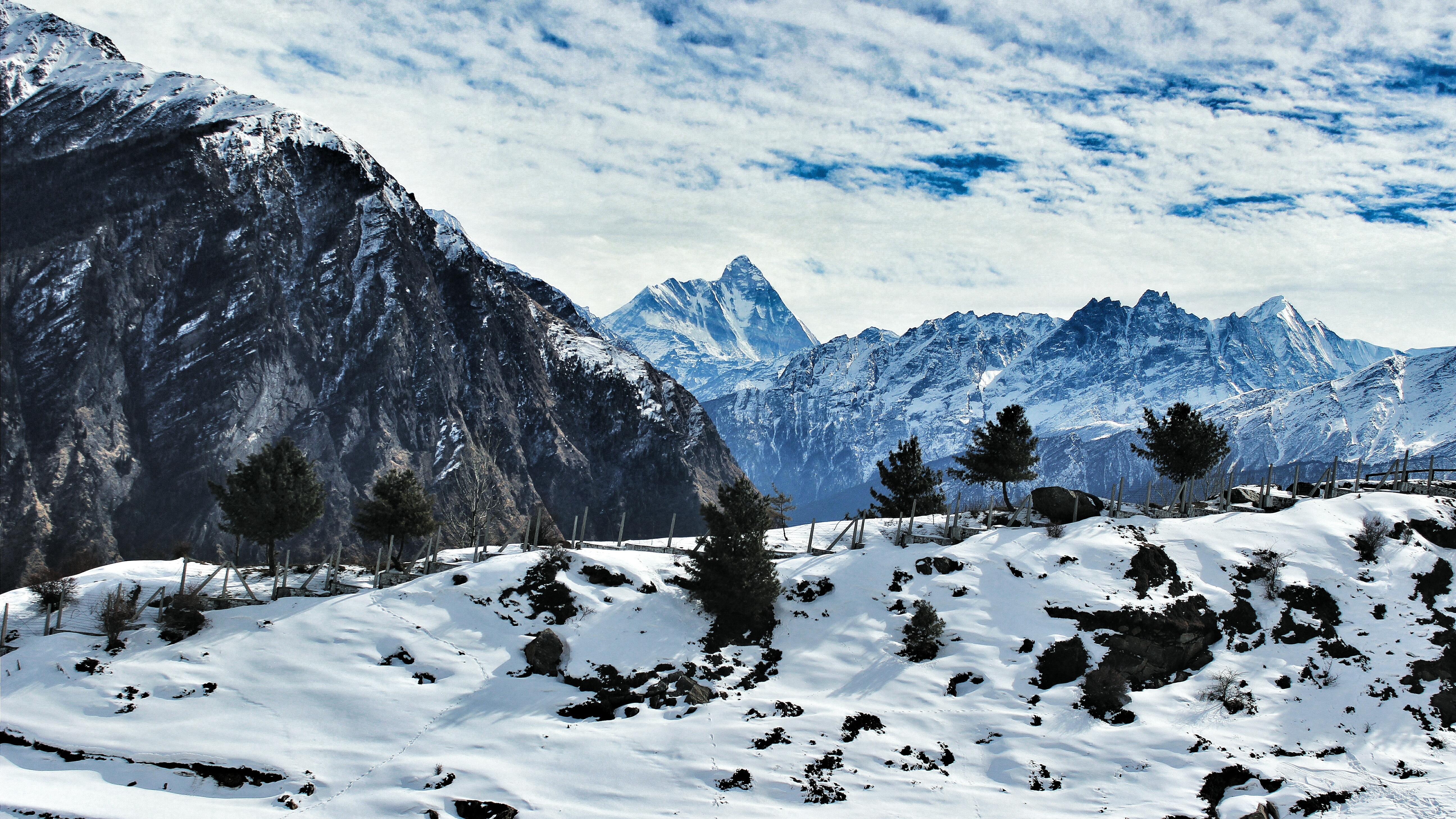
What truly elevates the experience is its location. From the monastery grounds, you can enjoy breathtaking views of the Khangchendzonga range, the valleys below, and even the winding Teesta River in the distance. It’s the kind of place where nature and spirituality blend effortlessly.
Travel Experience and Trek
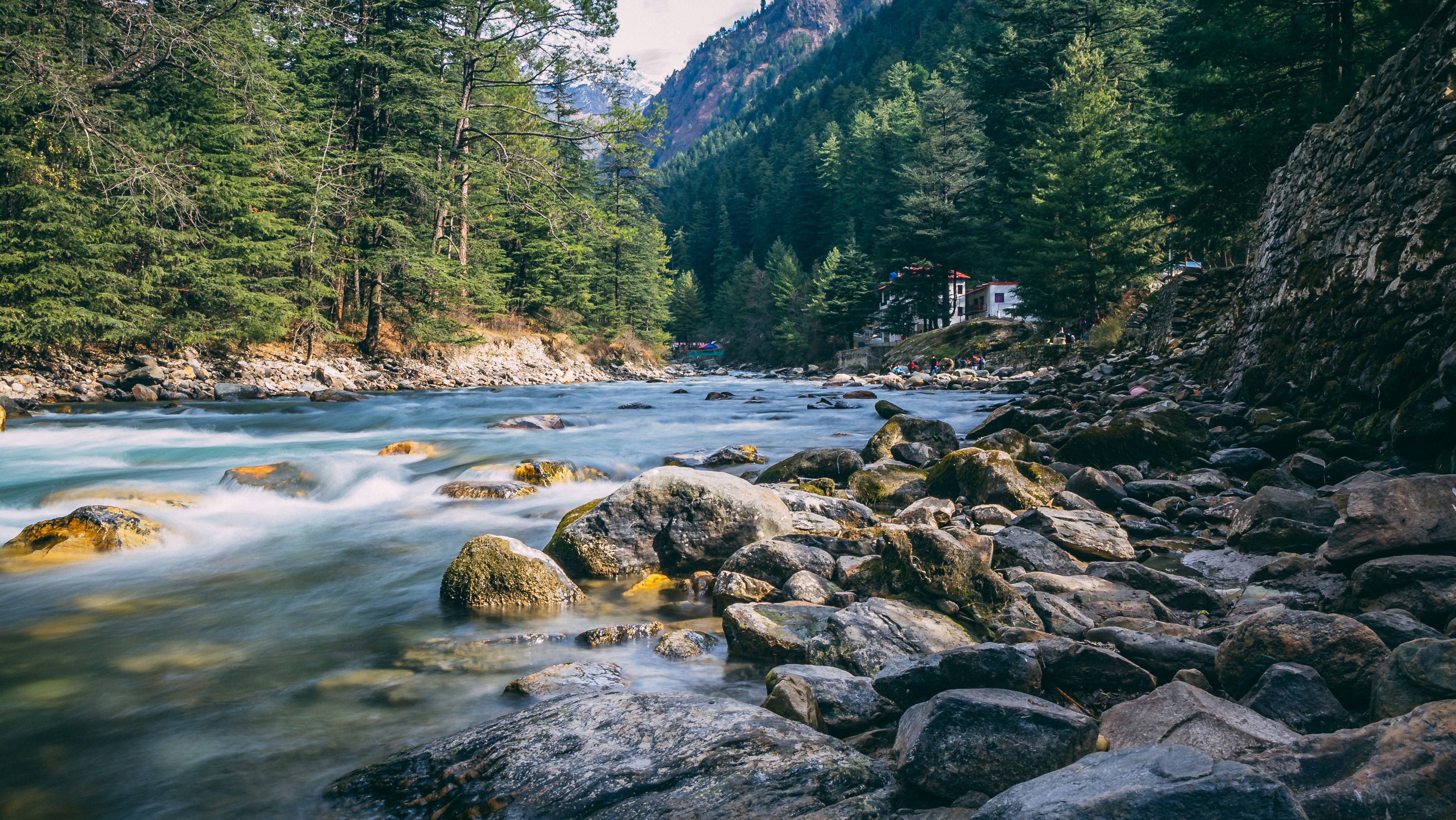
Reaching Dubdi Monastery is part of the experience itself. From Yuksom, visitors usually take a short but scenic uphill trek through forest trails, pine trees, and small terraced patches of farmland.
The walk is peaceful and refreshing, offering plenty of moments to pause and enjoy the silence of nature. Once you reach the top, the reward is not just the monastery but also the incredible sense of calm that surrounds it.
For photography lovers, the combination of Himalayan views, traditional architecture, and misty forest trails makes it a perfect spot to capture both culture and nature in one frame.
How to Reach Dubdi Monastery
The journey typically begins from Yuksom, which is well connected by road.
- From Gangtok: Around 120–130 km by road.
- From Dubdi Monastery base point: Short trek of about 1–2 km uphill.
Nearest travel hubs include:
- Pakyong Airport (closer airport option).
- Bagdogra Airport (major airport gateway).
- New Jalpaiguri Railway Station (nearest major railhead).
From these points, taxis and shared vehicles are available to reach Yuksom, followed by the final trek.
Nearby Attractions
- Norbugang Coronation Throne – 1 km (The historic site where the first Chogyal of Sikkim was crowned in 1642, making it one of the most significant heritage landmarks in Yuksom.)
- Kathok Lake – 1 km (A serene sacred lake surrounded by forests and prayer flags, closely associated with the history of Yuksom.)
- Khangchendzonga National Park – 2 km (A UNESCO World Heritage Site renowned for its alpine landscapes, rare wildlife, trekking routes, and stunning Himalayan scenery.)
- Sanghak Choeling Monastery – 12 km (One of Sikkim’s oldest monasteries, perched on a hilltop with panoramic views of the surrounding valleys.)
- Pemayangtse Monastery – 22 km (A magnificent 17th-century monastery famous for its intricate wood carvings, murals, and rich Buddhist heritage.)
- Rabdentse Ruins – 23 km (The archaeological remains of the second capital of the former Kingdom of Sikkim, offering spectacular views and historical significance.)
- Kanchenjunga Falls – 30 km (A majestic perennial waterfall cascading through lush forests, making it one of West Sikkim’s most popular natural attractions.)
- Tashiding Monastery – 35 km (A revered Buddhist monastery considered one of the holiest pilgrimage sites in Sikkim.)
- Elephant Falls – 4 km (A small yet picturesque waterfall located near Yuksom, ideal for a short scenic stop.)
- Yuksom – 3 km (The historic first capital of Sikkim, known for its monasteries, traditional culture, trekking routes, and gateway to the Kanchenjunga region.)
Best Time to Visit
The best time to visit Dubdi Monastery is generally from March to June and September to November. During these months, the weather is pleasant, the skies are clearer, and the trekking route is much more enjoyable. Monsoon months can make the trail slippery, while winter brings cold temperatures but a very peaceful atmosphere.
Google Maps
FAQs
1. Why is Dubdi Monastery famous?
It is known as the oldest monastery in Sikkim and is closely linked to the early establishment of Buddhism in the region.
2. How difficult is the trek to Dubdi Monastery?
The trek is short and moderate, suitable for most visitors with basic fitness.
3. Can tourists enter the monastery?
Yes, visitors are allowed to explore the monastery respectfully and observe the peaceful environment.
4. What is special about its location?
It offers stunning views of the Himalayas and is surrounded by dense forests, making it both spiritual and scenic.
5. How much time is needed to visit?
Around 2–3 hours is usually enough, including the trek and time spent exploring the monastery.