
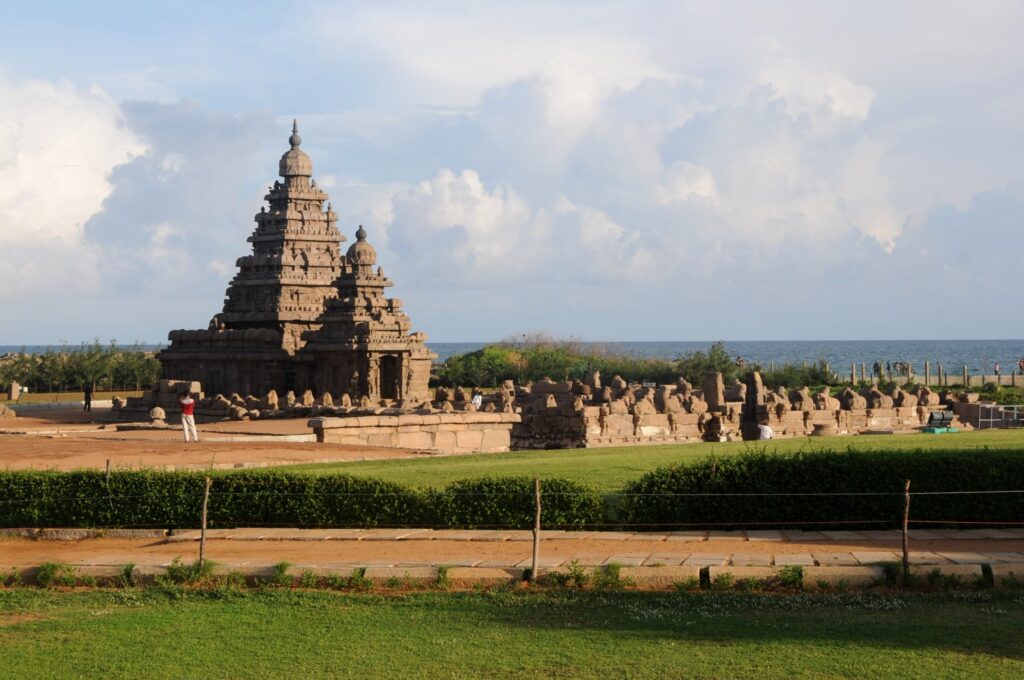
Image Source: Wikimedia
Tamil Nadu, located in the southernmost tip of India, is a land where ancient traditions live on in modern times. With towering temples, classical dance and music, serene beaches, lush hill stations, and vibrant cities like Chennai and Madurai, Tamil Nadu is a must-visit for anyone seeking a blend of spiritual depth, cultural richness, and natural beauty. The state is the heartland of Dravidian architecture and Tamil language, one of the oldest living languages in the world.
Geography of Tamil Nadu
Tamil Nadu is a state blessed with a rich and varied topography that spans hills, rivers, plains, and coastlines. Located in the southern part of India, it showcases a harmonious blend of natural landscapes that shape its cultural and economic identity.
The Eastern Ghats extend into the northwestern parts of the state, while the Nilgiri Hills, known for their mist-covered slopes and tea gardens, lie to the west bordering Kerala and Karnataka. The Western Ghats, a UNESCO World Heritage Site, are home to pristine hill stations like Ooty (Udhagamandalam) and Kodaikanal, which are popular for trekking, wildlife, and cool weather.
The heart of Tamil Nadu is shaped by the Cauvery River Delta, which forms the state’s agricultural backbone. This fertile river basin supports lush paddy fields, banana plantations, and sugarcane farms, especially in districts like Thanjavur, Trichy, and Nagapattinam.
Tamil Nadu also boasts a long coastline of over 1,000 kilometers along the Bay of Bengal, dotted with scenic beaches, backwaters, and fishing villages. Coastal towns like Chennai, Mahabalipuram, Rameswaram, and Thoothukudi thrive with marine activities, salt pans, and unique ecosystems including mangroves and lagoons.
The state experiences a tropical climate, marked by hot summers (March to May), a monsoon season from June to September (Southwest monsoon) and October to December (Northeast monsoon), and mild, pleasant winters from November to February. Coastal areas remain humid, while the highlands in the Nilgiris enjoy cooler temperatures year-round.
History of Tamil Nadu
The history of Tamil Nadu is one of the oldest and most continuous in the Indian subcontinent, stretching back over 2,000 years. This land has been the cradle of Dravidian civilization, where ancient kingdoms flourished with remarkable advancements in architecture, literature, trade, and temple culture.
The region was ruled by powerful dynasties like the Cholas, Pandyas, Chera, and Pallavas—each contributing to the state’s rich artistic and architectural legacy. The Cholas, in particular, ushered in a golden era between the 9th and 13th centuries, expanding their influence as far as Southeast Asia. Their legacy can be seen in the majestic Brihadeeswarar Temple in Thanjavur, a UNESCO World Heritage Site and a masterpiece of Chola architecture.
The Pallavas, centered around Kanchipuram and Mahabalipuram, were pioneers of stone temple architecture. The rock-cut temples and monolithic rathas (chariots) at Mahabalipuram are globally celebrated and attract visitors for their intricate carvings and seaside beauty. The Pandyas left their imprint on Madurai, home to the iconic Meenakshi Amman Temple, a living symbol of Tamil culture and religious devotion.
Tamil Nadu’s coastal geography made it an active hub in ancient maritime trade. The port towns of Poompuhar, Korkai, and Arikamedu were part of global trade networks with Rome, Greece, and Southeast Asia.
In the colonial era, Tamil Nadu saw significant European influence. Chennai (formerly Madras) became the administrative center of the British in South India, while Puducherry reflects the legacy of French rule with its colonial architecture and boulevards. Thoothukudi (Tuticorin) served as an important port for the Portuguese and later the British, further enriching the region’s multicultural fabric.
Tamil Nadu has also played a pivotal role in India’s independence movement and post-independence linguistic identity. The Tamil language, one of the world’s oldest surviving classical languages, has always been central to the region’s self-expression, pride, and unity.
Culture of Tamil Nadu
Tamil Nadu’s culture is an intricate mosaic of ancient traditions, classical arts, spiritual depth, and vibrant local customs. As one of the oldest living cultures in the world, Tamil Nadu embodies the soul of Dravidian heritage and continues to influence art, language, and spirituality across India and beyond.
The state is the birthplace of Bharatanatyam, one of India’s most iconic classical dance forms. With its graceful gestures, storytelling expressions, and spiritual themes, Bharatanatyam is a cornerstone of temple rituals and stage performances alike. Similarly, Carnatic music, with its complex ragas and devotional compositions, forms the melodic heart of Tamil Nadu’s performing arts, especially during the Margazhi music season in Chennai.
Tamil literature, one of the oldest literary traditions in the world, traces its roots to the Sangam era (circa 300 BCE–300 CE). Classic works like Thirukkural, written by Thiruvalluvar, and ancient Tamil epics such as Silappatikaram and Manimekalai reflect the moral, philosophical, and poetic richness of the Tamil language—a source of immense pride among Tamils globally.
Temple culture is deeply woven into everyday life in Tamil Nadu. Grand temple towns like Madurai, Chidambaram, Thanjavur, Rameswaram, and Kanchipuram not only serve as religious centers but also as hubs of art, sculpture, dance, and ritual. Temples are often the focal points of community festivals, music, and classical performances. Festivals like Pongal, Thai Poosam, Aadi Perukku, and Karthigai Deepam are celebrated with fervor and showcase the state’s agrarian roots, spiritual ethos, and family-centered traditions.
In craftsmanship, Tamil Nadu is known for its exquisite Kanchipuram silk sarees, celebrated for their intricate gold zari work and durability. Bronze casting, especially of Nataraja (dancing Shiva) idols in Swamimalai, and Tanjore paintings with gold leaf and religious motifs are other artistic legacies.
Culinary traditions are equally distinctive. The cuisine emphasizes vegetarian dishes, often served on banana leaves, and highlights items like idli, dosa, sambar, rasam, and pongal. Temple prasadams, like the Chakkarai Pongal from Srirangam or Puliyodarai from Meenakshi Temple, are sacred and flavorful representations of culinary devotion.
Spirituality and devotion form the backbone of Tamil identity. Whether it’s the daily temple rituals, the philosophical influence of Shaivism and Vaishnavism, or the vibrant expressions of faith during temple car (rath) festivals, Tamil Nadu continues to uphold its reputation as a cultural and spiritual heartland of South India.
Fairs and Festivals of Tamil Nadu
Tamil Nadu’s festivals are vivid expressions of its deep spiritual roots, agrarian heritage, and artistic traditions. Many are tied to temple legends, seasonal cycles, and community celebrations, making them integral to the Tamil way of life. Here are some of the most iconic festivals, celebrated across towns and temple cities of Tamil Nadu:
Pongal – The Harvest Festival of Tamil Nadu
When: Mid-January (Thai month)
Where: Celebrated statewide, especially in rural areas
Highlights: Boiling of rice in clay pots; decorated cattle; kolam (rangoli)
Pongal is a four-day agrarian festival that marks the Tamil New Year for farmers and honors Surya (the Sun God). Families prepare the traditional sweet dish called Pongal and offer prayers for prosperity. Mattu Pongal, part of the celebration, involves decorating and worshipping cattle, which play a crucial role in agriculture.
Thaipusam – A Festival of Devotion and Sacrifice
When: January–February (Thai month, full moon)
Where: Most notably in Palani Murugan Temple, also in Chennai and other Murugan temples
Highlights: Devotees carry kavadis, pierce bodies as acts of penance
Dedicated to Lord Murugan, Thaipusam is marked by intense devotion, as devotees perform acts of self-mortification such as piercing their tongues, cheeks, or bodies while carrying decorated kavadis (burden offerings). Pilgrimages to Palani Hills and temple processions showcase the spirit of surrender and purification.
Chithirai Festival – The Divine Wedding of Madurai
When: April–May (Chithirai month)
Where: Meenakshi Temple, Madurai
Highlights: Re-enactment of the wedding of Goddess Meenakshi and Lord Sundareshwar
The Chithirai Thiruvizha is a grand 15-day celebration in Madurai, where two legendary events are re-enacted: the celestial wedding of Meenakshi and Shiva, and the arrival of Lord Alagar (Vishnu) to the Vaigai River. It draws lakhs of pilgrims and tourists, symbolizing unity between Shaivite and Vaishnavite traditions.
Karthigai Deepam – Tamil Nadu’s Festival of Lights
When: November–December (Karthigai month, full moon)
Where: Tiruvannamalai, and homes across Tamil Nadu
Highlights: Lighting of thousands of oil lamps; Mahadeepam on Annamalai hill
Karthigai Deepam is one of the oldest Tamil festivals, celebrated with the lighting of agals (oil lamps) in homes and temples. In Tiruvannamalai, a huge fire lamp called Mahadeepam is lit atop Annamalai Hill, representing Lord Shiva in the form of an endless flame.
Natyanjali Festival – A Tribute to Dance and Divinity
When: February–March (Shivaratri period)
Where: Chidambaram Nataraja Temple
Highlights: Bharatanatyam and other classical performances by top artists
Held at the sacred Nataraja Temple, where Lord Shiva is worshipped as the cosmic dancer, the Natyanjali Festival gathers classical dancers from all over India. It’s a celebration of Bharatanatyam, Odissi, Kuchipudi, and Kathak, set against the backdrop of ancient temple architecture.
Tamil New Year (Puthandu) – Welcoming Prosperity
When: April 14 (Chithirai 1st)
Where: Celebrated across Tamil Nadu
Highlights: Traditional feasts, kolams, viewing of auspicious items (Kanni)
Puthandu, the Tamil New Year, marks a fresh beginning. Homes are cleaned and decorated with mango leaves and kolams, and families gather for festive meals. A traditional practice involves viewing items like mirror, flowers, fruits, and gold (Kanni) first thing in the morning for luck and prosperity.
Popular Dishes of Tamil Nadu
Tamil Nadu’s cuisine is a flavorful tapestry of rice-based staples, tangy tamarind curries, spicy meat dishes, and traditional filter coffee culture. Whether it’s a quick breakfast at a street-side stall or a grand Chettinad thali, food is deeply tied to the region’s identity. Below are some iconic dishes you must try when in Tamil Nadu:
Sambar & Idli – The Quintessential Tamil Breakfast
Where to Try: Local tiffin centers, homes across Tamil Nadu
Ingredients: Steamed rice cakes (idlis), lentil-based tamarind stew (sambar)
This is the go-to breakfast for millions in Tamil Nadu. Soft idlis, made from fermented rice and urad dal batter, are dipped into aromatic sambar made with vegetables, spices, and tamarind. Often served with coconut and tomato chutneys, this dish is healthy, light, and comforting.
Dosa with Chutneys – Crispy Crepes with a Twist
Where to Try: Street food stalls in Chennai, Madurai, and Coimbatore
Variants: Ghee Roast, Masala Dosa, Rava Dosa
Made from fermented rice and lentil batter, dosa is a crispy and versatile delight. It’s commonly served with three types of chutneys (coconut, tomato, mint) and a side of sambar. Tamil Nadu is known for unique versions like the Kalasam dosa (stuffed with mixed vegetable curry) and the Podi Dosa, smeared with dry chili-garlic powder.
Chettinad Chicken Curry – Spicy Heritage from Karaikudi
Where to Try: Karaikudi, Chettinad region, upscale restaurants across the state
Ingredients: Chicken, black pepper, star anise, kalpasi (stone flower)
Originating from the Chettinad region, this dish is known for its intense flavor profile—a fiery blend of hand-ground spices, dry chilies, and coconut. Served with rice, appam, or parotta, it’s a must-try for those who love bold, peppery meat preparations.
Kootu & Poriyal – Homestyle Vegetarian Staples
Where to Try: Served in Tamil thalis or homemade meals
Ingredients: Seasonal vegetables, moong dal, coconut, mustard seeds
Kootu is a mildly spiced lentil-based vegetable stew, often cooked with ash gourd, beans, or cabbage. Poriyal refers to dry stir-fried veggies with grated coconut, curry leaves, and tempered spices. These dishes are everyday essentials and reflect the balanced vegetarian diet common in Tamil households.
Filter Coffee – The Soul of Tamil Kitchens
Where to Try: Traditional homes, Saravana Bhavan, Madurai’s coffee joints
Served In: Brass or steel dabara-tumbler set
Tamil Nadu’s famous Filter Kaapi is made from a blend of dark roasted coffee beans and chicory, brewed using a metal filter and then mixed with boiling milk and sugar. Served frothy and hot, it’s more than a beverage—it’s a morning ritual and a symbol of hospitality.
Pongal – Comfort Food with a Festive Twist
Where to Try: Traditional homes during festivals or breakfast outlets
Variants: Ven Pongal (savory), Sakkarai Pongal (sweet)
Ven Pongal is a creamy rice-lentil dish seasoned with black pepper, cumin, ginger, and ghee-fried cashews. It’s warm, filling, and often paired with chutney and sambar. This dish is especially significant during the Pongal festival but is also a daily breakfast staple.
Murukku & Banana Chips – Crunchy Tea-Time Snacks
Where to Try: Sweet shops in Madurai, Salem, or local bakeries
Occasions: Deepavali, weddings, or anytime munching
Murukku, made from rice flour and urad dal, is twisted into coils and deep-fried until crisp. Banana chips, sliced and fried in coconut oil, offer a savory alternative. These snacks are popular across Tamil Nadu and often accompany filter coffee during evening chats.
Top Places to Visit in Tamil Nadu
Tamil Nadu is a cultural heartland that offers an extraordinary mix of temple architecture, coastal landscapes, hill retreats, and historical cities. From the bustling streets of Chennai to the serene hills of Ooty, every destination tells a unique story. Here’s a closer look at the most iconic and immersive places to explore:
Chennai – The Gateway to South India
Highlights: Marina Beach, Kapaleeshwarar Temple, Fort St. George, Santhome Church
Chennai, the capital city of Tamil Nadu, is a vibrant urban center blending British colonial landmarks with ancient temples and Tamil traditions. Walk along the iconic Marina Beach, explore Museums in Egmore, or immerse in Carnatic music and Bharatanatyam performances during the Margazhi season.
Madurai – Temple City of Tamil Nadu
Highlights: Meenakshi Amman Temple, Thirumalai Nayakkar Mahal, Gandhi Museum
One of India’s oldest continuously inhabited cities, Madurai is dominated by the towering Meenakshi Amman Temple, known for its intricate carvings and bustling atmosphere. The city comes alive during the Chithirai Festival, re-enacting the divine wedding of Meenakshi and Sundareshwar.
Mahabalipuram – Sculpted Marvel by the Sea
Highlights: Shore Temple, Pancha Rathas, Arjuna’s Penance, Descent of the Ganges
Located on the Coromandel Coast, Mahabalipuram is a treasure trove of 7th–8th century Pallava stone carvings. It’s ideal for both history buffs and beach lovers. The Shore Temple at sunrise is a must-see, and the annual Mamallapuram Dance Festival adds cultural flair.
Rameswaram – Pilgrimage Island with Sacred Shores
Highlights: Ramanathaswamy Temple, Pamban Bridge, Dhanushkodi ruins
Situated on Pamban Island, Rameswaram is one of the four Char Dham pilgrimage sites in India. Its temple houses the longest corridor in Asia, and the island’s serene shores are steeped in the mythology of Lord Rama and the Ramayana. Visit Dhanushkodi for a surreal, abandoned townscape.
Thanjavur – Cradle of Classical Art and Temple Grandeur
Highlights: Brihadeeswarar Temple, Thanjavur Palace, Tanjore Paintings
Thanjavur was the capital of the mighty Chola Empire, and its UNESCO-listed Brihadeeswarar Temple (Big Temple) is a masterpiece of Dravidian architecture. The city is also renowned for Tanjore paintings, veena music, and Carnatic training centers, making it a hub of Tamil fine arts.
Kanchipuram – City of a Thousand Temples
Highlights: Ekambareswarar Temple, Kailasanathar Temple, Kanchipuram Silk Weaving
One of the seven Moksha-puris (liberation-giving cities) in India, Kanchipuram is steeped in spirituality. Alongside its stunning temples, the city is famous for Kanchipuram silk sarees, woven with gold zari—a perfect blend of devotion and craftsmanship.
Ooty & Kodaikanal – Hill Retreats in the Western Ghats
Ooty Highlights: Botanical Gardens, Ooty Lake, Nilgiri Mountain Railway
Kodaikanal Highlights: Coaker’s Walk, Pillar Rocks, Kodai Lake
These twin jewels of the Western Ghats offer misty mountains, serene lakes, and cool weather. Ooty’s colonial charm and toy train ride contrast with Kodaikanal’s pine forests and waterfalls. Both are perfect for trekking, boating, and scenic relaxation away from the heat of the plains.
Chidambaram – The Cosmic Dance Capital
Highlights: Nataraja Temple, Natyanjali Festival
Chidambaram is a spiritual nucleus dedicated to Lord Nataraja—Shiva in his dancing form. The Nataraja Temple is architecturally magnificent and spiritually profound. During the Natyanjali Festival, dancers from across India gather to perform Bharatanatyam as a form of devotional offering.
Off-Beat Places to Visit in Tamil Nadu
Tamil Nadu is not just about grand temples and busy cities—it also offers serene hill stations, quiet coastal towns, and spiritual retreats that are perfect for travelers seeking a more peaceful and authentic experience.
Yelagiri Hills – Tranquil Retreat in the Eastern Ghats
Nestled between Chennai and Bengaluru, Yelagiri is a lesser-known hill station surrounded by forests and orchards. It’s a quiet escape ideal for short hikes, boating at Punganoor Lake, or a picnic in its well-maintained nature parks. The Swamimalai trek is a gentle climb with great panoramic views, making it popular among weekend travelers.
Tiruvannamalai – Sacred Town of Fire and Silence
At the base of the Arunachala Hill lies the spiritual town of Tiruvannamalai, famous for the Arunachaleswarar Temple and the practice of Girivalam—a barefoot pilgrimage walk around the hill. The town is a hub for seekers of peace, meditation, and self-realization, with the Ramana Maharshi Ashram drawing visitors from around the world.
Karaikudi (Chettinad) – Palatial Heritage and Spiced Flavors
Karaikudi is the cultural heart of the Chettinad region, known for its grand ancestral mansions built by Chettiar traders. These palatial homes showcase traditional architecture with intricate woodwork and handmade tiles. The region is also famous for its bold, spicy cuisine served on banana leaves—a delight for food lovers and history enthusiasts alike.
Pichavaram Mangroves – A Labyrinth of Water and Roots
Close to Chidambaram, the Pichavaram Mangrove Forest is a hidden ecological treasure. Boating through its narrow channels feels like entering another world, where you can spot birds among the dense mangrove roots. It’s a calm and immersive experience in nature, perfect for those who enjoy birdwatching and quiet landscapes.
Tharangambadi (Tranquebar) – Danish Footprints by the Sea
This former Danish trading post on the Coromandel Coast is rich in colonial history and coastal charm. The 17th-century Dansborg Fort stands tall near the sea, and the nearby heritage buildings, old churches, and the museum tell stories of Tamil Nadu’s European ties. The quiet beaches and old-world atmosphere make it a rare coastal heritage town.
Courtallam – The Spa of South India
Located near Tenkasi, Courtallam is famous for its waterfalls, which flow strongest during the monsoon season. The water here is believed to have healing properties due to the herbs from the surrounding hills. Families flock here for natural showers under the falls, while some visit nearby temples or opt for Ayurvedic treatments and massages.
Top Things to Do in Tamil Nadu
Tamil Nadu offers a vibrant blend of spiritual depth, classical arts, natural beauty, and living traditions. Whether you’re a culture enthusiast, a nature lover, or a spiritual seeker, this southern state has something for everyone.
Temple Hopping Across Ancient Cities
Tamil Nadu is often called the land of temples, and with good reason. Cities like Madurai, Chidambaram, Kanchipuram, and Rameswaram are home to majestic temple complexes that showcase the grandeur of Dravidian architecture. Exploring these temples allows visitors to witness centuries-old rituals, towering gopurams, and intricate stone carvings. The Meenakshi Temple in Madurai and the Shore Temple in Mahabalipuram are standout experiences for anyone interested in sacred art and architecture.
Experience Spiritual Retreats and Ashram Life
For those seeking inner peace or a deeper connection with themselves, Tamil Nadu provides profound spiritual spaces. The Ramana Maharshi Ashram in Tiruvannamalai is a global center for silent meditation and Advaita philosophy. In Coimbatore, the Isha Yoga Center offers yoga programs, meditation spaces, and the striking Adiyogi statue in a serene forested setting.
Witness Classical Dance and Music
The state’s cultural richness is expressed through performances of Bharatanatyam, one of India’s oldest classical dance forms. Attend an evening recital in Chennai’s sabhas during the December Music Season or at temples in Thanjavur to experience stories from epics narrated through expressive dance and music. It’s a window into Tamil Nadu’s artistic soul.
Relax in the Cool Hills
Ooty, Coonoor, and Kodaikanal in the Western Ghats provide a cool and refreshing contrast to the state’s tropical plains. These hill stations are perfect for scenic train rides, peaceful walks through pine forests and tea estates, and cozy stays in colonial-era bungalows. Trekking trails, lakes, and viewpoints offer plenty for nature lovers and photographers.
Unwind at the Beaches
Tamil Nadu’s long coastline is dotted with diverse beaches—from the iconic Marina Beach in Chennai to the spiritual shores of Dhanushkodi. Mahabalipuram offers a unique mix of beachside relaxation and ancient stone temples carved by the sea. These coastal getaways are great for quiet mornings, local seafood, and watching life unfold near the waves.
Embrace the Filter Coffee Culture
No visit to Tamil Nadu is complete without sipping a strong, aromatic tumbler of filter coffee. Especially in traditional cafés of Chennai and Madurai, the art of brewing and serving “Kaapi” is a ritual in itself. It’s best enjoyed with a crispy dosa or fluffy idli, making breakfast a memorable affair.
Explore Museums and Heritage Sites
Step into the cultural and historical heart of Tamil Nadu through its museums. The Government Museum in Chennai, with its Bronze Gallery and archaeological sections, is among India’s oldest and finest. The Royal Palace complex in Thanjavur houses ancient manuscripts, weaponry, and Chola-era relics that paint a vivid picture of Tamil history and legacy.
Souvenirs to Buy from Tamil Nadu
Tamil Nadu’s rich cultural heritage and artisanal traditions offer a vibrant collection of souvenirs that reflect its artistry, history, and lifestyle. From temple towns to hill stations, shopping here is not just about buying things — it’s about taking home a piece of Tamil legacy.
Kanchipuram Silk Sarees
No souvenir from Tamil Nadu is more iconic than a handwoven Kanchipuram saree. Originating from the temple town of Kanchipuram, these sarees are woven with pure mulberry silk and embellished with gold zari borders. Known for their durability and grandeur, they are often chosen for weddings and traditional events. The craftsmanship reflects centuries of weaving expertise, with motifs often inspired by temples and epics.
Tanjore Paintings
Tanjore or Thanjavur paintings are a traditional art form that combines vivid colors, mythological themes, and gold foil detailing. These artworks typically depict Hindu gods and goddesses in rich, ornate settings and are made on wooden panels. A framed Tanjore painting makes for a spiritual and decorative keepsake, showcasing the fusion of devotion and fine art.
Bronze Idols
Tamil Nadu, especially in places like Swamimalai, is renowned for its bronze casting using the ancient lost-wax method (cire perdue). These bronze idols often represent deities like Nataraja (the dancing Shiva) and embody precise iconometric rules from temple traditions. Owning one is like preserving a fragment of Tamil temple heritage and classical sculpture.
Chettinad Crafts
The Chettinad region is famous not just for its cuisine, but also for its artisanal tile work, handcrafted wooden furniture, and antique decor. Athangudi tiles are vibrant, geometric, hand-pressed floor tiles that add a touch of vintage elegance. In heritage homes, you’ll also find intricately carved teak furniture — a perfect souvenir for lovers of heritage design.
Filter Coffee Powder & Spices
Tamil Nadu’s hill regions like Coorg, Ooty, and Coimbatore produce rich Arabica coffee and fragrant spices such as pepper, cardamom, and clove. Locally ground filter coffee powder, usually a blend of coffee and chicory, is a must-buy for any caffeine lover. Combine it with a traditional steel coffee filter for an authentic experience back home.
Temple Jewelry
A classic example of Tamil Nadu’s artistry is temple jewelry, originally designed for Bharatanatyam dancers and deities. These ornaments, usually gold-plated with red and green stones, are intricate, ornate, and deeply symbolic. From necklaces and jhumkas to hair accessories, they make elegant souvenirs and cultural statement pieces.
Best Time to Visit Tamil Nadu
November to March – Ideal for sightseeing and festivals
June to September – Lush green landscapes and waterfalls (hill stations)
April–May – Summer; better to explore cooler regions like Ooty and Kodaikanal
How to Reach Tamil Nadu
✈️ By Air:
Chennai International Airport is a major international hub
Other domestic airports: Madurai, Coimbatore, Trichy, Salem, Thoothukudi
🚆 By Train:
Major railway junctions: Chennai, Madurai, Coimbatore, Trichy, and Salem
Well-connected to all major Indian cities
🚌 By Road:
National highways connect Tamil Nadu to Kerala, Karnataka, Andhra Pradesh
TNSTC and SETC offer regular bus services