
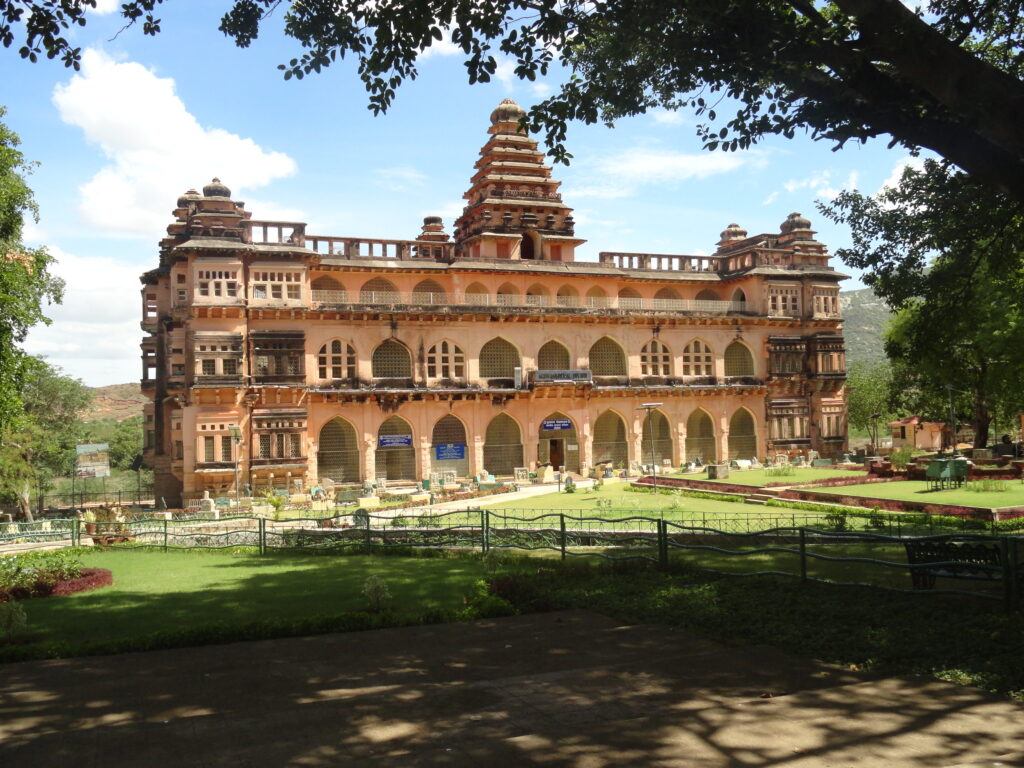
Image Source: Bhaskaranaidu
About Archaeological Museum
The Archaeological Museum at Chandragiri, located near Chandragiri Fort in Tirupati, Andhra Pradesh, is a prominent institution dedicated to preserving and showcasing the rich heritage of the Vijayanagara Empire and the surrounding region.
Chandragiri Fort, once the royal seat of the Vijayanagara rulers during the 16th century, forms the historical backdrop of the museum. The museum provides visitors with an insight into the art, architecture, and daily life of the Vijayanagara period, making it an important cultural and educational destination.
Historical Significance
Chandragiri was a strategically important fort and administrative center of the Vijayanagara Empire after the fall of Hampi in the 16th century. The museum preserves the archaeological and historical artifacts recovered from the fort and surrounding areas, offering a glimpse into the socio-political and cultural life of the Vijayanagara rulers. Many exhibits reflect the artistic excellence, craftsmanship, and architectural innovation characteristic of the period.
Collections and Exhibits
Sculptures and Statues: The museum houses stone and metal sculptures, including deities, guardian figures, and intricately carved architectural fragments from temples and palaces.
Inscriptions and Copper Plates: Several inscriptions and copper plates detail royal decrees, land grants, and historical events, providing valuable information about the governance and administration of the Vijayanagara period.
Weapons and Armor: A collection of medieval weapons, shields, and armor offers insight into the military organization and defense mechanisms of the fort.
Daily Life Artifacts: Items such as pottery, coins, jewelry, and tools depict the everyday life and economic activities of the people during the Vijayanagara era.
Architectural Fragments: Fragments of pillars, door frames, and temple panels showcase the distinctive Vijayanagara architectural style, highlighting motifs like yali (mythical creatures) and intricate floral patterns.
Educational and Cultural Importance
The museum serves as an educational resource for students, researchers, and history enthusiasts, offering a deeper understanding of the Vijayanagara Empire and South Indian heritage. By preserving these artifacts, it contributes to cultural conservation and fosters appreciation for the region’s rich historical legacy.
Visitor Experience
Visitors to the museum can explore the exhibits along with a tour of Chandragiri Fort, which includes the Raja Mahal, queen’s quarters, and fortifications. The museum provides informative plaques and guided explanations, helping visitors contextualize the artifacts. Photography, educational tours, and cultural visits are encouraged, making it a family-friendly and historically enriching experience.
How to Reach Archaeological Museum, Chandragiri
By Road: The museum is located about 10 km from Tirupati city center and can be reached via local buses, taxis, or private vehicles.
By Rail: The nearest railway station is Tirupati Railway Station (10 km), well-connected to major Indian cities.
By Air: Tirupati Airport (15 km) provides flights to major cities such as Hyderabad, Bengaluru, Chennai, and Delhi, making the museum easily accessible for domestic travellers.