
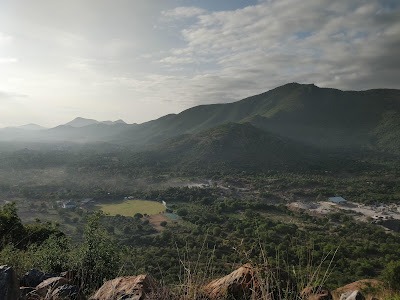
Image Source: B.santhosh Kumar
About Jarugumalai Reserved Forest
The Jarugumalai Reserved Forest is a serene and lesser-known natural haven located in the Salem district of Tamil Nadu. Nestled in the Eastern Ghats, it lies at an altitude of around 500–1,200 meters above sea level, offering a refreshing climate and breathtaking views of the surrounding plains. Known for its dense greenery, tribal hamlets, and panoramic viewpoints, Jarugumalai is an emerging eco-tourism spot for travelers who prefer solitude and untouched landscapes.
Geography and Natural Beauty
Jarugumalai spreads across rocky hill slopes, thick forests, and valleys. The region is rich in teak, sandalwood, and medicinal plants, making it both ecologically and economically significant. The forested hill is surrounded by coffee plantations, small streams, and viewpoints where one can see the entire stretch of Salem city and the Mettur Dam region. During monsoon, the area comes alive with lush greenery and mist-covered peaks, offering an enchanting sight.
Tribal Settlements and Culture
A distinctive feature of Jarugumalai is the presence of indigenous tribal communities who have lived here for centuries. These tribes depend largely on agriculture, cattle rearing, and forest produce for their livelihood. Their simple way of life, folk traditions, and festivals reflect their deep bond with nature. The Tamil Nadu government has been working on tribal welfare projects in this area, including housing, healthcare, and education.
Tourism and Attractions
Jarugumalai is not just a forest but also a viewpoint and trekking destination. Some highlights include:
Jarugumalai Viewpoint—offers spectacular sunrise and sunset views over Salem and its surrounding plains.
Eco-tourism potential – ideal for trekking, birdwatching, and nature photography.
Tribal hamlets – provide a chance to interact with local communities and understand their lifestyle.
Monsoon charm – the forest gets covered in mist, creating a hill-station-like experience.
Ecological Importance
The Jarugumalai Reserved Forest plays an essential role in maintaining ecological balance, acting as a water catchment area for surrounding villages. It shelters wild animals such as deer, foxes, peacocks, and a variety of bird species, contributing to the biodiversity of the Eastern Ghats. Conservation efforts are in place to protect the forest from deforestation and to promote sustainable eco-tourism.
Accessibility and Travel Information
Jarugumalai is about 36 km from Salem city, making it easily accessible by road. The nearest railway station and airport are at Salem, ensuring connectivity for tourists. Visitors generally prefer early mornings or late evenings for sightseeing due to the cool climate and clear views. The best time to visit is from October to March, when the weather is pleasant and the forest is lush green.
Google Maps
FAQS
- Q: Where is Jarugumalai Forest located?
Jarugumalai Forest is located in Salem district of Tamil Nadu, forming part of the Eastern Ghats. It lies close to the Salem–Dharmapuri region and is known locally as one of the green hill tracts surrounding the Salem plateau.
- Q: Why is Jarugumalai Forest important ecologically?
Jarugumalai Forest plays a crucial role in preserving Eastern Ghats biodiversity, supporting dry deciduous and scrub forest ecosystems. It helps in groundwater recharge, soil conservation, and acts as a green buffer against rapid urban expansion around Salem.
- Q: What type of vegetation is found in Jarugumalai Forest?
The forest mainly consists of dry deciduous trees, thorny shrubs, medicinal plants, grasses, and native herbs. Seasonal wildflowers and hardy tree species adapted to rocky terrain dominate the landscape.
- Q: Is Jarugumalai Forest home to wildlife?
Yes, Jarugumalai Forest supports small mammals, reptiles, birds, and insects typical of Eastern Ghats forests. Birdlife is particularly notable, making it a quiet spot for nature observation and birdwatching.
- Q: Can tourists visit Jarugumalai Forest?
Jarugumalai Forest is not a developed tourist destination, but nature enthusiasts, trekkers, and locals do visit nearby areas. Visitors should respect forest regulations and avoid venturing into restricted zones without permission.
- Q: Is trekking allowed in Jarugumalai Forest?
Informal trekking is practiced in certain accessible parts of Jarugumalai, mainly by locals. However, organized trekking requires prior approval from the Tamil Nadu Forest Department to ensure safety and environmental protection.
- Q: What is the best time to visit Jarugumalai Forest?
The best time to visit is from October to February, when the weather is pleasant and the forest appears greener after the monsoon. Summers can be extremely hot due to the dry climate.
- Q: Are there any religious or cultural sites near Jarugumalai?
Yes, the hills around Jarugumalai are associated with local folk deities, village temples, and seasonal rituals, reflecting the deep cultural connection between forest landscapes and rural communities in Tamil Nadu.
- Q: What precautions should visitors take while visiting Jarugumalai Forest?
Visitors should carry enough water, avoid littering, stay on known paths, and be cautious of wildlife. Mobile connectivity may be weak, so informing someone before visiting is advisable.
- Q: Why is conservation of Jarugumalai Forest important?
Conservation is vital to prevent deforestation, quarrying, and habitat loss. Protecting Jarugumalai Forest helps sustain local biodiversity, traditional livelihoods, and the ecological balance of the Salem region.