About Satchand
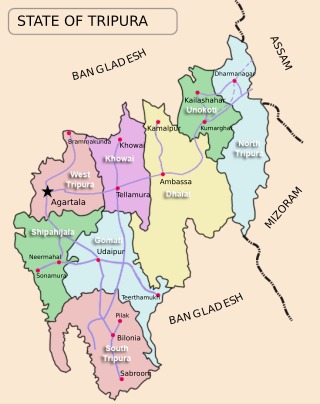
Nestled in the southern part of Tripura, Satchand is a small but strategically important border town located in South Tripura district near the international boundary with Bangladesh. Though not widely known among mainstream tourists, the town holds considerable importance because of its location, cultural diversity, and growing role in regional trade and connectivity. Surrounded by rivers, fertile plains, and forested landscapes, Satchand reflects the everyday rhythm of life in Tripura’s border regions, where commerce, tradition, and nature exist side by side.
The town serves as an important link between rural settlements and border trade routes. Over the years, it has gradually developed as a center for local exchange, transportation, and interaction between communities living on both sides of the border. Its peaceful environment, combined with its economic relevance, gives Satchand a unique identity within the state.
Geography and Natural Setting
Satchand is located amidst lush greenery, riverine plains, and agricultural fields that define much of southern Tripura’s landscape. The region lies close to the Feni River, an important river that has historically supported transportation, farming, and trade activities between nearby settlements. The fertile soil around the town supports the cultivation of crops such as paddy, vegetables, and seasonal fruits, making agriculture a key part of the local economy.
Dense patches of forest and scattered tribal villages surround the area, adding to its natural charm. The combination of rivers, forests, and open countryside creates a calm and scenic atmosphere. During the monsoon season, the landscape becomes especially vibrant, with overflowing rivers and green fields stretching across the horizon. The biodiversity of the surrounding forests also contributes to the ecological importance of the region.
Historical and Strategic Importance
Because of its location near the Bangladesh border, Satchand has long been important from both economic and strategic perspectives. Border towns like Satchand often become centers of interaction where people, goods, and cultures move across regions. Historically, river routes played a major role in communication and trade here, especially before modern road connectivity improved.
The region has also gained attention due to ongoing infrastructure development projects aimed at strengthening connectivity between northeastern India and Bangladesh. Improved transportation networks are expected to enhance trade opportunities and boost local economic growth in the coming years. As nearby border towns continue to develop, Satchand’s importance within regional commerce is also increasing steadily.
Culture and Local Life
One of the most fascinating aspects of Satchand is its cultural diversity. The town reflects a blend of Bengali traditions and indigenous tribal heritage, creating a rich and colorful social fabric. Communities belonging to different ethnic groups live together in the region, and their customs, languages, food habits, and festivals shape everyday life.
Traditional folk music, dance performances, and local celebrations remain an important part of community culture. Festivals such as Durga Puja, Kali Puja, and tribal harvest celebrations are observed with enthusiasm. Local cuisine often includes rice-based dishes, bamboo shoot preparations, smoked fish, and spicy curries that represent both Bengali and tribal culinary influences.
The markets in Satchand are lively and offer a glimpse into local life. Farmers, traders, and artisans gather to sell fresh produce, handmade bamboo products, textiles, and household goods. Bamboo handicrafts are particularly popular because bamboo is widely available in Tripura and deeply connected to the state’s traditional craftsmanship.
Economic Role and Border Trade
Satchand plays an important role in local trade and cross-border economic activity. Its proximity to Bangladesh makes it part of an important trade corridor within southern Tripura. Agricultural products, bamboo items, and locally manufactured goods contribute significantly to the regional economy.
Border trade has helped create livelihoods for many residents, including transport workers, traders, shopkeepers, and farmers. Small marketplaces in and around the town act as centers of commercial exchange where people from nearby villages come to buy and sell goods. As connectivity projects improve infrastructure in the region, opportunities for business and tourism are also expected to increase.
The development of nearby transport routes and border facilities may further strengthen Satchand’s position as an emerging economic hub in South Tripura.
Tourist Attractions and Nearby Experiences
Although Satchand is not considered a major tourist destination, it offers travelers a chance to experience the quieter and less-explored side of Tripura. Visitors who enjoy rural landscapes, cultural exploration, and offbeat destinations may find the town particularly interesting.
The surrounding countryside provides scenic river views, green agricultural fields, and peaceful village settings. Travelers can explore nearby tribal settlements to learn about local traditions and lifestyles. Seasonal fairs and local markets offer opportunities to experience authentic regional culture and cuisine.
Nature lovers may also appreciate the calm environment and natural beauty of the region. The riverside landscapes are especially pleasant during sunrise and sunset, creating serene views that contrast with the busy atmosphere of larger cities.
Nearby areas such as Sabroom also add to the travel experience, as the town has become increasingly important due to new transport and border connectivity projects.
Best Time to Visit
The ideal time to visit Satchand is between October and March, when the weather remains pleasant and comfortable for travel. Winters in southern Tripura are mild, making it easier to explore nearby villages and natural landscapes.
The monsoon season, from June to September, brings heavy rainfall and lush greenery to the region. While the scenery becomes beautiful during this time, travel may occasionally be affected by waterlogging or road conditions.
Summer months can be warm and humid, though the surrounding greenery and rivers help maintain a relatively refreshing environment compared to urban areas.
How to Reach Satchand
Satchand is well connected by road to various parts of Tripura. Travelers can reach the town from Agartala, the state capital, through regular bus services, taxis, and private vehicles. The journey passes through scenic landscapes and several towns of southern Tripura.
The nearest important railway station is located at Sabroom, which is connected to Agartala and other major towns in the state through Tripura’s expanding railway network. From Sabroom, local transport options are available to reach Satchand.
The region is also expected to benefit from improved international connectivity with Bangladesh, which may significantly enhance transportation, trade, and tourism opportunities in the future
Nearby Attractions
- Pilak Archaeological Site (Approx. 15–20 km)
One of Tripura’s most important archaeological destinations, Pilak is known for its ancient Hindu and Buddhist sculptures, temple ruins, stupas, and terracotta artifacts dating from the 8th to 12th centuries CE. It is a must-visit for history lovers and photographers. - Trishna Wildlife Sanctuary (Approx. 35–45 km)
Famous for its population of Indian gaur (bison), this wildlife sanctuary is home to deer, primates, reptiles, and numerous bird species. Visitors can enjoy nature walks, wildlife viewing, and birdwatching. - Kalapania Nature Park (Approx. 30 km)
A peaceful eco-park featuring landscaped gardens, walking trails, children’s play areas, and picnic spots, making it ideal for families and nature enthusiasts. - Maitri Setu (Approx. 30–35 km)
An international bridge over the Feni River connecting Sabroom in Tripura with Ramgarh in Bangladesh. It is an important landmark symbolizing friendship and cross-border connectivity. - Island Eco Park (Approx. 35 km)
Located near Sabroom, this eco-park offers lush greenery, boating facilities, picnic areas, and a tranquil atmosphere for visitors. - Dashori Waterfall (Approx. 35–40 km)
A scenic waterfall surrounded by forests and hills, best visited after the monsoon. It is a great destination for photography, short hikes, and picnics. - Sukanta Park, Sabroom (Approx. 30 km)
A well-maintained public park with walking paths, gardens, and open spaces, offering a pleasant place to relax while exploring the region. - Dhananjoy Tripura Eco Park (Approx. 20–25 km)
A beautifully landscaped eco-park dedicated to tribal leader Dhananjoy Tripura, featuring gardens, recreational facilities, and peaceful surroundings suitable for family outings.
Google Maps
FAQs
Where is Satchand located?
Satchand is located in South Tripura district near the India–Bangladesh border in the northeastern state of Tripura.
Why is Satchand important?
The town is important because of its strategic border location, local trade activities, agricultural economy, and cultural diversity.
Which river flows near Satchand?
The Feni River flows near the region and has historically supported transportation and trade.
Is Satchand a tourist destination?
While not a mainstream tourist destination, Satchand attracts visitors interested in rural tourism, border landscapes, cultural experiences, and peaceful natural surroundings.
What is the best time to visit Satchand?
The best time to visit is from October to March when the weather is pleasant and suitable for sightseeing.
How can I reach Satchand?
You can reach Satchand by road from Agartala or via the nearby railway station at Sabroom.
What are the main economic activities in Satchand?
Agriculture, local trade, bamboo handicrafts, and border-related commerce are among the main economic activities in the area.
What kind of culture can visitors experience in Satchand?
Visitors can experience a mix of Bengali and tribal traditions, including local festivals, folk music, handicrafts, and regional cuisine.