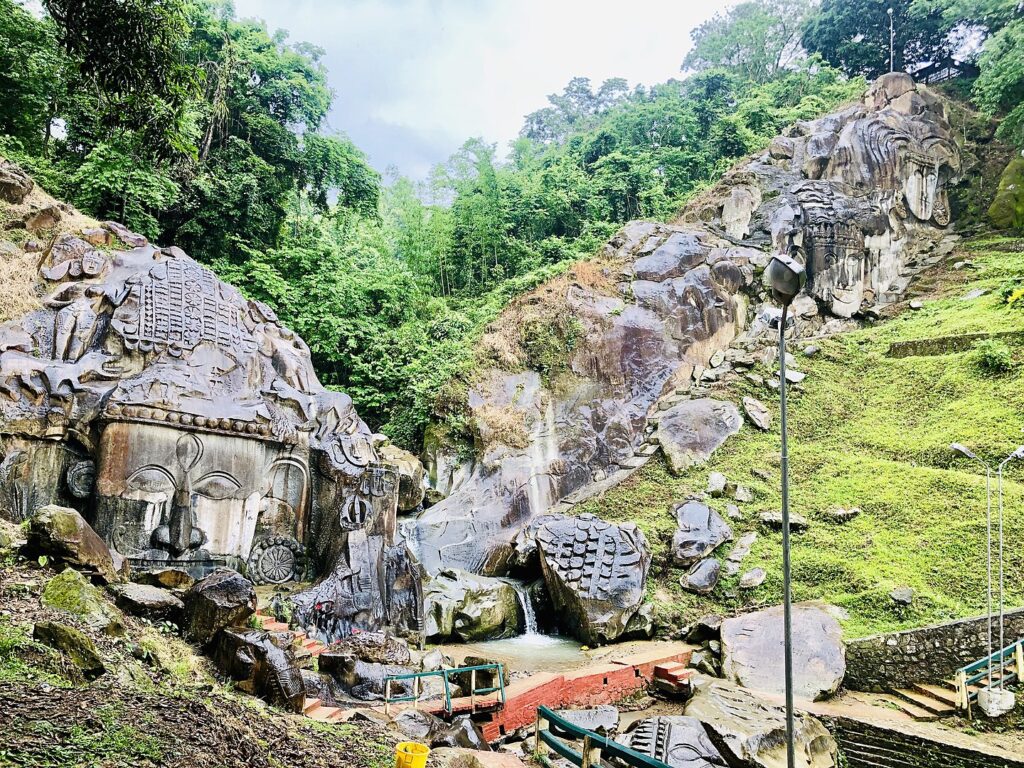
Image Source: Barunghosh
About Unakoti
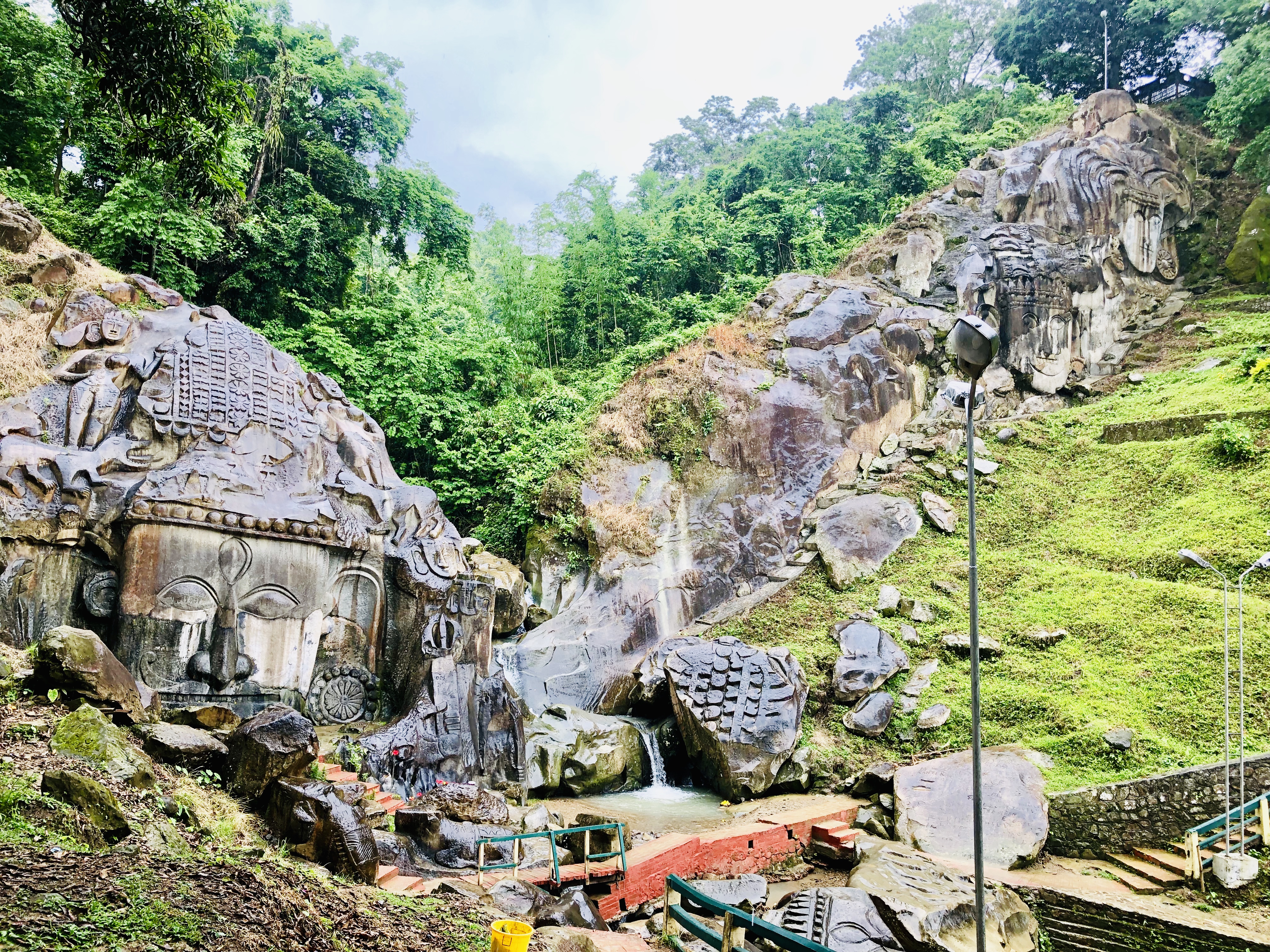
Hidden amidst the forested hills of northern Tripura, Unakoti is one of the most mysterious and visually striking heritage sites in Northeast India. Located near Kailashahar in the Tripura region, this ancient pilgrimage destination is famous for its gigantic rock-cut sculptures, massive stone carvings, and deep mythological significance. Often referred to as the “Angkor Wat of the Northeast,” Unakoti combines spirituality, history, archaeology, and natural beauty in a way that few places in India can.
The word Unakoti literally means “one less than a crore,” or 9,999,999. The name reflects the countless carvings and stone figures believed to be scattered throughout the hills and forests surrounding the site. Even today, visitors are amazed by the sheer scale of the sculptures carved directly into the rocky slopes.
What makes Unakoti truly special is its atmosphere. Dense greenery, flowing streams, waterfalls, and ancient carvings together create an almost mystical setting. Walking through the site feels less like visiting a monument and more like discovering a forgotten civilization hidden inside the jungle.
History and Mythological Significance
Unakoti is deeply connected with Hindu mythology, especially stories associated with Lord Shiva. According to local legend, Lord Shiva was once traveling to Varanasi with nearly one crore gods and goddesses. During the journey, they stopped at Unakoti to rest for the night. Before sleeping, Shiva instructed everyone to wake up before sunrise so they could continue their journey.
However, when morning arrived, none of the deities woke up on time except Shiva himself. Angered by their laziness, Shiva cursed them all and turned them into stone. As a result, the hills became filled with countless stone figures, while Shiva continued his journey alone. This myth is believed to explain both the name and the enormous number of sculptures spread across the region.
Apart from mythology, historians and archaeologists believe that many of the carvings date back to around the 8th to 9th century CE. The artwork reflects a fascinating blend of Shaivite Hindu traditions and indigenous tribal influences. Unlike many temple complexes in India built with bricks or stone blocks, Unakoti stands out because its sculptures are carved directly into natural rock faces.
The site remains historically mysterious because there is very little written documentation about who exactly created these carvings. Some scholars believe local rulers or tribal artisans may have contributed to the artistic development of the region over centuries.
Architectural and Artistic Marvel
The most iconic sculpture at Unakoti is the enormous rock-cut face of Unakotiswara Kal Bhairava, a fierce form of Lord Shiva. Standing nearly 30 feet tall, the massive carving dominates the hillside and immediately captures attention. The elaborate headdress, large facial features, and intricate details showcase the remarkable skill of ancient craftsmen.
Beside the giant Shiva figure are impressive carvings of Goddess Durga, Goddess Ganga, Nandi the bull, and several other deities and mythological figures. Many sculptures appear partially hidden among trees, moss-covered rocks, and natural streams, giving the entire site an ancient and mystical appearance.
Unlike conventional temple architecture, Unakoti resembles an open-air rock gallery. The carvings are spread across hillsides, stairways, and forest paths rather than being enclosed within temple walls. This unique setting creates a powerful connection between spirituality and nature.
Many visitors are especially fascinated by the artistic style of the sculptures. The carvings combine tribal artistic elements with classical Hindu iconography, making them distinct from the rock-cut temples found in other parts of India such as Ajanta Caves or Ellora Caves.
Spiritual Importance and Festivals
Unakoti is not just an archaeological site; it is also an active pilgrimage center. Devotees from across Tripura, Assam, Bangladesh, and other nearby regions visit the site throughout the year to seek blessings from Lord Shiva.
The most important celebration here is the Ashokastami Mela, held annually during April. During this festival, thousands of pilgrims gather at Unakoti to participate in rituals, prayers, cultural performances, and traditional fairs. The entire area becomes vibrant with devotional music, temporary markets, and spiritual activities.
Another major occasion celebrated at Unakoti is Maha Shivaratri. On this day, devotees offer prayers to Lord Shiva and spend the night chanting hymns and performing rituals near the ancient sculptures.
For spiritual travelers, the experience of worshipping amidst centuries-old carvings surrounded by forests creates a unique atmosphere that feels both peaceful and powerful.
Natural Beauty Around Unakoti
One of the most captivating aspects of Unakoti is its natural environment. The site is surrounded by green hills, tropical forests, waterfalls, and small streams that flow through the rocky terrain. During the monsoon and post-monsoon months, the landscape becomes especially lush and scenic.
Stone stairways wind through the forest and connect different groups of sculptures. As visitors walk through the pathways, they often hear birds chirping and flowing water echoing through the hills. The combination of nature and ancient art gives Unakoti a serene and almost magical ambiance.
The region also attracts photographers, trekkers, and nature enthusiasts. Sunrise and early morning visits are particularly rewarding, as mist often covers the hills, adding to the mysterious charm of the carvings.
How to Reach Unakoti
By Air
The nearest airport is Maharaja Bir Bikram Airport in Agartala, located around 178 kilometers away. The airport is well connected to cities like Delhi, Kolkata, and Guwahati. From Agartala, travelers can hire taxis or board buses to Kailashahar and Unakoti.
By Train
The nearest railway station is Dharmanagar Railway Station, approximately 20 kilometers from the site. Dharmanagar has rail connections to several cities in Northeast India. Local taxis and auto-rickshaws are easily available from the station.
By Road
Unakoti is well connected by road to nearby towns such as Kailashahar and Dharmanagar. Government buses, shared jeeps, and private taxis regularly operate from Agartala and surrounding regions.
The road journey itself is scenic, passing through green hills, villages, and forested landscapes typical of Northeast India.
Best Time to Visit
The best time to visit Unakoti is between October and March when the weather remains cool and pleasant. This period is ideal for walking, sightseeing, and exploring the rocky terrain comfortably.
Visitors who wish to experience the cultural and spiritual energy of the region should plan their trip during the Ashokastami Mela in April. Although the site becomes crowded during the festival, it offers a rare opportunity to witness local traditions, devotional gatherings, and vibrant celebrations.
The monsoon season enhances the beauty of the forests and waterfalls around Unakoti, but heavy rainfall can make the pathways slippery and difficult to navigate.
Travel Tips for Visitors
Visitors should wear comfortable footwear because exploring Unakoti involves climbing stairs and walking across uneven rocky surfaces. Carrying drinking water, light snacks, and rain protection is also recommended, especially during humid months.
Early morning visits are ideal for photography and peaceful exploration. Since the site is surrounded by forests, travelers should also avoid littering and help preserve the natural environment and archaeological heritage.
Hiring a local guide can make the experience more enriching, as guides often share fascinating legends and lesser-known stories connected to the sculptures.
Nearby Attractions
- Unakoti Eco Park (Approx. 1 km)
Located adjacent to the Unakoti Heritage Site, this eco-park offers landscaped gardens, walking trails, viewpoints, and picnic areas surrounded by lush greenery. It is an ideal place to relax after exploring the rock carvings. - Khowrabil Lake (Approx. 12 km)
A picturesque lake near Kailashahar, Khowrabil is known for its peaceful surroundings, boating opportunities, and the traditional water festival held annually. It is a popular spot for nature lovers. - Rowa Wildlife Sanctuary (Approx. 18 km)
This small but biodiverse wildlife sanctuary is home to capped langurs, barking deer, civets, butterflies, and numerous bird species. It is perfect for wildlife enthusiasts and birdwatchers. - Shilchhara Buddha Waterfall (Approx. 22 km)
A scenic waterfall nestled amidst forests, offering a peaceful atmosphere for nature walks, photography, and picnics, especially during and after the monsoon season. - Samboodhi Buddha Bihar (Approx. 25 km)
A serene Buddhist monastery where visitors can experience peaceful surroundings, Buddhist architecture, and spiritual tranquility. - Sonamukhi Tea Estate (Approx. 20 km)
One of the prominent tea estates in the region, Sonamukhi offers scenic tea gardens, beautiful landscapes, and an opportunity to experience Tripura’s tea-growing heritage.
Google Maps
FAQs
Why is Unakoti famous?
Unakoti is famous for its massive rock-cut sculptures, ancient bas-relief carvings, and mythological connection with Lord Shiva. It is considered one of the most unique archaeological sites in Northeast India.
What does the name Unakoti mean?
The word Unakoti means “one less than a crore,” referring to the countless stone carvings believed to exist across the site.
Which is the best season to visit Unakoti?
The best time to visit is from October to March when the weather is pleasant and suitable for sightseeing and trekking.
Is Unakoti a UNESCO World Heritage Site?
Unakoti is not yet a UNESCO World Heritage Site, but it is regarded as an important archaeological and cultural treasure of India.
How much time is needed to explore Unakoti?
Most visitors spend around 2 to 4 hours exploring the sculptures, forest trails, and surrounding viewpoints.
Is trekking involved in visiting Unakoti?
Yes, visitors need to walk through stairways and hilly pathways to explore different sections of the site. The trek is moderate and manageable for most travelers.
Are there accommodation facilities near Unakoti?
Yes, hotels and guesthouses are available in Kailashahar and Dharmanagar for tourists and pilgrims visiting the site.
What makes Unakoti different from other heritage sites in India?
Unlike traditional temples, Unakoti is an open-air archaeological site where giant sculptures are carved directly into natural rock formations amidst forests and hills.