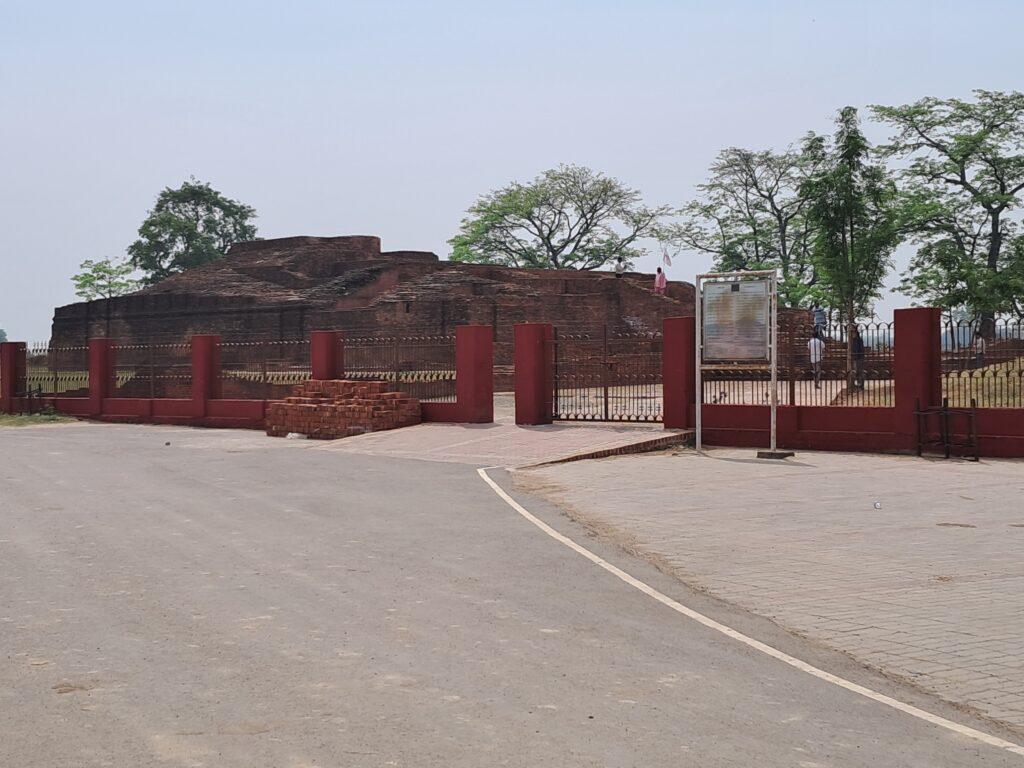
Nestled in the Bahraich district of Uttar Pradesh, Shravasti is the place where lord Buddha spent 19 rainy seasons(Vassas) while teaching his disciples. One of the six main Buddhist pilgrimage sites in India, Shravasti is famous for its archaeological ruins, stupas, monasteries and serene landscapes. Its offers travellers a unique journey into Buddhist history, spirituality and culture.
Geography and Climate
Once an ancient city described in Buddhist texts, Shravasti is situated on the banks of the Rapti River. Fertile plains and small forests formed the backdrop around.
Best time to visit Shravasti
The region experiences a subtropical climate, with hot summers, moderate monsoons, and cool winters. The ideal time to visit is between October and March, when the weather is comfortable for sightseeing and exploring outdoor ruins.
Top Attractions in Shravasti
Jetavana Monastery—One of the most famous ancient monasteries, where Lord Buddha delivered many sermons. The ruins today provide a glimpse into the grandeur of early Buddhist architecture.
Anandabodhi Tree—A sacred Bodhi tree in Shrawasti believed to be linked to the enlightenment teachings of Buddha, offering a serene meditation spot for devotees and visitors.
Stupas and Temples – Numerous stupas, such as the Mankamana Stupa and smaller pagodas, scattered across Shrawasti, reflect centuries of Buddhist heritage.
Pali Research Institute—For scholars and enthusiasts, this institute provides insights into Buddhist scriptures, Pali texts, and ancient history.
Abhayaranya—A forested area that combines nature with spirituality, perfect for walking, meditation, and experiencing the tranquility that Buddha once enjoyed.
Shrawasti Museum—Showcases artifacts, sculptures, coins, and inscriptions unearthed from excavations, helping visitors understand the historical and cultural significance of the region.
Things to Do in Shravasti
Pilgrimage Tours: Visit Jetavana Monastery, stupas, and meditation centers.
Photography: Capture the ancient ruins, archaeological sites, and peaceful landscapes.
Cultural Exploration: Attend local Buddhist festivals and rituals, especially during Buddha Jayanti.
Nature Walks: Explore Abhayaranya and the surrounding riverbanks for serene walks.
Historical Learning: Engage with local guides and museums to understand Shrawasti’s past as a flourishing city in Lord Buddha’s time.
Local Cuisine
Shravasti reflects the heritage of ancient India fused with local Awadhi culture. The town is home to small communities that welcome pilgrims and tourists alike. Local cuisine includes simple vegetarian meals, often influenced by Awadhi flavors, such as kebabs, lentils, rice, and sweets like balushahi and peda.
The town’s spiritual ambiance encourages mindfulness, vegetarianism, and respect for all life, reflecting the core teachings of Buddhism.