Image Source: Wanderer “WANDERER
About Angulimala Stupa
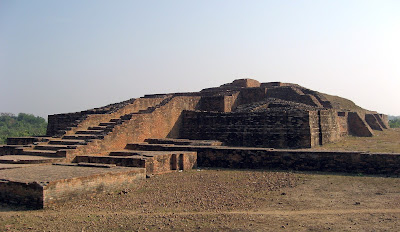
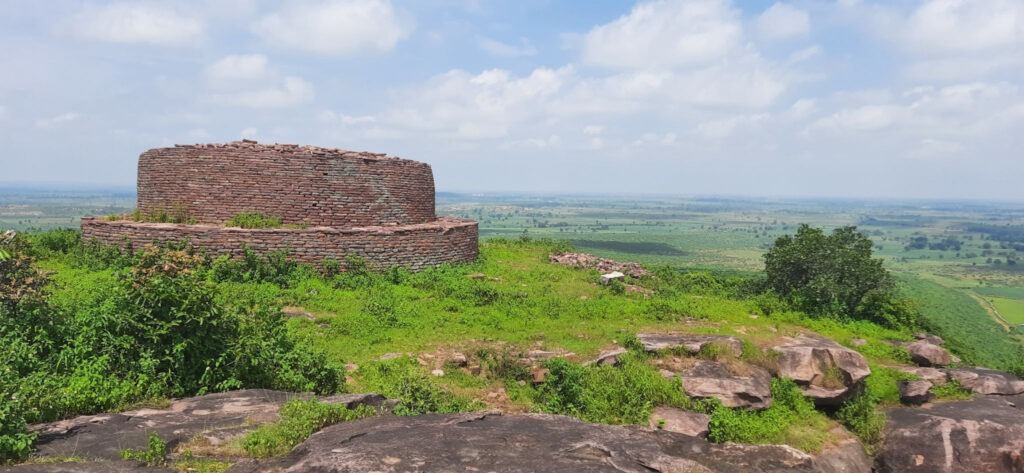
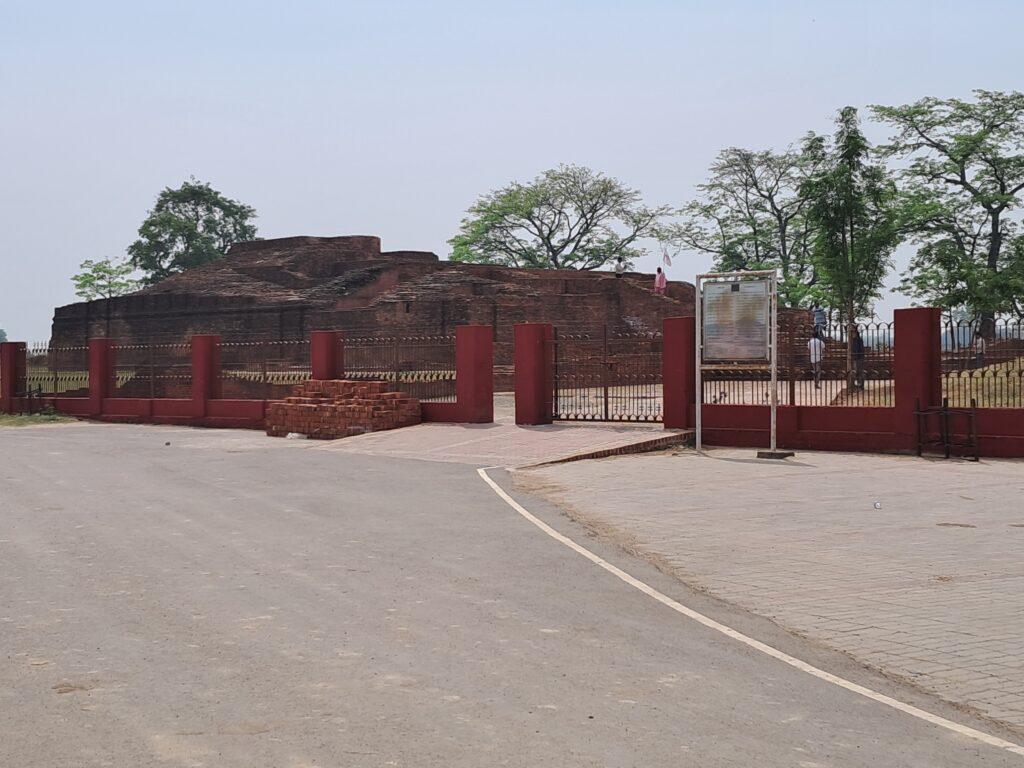
Shravasti holds a unique place in the hearts of history enthusiasts and spiritual seekers alike. Angulimala stupas, also known as Pakki kuti, are one of the largest mounds situated in the area of Shravasti, Uttar Pradesh. It was excavated in the year 1863 alongside other mounds in the Mahet area of Shravasti. In this article, we will explore the intriguing history, significance, and visitor experience of Angulimala Stupa.
About Shravasti
Shravasti city is related to many epics of Indian mythology, like the Ramayana and Mahabharata. According to the Ramayana epic, Lord Rama divided the Kosala kingdom among his sons Lava and Kusha. He gave Shravasti to his son Lova and Kushavati to another son, Kusha.
In Mahabharata mythology, the Shrvasti was originally from the legendary king Shravasta. In Buddhism, the city is associated with a sage, Savattha. Lord Buddha spent 24 monsoons at the Jetvana Monastery in Shravasti.
Unearthing History
A British engineer, Alexander Cunningham, and a Chinese scholar, Hiuen Tsang (Chinese Scholar), were renowned figures who identified the attraction as the stupa of Angulimala. Some scholars identified the stupa of Angulimala in the Hall of Law that was built by Prasenjit in honor of Lord Buddha.
Legend of Angulimala
Stupa derives its name from the name “Angulimala,” which literally translates to “the necklace of fingers.” It was believed that Angulimala was a ruthless dacoit of Sharavasti who chopped his victims while wearing a necklace. Once upon a time, he was on the brink of killing his mother, but Lord Buddha intervened and prevented Angulimala from committing matricide. Buddha’s path of wisdom leads Angulimala to renounce his violent ways and become a devoted disciple.
Architecture of Angulimala Stupa
Although many have weathered away, the present structure of architecture features a terrace stupa that is built on rectangular platforms. You can still reach the raised platform, which is adorned with a flight of stairs. It’s been said the earliest structure dates back to the Kushana period.
Timings
The Angulimala Stupa is open to visitors from 9 am to 5 pm.
The entry fee for Indian nationals is Rs 25, while foreigners are charged Rs 300.
How to Reach
By Air:
The nearest airport is Lal Bahadur Shastri International Airport, Varanasi, located about 28 km from Angulimala Stupa. From the airport, you can hire a taxi or take a cab to reach Sarnath in around 45–60 minutes.
By Train:
The closest railway station is Sarnath Railway Station, about 2 km away, while Varanasi Junction (Cantt) is approximately 10 km from the stupa. Auto-rickshaws, taxis, and e-rickshaws are readily available from both stations.
By Road:
Angulimala Stupa is located within the Sarnath archaeological complex and is well connected by road. Regular buses, taxis, and auto-rickshaws operate from Varanasi city, making it easy to reach in about 30 minutes.
Local Transport:
Once in Sarnath, the stupa can be reached on foot or by e-rickshaw from the main entrance of the archaeological site. Most of Sarnath’s important Buddhist monuments are located within walking distance of one another.
Nearby Attractions
Dhamek Stupa
Located just a short walk away, Dhamek Stupa is the most prominent monument in Sarnath and marks the place where Lord Buddha delivered his first sermon.
Mulagandha Kuti Vihar
One of Sarnath’s most important Buddhist temples, Mulagandha Kuti Vihar is known for its beautiful frescoes, sacred Buddha relics, and peaceful surroundings.
Chaukhandi Stupa
This historic stupa marks the place where Lord Buddha met his first five disciples before delivering his first sermon.
Sarnath Archaeological Museum
The museum houses the famous Lion Capital of Ashoka along with an impressive collection of Buddhist sculptures, inscriptions, and ancient artifacts.
Ashoka Pillar Site
The remains of Emperor Ashoka’s pillar stand near the main archaeological complex and symbolize the spread of Buddhism across Asia.
Deer Park (Mrigadava)
A tranquil park believed to be the site where Lord Buddha preached the Dhammacakkappavattana Sutta. It remains an important place for meditation and pilgrimage.
Thai Temple
This beautifully designed temple showcases traditional Thai architecture and houses a magnificent golden Buddha statue.
Tibetan Temple
Known for its colorful prayer wheels and Tibetan-style architecture, this temple offers a peaceful atmosphere for visitors.
Japanese Temple
Featuring elegant Japanese Buddhist architecture and beautiful paintings depicting the life of Lord Buddha, this temple is another popular attraction in Sarnath.
Maps
At a distance of 3 km from Shravasti Bus Station
FAQS
- Q: What is Angulimala Stupa?
Angulimala Stupa is a Buddhist memorial site associated with Angulimala, a former bandit who later became a devoted disciple of Gautama Buddha, symbolizing transformation, repentance, and spiritual awakening.
- Q: Where is Angulimala Stupa located?
Angulimala Stupa is traditionally associated with the Shravasti region in Uttar Pradesh, an important center of Buddhist history where the Buddha spent many monsoon seasons.
- Q: Why is Angulimala Stupa significant in Buddhism?
The stupa commemorates Angulimala’s moral transformation after meeting the Buddha and serves as a powerful reminder of Buddhist teachings on compassion, non-violence, and redemption.
- Q: Who was Angulimala in Buddhist tradition?
Angulimala was once a feared criminal who murdered travelers, but after encountering the Buddha, he renounced violence and became an Arhat, attaining enlightenment through sincere practice.
- Q: Is Angulimala Stupa an active pilgrimage site today?
Yes, the stupa is visited by Buddhist pilgrims, scholars, and heritage travelers, especially those exploring the Buddhist circuit of Shravasti.