Image Source: Wedstock 2011
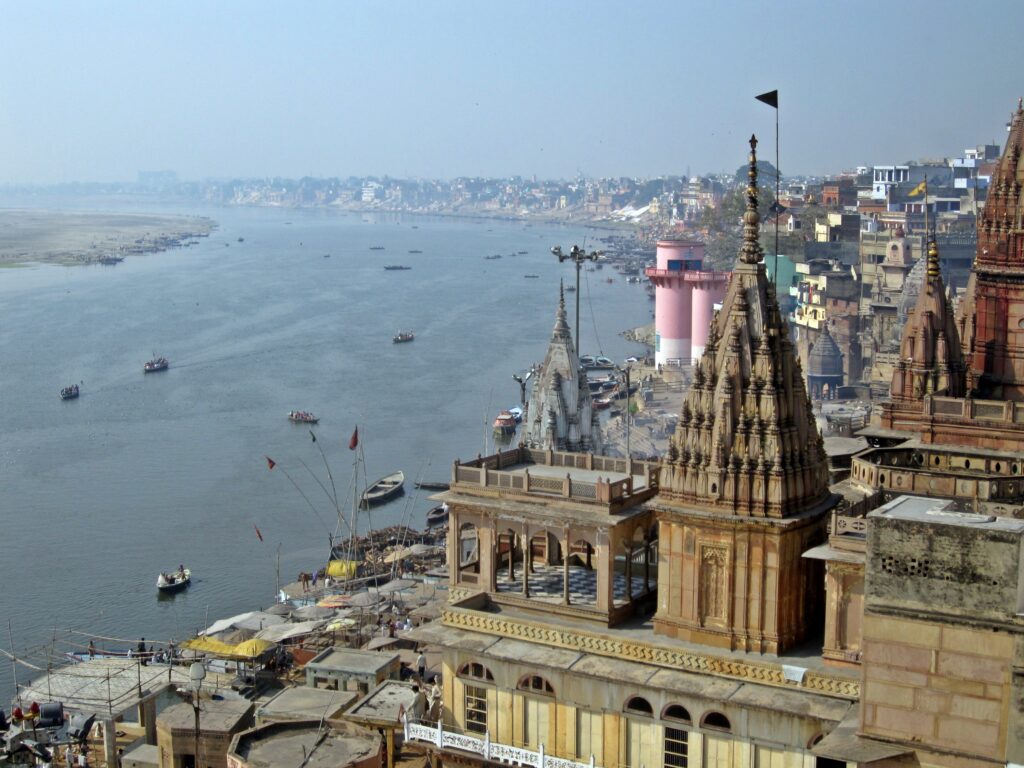
Varanasi is often celebrated as one of the holiest cities in Hinduism and Buddhism, but for followers of Jainism, the city carries a deeply personal and spiritual meaning. Jain tradition reveres Varanasi as the birthplace of Parshvanatha, the 23rd Tirthankara, whose teachings laid the ethical foundations of Jain philosophy long before the rise of classical Jainism under Mahavira.
In Jain memory, Varanasi is not simply a city of temples, rituals, or sacred rivers. It is remembered as a place where spiritual awakening took shape through ideas of compassion, self-discipline, and renunciation. The city became associated with a moral revolution that encouraged individuals to seek liberation not through elaborate ceremonies, but through ethical living and mastery over the self.
Even today, many Jain pilgrims visit Varanasi not only to honor Parshvanatha’s birthplace but also to reconnect with the timeless principles he taught—non-violence, truthfulness, simplicity, and detachment from worldly excess.
Parshvanatha: The Prince Who Chose Renunciation
According to Jain tradition, Parshvanatha was born into a royal family in Varanasi around the 8th century BCE. Raised amidst privilege, luxury, and political power, he was expected to follow the path of kingship. Yet from a young age, he showed an unusual sensitivity toward suffering and a deep inclination toward spiritual reflection.
Rather than embracing authority and material comfort, Parshvanatha chose to renounce worldly life in search of higher truth. His decision to leave behind royal status became one of the defining moments in Jain history. It symbolized the belief that true freedom does not come from controlling kingdoms or accumulating wealth, but from conquering desire, ego, and attachment.
This act of renunciation transformed him into a spiritual teacher whose life inspired countless followers across northern India. His journey reflected a radical idea for the time—that inner discipline and ethical conduct mattered more than social status or ritual power.
The Core Teachings of Parshvanatha
One of Parshvanatha’s greatest contributions to Jain thought was the organization of spiritual life around four essential vows. These principles became the basis of early Jain ethics and continue to influence Jain practice today.
Ahimsa — The Principle of Non-Violence
Ahimsa formed the heart of Parshvanatha’s teachings. He taught that every living being possesses a soul and deserves compassion. Violence, whether physical, verbal, or emotional, creates negative karma and distances the soul from liberation.
For Parshvanatha, non-violence was not limited to avoiding harm toward humans. It extended to animals, insects, and all forms of life. This idea later became one of the defining features of Jain identity and remains one of the most rigorous expressions of compassion found in any religious tradition.
Today, many people connect the principle of ahimsa with environmental ethics, vegetarianism, and peaceful coexistence.
Satya — Commitment to Truth
Parshvanatha viewed truthfulness as a spiritual discipline rather than merely a social virtue. Speaking falsely, misleading others, or manipulating facts was seen as harmful because it strengthened ego and distorted the purity of the soul.
Truth, in Jain philosophy, is closely tied to moral clarity and self-awareness. By practicing honesty in speech and intention, individuals cultivate inner harmony and spiritual progress.
Asteya — Non-Stealing and Ethical Conduct
The vow of non-stealing went beyond the literal act of theft. Parshvanatha taught that exploiting others, taking what is not freely given, or gaining unfair advantage also violated spiritual ethics.
This principle encouraged fairness, integrity, and respect for the rights of others. It connected greed and exploitation with spiritual decline, reminding followers that ethical living must guide economic and social behavior.
Aparigraha — Freedom from Possession
Aparigraha emphasized detachment from excessive possessions and desires. Parshvanatha believed that constant attachment to wealth, status, and material comfort traps the soul in suffering.
Instead of pursuing endless accumulation, he encouraged simplicity and moderation. In modern times, many people see this teaching as remarkably relevant in discussions about consumerism, sustainable living, and mental well-being.
Together, these four vows created a disciplined and compassionate way of life that balanced personal spiritual growth with responsibility toward society.
Varanasi as a Center of Ethical Reform
Under the influence of Parshvanatha’s teachings, Varanasi gained a unique place in Jain thought. The city became associated not with ritual sacrifice or priestly authority, but with ethical self-transformation.
At a time when many religious practices emphasized ceremonies and social hierarchy, Parshvanatha shifted attention toward personal conduct. He taught that spiritual worth should be judged by behavior, compassion, and intention—not by birth, caste, or ritual purity.
This was a profound shift in religious thinking. It suggested that liberation was accessible to anyone willing to practice discipline and moral restraint.
From the Jain perspective, Varanasi therefore became more than a sacred geography. It became a symbol of ethical awakening and spiritual introspection.
Influence on Later Jainism
Parshvanatha’s teachings deeply influenced the later development of Jainism. Several centuries afterward, Mahavira, the 24th Tirthankara, expanded Parshvanatha’s four vows into the five great vows of Jainism by adding brahmacharya, or celibacy.
This connection between Parshvanatha and Mahavira highlights how Jainism evolved gradually through earlier ascetic traditions. Rather than appearing suddenly, classical Jain doctrine developed through centuries of spiritual refinement and philosophical continuity.
Parshvanatha’s emphasis on non-violence remained central throughout this evolution. His teachings shaped Jain identity so profoundly that compassion toward all living beings became the defining characteristic of Jain religious life.
As Jain communities spread across India, Varanasi continued to be remembered as the birthplace of this ethical tradition.
A Shared Spiritual Landscape
Ancient Varanasi was a vibrant center of intellectual and spiritual debate. During Parshvanatha’s time, many thinkers and ascetic groups questioned ritual sacrifice, caste divisions, and material attachment.
In this environment, Jainism developed alongside other philosophical traditions, including Buddhism. Both traditions emphasized renunciation, meditation, and liberation from worldly suffering, although they differed in important philosophical details.
This shared atmosphere of inquiry made Varanasi a remarkable center of spiritual experimentation. Different paths to liberation emerged, interacted, and evolved within the same cultural landscape.
The Jain presence in Varanasi demonstrates that the city’s sacred identity has always been pluralistic. It was never the exclusive domain of a single tradition but a meeting ground for diverse spiritual ideas.
The Modern Relevance of Parshvanatha’s Teachings
Although Parshvanatha lived more than two thousand years ago, his teachings continue to resonate in the modern world.
In an era marked by violence, environmental degradation, misinformation, and excessive consumerism, Jain ethics offer a remarkably contemporary message:
- Ahimsa encourages compassion toward people, animals, and nature.
- Aparigraha promotes sustainable living and freedom from material obsession.
- Satya reminds society of the importance of honesty and integrity.
- Asteya calls for fairness and ethical responsibility in economic and social life.
For many modern Jains, pilgrimage to Varanasi is therefore not simply a religious duty. It is an opportunity to reflect on self-restraint, ethical living, and spiritual clarity in everyday life.
Jain Sites Connected to Parshvanatha in Varanasi
Several important Jain temples in Varanasi are associated with Parshvanatha and attract pilgrims from across India. These sacred spaces preserve the memory of his birth and teachings while reflecting the enduring Jain presence in the city.
The most prominent among them is the birthplace temple dedicated to Parshvanatha in Bhelupur, which is considered one of the holiest Jain pilgrimage sites. The peaceful atmosphere of these temples contrasts with the bustling ghats and crowded streets of the city, offering visitors a space for silence, meditation, and reflection.
For Jain devotees, these places are reminders that spirituality is rooted not only in worship but also in ethical conduct and inner transformation.
FAQs
Why is Varanasi important in Jainism?
Varanasi is revered in Jainism because it is traditionally believed to be the birthplace of Parshvanatha, the 23rd Tirthankara. His teachings on non-violence, truthfulness, and renunciation made the city an important center of Jain spiritual history.
Who was Parshvanatha?
Parshvanatha was the 23rd Tirthankara of Jainism and one of the most influential spiritual teachers in Jain tradition. He promoted a disciplined ethical life based on four major vows and is regarded as a key figure in the development of Jain philosophy.
What were the four vows taught by Parshvanatha?
Parshvanatha taught four central vows:
- Ahimsa (non-violence)
- Satya (truthfulness)
- Asteya (non-stealing)
- Aparigraha (non-possession)
These principles formed the basis of early Jain ethics.
How did Mahavira expand Parshvanatha’s teachings?
Mahavira added a fifth vow, brahmacharya (celibacy), to the four vows already taught by Parshvanatha. Together, these became the five great vows followed in Jainism.
Are there Jain temples in Varanasi?
Yes, Varanasi has several important Jain temples connected to Parshvanatha. The most famous is the Shri Parshvanath Digambar Jain Temple at Bhelupur, believed to mark his birthplace.
What is the significance of ahimsa in Jainism?
Ahimsa, or non-violence, is the core principle of Jainism. It teaches respect and compassion for all living beings and discourages harm through actions, speech, or thoughts.
How are Parshvanatha’s teachings relevant today?
His teachings remain highly relevant in discussions about environmental protection, ethical living, minimalism, social harmony, and truthful communication. Many people see Jain principles as valuable guides for modern sustainable lifestyles.
Is Varanasi important only to Hindus?
No. While Varanasi is primarily associated with Hinduism, it is also deeply significant in Jainism and Buddhism. The city has historically been a shared center of spiritual learning and philosophical exchange.