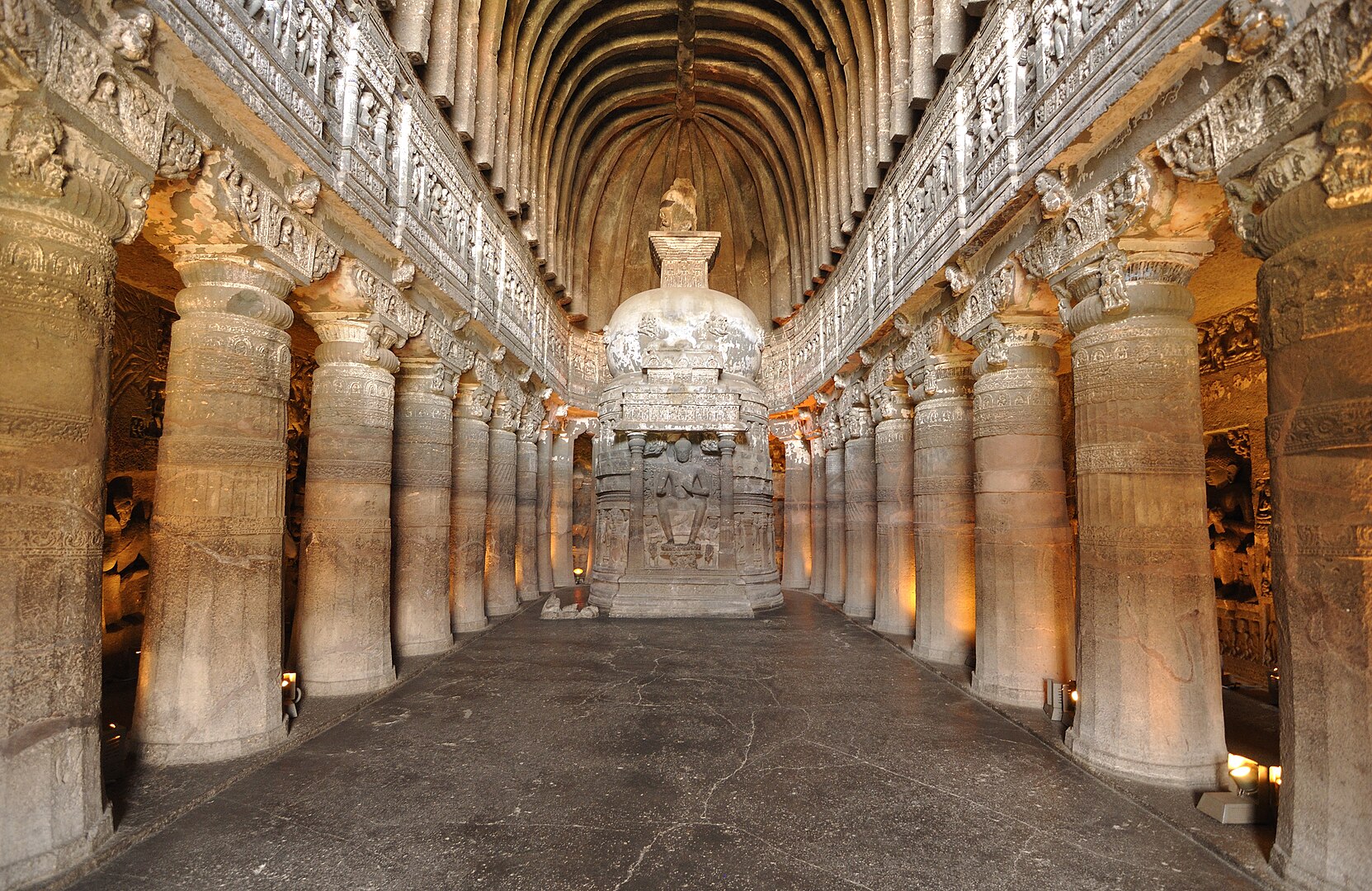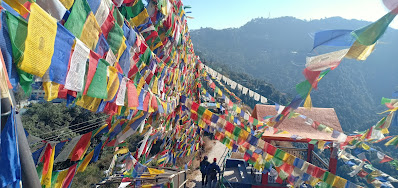
Image Source: Shivani Kandasi
Tucked away on the western side of Mussoorie, Happy Valley is one of the most historically and culturally significant places in the hill station. While most travellers visit Mussoorie for its viewpoints and colonial charm, Happy Valley reveals a deeper story—one that connects Tibetan exile history, Buddhist spirituality, and modern Indian governance.
Surrounded by misty hills and dense greenery, the valley offers not only scenic landscapes but also a powerful narrative about displacement, resilience, and coexistence. For culturally curious travellers, Happy Valley transforms a typical Mussoorie trip into an exploration of Himalayan geopolitics, Tibetan heritage, and Indian administrative institutions.
Historical Significance: The Dalai Lama’s First Refuge in India
Happy Valley holds a special place in modern Tibetan history. In 1959, following the suppression of the 1959 Tibetan Uprising, the spiritual and political leader of Tibet, Tenzin Gyatso, 14th Dalai Lama, fled Tibet and crossed into India seeking asylum.
After arriving in India, the Dalai Lama stayed for a period in Happy Valley in Mussoorie. This location effectively became the first base of the Tibetan leadership in exile, marking the early presence of the Tibetan government-in-exile in India before it was later moved to Dharamshala.
For this reason, Happy Valley is not just a scenic location—it represents a crucial moment in the modern history of Tibet and the Tibetan diaspora.
Tibetan Culture and Heritage in Happy Valley
Over the years, Happy Valley developed into an important cultural centre for the Tibetan refugee community in Mussoorie. Even today, the area reflects Tibetan identity through prayer flags, monasteries, traditional houses, and small cultural establishments.
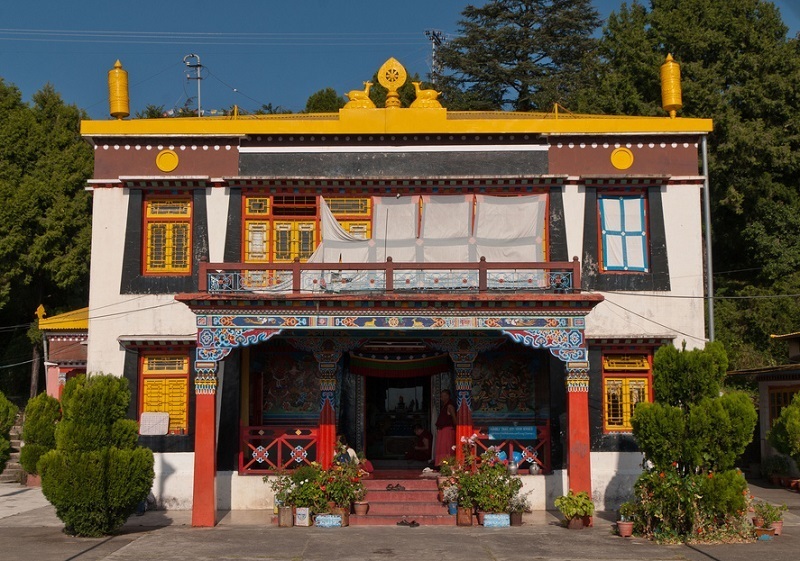
Image Source: Articlelives/Wikipedia
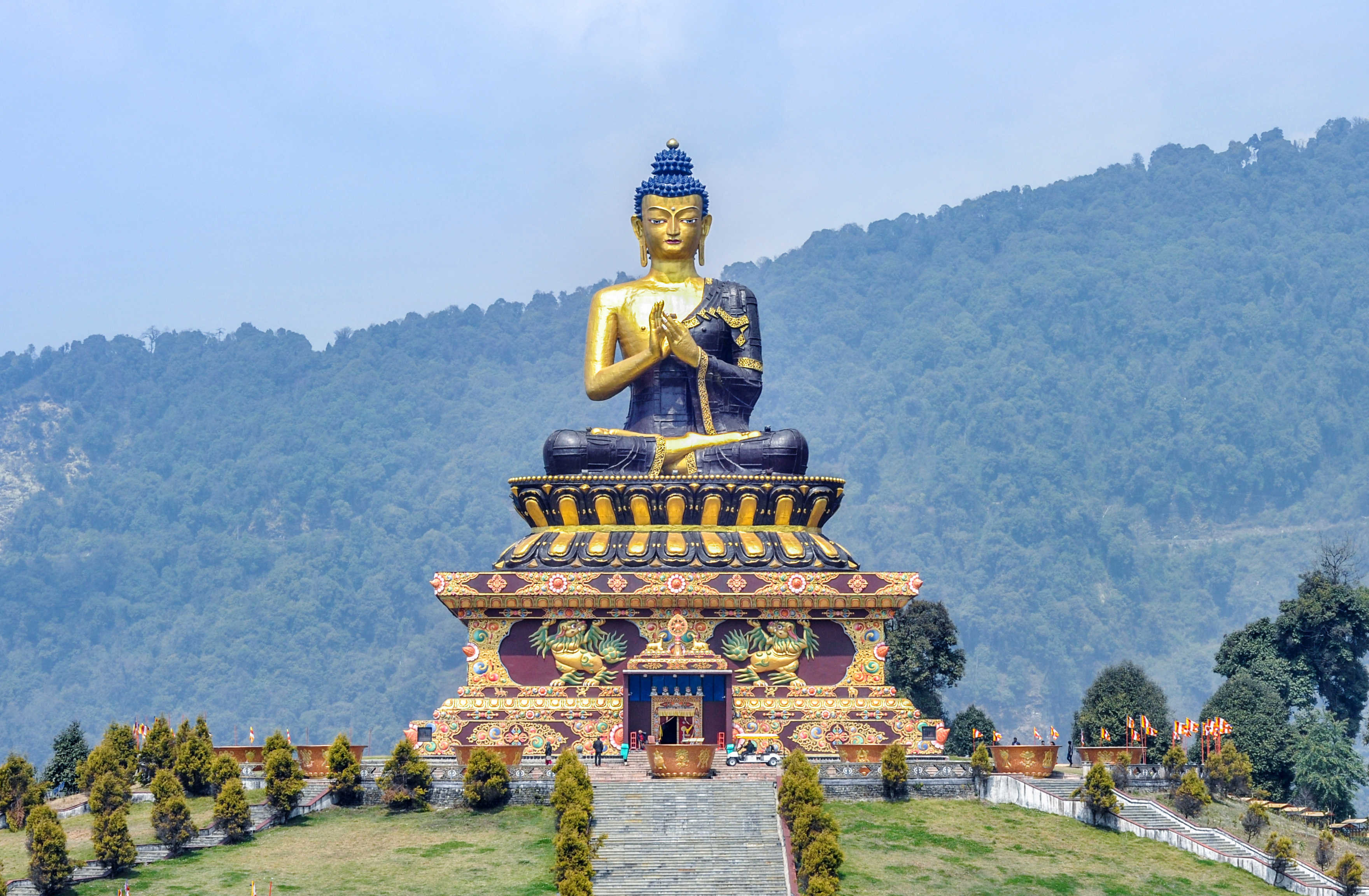
One of the most important landmarks here is the Shedup Choephelling Temple. This monastery holds special significance because it is considered one of the earliest Tibetan monasteries established on Indian soil after the Tibetan exile began.
The temple follows the Gelug tradition of Tibetan Buddhism, the same spiritual lineage associated with the Dalai Lama.
Inside the monastery, visitors can observe:
- Colourful Buddhist murals and thangka paintings
- Prayer wheels and sacred ritual objects
- Statues of Buddha and Tibetan spiritual masters
- Monks performing daily meditation and chanting rituals
The peaceful environment of the monastery makes it one of the most spiritually calming places in Mussoorie.
Administrative Importance: LBSNAA in Happy Valley
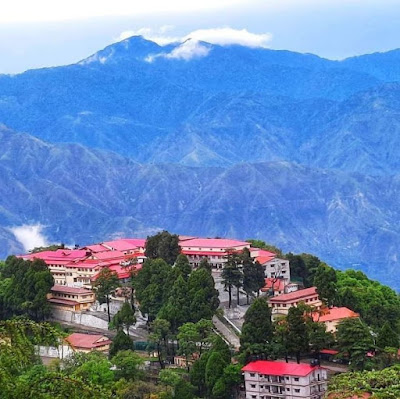
Apart from its Tibetan cultural significance, Happy Valley also plays an important role in India’s administrative system. The valley is home to the prestigious Lal Bahadur Shastri National Academy of Administration, often abbreviated as LBSNAA.
Named after former Indian Prime Minister Lal Bahadur Shastri, the academy is the premier training institution for civil servants in India.
Every year, officers selected through the Union Public Service Commission examination undergo training here before joining the Indian Administrative Service (IAS) and other civil services.
Although the campus itself is generally not open to tourists, its presence adds an important intellectual and administrative dimension to Happy Valley. Many travellers find it fascinating that within the same valley exist Tibetan monasteries, refugee settlements, and India’s top civil service academy.
Natural Beauty and the Atmosphere of Happy Valley
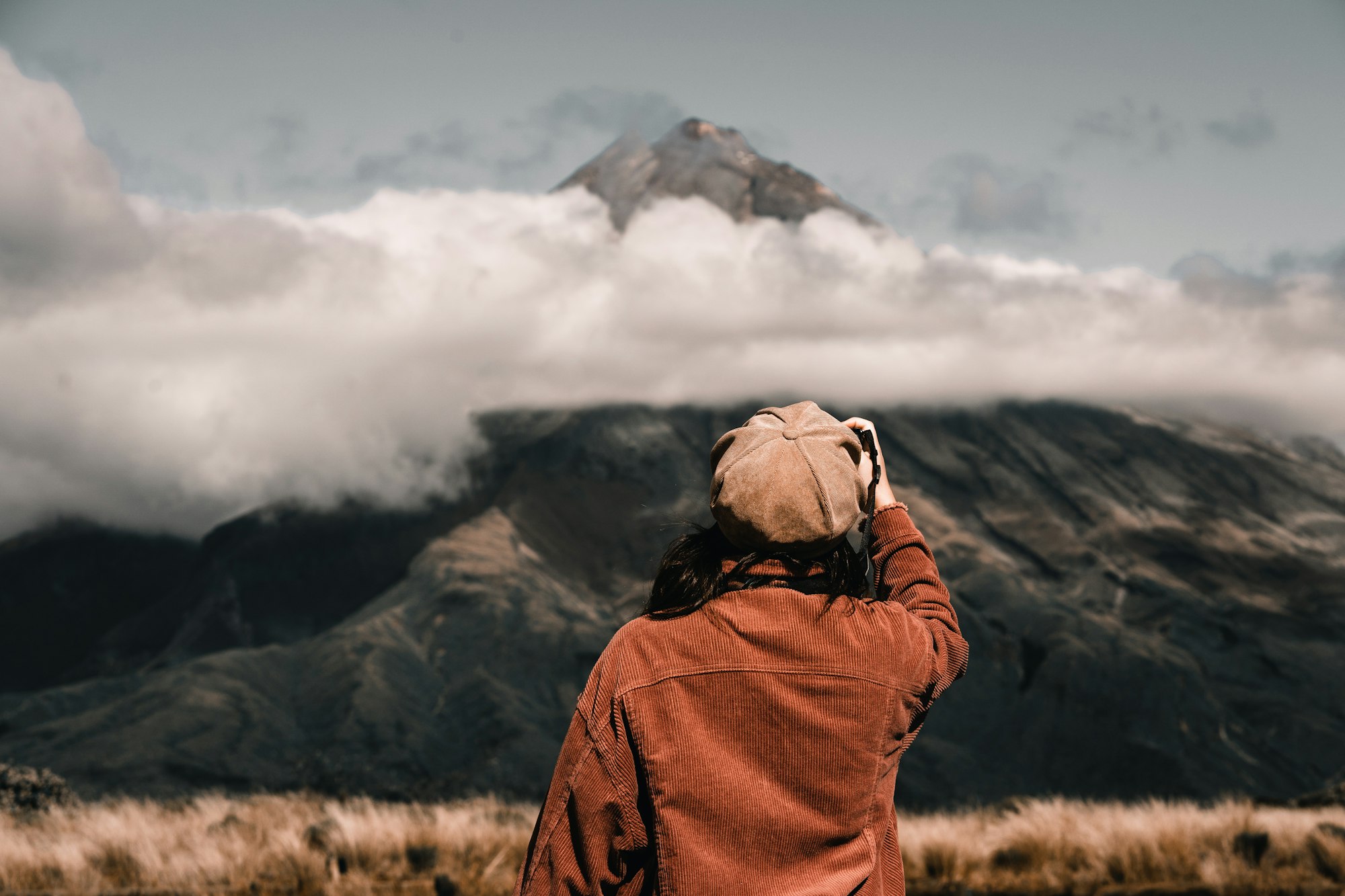
True to its name, Happy Valley is known for its calm, misty, and scenic environment. The valley lies slightly away from the busy tourist areas of Mussoorie, making it one of the most peaceful parts of the hill station.
Visitors will notice:
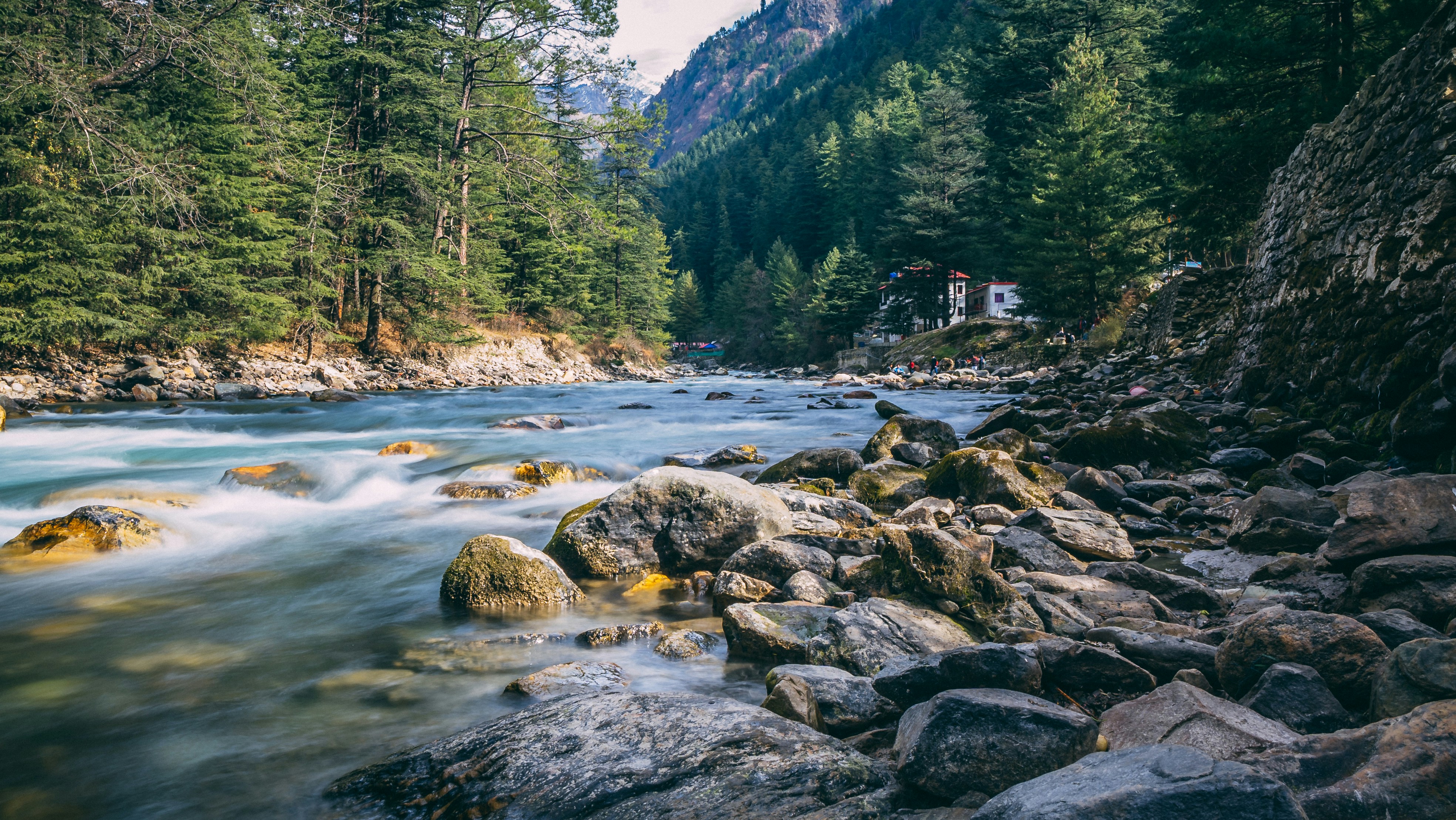
- Dense Himalayan forests surrounding the valley.
- Scenic views of the Doon Valley and distant mountains.
- Quiet walking roads and hillside settlements.
- Frequent mist and cool mountain air.
Because of its elevated location and lush greenery, the valley often appears wrapped in clouds, giving it a dreamy Himalayan atmosphere.
This peaceful landscape makes Happy Valley ideal for slow travel, photography, meditation, and cultural exploration.
Tourism and Local Attractions Around Happy Valley
In addition to its historical and cultural landmarks, Happy Valley also offers several places of interest for travellers.
One of the popular nearby attractions is the Municipal Garden, also known as Company Bagh. The garden features landscaped lawns, flower beds, and a small artificial lake where visitors can enjoy boating.
The surrounding Tibetan settlement also offers a chance to explore local culture and cuisine. Small eateries serve traditional Tibetan dishes such as:
- Momos
- Thukpa noodle soup
- Butter tea
Visitors can also purchase Tibetan handicrafts, prayer flags, and handmade souvenirs, which reflect the artistic traditions preserved by the refugee community.
A Cultural Walking Experience in Mussoorie
For travellers who enjoy walking tours, Happy Valley offers one of the most interesting cultural routes in Mussoorie.
A typical exploration may include:
- Starting from the Tibetan settlement area
- Visiting the Shedup Choephelling Temple
- Walking through forest roads with valley views
- Exploring nearby gardens and local cafés
This walking experience allows visitors to observe the unique blend of Tibetan culture, Himalayan nature, and Indian administrative institutions within a single valley.
Why Happy Valley is a Unique Travel Experience ?
Happy Valley stands apart from other attractions in Mussoorie because it combines multiple layers of history and culture.
Within this quiet Himalayan valley, travellers encounter:
- The early story of the Tibetan exile community.
- A historic Tibetan Buddhist monastery.
- The training centre of India’s top civil servants.
- Scenic landscapes that define the beauty of Mussoorie.
Few places in the Himalayas bring together spiritual heritage, geopolitical history, and modern governance in such a compact area.
Travel Tips for Visiting Happy Valley
- Visit the monastery respectfully and maintain silence during prayer sessions.
- Avoid photography inside temple halls without permission.
- Try local Tibetan food from small eateries in the settlement area.
- Combine the visit with nearby Mussoorie attractions for a full-day exploration.