Image Source: Shrenik Mehta
About Jabarkhet
When you think of Mussoorie, what probably comes to mind are bustling Mall Roads, cozy cafés, and the rush at Kempty Falls. But just a few kilometers away, tucked along the Mussoorie-Dhanaulti road, lies a forested escape that’s quietly rewriting what a Himalayan holiday can feel like—the Jabarkhet Nature Reserve.
This privately owned and community-managed reserve is Uttarakhand’s first privately owned wildlife sanctuary. For travelers who crave forest walks, bird calls, misty trails, and stories of conservation, Jabarkhet is pure magic.
A Bit of History
Once a neglected patch of privately owned forest land known as Jabarkhet Estate, this 100-acre stretch was revived in the early 2010s by conservationist Sejal Worah , along with local partners and the estate’s owners. The idea was simple yet powerful: protect the fragile Himalayan biodiversity and make conservation viable by opening it to responsible ecotourism.
Today, Jabarkhet stands as a living example of how local communities and private landowners can work together to conserve nature while offering travelers an intimate forest experience that government-managed parks rarely allow.
Geography & Setting
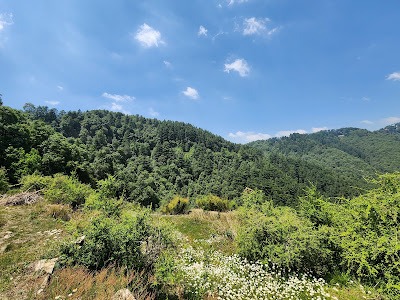
Jabarkhet Nature Reserve sits on the southern slopes of the Mussoorie ridge , about 1,800–2,200 meters above sea level. The terrain here is a lush mosaic of oak, rhododendron, pine, and wildflower meadows, crisscrossed by clear streams and hidden glades.
The location is just 4–5 km from Mussoorie’s Library Chowk , perched along the scenic road that leads toward Dhanaulti. The reserve’s mix of shady forests and open viewpoints means you’re treated to sweeping vistas of the Doon Valley on one side and deep Himalayan folds on the other.
Trails & Treks
One of Jabarkhet’s biggest draws is its well-marked trail network — there are multiple self-guided walking loops of varying lengths and difficulty. Here’s what you can expect:
Wildflower Trail
A short, easy walk that weaves through patches of seasonal wildflowers, ideal during spring and early summer when the forest bursts into bloom.
Leopard Trail
Named after the elusive Himalayan leopard often caught on the reserve’s camera traps. This moderate trail takes you deeper into the oak and rhododendron forests, where you’ll find fresh animal tracks if you’re observant.
Ridge Trail
Perfect for panoramic valley views, this trail skirts the ridge line and rewards walkers with glorious sunsets if timed right.
Mushroom Trail & Waterfall Loop
A shaded path with damp corners where wild mushrooms pop up in monsoon months. This loop also touches a small hidden waterfall that makes for a refreshing break.
Each trail ranges from 1 to 3 km one way—you can mix and match routes based on your fitness and curiosity. Guided walks with local naturalists can be booked in advance, and these are worth every minute if you want to learn about the flora, fauna, and folklore hidden among these trees.
Wildlife & What to Look For
Birds: Jabarkhet is a birder’s delight — over 150 species are recorded here, including the Himalayan Woodpecker, Bar-tailed Treecreeper, Blue Magpie, and if you’re lucky, the rare Koklass Pheasant.
Wildlife: Leopards roam here after dusk; so do barking deer, porcupines, langurs, and the occasional Himalayan black bear.
Plants: Over 300 plant species thrive here—from giant ferns and wild strawberries to towering oaks and bright rhododendrons. Nearby Villages & Local Charm
Close to Jabarkhet lie quaint villages like Bhatta Village, Bhadraj, and Suakholi , where you can see a slice of simple Garhwali life. Small tea shops, terraced fields, and friendly locals remind you that the Himalayas are more than just scenery—they’re living landscapes, shaped by the people who call them home.
Travelers often pair a forest walk at Jabarkhet with village visits or farm stays to get a fuller taste of local life.
How to Reach
By Road:
From Mussoorie’s Library Chowk, drive about 5 km on the Mussoorie-Dhanaulti road toward Suakholi . Look out for the signpost to Jabarkhet Nature Reserve—it’s easy to miss if you’re speeding by! There’s a small parking spot near the entrance.
By Air/Rail:
Nearest Airport: Jolly Grant Airport, Dehradun (about 65 km ).
Nearest Railhead: Dehradun Railway Station ( 35 km ). From there, take a taxi or bus up to Mussoorie and continue to Jabarkhet.
Local Transport:
Taxis and shared cabs from Mussoorie’s main market can drop you near the gate. Some guided tours also arrange pick-ups and drop-offs from town.
Best Time to Visit
The reserve is open throughout the year , but each season has its own magic:
Spring (March–May): Rhododendrons in bloom, clear skies.
Monsoon (July–September): Lush greenery, misty trails, mushroom spotting.
Autumn (October–November): Crisp air, clear Himalayan views.
Winter (December–February): A chance to see the forest dusted in snow — some trails may be slippery, but the landscape is stunning. 🎟️ Entry & Visitor Information
Entry Fee: There’s a small conservation fee, which goes directly toward reserve upkeep and community livelihood.
Guided Walks: Book in advance for the best experience — local naturalists bring the forest alive with stories and sightings.
Facilities: Basic — there’s no café or commercial stalls inside. Carry your own water, snacks, and always pack out your waste.
Stay: No overnight stay inside the reserve, but cozy cottages and homestays are available nearby in Mussoorie or Suakholi.
Traveler’s Tip: Leave Only Footprints
Jabarkhet isn’t a manicured tourist spot—it’s a living, breathing forest. Respect the trails, don’t stray into off-limits areas, and keep noise to a minimum to spot shy wildlife. If you’re lucky, you’ll find fresh paw prints, a burst of bird song, and the quiet thrill of being in a real Himalayan forest where nature still rules.
Why Jabarkhet is Special
For the mindful traveler, Jabarkhet Nature Reserve is Mussoorie at its purest—no hawkers, no concrete viewpoints, just a wild stretch of oak forest where every step feels like a return to how these hills once were.
It’s proof that the best way to see the Himalayas is to walk slowly, listen deeply, and leave lighter than you came.