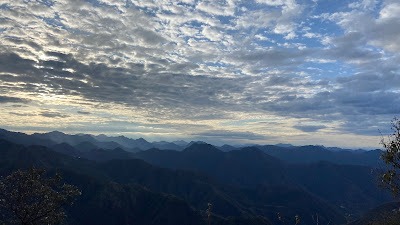
Image Source: Gaurav Sehgal
About Pari Tibba
Pari Tibba, which literally means “Hill of the Fairies,” is tucked away on the quieter slopes of Mussoorie. One of the most atmospheric short treks in the Queen of the Hills, the trek to Pari Tibba is known for its mystical vibe, dense oak and pine woods, and panoramic ridge views. Pari Tibba is a favorite for nature walkers, birdwatchers, and anyone drawn to Mussoorie’s wilder, offbeat corners.
Where is Pari Tibba?
Pari Tibba lies just east of Mussoorie town — perched on a forested ridge that runs parallel to Landour and Camel’s Back Road. It is easily accessible yet feels miles away from the busy Mall Road crowds. Sitting at around 2,250–2,400 meters above sea level, the ridge offers excellent views of the Doon Valley on one side and the snow-capped peaks of the Garhwal Himalayas on the other, especially on clear winter days.
A Place of Legends
Pari Tibba is wrapped in local folklore—according to tales whispered by old-timers, the hill is said to be haunted by spirits or paris (fairies). Stories say the place was struck by lightning frequently, which only added to its eerie charm. Even today, trekkers often notice gnarled, burnt tree trunks along the ridge — proof of frequent lightning strikes due to the ridge’s exposed geography.
Trek Route & Terrain
Trailhead: There are multiple approaches to Pari Tibba. The most common and scenic starts near Woodstock School or Char Dukan in Landour .
Trail Highlights:
The trek is a gentle 3–4 km walk , one way, through old pine, oak, and rhododendron forests.
The trail weaves through grassy clearings, old stone walls, and thickets that feel delightfully wild.
It’s not a very steep route but does involve gradual ups and downs, with some sections needing careful footing, especially in monsoon when the path can be muddy and slippery.
It typically takes 2–3 hours to reach the summit point and back if starting from Landour.
What Makes It Special ?
Solitude: Unlike Gun Hill or Camel’s Back, Pari Tibba is refreshingly quiet. On a good day, you might only run into local walkers or a few students from Woodstock School.
Flora & Fauna: The hill is a paradise for nature lovers — with Himalayan magpies, woodpeckers, and countless wildflowers and ferns in spring and monsoon.
Old Estate Ruins: Some routes pass the remnants of old colonial-era estates, adding a historical twist to the hike.
Views: The ridge gives sweeping views of the Doon Valley and distant snow ranges on clear days.
How to Reach
By Road: Reach Mussoorie from Dehradun (approx. 35 km, 1–1.5 hrs by car).
From Mussoorie town, head towards Landour or Woodstock School by taxi or on foot.
Trailheads:
From Char Dukan, ask locals for the trail that leads towards Pari Tibba—it’s a well-known local landmark.
Some hikers also begin near Kellogg Memorial Church in Landour.
Nearby Spots to Combine
Char Dukan: Iconic for pancakes, chai, and momos — perfect for a post-hike snack.
Sisters Bazaar: A nostalgic corner with local bakeries and antique shops.
Lal Tibba: Another viewpoint nearby that offers telescopic views of distant snow peaks.
Camel’s Back Road: A lovely circular walk to stretch your legs more.
Tips for Trekkers
Best Time to Go: October to June for clear weather and birdwatching. Monsoon (July–September) is lush but can be very slippery — carry a stick and wear good shoes.
Guide or Not?: The trail is not well-marked in some patches; if you’re not familiar with the area, hire a local guide or go with someone who knows the trail.
Respect Nature: Avoid making noise or leaving behind litter — Pari Tibba’s mystique depends on its quiet and clean vibe.
Pack Light: Carry water and a snack, as there are no shops on the trail itself.
In a Nutshell
Pari Tibba is not just a trek—it’s a brush with Mussoorie’s lesser-known side: misty forests, old legends, and the timeless hush of Himalayan ridges. If you’re visiting Mussoorie and wish to see it beyond the usual viewpoints and cafés, this short hike will leave you enchanted—maybe you’ll even feel the fairies still whispering through the trees.