Image Source: Sumit Chauhan
About Shanidev Temple
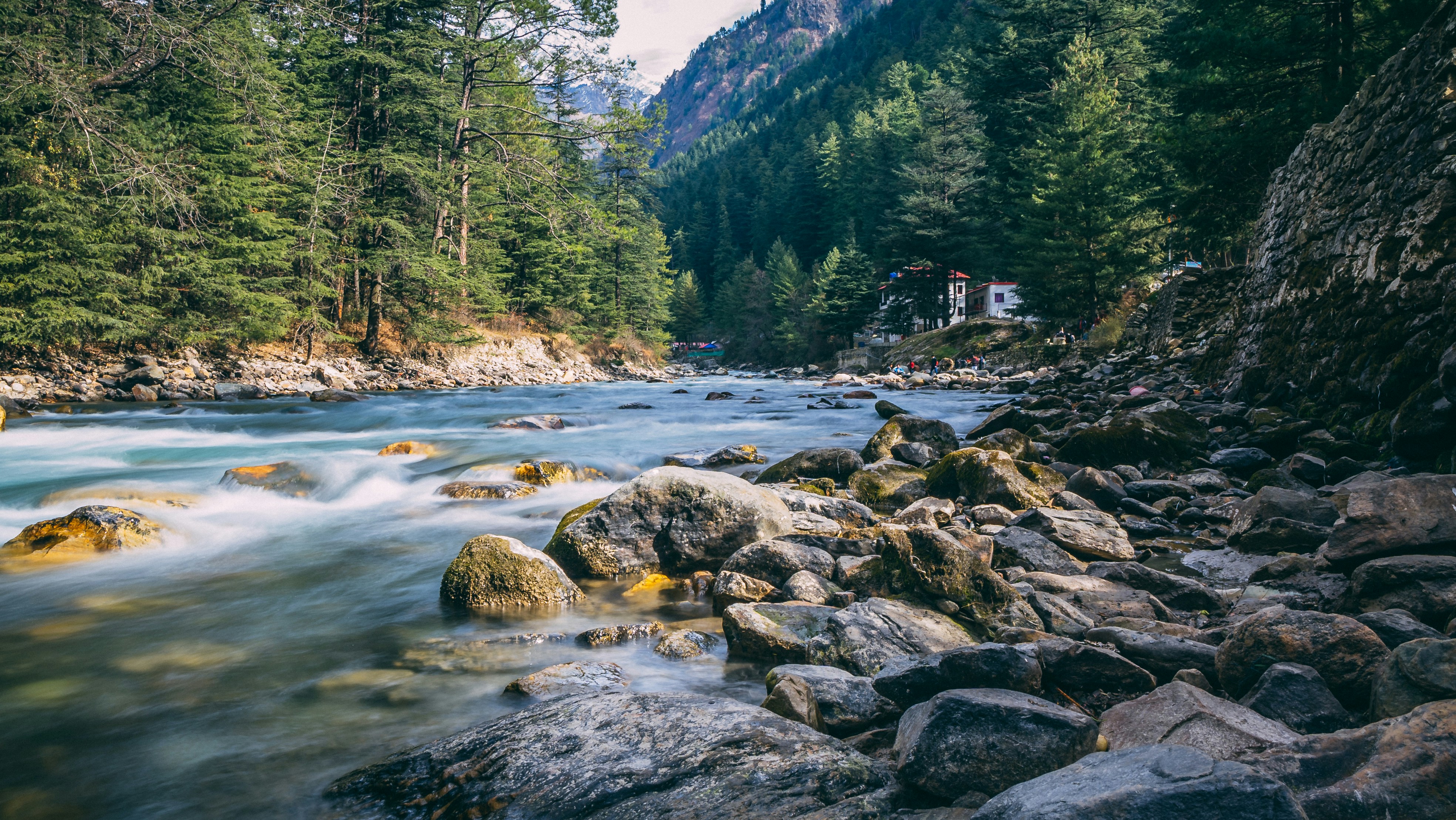
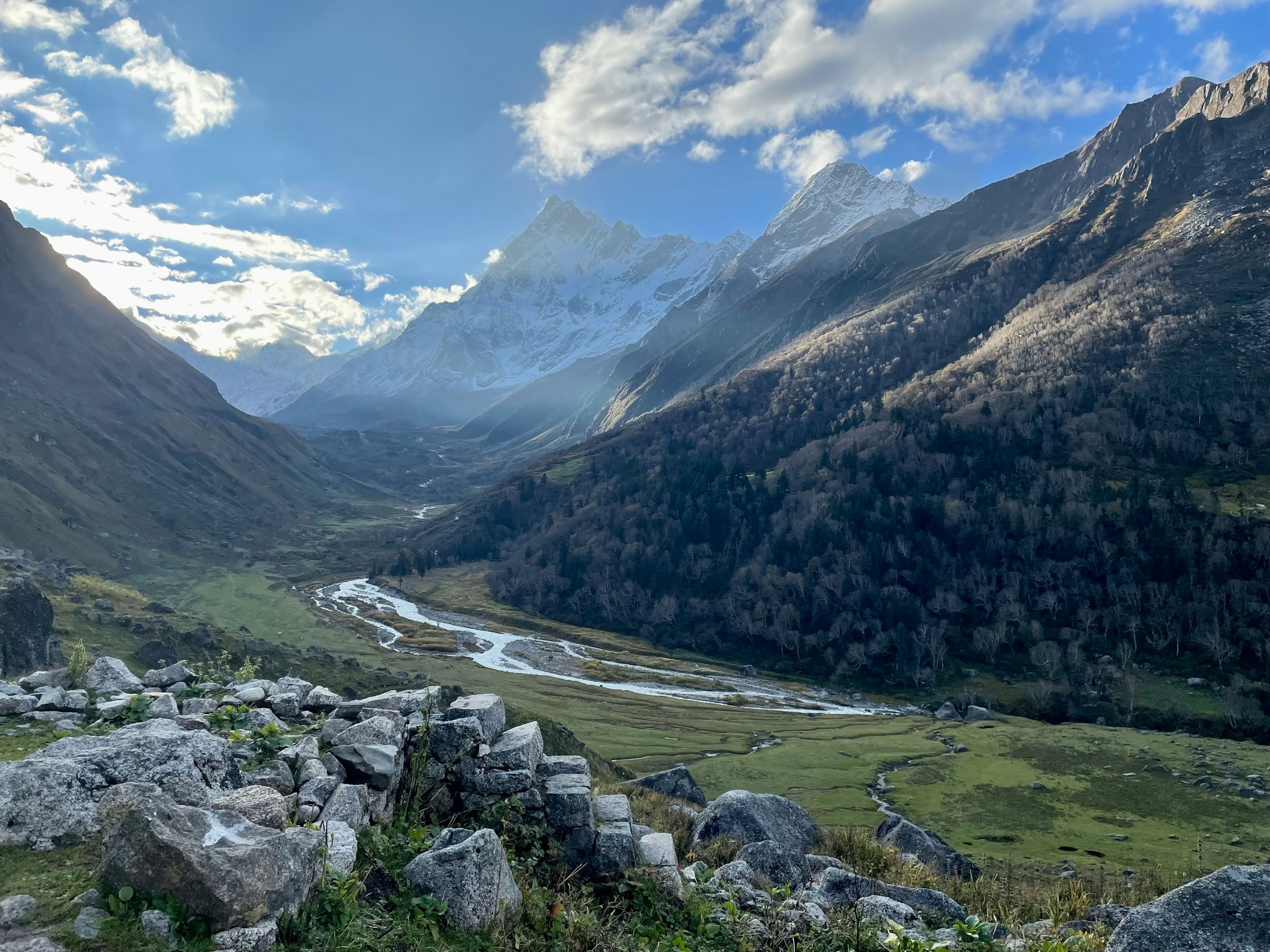
Tucked away in the peaceful mountain village of Kharsali in Uttarakhand’s Uttarkashi District, the ancient Shanidev Temple is one of the region’s most fascinating spiritual landmarks. Surrounded by natural springs, waterfalls, dense forests, and snow-covered Himalayan slopes, the temple offers a calm and deeply spiritual atmosphere that attracts both pilgrims and travelers. Located around 6 kilometers from the sacred shrine of Yamunotri, this temple is an important stop for devotees visiting the Yamunotri Dham.
The temple stands in the small village of Kharsali, also known as Khushimath, at an altitude of approximately 2,675 meters above sea level. During winter, the entire region receives heavy snowfall, often cutting off access to the temple for several months. Despite the harsh climate and changing mountain conditions, the temple continues to stand strong, preserving centuries of history, faith, and local traditions.
Historical and Religious Importance
The Shanidev Temple is believed to be one of the oldest temples dedicated to Lord Shani in the Himalayan region. According to local legends, the temple was built by the Pandavas during the Mahabharata era. While there is no definitive historical proof of this belief, the story continues to be deeply rooted in the faith of the local people.
For devotees, Lord Shani is considered the god of justice and karma, believed to reward or punish individuals according to their deeds. Because of this, the temple holds special significance among pilgrims who seek blessings for protection, peace, and relief from hardships associated with planetary influences.
The spiritual environment of the temple becomes even more powerful because of its remote Himalayan setting. The silence of the mountains, the sound of flowing streams, and the traditional wooden houses of Kharsali together create an atmosphere that feels untouched by time.
Architecture of Shanidev Temple
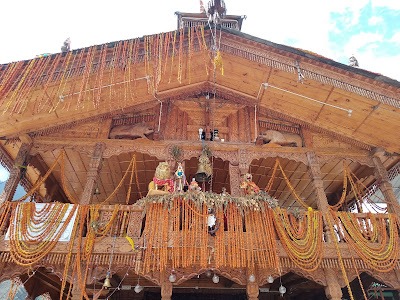
One of the most striking features of the temple is its traditional Himalayan architecture. Built using stone, wood, and mortar, the structure reflects the ancient construction techniques commonly found in the higher Himalayan regions of Uttarakhand. Even though the temple is made from natural materials, it has remarkably survived earthquakes, snowfall, and harsh weather conditions for centuries.
The multi-storied wooden structure showcases intricate craftsmanship and sturdy design. The use of deodar wood not only adds beauty to the temple but also helps it withstand the cold climate. The sloping roofs are specially designed to prevent snow accumulation during winter.
Inside the temple’s sanctum, or Garbhagriha, devotees can see the bronze idol of Lord Shani Dev. Alongside the main deity, idols of Chaaya, Sangya, and Nag Devta are also worshipped here. The spiritual energy inside the sanctum is considered highly powerful by devotees visiting the temple.
The Mysterious Urns and Local Beliefs
Among the most intriguing aspects of the temple are two sacred urns kept inside the premises. According to local belief, touching these urns can bring misfortune to a person or their family. Because of this belief, visitors generally avoid making physical contact with them and treat them with great reverence.
Another fascinating tradition associated with these urns is the belief that they change their positions on their own during Purnima (Full Moon) and Amavasya (New Moon). While there is no scientific explanation behind this belief, it continues to be an important part of the temple’s folklore and spiritual identity.
Stories like these add a mysterious charm to the temple and make it more than just a religious site. For many visitors, the temple becomes an experience deeply connected with faith, mythology, and Himalayan traditions.
Winter Seat of Goddess Yamuna
The Shanidev Temple also plays a very important role during the winter season. Every year, when heavy snowfall forces the closure of the Yamunotri shrine, the idol of Goddess Yamuna is ceremonially brought to Kharsali village and placed inside the Shanidev Temple.
This ceremonial transfer takes place during Bhai Dooj, also known as Yam Dwitiya, shortly after Diwali. Throughout the winter months, devotees worship Goddess Yamuna here until the Yamunotri temple reopens in summer.
This tradition makes Kharsali spiritually significant and turns the Shanidev Temple into the winter seat of Goddess Yamuna. During this period, many pilgrims visit the village to seek blessings without having to trek to Yamunotri.
Natural Beauty Around the Temple
Apart from its religious importance, the area surrounding the temple is incredibly scenic. Snow-capped peaks, alpine forests, waterfalls, and fresh mountain air make Kharsali a peaceful Himalayan retreat. The village itself is known for its traditional wooden homes and simple mountain lifestyle.
During spring and summer, the region becomes lush green and vibrant, while winter transforms it into a snow-covered wonderland. Travelers who enjoy nature photography, village walks, and peaceful mountain destinations often find Kharsali highly rewarding.
The calm surroundings also make the temple an excellent place for meditation and spiritual reflection.
Nearby Attractions
Someshwar Temple
Another important religious attraction near the Shanidev Temple is the ancient Someshwar Temple, dedicated to Lord Shiva in his Someshwar form. The temple is respected by locals and pilgrims alike and reflects the rich spiritual heritage of the Yamunotri region.
Yamunotri Dham
Located only a few kilometers away, Yamunotri Temple is one of the four sacred Char Dham pilgrimage sites of Uttarakhand. Pilgrims often combine their visit to Yamunotri with a stop at Kharsali and the Shanidev Temple.
Janki Chatti serves as the main base point for the Yamunotri trek. It is located close to Kharsali and offers accommodation, food facilities, and transport services for pilgrims.
Best Time to Visit
The best time to visit the Shanidev Temple is between May and October, when the weather remains pleasant and roads are accessible. Summers are ideal for sightseeing and pilgrimage, while monsoon months bring greenery but may also cause landslides in some areas.
Winter visits can be difficult because of heavy snowfall, although the snowy landscape during this season looks exceptionally beautiful.
How to Reach Shanidev Temple
Kharsali village is connected by the Yamunotri–Barkot Road, making it accessible by road during most parts of the year.
- The nearest major town is Barkot.
- Janki Chatti is located about 1 kilometer away from Kharsali.
- The nearest railway station is in Dehradun.
- The closest airport is Jolly Grant Airport.
From Dehradun, travelers can hire taxis or take buses towards Barkot and further onward to Kharsali.
Maps
FAQs
Why is Shanidev Temple famous?
The temple is famous for its ancient connection to Lord Shani, its traditional Himalayan architecture, and its role as the winter seat of Goddess Yamuna.
Where is Shanidev Temple located?
The temple is located in Kharsali village in Uttarkashi district of Uttarakhand, near Yamunotri.
Who built the Shanidev Temple?
Local legends believe that the temple was built by the Pandavas during the Mahabharata period.
What is special about the temple’s architecture?
The temple is constructed using wood, stone, and mortar in traditional Himalayan style and has survived centuries of harsh weather and natural calamities.
What are the mysterious urns inside the temple?
Two sacred urns kept inside the temple are associated with local beliefs. It is said that touching them may bring misfortune, and they are believed to shift positions during full moon and new moon days.
When is the idol of Goddess Yamuna brought here?
The idol is brought to the temple during Bhai Dooj after Diwali and remains here throughout winter until the reopening of Yamunotri Temple.
What is the best season to visit?
The best time to visit is from May to October when the weather is pleasant and roads remain open.
Is the temple accessible during winter?
Heavy snowfall often makes the temple and surrounding region inaccessible during peak winter months