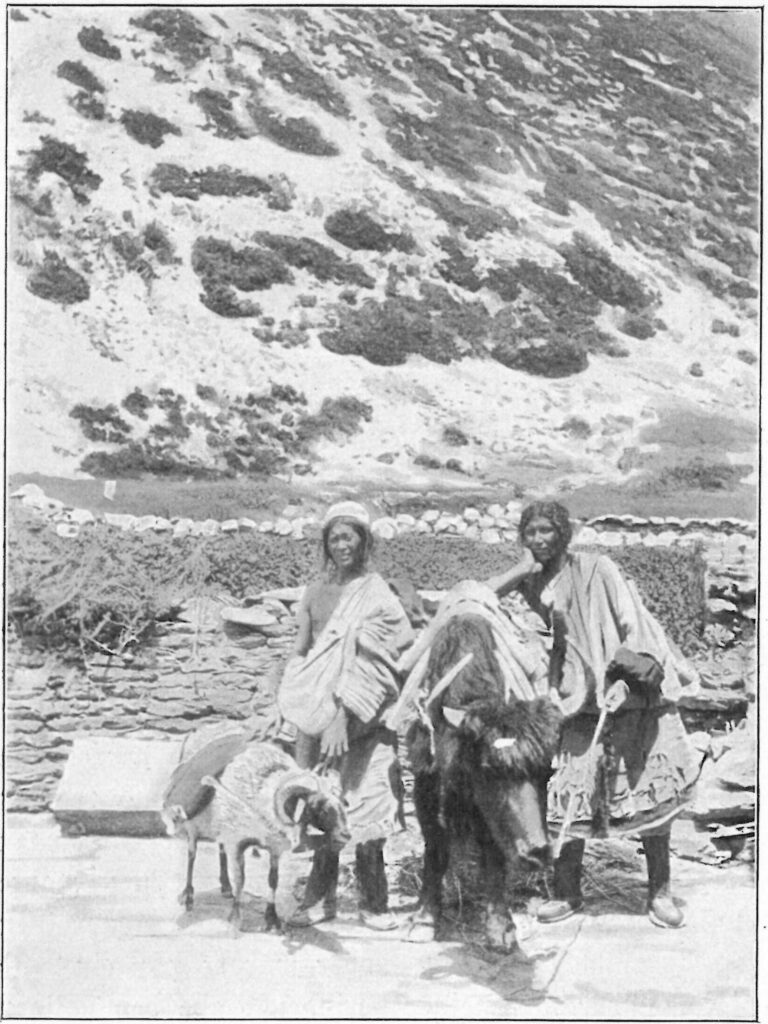
Image Source: Kurt Boeck (Image for Representational Purpose)
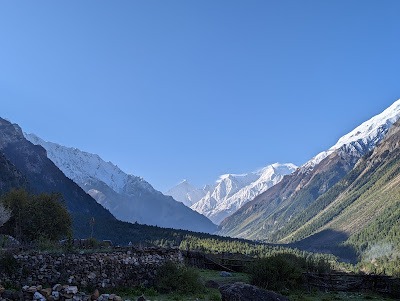
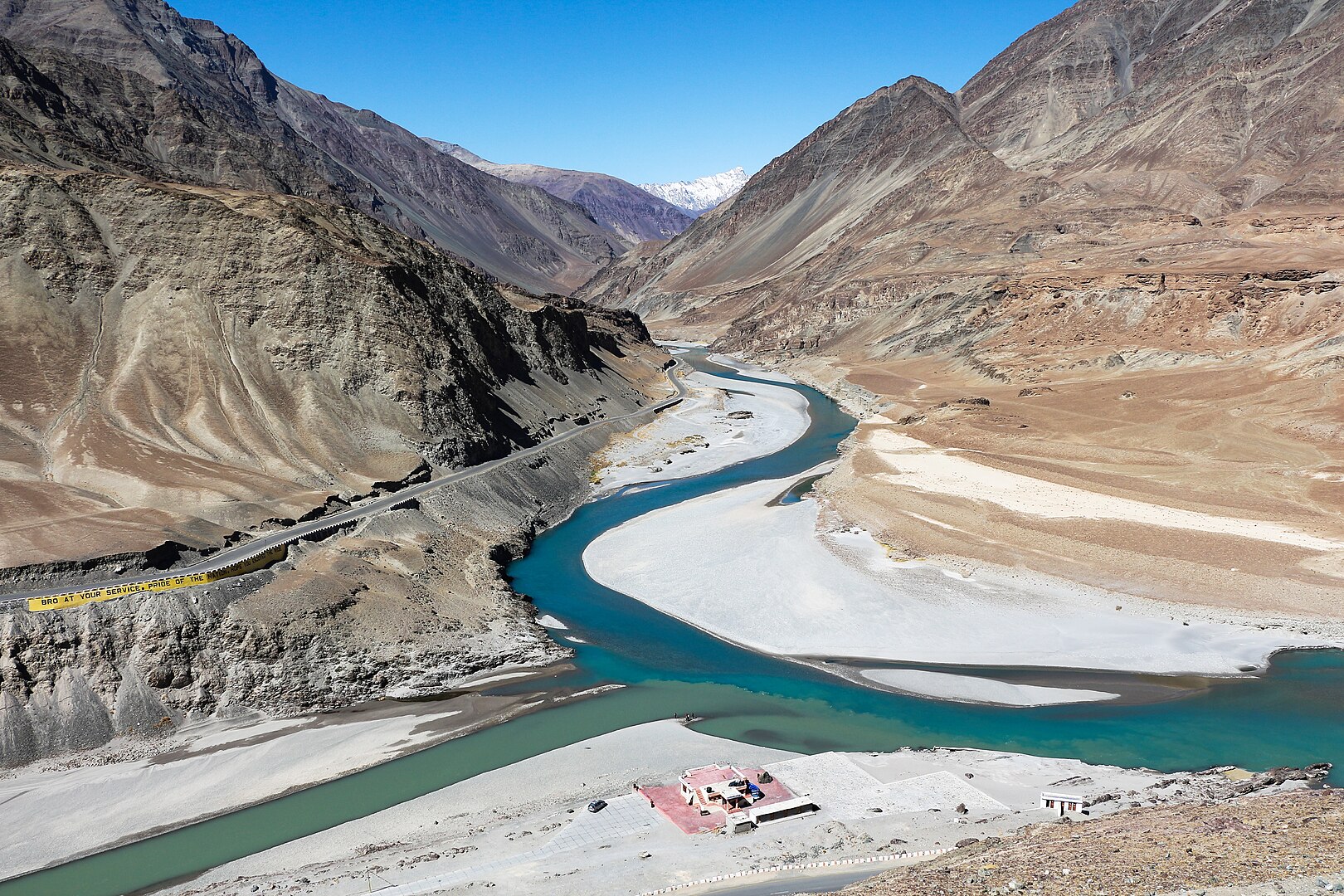
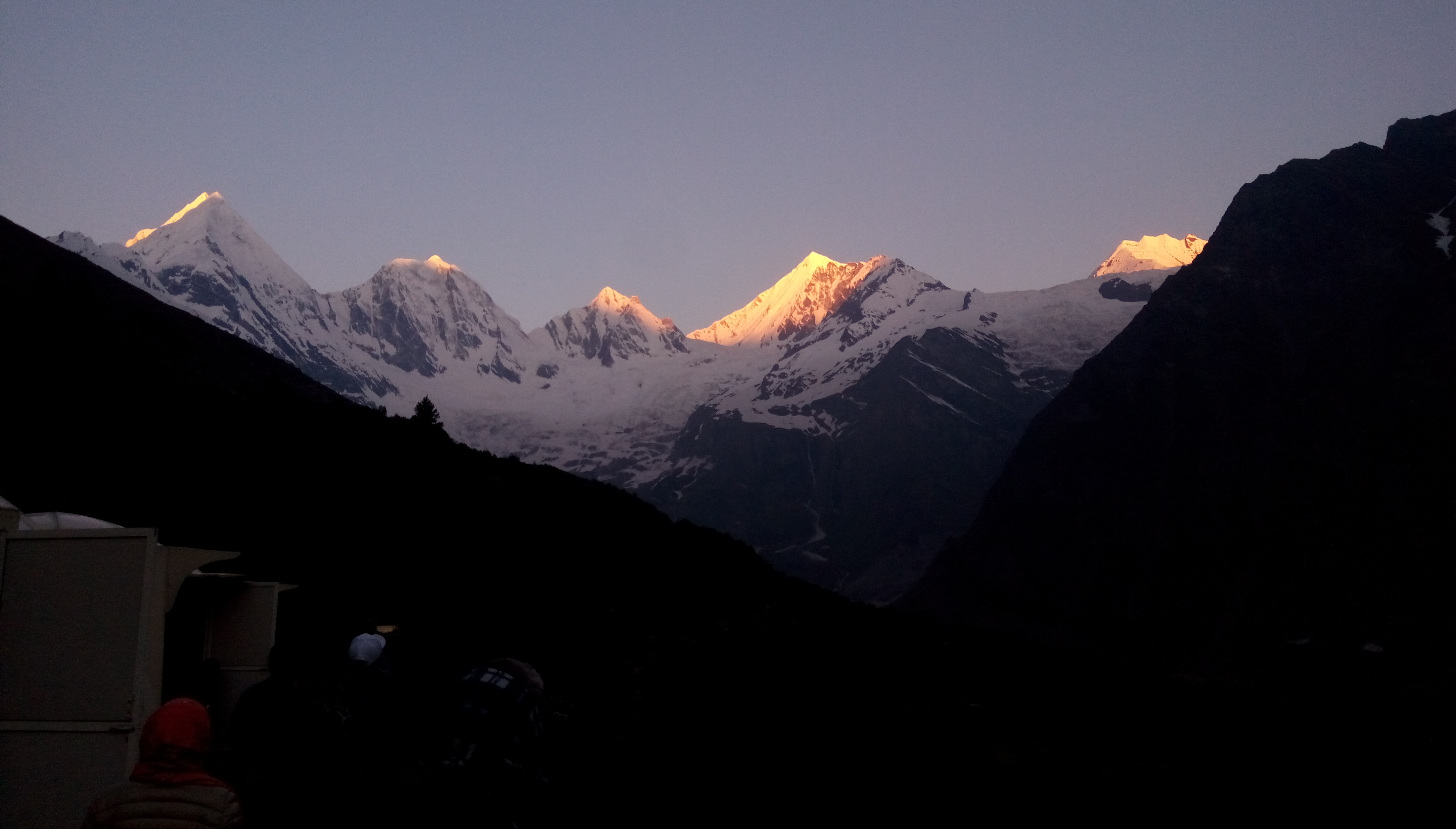
High in the eastern Kumaon Himalaya, where the Kali River cuts a narrow path through rock and ice, Vyas Valley once functioned as a marketplace without walls. There were no permanent bazaars, no fixed stalls, and no ledgers etched in stone. Yet for centuries, trade flowed through this valley with remarkable regularity. At the heart of this system were the Bhotia traders, a community that learned to read mountains the way merchants elsewhere read maps.
To understand the history of Vyas Valley, one must first understand how the Bhotias transformed one of the most inhospitable landscapes in the Himalaya into a functioning commercial corridor.
A Landscape That Demanded Movement
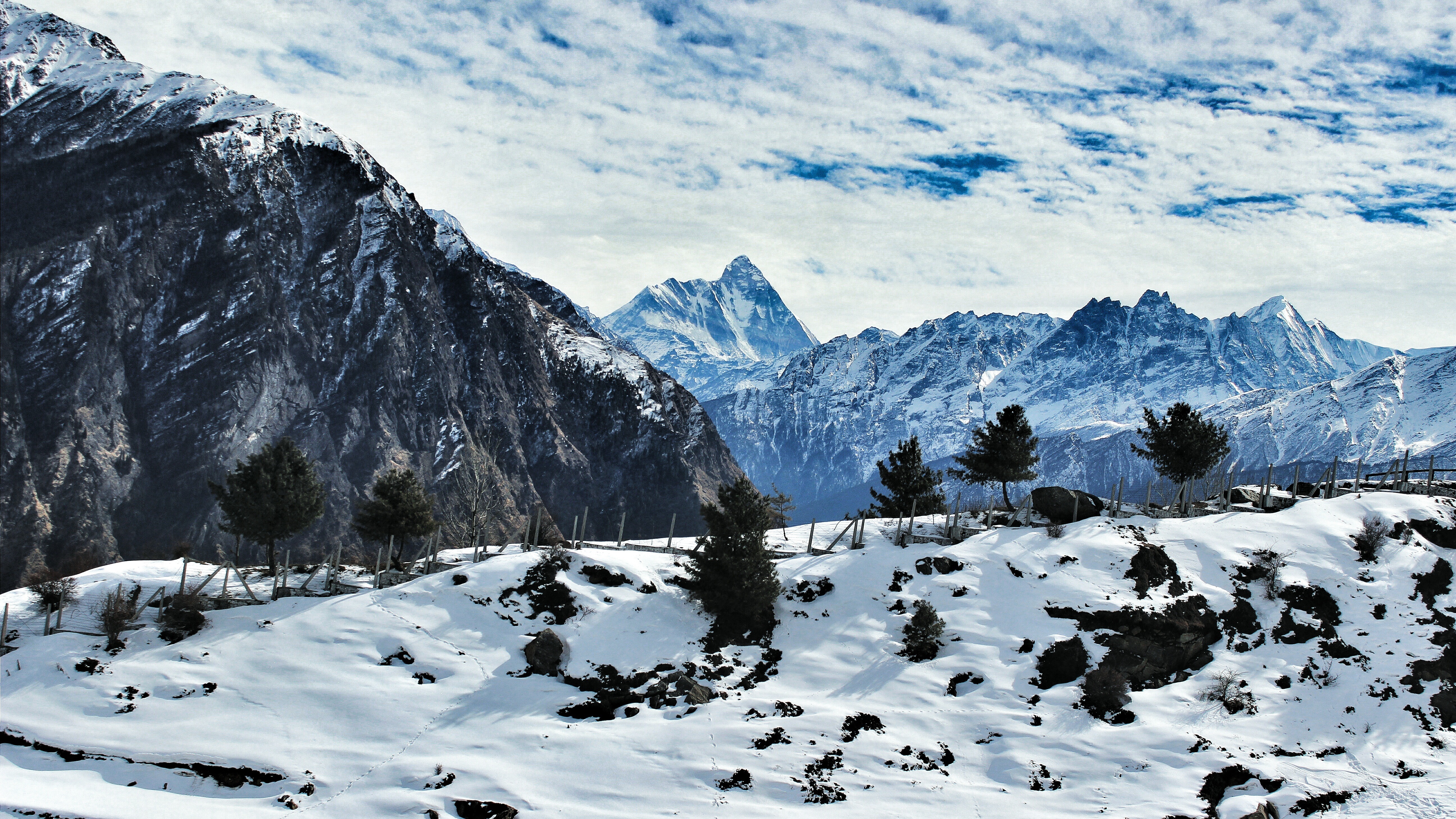
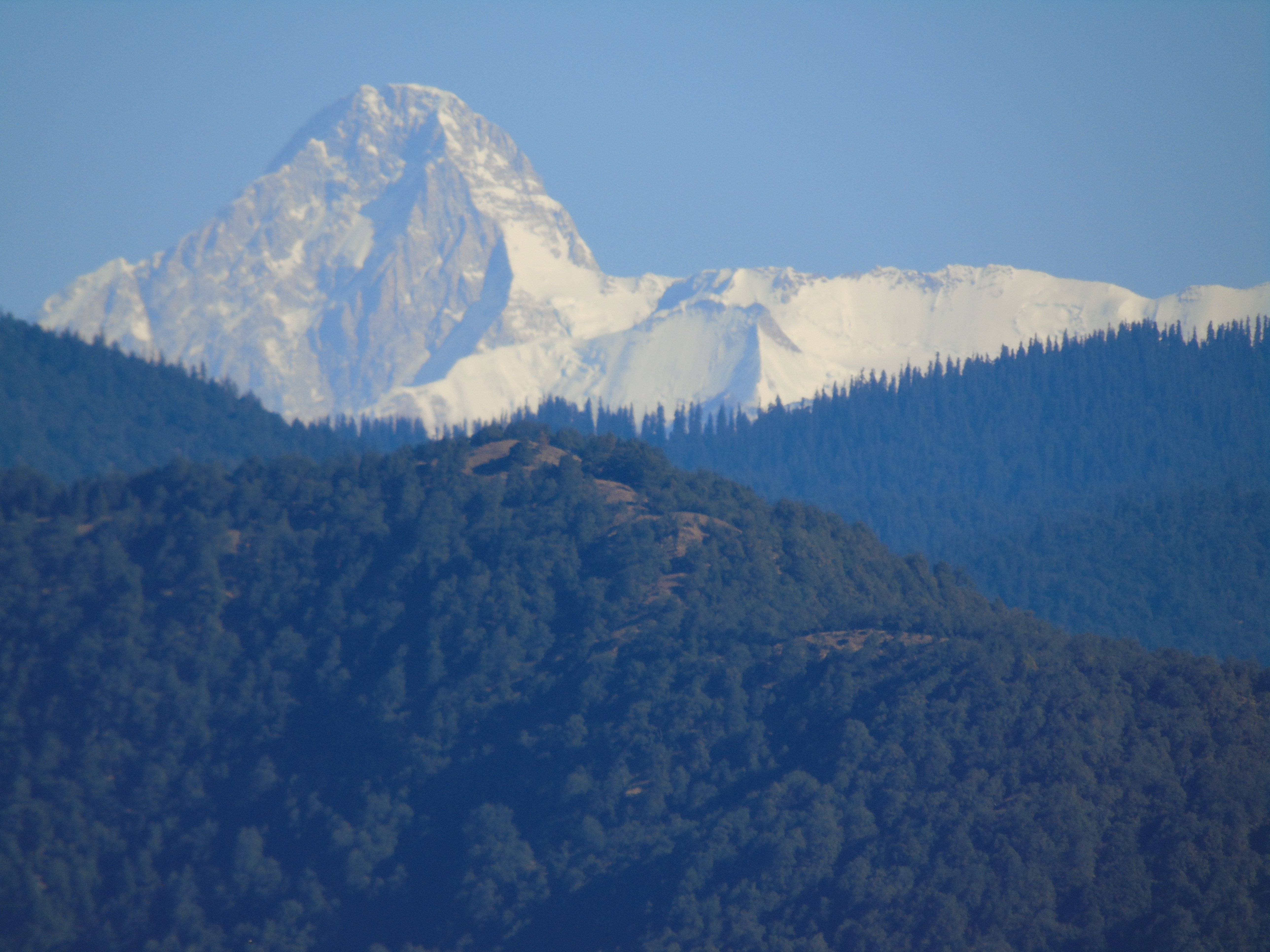
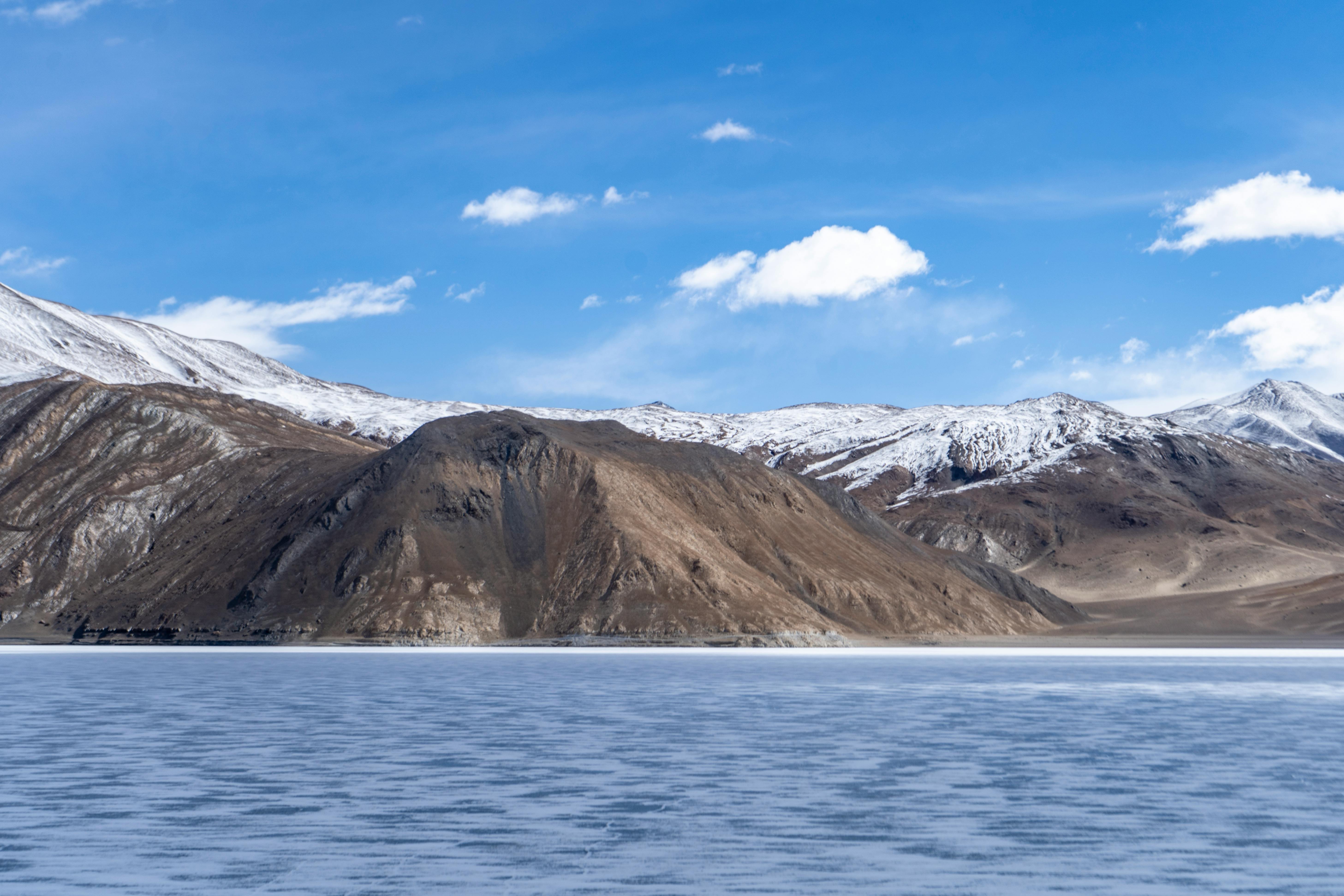
Vyas Valley was never suited for settled agriculture. At elevations above 3,300 meters, the soil is thin, the growing season short, and winter absolute. Snow seals the land for months, and even summer carries the threat of sudden storms. For most communities, this geography would have meant isolation.
For the Bhotias, it meant opportunity.
The valley’s true wealth lay not in what it could grow, but in where it led. To the north were the high plateaus of Tibet, rich in salt, wool, and animal products. To the south lay the grain-producing plains of India. Vyas Valley sat between these worlds like a narrow bridge, and the Bhotias learned to walk it better than anyone else.
Seasonal Life, Seasonal Trade
Bhotia life followed the calendar of snow. With the first signs of spring, families moved upward into high villages like Gunji, Kuti, and Nabi. Houses that stood empty all winter came alive again. Animals were counted, loads prepared, and routes assessed.
Summer was the season of trade. Caravans crossed high passes, especially Lipulekh, carrying salt, wool, borax, and livestock from the Tibetan side. On the return journey, they brought grains, jaggery, textiles, and metal goods from the Indian side. Every journey was calculated around weather windows and snow conditions. Timing was everything.
By autumn, the valley emptied once more. As snow returned, the Bhotias descended south with their animals and goods, completing a cycle that had repeated itself for generations.
This was not migration born of hardship. It was a refined economic rhythm, shaped by geography.
Gunji: A Village Built by Trade
Among all settlements in Vyas Valley, Gunji emerged as the nerve center of commerce. Its importance had little to do with size and everything to do with location. Here, the valley widened slightly. Tributary routes converged. Water was reliable, and the terrain offered rare stability.
Gunji became a place where decisions were made. Traders waited for word on pass conditions, negotiated exchanges, redistributed loads, and rested animals. In many ways, Gunji functioned like a high-altitude logistics hub long before the concept existed.
The village itself reflected this role. Houses were designed for storage as much as shelter. Livestock enclosures mattered more than decorative features. Everything served the logic of movement.
Livestock as Wealth and Infrastructure
In the Bhotia trade economy, wealth did not sit in land or gold. It walked on four legs.
Sheep, goats, horses, mules, and yaks were not just transport; they were currency, capital, and insurance. A trader’s success was measured by the health of his animals and the wisdom with which they were deployed.
Losing livestock to weather or terrain could erase an entire year’s earnings. Caring for them meant understanding slopes, pastures, and water sources in intimate detail. In this way, the Bhotias were not only traders but expert landscape managers.
Knowledge That Could Not Be Written Down
What truly set Bhotia traders apart was not the goods they carried, but the knowledge they carried in memory. They knew which slopes released avalanches, which streams froze early, and which cloud formations signaled danger. They understood the moods of the mountains.
This knowledge was never written. It was passed through stories, observation, and experience. Trade success depended less on strength and more on judgment. One wrong decision in these mountains could cost lives.
Trust also played a central role. Trade partnerships extended across valleys and borders, built on reputation rather than contracts. A reliable trader was welcomed again and again; an unreliable one quickly found routes closed to him.
A Corridor of Culture, Not Just Commerce
As goods moved through Vyas Valley, so did ideas. Language elements crossed ridges. Religious practices blended. Architectural styles echoed influences from both sides of the Himalaya. The Bhotias became cultural intermediaries, connecting regions that political borders would later divide.
The valley, in this sense, was not a boundary but a gradient, where identities remained fluid and adaptive.
When the Corridor Became a Frontier
The mid-20th century changed everything. With the closing of Indo-Tibetan borders, centuries-old trade routes were severed almost overnight. What had once been seasonal openness became regulated restriction. The economic foundation of Bhotia life collapsed.
High villages emptied. Younger generations sought work elsewhere. The valley’s role shifted from commercial artery to strategic borderland.
Yet the geography did not forget. Trails still trace the old routes. Pastures still mark former caravan stops. The land remembers movement even when movement stops.
Reading Vyas Valley Through Bhotia Footsteps
Today, travelers walk through Vyas Valley seeking solitude, scenery, or spirituality. Few realize they are following economic highways of the past. Every bend in the trail, every village location, every grazing meadow is part of an older logic written by Bhotia traders.
Understanding this history changes how the valley is seen. It is no longer empty or remote. It is quiet after centuries of conversation.
Why the Bhotia Story Matters
The Bhotias did not conquer Vyas Valley. They understood it. They built an economy that worked with altitude, not against it. They turned seasonal hardship into predictable rhythm and transformed isolation into connection.
Vyas Valley, as we know it today, exists not only because of glaciers and rivers, but because people once knew how to move through it wisely.
To walk this valley with that knowledge is to see it not as wilderness, but as a landscape shaped by human intelligence and Himalayan time