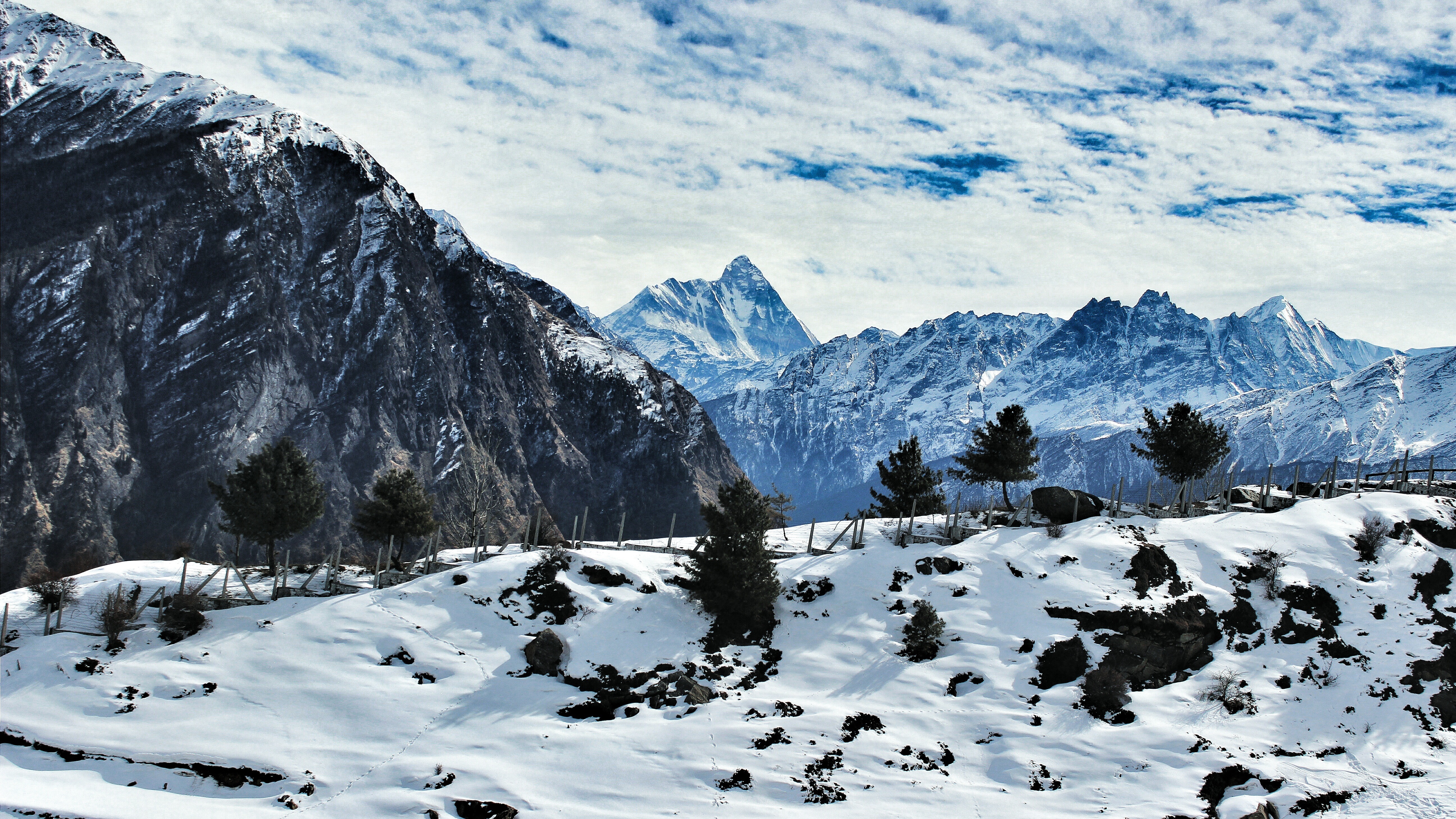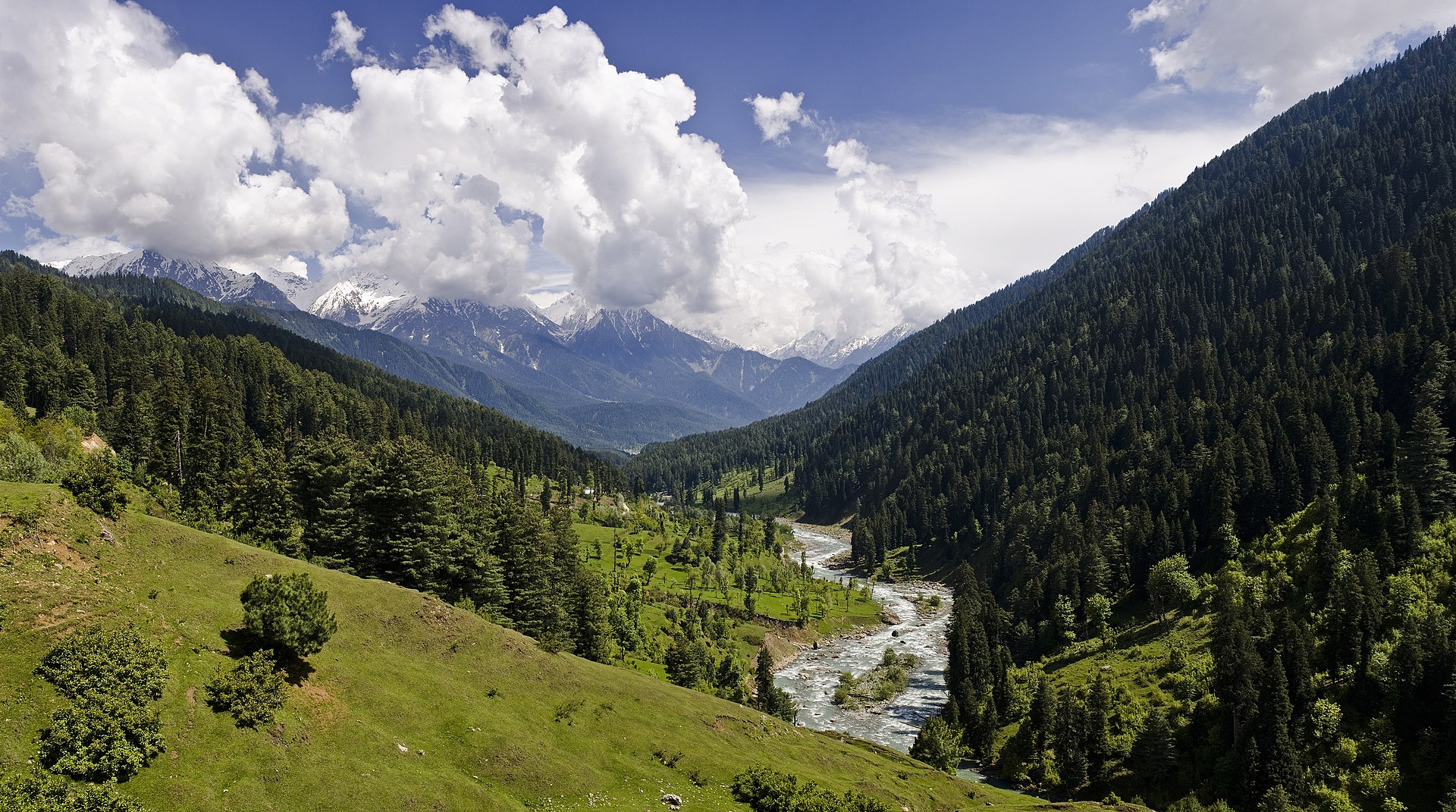
High in the windswept alpine meadows of the Himalayas, where the tree line fades into rolling bugyals and snow-fed ridges, grows one of the most extraordinary and valuable biological organisms on Earth—Yartsa Gunbu. Known scientifically as Ophiocordyceps sinensis, this rare caterpillar-fungus complex is not only a marvel of natural science but also a crucial element in the historical, economic, and geopolitical fabric of the Indian Himalayas.
Often called “Himalayan gold,” Yartsa Gunbu sits at the intersection of ecology, traditional knowledge, trans-Himalayan trade, and modern border politics.
The Biological Mystery of “Winter Worm, Summer Grass”
The name Yartsa Gunbu comes from Tibetan—*“Yar” (summer), “Tsa” (grass), “Gun” (winter), “Bu” (worm).* This poetic term perfectly describes its lifecycle.
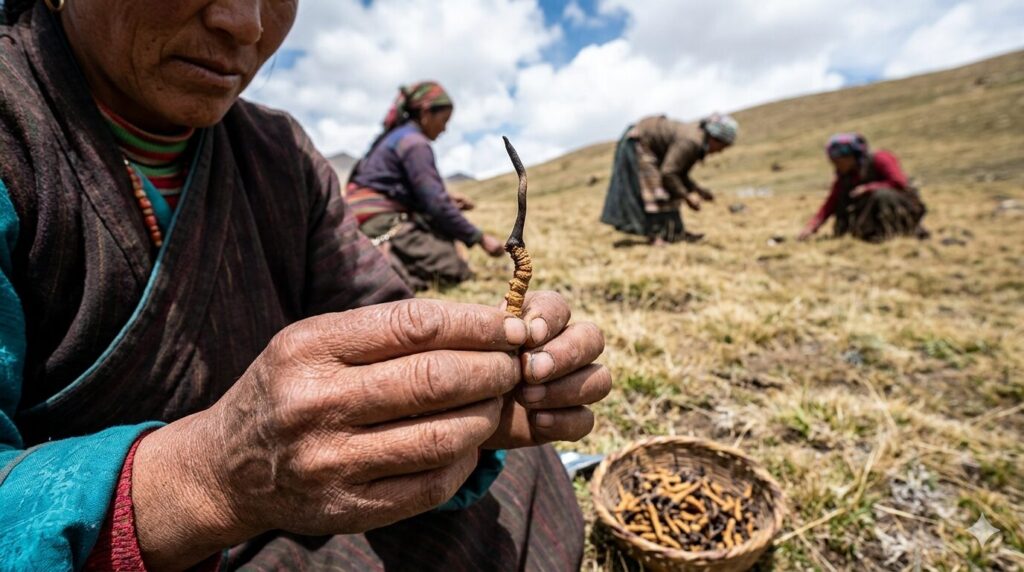
The fungus infects larvae of ghost moths belonging to the genus Thitarodes, which live underground in alpine soils. During winter, the fungus consumes the caterpillar from within, mummifying it. As summer arrives, a slender brown stalk emerges from the caterpillar’s head, breaking through the soil surface.
This dual identity—part insect, part fungus—has fascinated Himalayan communities for centuries and shaped their cultural narratives about nature’s hidden transformations.
Geographic Spread in the Indian Himalayas
In India, Yartsa Gunbu is found in high-altitude zones between 3,000 and 5,000 meters, particularly in:
* Uttarakhand — Pithoragarh, Dharchula, Johar Valley, and Niti-Mana regions
* Himachal Pradesh — especially Kinnaur and Lahaul-Spiti
* Ladakh
These regions share ecological continuity with the Tibetan Plateau, forming part of a broader trans-Himalayan biosphere. The organism thrives in cold, moist soils where snowmelt and grassland ecosystems create ideal conditions.
Historical Trade Routes and Indo-Tibetan Connections
Yartsa Gunbu has long been embedded in the ancient trade networks that connected India with Tibet and Central Asia. These routes were not merely commercial corridors but cultural arteries through which goods, ideas, and beliefs flowed.
The Trans-Himalayan Trade System
For centuries, traders from regions like Kumaon and Garhwal crossed high mountain passes such as:
* Lipu Lekh Pass.
* Niti Pass.
* Shipki La.
These routes linked Indian Himalayan communities with markets in Tibet, where Yartsa Gunbu was highly valued in traditional medicine.
Trade Commodities and Exchange
Yartsa Gunbu was often traded alongside:
* Salt from Tibetan lakes.
* Wool and pashmina.
* Borax and medicinal herbs.
In return, traders carried grains, jaggery, spices, and textiles from the Indian plains. This barter system sustained high-altitude economies and fostered deep Indo-Tibetan cultural connections.
Colonial Disruption and Post-Independence Closure
The arrival of colonial powers and later geopolitical changes significantly altered these networks.
During the British period, interest in Himalayan trade increased, but traditional systems largely persisted. However, after the Sino-Indian War, many of these trade routes were abruptly closed.
This closure had profound consequences:
* Disruption of traditional livelihoods.
* Isolation of border communities.
* Decline of cross-border cultural exchange.
Yartsa Gunbu, once part of a fluid trans-Himalayan economy, became confined within national borders—yet its demand continued to grow internationally.
The Rise of a High-Value Commodity
In recent decades, Yartsa Gunbu has transformed from a traditional medicinal resource into a global luxury commodity.
Demand and Market Dynamics
The primary demand comes from China, where it is used in traditional medicine for:
* Boosting immunity.
* Enhancing stamina and vitality.
* Treating respiratory and kidney disorders.
Its rarity and labor-intensive collection process have made it one of the most expensive biological products in the world, sometimes fetching prices higher than gold per gram.
Seasonal Migration and Local Economies
In Indian Himalayan regions, the harvesting season (May to June) triggers a massive seasonal migration.
Entire villages from Uttarakhand and Himachal Pradesh move to high-altitude meadows.
Life in the Bugyals
Collectors:
* Camp in harsh, high-altitude conditions
* Spend hours scanning the ground for tiny fungal stalks
* Carefully extract the organism without breaking it
For many families, a successful harvesting season can provide income for the entire year.
However, this economic dependence has also led to:
* Overexploitation of fragile ecosystems
* Conflicts over access and territorial rights
* Emergence of informal and sometimes illegal trade networks.
Geopolitical Dimensions of Yartsa Gunbu
Yartsa Gunbu is not just a biological or economic phenomenon—it is deeply tied to the geopolitics of the Himalayas.
Borderland Economies
Regions where Yartsa Gunbu is found often lie close to sensitive international borders. In areas like Ladakh and eastern Uttarakhand, the resource becomes part of a broader strategic landscape.
Control over these regions implies:
* Access to valuable natural resources.
* Influence over local populations.
* Strategic advantage in border management.
Informal Cross-Border Trade
Despite official restrictions, Yartsa Gunbu often moves through informal routes into Nepal and onward to Chinese markets. This creates:
* Challenges for law enforcement.
* Opportunities for smuggling networks.
* Revenue losses for local communities and governments.
Environmental Security
The degradation of alpine ecosystems due to overharvesting also raises concerns about long-term environmental stability in border regions, which are already vulnerable to climate change and geopolitical tensions.
Climate Change and Ecological Fragility
The future of Yartsa Gunbu is closely tied to the health of Himalayan ecosystems.
Impact of Climate Change
Rising temperatures in the Himalayas are affecting:
* Snowfall patterns.
* Soil moisture levels.
* Survival rates of host insects.
Studies suggest that suitable habitats for Yartsa Gunbu are shrinking, pushing it to higher altitudes.
Human Pressure
The influx of thousands of collectors each season leads to:
* Soil compaction.
* Vegetation loss.
* Waste accumulation in pristine landscapes.
This combination of climatic and human pressures threatens the long-term sustainability of the species.
Cultural Meaning and Traditional Knowledge
For Himalayan communities, Yartsa Gunbu is more than an economic resource—it is part of a deeply rooted cultural landscape.
* Seen as a gift from the mountains.
* Associated with vitality and resilience.
* Embedded in traditional healing practices.
Knowledge about its location, harvesting techniques, and ecological patterns is passed down through generations, reflecting an intimate relationship between people and their environment.
The Way Forward: Balancing Ecology, Economy, and Politics
The story of Yartsa Gunbu in the Indian Himalayas is ultimately about balance.
Key Challenges
* Regulating harvesting without harming livelihoods.
* Controlling illegal trade while supporting local economies.
* Protecting fragile ecosystems in a warming climate.
Possible Solutions
* Community-based conservation models.
* Sustainable harvesting guidelines.
* Cross-border cooperation on trade and biodiversity protection.