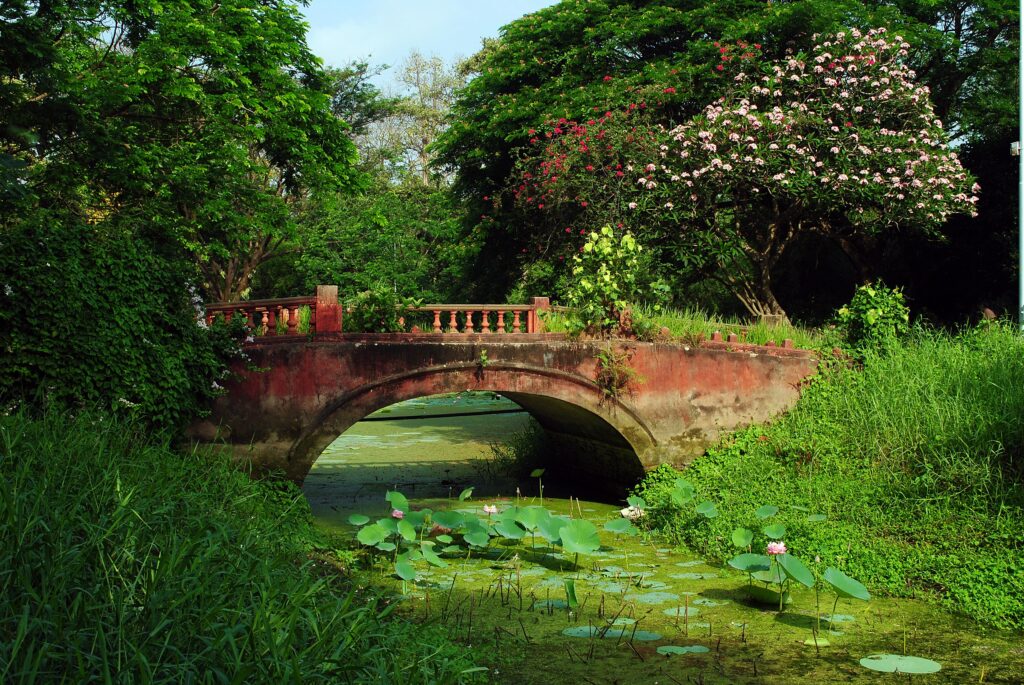
Image Source: Kararkadeep
About Acharya Jagadish Chandra Bose Indian Botanic Garden
Nestled in Shibpur, Howrah, just across the Hooghly River from Kolkata, the Acharya Jagadish Chandra Bose Indian Botanic Garden is one of the oldest and most celebrated botanical gardens in India. Established in 1787 during the British colonial period, the garden has evolved into a remarkable center for botanical research, plant conservation, and eco-tourism. Spread across a vast green landscape, it offers a refreshing escape from the fast-paced urban life of Kolkata and Howrah.
Popularly known as the Botanic Garden Howrah, this historic garden attracts nature lovers, researchers, students, photographers, and tourists throughout the year. Its peaceful environment, towering trees, rare plant collections, and scenic water bodies make it one of the most relaxing places to visit in West Bengal.
A Paradise of Greenery and Biodiversity
Covering nearly 273 acres, the botanical garden is home to thousands of species of tropical and subtropical plants collected from different parts of India and the world. Walking through the garden feels like stepping into a living museum of nature. Massive trees, flowering plants, bamboo groves, medicinal herbs, aquatic plants, and ornamental species create a rich and diverse ecosystem.
The garden plays an important role in preserving endangered plant species and promoting environmental awareness. Many rare and exotic plants cultivated here are used for scientific studies, botanical education, and conservation programs. The lush greenery, shaded pathways, and calm atmosphere also make it a favorite picnic and leisure destination for locals and visitors alike.
The Famous Great Banyan Tree
The biggest attraction of the garden is undoubtedly the legendary Great Banyan Tree. This enormous banyan tree is famous across the world and is considered one of the largest trees on Earth in terms of canopy spread. The tree covers more than 3.5 acres and appears almost like a miniature forest because of its countless aerial roots that descend into the ground and form trunk-like structures.
Although the original central trunk was damaged by disease and storms many years ago, the tree continues to thrive through its extensive network of roots and branches. Walking around this gigantic natural wonder is one of the most memorable experiences in the garden. It has become a symbol of resilience, longevity, and the incredible power of nature.
Palm Houses, Orchids, and Rare Plants
Another fascinating section of the garden is its collection of greenhouses and palm houses. These carefully maintained structures shelter a variety of tropical plants, exotic orchids, cacti, ferns, and rare flowering species. Visitors interested in botany and horticulture can explore different plant varieties from across the globe in one place.
The orchid collections are especially beautiful during blooming seasons, filling parts of the garden with vibrant colors and delicate fragrances. The garden also contains numerous medicinal plants used in Ayurveda and traditional Indian healing systems. Informative labels and educational sections help visitors understand the uses and ecological importance of these species.
Lakes, Walking Trails, and Birdwatching
The botanical garden is not only about plants; it is also a peaceful natural retreat filled with lakes, ponds, open lawns, and tree-lined pathways. The walking trails are ideal for morning strolls, jogging, photography, and quiet relaxation. During winter, the garden becomes particularly attractive as migratory birds and local bird species can often be spotted near the water bodies.
The serene environment makes it a wonderful destination for families, couples, and solo travelers looking to spend time close to nature. The garden’s calm atmosphere also attracts artists, writers, and photographers who seek inspiration from its landscapes.
Historical and Scientific Importance
The garden holds immense historical and scientific significance in India’s botanical heritage. It was originally established as a center for studying economically important plants and introducing exotic species to the Indian subcontinent. Over the centuries, it became one of Asia’s leading botanical research institutions.
The garden was later named after Jagadish Chandra Bose, the renowned Indian scientist known for his pioneering work in plant physiology and experimental science. His contributions to understanding plant responses and biological systems continue to inspire researchers worldwide.
Today, the botanical garden remains an important institution for plant taxonomy, conservation, ecological research, and environmental education.
Nearby Places to Explore
Because the garden is located close to Kolkata and central Howrah, visitors often combine their trip with several famous attractions nearby. Popular places include the iconic Howrah Bridge, the majestic Victoria Memorial, Science City, and the historic Alipore Zoological Gardens. Exploring these attractions together offers a perfect blend of nature, history, science, and culture.
Best Time to Visit
The best time to visit the botanical garden is between October and March. During these months, the weather remains cool and pleasant, making it comfortable to walk around and explore the large garden area. Winter mornings are particularly enjoyable, with fresh air, blooming flowers, and active birdlife adding to the charm.
Summers in West Bengal can be hot and humid, which may make long walks tiring. The monsoon season brings lush greenery and fresh landscapes, but heavy rains can sometimes make outdoor exploration difficult.
How to Reach the Botanic Garden
The garden is located in Shibpur, Howrah, and is well connected by road and public transport. The nearest major railway station is Howrah Junction railway station, one of India’s busiest railway hubs. From there, taxis, buses, auto-rickshaws, and app-based cabs are easily available.
Visitors staying in Kolkata can also reach the garden by ferry services across the Hooghly River, which adds a scenic touch to the journey. The convenient location makes it an easy day-trip destination for tourists exploring Kolkata and Howrah.
Google Maps
FAQs
Why is the Acharya Jagadish Chandra Bose Indian Botanic Garden famous?
The garden is best known for the Great Banyan Tree, one of the largest banyan trees in the world. It is also famous for its rich plant diversity, historical importance, botanical research, and peaceful natural environment.
How much time is needed to explore the garden?
Most visitors spend around 2 to 4 hours exploring the garden comfortably. Nature enthusiasts and photographers may spend even longer discovering different sections of the park.
Is photography allowed inside the botanical garden?
Yes, photography is generally allowed and the garden is a popular location for nature photography, landscape shots, and bird photography. However, visitors should follow any photography guidelines issued by the authorities.
Can families and children visit the garden?
Absolutely. The botanical garden is a family-friendly destination with open spaces, walking trails, and educational exhibits that are enjoyable for both adults and children.
What is the best season for birdwatching in the garden?
Winter months, especially from November to February, are considered ideal for birdwatching because migratory and local birds are more active during this period.
Are food and refreshments available nearby?
Yes, small food stalls and eateries can be found near the entrance and surrounding areas. Visitors often prefer carrying water and light snacks while exploring the vast garden grounds.
Is the garden suitable for educational trips?
Yes, the botanical garden is an excellent destination for educational tours related to botany, ecology, environmental science, and biodiversity studies. Schools and colleges frequently organize academic visits here.