About Chintpurni Temple
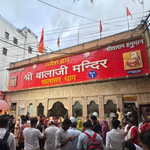
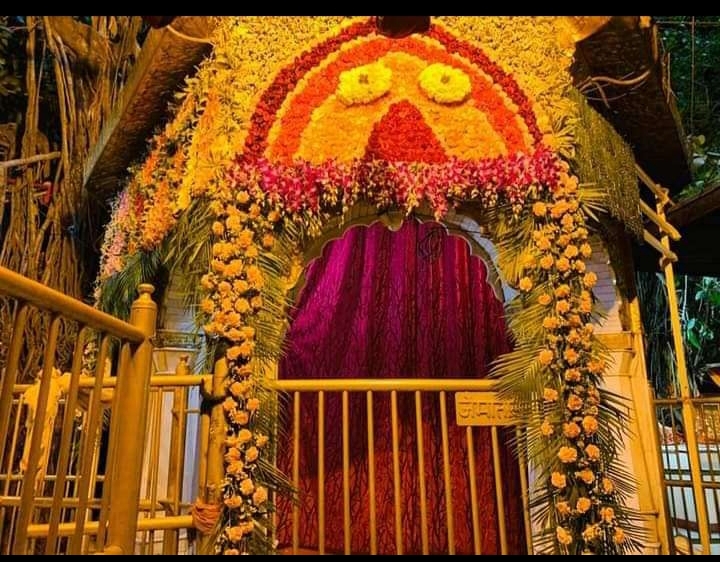
Nestled amidst the lower Shivalik Hills in the Una district of Himachal Pradesh, Chintpurni Temple is one of the most revered pilgrimage sites in northern India. Dedicated to Goddess Chinnamastika Devi, the temple is counted among the sacred 51 Shakti Peeths and attracts millions of devotees every year. The name “Chintpurni” literally means “the remover of worries,” and devotees believe that sincere prayers offered here help free them from anxieties and fulfill their wishes.
Unlike many other temples where the deity is represented by an idol, Goddess Chintpurni is worshipped in the form of a sacred Pindi. The temple sits atop a hill and offers a deeply spiritual atmosphere, especially during the festive seasons when pilgrims from Himachal Pradesh, Punjab, Haryana, Delhi, and other parts of the country gather here to seek the blessings of the Divine Mother.
Mythological Significance
Goddess Chinnamastika is a unique and powerful form of the Divine Mother in Hindu mythology. She symbolizes self-sacrifice, spiritual awakening, and liberation from worldly attachments. According to the ancient scriptures, Chinnamasta represents the victory of consciousness over material existence.
One of the most fascinating legends associated with the goddess comes from the Markandeya Purana. It is said that after Goddess Chandi defeated powerful demons in battle, her companions Jaya and Vijaya became extremely hungry and requested food. To satisfy them immediately, the goddess severed her own head, and streams of divine blood emerged from her body, nourishing the two yoginis. This powerful image symbolizes selfless giving and the eternal cycle of creation and sustenance.
Another important belief links Chintpurni Temple to the story of Goddess Sati. According to Hindu tradition, when Lord Shiva wandered the universe carrying Sati’s body after her self-immolation, Lord Vishnu used his Sudarshan Chakra to divide her body into pieces to restore cosmic balance. It is believed that Sati’s feet fell at this sacred site, making it one of the revered Shakti Peeths.
The Four Protective Shiva Temples
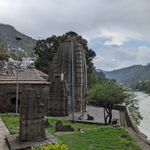
A unique aspect of Chintpurni Temple is the presence of four ancient Shiva temples located in the four cardinal directions around the shrine. These temples are believed to serve as divine protectors of the sacred abode of Goddess Chinnamastika.
To the north lies Muchkund Mahadev, while Shiva Bari stands to the south. Narayan Mahadev is located to the west, and Kaleshwar Mahadev guards the eastern side. According to local traditions and Puranic beliefs, Lord Shiva protects the temple from all four directions through these shrines. Interestingly, all four temples are situated at nearly equal distances from Chintpurni, reinforcing the belief that the goddess resides at the spiritual center of this sacred region.
History of the Temple
The present shrine is closely associated with Pandit Mai Das, who is believed to have been the first priest of the temple. Local legends say that the goddess appeared in his dream and instructed him to establish a shrine at the site. Following her divine guidance, he discovered the sacred Pindi and built a temple in the village of Chhaproh.
Over the centuries, the settlement around the shrine grew into a prominent pilgrimage town and eventually came to be known as Chintpurni. Today, the temple remains one of the most visited religious destinations in Himachal Pradesh and continues to preserve its ancient traditions and spiritual significance.
Festivals and Celebrations
The temple comes alive during the Navratri festivals, which are celebrated twice a year with immense devotion and enthusiasm. Thousands of pilgrims visit the shrine during these nine auspicious days to offer prayers and seek blessings.
Apart from Navratri, major fairs are held annually during March, July-August, and September-October. These fairs transform the temple town into a vibrant center of devotion, with religious processions, devotional music, local markets, and cultural activities attracting visitors from across northern India.
Temple Timings
Opening Hours
Summer (April to September):
4:00 AM – 10:00 PM
Winter (October to March):
5:00 AM – 9:30 PM
Aarti Timings
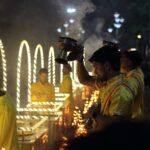
Morning Aarti: 5:30 AM – 6:00 AM
Evening Aarti: 7:30 PM – 8:00 PM
Visitors are advised to arrive early during weekends and festival periods, as long queues are common.
How to Reach Chintpurni Temple
Chintpurni Temple enjoys good connectivity with major cities in Himachal Pradesh, Punjab, Haryana, and Delhi.
By Air
The nearest airport is Gaggal Airport (Kangra Airport), located about 65 kilometers away. Regular flights connect the airport with Delhi and other major cities. From the airport, taxis and buses are available to reach the temple.
By Train
The closest broad-gauge railway station is Una Himachal Railway Station, approximately 55 kilometers from the temple. Another convenient option is Hoshiarpur Railway Station in Punjab. Local buses and taxis operate regularly from both stations.
By Road
Chintpurni is well connected by road to major cities such as Delhi, Chandigarh, Dharamshala, Jalandhar, Amritsar, and Shimla. Regular Himachal Road Transport Corporation (HRTC) and private buses run to Chintpurni throughout the year. Pilgrims traveling by private vehicle can enjoy scenic drives through the Shivalik hills and countryside.
Nearby Attractions
Dera Baba Rudru
Located a short distance from Chintpurni, this revered shrine dedicated to Baba Rudru is known for its peaceful surroundings and spiritual significance.
Kaleshwar Mahadev Temple
One of the four Shiva temples believed to protect Chintpurni Temple. The shrine offers beautiful views and a tranquil atmosphere.
Mata Shri Naina Devi Temple
Another famous Shakti Peeth situated on a hilltop overlooking the Gobind Sagar Lake. Many pilgrims combine visits to both shrines.
Dharamshala
Known for its Tibetan culture, monasteries, and mountain scenery, Dharamshala makes an excellent extension to a pilgrimage trip.
Jwalamukhi Temple
One of the most important Shakti Peeths in India, famous for its eternal natural flames that are worshipped as manifestations of the goddess.
Maps
FAQs
1. Why is Chintpurni Temple famous?
Chintpurni Temple is famous as one of the 51 Shakti Peeths and is dedicated to Goddess Chinnamastika Devi. Devotees believe that the goddess removes worries and fulfills sincere wishes.
2. What is the best time to visit Chintpurni Temple?
The temple can be visited throughout the year, but the Navratri festivals in March-April and September-October are considered the most auspicious times.
3. Is there any ropeway facility at Chintpurni Temple?
No, there is currently no ropeway facility. The temple is easily accessible by road, and visitors can walk to the shrine from the main market area.
4. How much time is required for a temple visit?
A regular visit generally takes 1–2 hours. During Navratri and major fairs, visitors should allow extra time due to larger crowds.
5. Are accommodation facilities available near the temple?
Yes. The temple town offers a wide range of accommodations, including dharamshalas, guest houses, budget hotels, and mid-range stays for pilgrims.
6. Can Chintpurni Temple be visited along with other Shakti Peeths?
Yes. Many pilgrims follow the popular pilgrimage circuit that includes Chintpurni, Jwalamukhi, Naina Devi, Brajeshwari Devi, and Chamunda Devi temples.