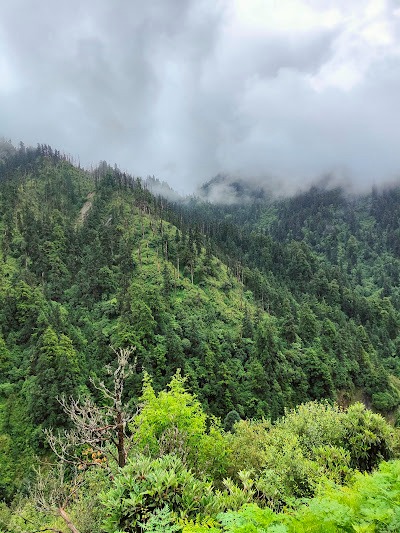
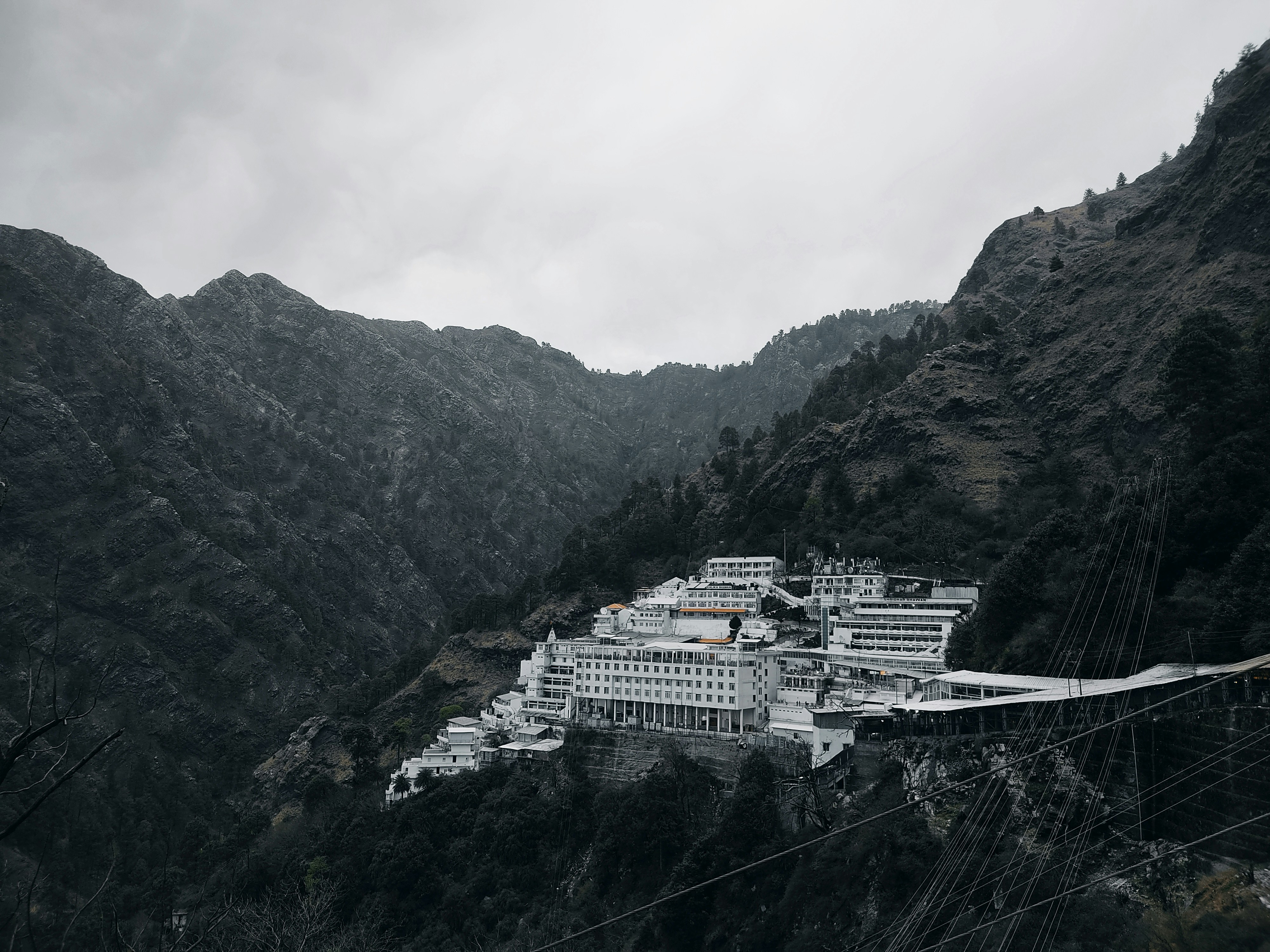
Image Source: Shivani Singh
About Chintpurni Temple
Nestled in the scenic hills of the Una district in Himachal Pradesh, the sacred Chintpurni Temple is one of the most revered Shakti Peethas in India. Dedicated to Mata Chintpurni, also worshipped as Chhinnamastika Devi, the temple attracts thousands of devotees throughout the year who come seeking blessings, peace, and relief from life’s worries. The name “Chintpurni” itself means “the remover of worries,” and devotees strongly believe that sincere prayers offered here help overcome personal troubles and fulfil heartfelt wishes.
Surrounded by rolling hills and a deeply spiritual atmosphere, the temple is not just a religious site but also a place of emotional comfort for pilgrims. Whether visitors come seeking spiritual guidance, family blessings, career success, or mental peace, the temple holds immense faith and significance in the hearts of devotees from across India.
History and Mythology of Chintpurni Temple
Chintpurni Shakti Peeth is believed to be one of the 51 sacred Shakti Peethas associated with Goddess Sati. According to Hindu mythology, after Goddess Sati sacrificed herself in the yajna of her father Daksha, Lord Shiva wandered across the universe carrying her burning body in grief. To restore cosmic balance, Lord Vishnu used his Sudarshan Chakra to divide Sati’s body into several parts, which fell at different places across the Indian subcontinent. It is believed that Sati’s forehead or a part of her head fell at Chintpurni, making it an immensely sacred pilgrimage destination.
The present temple is believed to date back to the 16th century and is closely associated with Pandit Mai Das, a devoted follower from the Saraswat Brahmin community. Local legends say that the goddess appeared before him in a divine vision and instructed him to establish her shrine at this very location. She is believed to have manifested herself in the form of a sacred pindi (stone form), which continues to be worshipped inside the sanctum even today.
Over the centuries, the temple grew into one of North India’s most important centres of Shakti worship. Even today, the priestly traditions of the temple are carried forward by the descendants of Pandit Mai Das, preserving centuries-old rituals and customs.
Spiritual Significance of Mata Chintpurni
Mata Chintpurni is worshipped as Chhinnamastika Devi, one of the ten Mahavidyas in the Tantric tradition of Hinduism. Chhinnamasta is depicted as a self-sacrificing goddess who cut off her own head to feed her attendants, symbolising the destruction of ego, fear, attachment, and worldly suffering. Though the form appears fierce, devotees see her as a compassionate mother who protects her followers and grants inner strength.
People visit the temple with prayers related to marriage, children, careers, health, financial stability, and relief from emotional distress. Many devotees climb the temple route barefoot as an act of devotion. Offerings such as coconuts, red chunris, flowers, and sacred threads are commonly made to the goddess. Tying red threads around the temple railings is a popular ritual believed to represent prayers and wishes.
The temple is especially crowded during Navratri, when the spiritual energy and festive atmosphere become truly remarkable.
Architecture of Chintpurni Temple
The architecture of Chintpurni Temple reflects a blend of traditional Himachali temple design and modern additions introduced during various renovations over time. Though not extremely massive in size, the temple possesses a deeply devotional atmosphere that leaves a strong impression on visitors.
The sanctum houses the sacred pindi of Mata Chintpurni, decorated beautifully with flowers, ornaments, and colourful fabrics. Intricately carved silver-plated doors and railings surround the inner shrine, adding elegance to the temple’s spiritual ambience. Red flags flutter around the complex, while the continuous ringing of temple bells creates a powerful devotional environment.
One of the temple’s most sacred elements is the Akhand Jyoti, an eternal flame believed to have been burning continuously for centuries. Devotees consider this flame a symbol of divine presence and uninterrupted spiritual energy.
The temple complex also includes prayer halls, resting spaces for pilgrims, shops selling religious offerings, and pathways lined with devotional chants and local vendors.
Festivals and Celebrations
The most important celebrations at Chintpurni Temple take place during Navratri and the famous Sawan Ashtami Fair. During these occasions, lakhs of devotees from Himachal Pradesh, Punjab, Haryana, Delhi, and other parts of India gather at the temple to seek the blessings of the goddess.
The atmosphere during Navratri becomes especially vibrant with devotional songs, continuous prayers, cultural activities, and special rituals performed throughout the day and night. Pilgrims often wait in long queues for darshan, yet the spirit of devotion remains strong and uplifting.
The Sawan Ashtami Fair, held during the monsoon season, is another major attraction. The fair combines religious devotion with local culture, food stalls, traditional items, and festive gatherings, turning the temple town into a lively spiritual centre.
How to Reach Chintpurni Temple
By Road
Chintpurni is well connected by road to major towns and cities in North India.
- From Una: around 55 km.
- From Hoshiarpur in Punjab: around 40 km.
- From Chandigarh: approximately 120 km.
Regular buses, taxis, and private vehicles easily reach the temple town. The road journey through the lower Himalayan hills is scenic and comfortable.
By Train
The nearest railway stations are:
- Una Himachal Railway Station – about 55 km away
- Amb Andaura Railway Station – about 20 km away
Taxis and buses are readily available from these stations.
By Air
The nearest airport is:
- Kangra Airport at Gaggal – around 60 km away.
Alternatively, travelers can also use Chandigarh International Airport and continue the journey by road.
Best Time to Visit
The temple can be visited throughout the year, but the most popular time is during the Navratri festivals in March–April and September–October. The weather during these months is pleasant, and the temple atmosphere becomes especially vibrant with celebrations and devotional activities.
Winter months are cooler and less crowded, making them suitable for visitors seeking a quieter spiritual experience. Monsoon season brings lush greenery to the surrounding hills, though occasional heavy rain may affect travel.
Nearby Attractions of Chintpurni Temple
Nestled in the lower Shivalik hills of Himachal Pradesh’s Una district, Chintpurni Temple is one of the most revered Shakti Peethas in northern India. While the temple itself attracts thousands of devotees every year, the surrounding region is home to several religious, historical, and natural attractions that can make your visit even more memorable.
1. Dhyunsar Mahadev Temple
Located a few kilometers from Chintpurni, Dhyunsar Mahadev Temple is an ancient shrine dedicated to Lord Shiva. Surrounded by lush greenery and peaceful hills, the temple is known for its serene atmosphere and spiritual significance among local devotees.
2. Bharwain Bazaar
Situated near the temple complex, Bharwain is a bustling pilgrimage town where visitors can explore local markets, purchase religious souvenirs, traditional Himachali products, and enjoy regional cuisine.
3. Jwala Ji Temple
About 35 km from Chintpurni, Jwala Ji Temple is one of the most famous Shakti Peethas in India. The temple is renowned for its eternal flames that emerge naturally from rock fissures and are worshipped as manifestations of Goddess Jwala.
4. Kangra Fort
Approximately 50 km away, Kangra Fort is among the oldest forts in India. Built by the Katoch dynasty, it offers fascinating insights into the region’s history along with panoramic views of the Kangra Valley and surrounding mountains.
5. Mata Shri Naina Devi Temple
Located on a hilltop overlooking the Gobind Sagar Lake, Naina Devi Temple is another prominent Shakti Peeth. Many pilgrims combine visits to Chintpurni and Naina Devi as part of a spiritual circuit through Himachal Pradesh.
6. Pong Dam Lake
Also known as Maharana Pratap Sagar, this vast reservoir is a paradise for birdwatchers and nature enthusiasts. During winter, migratory birds from Central Asia and Siberia can be spotted here.
7. Dera Baba Rudru
Situated near Amb, this revered shrine is associated with Baba Rudru and attracts devotees seeking blessings and spiritual solace. The peaceful setting makes it a pleasant stop during a pilgrimage tour.
8. Masroor Rock-Cut Temples
Around 60 km from Chintpurni, these magnificent monolithic temples are carved from a single sandstone rock. Often called the “Ellora of Himachal,” they represent one of the state’s most remarkable archaeological treasures.
9. Dharamshala
Located about 70 km away, Dharamshala offers a unique blend of Tibetan culture, Buddhist monasteries, mountain scenery, and spiritual heritage. It is a popular destination for both pilgrims and tourists.
10. McLeod Ganj
A short distance from Dharamshala, McLeod Ganj is known for its Tibetan monasteries, vibrant cafés, handicraft markets, and spectacular views of the Dhauladhar Range.
Maps
FAQs
Why is Chintpurni Temple famous?
Chintpurni Temple is famous as one of the 51 Shakti Peethas of Goddess Sati. Devotees believe that praying here helps remove worries, fulfil wishes, and bring peace and prosperity.
Which goddess is worshipped at Chintpurni Temple?
The temple is dedicated to Mata Chintpurni, also known as Chhinnamastika Devi, a powerful form of Goddess Durga and one of the ten Mahavidyas.
What is the meaning of the name Chintpurni?
The name “Chintpurni” comes from two words: “Chinta,” meaning worries or anxiety, and “Purni,” meaning remover or fulfiller. Together, it means “the goddess who removes worries.”
Is Chintpurni Temple one of the Shakti Peethas?
Yes, Chintpurni Temple is considered one of the most sacred Shakti Peethas in Hinduism.
What are the major festivals celebrated here?
Navratri and the Sawan Ashtami Fair are the most important festivals celebrated at the temple, attracting huge numbers of devotees every year.
How far is Chintpurni Temple from Chandigarh?
The temple is approximately 120 km from Chandigarh and can be reached by road in around 3–4 hours.
What offerings are made at the temple?
Devotees commonly offer coconuts, flowers, red chunris, sweets, and sacred threads while praying to Mata Chintpurni.
Is accommodation available near the temple?
Yes, there are many dharamshalas, guest houses, budget hotels, and lodges available near the temple for pilgrims and tourists.