India is often described as a living museum, where every city, fort, temple, cave, and palace tells a story that spans thousands of years. From the sophisticated urban planning of the Indus Valley Civilization to the grandeur of the Mughal Empire and the colonial architecture of the British era, the country’s historical landmarks reflect the rise and fall of powerful kingdoms, vibrant cultures, and enduring traditions.
With a history stretching back more than 5,000 years, India is home to some of the world’s oldest continuously inhabited cities, magnificent forts perched on rugged hills, intricately carved temples, ancient universities, royal palaces, rock-cut caves, and sacred pilgrimage sites. Many of these places are recognized as UNESCO World Heritage Sites, while countless others continue to preserve local traditions, folklore, and architectural brilliance.
Whether you’re a history enthusiast, architecture lover, photographer, or traveler seeking meaningful experiences, exploring India’s historical places offers a journey through time. Every destination reveals a unique chapter of the nation’s heritage—from Buddhist monasteries and Hindu temples to Islamic monuments, colonial buildings, and archaeological ruins.
This guide brings together 50 of the most remarkable historical places in India, organized by historical era. Instead of simply listing monuments, we’ll explore the civilizations and empires that shaped the country, making it easier to understand how India’s rich heritage evolved over the centuries.
Ancient India (c. 3300 BCE–600 CE)
The earliest chapters of Indian history are preserved in archaeological sites, Buddhist monuments, cave temples, and ancient cities. These destinations reveal the ingenuity of early civilizations and the spread of Buddhism, Jainism, and Hinduism across the subcontinent.
1. Dholavira, Gujarat
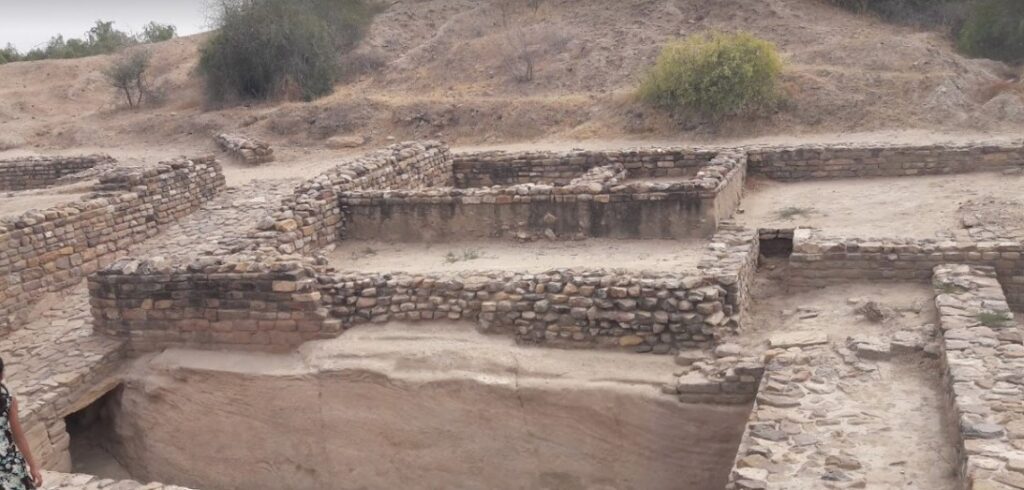
One of the largest cities of the Indus Valley Civilization, Dholavira is a masterpiece of ancient urban planning. Built more than 4,000 years ago on Khadir Island in the Great Rann of Kutch, the city featured advanced water conservation systems, reservoirs, fortified walls, public spaces, and an organized street layout. Walking through its ruins offers a fascinating glimpse into one of the world’s earliest urban civilizations.
Why Visit: Explore one of the best-preserved Harappan cities and learn about one of humanity’s earliest urban cultures.
2. Lothal, Gujarat
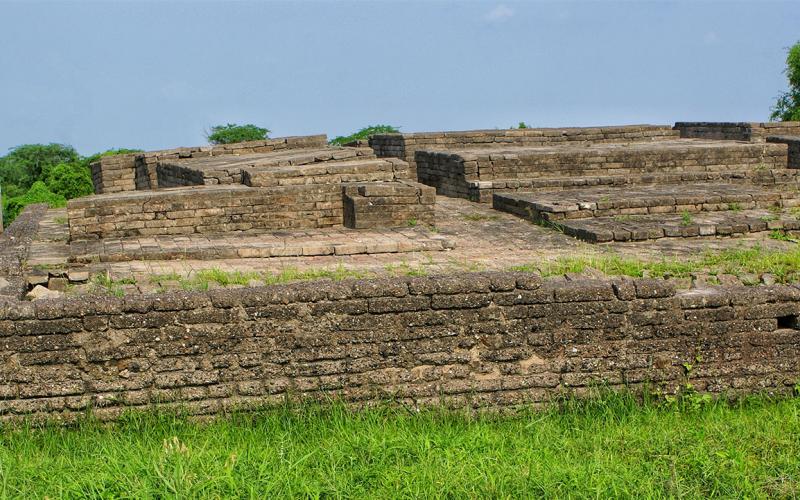
Lothal is famous for housing one of the world’s earliest known dockyards. It was a thriving maritime trading center where merchants connected the Indus Valley Civilization with Mesopotamia and other ancient cultures. The archaeological site showcases warehouses, drainage systems, residential quarters, and evidence of bead-making industries.
Why Visit: Discover India’s ancient maritime history and engineering achievements.
3. Sanchi, Madhya Pradesh
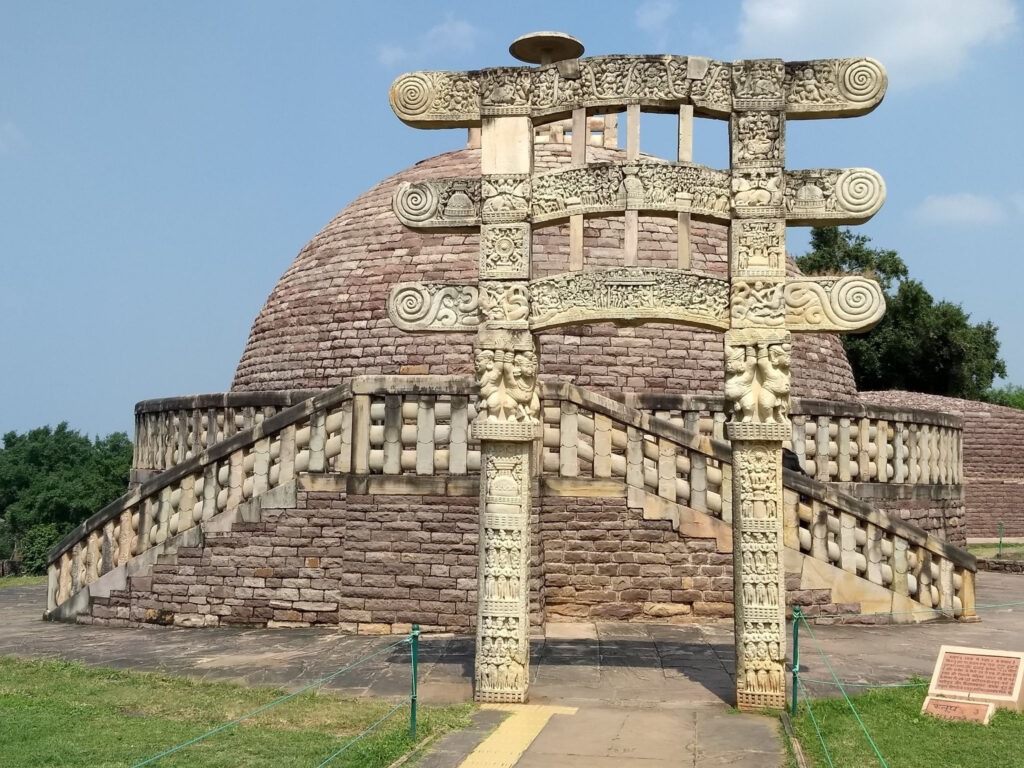
Perched on a peaceful hilltop, Sanchi is one of the oldest Buddhist pilgrimage sites in the world. Its Great Stupa, originally commissioned by Emperor Ashoka in the 3rd century BCE, symbolizes peace, compassion, and the spread of Buddhism. The beautifully carved gateways narrate stories from the Buddha’s life and ancient Buddhist teachings.
Why Visit: Experience one of the finest surviving examples of early Buddhist architecture.
4. Bhimbetka Rock Shelters, Madhya Pradesh
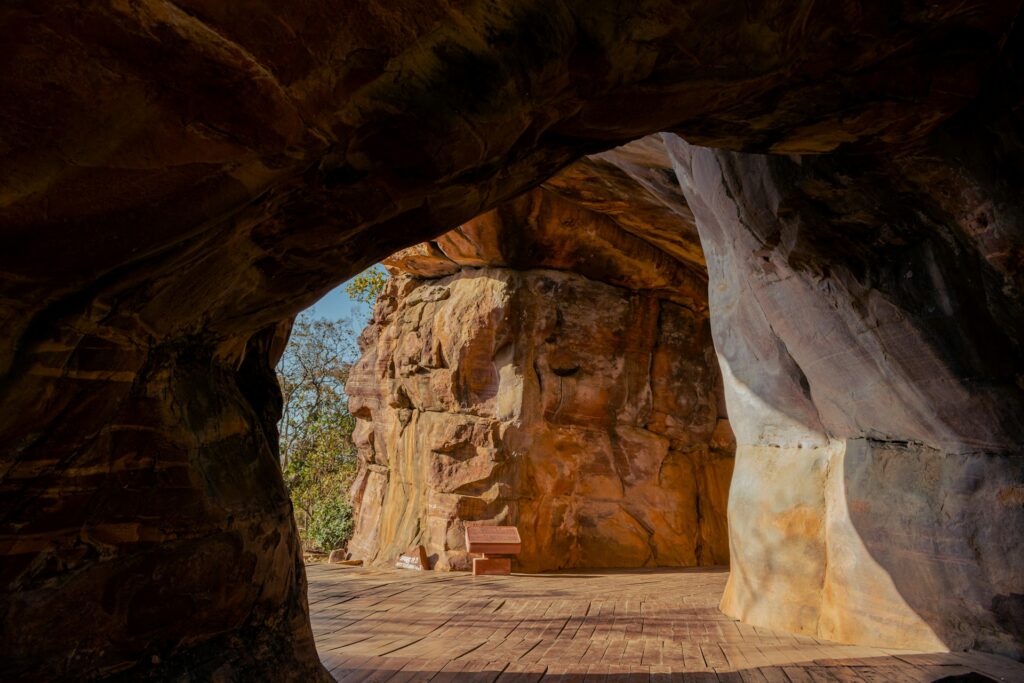
Hidden within the Vindhya Hills, the Bhimbetka Rock Shelters contain prehistoric cave paintings that date back tens of thousands of years. The artwork depicts hunting scenes, dances, animals, and everyday life, making it one of the oldest known records of human creativity in Asia.
Why Visit: Witness prehistoric art that predates many ancient civilizations.
5. Ajanta Caves, Maharashtra
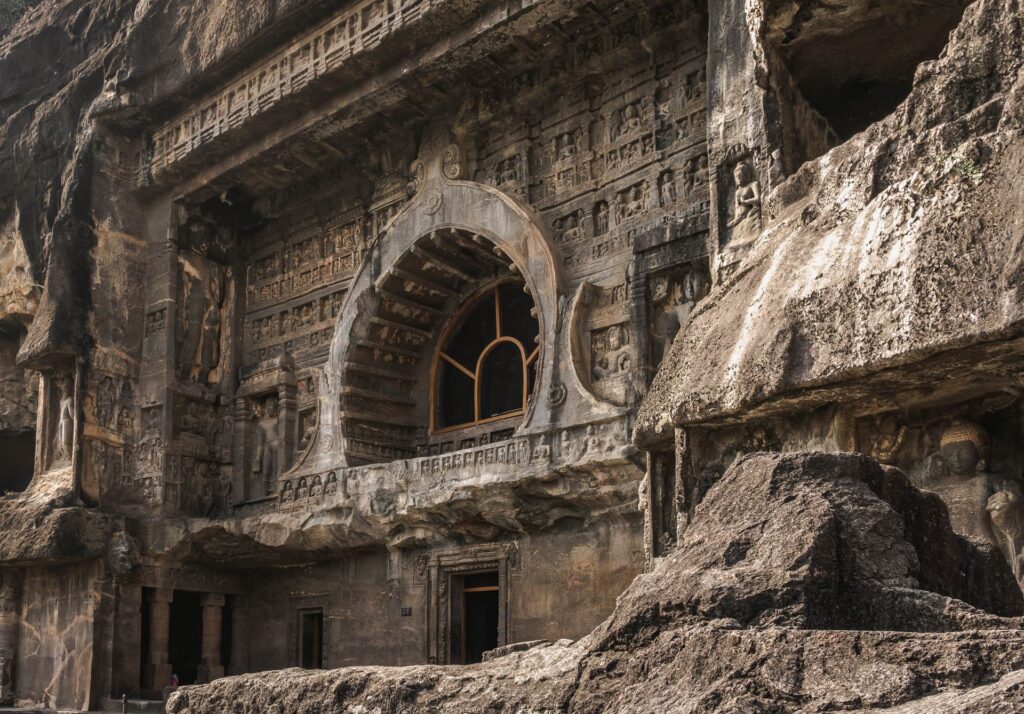
Carved into a horseshoe-shaped cliff overlooking the Waghora River, the Ajanta Caves preserve magnificent Buddhist murals and monasteries dating from the 2nd century BCE to the 6th century CE. Their paintings remain among the finest surviving examples of ancient Indian art.
Why Visit: Admire world-famous Buddhist frescoes and exquisite rock-cut architecture.
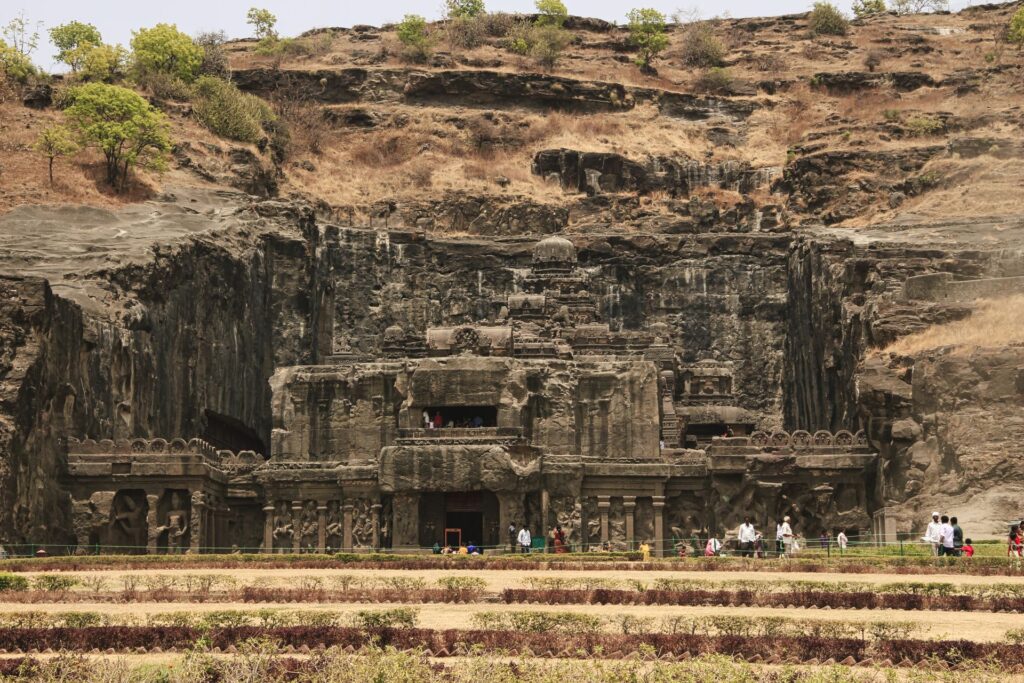
6. Ellora Caves, Maharashtra
Unlike Ajanta, Ellora showcases the coexistence of Buddhism, Hinduism, and Jainism within a single complex. The breathtaking Kailasa Temple, carved entirely from a single rock, is considered one of the greatest engineering achievements in human history.
Why Visit: Explore India’s most spectacular rock-cut temple complex.
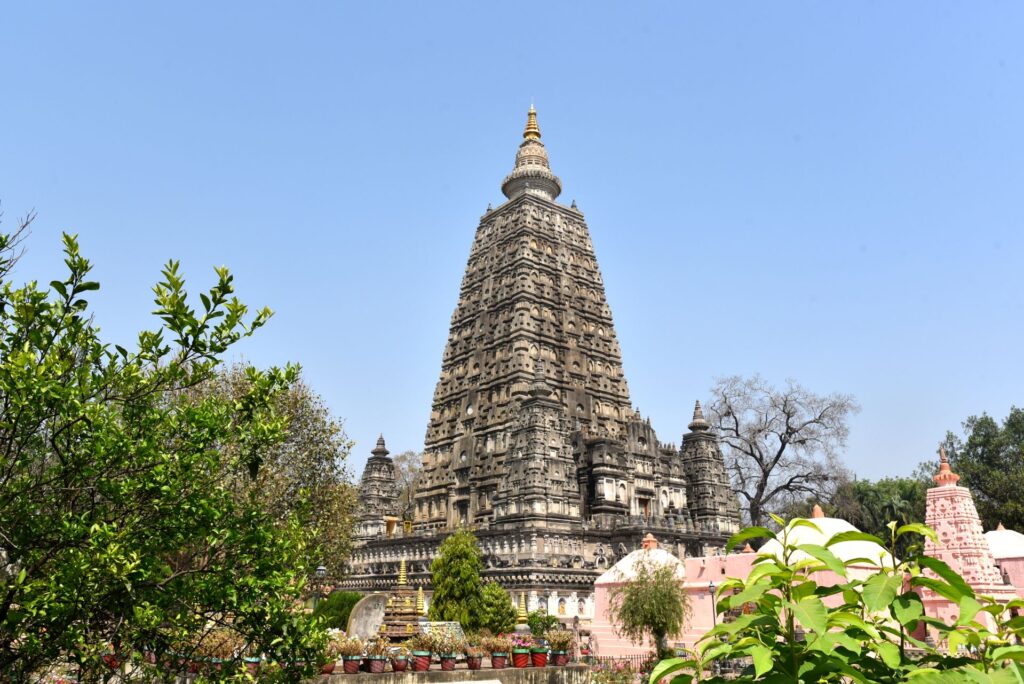
7. Mahabodhi Temple, Bihar
Bodh Gaya is where Prince Siddhartha attained enlightenment and became Gautama Buddha. The Mahabodhi Temple remains one of Buddhism’s holiest pilgrimage sites, attracting devotees from across the globe.
Why Visit: Visit the place where Buddhism was born.

8. Nalanda Mahavihara, Bihar
Long before modern universities emerged, Nalanda flourished as one of the world’s greatest centers of learning. Scholars from China, Korea, Tibet, and Southeast Asia traveled here to study philosophy, medicine, astronomy, mathematics, and Buddhist scriptures.
Why Visit: Walk through the ruins of one of history’s earliest residential universities.
9. Konark Sun Temple, Odisha
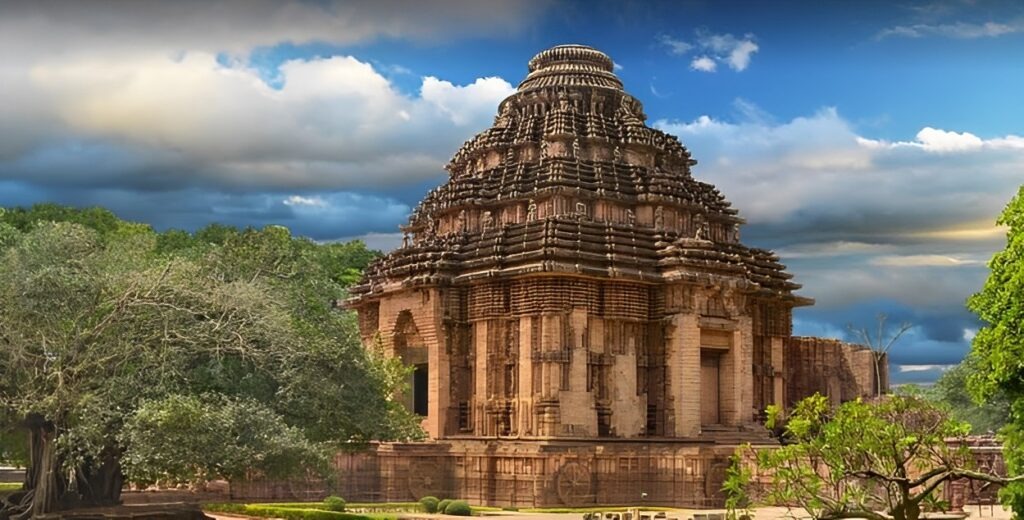
Built during the 13th century by King Narasimhadeva I, the Konark Sun Temple resembles a colossal stone chariot dedicated to the Sun God. Its intricately carved wheels, horses, and sculptures represent the pinnacle of Kalinga temple architecture.
Why Visit: Witness one of India’s greatest architectural masterpieces.
10. Mahabalipuram, Tamil Nadu
The ancient port city of Mahabalipuram flourished under the Pallava dynasty and became famous for its monolithic temples, cave sanctuaries, and the iconic Shore Temple overlooking the Bay of Bengal.
Why Visit: Explore remarkable rock-cut monuments beside the sea.
Medieval India – The Age of Magnificent Forts, Temples, and Kingdoms (c. 600 CE–1526 CE)
The medieval period was one of the most dynamic chapters in Indian history. Powerful dynasties such as the Chalukyas, Pallavas, Cholas, Hoysalas, Kakatiyas, Rajputs, Paramaras, Chandelas, and the Vijayanagara rulers transformed the Indian landscape with magnificent forts, temples, royal cities, reservoirs, and palaces. Their architectural achievements continue to attract millions of travelers every year.
This era also witnessed remarkable advancements in engineering, sculpture, urban planning, irrigation systems, and temple construction. Many of India’s most iconic UNESCO World Heritage Sites belong to this period.
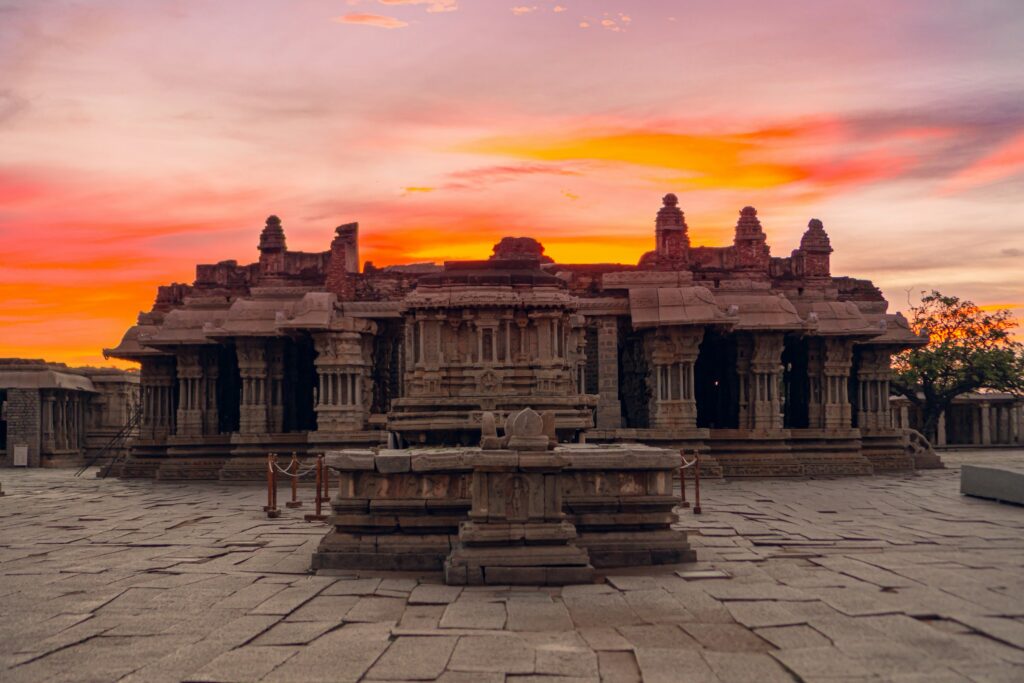
11. Hampi, Karnataka
Once the glittering capital of the Vijayanagara Empire, Hampi was among the world’s richest cities during the 15th and early 16th centuries. Spread across a dramatic landscape of granite boulders and the Tungabhadra River, its ruins include grand temples, bustling market streets, royal palaces, stepwells, elephant stables, and ceremonial platforms.
The Stone Chariot at the Vittala Temple and the Virupaksha Temple have become enduring symbols of India’s medieval heritage.
Why Visit: Explore one of the largest archaeological landscapes in the world and experience the grandeur of the Vijayanagara Empire.
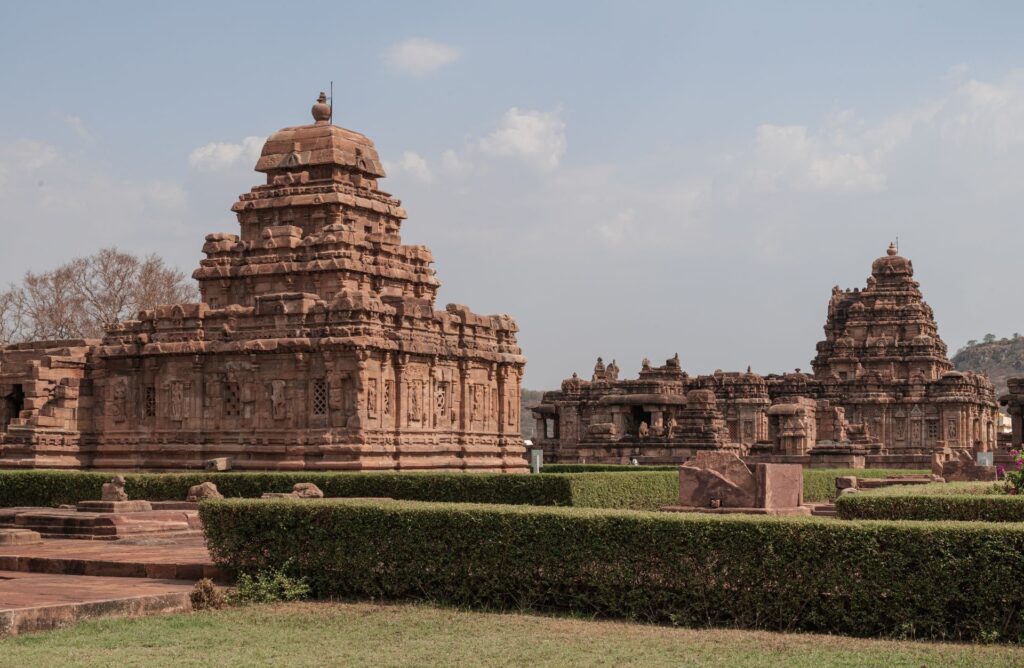
12. Pattadakal, Karnataka
Pattadakal served as the ceremonial capital of the Early Chalukyas and is renowned for its harmonious blend of North Indian Nagara and South Indian Dravidian temple architecture. Built during the 7th and 8th centuries, the temples are adorned with beautifully carved pillars, sculptures, and inscriptions.
The Virupaksha Temple is widely regarded as the finest monument in the complex.
Why Visit: Discover the evolution of Indian temple architecture in one remarkable location.

13. Badami Cave Temples, Karnataka
Carved into towering red sandstone cliffs overlooking Agastya Lake, the Badami Cave Temples are masterpieces of early Chalukyan rock-cut architecture. Dedicated to Hinduism and Jainism, the caves feature impressive sculptures of Lord Shiva, Lord Vishnu, Mahavira, and various mythological scenes.
The surrounding cliffs and tranquil lake create one of Karnataka’s most picturesque heritage landscapes.
Why Visit: Admire ancient cave temples set against stunning natural scenery.
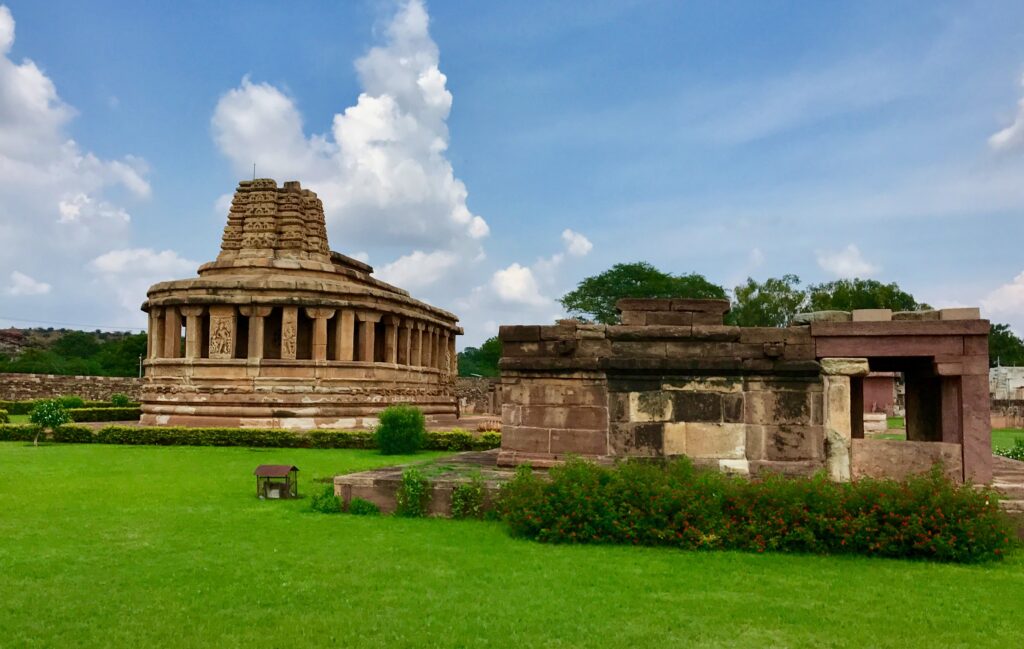
14. Aihole, Karnataka
Often referred to as the “Cradle of Indian Temple Architecture,” Aihole contains over one hundred temples built between the 6th and 8th centuries. Architects of the Chalukya dynasty experimented with various temple designs here before constructing the masterpieces at Pattadakal.
Every monument showcases a different phase in the development of Indian architecture.
Why Visit: See where many of India’s temple-building traditions began.

15. Belur, Karnataka
Belur is home to the magnificent Chennakeshava Temple, one of the three monuments included in the Sacred Ensembles of the Hoysalas. Built from soapstone, the temple is celebrated for its intricate carvings, polished pillars, and detailed sculptures depicting scenes from the Ramayana, Mahabharata, and Bhagavata Purana.
Every wall appears like a finely sculpted work of art.
Why Visit: Witness some of the finest stone carvings ever created in India.
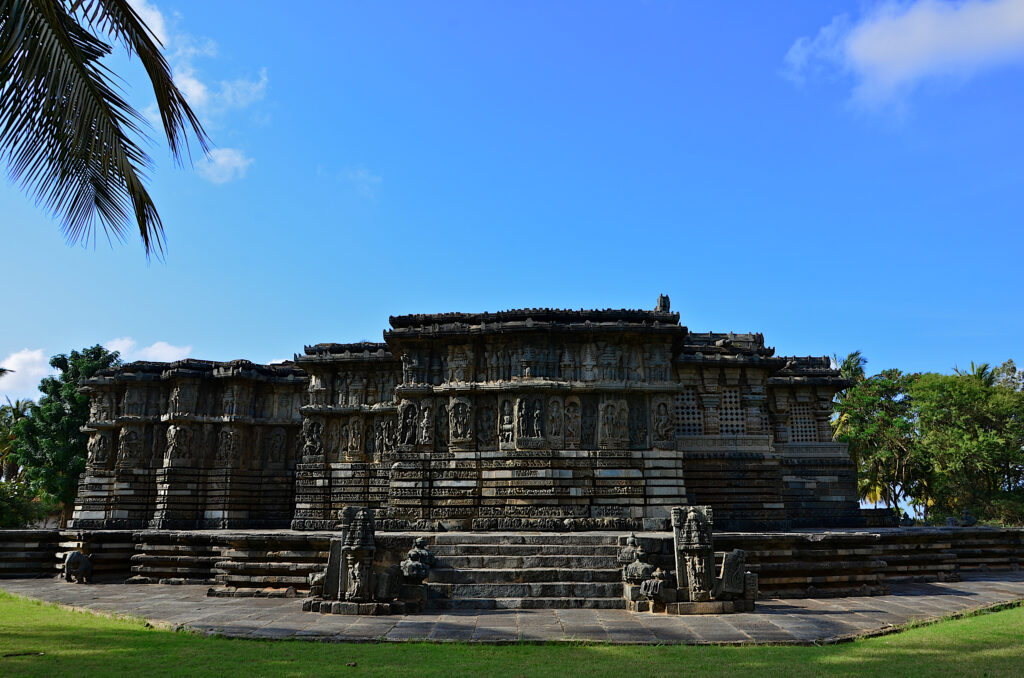
16. Halebidu, Karnataka
The former capital of the Hoysala Empire, Halebidu houses the Hoysaleswara Temple, renowned for its twin shrines dedicated to Lord Shiva. Its walls are covered with thousands of detailed sculptures featuring elephants, lions, dancers, musicians, celestial beings, and scenes from Hindu epics.
Despite suffering invasions centuries ago, the temple remains an architectural marvel.
Why Visit: Experience the artistic brilliance of Hoysala craftsmanship.
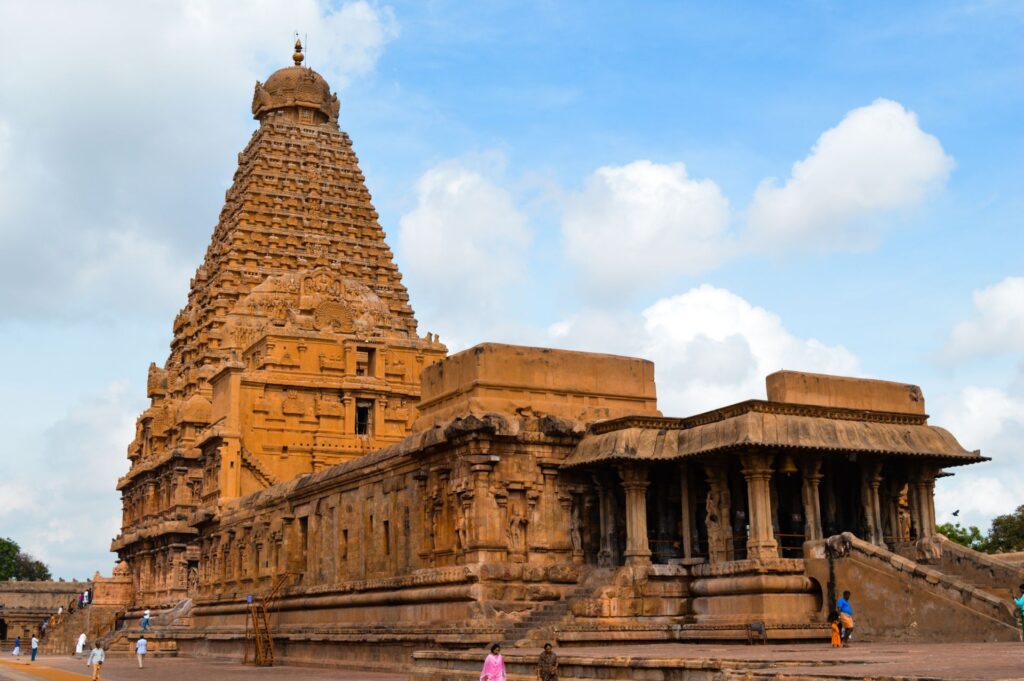
17. Thanjavur, Tamil Nadu
The Brihadeeswarar Temple at Thanjavur is one of the greatest achievements of the Chola dynasty. Completed in the 11th century under Emperor Rajaraja Chola I, the temple features a soaring granite vimana, a massive Nandi sculpture, and beautifully painted interiors.
Even after more than a thousand years, it remains an active place of worship.
Why Visit: Visit one of the grandest temples ever built in India.
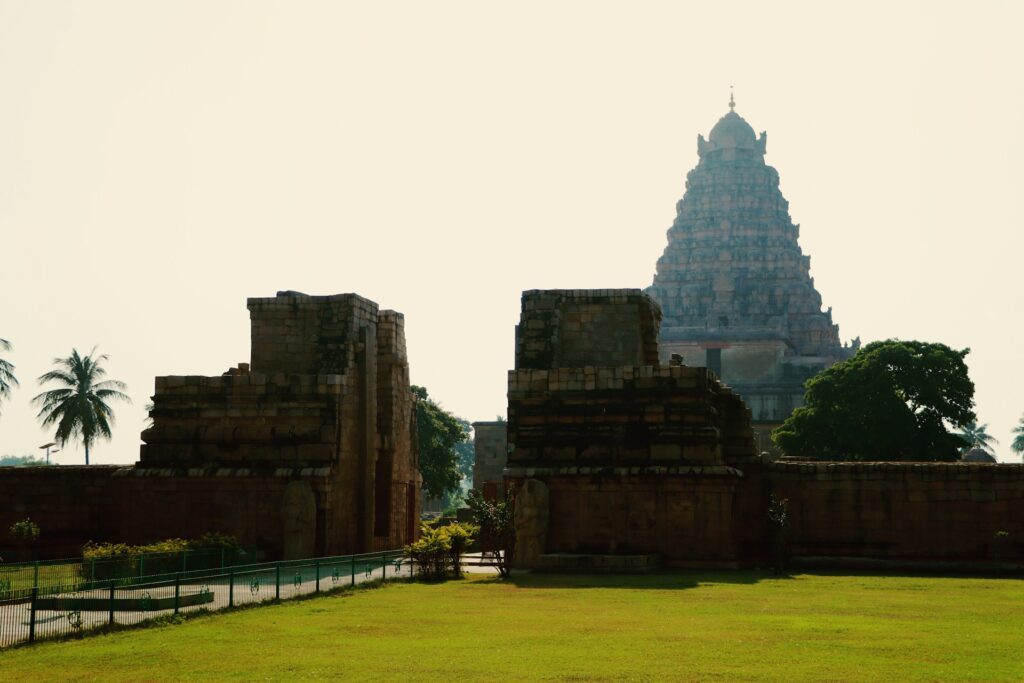
18. Gangaikonda Cholapuram, Tamil Nadu
Built to commemorate the Chola Empire’s victories across South and Southeast Asia, Gangaikonda Cholapuram became the imperial capital after Thanjavur. Its temple reflects the maturity of Chola architecture with elegant sculptures and harmonious proportions.
Why Visit: Explore the second jewel of the Great Living Chola Temples.
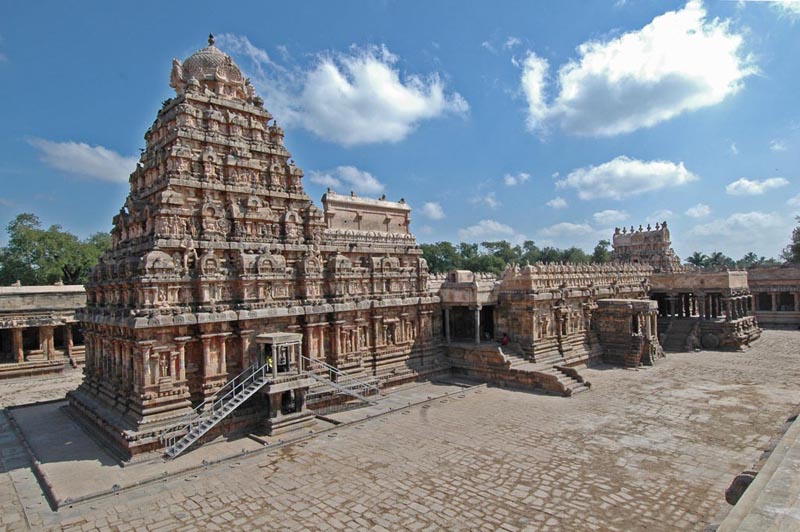
19. Darasuram, Tamil Nadu
The Airavatesvara Temple at Darasuram is smaller than the other Chola temples but equally impressive. It is celebrated for its exquisite carvings, stone chariot, musical steps, and graceful sculptures that demonstrate extraordinary craftsmanship.
Why Visit: Admire one of the finest examples of mature Chola art.
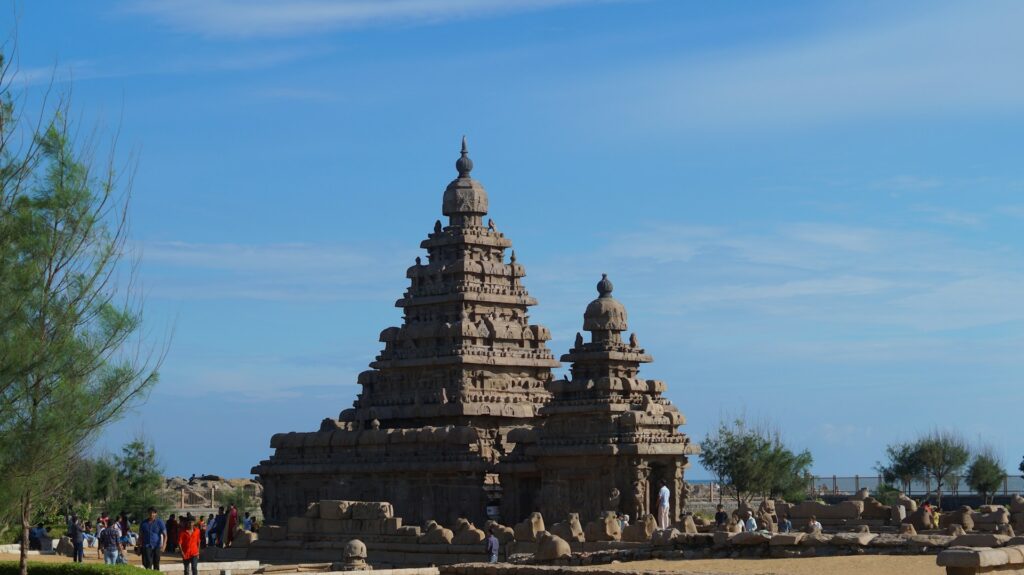
20. Mahabalipuram, Tamil Nadu
The coastal town of Mahabalipuram flourished under the Pallava dynasty as an important port city. Visitors can explore the Shore Temple, the Five Rathas, Arjuna’s Penance, and numerous cave sanctuaries carved directly into granite outcrops.
Its seaside setting makes it one of India’s most scenic historical destinations.
Why Visit: Experience a unique blend of architecture, mythology, and coastal beauty.

21. Ramappa Temple, Telangana
Officially known as the Rudreshwara Temple, Ramappa Temple represents the artistic excellence of the Kakatiya dynasty. It is particularly famous for its lightweight floating bricks, earthquake-resistant foundations, and elegant sculptures of dancers.
The temple stands beside the scenic Ramappa Lake, creating a peaceful heritage landscape.
Why Visit: Discover medieval engineering that was centuries ahead of its time.
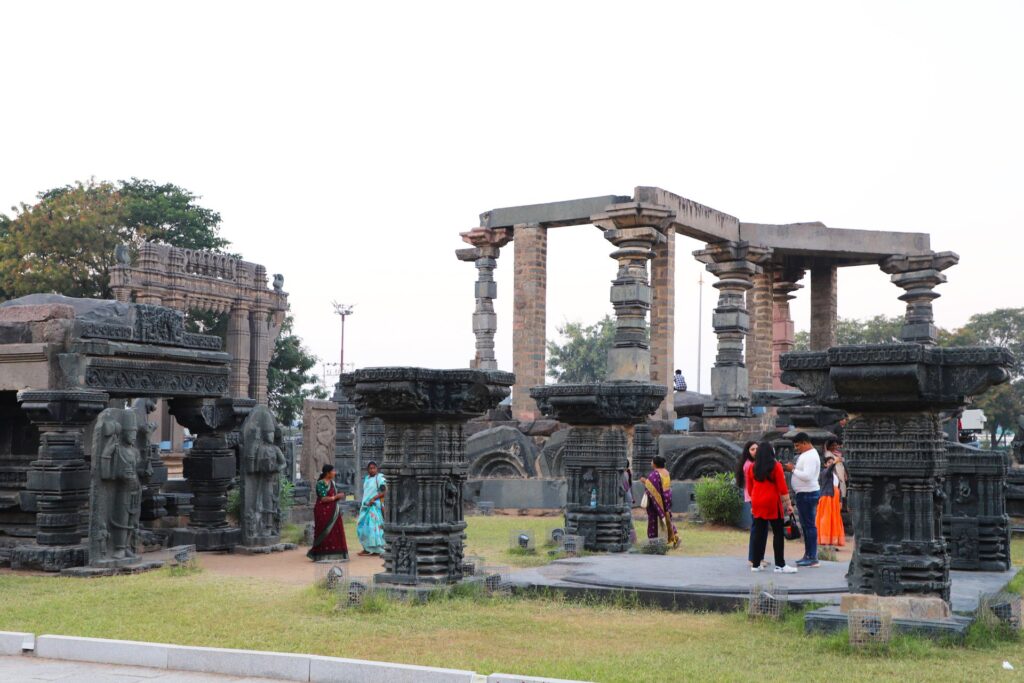
22. Warangal Fort, Telangana
Warangal Fort served as the capital of the Kakatiya Empire. Although much of the fort now lies in ruins, its massive stone gateways, intricate carvings, defensive walls, and temple remains continue to reflect the grandeur of one of South India’s most influential kingdoms.
Why Visit: Explore the heart of the Kakatiya civilization.
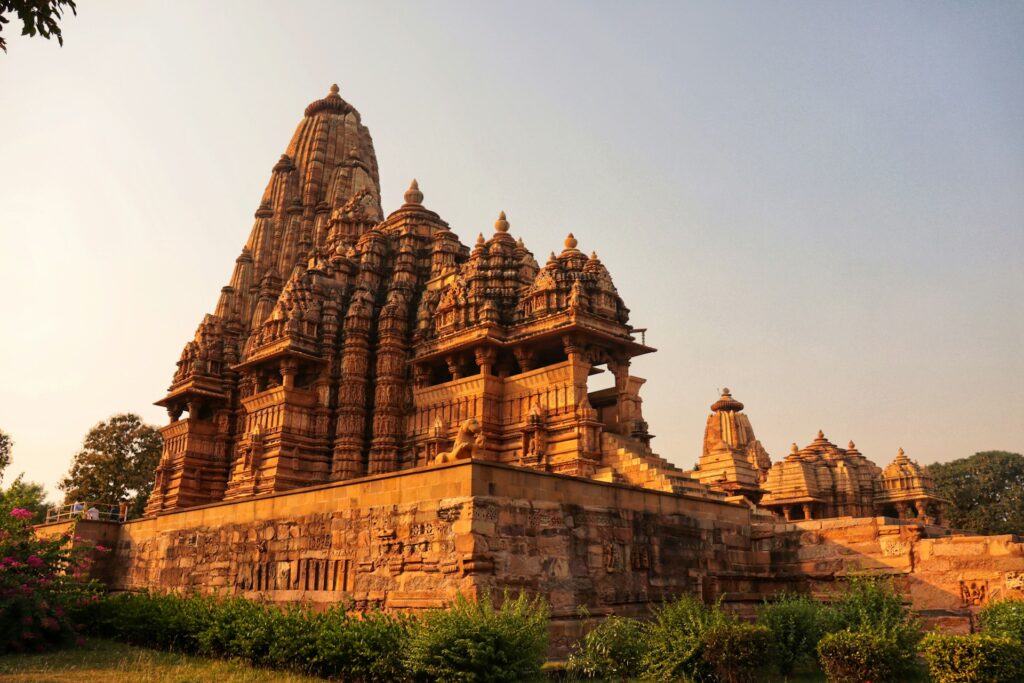
23. Khajuraho, Madhya Pradesh
Built by the Chandela rulers between the 10th and 11th centuries, the temples of Khajuraho are celebrated for their artistic freedom and architectural perfection. While famous for their erotic sculptures, these represent only a small portion of the extensive carvings depicting gods, dancers, musicians, warriors, and everyday life.
Why Visit: Experience one of India’s greatest artistic achievements.
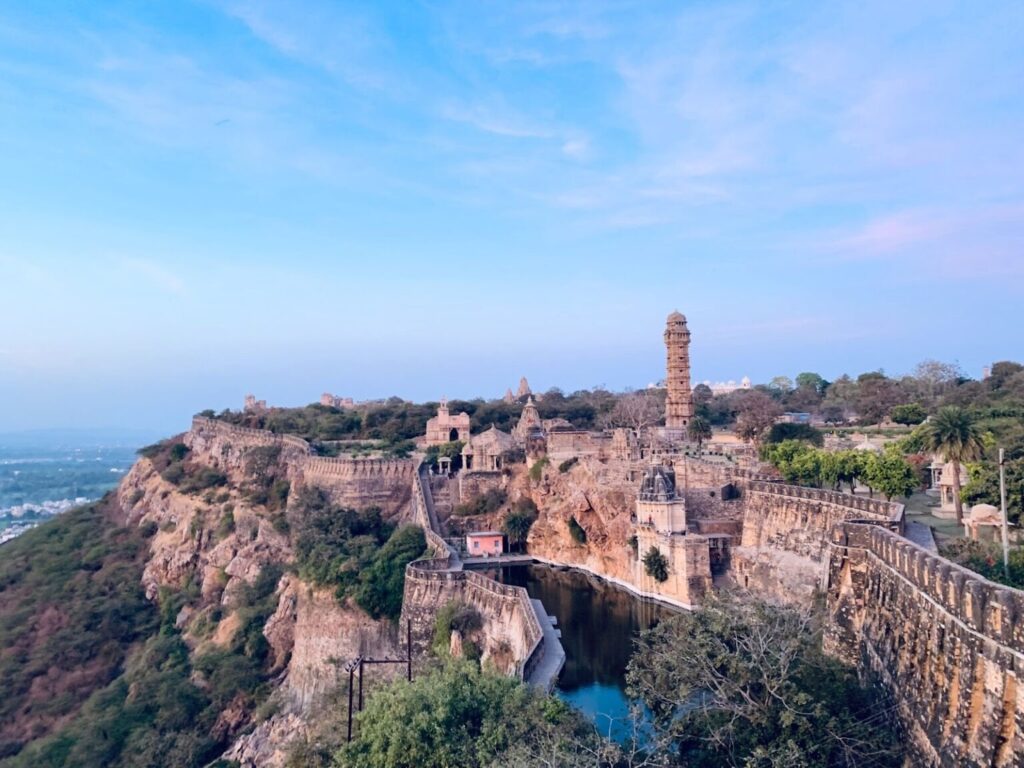
24. Chittorgarh Fort, Rajasthan
The largest fort in India, Chittorgarh symbolizes Rajput courage, sacrifice, and honor. It witnessed numerous battles and is closely associated with legendary figures such as Maharana Kumbha, Rana Sanga, and Rani Padmini.
The fort contains palaces, temples, reservoirs, towers, and gateways spread across a vast hilltop plateau.
Why Visit: Learn about the heroic legacy of the Rajputs while exploring one of India’s grandest hill forts.
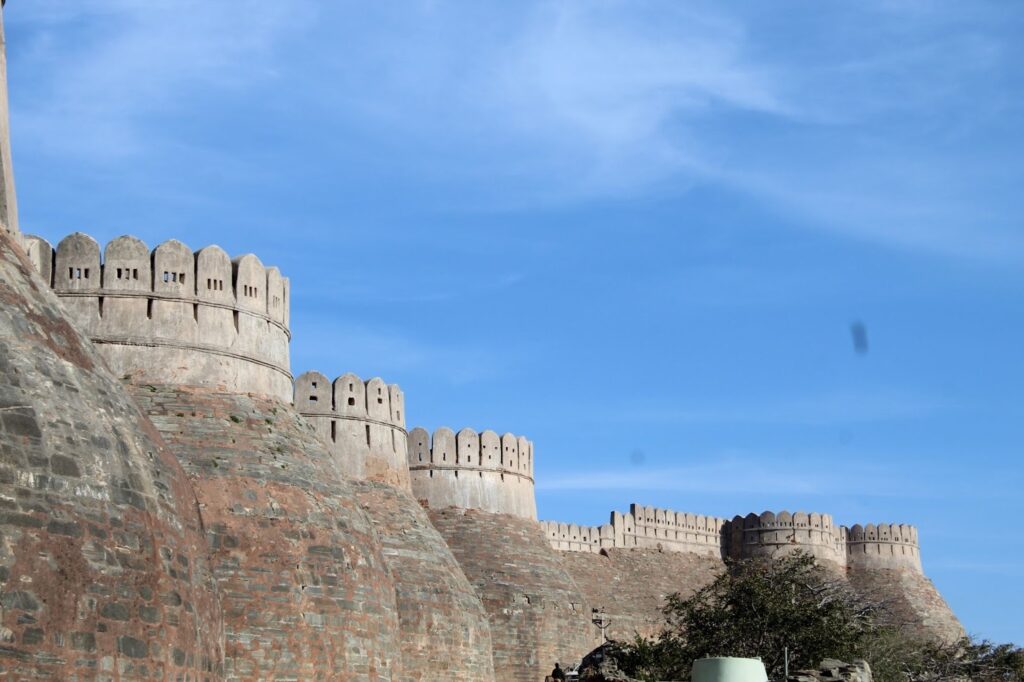
25. Kumbhalgarh Fort, Rajasthan
Built during the 15th century by Rana Kumbha, Kumbhalgarh Fort is famous for its 36-kilometer-long defensive wall, often called the “Great Wall of India.” The fort also marks the birthplace of Maharana Pratap, one of Rajasthan’s greatest rulers.
Its hilltop location offers spectacular views of the Aravalli Range.
Why Visit: Walk along one of the world’s longest fortification walls.
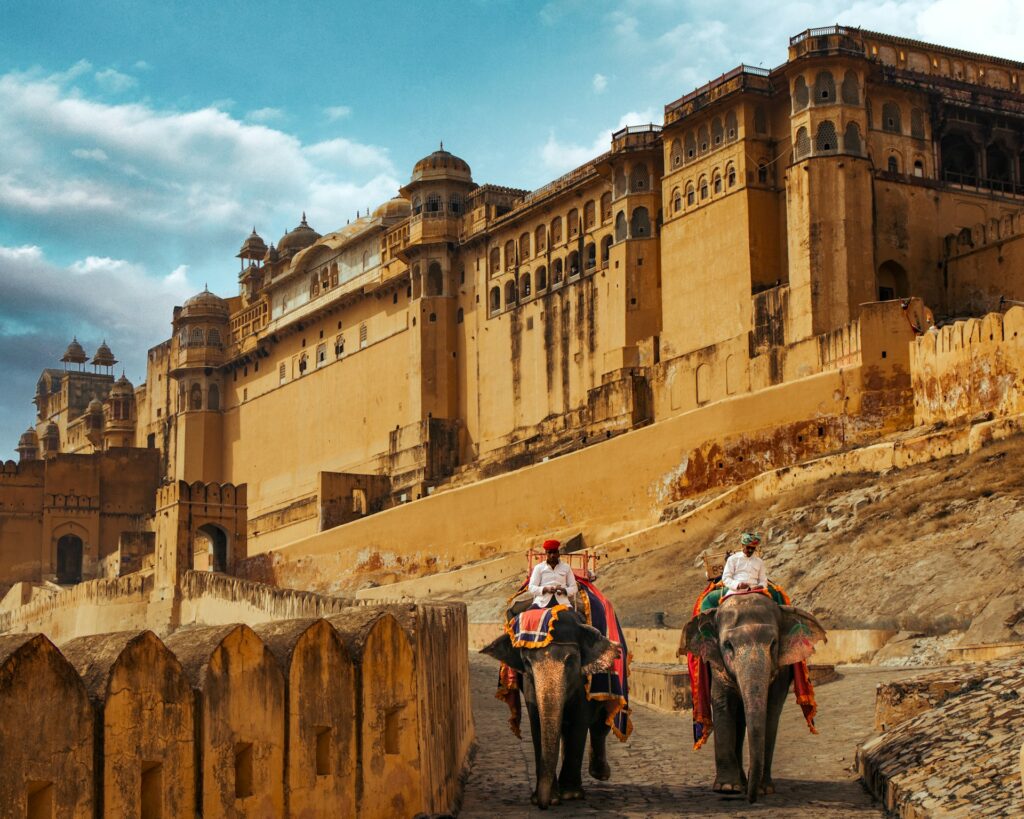
26. Amer Fort, Rajasthan
Located on the outskirts of Jaipur, Amer Fort combines Rajput military architecture with elegant Mughal influences. The fort’s courtyards, mirrored halls, palaces, gardens, and gateways make it one of Rajasthan’s most visited landmarks.
The Sheesh Mahal remains a highlight for visitors.
Why Visit: Experience the royal lifestyle of the Kachwaha rulers.
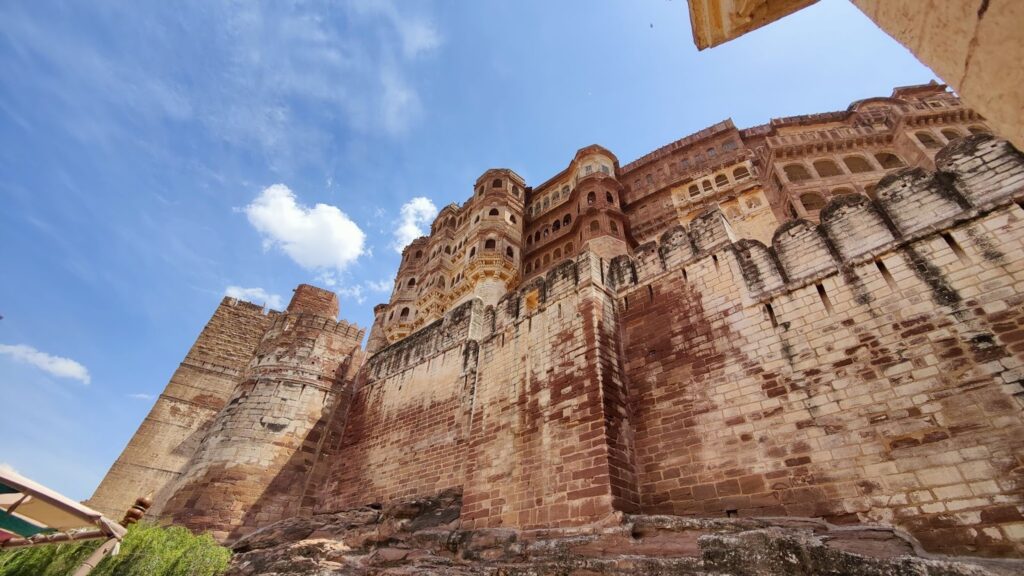
27. Mehrangarh Fort, Rajasthan
Rising dramatically above Jodhpur, Mehrangarh Fort is one of India’s most imposing hill forts. Its massive walls protect magnificent palaces, museums, courtyards, and galleries filled with royal artifacts.
The panoramic view of Jodhpur’s famous blue houses from the fort is unforgettable.
Why Visit: Enjoy one of India’s best-preserved royal forts.
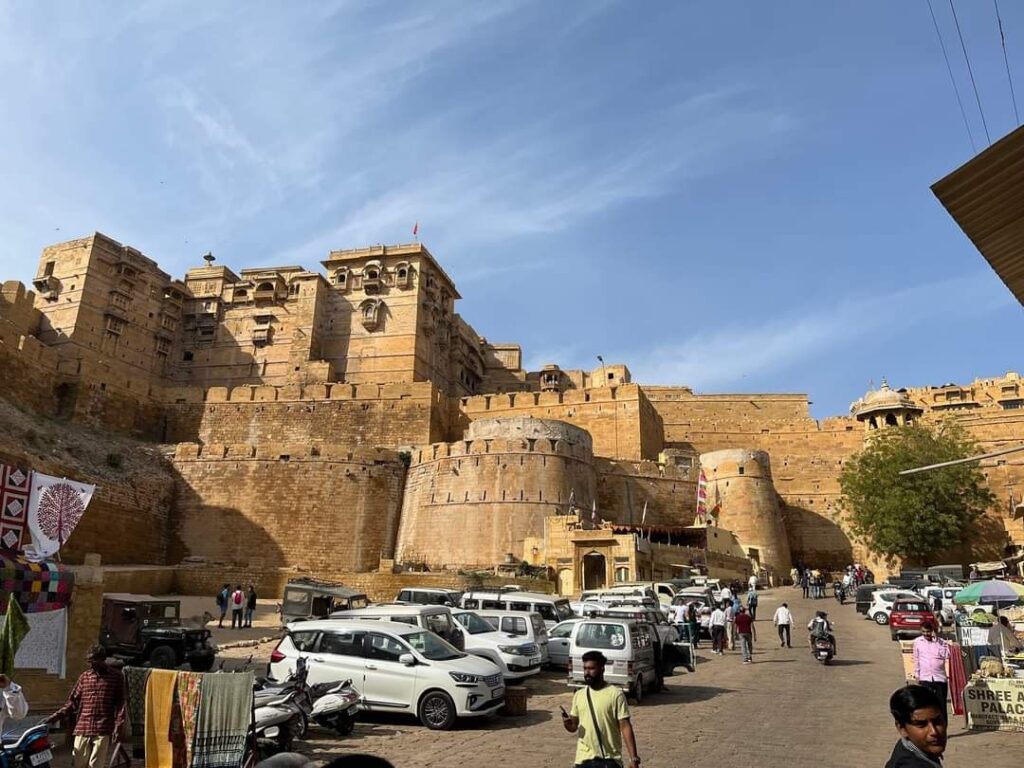
28. Jaisalmer Fort, Rajasthan
Unlike most historical forts, Jaisalmer Fort remains a living fort where thousands of people continue to live within its golden sandstone walls. Built in 1156 CE, it contains homes, temples, shops, restaurants, and heritage hotels.
At sunset, the fort glows golden above the Thar Desert, earning Jaisalmer the nickname “The Golden City.”
Why Visit: Experience one of the few living forts in the world.
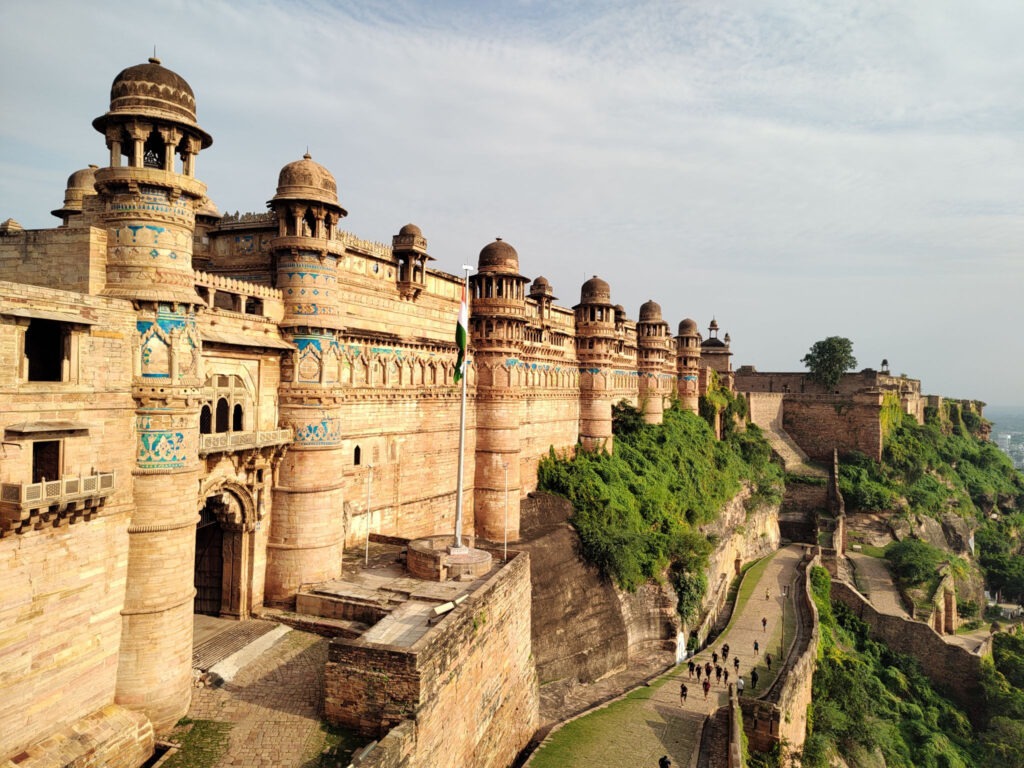
29. Gwalior Fort, Madhya Pradesh
Often described as the “Gibraltar of India,” Gwalior Fort has witnessed the rule of several dynasties, including the Tomars, Mughals, Marathas, and Scindias. Its magnificent palaces, Jain rock sculptures, temples, and defensive walls dominate the city skyline.
Why Visit: Explore a fort that reflects nearly a thousand years of Indian history.
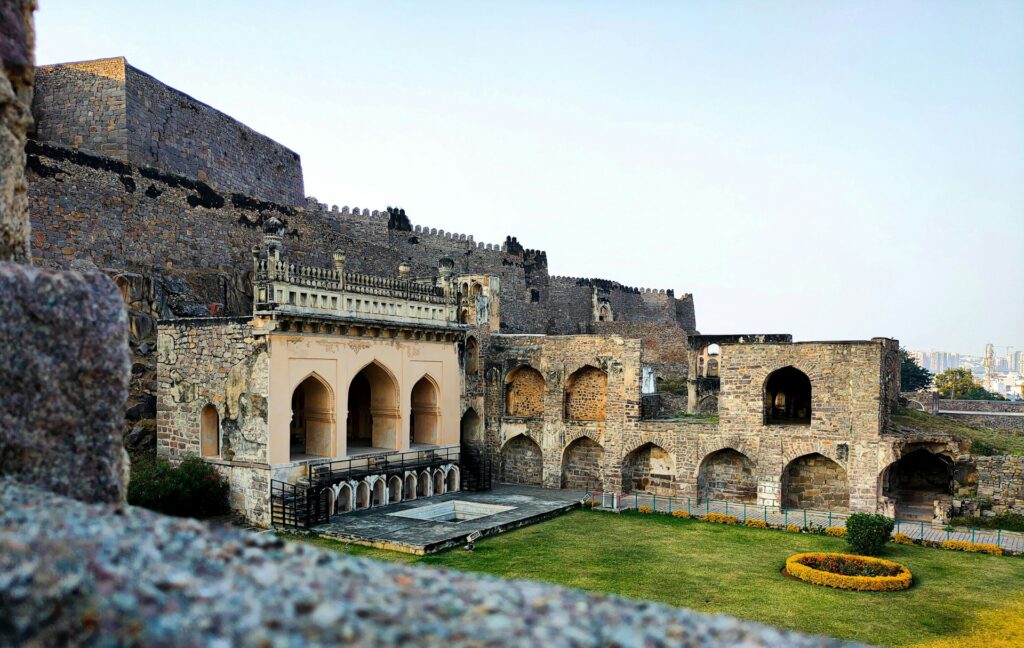
30. Golconda Fort, Telangana
Golconda Fort was once the center of the world-famous diamond trade and the capital of the Qutb Shahi dynasty. Its advanced acoustic system, royal palaces, underground passages, water supply network, and impressive bastions showcase remarkable medieval engineering.
The evening sound and light show vividly recreates the fort’s glorious past.
Why Visit: Discover the legendary fortress associated with the Koh-i-Noor and Hope diamonds.
Why Medieval India Is a Treasure for Travelers
The monuments of medieval India showcase an extraordinary period of artistic innovation and political power. Every kingdom developed its own architectural style, engineering techniques, and cultural identity, leaving behind magnificent temples, formidable forts, royal capitals, and enduring works of art.
For travelers, this era offers some of India’s most iconic destinations—places where history, architecture, spirituality, and storytelling come together to create unforgettable experiences.
Mughal, Colonial & Modern India (31–50)
The arrival of the Mughal Empire in the 16th century ushered in a new era of architecture, urban planning, art, and culture. Magnificent forts, grand mausoleums, royal gardens, and planned cities transformed the landscape of northern India. Later, European trading powers—especially the Portuguese and the British—introduced new architectural styles, leaving behind churches, railway stations, public buildings, and memorials that continue to define many Indian cities. This final section explores twenty remarkable historical places that represent the Mughal, colonial, and modern chapters of India’s story.
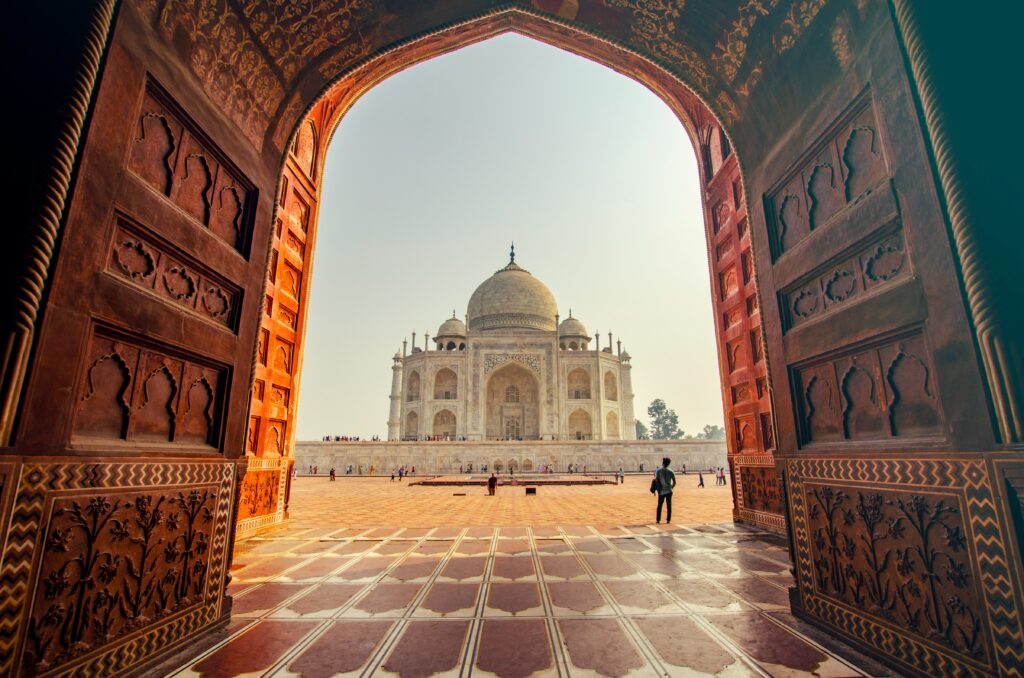
31. Taj Mahal, Uttar Pradesh
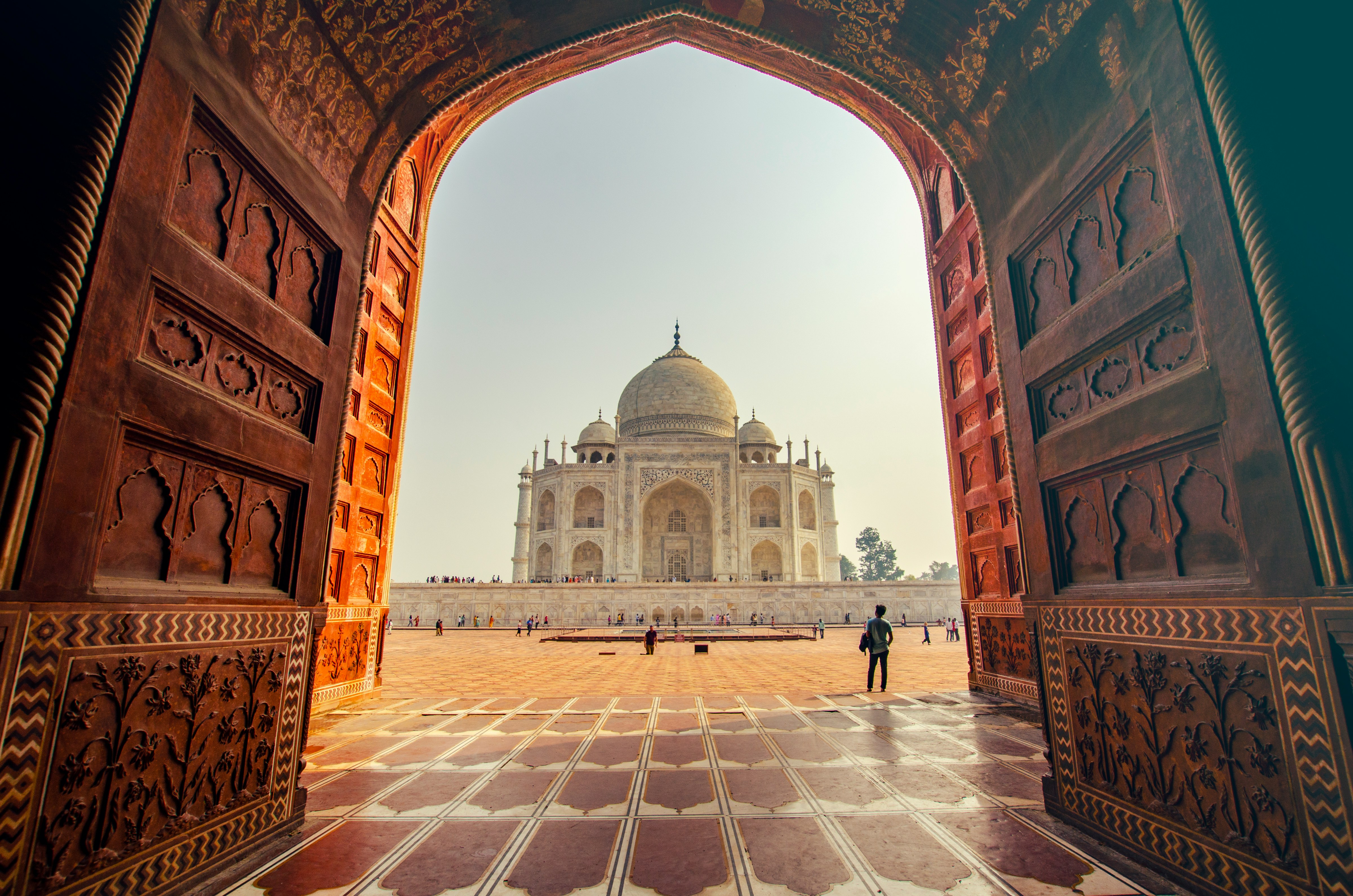
Widely regarded as the finest monument of love ever built, the Taj Mahal was commissioned by Mughal Emperor Shah Jahan in memory of his wife, Mumtaz Mahal. Completed in 1653, this white marble masterpiece combines Persian, Islamic, and Indian architectural traditions with exceptional craftsmanship.
The monument is renowned for its perfect symmetry, intricate marble inlay work, Quranic calligraphy, landscaped Charbagh gardens, and graceful minarets. Every year, millions of visitors from around the world come to witness its timeless beauty.
Why Visit: Experience one of the Seven Wonders of the World and India’s most iconic landmark.
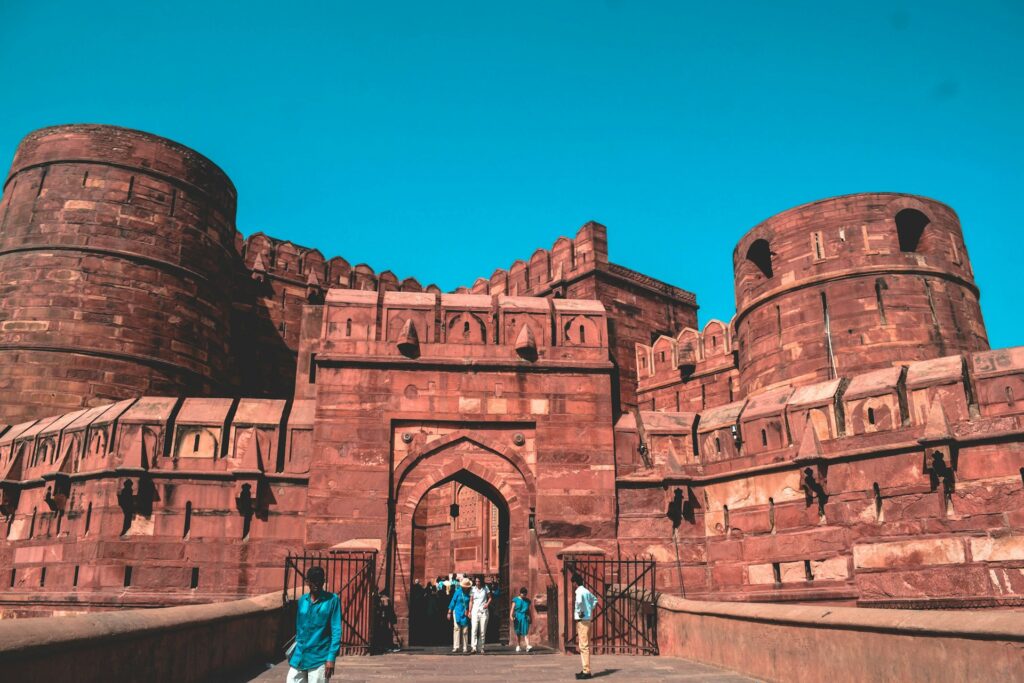
32. Agra Fort, Uttar Pradesh
Just a few kilometers from the Taj Mahal stands the majestic Agra Fort, the principal residence of the Mughal emperors before Delhi became the capital. Behind its imposing red sandstone walls lie elegant palaces, audience halls, mosques, gardens, and royal apartments.
From the Musamman Burj, Shah Jahan is believed to have spent his final years looking toward the Taj Mahal.
Why Visit: Explore the political heart of the Mughal Empire.
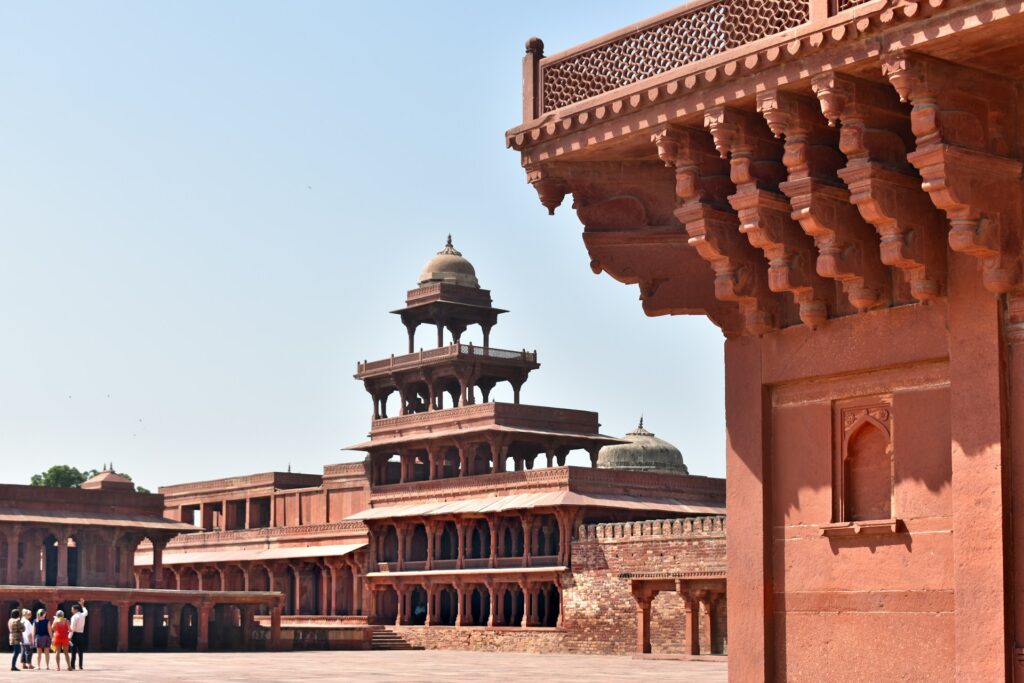
33. Fatehpur Sikri, Uttar Pradesh
Built by Emperor Akbar as his imperial capital, Fatehpur Sikri is one of India’s finest examples of Mughal city planning. Although occupied for only a short period, the city contains magnificent palaces, mosques, courtyards, gardens, and the towering Buland Darwaza.
Walking through its streets provides a fascinating insight into Akbar’s vision of a multicultural empire.
Why Visit: Discover one of the world’s best-preserved abandoned royal cities.
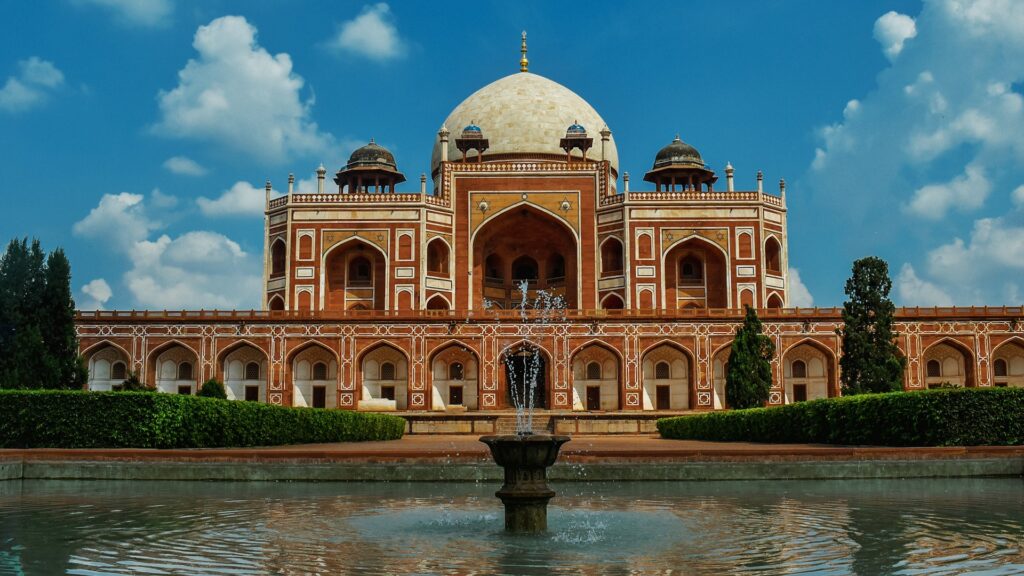
34. Humayun’s Tomb, Delhi
Completed in 1570, Humayun’s Tomb introduced Persian garden-tomb architecture to India and inspired later monuments, including the Taj Mahal. Set within beautifully landscaped gardens, the monument represents the beginning of mature Mughal architecture.
Its peaceful atmosphere makes it one of Delhi’s most rewarding historical attractions.
Why Visit: Admire the monument that inspired the Taj Mahal.
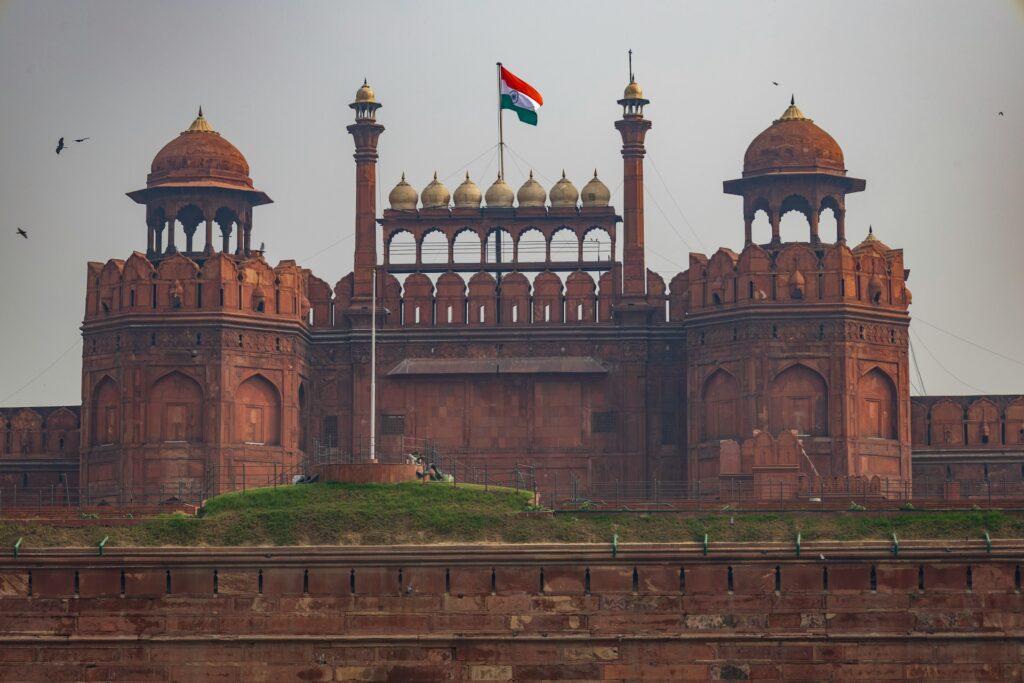
35. Red Fort, Delhi
The Red Fort served as the ceremonial and political center of Mughal power for nearly two centuries. Built by Shah Jahan in the 17th century, the fort contains magnificent audience halls, royal palaces, gardens, museums, and mosques enclosed within massive red sandstone walls.
Today, it remains a symbol of India’s independence, with the Prime Minister addressing the nation from its ramparts every Independence Day.
Why Visit: Witness one of India’s most significant national monuments.
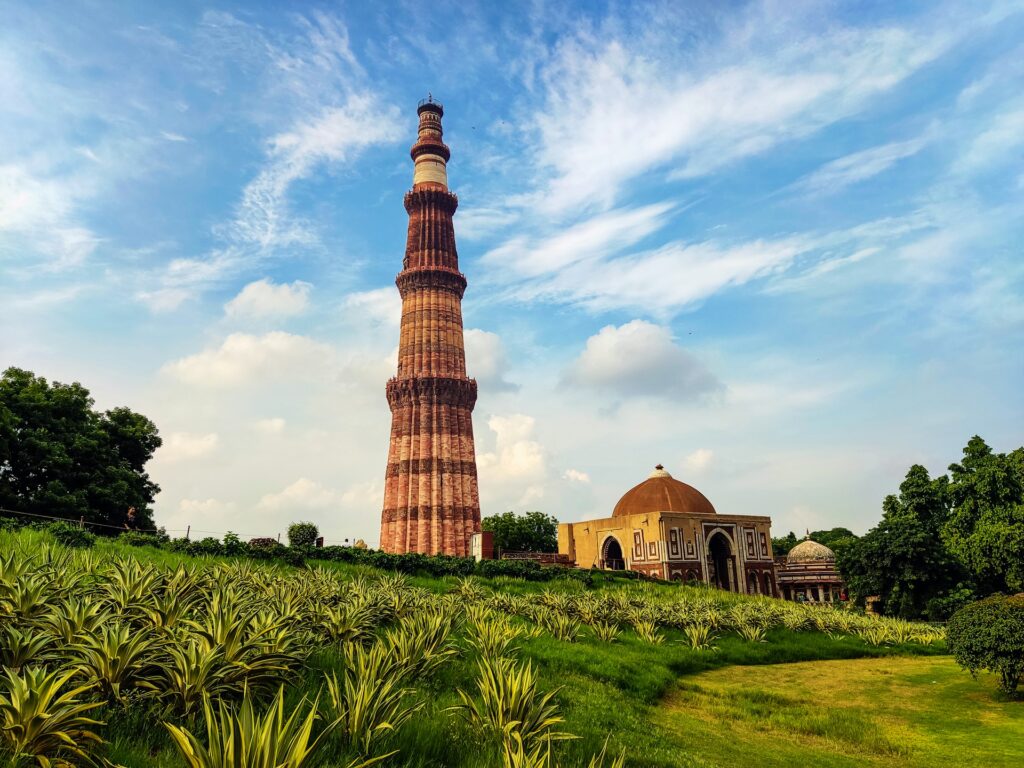
36. Qutb Minar, Delhi
Standing over 72 meters tall, the Qutb Minar is the world’s tallest brick minaret. Begun in the late 12th century, the UNESCO-listed complex includes ancient mosques, gateways, tombs, and the famous Iron Pillar, which has resisted rust for centuries.
Its detailed carvings and inscriptions reflect the early Delhi Sultanate’s architectural style.
Why Visit: Explore one of Delhi’s oldest and most impressive historical complexes.
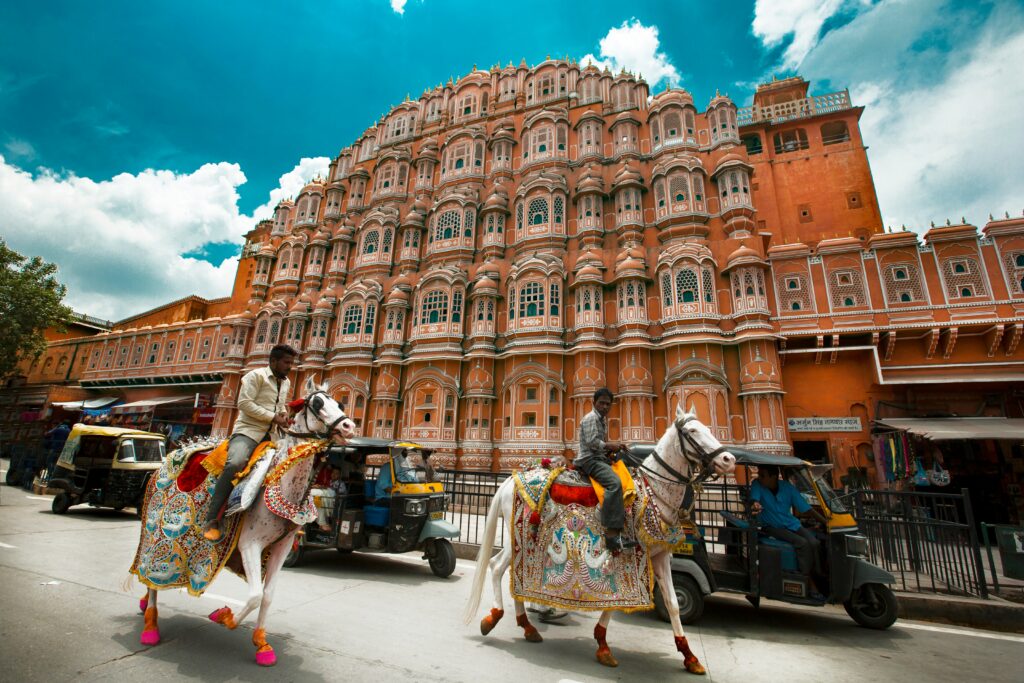
37. Jaipur, Rajasthan
Known as the Pink City, Jaipur was founded in 1727 by Maharaja Sawai Jai Singh II and became one of India’s earliest planned cities. Wide streets, bustling bazaars, palaces, observatories, and impressive gateways reflect a unique blend of Rajput and Mughal urban planning.
Landmarks such as the City Palace, Hawa Mahal, and Jantar Mantar make Jaipur one of India’s most visited heritage cities.
Why Visit: Experience Rajasthan’s royal heritage and vibrant culture.
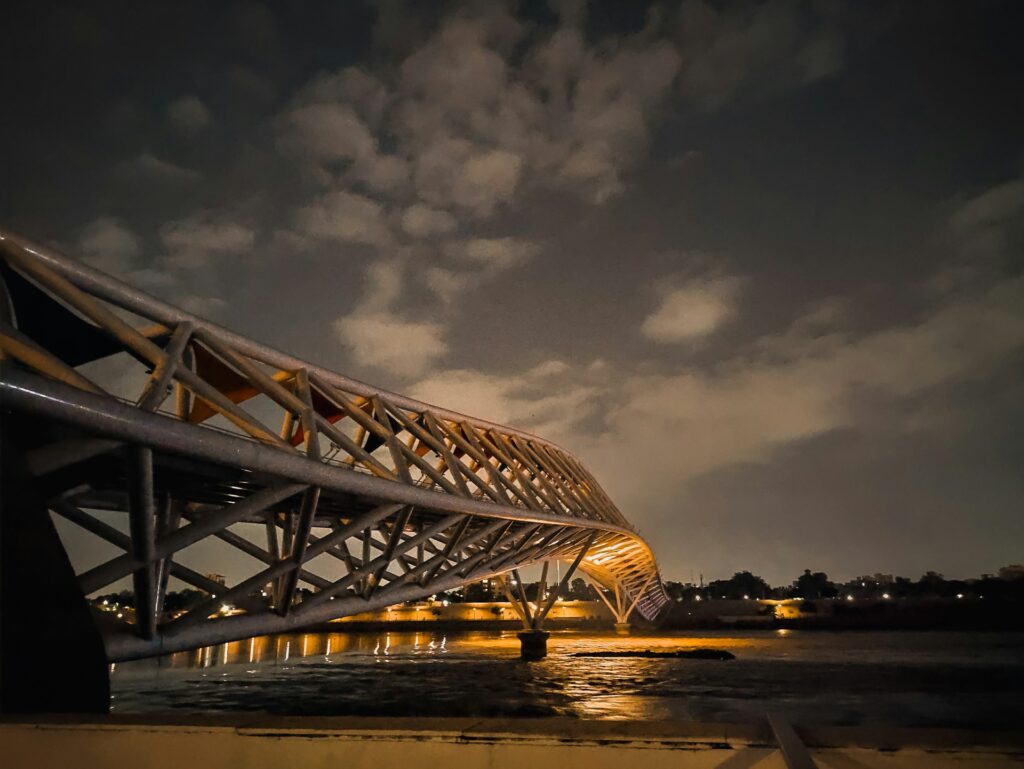
38. Historic City of Ahmedabad, Gujarat
Founded in the early 15th century, Ahmedabad became India’s first UNESCO World Heritage City. Its historic core is famous for intricately carved wooden houses, centuries-old mosques, Jain temples, lively markets, and traditional neighborhoods known as pols.
The city beautifully reflects centuries of cultural harmony and craftsmanship.
Why Visit: Wander through one of India’s best-preserved historic urban landscapes.
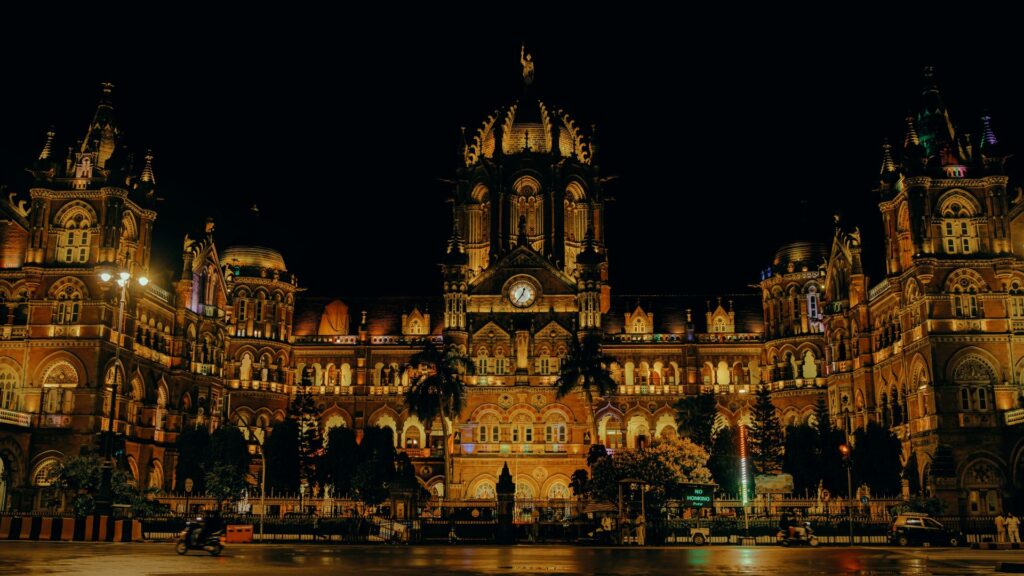
39. Chhatrapati Shivaji Terminus, Mumbai
Completed in 1887, Chhatrapati Shivaji Terminus is a masterpiece of Victorian Gothic Revival architecture infused with Indian decorative elements. Beyond serving as one of India’s busiest railway stations, it stands as an enduring symbol of Mumbai’s colonial-era growth.
Why Visit: See one of the world’s most beautiful railway stations.
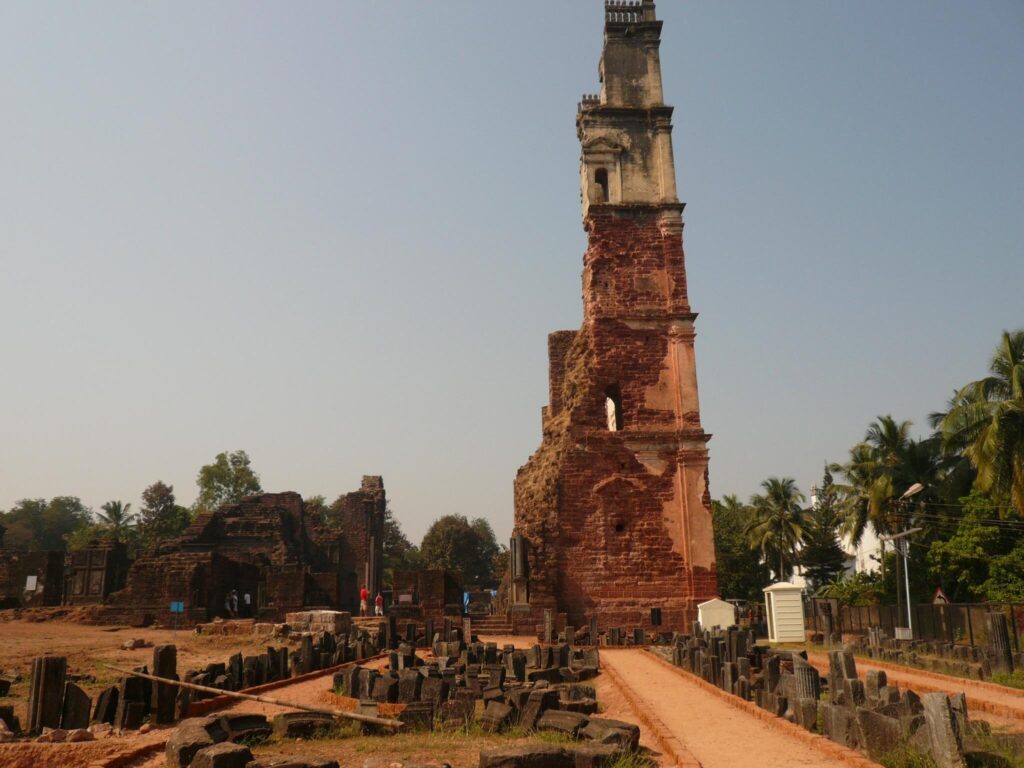
40. Churches and Convents of Goa
Old Goa preserves magnificent churches and convents built during Portuguese rule between the 16th and 18th centuries. The Basilica of Bom Jesus, Sé Cathedral, and Church of St. Francis of Assisi remain important religious and architectural landmarks.
These monuments introduced Renaissance and Baroque architecture to India.
Why Visit: Explore India’s finest collection of colonial churches.
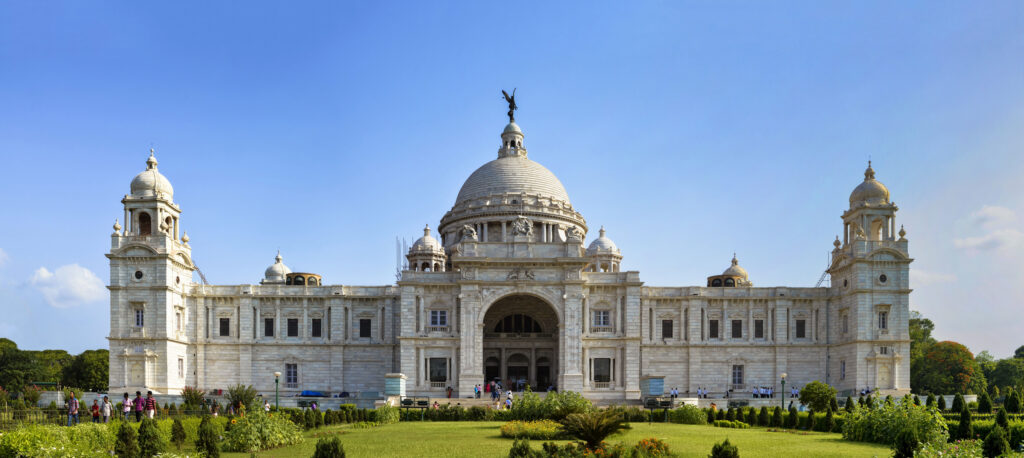
41. Victoria Memorial, Kolkata
Constructed in memory of Queen Victoria, the Victoria Memorial combines British, Mughal, Venetian, and Egyptian architectural influences. Surrounded by beautifully landscaped gardens, it now houses a museum displaying paintings, sculptures, manuscripts, and artifacts from the colonial period.
Why Visit: Learn about India’s colonial history through one of Kolkata’s most recognizable landmarks.
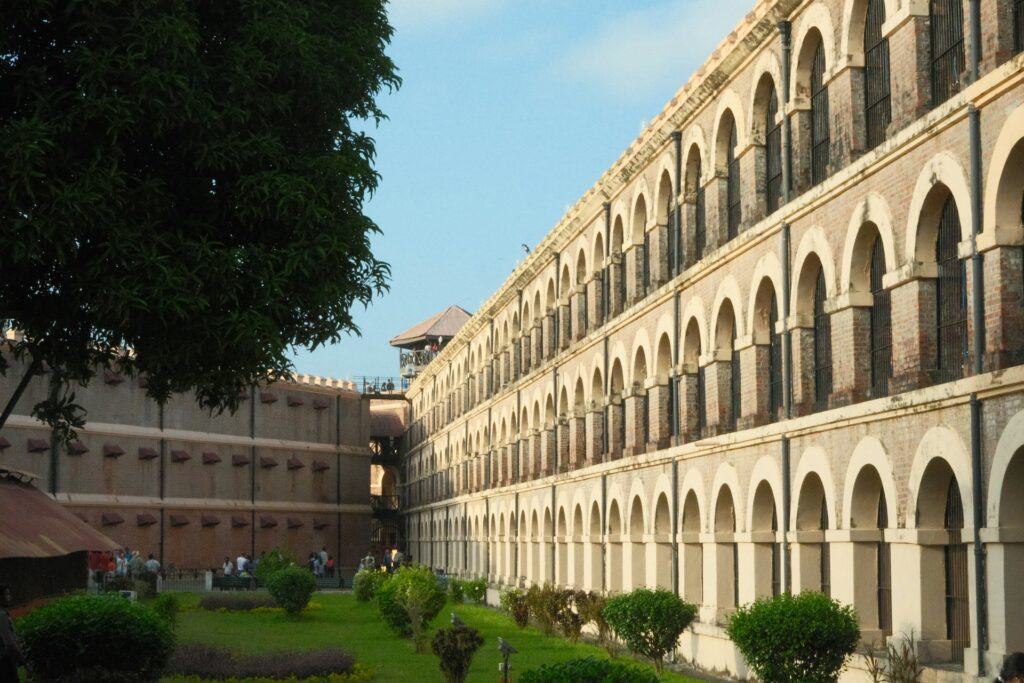
42. Cellular Jail, Port Blair
Known as “Kala Pani,” the Cellular Jail in the Andaman and Nicobar Islands served as a high-security prison during British rule. Many Indian freedom fighters were imprisoned here under harsh conditions.
Today, the jail stands as a national memorial honoring those who sacrificed for India’s independence.
Why Visit: Pay tribute to the heroes of India’s freedom movement.
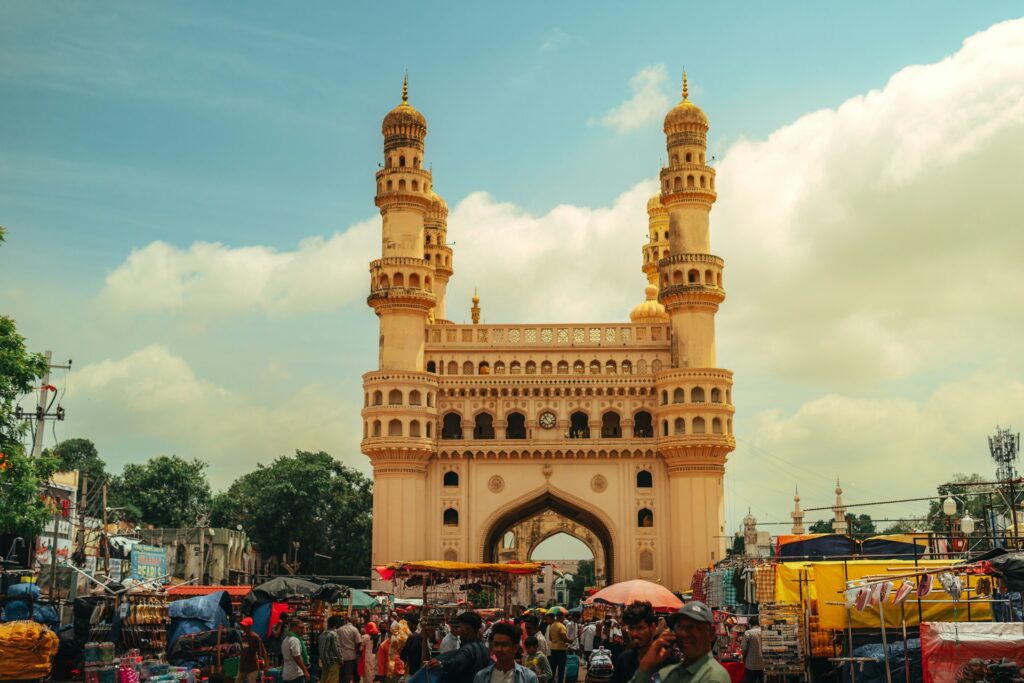
43. Charminar, Hyderabad
Built in 1591 by Muhammad Quli Qutb Shah, the Charminar has become the defining symbol of Hyderabad. Its four graceful minarets, elegant arches, and bustling surroundings represent the city’s rich Islamic heritage.
The nearby Laad Bazaar is famous for traditional bangles, pearls, and local cuisine.
Why Visit: Experience the cultural heart of Hyderabad.
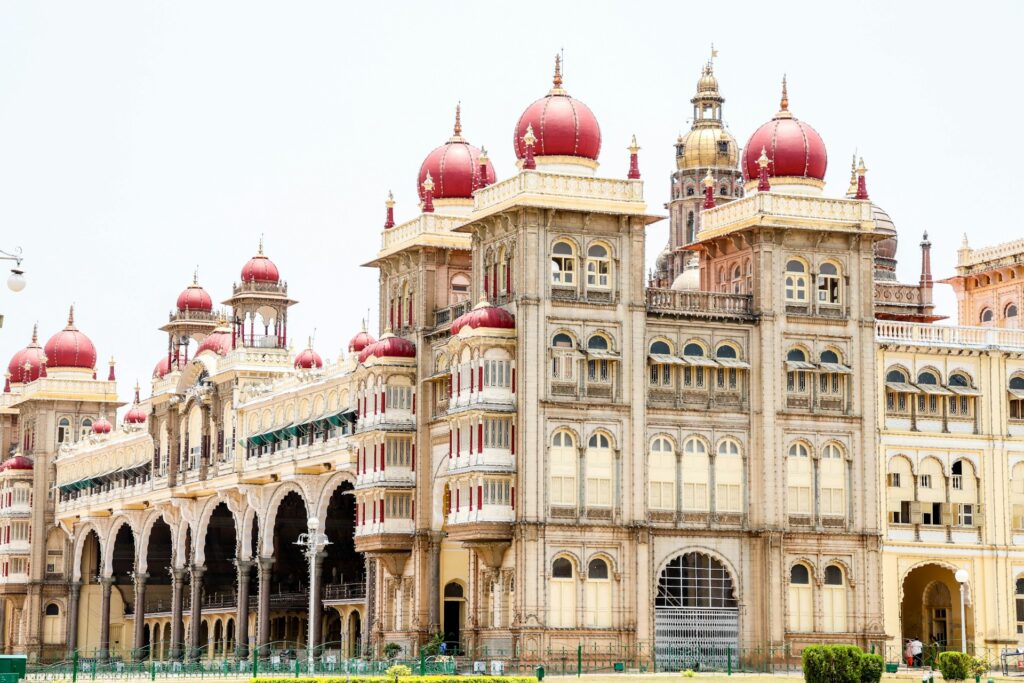
44. Mysore Palace, Karnataka
One of India’s grandest royal residences, Mysore Palace showcases Indo-Saracenic architecture, magnificent halls, stained glass, carved doors, and ornate ceilings. During the annual Dasara festival, the palace is illuminated with thousands of lights, creating a spectacular sight.
Why Visit: Witness the grandeur of one of India’s finest royal palaces.
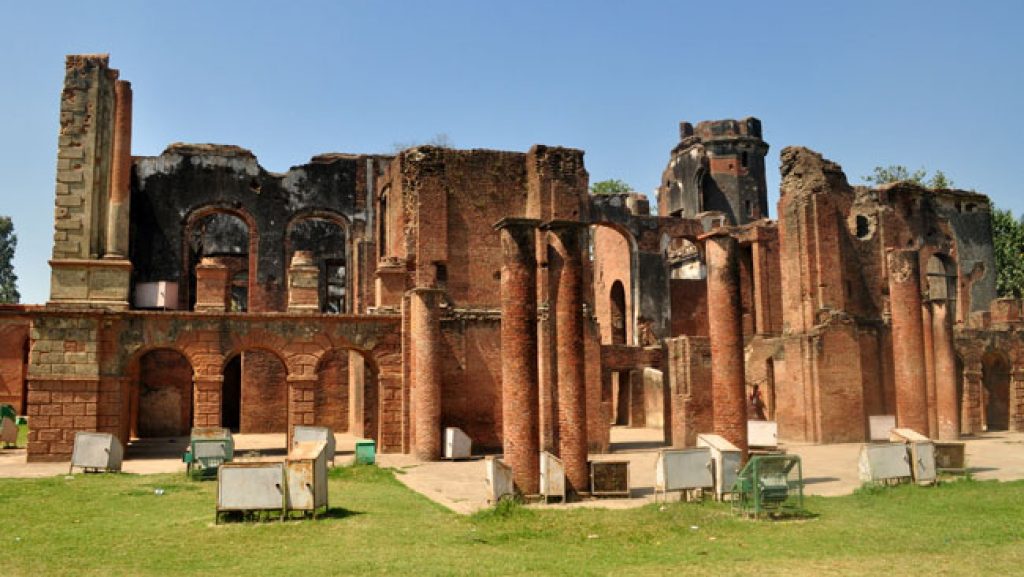
45. Lucknow Residency, Uttar Pradesh
The ruins of the Lucknow Residency stand as a poignant reminder of the Revolt of 1857. Preserved walls still bear cannon marks from the prolonged siege that became one of the defining events of India’s First War of Independence.
Why Visit: Explore one of India’s most important sites associated with the freedom struggle.

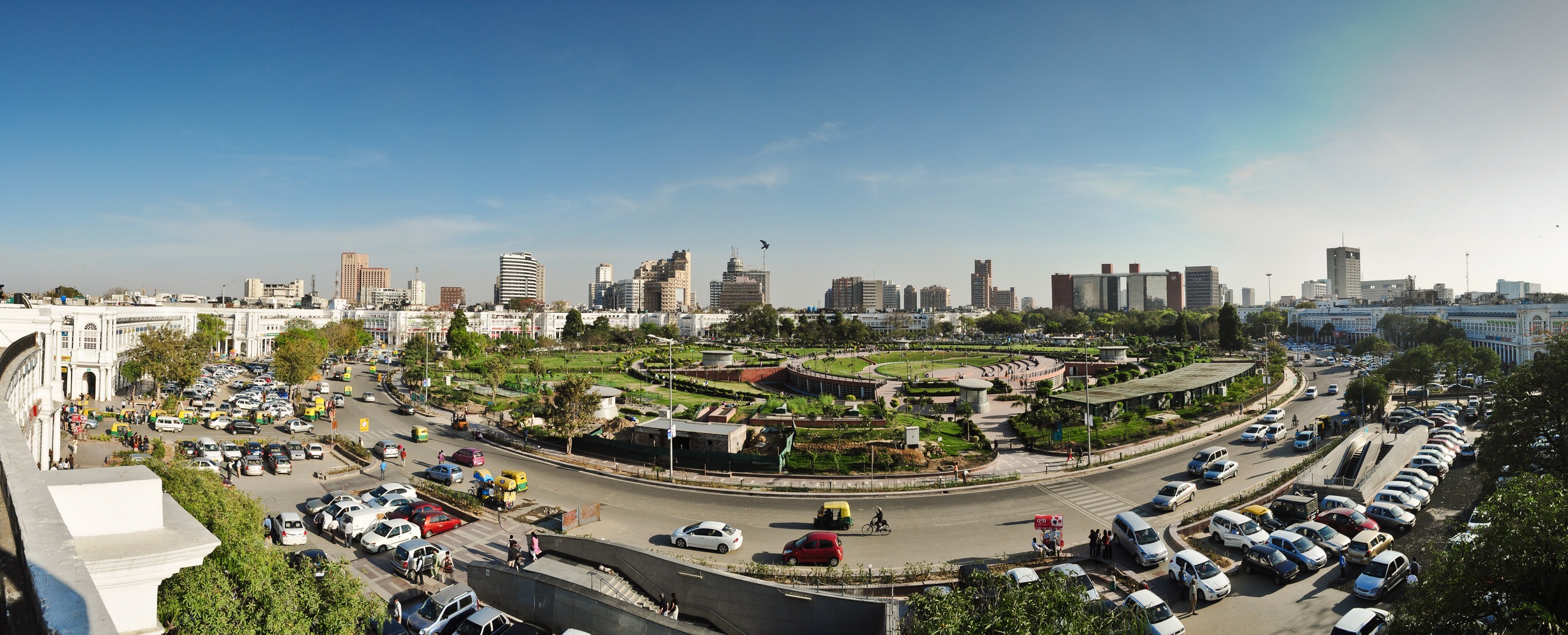
46. India Gate, Delhi
Designed by Sir Edwin Lutyens, India Gate commemorates Indian soldiers who lost their lives during the First World War. Today, it serves as one of Delhi’s most recognizable landmarks and a place of national remembrance.
Why Visit: Visit one of India’s most iconic war memorials.
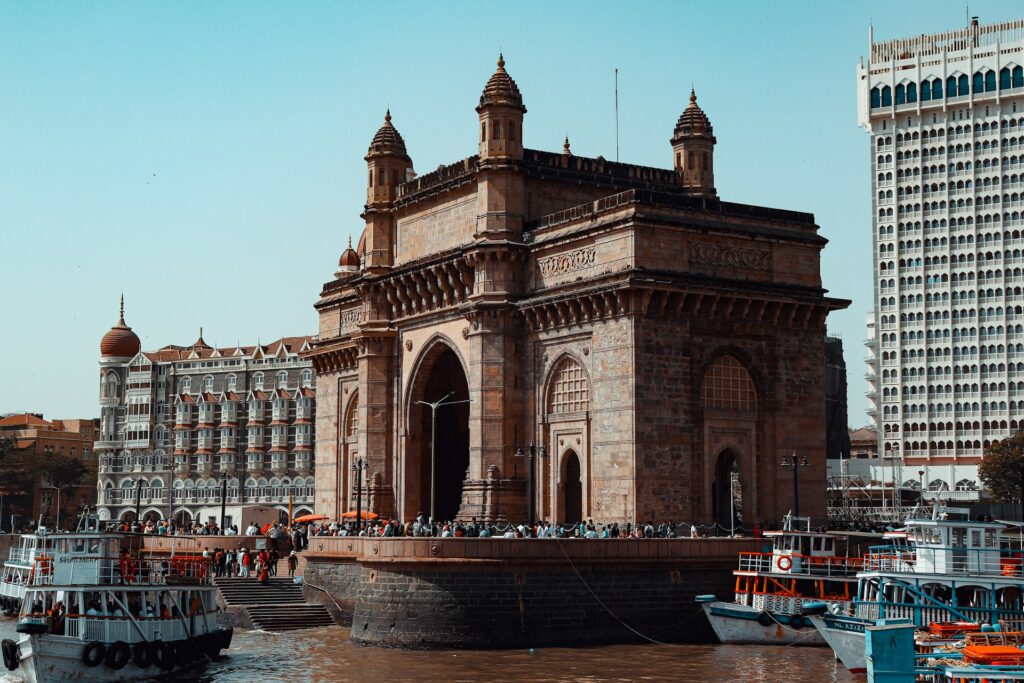
47. Gateway of India, Mumbai
Completed in 1924, the Gateway of India overlooks Mumbai Harbour and commemorates the visit of King George V and Queen Mary. Built in Indo-Saracenic style, it later became historically significant as the point from which the last British troops departed India in 1948.
Why Visit: Enjoy one of Mumbai’s most famous waterfront landmarks.
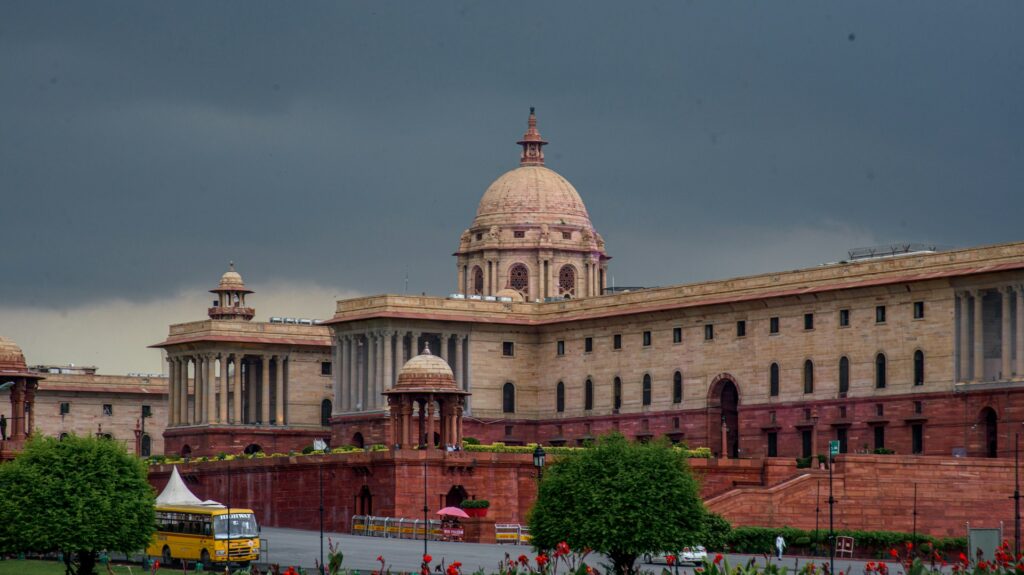
48. Rashtrapati Bhavan, Delhi
Originally built as the Viceroy’s House during British rule, Rashtrapati Bhavan is now the official residence of the President of India. Designed by Sir Edwin Lutyens, it combines classical European architecture with Indian motifs and is surrounded by the magnificent Mughal Gardens.
Why Visit: Admire one of the world’s largest presidential residences.
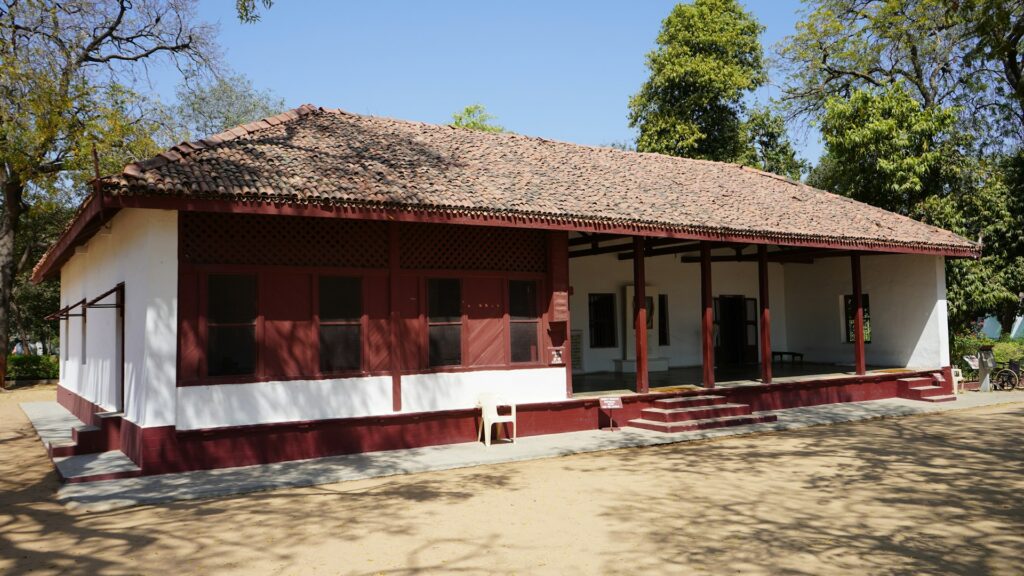
49. Sabarmati Ashram, Gujarat
Located on the banks of the Sabarmati River in Ahmedabad, this peaceful ashram served as Mahatma Gandhi’s residence and the starting point of the historic Dandi Salt March in 1930. The museum preserves Gandhi’s personal belongings, letters, photographs, and manuscripts.
Why Visit: Understand the philosophy of non-violence that shaped India’s freedom movement.
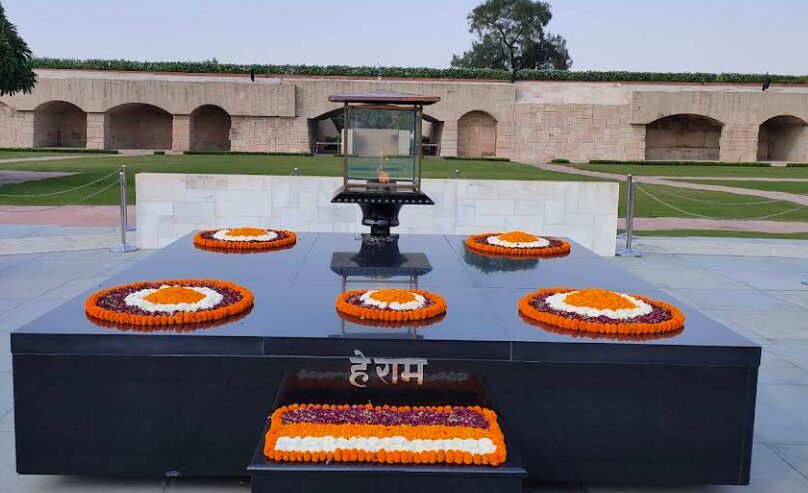
50. Raj Ghat, Delhi
Raj Ghat marks the cremation site of Mahatma Gandhi and serves as a place of remembrance for the Father of the Nation. Its simple black marble platform, surrounded by lush gardens, symbolizes Gandhi’s humility and enduring legacy.
Visitors from around the world come here to pay their respects and reflect on the ideals of peace, truth, and non-violence.
Why Visit: Conclude your historical journey by honoring one of the most influential leaders of the 20th century.