India is a paradise for photographers, offering an extraordinary blend of landscapes, cultures, architecture, and wildlife that few countries can match. From the snow-covered peaks of the Himalayas and the golden dunes of Rajasthan to the tranquil backwaters of Kerala and the vibrant streets of Varanasi, every corner of the country presents unique opportunities to capture unforgettable moments. Whether you’re a professional photographer or an enthusiastic hobbyist, India provides endless inspiration through its rich diversity and ever-changing scenery.
Photography tours in India allow travelers to experience destinations through a creative lens. These tours are designed to take you to the best locations at the right time of day, whether it’s the sunrise over the Taj Mahal, the colorful festivals of Gujarat, the lush tea gardens of Darjeeling, or the incredible wildlife of Ranthambore and Kaziranga National Parks. Along the way, you’ll encounter local traditions, historic monuments, bustling markets, and breathtaking natural landscapes that make every photograph tell a story.
This guide explores the best photography tours in India, featuring destinations renowned for their scenic beauty, cultural richness, wildlife encounters, and iconic landmarks. Whether you’re interested in landscape, street, wildlife, architectural, or cultural photography, these carefully selected locations promise unforgettable experiences and spectacular photo opportunities throughout the year.
Himalayan & Mountain Photography Destinations
The Indian Himalayas offer some of the most spectacular photography opportunities in the world. From snow-covered peaks and high-altitude deserts to colourful valleys, ancient monasteries, and remote mountain villages, these destinations are perfect for landscape photographers, travel photographers, wildlife enthusiasts, and anyone looking to capture India’s dramatic mountain beauty.
1. Ladakh, Jammu & Kashmir
📍 Distance from Delhi: Approximately 1,000 km
✈️ Travel Time: 1.5 hours by flight from Delhi
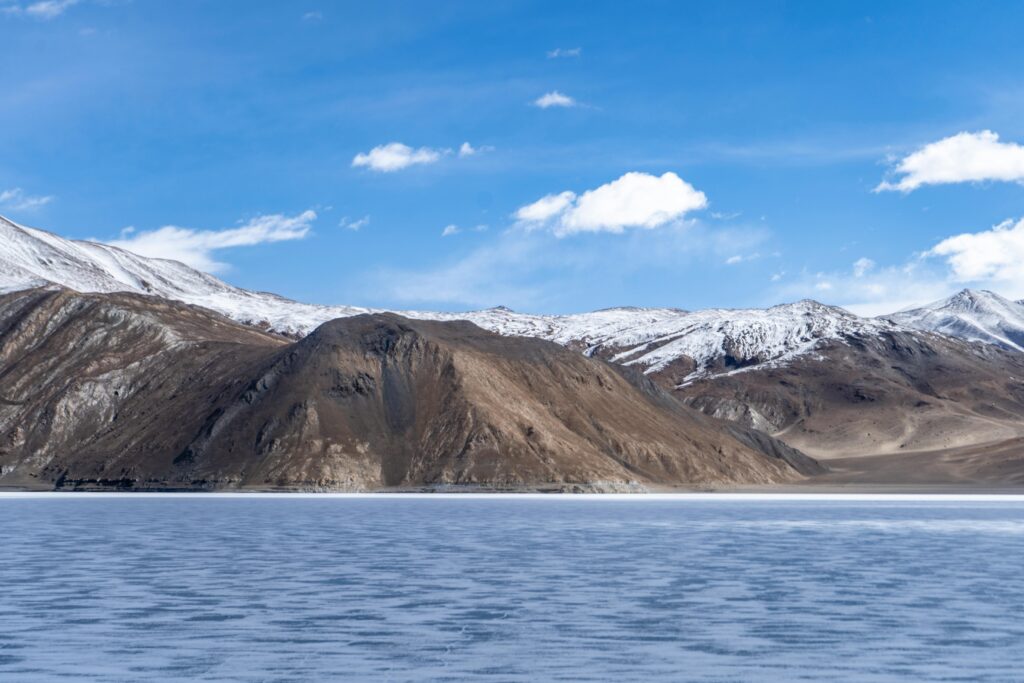
Known as the “Land of High Passes,” Ladakh is one of India’s most iconic photography destinations. Its extraordinary landscapes combine barren mountains, turquoise lakes, ancient monasteries, colourful prayer flags, and traditional villages.
The region offers endless opportunities for landscape photography, especially around Pangong Lake, Nubra Valley, Tso Moriri Lake, and Khardung La Pass. The contrast between deep blue skies, golden deserts, snow-covered peaks, and Buddhist monasteries creates dramatic compositions.
Photographers can capture traditional Ladakhi culture through monastery festivals, local markets, and village life. The clear Himalayan air and minimal light pollution also make Ladakh one of India’s best destinations for astrophotography.
📅 Best Time for Photography: May to September
📸 Photography Highlights:
- Pangong Lake reflections
- Nubra Valley sand dunes
- Buddhist monasteries
- Mountain passes
- Milky Way photography
- Local portraits
📌 Best Photography Locations:
- Thiksey Monastery
- Hemis Monastery
- Tso Moriri Lake
- Diskit Monastery
- Magnetic Hill
📌 Nearby Attractions:
- Leh Palace
- Shanti Stupa
- Alchi Monastery
- Zanskar Valley

2. Spiti Valley, Himachal Pradesh
📍 Distance from Shimla: Approximately 420 km
🚗 Travel Time: 12–15 hours by road
A remote Himalayan desert, Spiti Valley is a dream destination for photographers who love dramatic landscapes, ancient architecture, and unique mountain cultures. Located between India and Tibet, Spiti offers surreal scenery with barren mountains, deep valleys, monasteries, and isolated villages.
The valley’s high-altitude villages such as Komic, Langza, Hikkim, and Kibber provide incredible opportunities for cultural photography. Ancient monasteries like Key Monastery rising above the Spiti River create some of the most iconic Himalayan frames.
The changing colours of the mountains during sunrise and sunset make Spiti especially attractive for landscape photographers. Its clear night skies also offer excellent opportunities for astrophotography.
📅 Best Time for Photography: May to October
📸 Photography Highlights:
- High-altitude villages
- Himalayan landscapes
- Monasteries
- Star trails
- Local portraits
- Mountain roads
📌 Best Photography Locations:
- Key Monastery
- Chandratal Lake
- Dhankar Monastery
- Komic Village
- Hikkim Post Office
📌 Nearby Attractions:
- Pin Valley National Park
- Tabo Monastery
- Kunzum Pass
- Kaza

3. Tawang, Arunachal Pradesh
📍 Distance from Guwahati: Approximately 450 km
🚗 Travel Time: 12–15 hours by road
Located in the eastern Himalayas, Tawang is one of India’s most photogenic yet less-explored destinations. Surrounded by snow-covered mountains, high-altitude lakes, waterfalls, and Buddhist monasteries, Tawang offers a perfect combination of nature and culture photography.
The magnificent Tawang Monastery, one of India’s largest Buddhist monasteries, is a major attraction for photographers. The region’s dramatic landscapes, especially around Sela Pass, Bum La Pass, and Madhuri Lake, provide stunning opportunities for capturing Himalayan beauty.
The Monpa tribal culture, traditional homes, festivals, and colourful prayer flags add depth to photography projects.
📅 Best Time for Photography: March to June and September to October
📸 Photography Highlights:
- Buddhist monasteries
- Snow landscapes
- Mountain lakes
- Tribal culture
- Waterfalls
- Himalayan roads
📌 Best Photography Locations:
- Tawang Monastery
- Sela Pass
- Madhuri Lake
- Bum La Pass
- Nuranang Falls
📌 Nearby Attractions:
- Jaswant Garh War Memorial
- P.T. Tso Lake
- Shonga-Tser Lake
- Dirang
4. Valley of Flowers, Uttarakhand
📍 Distance from Delhi: Approximately 500 km
🥾 Trek Distance: Around 17 km from Govindghat
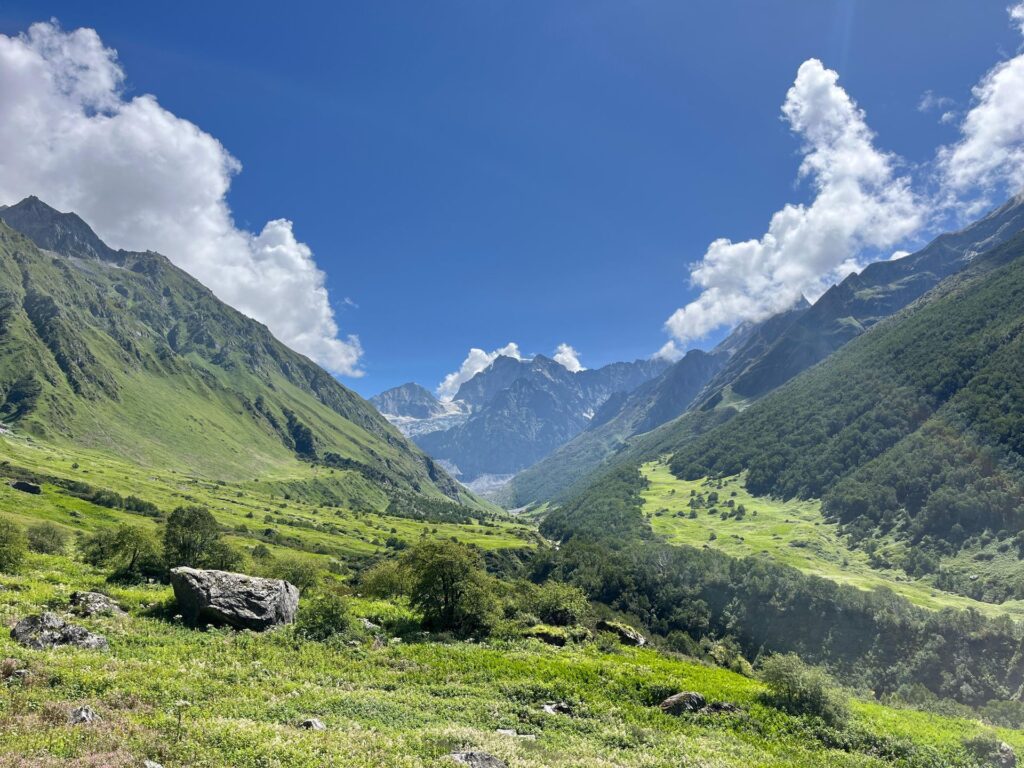
A UNESCO World Heritage Site, the Valley of Flowers National Park is one of India’s most beautiful destinations for nature and macro photography. Located in the Garhwal Himalayas, the valley transforms into a colourful landscape during the monsoon season.
Photographers can capture hundreds of alpine flower species, Himalayan landscapes, waterfalls, streams, and rare wildlife. The combination of colourful meadows and snow-covered peaks creates exceptional landscape compositions.
The valley is especially popular among nature photographers who focus on flora, insects, and Himalayan ecosystems.
📅 Best Time for Photography: July to September
📸 Photography Highlights:
- Alpine flowers
- Mountain landscapes
- Water streams
- Rare Himalayan plants
- Wildlife photography
- Macro photography
📌 Best Photography Locations:
- Valley meadows
- Pushpawati River
- Hemkund Sahib route
- Himalayan viewpoints
📌 Nearby Attractions:
- Hemkund Sahib
- Badrinath
- Mana Village
- Nanda Devi National Park
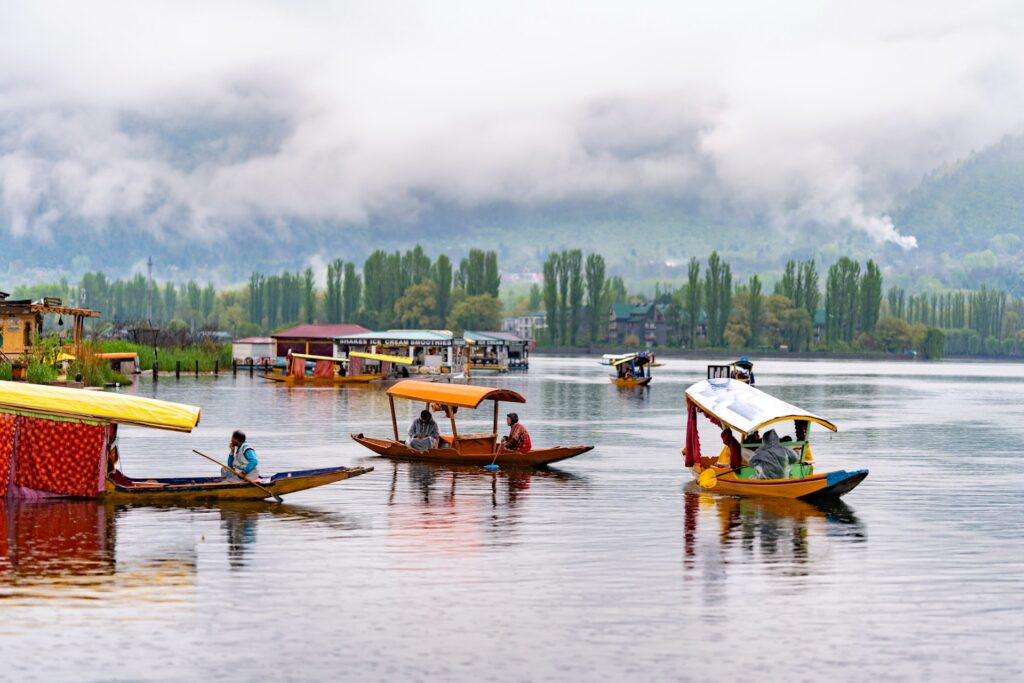
5. Kashmir Valley, Jammu & Kashmir
📍 Distance from Delhi: Approximately 800 km
✈️ Travel Time: 1.5 hours by flight
Often called “Paradise on Earth,” the Kashmir Valley is one of India’s most beautiful photography destinations. Its snow-covered mountains, lakes, gardens, traditional houses, and colourful seasons provide endless opportunities for photographers.
The famous Dal Lake, surrounded by mountains and houseboats, is an iconic photography location. During spring, the valley comes alive with blooming gardens and almond blossoms, while winter transforms Kashmir into a snowy wonderland.
Photographers can capture landscapes, Kashmiri culture, handicrafts, local markets, and traditional lifestyles.
📅 Best Time for Photography: March to May and September to February
📸 Photography Highlights:
- Dal Lake reflections
- Snow landscapes
- Mughal gardens
- Traditional lifestyles
- Autumn colours
- Mountain villages
📌 Best Photography Locations:
- Dal Lake
- Gulmarg
- Pahalgam
- Sonamarg
- Betaab Valley
📌 Nearby Attractions:
- Shalimar Garden
- Nishat Garden
- Aharbal Waterfall
- Doodhpathri
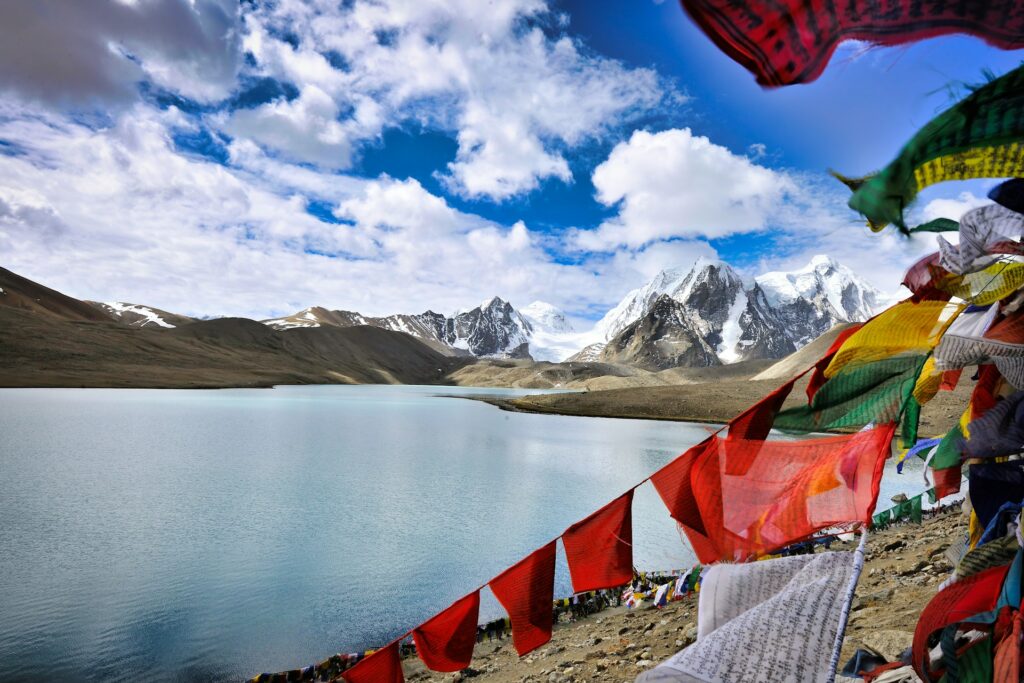
6. Sikkim Himalayas
📍 Distance from Bagdogra Airport: Approximately 120 km
🚗 Travel Time: 4–6 hours by road
The Sikkim Himalayas are among India’s most breathtaking photography destinations, offering a perfect combination of snow-covered mountains, Buddhist monasteries, alpine lakes, forests, and vibrant local cultures. The state is dominated by Mount Kanchenjunga, the world’s third-highest peak, which provides spectacular sunrise and sunset photography opportunities.
Sikkim is ideal for landscape photographers, cultural photographers, and nature enthusiasts. The colourful monasteries, traditional villages, prayer flags, and mountain roads create unique visual stories.
Photographers can explore high-altitude locations like Gurudongmar Lake, Yumthang Valley, Nathula Pass, and Tsomgo Lake, where dramatic Himalayan landscapes meet pristine natural beauty.
The region’s rich biodiversity, including rhododendron forests and rare Himalayan birds, also makes it excellent for nature photography.
📅 Best Time for Photography: March to May and October to December
📸 Photography Highlights:
- Kanchenjunga sunrise views
- Himalayan lakes
- Buddhist monasteries
- Alpine valleys
- Prayer flags and local culture
- Mountain villages
📌 Best Photography Locations:
- Pelling
- Yumthang Valley
- Gurudongmar Lake
- Tsomgo Lake
- Rumtek Monastery
📌 Nearby Attractions:
- Lachung
- Lachen
- Ravangla
- Namchi

7. Darjeeling, West Bengal
📍 Distance from Bagdogra Airport: Approximately 70 km
🚗 Travel Time: 3 hours by road
Known as the “Queen of the Hills,” Darjeeling is one of India’s classic mountain photography destinations. Located in the foothills of the Himalayas, the town offers spectacular views of Mount Kanchenjunga, colonial architecture, tea gardens, and vibrant Himalayan culture.
The famous Darjeeling Himalayan Railway (Toy Train), a UNESCO World Heritage Site, provides excellent opportunities for travel photography. Photographers can capture misty landscapes, tea plantation workers, colourful markets, and traditional mountain life.
Sunrise from Tiger Hill remains one of the most iconic photography experiences in India, with golden light illuminating the Himalayan peaks.
📅 Best Time for Photography: March to May and October to December
📸 Photography Highlights:
- Himalayan sunrise
- Tea plantations
- Toy train
- Colonial streets
- Mountain villages
- Local portraits
📌 Best Photography Locations:
- Tiger Hill
- Batasia Loop
- Happy Valley Tea Estate
- Darjeeling Himalayan Railway
- Peace Pagoda
📌 Nearby Attractions:
- Mirik Lake
- Sandakphu
- Kalimpong
- Lamahatta
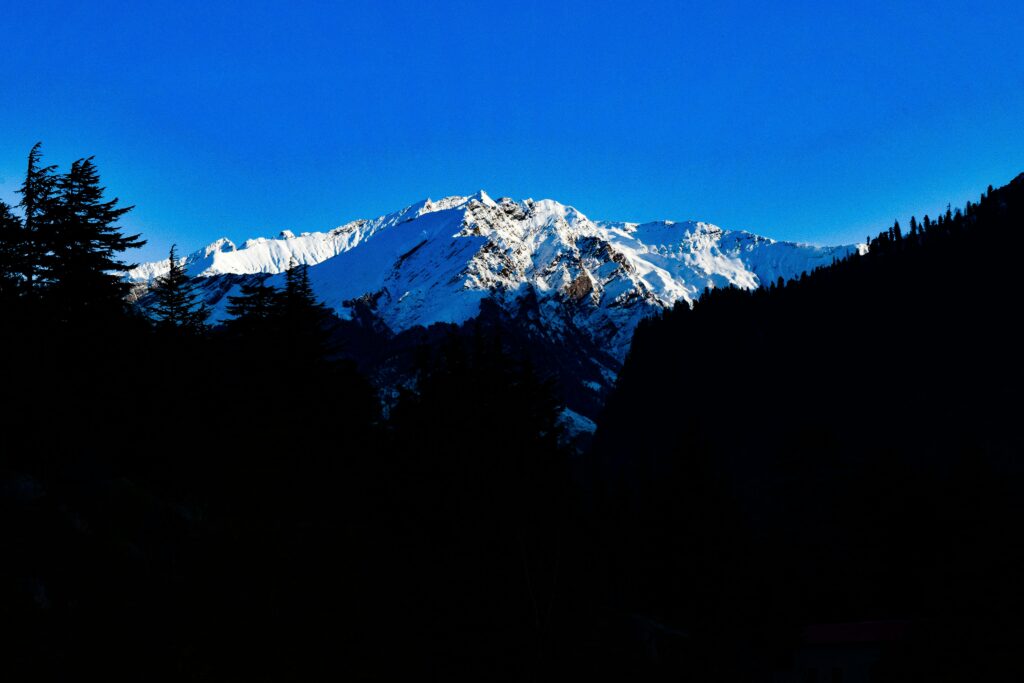
8. Manali, Himachal Pradesh
📍 Distance from Delhi: Approximately 540 km
🚗 Travel Time: 12–14 hours by road
Situated on the banks of the Beas River, Manali is one of India’s most popular mountain photography destinations. Surrounded by snow-covered peaks, forests, rivers, and traditional villages, it offers diverse photography opportunities throughout the year.
The region is particularly popular among landscape photographers because of its changing seasons. Snow-covered landscapes in winter, colourful apple orchards in autumn, and green valleys in summer provide different photographic experiences.
Beyond natural landscapes, photographers can capture Himachali culture, ancient temples, mountain cafés, and traditional villages.
Nearby areas like Solang Valley, Atal Tunnel, Rohtang Pass, and Old Manali offer some of the best mountain photography locations.
📅 Best Time for Photography: March to June and October to February
📸 Photography Highlights:
- Snow landscapes
- Mountain rivers
- Forest trails
- Adventure activities
- Local culture
- Village life
📌 Best Photography Locations:
- Solang Valley
- Old Manali
- Atal Tunnel
- Hampta Valley
- Vashisht Village
📌 Nearby Attractions:
- Rohtang Pass
- Kasol
- Naggar Castle
- Manikaran

9. Auli, Uttarakhand
📍 Distance from Delhi: Approximately 500 km
🚗 Travel Time: 10–12 hours by road
Located in the Garhwal Himalayas, Auli is one of India’s most scenic mountain photography destinations. Famous for panoramic Himalayan views, alpine meadows, and snow-covered slopes, Auli offers breathtaking compositions for landscape photographers.
The destination provides uninterrupted views of some of India’s highest peaks, including Nanda Devi, Mana Parbat, and Kamet. During winter, the snow-covered landscape creates dramatic images, while summer brings lush green meadows filled with wildflowers.
The famous cable car ride, trekking trails, and nearby villages provide additional photography opportunities.
📅 Best Time for Photography: December to March for snow; April to June for landscapes
📸 Photography Highlights:
- Himalayan peaks
- Snow photography
- Cable car views
- Alpine meadows
- Village landscapes
- Sunrise and sunset
📌 Best Photography Locations:
- Auli Bugyal
- Gurso Bugyal
- Auli Artificial Lake
- Joshimath
- Chenab Lake
📌 Nearby Attractions:
- Badrinath
- Valley of Flowers
- Hemkund Sahib
- Nanda Devi National Park
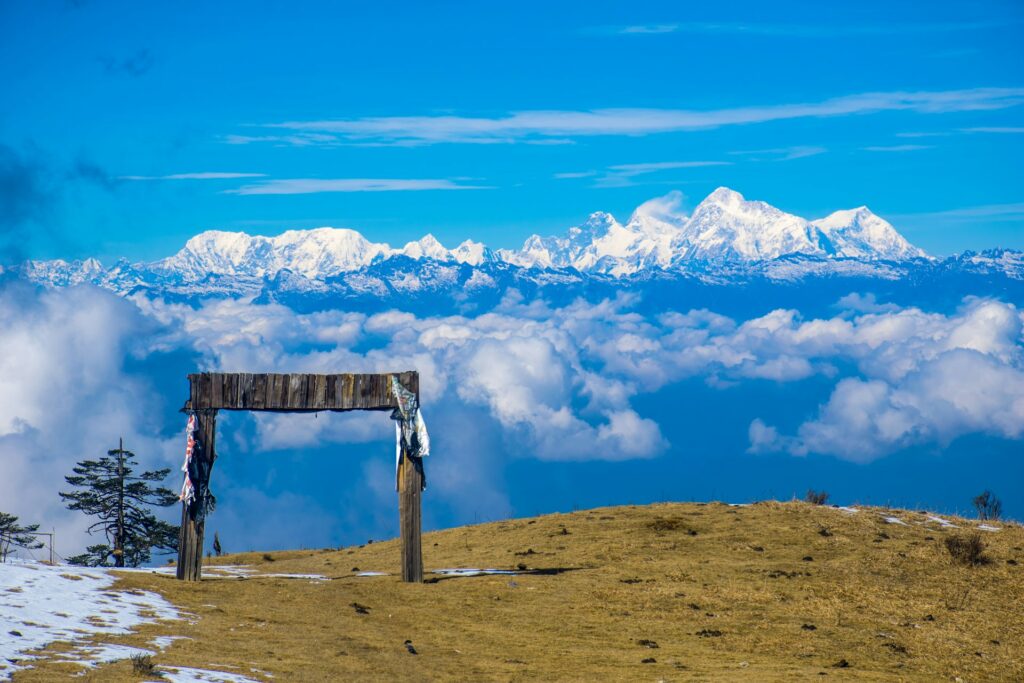
10. Sandakphu, West Bengal
📍 Distance from Darjeeling: Approximately 75 km
🥾 Trek Duration: 5–7 days
Located on the Singalila Ridge, Sandakphu is the highest point in West Bengal and one of India’s finest destinations for Himalayan landscape photography. The trek offers extraordinary views of four of the world’s highest peaks — Everest, Kanchenjunga, Lhotse, and Makalu.
The changing landscapes along the trail include rhododendron forests, mountain villages, alpine meadows, and dramatic Himalayan viewpoints. The region is especially popular among photographers who enjoy trekking-based photography.
Sunrise and sunset from Sandakphu provide unforgettable panoramic views, while local villages offer opportunities for cultural photography.
📅 Best Time for Photography: March to May and October to December
📸 Photography Highlights:
- Himalayan panoramas
- Sunrise and sunset
- Mountain villages
- Forest trails
- Trekking landscapes
- Wildlife photography
📌 Best Photography Locations:
- Sandakphu Summit
- Phalut
- Tumling
- Singalila National Park
- Mane Bhanjan
📌 Nearby Attractions:
- Darjeeling
- Manebhanjan
- Gairibas
- Tonglu
Wildlife & Nature Photography Destinations
India’s wildlife reserves, national parks, wetlands, and forests provide some of the world’s best opportunities for wildlife photography. From majestic tigers and one-horned rhinoceroses to elephants, birds, and unique ecosystems, these destinations allow photographers to capture rare moments in natural habitats.
Wildlife photography tours in India combine adventure, conservation, and storytelling, making them ideal for professional photographers, beginners, and nature lovers.
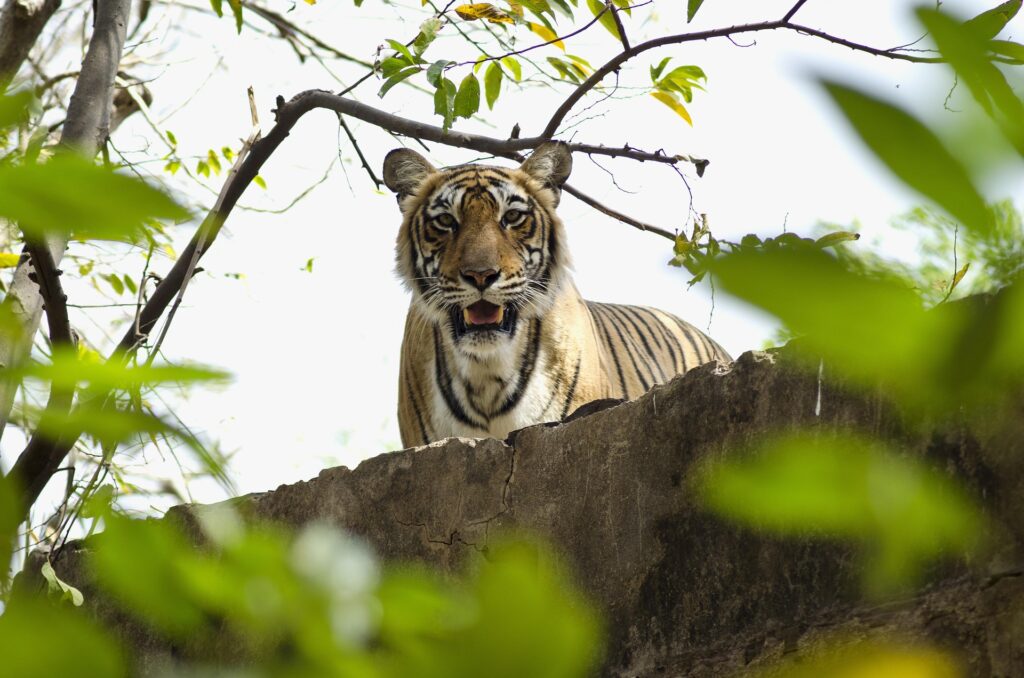
11. Ranthambore National Park, Rajasthan
📍 Distance from Jaipur: Approximately 180 km
🚗 Travel Time: 3–4 hours by road
One of India’s most famous wildlife photography destinations, Ranthambore National Park is renowned for its Bengal tigers, historic ruins, lakes, and dramatic landscapes. The combination of wildlife and heritage makes it one of the most visually appealing national parks in India.
The park’s open terrain, ancient fort ruins, and water bodies provide excellent opportunities to photograph tigers in natural surroundings. Apart from tigers, photographers can capture leopards, sloth bears, deer, crocodiles, and numerous bird species.
The iconic Ranthambore Fort, overlooking the forest, adds a unique historical element to wildlife photography.
📅 Best Time for Photography: October to June
📸 Photography Highlights:
- Bengal tigers
- Wildlife near lakes
- Ancient fort landscapes
- Birds and reptiles
- Forest landscapes
- Sunrise and sunset shots
📌 Best Photography Locations:
- Padam Talao
- Raj Bagh Ruins
- Malik Talao
- Ranthambore Fort
- Zone 3 and Zone 4 safari areas
📌 Nearby Attractions:
- Trinetra Ganesh Temple
- Surwal Lake
- Sawai Madhopur
- Kachida Valley
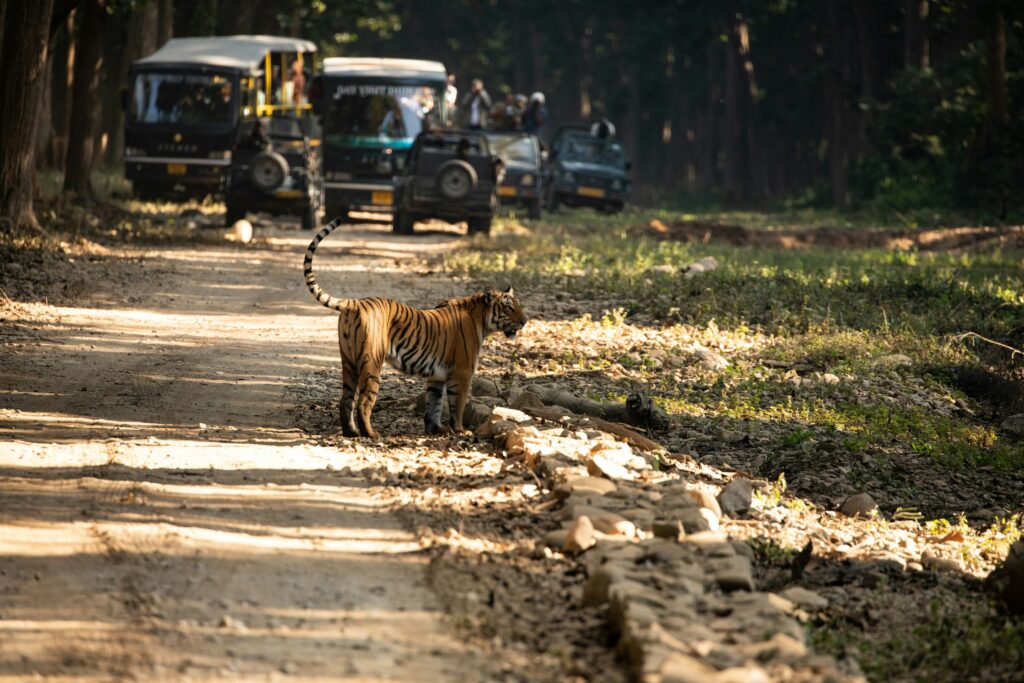
12. Jim Corbett National Park, Uttarakhand
📍 Distance from Delhi: Approximately 240 km
🚗 Travel Time: 5–6 hours by road
Established in 1936, Jim Corbett National Park is India’s oldest national park and one of the country’s finest wildlife photography destinations. Located in the Himalayan foothills, the park features forests, grasslands, rivers, and diverse wildlife habitats.
The park is famous for Bengal tigers, elephants, deer, and rich birdlife. Photographers can capture wildlife against beautiful natural backgrounds, including river landscapes and dense forests.
Corbett is particularly popular among bird photographers because of its more than 600 bird species, including kingfishers, hornbills, eagles, and migratory birds.
📅 Best Time for Photography: November to June
📸 Photography Highlights:
- Bengal tiger sightings
- Elephant herds
- Bird photography
- River landscapes
- Forest trails
- Wildlife behaviour
📌 Best Photography Locations:
- Dhikala Zone
- Bijrani Zone
- Ramganga River
- Corbett Landscape Zone
- Sitabani Forest
📌 Nearby Attractions:
- Garjiya Devi Temple
- Corbett Waterfall
- Ramnagar
- Nainital
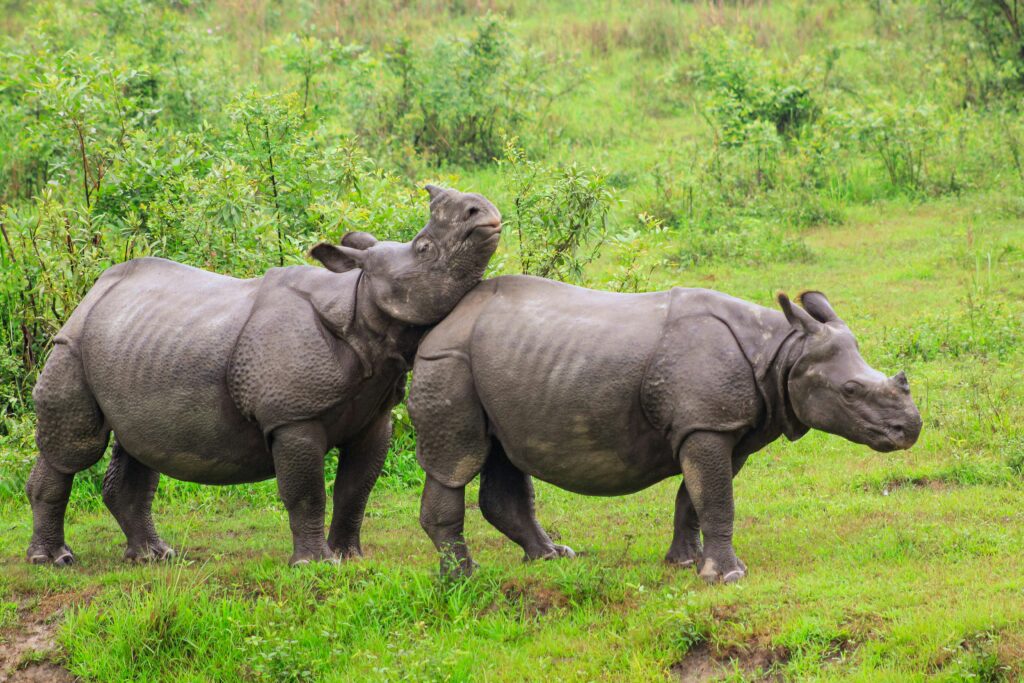
13. Kaziranga National Park, Assam
📍 Distance from Guwahati: Approximately 190 km
🚗 Travel Time: 4–5 hours by road
A UNESCO World Heritage Site, Kaziranga National Park is one of India’s most important wildlife photography destinations. Located in the floodplains of the Brahmaputra River, the park is famous for its population of the one-horned rhinoceros.
The park’s vast grasslands, wetlands, and forests create excellent photographic environments. Wildlife photographers can capture rhinos, elephants, wild buffaloes, swamp deer, tigers, and a wide variety of birds.
The golden grasslands during sunrise and mist-covered landscapes during winter provide stunning natural compositions.
📅 Best Time for Photography: November to April
📸 Photography Highlights:
- One-horned rhinoceros
- Elephant herds
- Wetland birds
- Grassland landscapes
- River ecosystems
- Sunrise photography
📌 Best Photography Locations:
- Central Range (Kohora)
- Western Range (Bagori)
- Eastern Range (Agaratoli)
- Brahmaputra floodplains
📌 Nearby Attractions:
- Majuli Island
- Orang National Park
- Tea gardens
- Kakochang Waterfalls
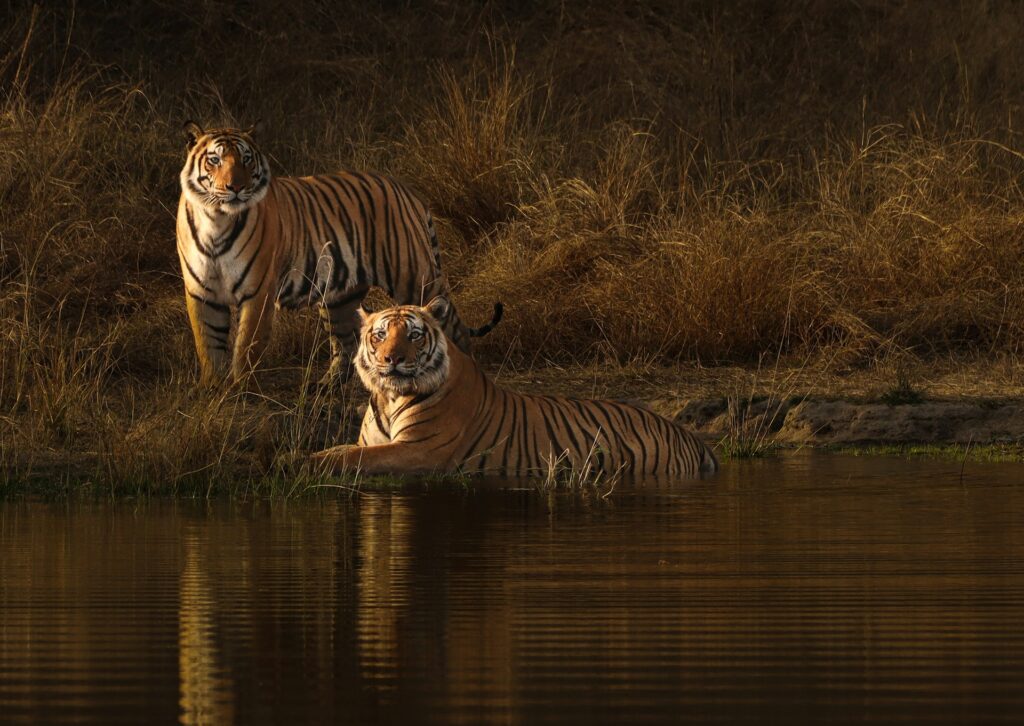
14. Bandhavgarh National Park, Madhya Pradesh
📍 Distance from Jabalpur: Approximately 200 km
🚗 Travel Time: 4–5 hours by road
Located in the Vindhya Hills, Bandhavgarh National Park is one of India’s best destinations for tiger photography. Known for having one of the highest tiger densities in India, the park offers excellent opportunities for capturing the majestic Bengal tiger.
The landscape combines dense forests, grasslands, hills, and the historic Bandhavgarh Fort, creating dramatic backdrops for wildlife photography.
Apart from tigers, photographers can capture leopards, sloth bears, deer, langurs, and numerous bird species.
📅 Best Time for Photography: October to June
📸 Photography Highlights:
- Bengal tigers
- Forest landscapes
- Historic fort views
- Birds and mammals
- Wildlife behaviour
📌 Best Photography Locations:
- Tala Zone
- Magadhi Zone
- Bandhavgarh Fort area
- Sita Mandap
- Chakradhara Meadow
📌 Nearby Attractions:
- Bandhavgarh Fort
- Tala Village
- Baghel Museum
- Jabalpur
15. Kanha National Park, Madhya Pradesh
📍 Distance from Jabalpur: Approximately 160 km
🚗 Travel Time: 4 hours by road
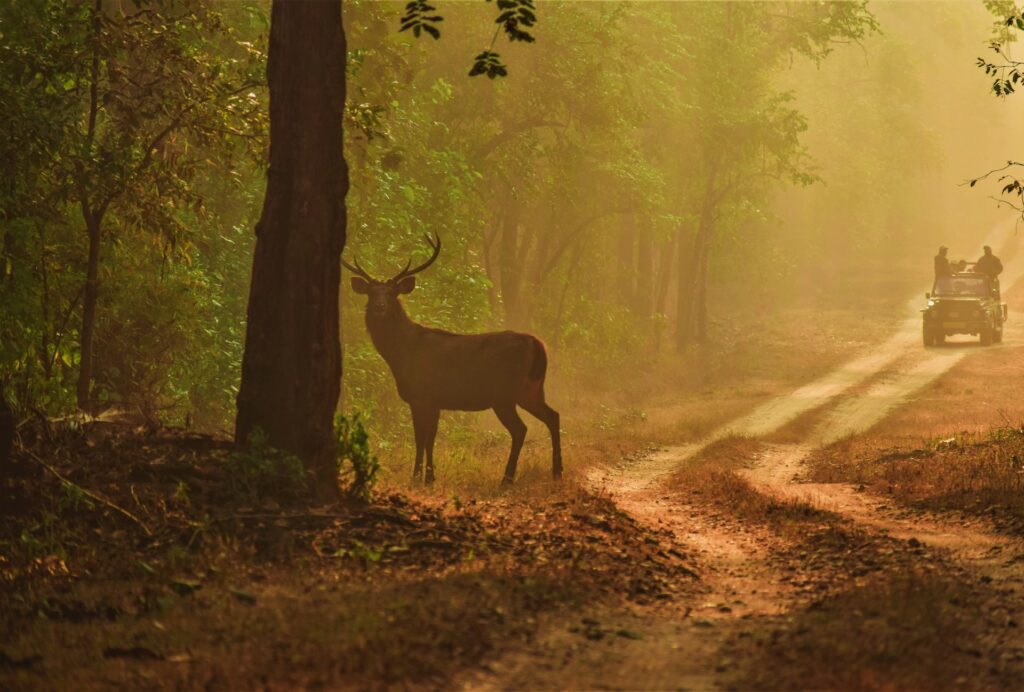
One of India’s most beautiful tiger reserves, Kanha National Park is famous for its scenic forests, open meadows, and successful conservation efforts. The park inspired Rudyard Kipling’s famous work The Jungle Book and remains one of India’s premier wildlife photography destinations.
Kanha offers photographers opportunities to capture tigers, leopards, barasingha (swamp deer), wild dogs, and diverse bird species. The park’s landscapes, including grasslands surrounded by sal forests, create stunning natural frames.
The rare hard-ground barasingha is one of Kanha’s special photography subjects.
📅 Best Time for Photography: October to June
📸 Photography Highlights:
- Bengal tigers
- Barasingha deer
- Forest landscapes
- Birdlife
- Wildlife interactions
- Misty mornings
📌 Best Photography Locations:
- Kanha Meadow
- Bamni Dadar
- Kisli Zone
- Mukki Zone
- Sarhi Zone
📌 Nearby Attractions:
- Kawardha Palace
- Mandla
- Bamni Dadar Sunset Point
- Amarkantak
16. Tadoba-Andhari Tiger Reserve, Maharashtra
📍 Distance from Nagpur: Approximately 140 km
🚗 Travel Time: 3–4 hours by road
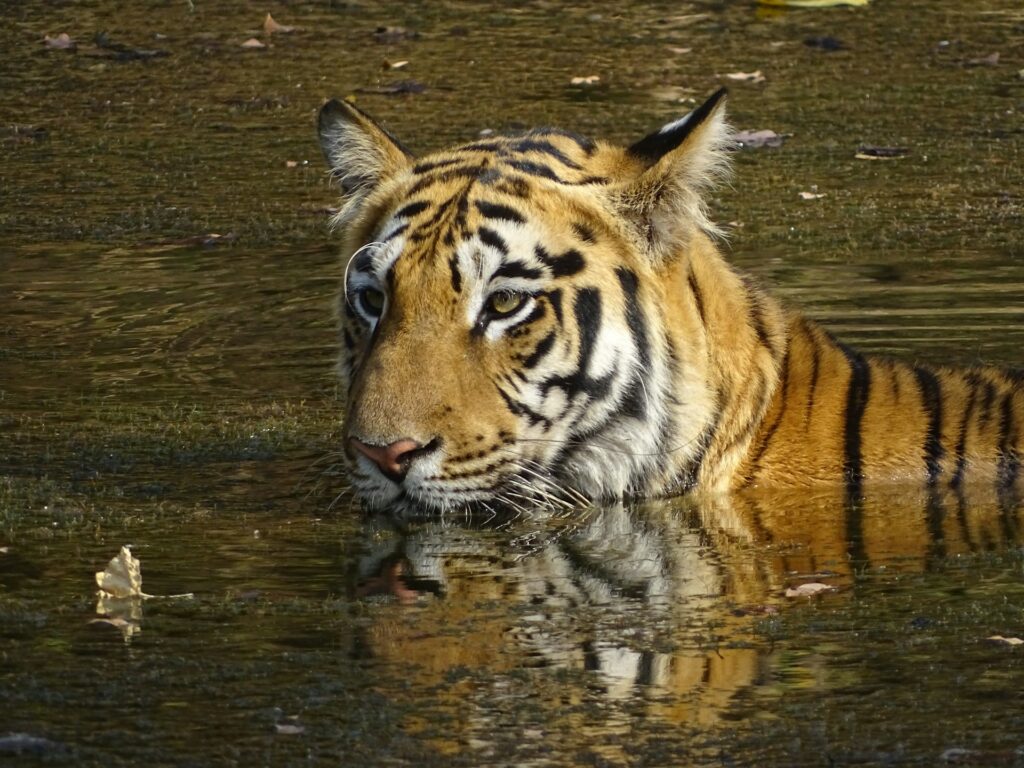
Located in Maharashtra’s Chandrapur district, Tadoba-Andhari Tiger Reserve is one of India’s emerging wildlife photography destinations. Often called the “Jewel of Vidarbha,” the reserve is known for its healthy tiger population, dense forests, bamboo landscapes, and scenic water bodies.
Unlike some of India’s older tiger reserves, Tadoba offers excellent wildlife sighting opportunities due to its open landscapes and active tiger habitats. Photographers can capture Bengal tigers, leopards, sloth bears, wild dogs, gaur, deer, and a variety of birds.
The combination of forest trails, lakes, and golden grasslands creates beautiful natural backgrounds for wildlife photography.
📅 Best Time for Photography: February to May
📸 Photography Highlights:
- Bengal tigers
- Leopard sightings
- Jungle landscapes
- Bird photography
- Waterhole photography
- Wildlife behaviour
📌 Best Photography Locations:
- Moharli Zone
- Tadoba Lake
- Pandharpauni Lake
- Navegaon Zone
- Khutwanda Gate
📌 Nearby Attractions:
- Erai Dam
- Chimur Hills
- Nagpur
- Pench National Park
17. Gir National Park, Gujarat
📍 Distance from Ahmedabad: Approximately 330 km
🚗 Travel Time: 7–8 hours by road
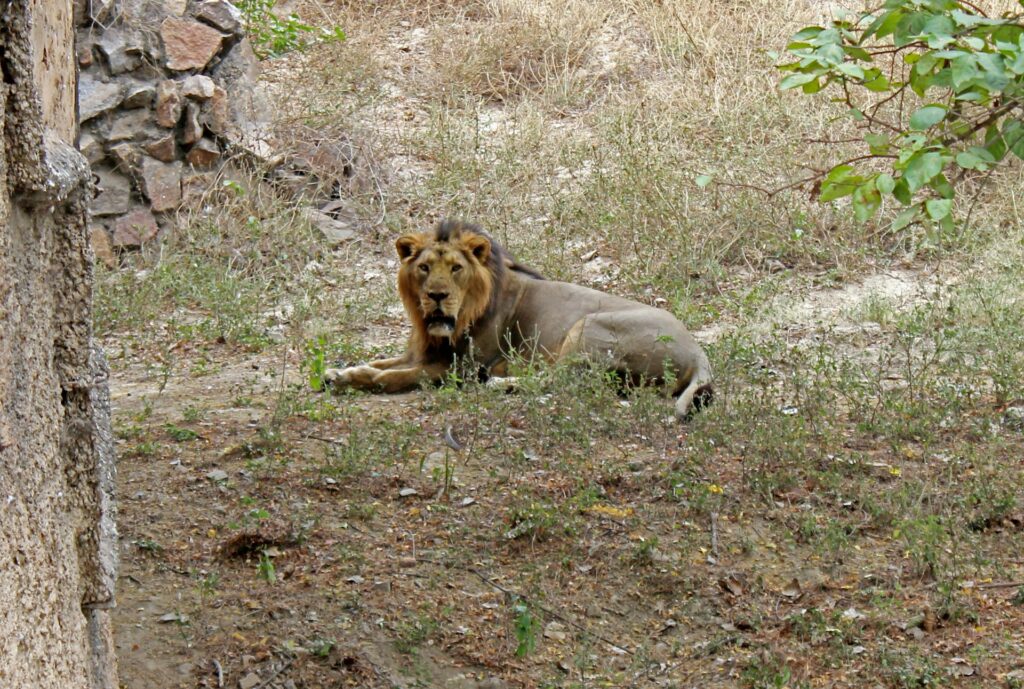
Home to the world’s last remaining population of Asiatic lions, Gir National Park is one of India’s most unique wildlife photography destinations. Located in the dry forests of Gujarat, Gir offers photographers a rare opportunity to capture lions in their natural habitat.
The park’s landscape of teak forests, rocky hills, grasslands, and rivers creates a distinct setting different from India’s tiger reserves. Apart from lions, photographers can capture leopards, deer, antelope, crocodiles, and many bird species.
The Maldhari tribal communities living around Gir also provide opportunities for cultural and lifestyle photography.
📅 Best Time for Photography: December to April
📸 Photography Highlights:
- Asiatic lions
- Dry forest landscapes
- Maldhari culture
- Birds and reptiles
- Wildlife portraits
- Sunset landscapes
📌 Best Photography Locations:
- Devalia Safari Park
- Sasan Gir Forest
- Kamleshwar Dam
- Hiran River area
📌 Nearby Attractions:
- Somnath Temple
- Junagadh
- Diu
- Girnar Hills
18. Periyar Wildlife Sanctuary, Kerala
📍 Distance from Kochi: Approximately 160 km
🚗 Travel Time: 4–5 hours by road
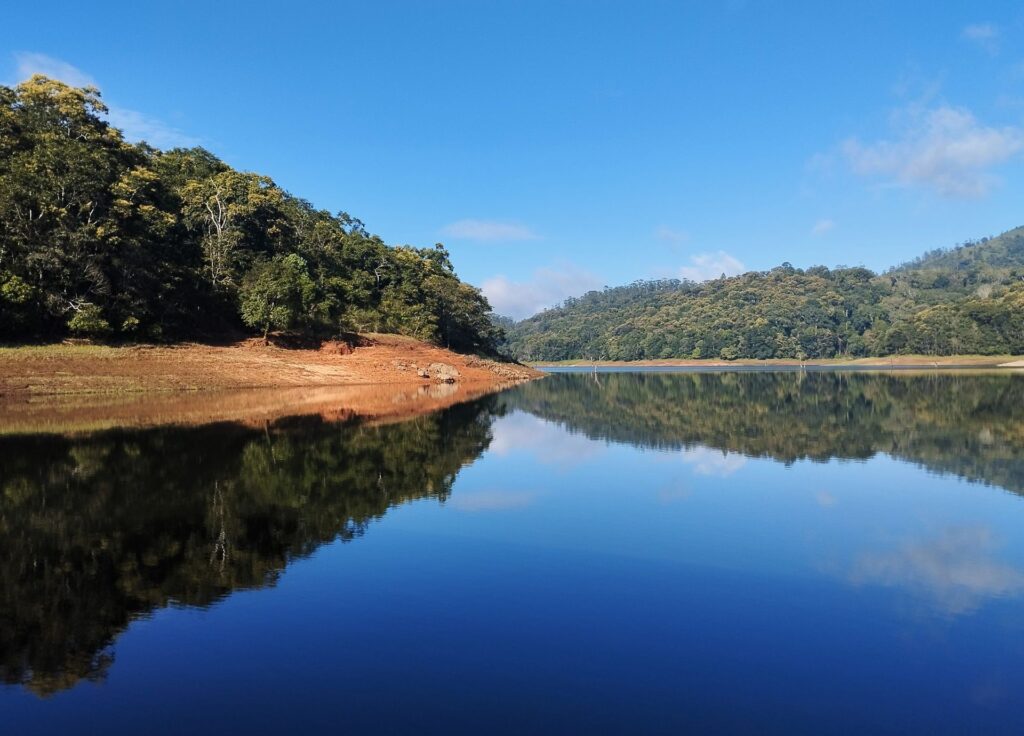
Located in the Western Ghats of Kerala, Periyar Wildlife Sanctuary is one of India’s most beautiful nature photography destinations. The reserve is famous for its evergreen forests, scenic lake, elephants, and rich biodiversity.
Unlike traditional jeep safaris, Periyar offers unique photography experiences through boat safaris on Periyar Lake, where visitors can capture elephants and other wildlife along the water’s edge.
The misty forests, lush landscapes, tribal communities, and diverse wildlife make Periyar a favourite destination for nature photographers.
📅 Best Time for Photography: October to June
📸 Photography Highlights:
- Asian elephants
- Forest landscapes
- Lake photography
- Birds
- Butterflies
- Rainforest ecosystem
📌 Best Photography Locations:
- Periyar Lake
- Thekkady Forest
- Bamboo groves
- Gavi region
- Border hiking trails
📌 Nearby Attractions:
- Thekkady
- Gavi
- Kumily
- Vagamon
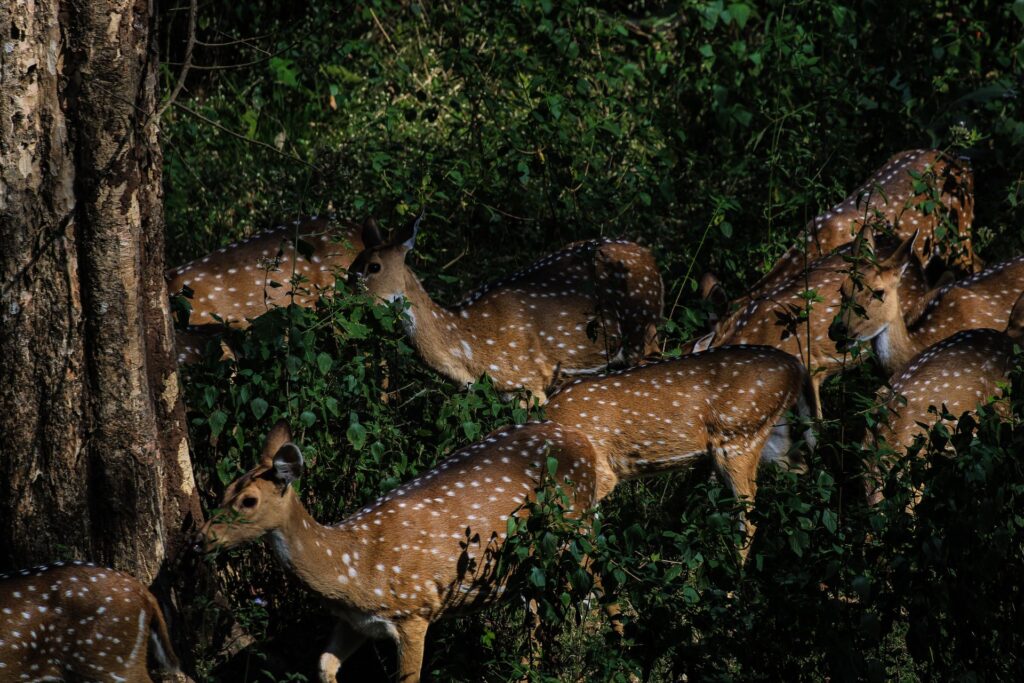
19. Nagarhole National Park, Karnataka
📍 Distance from Mysuru: Approximately 90 km
🚗 Travel Time: 2–3 hours by road
Part of the Nilgiri Biosphere Reserve, Nagarhole National Park is one of South India’s premier wildlife photography destinations. The park’s combination of tropical forests, rivers, grasslands, and wetlands supports a rich variety of wildlife.
Photographers can capture Bengal tigers, Asian elephants, leopards, wild dogs, gaur, deer, and colourful bird species. The Kabini River area is particularly famous for wildlife photography due to frequent elephant and tiger sightings.
The beautiful forest landscapes and dramatic wildlife interactions make Nagarhole a favourite among professional wildlife photographers.
📅 Best Time for Photography: October to May
📸 Photography Highlights:
- Tiger photography
- Elephant herds
- Kabini River landscapes
- Bird photography
- Forest scenes
- Wildlife action shots
📌 Best Photography Locations:
- Kabini Backwaters
- Antharasanthe Zone
- Nagarhole Forest Trails
- Taraka Dam Area
📌 Nearby Attractions:
- Mysuru Palace
- Kabini
- Bandipur National Park
- Wayanad
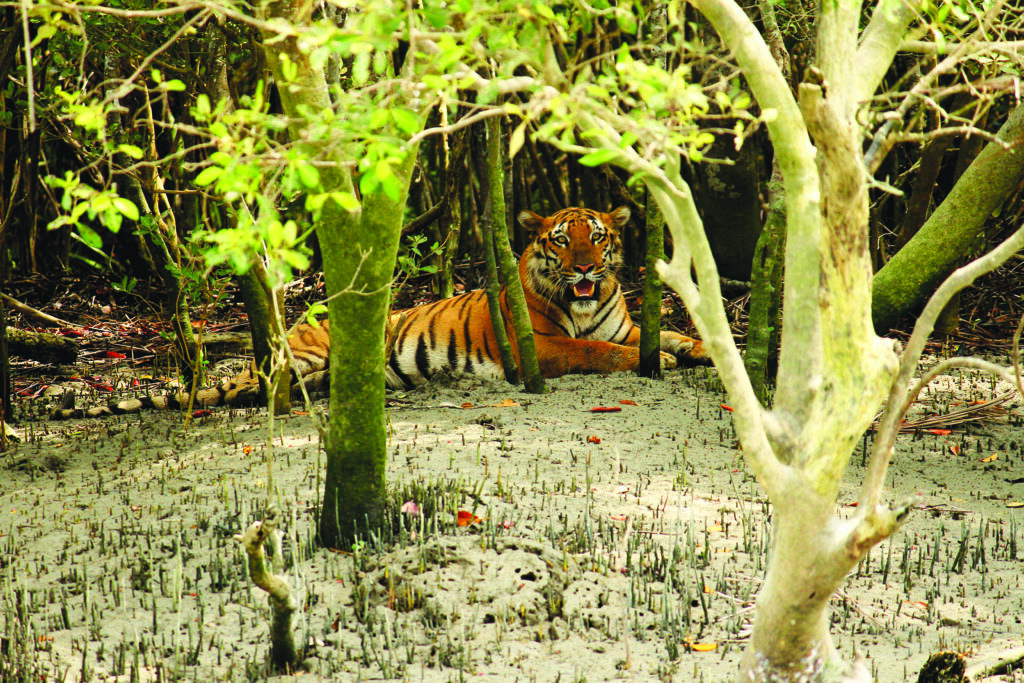
20. Sundarbans National Park, West Bengal
📍 Distance from Kolkata: Approximately 100 km
🚗 Travel Time: 3–4 hours by road and boat
A UNESCO World Heritage Site, Sundarbans National Park is one of the world’s most unique photography destinations. Located in the world’s largest mangrove ecosystem, it offers a rare combination of wildlife, waterways, and mysterious landscapes.
The park is famous for its elusive Royal Bengal Tigers, which inhabit the mangrove forests. Photographers can also capture saltwater crocodiles, spotted deer, mudskippers, kingfishers, and unique mangrove ecosystems.
Photography in Sundarbans is different from traditional safaris, as exploration happens mainly through boats navigating narrow channels and rivers.
📅 Best Time for Photography: November to February
📸 Photography Highlights:
- Mangrove landscapes
- Royal Bengal tiger habitat
- Boat journeys
- Birds and reptiles
- River reflections
- Local fishing communities
📌 Best Photography Locations:
- Sajnekhali Wildlife Sanctuary
- Sudhanyakhali Watchtower
- Dobanki Canopy Walk
- Pakhiralay Island
- Matla River
📌 Nearby Attractions:
- Gosaba Island
- Bakkhali
- Henry Island
- Kolkata
Heritage & Architecture Photography Destinations
India’s rich history has created some of the world’s most spectacular architectural wonders. From magnificent forts and royal palaces to ancient temples, stepwells, and historic cities, these destinations provide endless opportunities for architectural, cultural, street, and documentary photography.
Heritage photography tours in India allow photographers to capture centuries-old craftsmanship, royal traditions, religious architecture, and the relationship between people and historic spaces.
21. Jaipur, Rajasthan
📍 Distance from Delhi: Approximately 280 km
🚗 Travel Time: 5–6 hours by road
Known as the “Pink City of India,” Jaipur is one of India’s finest destinations for heritage and architectural photography. The city’s magnificent forts, palaces, colourful markets, and traditional neighbourhoods offer endless opportunities for photographers.
The blend of Rajput and Mughal architecture, intricate carvings, massive gateways, and vibrant cultural life makes Jaipur a visual paradise. Photographers can capture royal architecture, local artisans, festivals, traditional clothing, and bustling street scenes.
Iconic locations like Amber Fort, Hawa Mahal, City Palace, and Jantar Mantar provide excellent subjects for architectural photography.
📅 Best Time for Photography: October to March
📸 Photography Highlights:
- Royal palaces
- Fort architecture
- Traditional markets
- Rajasthani culture
- Street photography
- Sunrise and sunset shots
📌 Best Photography Locations:
- Amber Fort
- Hawa Mahal
- City Palace
- Nahargarh Fort
- Patrika Gate
- Jantar Mantar
📌 Nearby Attractions:
- Jaigarh Fort
- Galtaji Temple
- Sambhar Lake
- Abhaneri Stepwell

22. Udaipur, Rajasthan
📍 Distance from Ahmedabad: Approximately 260 km
🚗 Travel Time: 5 hours by road
Often called the “City of Lakes,” Udaipur is one of India’s most romantic and photogenic heritage destinations. Surrounded by the Aravalli Hills, the city is famous for grand palaces, serene lakes, colourful streets, and traditional Rajasthani culture.
The white marble architecture of City Palace, reflections on Lake Pichola, and views of historic havelis create stunning compositions for photographers.
Udaipur is especially popular for palace photography, wedding photography, drone photography, and cultural storytelling.
📅 Best Time for Photography: October to March
📸 Photography Highlights:
- Palace architecture
- Lake reflections
- Heritage hotels
- Local markets
- Traditional boats
- Sunset photography
📌 Best Photography Locations:
- City Palace
- Lake Pichola
- Jag Mandir
- Sajjangarh Palace (Monsoon Palace)
- Gangaur Ghat
📌 Nearby Attractions:
- Eklingji Temple
- Kumbhalgarh Fort
- Ranakpur Jain Temple
- Haldighati

23. Jodhpur, Rajasthan
📍 Distance from Jaipur: Approximately 330 km
🚗 Travel Time: 6–7 hours by road
Known as the “Blue City,” Jodhpur is one of India’s most visually striking heritage destinations. The city is famous for its blue-painted houses, massive forts, traditional markets, and desert culture.
The towering Mehrangarh Fort, standing above the city, is one of India’s finest examples of Rajput architecture and provides spectacular photography opportunities.
Photographers can explore narrow blue lanes, local bazaars, traditional homes, and royal monuments to capture the essence of Rajasthan.
📅 Best Time for Photography: October to March
📸 Photography Highlights:
- Blue city streets
- Fort architecture
- Desert landscapes
- Local portraits
- Traditional markets
- Cultural festivals
📌 Best Photography Locations:
- Mehrangarh Fort
- Jaswant Thada
- Clock Tower Market
- Toorji Ka Jhalra
- Rao Jodha Desert Rock Park
📌 Nearby Attractions:
- Umaid Bhawan Palace
- Mandore Gardens
- Osian Temples
- Bishnoi Villages
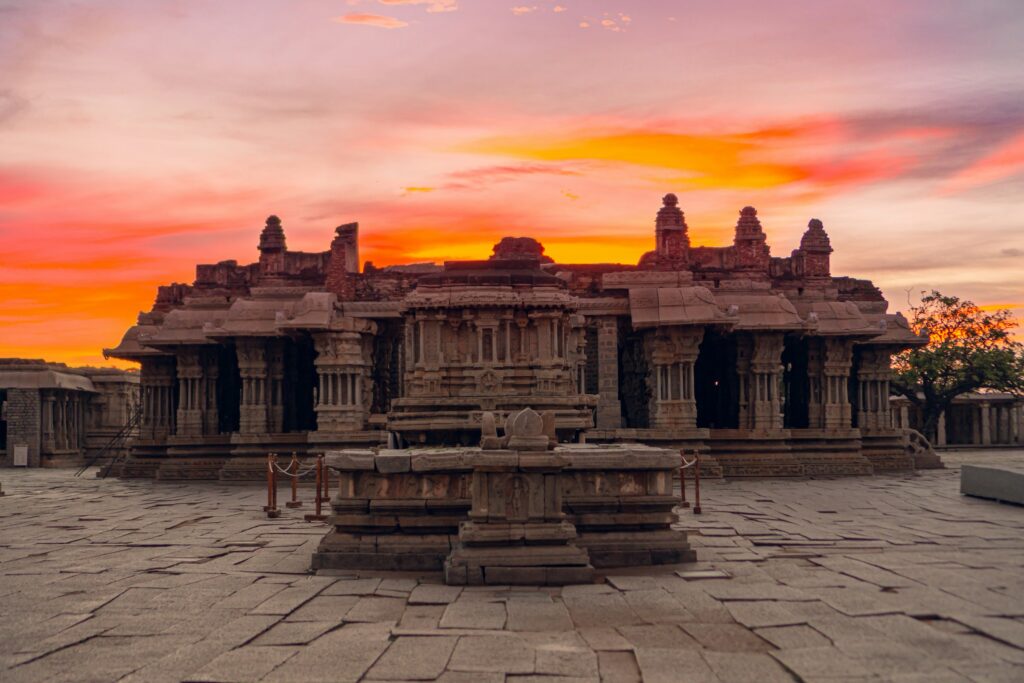
24. Hampi, Karnataka
📍 Distance from Bengaluru: Approximately 340 km
🚗 Travel Time: 6–7 hours by road
A UNESCO World Heritage Site, Hampi is one of India’s most extraordinary destinations for architectural and landscape photography. The ruins of the ancient Vijayanagara Empire are spread across a dramatic landscape of giant boulders, rivers, temples, and hills.
Hampi offers a rare combination of history and nature photography. The ancient stone temples, intricate carvings, and sunrise views over rocky landscapes create unforgettable images.
Photographers can capture temple architecture, village life, traditional rituals, and panoramic landscapes.
📅 Best Time for Photography: October to February
📸 Photography Highlights:
- Ancient ruins
- Temple architecture
- Rock landscapes
- River views
- Cultural events
- Sunrise and sunset photography
📌 Best Photography Locations:
- Virupaksha Temple
- Vittala Temple
- Hemakuta Hill
- Achyutaraya Temple
- Matanga Hill
📌 Nearby Attractions:
- Anegundi
- Tungabhadra Dam
- Badami
- Pattadakal
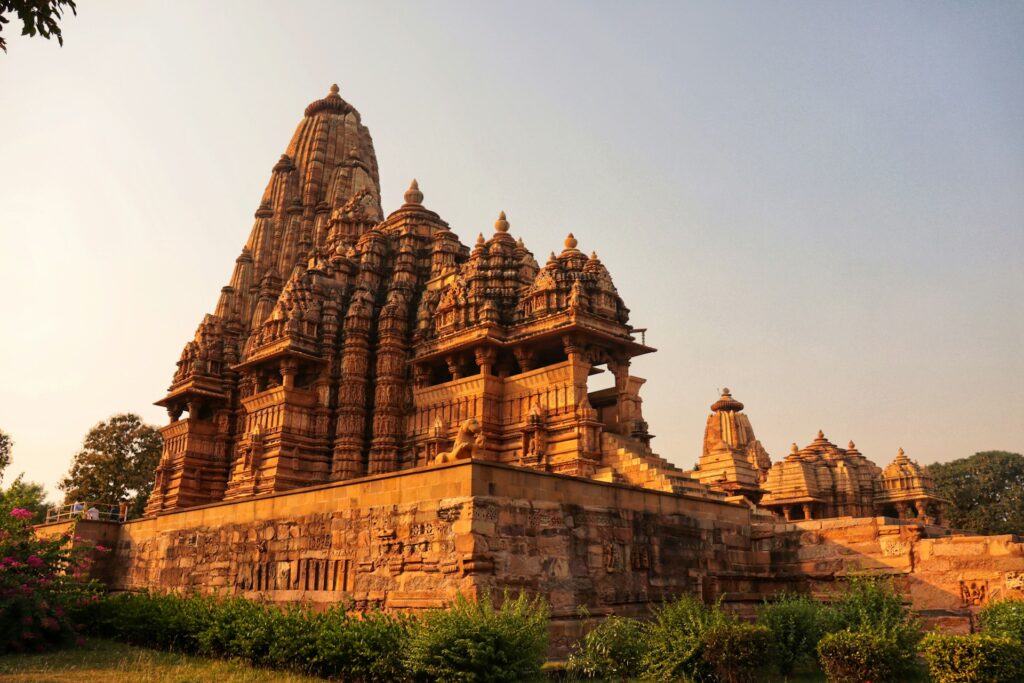
25. Khajuraho, Madhya Pradesh
📍 Distance from Delhi: Approximately 600 km
✈️ Travel Time: 1.5 hours by flight from Delhi
A UNESCO World Heritage Site, Khajuraho is famous worldwide for its magnificent group of temples decorated with detailed stone carvings. Built during the Chandela dynasty, these temples represent some of the finest examples of medieval Indian architecture.
For photographers, Khajuraho offers incredible opportunities to capture intricate sculptures, architectural details, temple symmetry, and historical storytelling.
The golden light during sunrise and sunset enhances the beauty of the sandstone temples, making it a favourite destination for heritage photographers.
📅 Best Time for Photography: October to March
📸 Photography Highlights:
- Temple architecture
- Stone carvings
- Sculptural details
- Heritage landscapes
- Cultural performances
- Light and shadow photography
📌 Best Photography Locations:
- Kandariya Mahadev Temple
- Lakshmana Temple
- Vishwanath Temple
- Eastern Group of Temples
- Western Group of Temples
📌 Nearby Attractions:
- Panna National Park
- Raneh Falls
- Orchha
- Ken Gharial Sanctuary
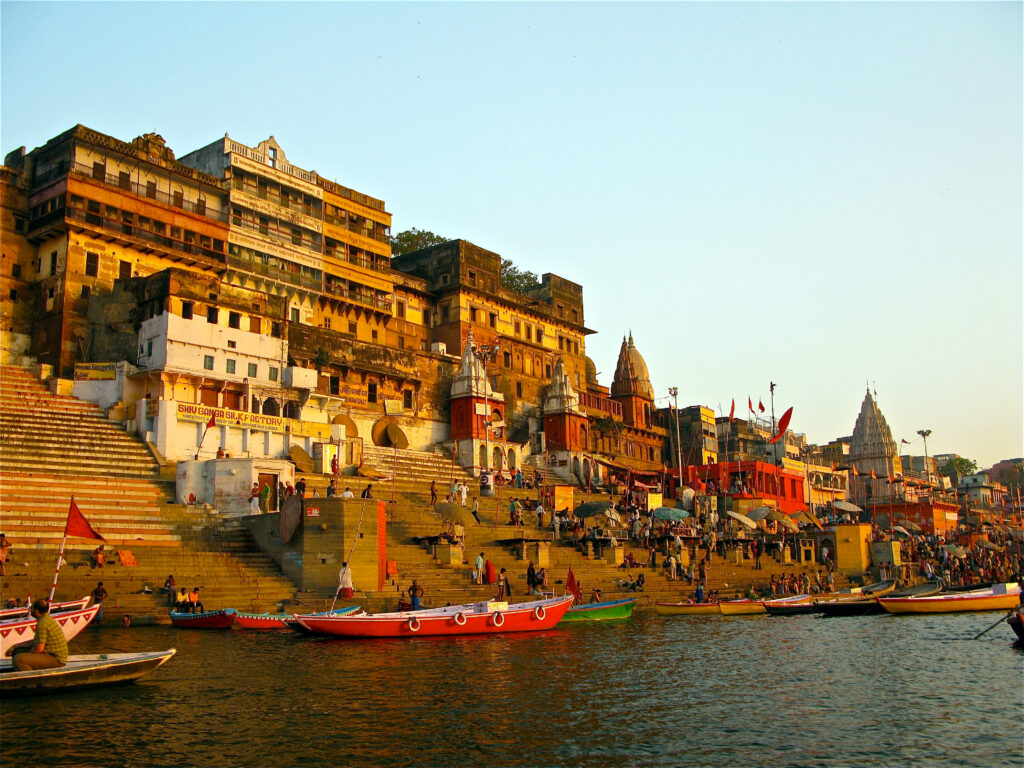
26. Varanasi, Uttar Pradesh
📍 Distance from Lucknow: Approximately 320 km
🚗 Travel Time: 5–6 hours by road
One of the world’s oldest continuously inhabited cities, Varanasi is a dream destination for cultural, street, and documentary photographers. Situated on the banks of the sacred Ganges River, the city offers a unique visual experience filled with ancient temples, ghats, rituals, narrow lanes, and everyday life.
The early morning hours at the ghats provide some of India’s most iconic photography opportunities. The golden light reflecting on the river, boats carrying pilgrims, priests performing rituals, and centuries-old architecture create powerful storytelling images.
Varanasi is especially popular among photographers interested in human emotions, spirituality, traditional lifestyles, and urban heritage.
📅 Best Time for Photography: October to March
📸 Photography Highlights:
- Sunrise over the Ganges
- Boat photography
- River rituals
- Temple architecture
- Narrow old city lanes
- Street portraits
📌 Best Photography Locations:
- Dashashwamedh Ghat
- Assi Ghat
- Manikarnika Ghat
- Kashi Vishwanath Temple area
- Ramnagar Fort
📌 Nearby Attractions:
- Sarnath
- Chunar Fort
- Vindhyachal
- Buddhist temples
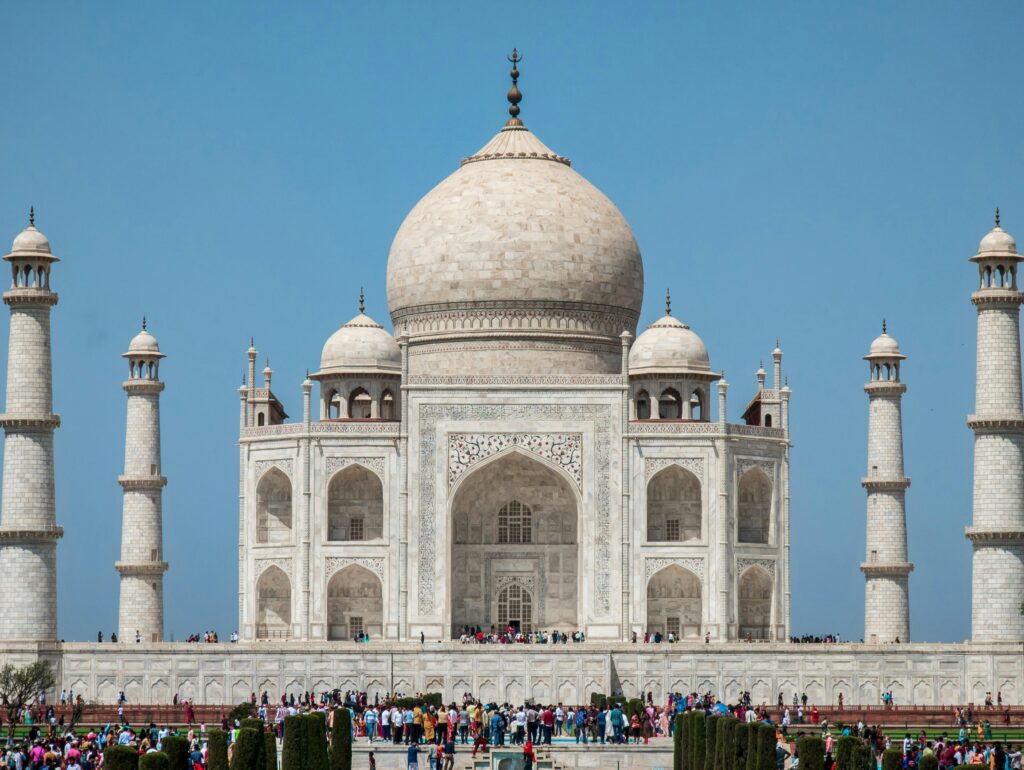
27. Agra, Uttar Pradesh
📍 Distance from Delhi: Approximately 230 km
🚗 Travel Time: 3–4 hours by road
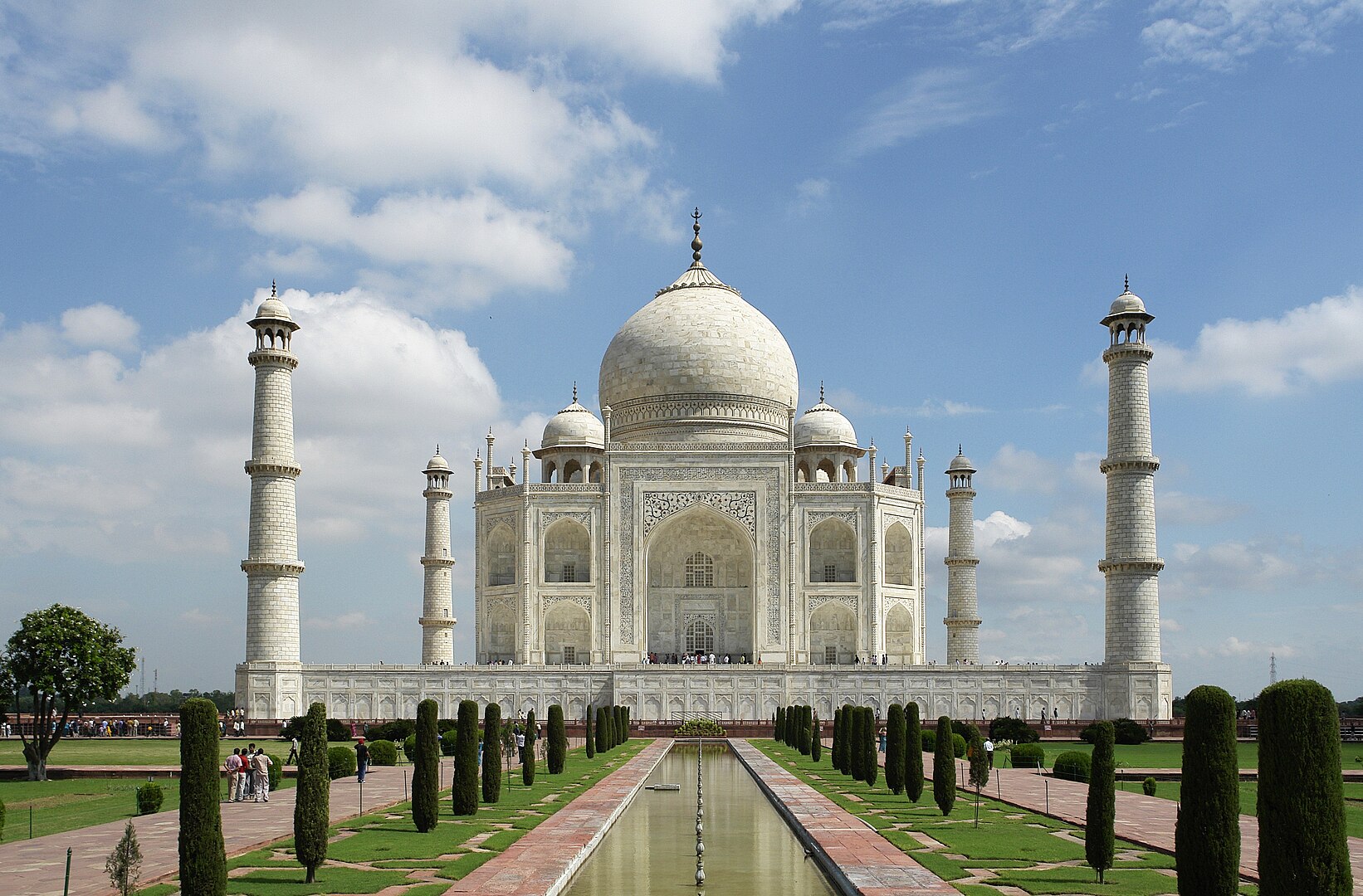
Home to the iconic Taj Mahal, Agra is one of India’s most famous heritage photography destinations. The city represents the grandeur of the Mughal era through magnificent monuments, marble architecture, gardens, and historic landscapes.
The Taj Mahal remains a favourite subject for photographers because of its changing appearance throughout the day. Sunrise, sunset, and full moon photography create different moods of this world-famous monument.
Beyond the Taj Mahal, photographers can explore Mughal forts, old markets, craftsmen, and local culture.
📅 Best Time for Photography: October to March
📸 Photography Highlights:
- Mughal architecture
- Marble details
- Monument symmetry
- Heritage landscapes
- Local markets
- Traditional crafts
📌 Best Photography Locations:
- Taj Mahal
- Agra Fort
- Mehtab Bagh
- Itmad-ud-Daulah Tomb
- Kinari Bazaar
📌 Nearby Attractions:
- Fatehpur Sikri
- Bharatpur Bird Sanctuary
- Mathura
- Vrindavan
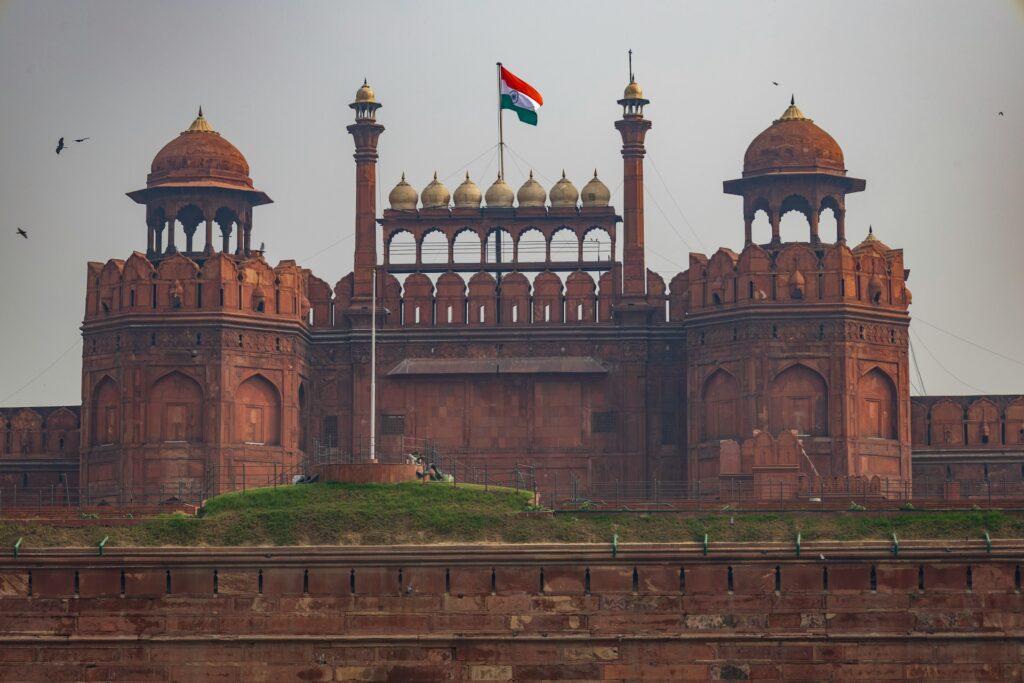
28. Delhi Heritage Sites
📍 Location: Delhi, India
India’s capital city is one of the richest destinations for heritage photography, offering a combination of ancient monuments, Mughal architecture, colonial buildings, colourful markets, and diverse street life.
Delhi’s historical layers include the Delhi Sultanate, Mughal Empire, British colonial period, and modern India. This diversity makes it ideal for architectural, street, and documentary photography.
Photographers can capture massive forts, ancient tombs, bustling bazaars, religious sites, and everyday urban life.
📅 Best Time for Photography: October to March
📸 Photography Highlights:
- Mughal architecture
- Colonial buildings
- Street photography
- Old markets
- Religious architecture
- Urban landscapes
📌 Best Photography Locations:
- Red Fort
- Humayun’s Tomb
- Qutub Minar
- Jama Masjid
- Lodhi Garden
- Chandni Chowk
📌 Nearby Attractions:
- India Gate
- Agrasen Ki Baoli
- Purana Qila
- Hauz Khas Village
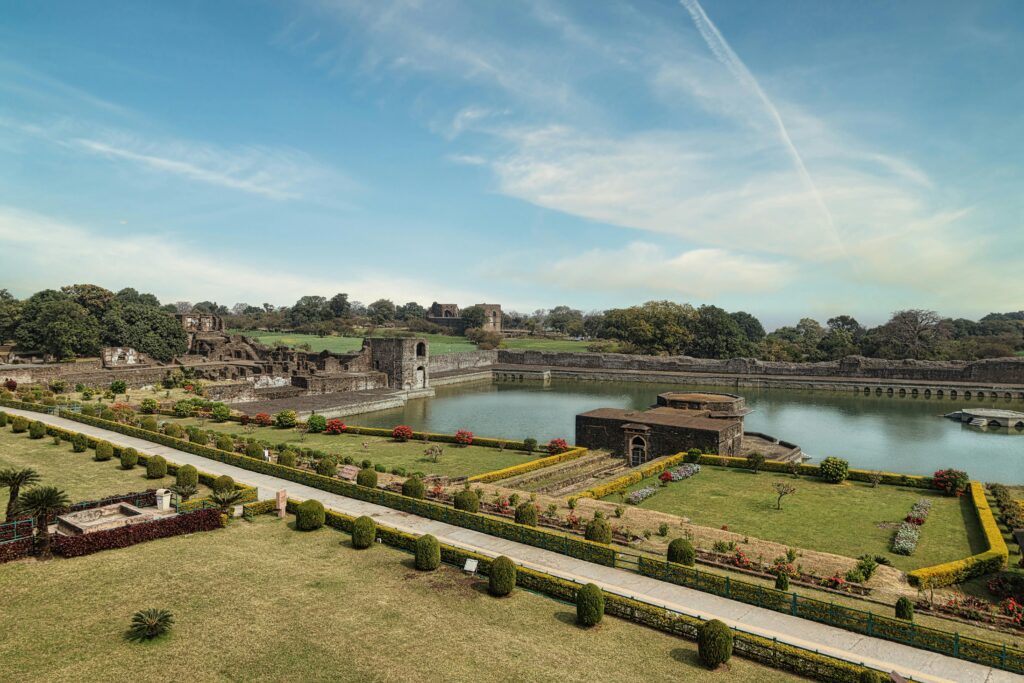
29. Mandu, Madhya Pradesh
📍 Distance from Indore: Approximately 95 km
🚗 Travel Time: 2–3 hours by road
Located in the Vindhya Hills, Mandu is an ancient heritage town known for magnificent Afghan-style architecture, romantic legends, and scenic landscapes. Its historic monuments surrounded by greenery make it one of India’s most underrated photography destinations.
The combination of grand gateways, palaces, mosques, lakes, and ruins creates a perfect environment for architectural photography.
During monsoon, Mandu becomes especially beautiful as the surrounding landscape turns lush green, adding dramatic backgrounds to historic structures.
📅 Best Time for Photography: October to February
📸 Photography Highlights:
- Medieval architecture
- Ancient ruins
- Palace interiors
- Monsoon landscapes
- Stone carvings
- Heritage storytelling
📌 Best Photography Locations:
- Jahaz Mahal
- Hindola Mahal
- Rani Roopmati Pavilion
- Baz Bahadur Palace
- Jami Masjid
📌 Nearby Attractions:
- Indore
- Maheshwar
- Omkareshwar
- Dhar

30. Orchha, Madhya Pradesh
📍 Distance from Jhansi: Approximately 18 km
🚗 Travel Time: 30 minutes by road
Situated on the banks of the Betwa River, Orchha is a historic town famous for magnificent palaces, temples, cenotaphs, and medieval architecture. It is one of India’s best destinations for photographers seeking heritage sites without large crowds.
The town’s combination of Bundela architecture, riverside landscapes, and traditional village life offers diverse photography opportunities.
The Orchha Fort Complex, Chaturbhuj Temple, and riverside cenotaphs create stunning compositions, especially during sunrise and sunset.
📅 Best Time for Photography: October to March
📸 Photography Highlights:
- Palace architecture
- Riverside monuments
- Temple photography
- Village life
- Sunset landscapes
- Cultural portraits
📌 Best Photography Locations:
- Orchha Fort Complex
- Jahangir Mahal
- Raja Mahal
- Chhatris (Cenotaphs)
- Betwa River
📌 Nearby Attractions:
- Jhansi Fort
- Khajuraho
- Datia Palace
- Panna National Park
Street & Cultural Photography Destinations
India’s streets tell countless stories through colours, traditions, festivals, food, architecture, and everyday life. Street and cultural photography in India offers photographers an opportunity to capture human emotions, local communities, traditional occupations, religious celebrations, and the unique character of each city.
These destinations are perfect for photographers interested in documentary photography, portrait photography, food photography, and capturing authentic Indian lifestyles.

31. Mumbai, Maharashtra
📍 Location: Maharashtra, Western India
🚗 Travel Connectivity: Well connected by air, rail, and road
Known as the “City of Dreams,” Mumbai is one of India’s most dynamic destinations for street and cultural photography. The city offers a fascinating contrast between colonial architecture, modern skyscrapers, historic neighbourhoods, fishing villages, Bollywood culture, and vibrant street life.
Mumbai’s fast-paced lifestyle creates endless photography opportunities. From the early morning activities at Dadar Flower Market to fishermen at Sassoon Dock, traditional communities, and busy local trains, every corner tells a story.
The city’s heritage areas, especially around Colaba, Fort, and South Mumbai, provide excellent opportunities to capture colonial architecture blended with modern urban life.
📅 Best Time for Photography: October to March
📸 Photography Highlights:
- Street markets
- Local trains
- Colonial architecture
- Fishing communities
- Bollywood culture
- Food streets
📌 Best Photography Locations:
- Gateway of India
- Colaba Causeway
- Sassoon Dock
- Crawford Market
- Dadar Flower Market
- Marine Drive
📌 Nearby Attractions:
- Elephanta Caves
- Kala Ghoda Art District
- Bandra Heritage Area
- Sanjay Gandhi National Park
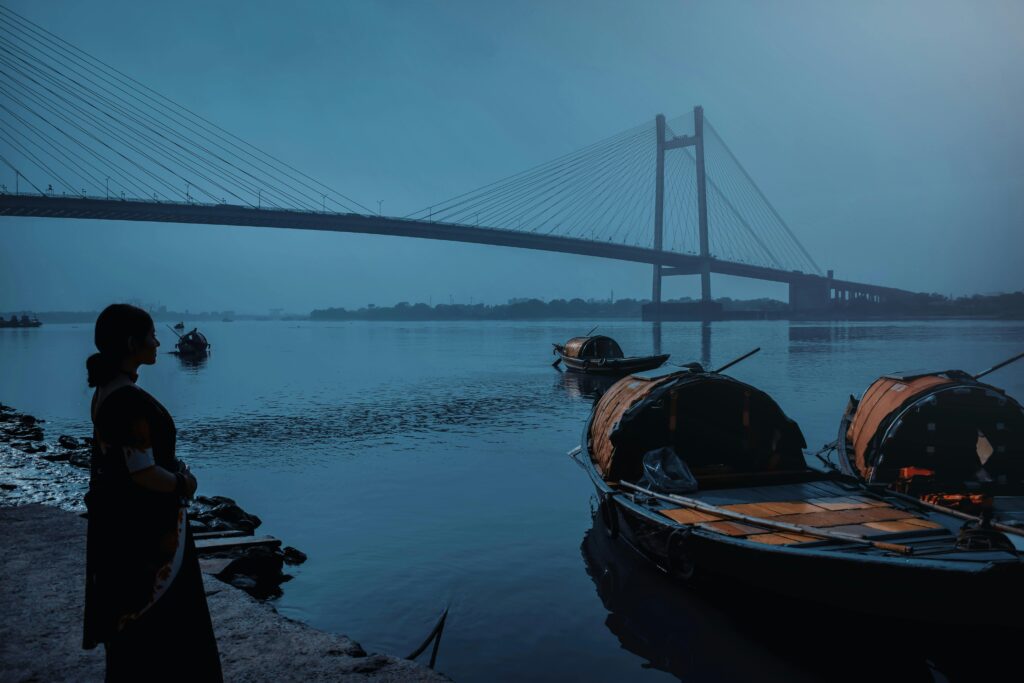
32. Kolkata, West Bengal
📍 Location: West Bengal, Eastern India
🚗 Travel Connectivity: International airport and major railway connections
Known as the “Cultural Capital of India,” Kolkata is a paradise for photographers interested in heritage, literature, festivals, and human stories. The city’s colonial buildings, traditional neighbourhoods, artistic culture, and intellectual atmosphere create a unique visual identity.
Kolkata is especially famous for Durga Puja photography, when the entire city transforms into a celebration of art, lights, sculptures, and community gatherings.
Photographers can explore old markets, tram routes, historic streets, and riverside areas to capture the essence of Bengali culture.
📅 Best Time for Photography: October to February
📸 Photography Highlights:
- Durga Puja celebrations
- Colonial architecture
- Street life
- Tram photography
- Traditional crafts
- River landscapes
📌 Best Photography Locations:
- Kumartuli
- Howrah Bridge
- College Street
- Park Street
- Victoria Memorial
- Prinsep Ghat
📌 Nearby Attractions:
- Belur Math
- Dakshineswar Temple
- Indian Museum
- Sundarbans
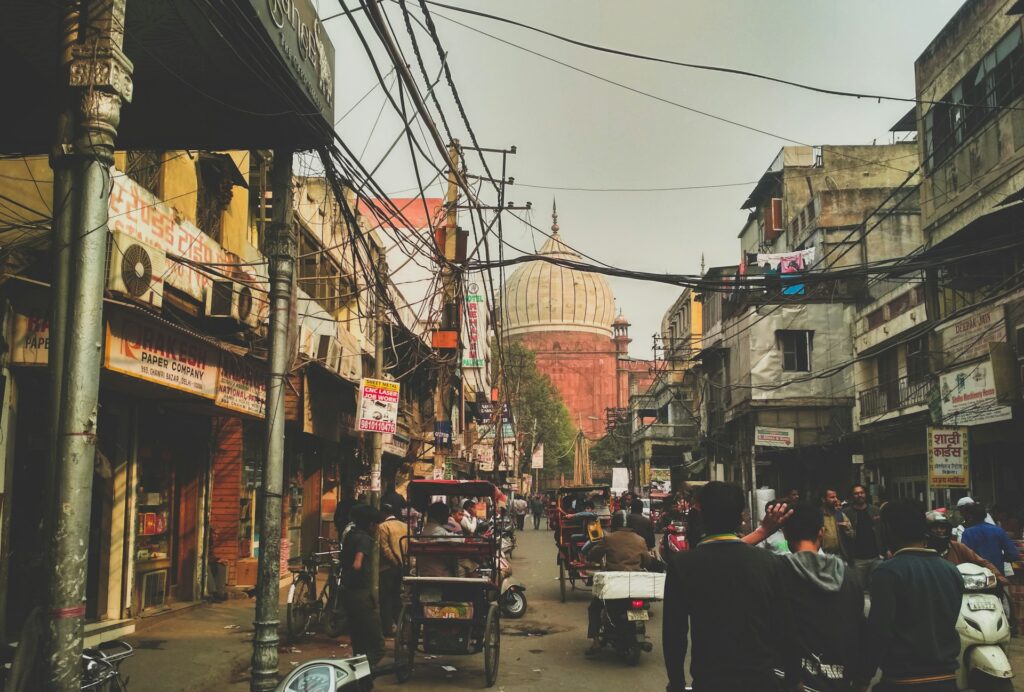
33. Old Delhi, Delhi
📍 Location: Delhi, Northern India
🚇 Connectivity: Metro, buses, and local transport
Old Delhi is one of India’s richest destinations for street photography. Established during the Mughal era, the area combines historic architecture, crowded bazaars, religious landmarks, traditional food streets, and diverse communities.
The narrow lanes of Chandni Chowk offer endless photographic stories, from spice traders and craftsmen to street food vendors and historic buildings.
Photographers can capture the rhythm of everyday life around Jama Masjid, Red Fort, and old markets, where centuries-old traditions continue alongside modern urban life.
📅 Best Time for Photography: October to March
📸 Photography Highlights:
- Street portraits
- Food photography
- Markets
- Religious life
- Heritage streets
- Traditional occupations
📌 Best Photography Locations:
- Chandni Chowk
- Jama Masjid
- Khari Baoli Spice Market
- Red Fort area
- Paranthe Wali Gali
- Fatehpuri Market
📌 Nearby Attractions:
- Raj Ghat
- Gurudwara Sis Ganj Sahib
- Humayun’s Tomb
- India Gate
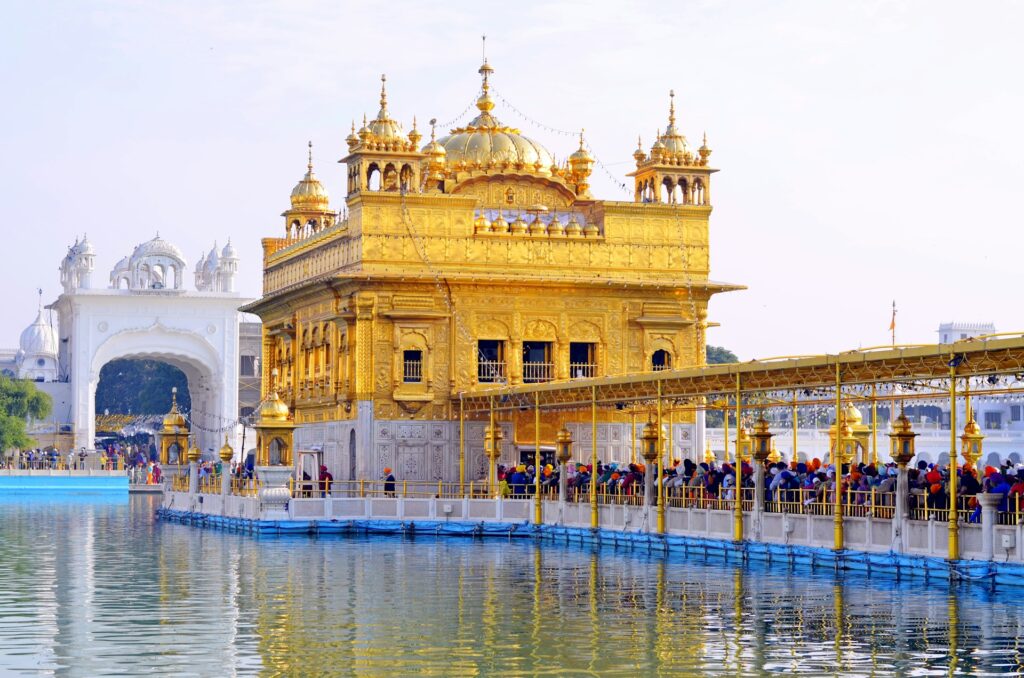
34. Amritsar, Punjab
📍 Distance from Chandigarh: Approximately 230 km
🚗 Travel Time: 4–5 hours by road
Amritsar is one of India’s most visually and culturally rich destinations, offering photographers opportunities to capture Sikh heritage, spirituality, food culture, and Punjabi traditions.
The magnificent Golden Temple is the city’s most iconic photography location. Its golden reflection in the holy pool, especially during sunrise and evening prayers, creates unforgettable images.
Beyond the temple, photographers can explore colourful markets, traditional Punjabi food streets, rural life, and the emotional atmosphere at the Wagah-Attari Border Ceremony.
📅 Best Time for Photography: October to March
📸 Photography Highlights:
- Golden Temple reflections
- Sikh traditions
- Food photography
- Punjabi culture
- Markets
- Religious ceremonies
📌 Best Photography Locations:
- Golden Temple
- Jallianwala Bagh
- Hall Bazaar
- Partition Museum
- Wagah Border
📌 Nearby Attractions:
- Gobindgarh Fort
- Durgiana Temple
- Tarn Taran Sahib
- Harike Wetland
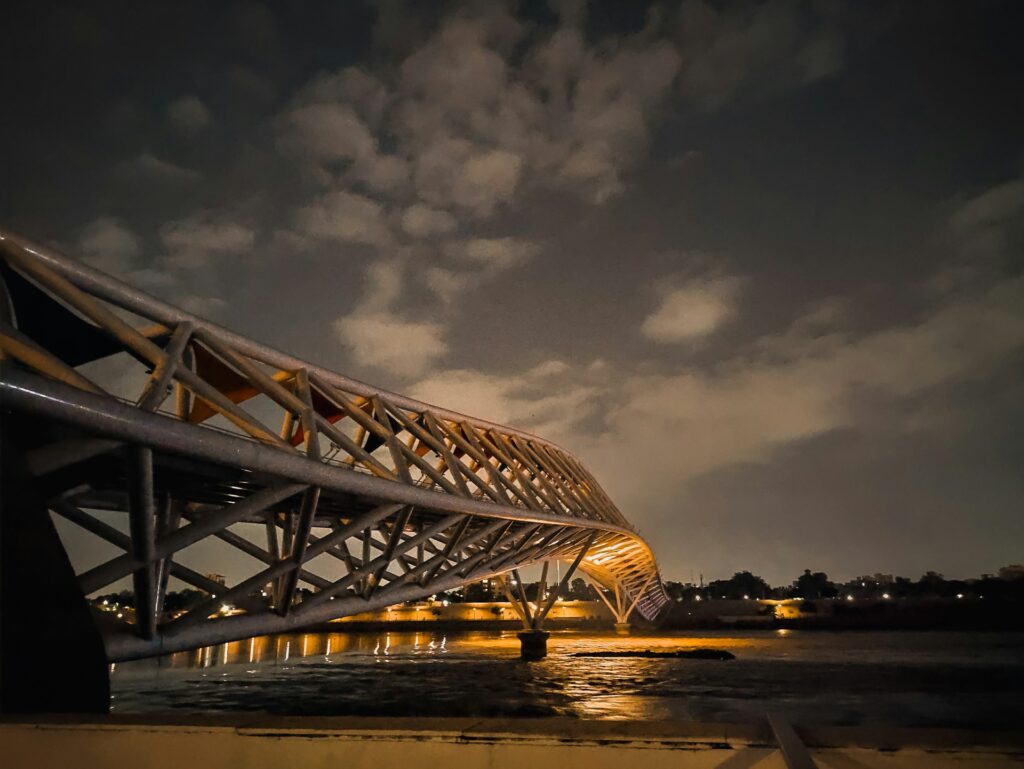
35. Ahmedabad, Gujarat
📍 Location: Gujarat, Western India
🚗 Travel Connectivity: Well connected by air, rail, and road
A UNESCO World Heritage City, Ahmedabad offers excellent opportunities for architectural, cultural, and street photography. The city’s heritage pols (traditional neighbourhoods), stepwells, markets, and festivals showcase Gujarat’s unique traditions.
The old city is filled with beautifully carved wooden houses, narrow lanes, temples, mosques, and vibrant bazaars. Photographers can capture traditional Gujarati lifestyles, textile craftsmanship, and colourful festivals.
Ahmedabad is particularly attractive during Navratri, when streets come alive with traditional dances, costumes, and celebrations.
📅 Best Time for Photography: October to March
📸 Photography Highlights:
- Heritage architecture
- Traditional houses
- Textile markets
- Street food
- Festivals
- Local communities
📌 Best Photography Locations:
- Old Ahmedabad Pols
- Adalaj Stepwell
- Sidi Saiyyed Mosque
- Manek Chowk
- Sabarmati Ashram
📌 Nearby Attractions:
- Modhera Sun Temple
- Rani Ki Vav
- Gandhinagar
- Lothal
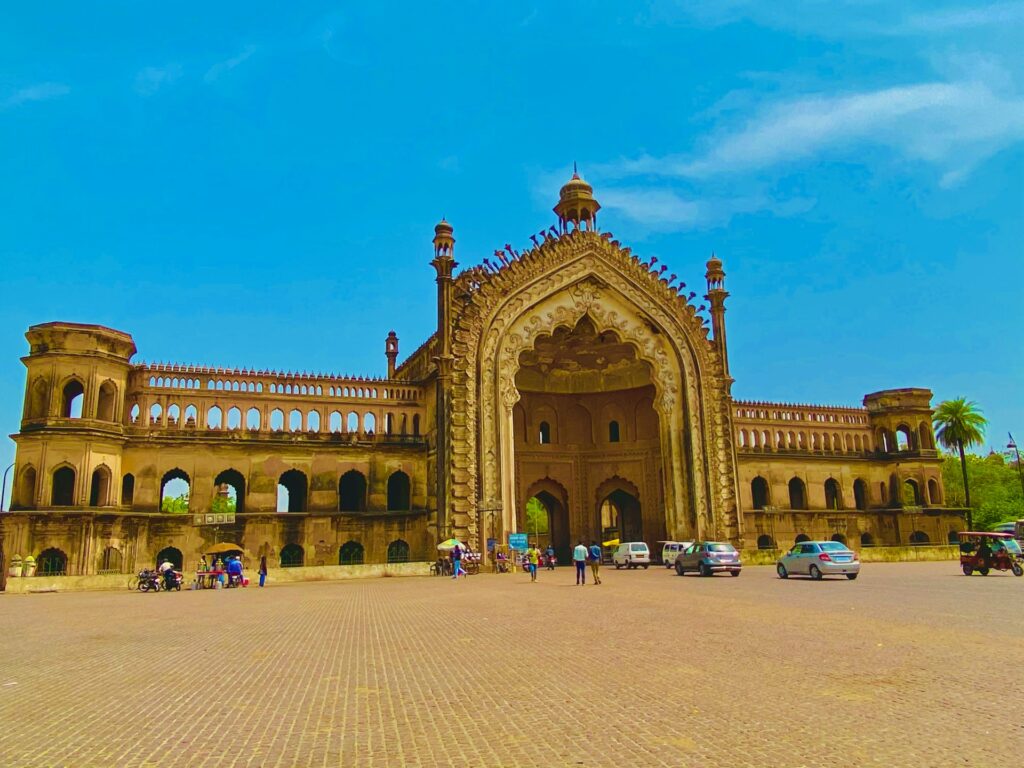
36. Lucknow, Uttar Pradesh
📍 Location: Uttar Pradesh, Northern India
🚗 Distance from Delhi: Approximately 500 km
Known as the “City of Nawabs,” Lucknow is one of India’s finest destinations for cultural and heritage photography. The city is famous for its royal architecture, traditional cuisine, Chikankari embroidery, classical arts, and elegant lifestyle.
Lucknow’s old neighbourhoods provide excellent opportunities for photographers to capture the essence of Awadhi culture. The narrow streets, historic monuments, traditional artisans, and famous food markets create rich visual stories.
The city’s architecture reflects a unique blend of Mughal and Awadhi influences, making it attractive for architectural and documentary photographers.
📅 Best Time for Photography: October to March
📸 Photography Highlights:
- Nawabi architecture
- Traditional crafts
- Street food culture
- Old city markets
- Festivals
- Local portraits
📌 Best Photography Locations:
- Bara Imambara
- Rumi Darwaza
- Chowk Market
- British Residency
- Hazratganj
- Chota Imambara
📌 Nearby Attractions:
- Dilkusha Palace
- Janeshwar Mishra Park
- Kakori
- Ayodhya
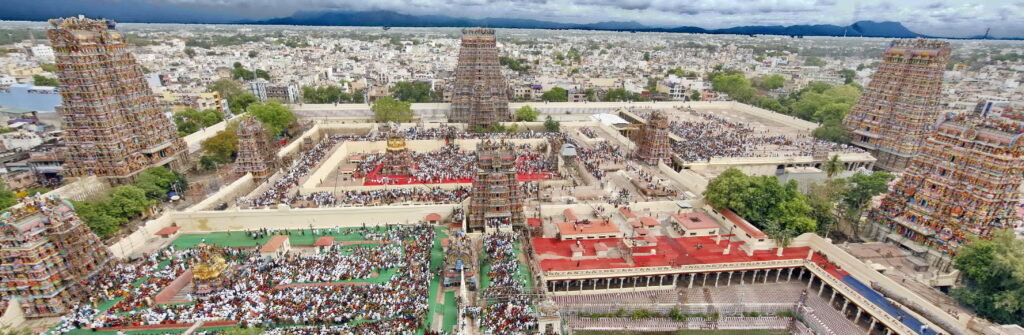
37. Madurai, Tamil Nadu
📍 Location: Tamil Nadu, South India
🚗 Distance from Chennai: Approximately 460 km
One of India’s oldest continuously inhabited cities, Madurai is a paradise for cultural and temple photographers. Known as the “Athens of the East,” the city is famous for the magnificent Meenakshi Amman Temple, colourful streets, traditional markets, and vibrant Tamil culture.
The towering temple gopurams, intricate sculptures, religious ceremonies, and daily life around temple streets offer endless photography opportunities.
Photographers can capture traditional rituals, flower markets, local food culture, artisans, and the spiritual atmosphere of one of India’s most important temple cities.
📅 Best Time for Photography: October to March
📸 Photography Highlights:
- Temple architecture
- Religious ceremonies
- Flower markets
- Traditional lifestyles
- Street scenes
- Cultural festivals
📌 Best Photography Locations:
- Meenakshi Amman Temple area
- Thirumalai Nayakkar Palace
- Puthu Mandapam Market
- Teppakulam Tank
- Gandhi Memorial Museum
📌 Nearby Attractions:
- Thirupparankundram Temple
- Alagar Koyil
- Rameswaram
- Kodaikanal
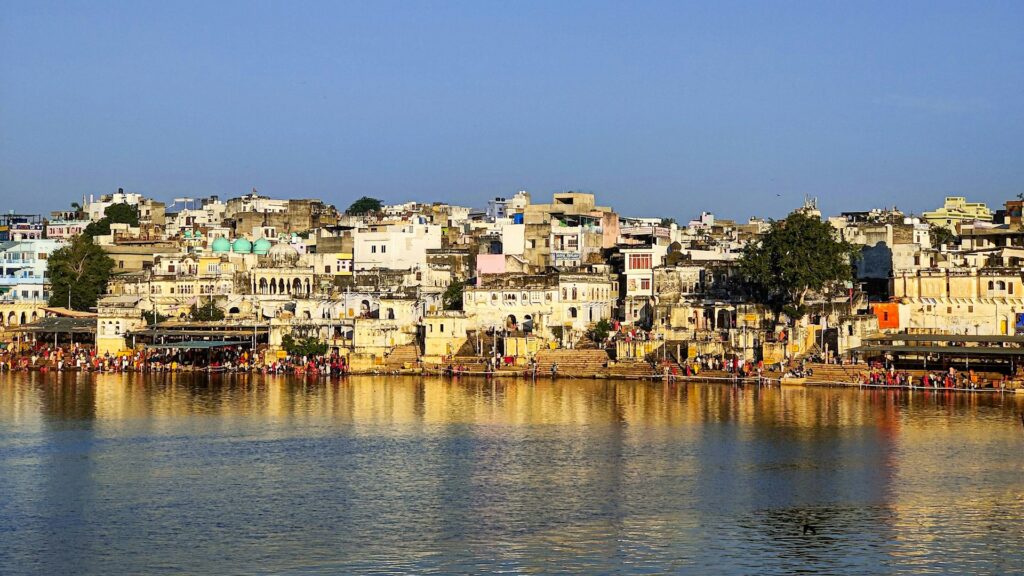
38. Pushkar, Rajasthan
📍 Location: Rajasthan, Western India
🚗 Distance from Jaipur: Approximately 145 km
A sacred town surrounding the holy Pushkar Lake, Pushkar is one of India’s most colourful destinations for cultural photography. The town combines spirituality, desert landscapes, traditional Rajasthani culture, and vibrant festivals.
Pushkar is especially famous for the Pushkar Camel Fair, one of the world’s largest livestock fairs, attracting photographers from around the globe. The festival offers incredible opportunities to capture camel traders, colourful turbans, folk performances, and rural lifestyles.
The town’s ghats, temples, narrow streets, and local markets provide excellent subjects throughout the year.
📅 Best Time for Photography: October to March
⭐ Best Festival Photography: Pushkar Camel Fair (October–November)
📸 Photography Highlights:
- Camel fair
- Rajasthani portraits
- Desert culture
- Temple rituals
- Street markets
- Sunset landscapes
📌 Best Photography Locations:
- Pushkar Lake Ghats
- Brahma Temple
- Camel Fair Ground
- Savitri Temple
- Old Bazaar
📌 Nearby Attractions:
- Ajmer Sharif Dargah
- Ana Sagar Lake
- Kishangarh
- Jaipur
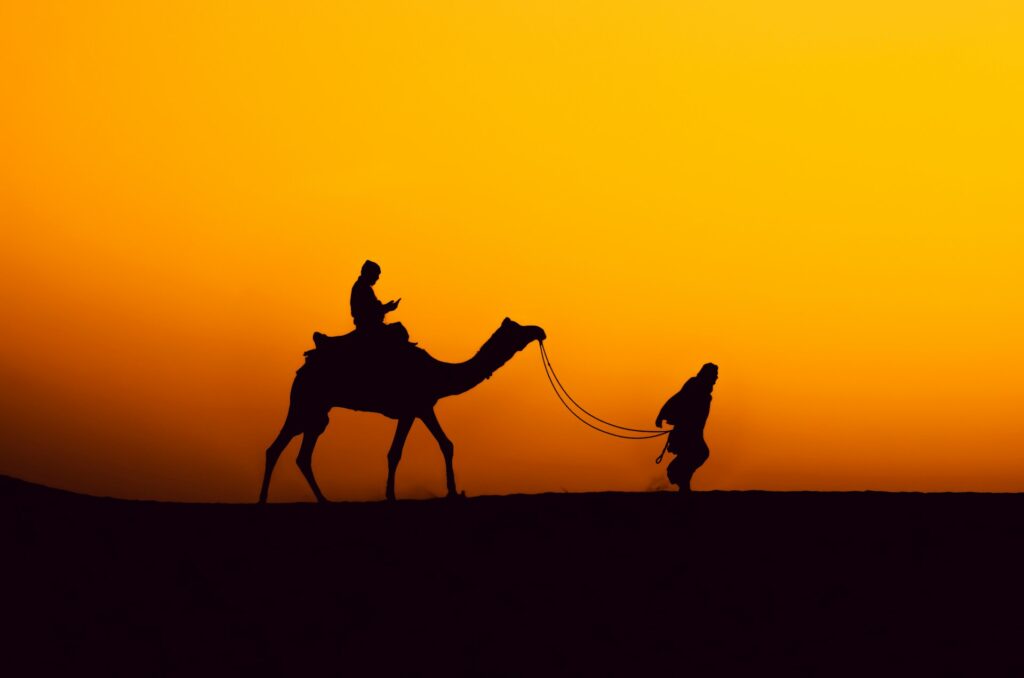
39. Jaisalmer, Rajasthan
📍 Location: Rajasthan, Western India
🚗 Distance from Jodhpur: Approximately 280 km
Known as the “Golden City of India,” Jaisalmer is one of the most visually striking destinations for travel photography. Located in the Thar Desert, the city is famous for golden sandstone architecture, desert landscapes, ancient havelis, and vibrant Rajasthani culture.
The massive Jaisalmer Fort, rising from the desert landscape, provides incredible architectural photography opportunities. The narrow lanes inside the fort reveal traditional homes, temples, craftsmen, and local lifestyles.
Beyond the city, desert camps and villages offer opportunities to photograph dunes, folk performances, camel caravans, and sunset landscapes.
📅 Best Time for Photography: October to March
📸 Photography Highlights:
- Desert landscapes
- Golden architecture
- Fort photography
- Folk culture
- Camel rides
- Village life
📌 Best Photography Locations:
- Jaisalmer Fort
- Patwon Ki Haveli
- Gadisar Lake
- Sam Sand Dunes
- Kuldhara Village
📌 Nearby Attractions:
- Bada Bagh
- Longewala War Memorial
- Tanot Mata Temple
- Desert National Park
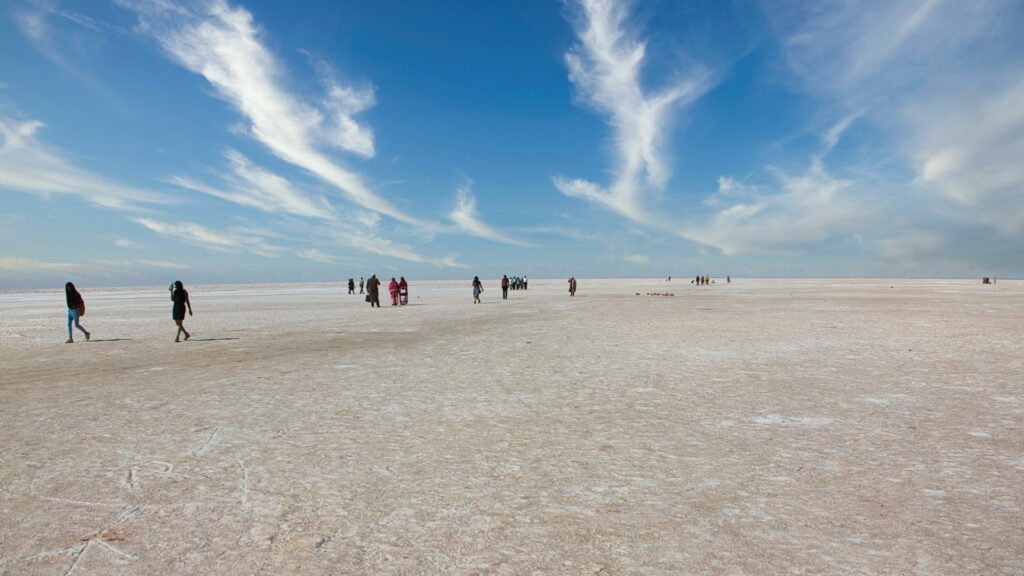
40. Rann of Kutch, Gujarat
📍 Location: Gujarat, Western India
🚗 Distance from Ahmedabad: Approximately 400 km
The vast white landscapes of the Rann of Kutch offer one of India’s most unique photography experiences. This salt desert region combines dramatic landscapes, tribal cultures, colourful handicrafts, wildlife, and traditional villages.
The contrast between the endless white salt plains and vibrant local clothing creates extraordinary visual compositions. Photographers can capture desert sunsets, folk performances, traditional crafts, and village life.
During the famous Rann Utsav, the region becomes a celebration of Gujarati culture with music, dance, art, and photography opportunities.
📅 Best Time for Photography: November to February
📸 Photography Highlights:
- White salt desert
- Tribal portraits
- Folk performances
- Handicrafts
- Desert sunsets
- Village lifestyles
📌 Best Photography Locations:
- Great Rann of Kutch
- Dhordo Village
- Kala Dungar
- Hodka Village
- Mandvi Beach
📌 Nearby Attractions:
- Dholavira
- Kalo Dungar Temple
- Bhuj
- Indian Wild Ass Sanctuary
Beach & Coastal Photography Destinations
India’s coastline stretches across more than 7,500 kilometres, offering photographers a diverse range of landscapes including tropical beaches, rocky shores, fishing villages, coral islands, mangroves, lighthouses, and coastal cultures.
Beach photography in India goes beyond sunsets and waves. These destinations provide opportunities to capture marine life, traditional fishing communities, seafood culture, coastal architecture, water activities, and unique ecosystems.

41. Goa
📍 Location: Western Coast of India
✈️ Nearest Airport: Goa International Airport
Goa is one of India’s most popular beach photography destinations, offering a perfect combination of tropical landscapes, Portuguese heritage, vibrant culture, and coastal lifestyles.
Beyond its famous beaches, Goa provides photographers with diverse subjects including colourful fishing boats, old churches, traditional villages, beach markets, and local festivals. The contrast between historic Portuguese architecture and modern beach culture creates unique visual stories.
The early morning hours at fishing beaches and sunset photography along the Arabian Sea are especially rewarding.
📅 Best Time for Photography: November to March
📸 Photography Highlights:
- Beach landscapes
- Sunsets and silhouettes
- Fishing communities
- Portuguese architecture
- Night markets
- Water activities
📌 Best Photography Locations:
- Palolem Beach
- Agonda Beach
- Fontainhas Latin Quarter
- Chapora Fort
- Anjuna Flea Market
- Dona Paula
📌 Nearby Attractions:
- Basilica of Bom Jesus
- Dudhsagar Falls
- Fort Aguada
- Salim Ali Bird Sanctuary

42. Andaman Islands
📍 Location: Bay of Bengal
✈️ Nearest Airport: Veer Savarkar International Airport, Port Blair
The Andaman Islands are among India’s most spectacular destinations for coastal and underwater photography. Known for crystal-clear waters, coral reefs, tropical forests, and pristine beaches, the islands offer extraordinary natural beauty.
Photographers can capture turquoise lagoons, marine life, island landscapes, and indigenous coastal cultures. The underwater world around islands like Havelock (Swaraj Dweep) and Neil Island (Shaheed Dweep) provides excellent opportunities for underwater photography.
The combination of beaches, forests, sunsets, and marine ecosystems makes Andaman ideal for nature photographers.
📅 Best Time for Photography: October to May
📸 Photography Highlights:
- Tropical beaches
- Coral reefs
- Underwater photography
- Island landscapes
- Sunsets
- Marine life
📌 Best Photography Locations:
- Radhanagar Beach
- Elephant Beach
- Bharatpur Beach
- North Bay Island
- Chidiya Tapu
📌 Nearby Attractions:
- Cellular Jail
- Ross Island
- Baratang Island
- Limestone Caves
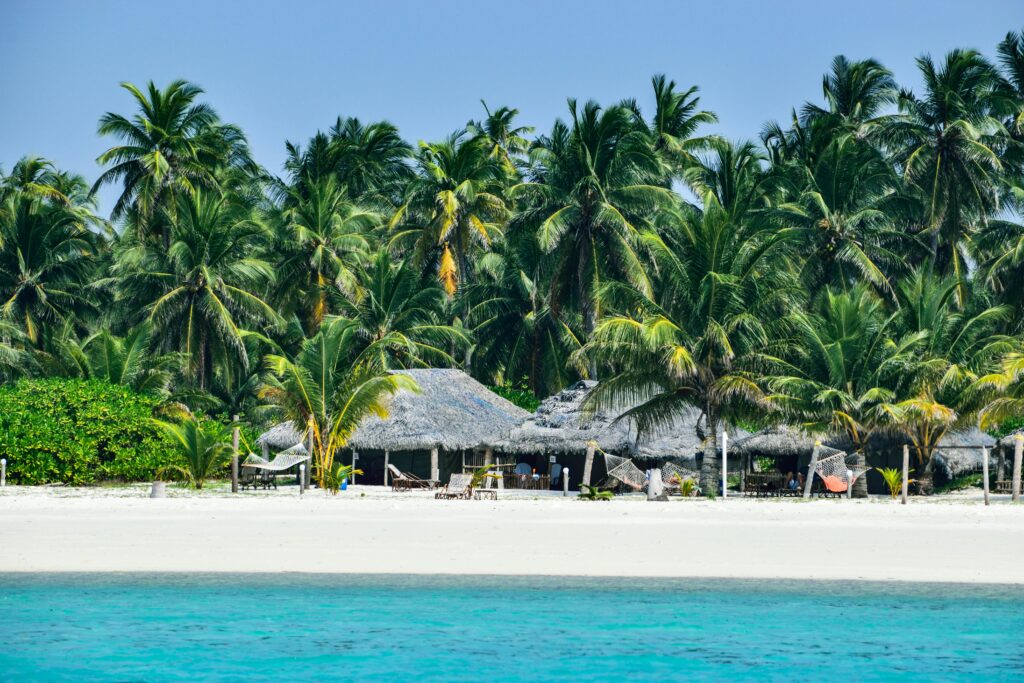
43. Lakshadweep
📍 Location: Arabian Sea
✈️ Nearest Airport: Agatti Airport
A group of beautiful coral islands in the Arabian Sea, Lakshadweep is one of India’s most unique destinations for marine and coastal photography. The islands are known for white sandy beaches, turquoise lagoons, coral reefs, and peaceful island communities.
Photographers can capture stunning aerial views, marine landscapes, traditional boats, island life, and underwater ecosystems.
The untouched beauty of Lakshadweep makes it ideal for photographers seeking minimal crowds and pristine natural environments.
📅 Best Time for Photography: October to March
📸 Photography Highlights:
- Coral islands
- Lagoon landscapes
- Underwater photography
- Fishing communities
- Beach sunsets
- Aerial photography
📌 Best Photography Locations:
- Agatti Island
- Bangaram Island
- Kadmat Island
- Kavaratti Island
- Kalpeni Island
📌 Nearby Attractions:
- Marine lagoons
- Coral reefs
- Traditional island villages
- Water sports locations
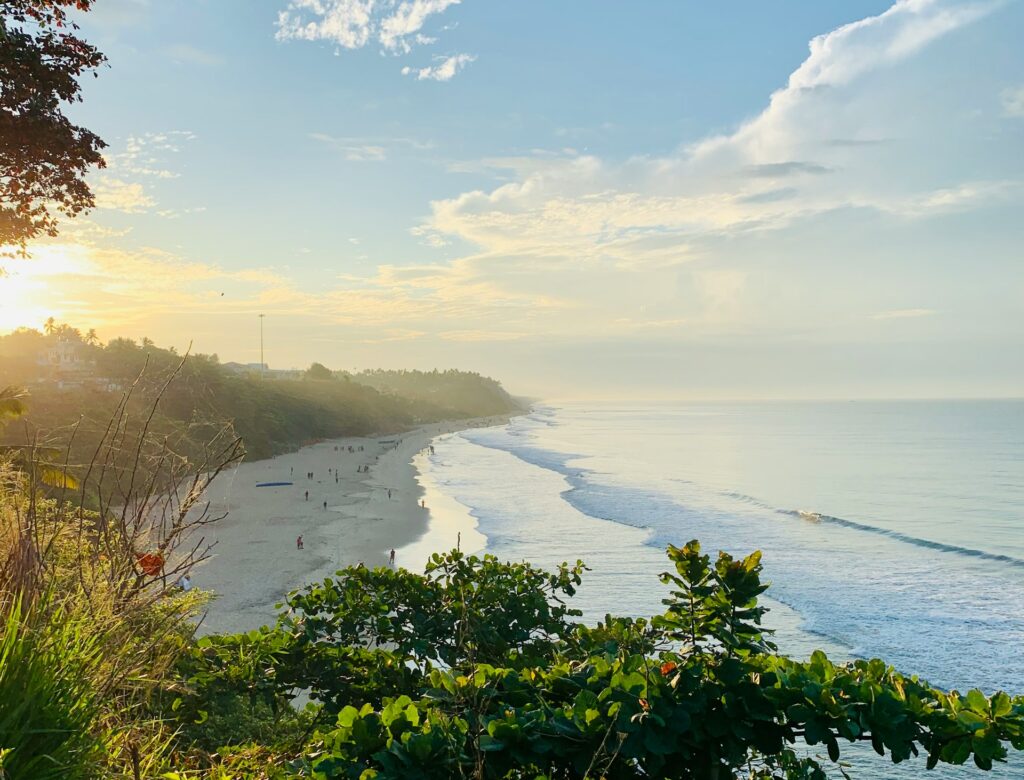
44. Varkala, Kerala
📍 Location: Kerala Coast
🚗 Distance from Thiruvananthapuram: Approximately 50 km
Famous for its dramatic cliffs overlooking the Arabian Sea, Varkala is one of Kerala’s most photogenic coastal destinations. The combination of red laterite cliffs, golden beaches, temples, and local culture creates a unique photography environment.
The iconic Varkala Cliff offers spectacular sunset views, while the beach area provides opportunities for capturing fishermen, pilgrims, yoga travellers, and coastal life.
The spiritual atmosphere around Janardana Swami Temple adds another dimension to cultural photography.
📅 Best Time for Photography: October to March
📸 Photography Highlights:
- Cliff landscapes
- Ocean sunsets
- Fishing communities
- Temple culture
- Beach life
- Coastal portraits
📌 Best Photography Locations:
- Varkala Cliff
- Papanasam Beach
- Janardana Swami Temple
- Kappil Beach
- Varkala Lighthouse
📌 Nearby Attractions:
- Kovalam
- Alleppey
- Kollam
- Jatayu Earth Center
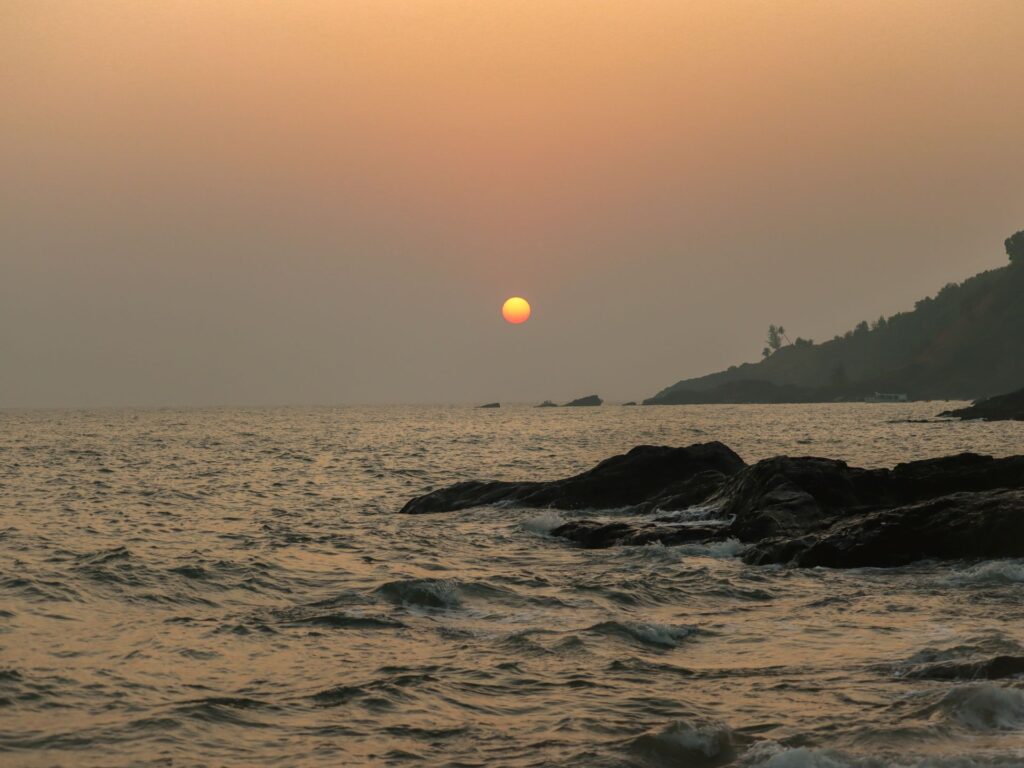
45. Gokarna, Karnataka
📍 Location: Karnataka Coast
🚗 Distance from Goa: Approximately 150 km
A peaceful coastal town in Karnataka, Gokarna offers a perfect blend of beaches, temples, cliffs, and traditional village life. Less commercial compared to Goa, it is a favourite destination for photographers looking for authentic coastal experiences.
The town’s famous beach trail connects scenic locations surrounded by rocky cliffs and Arabian Sea views. Photographers can capture fishing communities, temple traditions, beach landscapes, and dramatic sunsets.
The combination of spirituality and coastal beauty makes Gokarna unique among India’s beach destinations.
📅 Best Time for Photography: October to March
📸 Photography Highlights:
- Beach landscapes
- Cliff viewpoints
- Fishing villages
- Temple culture
- Sunset photography
- Coastal trails
📌 Best Photography Locations:
- Om Beach
- Kudle Beach
- Half Moon Beach
- Paradise Beach
- Mahabaleshwar Temple
📌 Nearby Attractions:
- Yana Caves
- Murudeshwar Temple
- Mirjan Fort
- Jog Falls
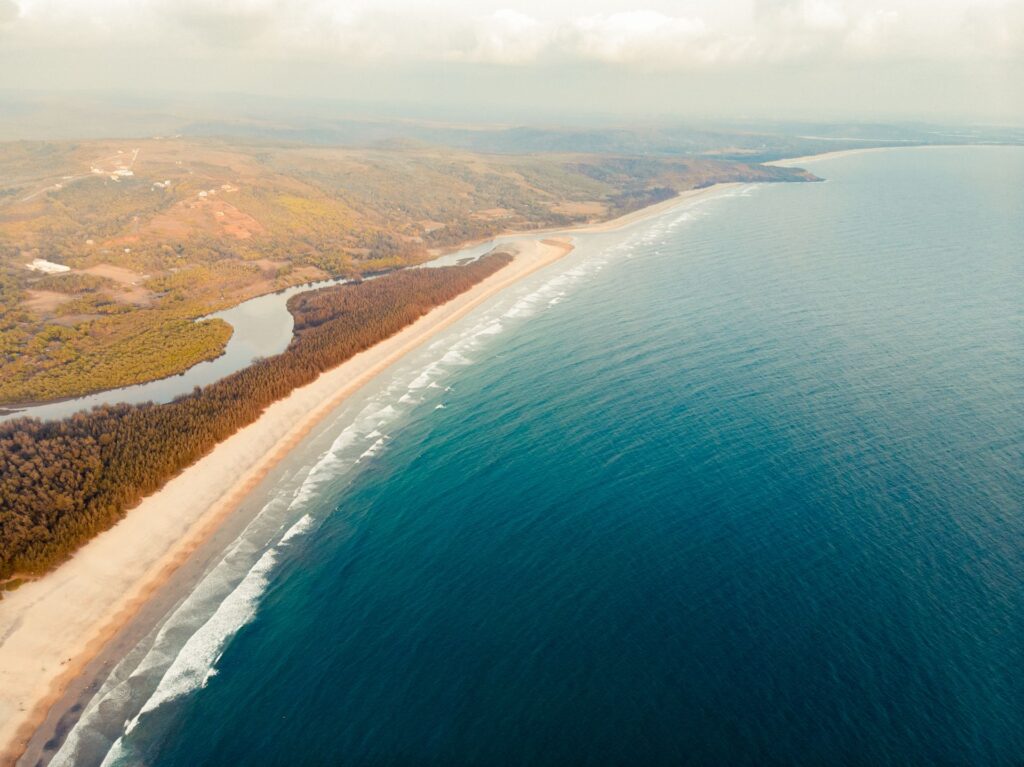
46. Konkan Coast, Maharashtra
📍 Location: Maharashtra Western Coast
🚗 Distance from Mumbai: Approximately 200–350 km (depending on location)
The Konkan Coast is one of India’s most scenic yet underrated coastal photography destinations. Stretching along the Arabian Sea, this region offers a beautiful combination of pristine beaches, rocky cliffs, fishing villages, forts, coconut plantations, and traditional coastal life.
Unlike crowded beach destinations, the Konkan coastline provides photographers with peaceful landscapes and authentic local experiences. The region’s historic sea forts, such as Sindhudurg and Murud-Janjira, add a heritage element to coastal photography.
Photographers can capture fishermen returning with their boats, traditional Maharashtrian villages, seafood markets, monsoon landscapes, and dramatic sunsets over the Arabian Sea.
📅 Best Time for Photography: October to March
⭐ Special Photography Season: June to September for dramatic monsoon landscapes
📸 Photography Highlights:
- Coastal villages
- Sea forts
- Fishing communities
- Beach landscapes
- Coconut groves
- Monsoon photography
📌 Best Photography Locations:
- Tarkarli Beach
- Ganpatipule Beach
- Alibaug Coast
- Sindhudurg Fort
- Murud-Janjira Fort
- Harihareshwar Beach
📌 Nearby Attractions:
- Ratnagiri
- Raigad Fort
- Kaas Plateau
- Mahabaleshwar
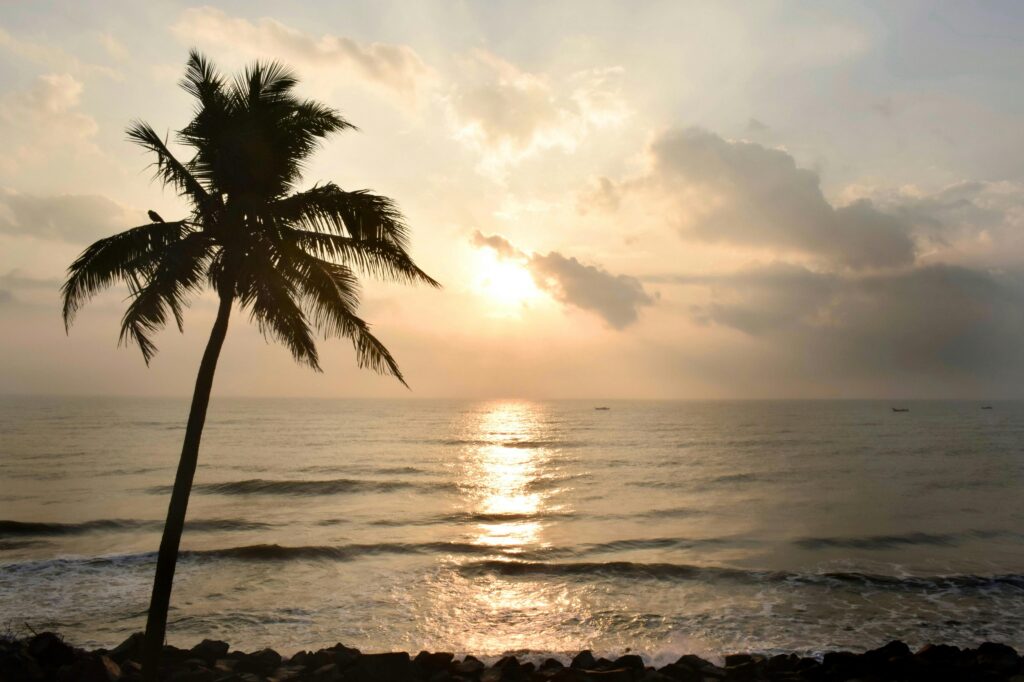
47. Puducherry
📍 Location: Tamil Nadu Coast
🚗 Distance from Chennai: Approximately 150 km
Known for its French colonial heritage and relaxed coastal atmosphere, Puducherry is one of India’s most charming photography destinations. The town offers a unique blend of French architecture, Tamil traditions, beaches, cafés, and colourful streets.
The French Quarter with its yellow colonial buildings, tree-lined streets, and heritage homes is a favourite among architectural photographers. The seaside promenade, fishing communities, and spiritual centres add variety to photography projects.
Puducherry is especially popular among travel photographers who enjoy street photography, lifestyle photography, and urban heritage.
📅 Best Time for Photography: October to March
📸 Photography Highlights:
- French colonial streets
- Coastal landscapes
- Heritage buildings
- Street scenes
- Cafés and lifestyle photography
- Fishing communities
📌 Best Photography Locations:
- French Quarter
- Promenade Beach
- White Town
- Auroville
- Basilica of the Sacred Heart of Jesus
📌 Nearby Attractions:
- Mahabalipuram
- Chunnambar Boat House
- Gingee Fort
- Paradise Beach
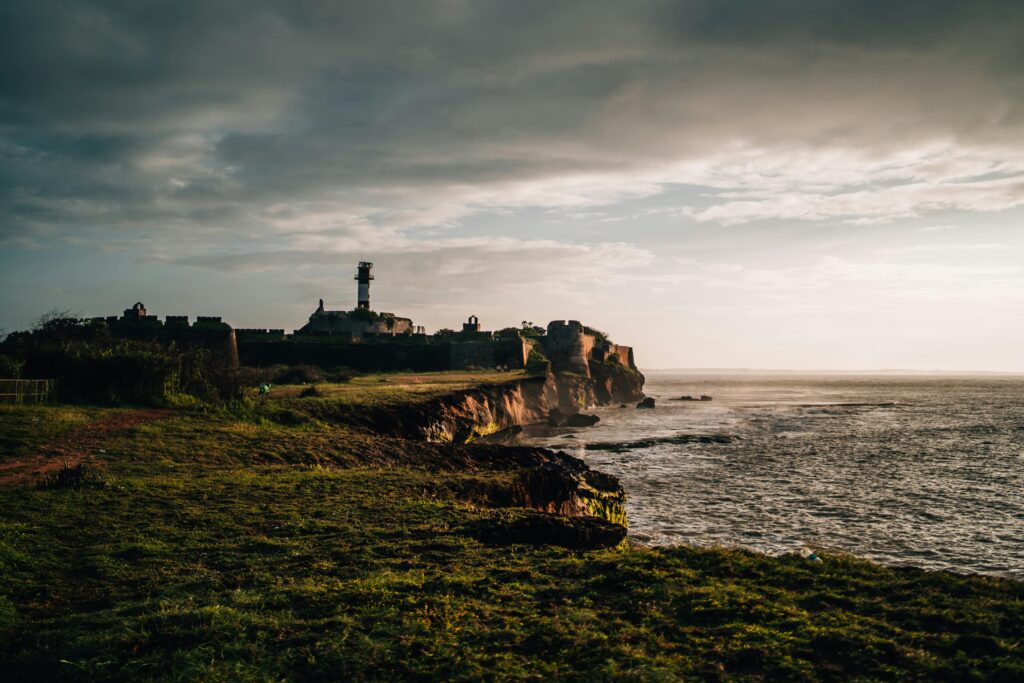
48. Diu, Gujarat
📍 Location: Gujarat Coast
🚗 Distance from Ahmedabad: Approximately 350 km
A former Portuguese colony, Diu is a hidden gem for coastal and heritage photography. The island combines beautiful beaches, Portuguese architecture, historic forts, fishing villages, and peaceful coastal landscapes.
The massive Diu Fort, overlooking the Arabian Sea, provides excellent opportunities for architectural and sunset photography. The island’s colourful fishing boats, old churches, and quiet beaches create a distinctive visual character.
Diu is ideal for photographers looking for a combination of history, coastal landscapes, and local life.
📅 Best Time for Photography: October to March
📸 Photography Highlights:
- Portuguese architecture
- Sea forts
- Beaches
- Fishing boats
- Coastal villages
- Sunset photography
📌 Best Photography Locations:
- Diu Fort
- Naida Caves
- Nagoa Beach
- St. Paul’s Church
- INS Khukri Memorial
📌 Nearby Attractions:
- Gir National Park
- Somnath Temple
- Junagadh
- Palitana
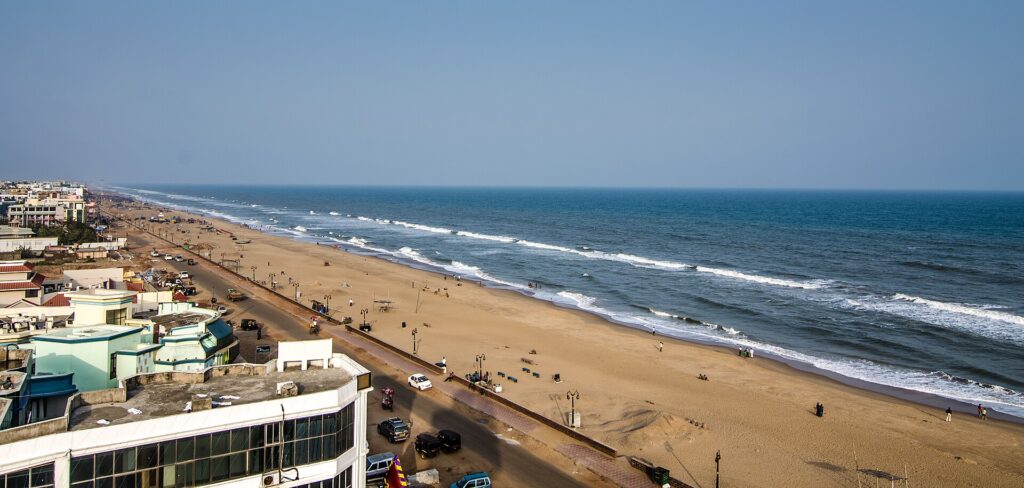
49. Puri, Odisha
📍 Location: Odisha Coast
🚗 Distance from Bhubaneswar: Approximately 60 km
Puri is one of India’s most culturally rich coastal destinations, offering photographers a combination of beaches, religious traditions, festivals, and local lifestyles.
The city is famous for the Jagannath Temple, the annual Rath Yatra festival, and the traditional lifestyle of coastal Odisha. Photographers can capture pilgrims, temple traditions, fishermen, sand artists, and colourful beach scenes.
The long coastline, sunrise views, and vibrant local culture make Puri an excellent destination for documentary and cultural photography.
📅 Best Time for Photography: October to March
📸 Photography Highlights:
- Sunrise photography
- Temple culture
- Pilgrimage scenes
- Fishermen communities
- Sand art
- Coastal landscapes
📌 Best Photography Locations:
- Puri Beach
- Jagannath Temple surroundings
- Swargadwar Beach
- Golden Beach
- Raghurajpur Artist Village
📌 Nearby Attractions:
- Konark Sun Temple
- Chilika Lake
- Bhubaneswar Temples
- Satapada
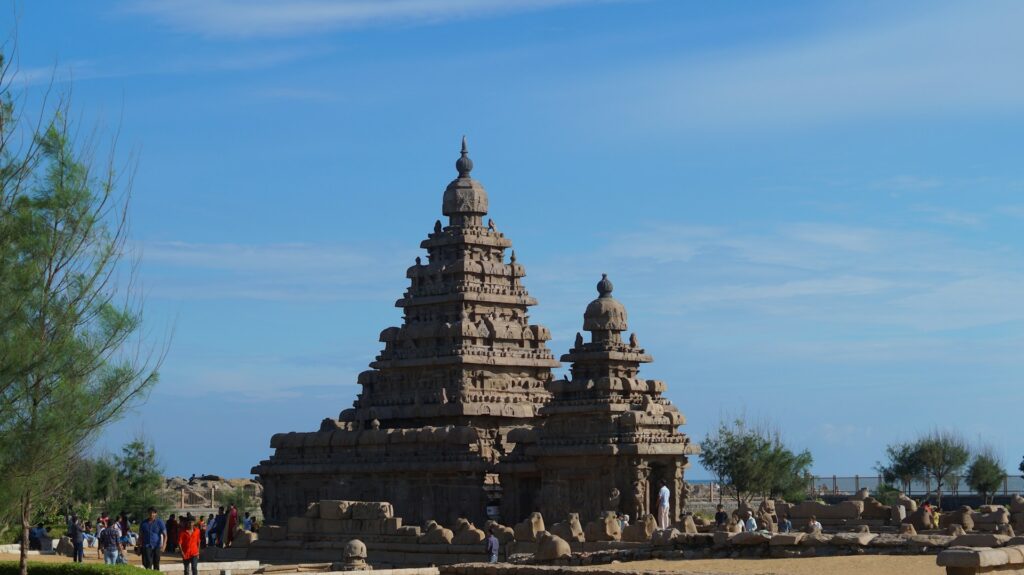
50. Mahabalipuram, Tamil Nadu
📍 Location: Tamil Nadu Coast
🚗 Distance from Chennai: Approximately 60 km
A UNESCO World Heritage Site, Mahabalipuram is one of India’s most unique destinations for combining coastal and architectural photography. The ancient town features magnificent rock-cut temples, sculptures, and monuments located beside the Bay of Bengal.
The combination of ancient stone architecture, ocean waves, fishing villages, and sunrise landscapes creates exceptional photography opportunities.
The famous Shore Temple, carved monuments, and giant rock sculptures showcase the artistic achievements of the Pallava dynasty.
📅 Best Time for Photography: November to February
📸 Photography Highlights:
- Ancient temples
- Rock-cut sculptures
- Ocean landscapes
- Sunrise photography
- Fishing villages
- Heritage architecture
📌 Best Photography Locations:
- Shore Temple
- Pancha Rathas
- Arjuna’s Penance
- Krishna’s Butter Ball
- Mahabalipuram Beach
📌 Nearby Attractions:
- Kanchipuram
- Chennai
- Covelong Beach
- DakshinaChitra Museum
Unique & Offbeat Photography Destinations
India’s lesser-known destinations offer some of the most rewarding photography experiences. Away from crowded tourist locations, these places provide opportunities to capture untouched landscapes, indigenous cultures, unique ecosystems, traditional lifestyles, and rare natural phenomena.
Offbeat photography tours are ideal for photographers who want to explore authentic India through landscapes, portraits, wildlife, architecture, and documentary storytelling.
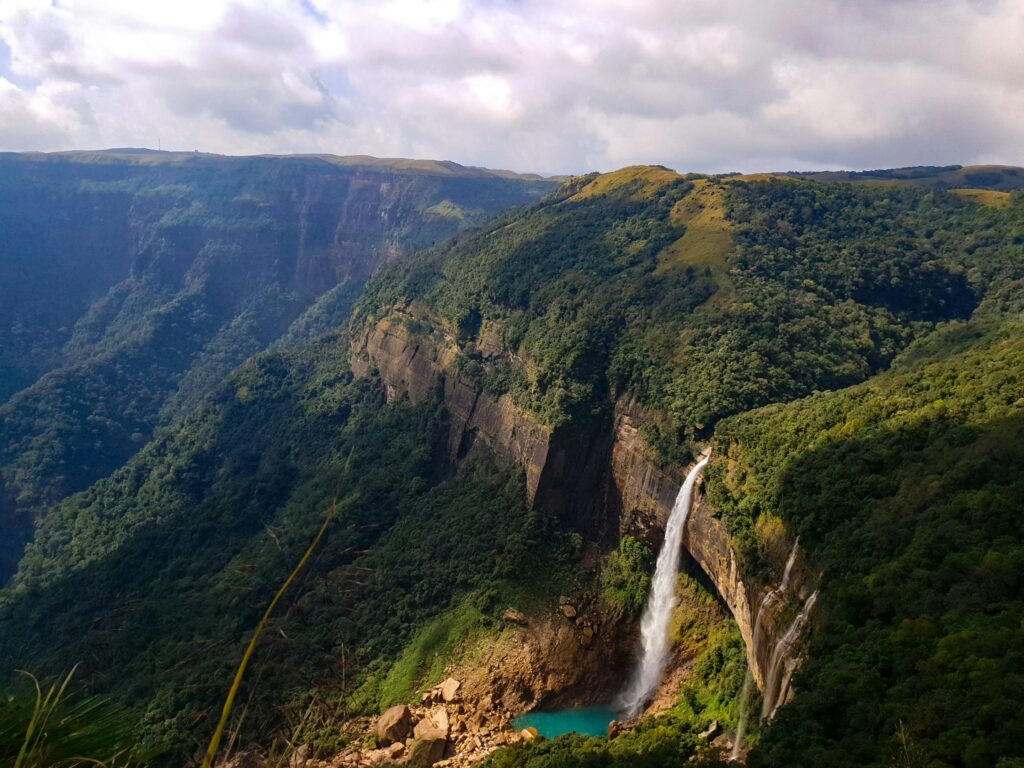
51. Meghalaya (Cherrapunji & Mawlynnong)
📍 Location: Northeast India
✈️ Nearest Airport: Guwahati Airport
🚗 Distance from Guwahati: Approximately 160 km
Known as the “Abode of Clouds,” Meghalaya is one of India’s most photogenic offbeat destinations. The state offers dramatic landscapes filled with waterfalls, mist-covered hills, living root bridges, caves, forests, and unique tribal cultures.
The villages of Cherrapunji (Sohra) and Mawlynnong provide incredible photography opportunities with their lush landscapes and traditional Khasi lifestyles. The famous living root bridges, created by local communities using tree roots, are among India’s most unique subjects for nature and cultural photography.
The monsoon season transforms Meghalaya into a paradise for landscape photographers, with overflowing waterfalls and emerald-green forests.
📅 Best Time for Photography: October to April
⭐ Best Season for Waterfalls: June to September
📸 Photography Highlights:
- Living root bridges
- Waterfalls
- Misty landscapes
- Tribal villages
- Caves
- Rainforest photography
📌 Best Photography Locations:
- Double Decker Living Root Bridge
- Nohkalikai Falls
- Mawlynnong Village
- Dawki River
- Mawsynram
- Nongriat Village
📌 Nearby Attractions:
- Shillong
- Laitlum Canyon
- Umiam Lake
- Mawphlang Sacred Forest
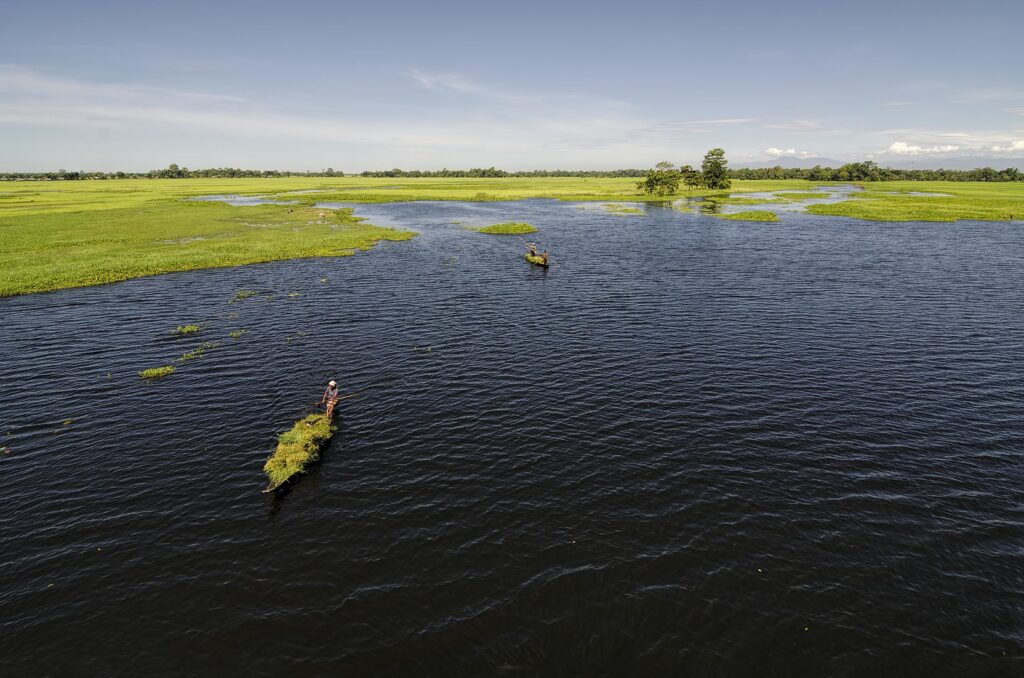
52. Majuli Island, Assam
📍 Location: Brahmaputra River, Assam
🚗 Access: Ferry from Jorhat
The world’s largest river island, Majuli is one of India’s most unique cultural photography destinations. Located in the Brahmaputra River, the island is known for its indigenous communities, Vaishnavite monasteries, traditional festivals, and peaceful rural landscapes.
Majuli offers photographers opportunities to capture authentic village life, traditional crafts, mask-making, boat journeys, and the relationship between people and the river.
The annual Raas Mahotsav is a particularly special time for photography, showcasing colourful performances, traditional costumes, and Assamese culture.
📅 Best Time for Photography: October to March
📸 Photography Highlights:
- River landscapes
- Tribal communities
- Monastery life
- Traditional crafts
- Festivals
- Rural lifestyles
📌 Best Photography Locations:
- Kamalabari Satra
- Auniati Satra
- Samaguri Satra
- Brahmaputra riverbanks
- Village settlements
📌 Nearby Attractions:
- Kaziranga National Park
- Jorhat Tea Gardens
- Sivasagar
- Dibrugarh
53. Kutch Villages, Gujarat
📍 Location: Gujarat, Western India
🚗 Distance from Bhuj: 40–150 km depending on village
The villages of Kutch offer photographers a rare opportunity to capture India’s traditional crafts, desert landscapes, tribal communities, and colourful cultural heritage.
Unlike the famous salt desert of the Rann, the villages of Kutch reveal the everyday life of local communities. Traditional embroidery, handicrafts, mud houses, colourful clothing, and folk traditions create extraordinary photographic stories.
Villages like Hodka, Nirona, Bhujodi, and Ajrakhpur are especially famous for crafts and artisan communities.
📅 Best Time for Photography: November to February
📸 Photography Highlights:
- Tribal portraits
- Traditional handicrafts
- Mud architecture
- Desert landscapes
- Folk culture
- Artisan workshops
📌 Best Photography Locations:
- Hodka Village
- Nirona Village
- Bhujodi Village
- Ajrakhpur
- Dhordo
📌 Nearby Attractions:
- Great Rann of Kutch
- Kala Dungar
- Dholavira
- Mandvi Beach
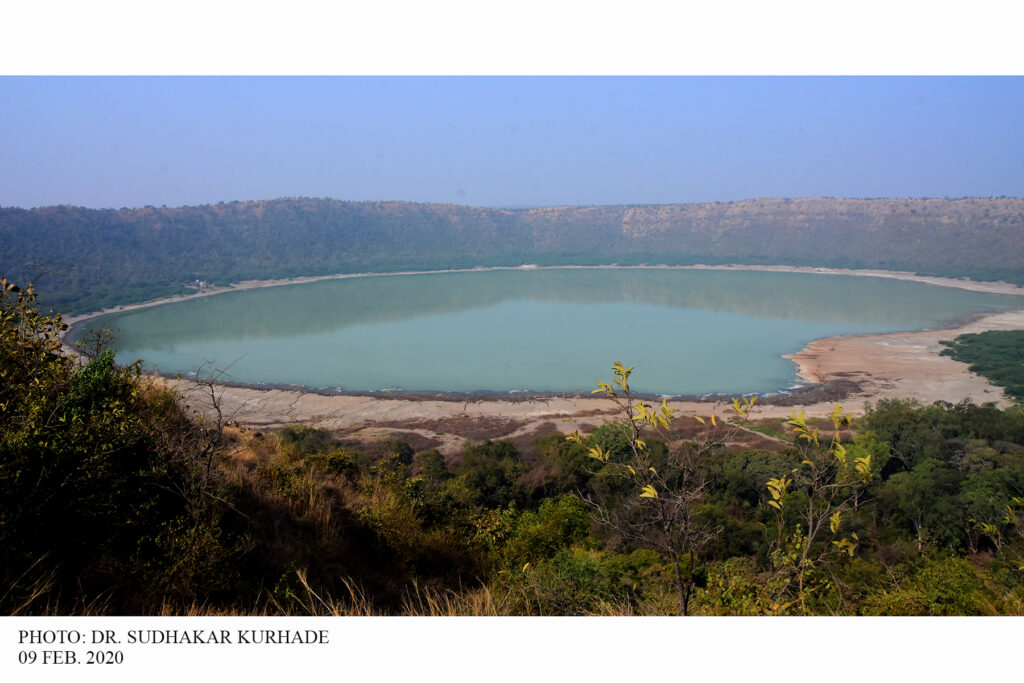
54. Lonar Crater, Maharashtra
📍 Location: Buldhana District, Maharashtra
🚗 Distance from Aurangabad: Approximately 140 km
The Lonar Crater is one of India’s most unusual natural photography destinations. Created by a meteor impact thousands of years ago, this unique geological formation contains a circular lake surrounded by forests, temples, and diverse ecosystems.
The crater’s green-blue water, ancient temples, and surrounding landscape provide exceptional opportunities for landscape, architecture, and nature photography.
The region is especially attractive during sunrise and sunset when light creates dramatic contrasts across the crater landscape.
📅 Best Time for Photography: October to February
📸 Photography Highlights:
- Meteor crater landscape
- Unique lake ecosystem
- Ancient temples
- Bird photography
- Forest trails
- Geological formations
📌 Best Photography Locations:
- Lonar Lake viewpoint
- Daitya Sudan Temple
- Kamalja Temple
- Crater rim trails
- Gomukh Temple
📌 Nearby Attractions:
- Ajanta Caves
- Ellora Caves
- Aurangabad
- Bibi Ka Maqbara
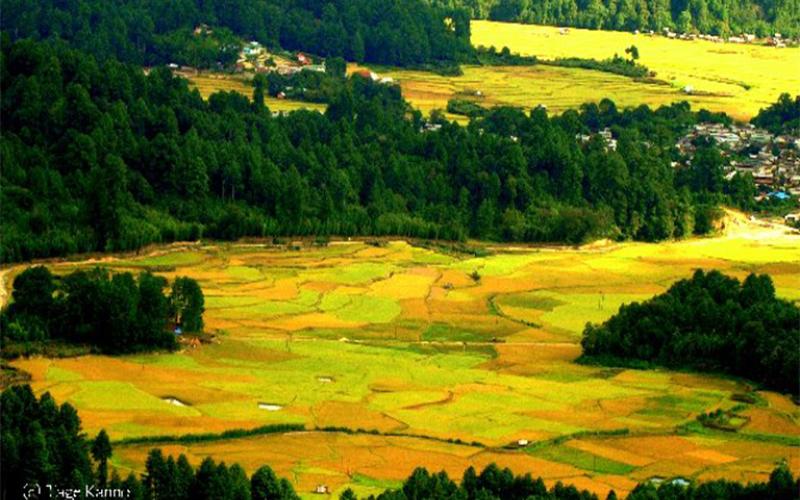
55. Ziro Valley, Arunachal Pradesh
📍 Location: Arunachal Pradesh, Northeast India
🚗 Distance from Guwahati: Approximately 450 km
A UNESCO World Heritage Site candidate, Ziro Valley is one of India’s most beautiful offbeat photography destinations. Surrounded by green hills, pine forests, and rice fields, the valley is home to the indigenous Apatani tribe.
Ziro offers photographers a rare chance to document traditional lifestyles, sustainable farming practices, colourful festivals, and peaceful Himalayan landscapes.
The famous Ziro Music Festival also attracts photographers interested in cultural events and contemporary music scenes.
📅 Best Time for Photography: March to May and September to October
📸 Photography Highlights:
- Apatani culture
- Rice fields
- Mountain landscapes
- Tribal festivals
- Village life
- Pine forests
📌 Best Photography Locations:
- Hong Village
- Hapoli
- Tarin Fish Farm
- Ziro Valley viewpoints
- Apatani settlements
📌 Nearby Attractions:
- Daporijo
- Itanagar
- Talley Valley Wildlife Sanctuary
- Bomdila
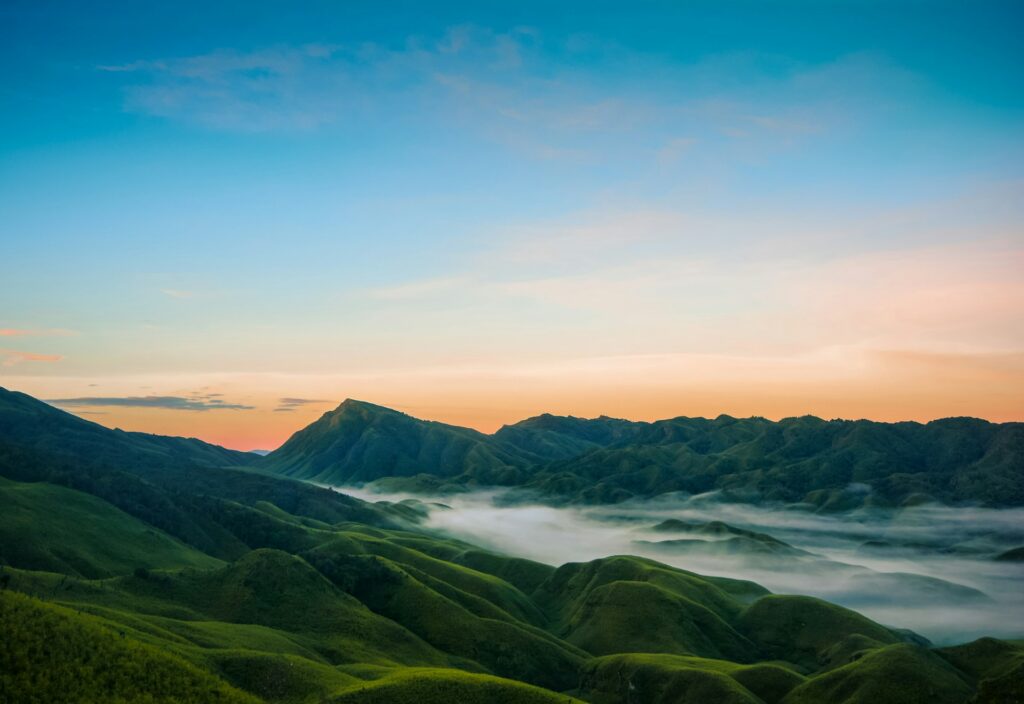
56. Dzukou Valley, Nagaland
📍 Location: Border of Nagaland and Manipur
🚗 Distance from Kohima: Approximately 25 km to the trekking base
Known as the “Valley of Flowers of Northeast India,” Dzukou Valley is one of India’s most beautiful offbeat trekking and landscape photography destinations. Surrounded by rolling green hills, seasonal flowers, streams, and untouched wilderness, the valley offers a peaceful environment for nature photographers.
The valley is famous for the rare Dzukou Lily, which blooms during the monsoon season. The dramatic landscapes, mist-covered hills, and changing weather conditions create excellent opportunities for landscape and nature photography.
Photographers can also capture the unique Naga culture in nearby villages, traditional homes, and local lifestyles.
📅 Best Time for Photography: June to September for flowers; October to April for clear landscapes
📸 Photography Highlights:
- Valley landscapes
- Wildflowers
- Mountain trails
- Misty hills
- Trekking photography
- Naga culture
📌 Best Photography Locations:
- Dzukou Valley viewpoint
- Dzukou River
- Trekking trails
- Valley campsites
- Viswema village route
📌 Nearby Attractions:
- Kohima War Cemetery
- Kisama Heritage Village
- Japfu Peak
- Khonoma Village
57. Spiti Villages, Himachal Pradesh
📍 Location: Lahaul-Spiti District, Himachal Pradesh
🚗 Distance from Kaza: Various villages within 10–50 km
While Spiti Valley itself is famous among travellers, its remote villages offer some of India’s most unique photography experiences. Villages like Langza, Hikkim, Komic, Demul, and Chicham provide opportunities to capture traditional Himalayan lifestyles against dramatic mountain landscapes.
The villages are known for ancient monasteries, mud-brick houses, prayer flags, Buddhist traditions, and some of the highest inhabited settlements in the world.
Photographers can document everyday life in extreme environments, including farming, monastery rituals, local portraits, and high-altitude landscapes.
📅 Best Time for Photography: May to October
📸 Photography Highlights:
- High-altitude villages
- Buddhist culture
- Mountain landscapes
- Monasteries
- Traditional homes
- Astrophotography
📌 Best Photography Locations:
- Langza Village
- Hikkim Village
- Komic Village
- Demul Village
- Chicham Bridge
- Dhankar Village
📌 Nearby Attractions:
- Key Monastery
- Chandratal Lake
- Pin Valley
- Tabo Monastery
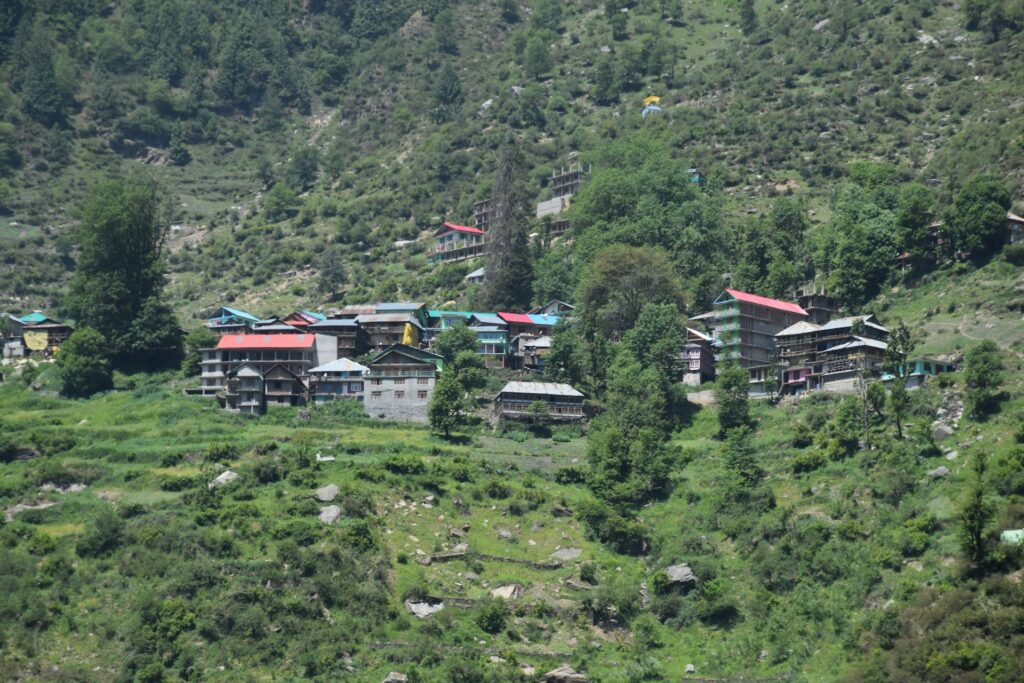
58. Malana Village, Himachal Pradesh
📍 Location: Parvati Valley, Himachal Pradesh
🚗 Distance from Kasol: Approximately 20 km
Located in the remote mountains of Himachal Pradesh, Malana Village is one of India’s most fascinating destinations for cultural and documentary photography. Known for its ancient traditions, unique social structure, and isolated location, the village offers a rare glimpse into Himalayan village life.
The stone-and-wood architecture, mountain surroundings, traditional lifestyle, and local customs make Malana visually distinctive.
Photographers visiting Malana should respect local customs and seek permission before photographing residents or private spaces.
📅 Best Time for Photography: May to October
📸 Photography Highlights:
- Himalayan village architecture
- Mountain landscapes
- Traditional lifestyle
- Local crafts
- Rural portraits
- Trekking routes
📌 Best Photography Locations:
- Malana Village lanes
- Chandrakhani Pass trail
- Mountain viewpoints
- Traditional houses
- Parvati Valley landscapes
📌 Nearby Attractions:
- Kasol
- Tosh Village
- Manikaran Sahib
- Parvati Valley
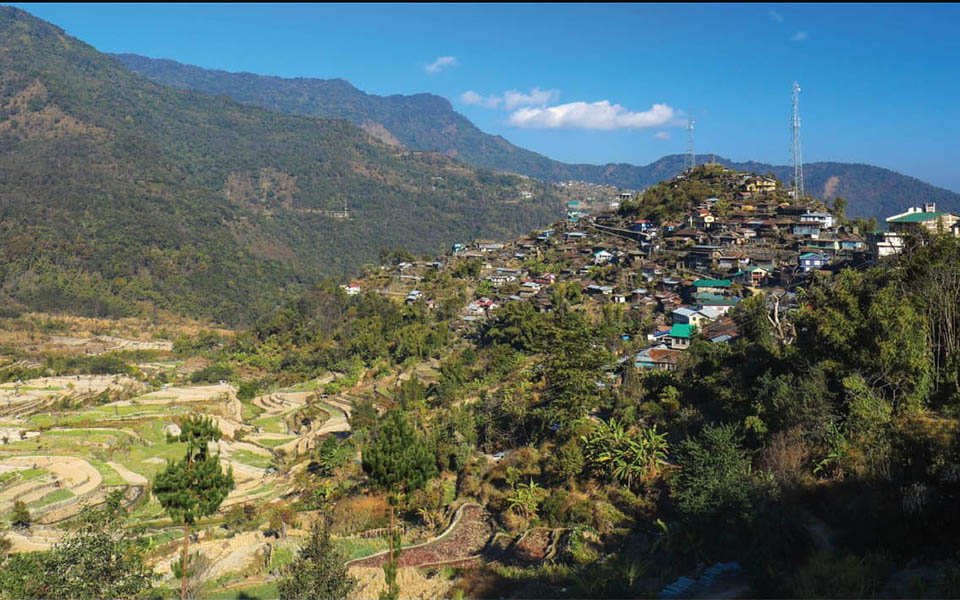
59. Khonoma Village, Nagaland
📍 Location: Nagaland
🚗 Distance from Kohima: Approximately 20 km
Known as Asia’s first green village, Khonoma is one of India’s best destinations for cultural and eco-tourism photography. Surrounded by terraced fields and forested hills, the village showcases traditional Naga architecture, community conservation practices, and indigenous lifestyles.
Photographers can capture traditional homes, farming techniques, village landscapes, local festivals, and the strong connection between the Angami Naga community and nature.
The village is especially rewarding for documentary photographers interested in sustainable living and tribal cultures.
📅 Best Time for Photography: October to May
📸 Photography Highlights:
- Naga culture
- Traditional homes
- Terrace farming
- Mountain landscapes
- Village life
- Festivals
📌 Best Photography Locations:
- Khonoma village lanes
- Terraced fields
- Khonoma Nature Conservation area
- Morung (traditional youth dormitory)
- Village viewpoints
📌 Nearby Attractions:
- Kohima
- Kisama Heritage Village
- Dzukou Valley
- Japfu Peak
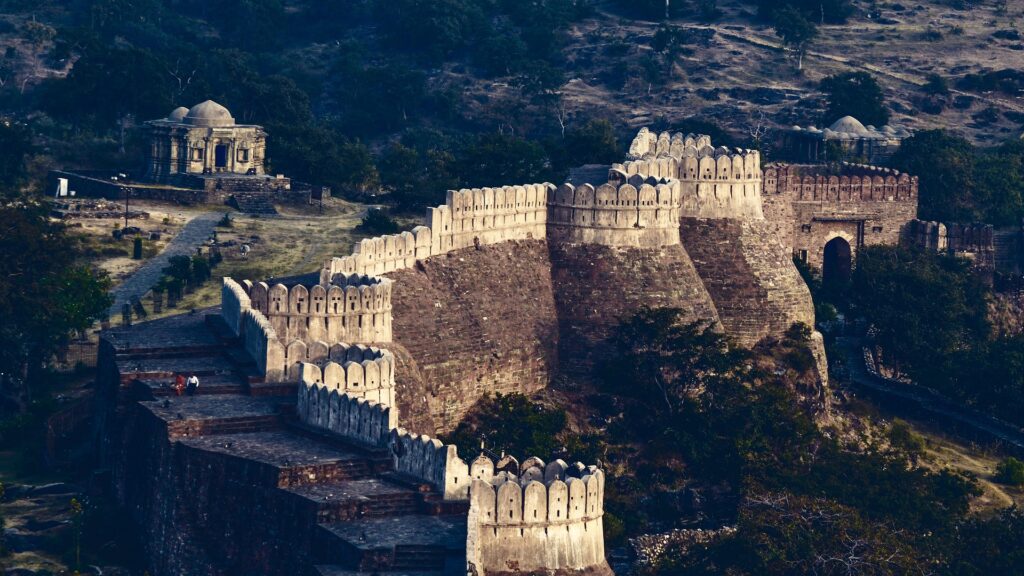
60. Kumbhalgarh, Rajasthan
📍 Location: Rajsamand District, Rajasthan
🚗 Distance from Udaipur: Approximately 85 km
Famous for the magnificent Kumbhalgarh Fort, this destination combines heritage architecture, Aravalli landscapes, wildlife, and rural Rajasthan culture. It is one of India’s finest offbeat destinations for photographers who want to capture forts without the crowds of more popular heritage cities.
The massive fort walls stretching across the hills, especially during sunrise and sunset, create dramatic architectural compositions. The surrounding villages provide opportunities for capturing traditional Rajasthani lifestyles.
The nearby wildlife sanctuary also adds possibilities for nature and wildlife photography.
📅 Best Time for Photography: October to March
📸 Photography Highlights:
- Fort architecture
- Aravalli landscapes
- Rural Rajasthan
- Village portraits
- Sunset photography
- Wildlife
📌 Best Photography Locations:
- Kumbhalgarh Fort
- Badal Mahal
- Kumbhalgarh Wildlife Sanctuary
- Kelwara Village
- Aravalli viewpoints
📌 Nearby Attractions:
- Ranakpur Jain Temple
- Udaipur
- Haldighati
- Nathdwara