India is one of the most diverse countries for a family holiday, offering everything from Himalayan hill stations and tropical beaches to wildlife sanctuaries, historic cities, desert landscapes, and peaceful countryside retreats. Families can enjoy a relaxing holiday beside a lake, introduce children to India’s history through forts and monuments, observe wildlife in national parks, explore science museums, or spend time together in a beach resort.
One of the biggest advantages of travelling within India is the variety of experiences available for different age groups. Young children may enjoy toy train journeys, aquariums, gardens, and interactive museums, while teenagers may prefer trekking, adventure activities, wildlife safaris, and water sports. Parents and grandparents may appreciate comfortable accommodation, convenient transport, cultural attractions, and destinations where sightseeing does not require too much physical effort.
However, choosing a family friendly destination requires more consideration than selecting a place for a solo trip or a couple’s holiday. Travel time, road conditions, weather, accommodation facilities, medical access, food options, and the interests of children all influence the overall experience. A destination that is enjoyable for adults may not always be practical for toddlers or elderly family members.
This comprehensive guide explores the best family friendly destinations in India, explaining what makes each place suitable for families, the attractions worth visiting, the best time to travel, how to reach each destination, and how to plan a comfortable family holiday.
How to Choose the Right Family Holiday Destination in India
Before booking a family holiday, consider the ages of the travellers, the duration of the trip, and the kind of activities everyone enjoys.
For mountain holidays, Manali, Shimla, Nainital, Mussoorie, and Ooty offer scenic landscapes, sightseeing, gardens, and opportunities for short outdoor excursions. Families should consider road travel time, weather, and the availability of accommodation with easy access.
For beaches and coastal holidays, Goa, Puri, and the Andaman Islands offer beach experiences, coastal sightseeing, and water activities. Parents should pay attention to swimming conditions, lifeguard availability, and whether particular beaches are suitable for children.
For wildlife and nature experiences, Jim Corbett National Park, Kaziranga National Park, Ranthambore National Park, and Periyar offer opportunities to learn about forests, wildlife, and conservation. Safaris require advance planning and may have minimum age rules or other restrictions for particular activities.
For history and culture, Jaipur, Agra, Udaipur, Mysuru, and Delhi offer forts, palaces, monuments, museums, and cultural experiences that can make a family holiday both enjoyable and educational.
For entertainment and educational attractions, Bengaluru, Hyderabad, Mumbai, and Delhi have science centres, aquariums, planetariums, gardens, amusement parks, and museums that appeal to children and teenagers.
Families should also avoid packing too many activities into one day. Younger children may need afternoon breaks, while elderly travellers may appreciate fewer hotel changes and shorter walking distances. A comfortable itinerary often creates better memories than trying to visit every attraction.
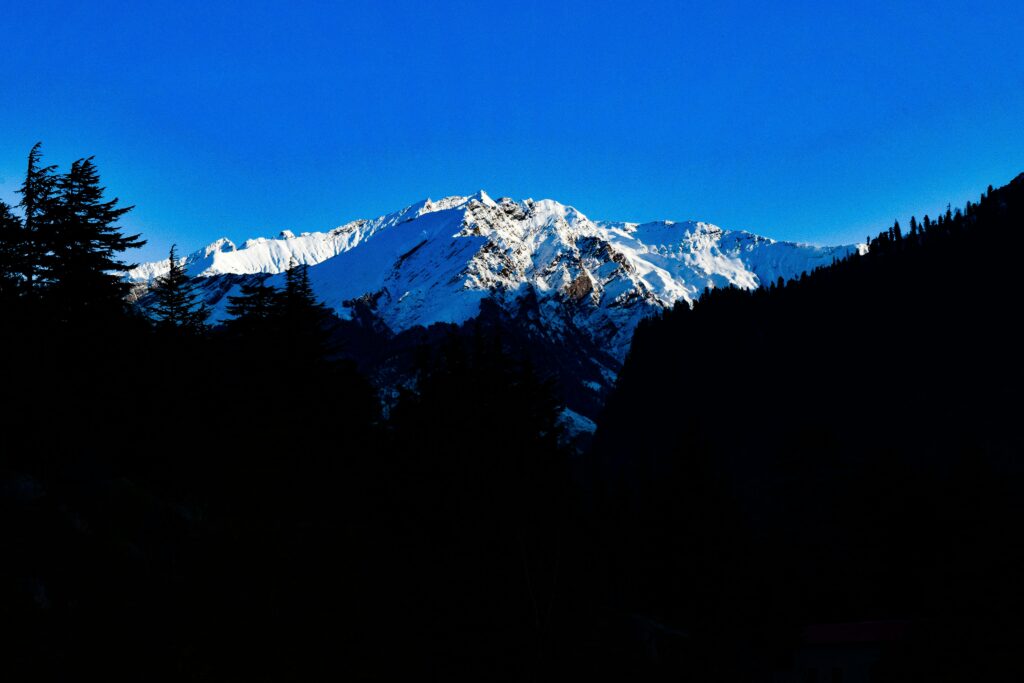
Manali and the Kullu Valley, Himachal Pradesh
Manali is one of India’s popular family holiday destinations because it combines mountain scenery, river landscapes, outdoor activities, temples, and convenient tourist facilities. Located in the Kullu Valley along the Beas River, it offers a mix of sightseeing and opportunities to experience the Himalayan environment.
Families can explore the Hadimba Devi Temple, stroll through Old Manali, visit local markets, and enjoy views of the surrounding mountains. The nearby Solang Valley is popular for seasonal snow activities and mountain scenery. Depending on weather and road conditions, families can also plan excursions towards Naggar or the Lahaul region.
For children, the journey itself can be an experience, with rivers, forests, mountain villages, and changing landscapes along the way. Older children may enjoy outdoor activities, while younger children can spend time at scenic viewpoints and accessible attractions.
Best time to visit: March to June for milder weather and outdoor sightseeing; December to February for winter scenery and possible snowfall.
Suggested duration: 4 to 6 days.
How to reach: Travel by road from Chandigarh or Delhi, or fly to Bhuntar Airport when suitable connections are available. The road journey can be long, so families travelling with young children should consider breaks and an overnight stop if needed.
Family travel tip: Choose accommodation with convenient access to restaurants and essential services. If travelling during winter, confirm heating arrangements, road access, and the availability of suitable activities before booking.

Shimla and Mashobra, Himachal Pradesh
Shimla is a practical choice for families seeking a traditional hill station holiday with sightseeing, heritage attractions, shopping, and mountain views. Its established tourism infrastructure makes it easier to plan a short break without travelling too far into remote mountain regions.
The Ridge and Mall Road are central attractions where families can explore shops, cafés, and historic buildings. The Kalka Shimla Railway is another memorable experience, particularly for children who enjoy trains and scenic journeys through tunnels, bridges, and mountain settlements.
Mashobra and Naldehra, located outside the busiest parts of Shimla, offer forested surroundings and opportunities for peaceful walks. Families can include these areas if they prefer a combination of town sightseeing and nature.
Best time to visit: March to June and September to November. Winter is attractive for cold weather, but snowfall varies.
Suggested duration: 3 to 5 days.
How to reach: Travel by road from Chandigarh or Delhi, or take a train to Kalka and continue on the heritage railway or by road.
Family travel tip: Mall Road and some surrounding areas involve slopes and walking. Families travelling with elderly members or strollers should check access arrangements and choose accommodation accordingly.

Mussoorie, Uttarakhand
Mussoorie is a family friendly hill station known for its forested hills, viewpoints, colonial era character, and views across the Doon Valley. It is particularly suitable for families looking for a short holiday with a combination of sightseeing and relaxation.
Families can explore the Mall Road, visit Company Garden, enjoy the views from Gun Hill when access is operating, and take scenic drives around the surrounding hills. Kempty Falls is another well known attraction, although families should check current conditions and crowd levels before visiting.
Nearby Landour provides a quieter atmosphere with old cottages, cafés, and forested paths. It can be a good addition for families who prefer a slower pace and scenic walks.
Best time to visit: March to June and September to November.
Suggested duration: 3 to 4 days.
How to reach: Travel by road from Dehradun, which has an airport and railway station.
Family travel tip: Mussoorie can become crowded during school holidays and long weekends. Travelling on weekdays and booking accommodation in advance can make the experience more comfortable.

Nainital and the Kumaon Lakes, Uttarakhand3
Nainital is an appealing destination for families who enjoy lakes, boating, mountain viewpoints, and a compact hill town. The central lake provides the main focus of the town, while the surrounding hills offer scenic viewpoints and opportunities for short excursions.
Families can enjoy boating on Naini Lake where conditions permit, explore the town’s markets, visit Naina Devi Temple, and take suitable trips to nearby lakes. Bhimtal and Sattal are useful additions for families who want to explore quieter lakeside surroundings.
Nainital is also a convenient base for introducing children to the landscapes of the Kumaon region. Families with older children can combine sightseeing with nature walks, while younger children may prefer boating, gardens, and short drives.
Best time to visit: March to June and September to November.
Suggested duration: 3 to 5 days.
How to reach: Travel by train to Kathgodam and continue by road to Nainital.
Family travel tip: The town has steep roads and busy central areas. Families with toddlers or elderly travellers should choose accommodation carefully and avoid planning too many activities on foot.
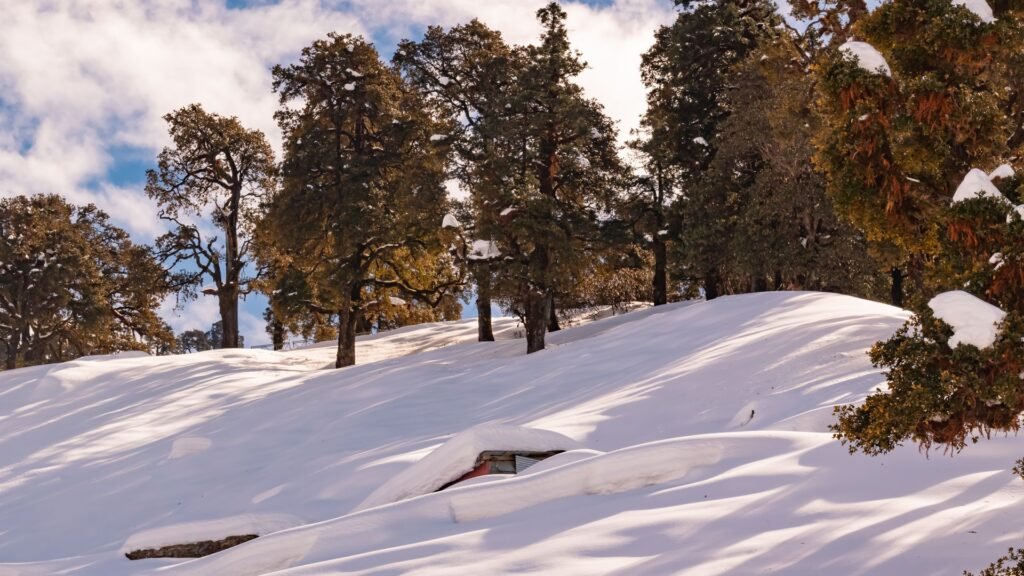
Auli and Joshimath, Uttarakhand
Auli is a scenic Himalayan destination for families who want mountain views, open landscapes, and seasonal snow experiences. Located above Joshimath, it is particularly attractive to families with older children who enjoy mountain scenery and outdoor activities.
During winter, Auli is associated with skiing and snow covered slopes, depending on conditions. In warmer months, families can enjoy mountain views and explore the surrounding region. Joshimath serves as an important access point and has accommodation and essential services for travellers.
The region is less suitable for families seeking a busy entertainment destination. Its appeal lies in nature, scenery, and a quieter mountain atmosphere.
Best time to visit: December to March for winter scenery, subject to snow conditions; April to June for milder weather.
Suggested duration: 3 to 5 days.
How to reach: Travel by road from Rishikesh or Haridwar towards Joshimath and continue to Auli.
Family travel tip: Mountain roads, weather changes, and altitude can affect travel plans. Families with infants or members who have mobility or health concerns should assess the suitability of the journey before booking.
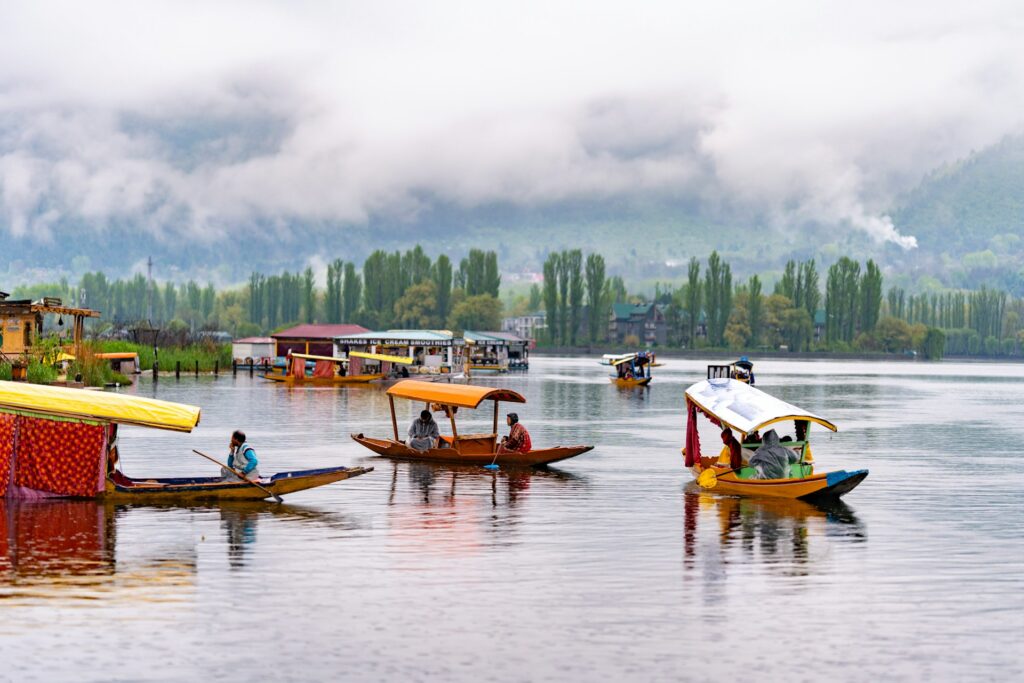
Kashmir: Srinagar, Gulmarg, and Pahalgam
Kashmir offers families a combination of lakes, gardens, mountain scenery, rivers, and outdoor activities. It is a good choice for families who want to experience the Himalayas while combining sightseeing with comfortable accommodation.
Srinagar is an excellent starting point. Families can take a shikara ride on Dal Lake, visit the Mughal gardens, explore local markets, and learn about the region’s architecture and handicrafts. A houseboat stay can also be a memorable experience, although families should check room arrangements, safety features, and heating facilities when relevant.
Gulmarg offers mountain scenery, meadows, and seasonal snow experiences. Pahalgam is known for riverside landscapes, pine forests, and green valleys. The choice between these places depends on the season, travel time, and the ages of the children.
Best time to visit: March to June for gardens and greenery; September and October for autumn colours; winter for snow, subject to weather and road conditions.
Suggested duration: 5 to 7 days.
How to reach: Fly to Srinagar Airport or travel by rail to a suitable station in the Jammu region and continue by road.
Family travel tip: Keep enough time between destinations, particularly in winter. Check local travel advisories and road conditions before travelling, and avoid planning long mountain drives late in the day.
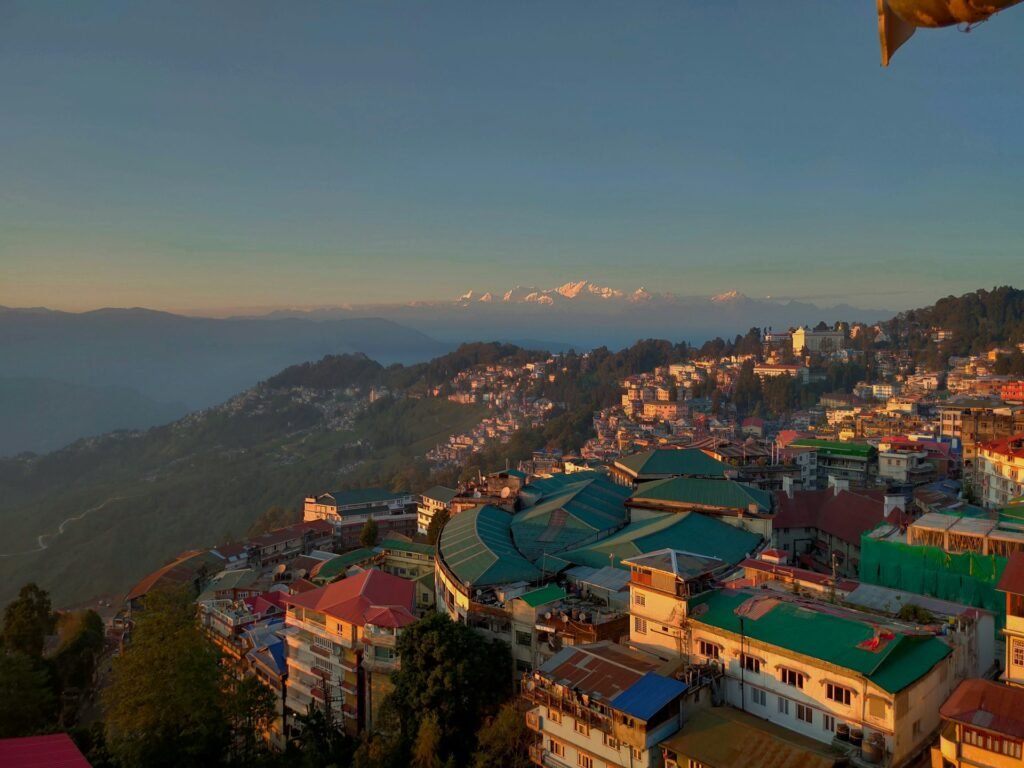
Darjeeling, West Bengal
Darjeeling is an excellent destination for families who enjoy scenic rail journeys, tea gardens, mountain views, and colonial era architecture. Its combination of accessible sightseeing and distinctive local culture makes it suitable for children and adults alike.
One of the most memorable family experiences is the Darjeeling Himalayan Railway, a heritage narrow gauge railway that travels through the hill landscape. Families can also visit tea estates, explore local markets, see monasteries, and visit viewpoints when the weather is clear.
The town offers opportunities to introduce children to tea cultivation, mountain geography, and the cultural diversity of the eastern Himalayas. Nearby settlements can provide additional sightseeing for families with more time.
Best time to visit: March to May and October to November, depending on weather and visibility.
Suggested duration: 3 to 5 days.
How to reach: Travel through Bagdogra Airport or New Jalpaiguri railway station and continue by road.
Family travel tip: Mountain views are weather dependent. Keep alternative activities available for cloudy or rainy days, especially when travelling with children who need a varied itinerary.

Gangtok and Sikkim
Gangtok and the surrounding parts of Sikkim are suitable for families who enjoy mountain scenery, monasteries, waterfalls, forests, and cultural exploration. Gangtok provides a convenient base with hotels, restaurants, markets, and access to regional excursions.
Families can explore monasteries, visit viewpoints, enjoy local food, and learn about the traditions of the region. Excursions towards Tsomgo Lake are popular when access is permitted, while Pelling offers opportunities for mountain views and further exploration.
Sikkim’s landscapes are varied, ranging from forested hills to high mountain terrain. Families should choose excursions according to the ages of their children and the amount of travel they can comfortably manage.
Best time to visit: March to May and October to mid December, although local conditions vary.
Suggested duration: 5 to 7 days.
How to reach: Travel through Bagdogra Airport or New Jalpaiguri railway station and continue by road. Flights to Pakyong may be available depending on schedules and operating conditions.
Family travel tip: Some high altitude excursions and remote mountain journeys may not be appropriate for very young children. Confirm permit requirements, road access, and weather conditions before travelling.

Ooty and Coonoor, Tamil Nadu
Ooty and Coonoor are popular family destinations in the Nilgiri Hills. They offer tea plantations, gardens, forested slopes, scenic railway journeys, and a cooler climate compared with many surrounding lowland cities.
Ooty has a wider range of family attractions, including the Government Botanical Garden, Ooty Lake, and viewpoints around the town. The Nilgiri Mountain Railway is a memorable experience for children who enjoy trains and mountain scenery.
Coonoor offers tea estates, viewpoints, and a quieter atmosphere. Families can divide their stay between the two towns or choose one base depending on the length of the holiday.
Best time to visit: March to June and September to November, depending on rainfall and local weather.
Suggested duration: 3 to 5 days.
How to reach: Coimbatore is a major airport and railway gateway, followed by a road journey to the Nilgiri Hills.
Family travel tip: Avoid scheduling too many attractions in a single day. The roads are winding, and travel between viewpoints can take longer than expected.

Kodaikanal, Tamil Nadu
Kodaikanal is a peaceful hill station suitable for families who enjoy lakes, wooded landscapes, viewpoints, and outdoor recreation. Its compact central area and surrounding scenery make it a good option for a short family holiday.
Families can visit Kodaikanal Lake, enjoy boating where available, explore Bryant Park, and take scenic drives to nearby viewpoints. Children may enjoy the lake area, while adults can appreciate the forested valleys and cooler weather.
The surrounding region also has nature trails and other outdoor attractions, although families should assess walking distances and trail conditions before choosing them.
Best time to visit: March to June and September to October, depending on weather.
Suggested duration: 3 to 4 days.
How to reach: Travel by road from Kodai Road railway station or Madurai.
Family travel tip: Choose a centrally located hotel if you want easy access to restaurants and attractions. A remote hillside property may provide more space but could require longer drives.
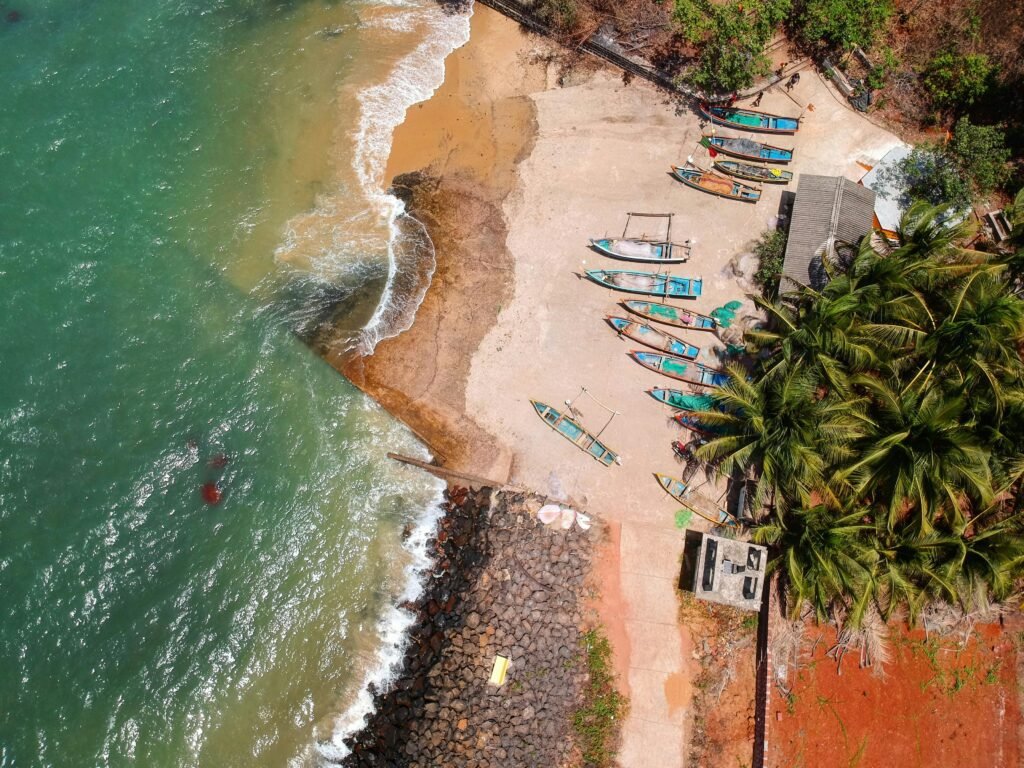
Goa: Beaches, Culture, and Family Entertainment
Goa is a versatile family holiday destination because it combines beaches, historic churches, Portuguese influenced architecture, wildlife attractions, markets, and a wide selection of resorts.
North Goa has busier beaches, shopping areas, restaurants, and entertainment options. South Goa is often preferred by families looking for quieter beaches and resort based holidays, although conditions vary from one area to another.
Families can explore Old Goa’s historic churches, visit Panaji’s heritage neighbourhoods, take a suitable river cruise, or spend a day at a family oriented resort. Depending on children’s ages, they may also enjoy selected water activities and wildlife attractions.
Best time to visit: November to February for generally dry weather. The monsoon brings heavy rain and may limit beach activities.
Suggested duration: 4 to 6 days.
How to reach: Fly to Manohar International Airport at Mopa or Goa International Airport at Dabolim. Goa is also connected by rail and road.
Family travel tip: Not every beach is safe for swimming. Follow lifeguard instructions, observe warning flags, and supervise children closely near the water. Choose accommodation with family rooms and convenient access to restaurants.
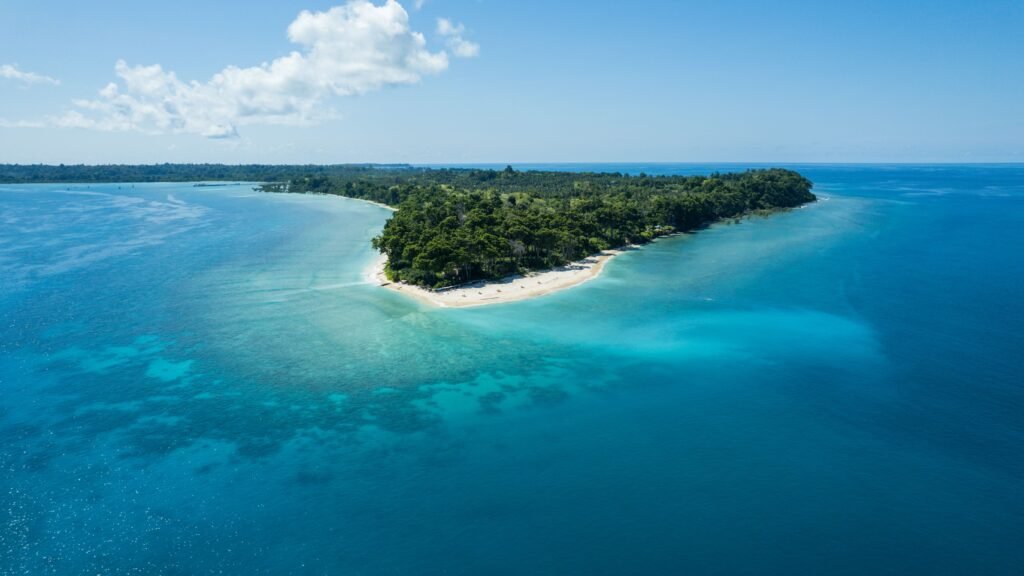
Andaman Islands: A Tropical Family Holiday
The Andaman Islands are ideal for families who want a tropical holiday with beaches, marine life, island scenery, and opportunities to learn about coastal ecosystems.
Sri Vijaya Puram, formerly known as Port Blair, is the main gateway. Families can explore local attractions and travel to Swaraj Dweep, formerly Havelock Island, which is known for Radhanagar Beach. Shaheed Dweep, formerly Neil Island, offers a quieter atmosphere and coastal scenery.
Older children may enjoy supervised snorkelling or other suitable marine activities, while younger children can enjoy beach walks and time at family friendly accommodation. Some activities have age, health, or safety restrictions, so families should check requirements before booking.
Best time to visit: Generally October to May, subject to sea conditions and ferry schedules.
Suggested duration: 5 to 7 days.
How to reach: Fly to Sri Vijaya Puram and continue by ferry to the islands included in your itinerary.
Family travel tip: Limit the number of island transfers. Ferry journeys and schedule changes can be tiring for young children, so plan around transport timings and allow a buffer before departure flights.
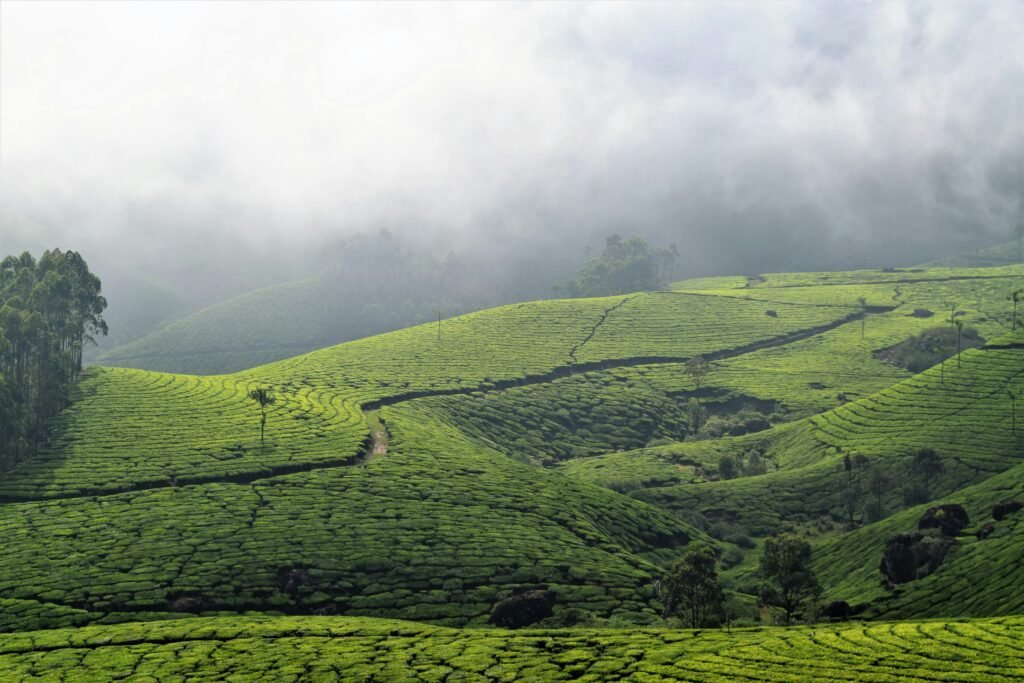
Kerala: A Family Holiday of Backwaters, Hills, and Beaches
Kerala is one of India’s most versatile family destinations because it combines mountains, backwaters, beaches, wildlife, and cultural attractions within one state. Families can enjoy a varied holiday without travelling to a completely different region for each type of experience.
Munnar
Munnar is surrounded by tea plantations, forests, waterfalls, and mountain viewpoints. Families can visit tea museums, explore scenic roads, and enjoy nature based accommodation. Eravikulam National Park is another attraction when open, although access and walking requirements should be checked.
Best time: September to March for generally comfortable sightseeing.
Alappuzha and Kumarakom
Alappuzha, also known as Alleppey, is famous for its backwaters and houseboats. A carefully selected houseboat journey can be an enjoyable family experience, offering views of villages, coconut palms, paddy fields, and waterways.
Kumarakom is another option, particularly for families who prefer a lakeside resort with boating and birdwatching opportunities.
Families travelling with young children should confirm safety arrangements, cabin facilities, life jackets, and the availability of appropriate meals before booking a houseboat.
Best time: October to February for generally comfortable backwater travel.
Kochi
Kochi offers historic neighbourhoods, museums, waterfront attractions, markets, and cultural experiences. It is a convenient starting point for families arriving by air or rail.
Best time: October to March for generally comfortable sightseeing.
Kovalam and Varkala
Kovalam offers established beach resorts and a lighthouse area, while Varkala is known for its cliff top setting overlooking the Arabian Sea. Families should select beaches according to sea conditions, swimming safety, and the ages of their children.
Suggested duration: 6 to 8 days for a combined hill station, backwater, and coastal itinerary.
How to reach: Kochi, Thiruvananthapuram, and Kozhikode are major airport gateways, depending on the selected route.
Family travel tip: Kerala is best explored through a few carefully chosen bases. Combining Munnar with Kochi and the backwaters can create a varied holiday without too many hotel changes.

Udaipur, Rajasthan: Lakes, Palaces, and Cultural Experiences
Udaipur is an excellent family destination for those interested in history, architecture, lakes, and heritage hotels. Its combination of palace complexes, temples, old city streets, and boat rides offers opportunities for both sightseeing and relaxation.
Families can explore the City Palace, take a boat ride on Lake Pichola when services are operating, visit Jagdish Temple, and wander through the old city. Children can learn about Rajasthan’s royal history through architecture, paintings, and museum exhibits.
Udaipur also offers a wide range of accommodation, from budget hotels to heritage properties. Families can choose a hotel close to major attractions or a quieter resort outside the city.
Best time to visit: October to March.
Suggested duration: 3 to 5 days.
How to reach: Udaipur has an airport and railway connections, as well as road links with Jaipur and Ahmedabad.
Family travel tip: Plan outdoor sightseeing for the cooler parts of the day, particularly if travelling with young children or elderly family members.
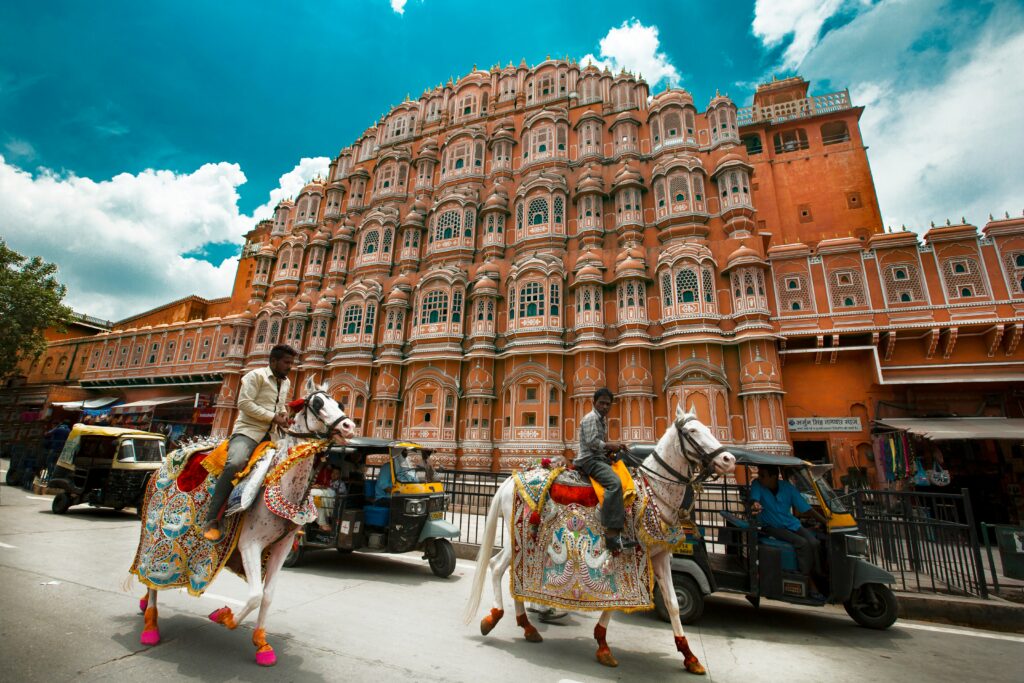
Jaipur, Rajasthan: Forts, Museums, and Family Learning
Jaipur is a good choice for families who want to combine history, architecture, shopping, and educational experiences. The capital of Rajasthan offers a rich collection of forts, palaces, historic markets, and museums.
Families can visit Amber Fort, Hawa Mahal, the City Palace, and Jantar Mantar. These attractions provide opportunities to introduce children to royal history, traditional architecture, astronomy, and urban planning.
The city’s markets are also useful for discovering local handicrafts, textiles, jewellery, and regional food. Families should choose shopping areas and sightseeing schedules according to their children’s interests and energy levels.
Best time to visit: October to March.
Suggested duration: 3 to 4 days.
How to reach: Jaipur has an airport, railway station, and road connections with Delhi and other major cities.
Family travel tip: Fort complexes may involve steep paths, stairs, and substantial walking. Check accessibility before visiting with toddlers, strollers, or elderly relatives.
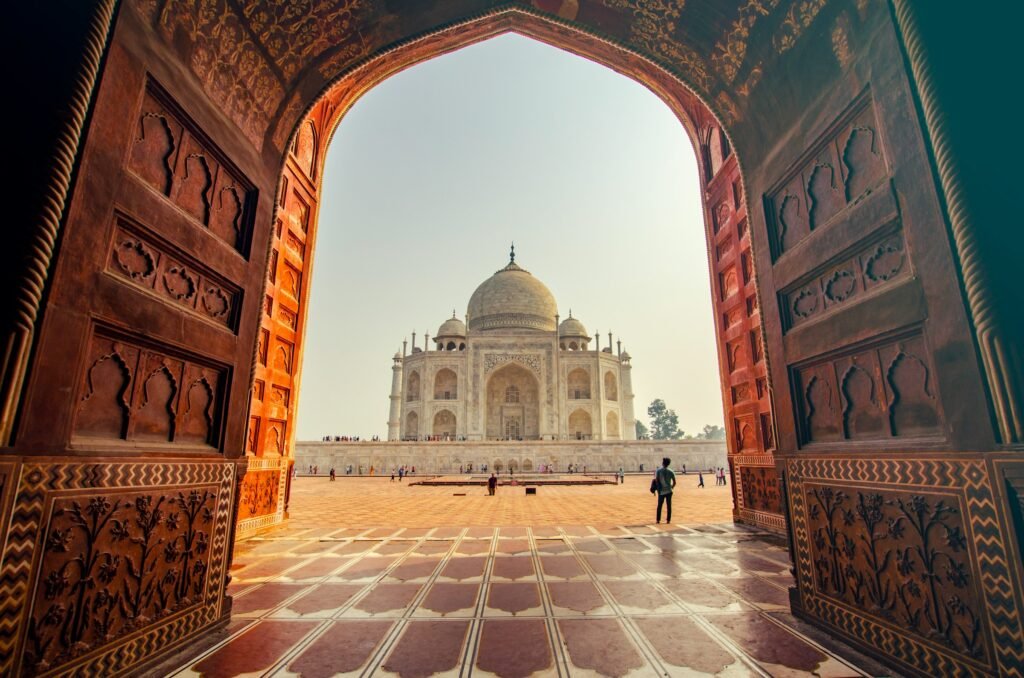
Agra, Uttar Pradesh: A Historical Family Getaway
Agra is a rewarding destination for families interested in India’s Mughal history and architecture. The Taj Mahal is the main attraction, but Agra Fort and nearby Fatehpur Sikri provide additional opportunities to explore the region’s historical significance.
Children can learn about Mughal architecture, gardens, symmetry, stonework, and the history of the monuments. A guided visit designed for families can make the experience more engaging than simply walking through the sites.
Agra can be visited as a short standalone trip or combined with Delhi and Jaipur as part of a Golden Triangle itinerary.
Best time to visit: October to March for generally more comfortable sightseeing.
Suggested duration: 1 to 3 days.
How to reach: Agra has railway and road connections and can be reached from Delhi by train or highway.
Family travel tip: Visit major monuments early in the day to avoid some of the heat and crowds. Check monument opening arrangements and allow rest time between visits.

Delhi: Museums, Monuments, Parks, and Science Centres
Delhi is one of the strongest family destinations for combining history, science, culture, food, and entertainment. Its transport connections and range of accommodation make it suitable for both short city breaks and longer family holidays.
Families can visit the Red Fort, Humayun’s Tomb, Qutub Minar, India Gate, and the National Rail Museum. The National Science Centre and planetarium experiences can also be valuable for children interested in science, space, and technology, subject to current programmes and opening schedules.
Delhi’s parks, gardens, and cultural centres provide alternatives to monument visits. Families can also explore different regional cuisines, although meal choices should be adapted for children.
Best time to visit: October to March for generally more comfortable outdoor sightseeing. Summer can be extremely hot, and winter air pollution may affect outdoor activities.
Suggested duration: 3 to 5 days.
How to reach: Delhi is a major international and domestic air, rail, and road hub.
Family travel tip: Use the metro where convenient and plan attractions by area to reduce traffic time. Check air quality during winter and keep indoor alternatives available.

Mumbai, Maharashtra: City Attractions and Coastal Experiences
Mumbai offers families a mix of historic architecture, museums, waterfront promenades, markets, entertainment, and organised attractions. It is a good choice for families who enjoy city holidays and want convenient transport and a wide range of accommodation.
Families can explore the Gateway of India, visit the Chhatrapati Shivaji Maharaj Vastu Sangrahalaya, walk along Marine Drive, and explore selected neighbourhoods with historic buildings. The Nehru Science Centre is another option for children interested in science and interactive exhibits.
Ferry services and excursions may provide additional experiences, but families should check current operating schedules and suitability before planning a trip.
Best time to visit: November to February for generally comfortable outdoor sightseeing. The monsoon months bring heavy rain and can disrupt some activities.
Suggested duration: 3 to 5 days.
How to reach: Mumbai has a major international airport, railway terminals, and road connections.
Family travel tip: Traffic can significantly affect travel time. Plan nearby attractions together and choose accommodation with convenient transport access.
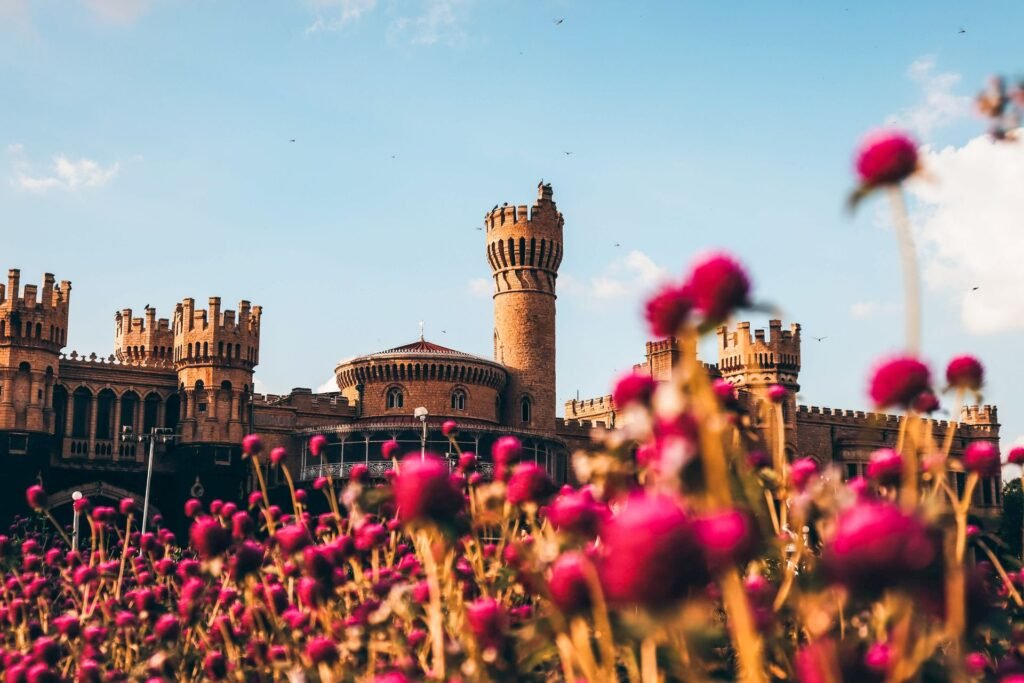
Bengaluru, Karnataka: Science, Gardens, and Entertainment
Bengaluru is suitable for families who want a city holiday with parks, science attractions, museums, shopping, and entertainment. Its range of restaurants and accommodation makes it practical for families travelling with children of different ages.
Cubbon Park and Lalbagh Botanical Garden provide opportunities for outdoor recreation, while science and technology attractions can appeal to older children. Families can also explore local markets and cultural institutions or include a suitable amusement park excursion.
Bengaluru can be combined with nearby destinations for a longer trip, but families should consider traffic and travel time before adding distant attractions.
Best time to visit: October to February for generally pleasant outdoor conditions, although the city can be visited throughout the year.
Suggested duration: 2 to 4 days.
How to reach: Bengaluru has an international airport, major railway connections, and extensive road links.
Family travel tip: Use a location based itinerary to avoid spending too much time in traffic. Choose a hotel close to the attractions you intend to visit.
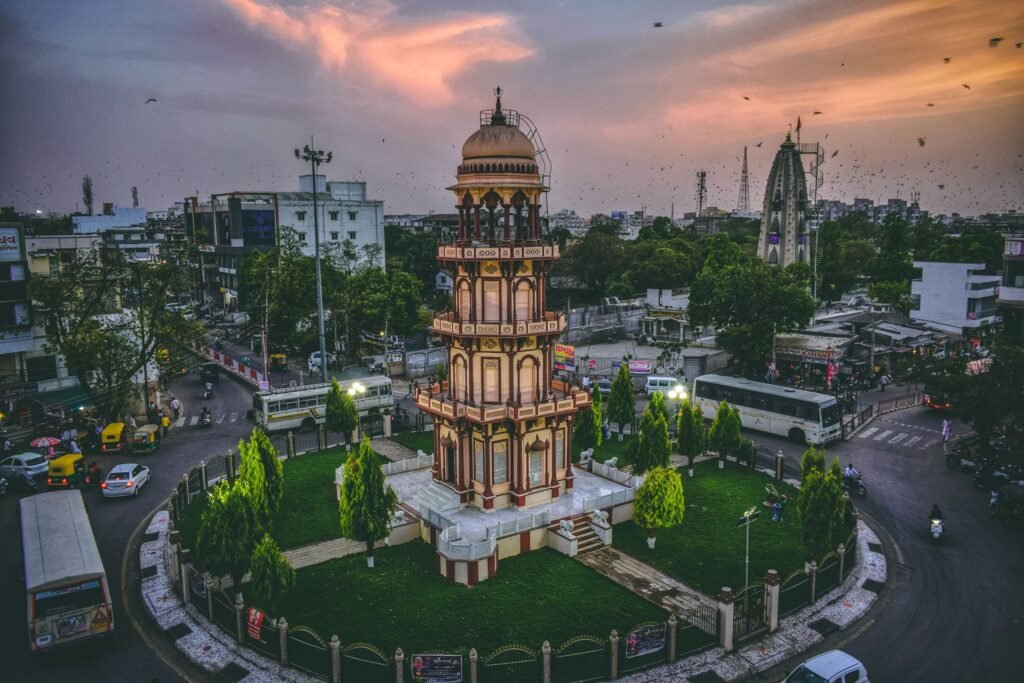
Hyderabad, Telangana: History, Food, and Modern Attractions
Hyderabad offers a combination of historic monuments, museums, lakes, technology themed attractions, and family entertainment. It is suitable for families who want a city break with both educational and recreational activities.
Families can visit Charminar, Golconda Fort, Salar Jung Museum, and selected heritage neighbourhoods. Ramoji Film City is another popular option for families who want a full day of entertainment, although its scale means that visitors should plan their time carefully.
The city also has a well known food culture, with opportunities to explore regional cuisine and local markets.
Best time to visit: October to February for generally more comfortable sightseeing.
Suggested duration: 3 to 4 days.
How to reach: Hyderabad has an international airport, railway connections, and road links with other major cities.
Family travel tip: Reserve enough time for large attractions such as Ramoji Film City. Trying to combine them with multiple distant monuments on the same day can be exhausting.
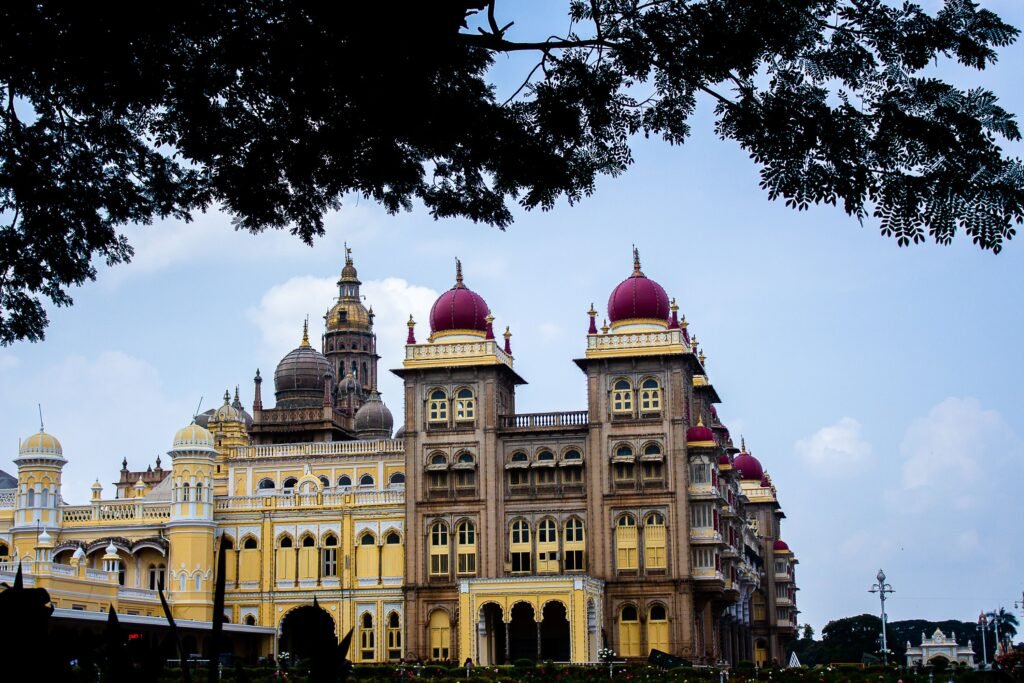
Mysuru, Karnataka: Palaces, Gardens, and Heritage
Mysuru is a family friendly destination known for its palace architecture, gardens, museums, and cultural traditions. Its relatively compact sightseeing areas make it suitable for a relaxed family holiday.
Mysuru Palace is the city’s main attraction and provides insight into the history of the Wadiyar dynasty. Families can also visit the Brindavan Gardens, explore local markets, and consider a trip to Chamundi Hill, subject to road and access conditions.
The city can be combined with Bengaluru, Coorg, or Ooty, depending on the length of the holiday and the family’s interests.
Best time to visit: October to March for generally comfortable weather. The Dasara festival period offers a special cultural atmosphere but may bring larger crowds and higher accommodation demand.
Suggested duration: 2 to 4 days.
How to reach: Mysuru is connected by rail and road, and Bengaluru is a major airport gateway.
Family travel tip: If travelling during Dasara, book accommodation and transport early. For a quieter visit, consider dates outside the main festival period.
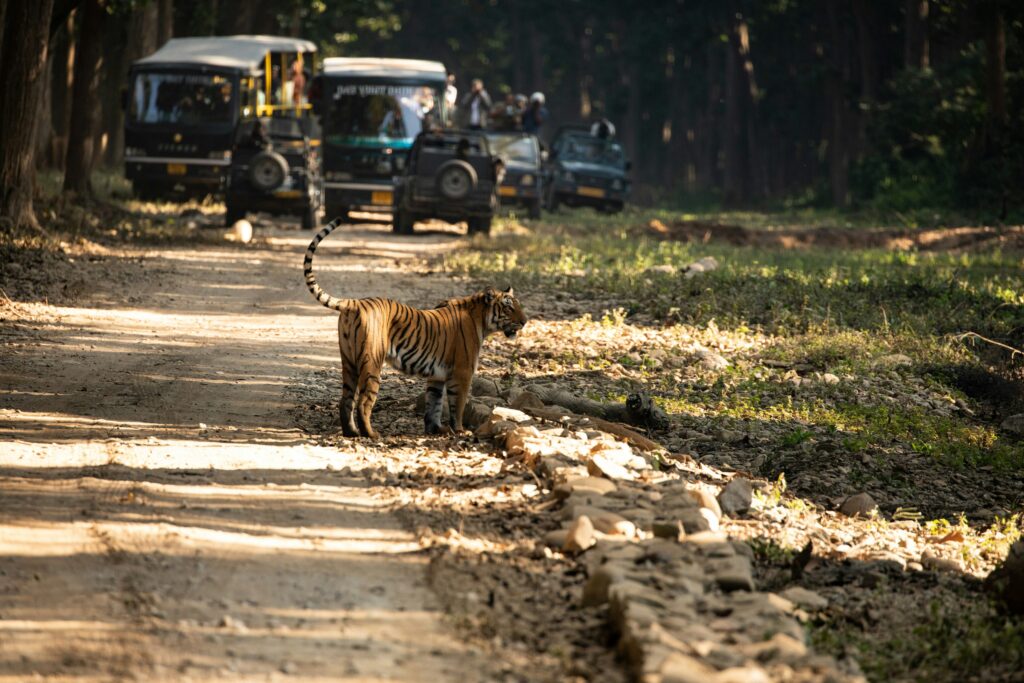
Jim Corbett National Park, Uttarakhand
Jim Corbett National Park is an important destination for families interested in wildlife, forests, and conservation. Located in Uttarakhand, it is known for its tiger habitat and diverse wildlife, including elephants, deer, and numerous bird species.
A permitted safari can introduce older children to forest ecosystems, animal behaviour, and wildlife protection. However, sightings are never guaranteed, and the experience depends on the safari zone, season, weather, and luck.
The wider Ramnagar area also offers riverside accommodation and nature based stays. Families can choose a resort that provides a comfortable place to relax between excursions.
Best time to visit: Generally October to June for safari travel, but opening periods differ by zone and weather conditions. Some areas close seasonally during the monsoon.
Suggested duration: 2 to 3 days.
How to reach: Ramnagar is the main access point, with rail and road connections from northern Indian cities.
Family travel tip: Confirm safari rules, age restrictions, reporting times, and permitted zones before booking. Follow all wildlife guidelines and avoid expecting guaranteed tiger sightings.
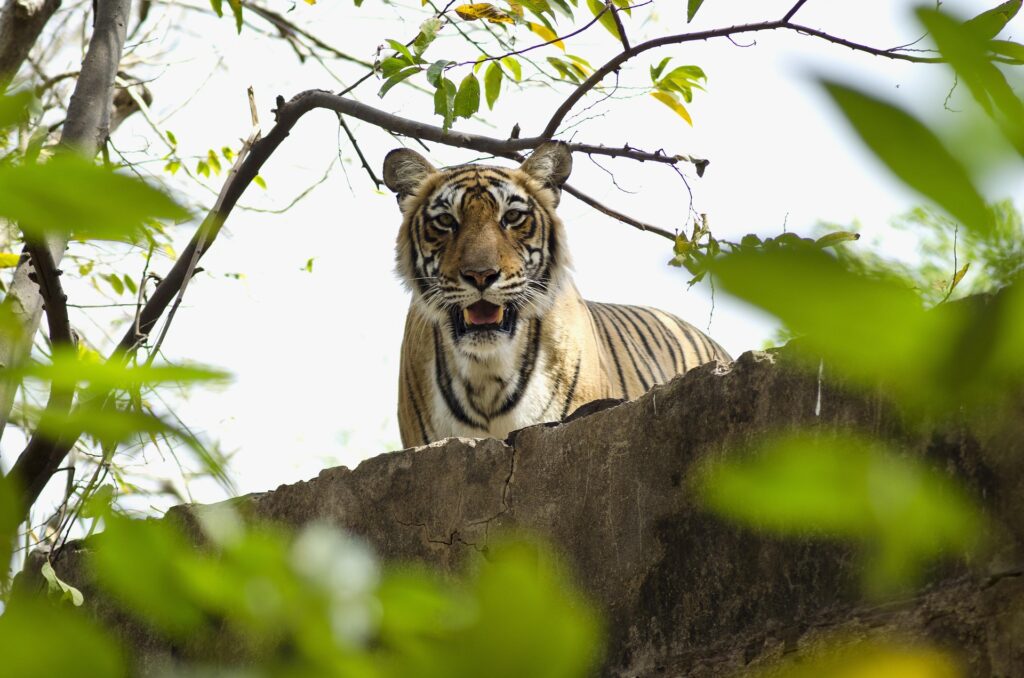
Ranthambore National Park, Rajasthan
Ranthambore is a popular destination for families who want to experience wildlife and history in one trip. The national park is known for its tiger habitat, while the surrounding region also has a historic fort and lakeside landscapes.
A safari offers an opportunity to learn about wildlife conservation and the ecology of dry deciduous forests. Children may also enjoy exploring the region’s natural scenery and learning about the relationship between historic settlements and protected landscapes.
The experience is most suitable for families with children who can comfortably manage a scheduled safari and remain seated for its duration.
Best time to visit: Generally October to June, depending on park opening schedules and seasonal conditions.
Suggested duration: 2 to 3 days.
How to reach: Sawai Madhopur is the principal railway gateway, with road connections from Jaipur and other regional centres.
Family travel tip: Book authorised safaris in advance and follow the park’s rules. Do not choose an operator solely because they promise tiger sightings.
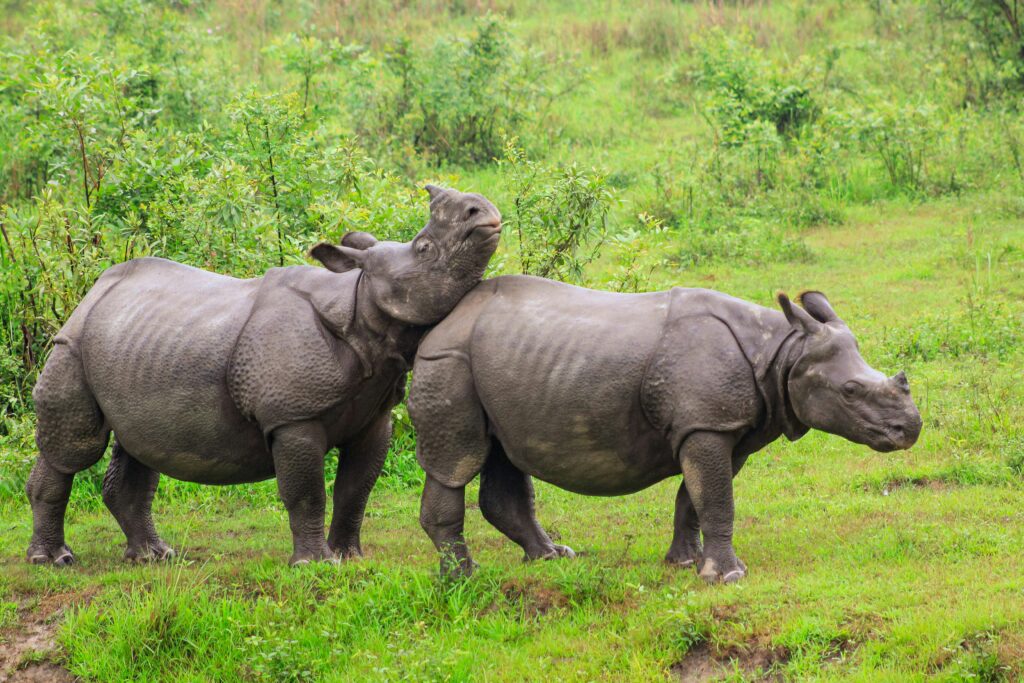
Kaziranga National Park, Assam
Kaziranga National Park is an excellent choice for families interested in wildlife, biodiversity, and the landscapes of northeastern India. The park is internationally known for its greater one horned rhinoceros population and also supports elephants, wild buffalo, deer, and diverse birdlife.
A wildlife excursion can help children understand the importance of protected habitats, grasslands, wetlands, and conservation. The wider region also offers opportunities to experience Assamese culture, food, and rural landscapes.
Kaziranga is particularly appealing for families who want a nature focused holiday rather than a traditional hill station or beach trip.
Best time to visit: The main tourist season is generally November to April, subject to park schedules and weather. Flooding during the monsoon can affect access and operations.
Suggested duration: 3 to 4 days.
How to reach: Jorhat, Guwahati, and other regional gateways may be useful depending on the selected park area and transport connections.
Family travel tip: Check the park’s operating schedule before booking accommodation. Follow wildlife viewing rules and prepare children for early starts and outdoor conditions.
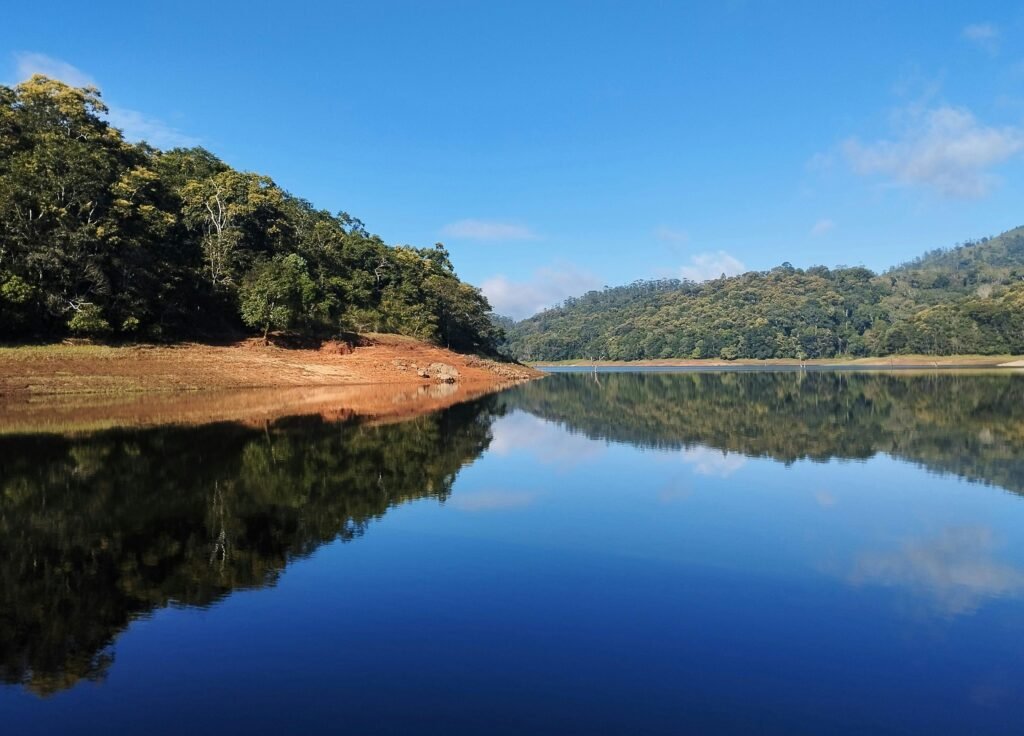
Periyar, Thekkady, Kerala
Periyar is a strong option for families who want to combine forests, wildlife, boating, and nature based activities. Located in the Western Ghats, the area is known for the Periyar Tiger Reserve and its forested landscape around a reservoir.
Depending on current availability and regulations, families can explore authorised boating experiences, guided nature activities, and local spice plantations. The region is also a good place to introduce children to tropical forest ecosystems and wildlife conservation.
Thekkady has a range of hotels and resorts, including properties suited to families looking for a peaceful stay.
Best time to visit: Generally October to April for comfortable sightseeing, although conditions and activity schedules vary.
Suggested duration: 2 to 3 days.
How to reach: Travel by road from Kochi, Madurai, or other regional gateways, depending on your itinerary.
Family travel tip: Choose guided activities that suit your children’s ages and physical abilities. Wildlife sightings are not guaranteed, so focus on the broader nature experience.

Puri and the Odisha Coast
Puri is a useful family destination for combining beach experiences, cultural sightseeing, and regional food. It is known for Jagannath Temple, the coastal landscape, and its connection with Odisha’s religious and artistic traditions.
Families can explore the beach, visit local markets, and take suitable excursions to Konark Sun Temple and Chilika Lake. These attractions offer a mix of coastal scenery, architecture, history, and opportunities to learn about regional culture.
Puri can also serve as part of a longer Odisha itinerary, depending on travel time and the interests of the family.
Best time to visit: October to February for generally more comfortable sightseeing.
Suggested duration: 3 to 5 days.
How to reach: Puri has railway connections, while Bhubaneswar Airport provides a convenient air gateway.
Family travel tip: Observe local beach safety guidance and be mindful of sea conditions. Check temple rules and entry arrangements before planning visits with children.

Rishikesh and Haridwar, Uttarakhand
Rishikesh and Haridwar are suitable for families interested in riverside landscapes, religious traditions, cultural experiences, and nature. The two cities offer different atmospheres but can be combined into one short trip.
In Haridwar, families can attend the Ganga Aarti at Har Ki Pauri and explore local markets and temples. Rishikesh offers riverfront areas, suspension bridges, yoga centres, and opportunities to learn about the region’s spiritual traditions.
Older children may enjoy selected adventure activities, but these should only be booked through authorised operators and undertaken according to age and safety requirements. Whitewater rafting, in particular, is subject to seasonal and regulatory restrictions.
Best time to visit: October to March for generally comfortable sightseeing, although seasonal conditions affect adventure activities.
Suggested duration: 2 to 4 days.
How to reach: Haridwar and Rishikesh are connected by rail and road, with Dehradun Airport serving as an air gateway.
Family travel tip: Choose riverside activities carefully, supervise children near the water, and avoid unsafe riverbanks or strong currents.
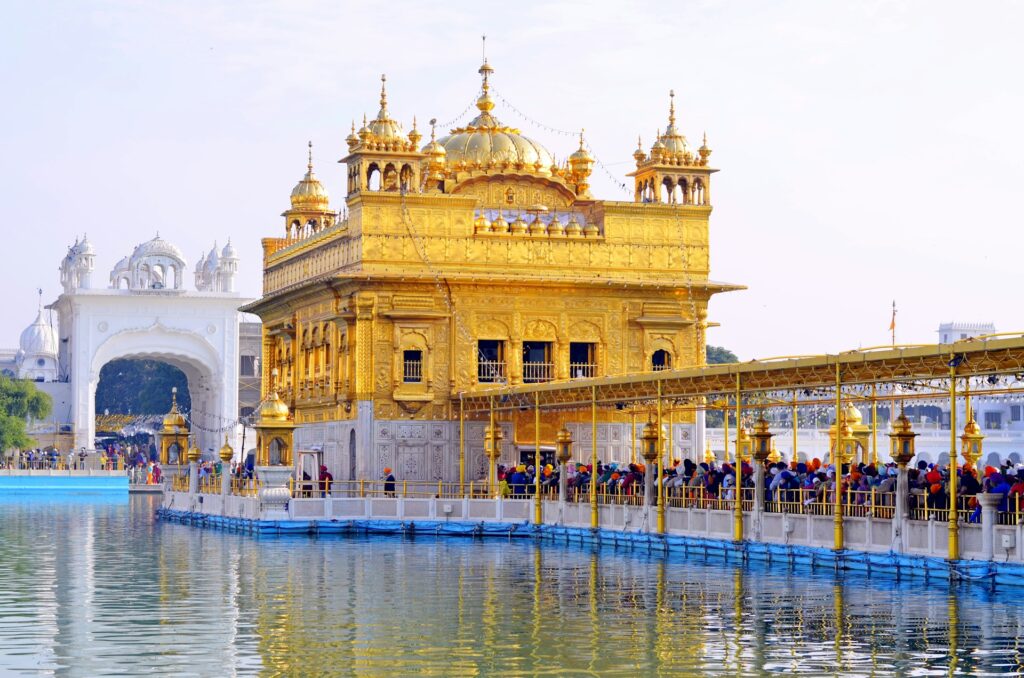
Amritsar, Punjab: Heritage, Food, and Culture
Amritsar is a rewarding family destination for travellers interested in history, religious heritage, regional cuisine, and cultural experiences. The Golden Temple is the city’s most important landmark and offers an opportunity to learn about Sikh traditions, community service, and the institution of langar.
Families can also visit Jallianwala Bagh and explore the city’s food markets. The Wagah border ceremony is another well known experience, although crowds, access arrangements, and travel time should be considered.
Amritsar is particularly suitable for a short educational family trip because its main attractions can be combined over a few days.
Best time to visit: October to March for generally more comfortable sightseeing. Summer can be hot.
Suggested duration: 2 to 3 days.
How to reach: Amritsar has an airport, railway station, and road connections.
Family travel tip: Dress appropriately when visiting religious sites, follow local rules, and allow extra time for security checks and crowds at popular attractions.
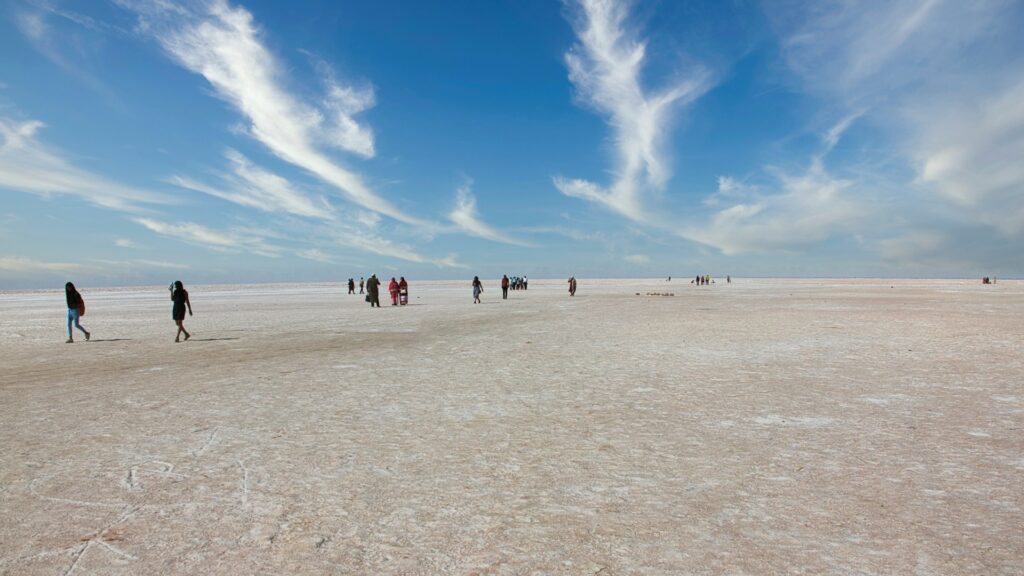
Rann of Kutch, Gujarat
The Rann of Kutch offers families a distinctive landscape experience centred on vast salt flats, local crafts, desert culture, and seasonal festivals. It is especially interesting for families who want to explore a part of India that looks very different from mountains, forests, and beaches.
The seasonal Rann Utsav provides opportunities to experience local music, dance, crafts, food, and cultural programmes. Families can also explore parts of Kutch known for traditional textiles, handicrafts, and distinctive villages.
The landscape changes with the season, and the appearance of the salt desert is strongly influenced by weather and water conditions.
Best time to visit: Generally November to February, with the main festival dates varying each year.
Suggested duration: 3 to 5 days.
How to reach: Bhuj is the main transport gateway, with rail and air connections varying by schedule.
Family travel tip: Check festival dates and accommodation availability well in advance. Daytime conditions can still be warm, while nights may be cold, so pack suitable clothing.
Which Family Friendly Destination Is Best for Different Age Groups?
Families should choose a destination based not only on the attractions available but also on the physical effort, travel time, and facilities required by their children.
For families with toddlers and young children, consider Goa, Mysuru, Jaipur, Udaipur, and selected parts of Kerala. These destinations offer a combination of accommodation choices, accessible attractions, and opportunities to take breaks.
For school age children, consider Delhi, Agra, Darjeeling, Ooty, Hyderabad, and Mysuru. These places combine sightseeing with history, science, architecture, gardens, and transport experiences that can be both educational and enjoyable.
For teenagers, consider Manali, Sikkim, Meghalaya, the Andaman Islands, and wildlife destinations such as Ranthambore. These places offer opportunities for outdoor exploration, photography, nature experiences, and selected adventure activities.
For multigenerational family trips, consider Udaipur, Mysuru, Kochi, Goa, and Delhi, depending on accommodation and mobility needs. A destination with good transport connections, medical facilities, comfortable hotels, and a variety of activities can make the trip easier for everyone.
For wildlife and nature enthusiasts, consider Jim Corbett, Kaziranga, Ranthambore, and Periyar. Choose the safari or guided activity according to the ages and interests of your children.
Best Family Holiday Destinations in India by Month
India’s climate varies considerably between the Himalayas, the northern plains, the Western Ghats, and the tropical islands. Choosing the right season can make a significant difference to a family holiday.
November to February is suitable for many beach, heritage, and wildlife holidays. Goa, Kerala, the Andaman Islands, Udaipur, Jaipur, Mysuru, and parts of Rajasthan are good options during this period. Families should also check winter air quality when planning outdoor activities in Delhi and other northern cities.
March to May is suitable for hill stations and some mountain regions. Manali, Shimla, Nainital, Mussoorie, Darjeeling, Ooty, and Munnar are popular choices. Lower altitude cities can become hot, so outdoor sightseeing should be planned accordingly.
June to September is the monsoon period across much of India. Families who enjoy greenery may consider selected areas of Kerala, Coorg, and Meghalaya, but heavy rainfall can affect roads, waterfalls, outdoor activities, and travel schedules. Ladakh is often considered for summer travel because its main road travel season generally falls during the warmer months.
October to early November can be a good transition period for hill stations, wildlife destinations, and cultural cities. The weather is often more comfortable than in peak summer, but local conditions and festival crowds should be considered.
These are general planning guidelines rather than guarantees. Families should check current weather forecasts, park opening schedules, road access, and transport availability before travelling.
How Much Does a Family Holiday in India Cost?
The cost of a family holiday depends on the number of travellers, children’s ages, hotel category, transport, season, and activities. A short road trip to a nearby hill station can be considerably less expensive than an island holiday involving flights and ferry transfers.
The following figures are illustrative estimates for a family of four travelling for approximately four to five nights. They include accommodation, meals, local transport, and ordinary sightseeing, but exclude major transport to the destination.
Budget guesthouses and simple hotels: ₹20,000 to ₹40,000.
Comfortable mid range holiday: ₹40,000 to ₹80,000.
Premium hotels and selected experiences: ₹80,000 to ₹1,50,000.
Luxury resorts, private transfers, or premium experiences: ₹1,50,000 and above.
These figures are planning estimates, not live package prices. Flights, peak holiday periods, safari bookings, resort activities, and premium accommodation can increase the total substantially.
How to Reduce Family Travel Costs
Travel outside major school holidays when possible. Popular hill stations, beaches, and wildlife destinations can become expensive during peak periods.
Choose accommodation with family rooms or extra beds rather than booking several separate rooms. Confirm the actual room capacity and children’s policies before paying.
Select a destination with convenient transport connections. Long transfers and multiple taxis can add considerably to the cost.
Plan fewer destinations. Spending four nights in one region may be more economical and relaxing than changing hotels every day.
Check whether attractions offer family tickets, children’s discounts, or advance reservations. Always confirm the current terms before budgeting.
Sample Family Holiday Itineraries in India
These itineraries are starting points. Actual travel time depends on your departure city, transport connections, weather, and the ages of your children.
Itinerary A: Himachal Pradesh Family Holiday
Duration: 5 days.
Day 1: Arrive in Shimla and spend the evening exploring an accessible part of the town.
Day 2: Visit the Ridge, Mall Road, and selected heritage attractions.
Day 3: Travel to Mashobra or Naldehra for a quieter outdoor experience.
Day 4: Enjoy a relaxed day with short excursions and time at the hotel.
Day 5: Return towards your departure point.
This itinerary suits families who prefer a short mountain holiday with a mix of sightseeing and leisure.
Itinerary B: Kerala Family Holiday
Duration: 7 days.
Day 1: Arrive in Kochi and explore selected city attractions.
Days 2 and 3: Travel to Munnar, visit tea plantations, and enjoy mountain scenery.
Day 4: Travel towards Alappuzha or Kumarakom.
Day 5: Enjoy a houseboat cruise or a lakeside resort stay.
Day 6: Explore the backwaters or travel towards Kochi.
Day 7: Departure.
Families with young children may prefer a lakeside resort rather than an overnight houseboat, depending on safety requirements and comfort.
Itinerary C: Rajasthan Family Holiday
Duration: 6 days.
Days 1 and 2: Explore Jaipur’s historic buildings, forts, and markets.
Day 3: Travel to Udaipur, allowing sufficient time for the road or rail journey.
Days 4 and 5: Explore Udaipur’s City Palace, lakefront, and old city.
Day 6: Departure from Udaipur or continue the journey according to transport arrangements.
For a more relaxed holiday, spend the entire six days in one city rather than travelling between Jaipur and Udaipur.
Itinerary D: Andaman Family Holiday
Duration: 6 days.
Day 1: Arrive in Sri Vijaya Puram and settle into the hotel.
Day 2: Explore local attractions and prepare for the island transfer.
Days 3 and 4: Travel to Swaraj Dweep, enjoy the beaches, and choose suitable family activities.
Day 5: Return to Sri Vijaya Puram, allowing enough time for ferry transfers.
Day 6: Departure, subject to flight schedules.
An additional buffer night may be sensible if ferry and flight connections are tight.
Itinerary E: Delhi and Agra Educational Holiday
Duration: 5 days.
Days 1 and 2: Explore selected museums, monuments, and gardens in Delhi.
Day 3: Travel to Agra and visit a suitable historic attraction.
Day 4: Explore the Taj Mahal and Agra Fort.
Day 5: Return to Delhi or continue to the next destination.
This itinerary works particularly well for school age children interested in history, architecture, and India’s cultural heritage.
Practical Tips for Planning a Family Holiday
Choose activities according to children’s ages. Toddlers may need short sightseeing sessions and regular rest breaks, while older children may enjoy longer excursions and outdoor activities.
Keep travel days manageable. Long mountain drives, multiple ferry transfers, and repeated hotel changes can be tiring for children and older family members. Avoid scheduling a major attraction immediately after a long journey.
Choose accommodation with suitable facilities. Family rooms, lifts, heating or air conditioning, nearby restaurants, and access to medical services may be more important than luxury amenities.
Check safety before booking activities. Water sports, safaris, trekking, rafting, boating, and cable car rides may have age restrictions or other conditions. Use authorised operators and follow safety instructions.
Carry essential medicines and travel documents. Families should pack any regularly required medicines, basic first aid supplies, identification documents, and relevant prescriptions. Identify nearby medical facilities when travelling to remote areas.
Plan meals carefully. Consider food preferences, allergies, and the availability of suitable meals for children. In remote destinations, restaurants and food options may be limited outside major tourist centres.
Keep indoor alternatives available. Rain, heat, fog, or road closures may disrupt outdoor sightseeing. Museums, cultural attractions, indoor entertainment, and hotel activities can help make the trip enjoyable even when the weather changes.
Avoid overcrowded itineraries. A family holiday should allow time to rest, eat comfortably, and enjoy the destination together. Two or three well chosen activities per day are often sufficient.
Respect local communities and the environment. Follow rules at religious sites, avoid littering, and teach children to respect wildlife and natural habitats.
Frequently Asked Questions
Which is the best family friendly destination in India?
There is no single best destination for every family. Kerala offers a combination of hills, backwaters, and beaches. Shimla and Manali are popular for mountain holidays. Jaipur and Udaipur suit families interested in history and architecture, while Goa is ideal for a beach focused holiday.
Which destinations are best for a family trip with young children?
Mysuru, Udaipur, Goa, Kochi, and selected parts of Kerala can work well for families with young children. The best choice depends on accommodation, travel time, accessibility, and the availability of child friendly activities.
Which are the best family holiday destinations in India during summer?
Manali, Shimla, Nainital, Mussoorie, Darjeeling, Ooty, and Munnar are popular choices for summer holidays. Families should consider altitude, road conditions, and the possibility of heavy crowds during school vacations.
Which Indian destinations are best for an educational family trip?
Delhi, Agra, Jaipur, Mysuru, Hyderabad, and Amritsar offer historical monuments, museums, architecture, and cultural experiences. Kaziranga and other wildlife destinations can also provide educational experiences related to nature and conservation.
Which are the best family destinations for a short three day trip?
Shimla, Mussoorie, Nainital, Udaipur, Jaipur, Mysuru, and Amritsar can be suitable for a three day holiday, depending on the starting point. Choose one destination and avoid spending too much time travelling between cities.
Are wildlife safaris suitable for children?
Some wildlife safaris can be suitable for school age children, but age requirements and activity restrictions vary. Check the rules of the relevant park and operator before booking. Wildlife sightings are never guaranteed, and children must follow all safety instructions.
Is Kerala or Goa better for a family holiday?
Kerala is better for families seeking a varied itinerary with hill stations, backwaters, beaches, and nature. Goa is more suitable for a beach focused holiday with resorts, restaurants, coastal sightseeing, and entertainment.
How many days are enough for a family holiday in India?
Three to four days are generally suitable for a short break in one destination. Five to seven days allow families to explore a region more comfortably. Larger itineraries involving remote islands, multiple mountain towns, or long road journeys may require additional time.
How can families travel comfortably on a limited budget?
Choose destinations with convenient rail or road connections, travel outside peak holiday periods when possible, select family rooms, and avoid frequent hotel changes. Prioritise a few enjoyable experiences rather than paying for numerous activities.
Final Thoughts
India offers family holiday experiences for almost every interest, age group, and budget. Families can explore the Himalayas in Himachal Pradesh and Uttarakhand, experience tropical landscapes in Kerala and the Andaman Islands, discover royal heritage in Rajasthan, learn about history in Delhi and Agra, or observe wildlife in some of the country’s best known national parks.
The most suitable destination is the one that allows everyone in the family to enjoy the journey comfortably. Consider the children’s ages, the mobility needs of older travellers, the season, travel time, accommodation, and the type of activities everyone enjoys.
For a balanced family holiday, Kerala is particularly versatile, Manali and Shimla are excellent mountain choices, Goa offers a convenient beach experience, Jaipur and Udaipur provide history and culture, and Mysuru is well suited to a relaxed heritage trip. Families interested in nature and wildlife can consider Jim Corbett, Ranthambore, Kaziranga, or Periyar.
A successful family holiday does not depend on visiting the largest number of attractions. It depends on choosing the right place, allowing enough time to explore it, and creating experiences that every member of the family can remember.