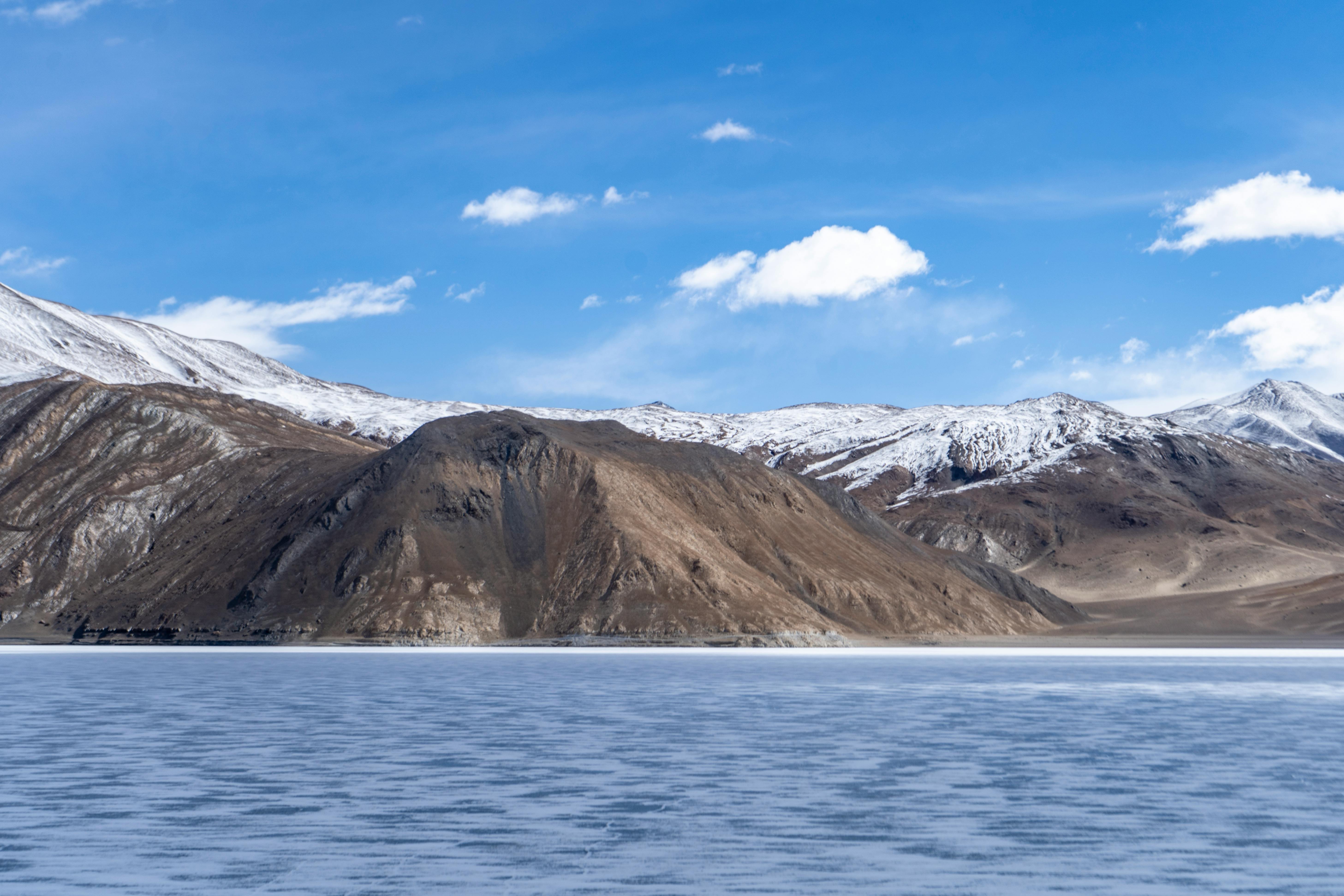
China is one of the world’s most geographically diverse travel destinations, stretching from the tropical landscapes of Yunnan and Guangxi to the deserts of Xinjiang, the Tibetan Plateau, the forests of Northeast China and the densely populated eastern seaboard. It combines thousands of years of history with enormous modern cities, high speed rail, ancient towns, Buddhist grottoes, imperial palaces, dramatic mountains and some of Asia’s most distinctive regional cuisines.
For a traveller, the biggest challenge is not finding places to visit but deciding where to go. China is simply too large to experience in one trip. Beijing, Shanghai, Xi’an and Chengdu can form one itinerary, while Yunnan, Sichuan, Xinjiang, Tibet or Northeast China can each justify a separate journey.
China’s official tourism portal organizes the country around destinations, attractions, regional experiences, cuisine and practical travel information, making a region based approach particularly useful when planning a trip.
China at a Glance
| Category | Information |
| Country | China |
| Capital | Beijing |
| Major international gateways | Beijing, Shanghai, Guangzhou, Shenzhen, Chengdu, Xi’an |
| Currency | Renminbi (RMB / CNY) |
| Language | Mandarin Chinese; many regional languages and dialects |
| Best overall travel seasons | Spring and autumn |
| Time zone | China Standard Time, UTC+8 |
| Major transport | High speed rail, domestic flights, metro, buses |
| Famous for | Chinese history, cuisine, mountains, ancient towns, temples, imperial architecture and modern cities |
China’s enormous size means that climate varies dramatically. Northern China can be cold and dry, southern China can be subtropical, Yunnan has relatively mild highland conditions, while Xinjiang has extreme continental climates.
Why Visit China?
China offers something unusual: the ability to combine ancient civilization, natural landscapes and modern urban development within the same journey.
You can walk through the imperial architecture of Beijing, see the Terracotta Army in Xi’an, eat Sichuan food in Chengdu, travel through karst mountains around Guilin, explore Tibetan landscapes in western Sichuan, walk through Shanghai’s futuristic skyline and then take a train into the countryside.
The country’s diversity is also regional rather than simply scenic.
Beijing is associated with imperial history and political heritage.
Xi’an represents the Silk Road and ancient Chinese capitals.
Shanghai showcases China’s modern commercial and architectural transformation.
Sichuan is famous for spicy cuisine, giant pandas and spectacular mountain landscapes.
Yunnan combines ethnic diversity, mountains, lakes and historic towns.
Xinjiang provides desert landscapes, Silk Road cities, alpine scenery and Central Asian cultural influences.
Guangxi is known for karst mountains and the Li River.
Tibet offers high altitude landscapes and distinctive Tibetan Buddhist culture.
This makes China particularly suitable for travellers who want to build their itinerary around history, architecture, food, nature, culture or rail travel.
Understanding China’s Geography
One of the most important things to understand before travelling through China is its geography.
China is roughly continental in scale, and its landscapes change enormously from east to west.
Eastern China
The eastern region contains many of China’s largest cities and most developed transport networks.
Important destinations include:
- Beijing.
- Shanghai.
- Hangzhou.
- Suzhou.
- Nanjing.
- Qingdao.
- Xiamen.
This is the easiest region for a first time visitor who wants a mixture of cities, history and infrastructure.
Central China
Central China contains major historical and cultural destinations.
Important places include:
- Xi’an.
- Luoyang.
- Zhengzhou.
- Wuhan.
- Zhangjiajie.
- Changsha.
This region is particularly interesting for travellers interested in Chinese history and dramatic landscapes.
Southwest China
Southwest China is one of the most rewarding regions for nature and cultural travel.
Major destinations include:
- Chengdu.
- Chongqing.
- Leshan.
- Mount Emei.
- Jiuzhaigou.
- Kunming.
- Dali.
- Lijiang.
- Shangri La.
- Guilin.
Sichuan and Yunnan alone can support several weeks of travel.
Northwest China
Northwest China is dramatically different from eastern China.
Xinjiang contains:
- Kashgar.
- Turpan.
- Urumqi.
- Ili Valley.
- Kanas.
- Hotan.
- Taklamakan Desert.
- Duku Highway.
- Karakoram Highway region.
This is where China meets the landscapes and cultural influences of Central Asia.
Northeast China
Northeast China has a completely different character.
Destinations include:
- Harbin.
- Changchun.
- Jilin.
- Shenyang.
- Dalian.
- Chagan Lake.
- Changbai Mountain.
Winter is particularly important here, with Harbin’s ice and snow attractions becoming a major tourism draw.
Best Places to Visit in China
Beijing
Beijing is the best starting point for understanding China’s imperial history.
The city is home to the Forbidden City, Temple of Heaven, Summer Palace, Tiananmen area and historic hutongs.
The Great Wall is the obvious excursion outside the city, although visitors should choose their section carefully because different sections offer very different experiences.
For a first visit, Beijing deserves approximately 3 to 5 days.
Shanghai
Shanghai represents a very different side of China.
The Bund provides views across the Huangpu River toward Pudong’s skyscrapers, while neighbourhoods such as the former French Concession offer a contrasting architectural environment.
Shanghai works particularly well when combined with nearby Suzhou and Hangzhou.
A first visit usually needs around 3 days, although the wider Yangtze River Delta can justify considerably longer.
Xi’an
Xi’an was one of China’s most important ancient capitals and a major starting point for understanding the Silk Road.
The Terracotta Army is the city’s most famous attraction, but Xi’an also has its ancient city wall, Big Wild Goose Pagoda and historic Muslim Quarter.
Xi’an is particularly easy to combine with Beijing because high speed rail connects the two cities.
Chengdu
Chengdu is the gateway to Sichuan.
The city is famous for giant pandas, Sichuan hotpot, tea houses and a relaxed urban culture.
More importantly for travellers, Chengdu works as a base for exploring wider Sichuan, including Leshan, Mount Emei, Qingcheng Mountain and Jiuzhaigou.
Guilin and Yangshuo
The landscape around Guilin and Yangshuo is one of China’s most recognizable natural environments.
The Li River passes through towering limestone karst formations, while Yangshuo provides opportunities for cycling, hiking and exploring rural landscapes.
This is an excellent region for travellers who want to balance China’s large cities with nature.
Zhangjiajie
Zhangjiajie is famous for its enormous sandstone pillars rising from forested valleys.
The wider area includes Zhangjiajie National Forest Park and Tianmen Mountain.
It is particularly attractive for landscape photography and hiking.
Yunnan
Yunnan is one of China’s most diverse travel regions.
A classic Yunnan route can include:
Kunming → Dali → Lijiang → Shangri La
The province combines high mountains, lakes, old towns, minority cultures and dramatic changes in elevation.
Travellers interested in slower journeys and landscapes may find Yunnan more rewarding than rushing through China’s major cities.
China’s Major Travel Regions
For a long term travel website structure, China can be divided into several major travel clusters.
North China
Beijing · Tianjin · Hebei · Shanxi · Inner Mongolia
Focus:
- Imperial history.
- Great Wall.
- Ancient cities.
- Northern landscapes.
- Mongolian culture.
Northeast China
Liaoning · Jilin · Heilongjiang
Focus:
- Harbin.
- Winter tourism.
- Changbai Mountain.
- Wetlands.
- Northeast Chinese cuisine.
- Russian and Manchurian historical influences.
East China
Shanghai · Jiangsu · Zhejiang · Shandong
Focus:
- Shanghai.
- Suzhou.
- Hangzhou.
- Water towns.
- Mount Tai.
- Confucian heritage.
- Coastal cities.
Central China
Henan · Hubei · Hunan · Jiangxi
Focus:
- Ancient Chinese civilization.
- Shaolin Temple
- Luoyang.
- Zhangjiajie.
- Wuhan.
- Dongting Lake.
South China
Guangdong · Guangxi · Fujian · Hainan
Focus:
- Guangzhou.
- Shenzhen.
- Guilin.
- Yangshuo.
- Xiamen.
- Fujian tulou.
- Tropical Hainan.
Southwest China
Sichuan · Yunnan · Guizhou · Chongqing · Tibet
Focus:
- Giant pandas.
- Tibetan Plateau.
- Ethnic cultures.
- Mountains.
- Ancient towns.
- Karst landscapes.
- Buddhist heritage.
Northwest China
Xinjiang · Qinghai · Gansu · Ningxia
Focus:
- Silk Road.
- Deserts.
- High mountains.
- Tibetan culture.
- Central Asian influences.
- Ancient trading cities.
China’s Greatest Travel Experiences
Walking Through Imperial Beijing
The Forbidden City is one of the world’s great surviving imperial architectural complexes. Beijing’s historic centre is best explored slowly, combining the major monuments with hutongs and neighbourhood streets.
Travelling by High Speed Rail
China’s high speed railway network has transformed domestic travel. For many major city pairs, trains are a practical alternative to flying.
Train travel also allows travellers to see how dramatically China’s landscape changes between regions.
Eating Regional Chinese Food
Chinese cuisine is not one cuisine.
Sichuan, Cantonese, Hunan, Yunnan, Shaanxi, Fujian, Jiangsu and Xinjiang food can taste completely different.
Some foods worth seeking out include:
- Sichuan hotpot.
- Lanzhou beef noodles.
- Xi’an biangbiang noodles.
- Beijing roast duck.
- Cantonese dim sum.
- Yunnan rice noodles.
- Xinjiang lamb dishes.
- Shanghai xiaolongbao.
- Hunan cuisine.
Food can therefore become an entire theme for a China itinerary.
Best Time to Visit China
There is no single best month for the entire country.
Spring: March to May
Spring is particularly attractive for:
- Beijing.
- Shanghai.
- Jiangnan.
- Sichuan.
- Yunnan.
Temperatures are generally comfortable, although conditions vary considerably between regions.
Summer: June to August
Summer is useful for high altitude and northern destinations but can be hot and humid in many eastern and southern cities.
Mountain destinations can be particularly attractive during this period.
Autumn: September to November
Autumn is arguably the most versatile season for travelling around China.
The weather is often comfortable and landscapes in northern and western regions can become spectacular.
Winter: December to February
Winter is ideal if your objective is:
- Harbin.
- Northeast China.
- Snow landscapes.
- Winter festivals.
- Ski resorts.
It is less comfortable for northern urban travel but can be excellent for southern China.
How to Travel Around China
High Speed Rail
For a first time visitor, China’s high speed rail network is one of the most useful parts of the country’s transport system.
It is particularly useful for journeys such as:
Beijing → Xi’an.
Shanghai → Hangzhou.
Shanghai → Suzhou.
Chengdu → Chongqing.
Guangzhou → Shenzhen.
Beijing → Tianjin.
Domestic Flights
Flying becomes more useful when distances become very large.
For example, travelling between eastern China and Xinjiang can involve enormous distances, making flights considerably more practical than trains.
Urban Transport
Major cities generally have extensive metro systems.
Beijing, Shanghai, Guangzhou, Shenzhen, Chengdu and many other cities can be explored efficiently using public transportation.
China Travel for Indian Travellers
For Indian travellers, China requires more advance planning than destinations with simple visa on arrival systems.
The Chinese Visa Application Service Centre in New Delhi provides the application process for tourism visas, including the L category for tourism.
India is not included in China’s current 30 day unilateral visa exemption list, so Indian ordinary passport holders should not assume that they can enter China visa free simply because many other nationalities currently can.
China does have a 240 hour visa free transit system for citizens of eligible countries, but India is not currently on the eligible country list.
Therefore, an Indian traveller planning a normal tourism trip should check the latest Chinese visa requirements before booking a non refundable itinerary.
Internet, Apps and Payments
China’s digital ecosystem differs considerably from that of India, Europe and North America.
Travellers should prepare before arrival rather than assuming that familiar international apps and payment methods will work normally.
For a smoother trip, prepare:
- Offline maps or a reliable navigation solution.
- Translation tools.
- Hotel addresses in Chinese characters.
- Digital payment options.
- Train booking access.
- Copies of important travel documents.
Having the Chinese version of your hotel name and address can be particularly useful when communicating with drivers.
How Many Days Do You Need in China?
China should ideally be planned by region rather than trying to see everything.
7 Days
Choose two major destinations.
Examples:
Beijing + Xi’an
or
Shanghai + Hangzhou + Suzhou
10 Days
A good first trip could combine:
Beijing + Xi’an + Shanghai
This gives you imperial history, ancient civilization and modern China.
14 Days
You can add a regional experience:
Beijing → Xi’an → Chengdu → Shanghai
or
Shanghai → Hangzhou → Zhangjiajie → Guangzhou
21 Days
Three weeks allows a much more substantial journey.
You could combine:
Beijing → Xi’an → Chengdu → Chongqing → Shanghai → Hangzhou
Alternatively, concentrate entirely on one region such as Yunnan, Sichuan or Xinjiang.
Suggested China Itineraries
Classic China: 10 Days
Days 1 to 4: Beijing
Forbidden City, Temple of Heaven, hutongs and Great Wall.
Days 5 to 6: Xi’an
Terracotta Army and ancient city.
Days 7 to 10: Shanghai
The Bund, Pudong, historic neighbourhoods and day trip to Suzhou or Hangzhou.
Sichuan and Southwest China: 10 to 14 Days
Chengdu → Leshan → Mount Emei → Chongqing → Jiuzhaigou
This itinerary focuses on:
- Food.
- Pandas.
- Buddhist heritage.
- Mountains.
- River landscapes.
- Modern Chinese cities.
Yunnan: 10 to 14 Days
Kunming → Dali → Lijiang → Shangri La
This is one of the best routes for travellers who prefer landscapes, old towns and cultural diversity over large metropolitan cities.
Xinjiang: 14 to 21 Days
Xinjiang should be treated as a destination in its own right.
A longer route could incorporate:
Urumqi → Turpan → Kashgar → Karakoram region → Hotan → desert landscapes → northern Xinjiang
Distances are enormous, so attempting to cover Xinjiang in only a few days can turn the trip into a transport itinerary rather than a travel experience.
China Travel Costs
China offers several different travel styles.
A budget traveller can use:
- Local restaurants.
- Public transport.
- Guesthouses.
- Standard trains.
- Simple hotels.
A mid range traveller can use:
- Three or four star hotels.
- High speed trains.
- Occasional domestic flights.
- Guided excursions.
Luxury travel is also widely available in major cities and tourist regions.
The biggest cost difference usually comes from hotel category, domestic flights, private transportation and guided tours rather than everyday local food.
What Makes China Different From Other Asian Destinations?
China’s biggest advantage is scale and variety.
Japan offers highly developed infrastructure and a distinct island culture.
Southeast Asia offers tropical landscapes and comparatively compact travel routes.
India offers enormous cultural and geographical diversity.
China combines many different travel experiences within one country:
Imperial cities + ancient civilizations + Buddhist heritage + Silk Road landscapes + Tibetan Plateau + tropical south + deserts + high mountains + modern megacities.
The challenge is therefore not whether China has enough places to visit.
It is deciding which China you want to experience.
China Travel Guide: Hub and Spoke Structure
For a travel website, this China guide should not be treated as just another destination article. It should become the China pillar page.
The structure could be:
China Travel Guide
↓
North China
- Beijing.
- Tianjin.
- Hebei.
- Shanxi.
- Inner Mongolia.
Northeast China
- Heilongjiang.
- Jilin.
- Liaoning.
- Harbin.
- Changchun.
- Jilin City.
- Chagan Lake.
East China
- Shanghai.
- Jiangsu.
- Zhejiang.
- Shandong.
- Suzhou.
- Hangzhou.
- Nanjing.
- Qingdao.
Central China
- Henan.
- Hubei.
- Hunan.
- Jiangxi.
- Zhangjiajie.
- Luoyang.
- Wuhan.
South China
- Guangdong.
- Guangxi.
- Fujian.
- Hainan.
- Guangzhou.
- Shenzhen.
- Guilin.
- Yangshuo.
- Xiamen.
Southwest China
- Sichuan.
- Yunnan.
- Guizhou.
- Chongqing.
- Tibet.
- Chengdu.
- Jiuzhaigou.
- Leshan.
- Mount Emei.
- Kunming.
- Dali.
- Lijiang.
Northwest China
- Xinjiang.
- Qinghai.
- Gansu.
- Ningxia.
- Kashgar.
- Hotan.
- Turpan.
- Taklamakan Desert.
- Duku Highway.
- Karakoram region.
China is one of the world’s most geographically diverse travel destinations, stretching from the tropical landscapes of Yunnan and Guangxi to the deserts of Xinjiang, the Tibetan Plateau, the forests of Northeast China and the densely populated eastern seaboard. It combines thousands of years of history with enormous modern cities, high speed rail, ancient towns, Buddhist grottoes, imperial palaces, dramatic mountains and some of Asia’s most distinctive regional cuisines.
For a traveller, the biggest challenge is not finding places to visit but deciding where to go. China is simply too large to experience in one trip. Beijing, Shanghai, Xi’an and Chengdu can form one itinerary, while Yunnan, Sichuan, Xinjiang, Tibet or Northeast China can each justify a separate journey.
China’s official tourism portal organizes the country around destinations, attractions, regional experiences, cuisine and practical travel information, making a region based approach particularly useful when planning a trip.
China at a Glance
| Category | Information |
| Country | China |
| Capital | Beijing |
| Major international gateways | Beijing, Shanghai, Guangzhou, Shenzhen, Chengdu, Xi’an |
| Currency | Renminbi (RMB / CNY) |
| Language | Mandarin Chinese; many regional languages and dialects |
| Best overall travel seasons | Spring and autumn |
| Time zone | China Standard Time, UTC+8 |
| Major transport | High speed rail, domestic flights, metro, buses |
| Famous for | Chinese history, cuisine, mountains, ancient towns, temples, imperial architecture and modern cities |
China’s enormous size means that climate varies dramatically. Northern China can be cold and dry, southern China can be subtropical, Yunnan has relatively mild highland conditions, while Xinjiang has extreme continental climates.
Why Visit China?
China offers something unusual: the ability to combine ancient civilization, natural landscapes and modern urban development within the same journey.
You can walk through the imperial architecture of Beijing, see the Terracotta Army in Xi’an, eat Sichuan food in Chengdu, travel through karst mountains around Guilin, explore Tibetan landscapes in western Sichuan, walk through Shanghai’s futuristic skyline and then take a train into the countryside.
The country’s diversity is also regional rather than simply scenic.
Beijing is associated with imperial history and political heritage.
Xi’an represents the Silk Road and ancient Chinese capitals.
Shanghai showcases China’s modern commercial and architectural transformation.
Sichuan is famous for spicy cuisine, giant pandas and spectacular mountain landscapes.
Yunnan combines ethnic diversity, mountains, lakes and historic towns.
Xinjiang provides desert landscapes, Silk Road cities, alpine scenery and Central Asian cultural influences.
Guangxi is known for karst mountains and the Li River.
Tibet offers high altitude landscapes and distinctive Tibetan Buddhist culture.
This makes China particularly suitable for travellers who want to build their itinerary around history, architecture, food, nature, culture or rail travel.
Understanding China’s Geography
One of the most important things to understand before travelling through China is its geography.
China is roughly continental in scale, and its landscapes change enormously from east to west.
Eastern China
The eastern region contains many of China’s largest cities and most developed transport networks.
Important destinations include:
- Beijing.
- Shanghai.
- Hangzhou.
- Suzhou.
- Nanjing.
- Qingdao.
- Xiamen.
This is the easiest region for a first time visitor who wants a mixture of cities, history and infrastructure.
Central China
Central China contains major historical and cultural destinations.
Important places include:
- Xi’an.
- Luoyang.
- Zhengzhou.
- Wuhan.
- Zhangjiajie.
- Changsha.
This region is particularly interesting for travellers interested in Chinese history and dramatic landscapes.
Southwest China
Southwest China is one of the most rewarding regions for nature and cultural travel.
Major destinations include:
- Chengdu.
- Chongqing.
- Leshan.
- Mount Emei.
- Jiuzhaigou.
- Kunming.
- Dali.
- Lijiang.
- Shangri La.
- Guilin.
Sichuan and Yunnan alone can support several weeks of travel.
Northwest China
Northwest China is dramatically different from eastern China.
Xinjiang contains:
- Kashgar.
- Turpan.
- Urumqi.
- Ili Valley.
- Kanas.
- Hotan.
- Taklamakan Desert.
- Duku Highway.
- Karakoram Highway region.
This is where China meets the landscapes and cultural influences of Central Asia.
Northeast China
Northeast China has a completely different character.
Destinations include:
- Harbin.
- Changchun.
- Jilin.
- Shenyang.
- Dalian.
- Chagan Lake.
- Changbai Mountain.
Winter is particularly important here, with Harbin’s ice and snow attractions becoming a major tourism draw.
Best Places to Visit in China
Beijing
Beijing is the best starting point for understanding China’s imperial history.
The city is home to the Forbidden City, Temple of Heaven, Summer Palace, Tiananmen area and historic hutongs.
The Great Wall is the obvious excursion outside the city, although visitors should choose their section carefully because different sections offer very different experiences.
For a first visit, Beijing deserves approximately 3 to 5 days.
Shanghai
Shanghai represents a very different side of China.
The Bund provides views across the Huangpu River toward Pudong’s skyscrapers, while neighbourhoods such as the former French Concession offer a contrasting architectural environment.
Shanghai works particularly well when combined with nearby Suzhou and Hangzhou.
A first visit usually needs around 3 days, although the wider Yangtze River Delta can justify considerably longer.
Xi’an
Xi’an was one of China’s most important ancient capitals and a major starting point for understanding the Silk Road.
The Terracotta Army is the city’s most famous attraction, but Xi’an also has its ancient city wall, Big Wild Goose Pagoda and historic Muslim Quarter.
Xi’an is particularly easy to combine with Beijing because high speed rail connects the two cities.
Chengdu
Chengdu is the gateway to Sichuan.
The city is famous for giant pandas, Sichuan hotpot, tea houses and a relaxed urban culture.
More importantly for travellers, Chengdu works as a base for exploring wider Sichuan, including Leshan, Mount Emei, Qingcheng Mountain and Jiuzhaigou.
Guilin and Yangshuo
The landscape around Guilin and Yangshuo is one of China’s most recognizable natural environments.
The Li River passes through towering limestone karst formations, while Yangshuo provides opportunities for cycling, hiking and exploring rural landscapes.
This is an excellent region for travellers who want to balance China’s large cities with nature.
Zhangjiajie
Zhangjiajie is famous for its enormous sandstone pillars rising from forested valleys.
The wider area includes Zhangjiajie National Forest Park and Tianmen Mountain.
It is particularly attractive for landscape photography and hiking.
Yunnan
Yunnan is one of China’s most diverse travel regions.
A classic Yunnan route can include:
Kunming → Dali → Lijiang → Shangri La
The province combines high mountains, lakes, old towns, minority cultures and dramatic changes in elevation.
Travellers interested in slower journeys and landscapes may find Yunnan more rewarding than rushing through China’s major cities.
China’s Major Travel Regions
For a long term travel website structure, China can be divided into several major travel clusters.
North China
Beijing · Tianjin · Hebei · Shanxi · Inner Mongolia
Focus:
- Imperial history.
- Great Wall.
- Ancient cities.
- Northern landscapes.
- Mongolian culture.
Northeast China
Liaoning · Jilin · Heilongjiang
Focus:
- Harbin.
- Winter tourism.
- Changbai Mountain.
- Wetlands.
- Northeast Chinese cuisine.
- Russian and Manchurian historical influences.
East China
Shanghai · Jiangsu · Zhejiang · Shandong
Focus:
- Shanghai.
- Suzhou.
- Hangzhou.
- Water towns.
- Mount Tai.
- Confucian heritage.
- Coastal cities.
Central China
Henan · Hubei · Hunan · Jiangxi
Focus:
- Ancient Chinese civilization.
- Shaolin Temple
- Luoyang.
- Zhangjiajie.
- Wuhan.
- Dongting Lake.
South China
Guangdong · Guangxi · Fujian · Hainan
Focus:
- Guangzhou.
- Shenzhen.
- Guilin.
- Yangshuo.
- Xiamen.
- Fujian tulou.
- Tropical Hainan.
Southwest China
Sichuan · Yunnan · Guizhou · Chongqing · Tibet
Focus:
- Giant pandas.
- Tibetan Plateau.
- Ethnic cultures.
- Mountains.
- Ancient towns.
- Karst landscapes.
- Buddhist heritage.
Northwest China
Xinjiang · Qinghai · Gansu · Ningxia
Focus:
- Silk Road.
- Deserts.
- High mountains.
- Tibetan culture.
- Central Asian influences.
- Ancient trading cities.
China’s Greatest Travel Experiences
Walking Through Imperial Beijing
The Forbidden City is one of the world’s great surviving imperial architectural complexes. Beijing’s historic centre is best explored slowly, combining the major monuments with hutongs and neighbourhood streets.
Travelling by High Speed Rail
China’s high speed railway network has transformed domestic travel. For many major city pairs, trains are a practical alternative to flying.
Train travel also allows travellers to see how dramatically China’s landscape changes between regions.
Eating Regional Chinese Food
Chinese cuisine is not one cuisine.
Sichuan, Cantonese, Hunan, Yunnan, Shaanxi, Fujian, Jiangsu and Xinjiang food can taste completely different.
Some foods worth seeking out include:
- Sichuan hotpot.
- Lanzhou beef noodles.
- Xi’an biangbiang noodles.
- Beijing roast duck.
- Cantonese dim sum.
- Yunnan rice noodles.
- Xinjiang lamb dishes.
- Shanghai xiaolongbao.
- Hunan cuisine.
Food can therefore become an entire theme for a China itinerary.
Best Time to Visit China
There is no single best month for the entire country.
Spring: March to May
Spring is particularly attractive for:
- Beijing.
- Shanghai.
- Jiangnan.
- Sichuan.
- Yunnan.
Temperatures are generally comfortable, although conditions vary considerably between regions.
Summer: June to August
Summer is useful for high altitude and northern destinations but can be hot and humid in many eastern and southern cities.
Mountain destinations can be particularly attractive during this period.
Autumn: September to November
Autumn is arguably the most versatile season for travelling around China.
The weather is often comfortable and landscapes in northern and western regions can become spectacular.
Winter: December to February
Winter is ideal if your objective is:
- Harbin.
- Northeast China.
- Snow landscapes.
- Winter festivals.
- Ski resorts.
It is less comfortable for northern urban travel but can be excellent for southern China.
How to Travel Around China
High Speed Rail
For a first time visitor, China’s high speed rail network is one of the most useful parts of the country’s transport system.
It is particularly useful for journeys such as:
Beijing → Xi’an.
Shanghai → Hangzhou.
Shanghai → Suzhou.
Chengdu → Chongqing.
Guangzhou → Shenzhen.
Beijing → Tianjin.
Domestic Flights
Flying becomes more useful when distances become very large.
For example, travelling between eastern China and Xinjiang can involve enormous distances, making flights considerably more practical than trains.
Urban Transport
Major cities generally have extensive metro systems.
Beijing, Shanghai, Guangzhou, Shenzhen, Chengdu and many other cities can be explored efficiently using public transportation.
China Travel for Indian Travellers
For Indian travellers, China requires more advance planning than destinations with simple visa on arrival systems.
The Chinese Visa Application Service Centre in New Delhi provides the application process for tourism visas, including the L category for tourism.
India is not included in China’s current 30 day unilateral visa exemption list, so Indian ordinary passport holders should not assume that they can enter China visa free simply because many other nationalities currently can.
China does have a 240 hour visa free transit system for citizens of eligible countries, but India is not currently on the eligible country list.
Therefore, an Indian traveller planning a normal tourism trip should check the latest Chinese visa requirements before booking a non refundable itinerary.
Internet, Apps and Payments
China’s digital ecosystem differs considerably from that of India, Europe and North America.
Travellers should prepare before arrival rather than assuming that familiar international apps and payment methods will work normally.
For a smoother trip, prepare:
- Offline maps or a reliable navigation solution.
- Translation tools.
- Hotel addresses in Chinese characters.
- Digital payment options.
- Train booking access.
- Copies of important travel documents.
Having the Chinese version of your hotel name and address can be particularly useful when communicating with drivers.
How Many Days Do You Need in China?
China should ideally be planned by region rather than trying to see everything.
7 Days
Choose two major destinations.
Examples:
Beijing + Xi’an
or
Shanghai + Hangzhou + Suzhou
10 Days
A good first trip could combine:
Beijing + Xi’an + Shanghai
This gives you imperial history, ancient civilization and modern China.
14 Days
You can add a regional experience:
Beijing → Xi’an → Chengdu → Shanghai
or
Shanghai → Hangzhou → Zhangjiajie → Guangzhou
21 Days
Three weeks allows a much more substantial journey.
You could combine:
Beijing → Xi’an → Chengdu → Chongqing → Shanghai → Hangzhou
Alternatively, concentrate entirely on one region such as Yunnan, Sichuan or Xinjiang.
Suggested China Itineraries
Classic China: 10 Days
Days 1 to 4: Beijing
Forbidden City, Temple of Heaven, hutongs and Great Wall.
Days 5 to 6: Xi’an
Terracotta Army and ancient city.
Days 7 to 10: Shanghai
The Bund, Pudong, historic neighbourhoods and day trip to Suzhou or Hangzhou.
Sichuan and Southwest China: 10 to 14 Days
Chengdu → Leshan → Mount Emei → Chongqing → Jiuzhaigou
This itinerary focuses on:
- Food.
- Pandas.
- Buddhist heritage.
- Mountains.
- River landscapes.
- Modern Chinese cities.
Yunnan: 10 to 14 Days
Kunming → Dali → Lijiang → Shangri La
This is one of the best routes for travellers who prefer landscapes, old towns and cultural diversity over large metropolitan cities.
Xinjiang: 14 to 21 Days
Xinjiang should be treated as a destination in its own right.
A longer route could incorporate:
Urumqi → Turpan → Kashgar → Karakoram region → Hotan → desert landscapes → northern Xinjiang
Distances are enormous, so attempting to cover Xinjiang in only a few days can turn the trip into a transport itinerary rather than a travel experience.
China Travel Costs
China offers several different travel styles.
A budget traveller can use:
- Local restaurants.
- Public transport.
- Guesthouses.
- Standard trains.
- Simple hotels.
A mid range traveller can use:
- Three or four star hotels.
- High speed trains.
- Occasional domestic flights.
- Guided excursions.
Luxury travel is also widely available in major cities and tourist regions.
The biggest cost difference usually comes from hotel category, domestic flights, private transportation and guided tours rather than everyday local food.
What Makes China Different From Other Asian Destinations?
China’s biggest advantage is scale and variety.
Japan offers highly developed infrastructure and a distinct island culture.
Southeast Asia offers tropical landscapes and comparatively compact travel routes.
India offers enormous cultural and geographical diversity.
China combines many different travel experiences within one country:
Imperial cities + ancient civilizations + Buddhist heritage + Silk Road landscapes + Tibetan Plateau + tropical south + deserts + high mountains + modern megacities.
The challenge is therefore not whether China has enough places to visit.
It is deciding which China you want to experience.
China Travel Guide: Hub and Spoke Structure
For a travel website, this China guide should not be treated as just another destination article. It should become the China pillar page.
The structure could be:
China Travel Guide
↓
North China
- Beijing.
- Tianjin.
- Hebei.
- Shanxi.
- Inner Mongolia.
Northeast China
- Heilongjiang.
- Jilin.
- Liaoning.
- Harbin.
- Changchun.
- Jilin City.
- Chagan Lake.
East China
- Shanghai.
- Jiangsu.
- Zhejiang.
- Shandong.
- Suzhou.
- Hangzhou.
- Nanjing.
- Qingdao.
Central China
- Henan.
- Hubei.
- Hunan.
- Jiangxi.
- Zhangjiajie.
- Luoyang.
- Wuhan.
South China
- Guangdong.
- Guangxi.
- Fujian.
- Hainan.
- Guangzhou.
- Shenzhen.
- Guilin.
- Yangshuo.
- Xiamen.
Southwest China
- Sichuan.
- Yunnan.
- Guizhou.
- Chongqing.
- Tibet.
- Chengdu.
- Jiuzhaigou.
- Leshan.
- Mount Emei.
- Kunming.
- Dali.
- Lijiang.
Northwest China
- Xinjiang.
- Qinghai.
- Gansu.
- Ningxia.
- Kashgar.
- Hotan.
- Turpan.
- Taklamakan Desert.
- Duku Highway.
- Karakoram region.
China is one of the world’s most geographically diverse travel destinations, stretching from the tropical landscapes of Yunnan and Guangxi to the deserts of Xinjiang, the Tibetan Plateau, the forests of Northeast China and the densely populated eastern seaboard. It combines thousands of years of history with enormous modern cities, high speed rail, ancient towns, Buddhist grottoes, imperial palaces, dramatic mountains and some of Asia’s most distinctive regional cuisines.
For a traveller, the biggest challenge is not finding places to visit but deciding where to go. China is simply too large to experience in one trip. Beijing, Shanghai, Xi’an and Chengdu can form one itinerary, while Yunnan, Sichuan, Xinjiang, Tibet or Northeast China can each justify a separate journey.
China’s official tourism portal organizes the country around destinations, attractions, regional experiences, cuisine and practical travel information, making a region based approach particularly useful when planning a trip.
China at a Glance
| Category | Information |
| Country | China |
| Capital | Beijing |
| Major international gateways | Beijing, Shanghai, Guangzhou, Shenzhen, Chengdu, Xi’an |
| Currency | Renminbi (RMB / CNY) |
| Language | Mandarin Chinese; many regional languages and dialects |
| Best overall travel seasons | Spring and autumn |
| Time zone | China Standard Time, UTC+8 |
| Major transport | High speed rail, domestic flights, metro, buses |
| Famous for | Chinese history, cuisine, mountains, ancient towns, temples, imperial architecture and modern cities |
China’s enormous size means that climate varies dramatically. Northern China can be cold and dry, southern China can be subtropical, Yunnan has relatively mild highland conditions, while Xinjiang has extreme continental climates.
Why Visit China?
China offers something unusual: the ability to combine ancient civilization, natural landscapes and modern urban development within the same journey.
You can walk through the imperial architecture of Beijing, see the Terracotta Army in Xi’an, eat Sichuan food in Chengdu, travel through karst mountains around Guilin, explore Tibetan landscapes in western Sichuan, walk through Shanghai’s futuristic skyline and then take a train into the countryside.
The country’s diversity is also regional rather than simply scenic.
Beijing is associated with imperial history and political heritage.
Xi’an represents the Silk Road and ancient Chinese capitals.
Shanghai showcases China’s modern commercial and architectural transformation.
Sichuan is famous for spicy cuisine, giant pandas and spectacular mountain landscapes.
Yunnan combines ethnic diversity, mountains, lakes and historic towns.
Xinjiang provides desert landscapes, Silk Road cities, alpine scenery and Central Asian cultural influences.
Guangxi is known for karst mountains and the Li River.
Tibet offers high altitude landscapes and distinctive Tibetan Buddhist culture.
This makes China particularly suitable for travellers who want to build their itinerary around history, architecture, food, nature, culture or rail travel.
Understanding China’s Geography
One of the most important things to understand before travelling through China is its geography.
China is roughly continental in scale, and its landscapes change enormously from east to west.
Eastern China
The eastern region contains many of China’s largest cities and most developed transport networks.
Important destinations include:
- Beijing.
- Shanghai.
- Hangzhou.
- Suzhou.
- Nanjing.
- Qingdao.
- Xiamen.
This is the easiest region for a first time visitor who wants a mixture of cities, history and infrastructure.
Central China
Central China contains major historical and cultural destinations.
Important places include:
- Xi’an.
- Luoyang.
- Zhengzhou.
- Wuhan.
- Zhangjiajie.
- Changsha.
This region is particularly interesting for travellers interested in Chinese history and dramatic landscapes.
Southwest China
Southwest China is one of the most rewarding regions for nature and cultural travel.
Major destinations include:
- Chengdu.
- Chongqing.
- Leshan.
- Mount Emei.
- Jiuzhaigou.
- Kunming.
- Dali.
- Lijiang.
- Shangri La.
- Guilin.
Sichuan and Yunnan alone can support several weeks of travel.
Northwest China
Northwest China is dramatically different from eastern China.
Xinjiang contains:
- Kashgar.
- Turpan.
- Urumqi.
- Ili Valley.
- Kanas.
- Hotan.
- Taklamakan Desert.
- Duku Highway.
- Karakoram Highway region.
This is where China meets the landscapes and cultural influences of Central Asia.
Northeast China
Northeast China has a completely different character.
Destinations include:
- Harbin.
- Changchun.
- Jilin.
- Shenyang.
- Dalian.
- Chagan Lake.
- Changbai Mountain.
Winter is particularly important here, with Harbin’s ice and snow attractions becoming a major tourism draw.
Best Places to Visit in China
Beijing
Beijing is the best starting point for understanding China’s imperial history.
The city is home to the Forbidden City, Temple of Heaven, Summer Palace, Tiananmen area and historic hutongs.
The Great Wall is the obvious excursion outside the city, although visitors should choose their section carefully because different sections offer very different experiences.
For a first visit, Beijing deserves approximately 3 to 5 days.
Shanghai
Shanghai represents a very different side of China.
The Bund provides views across the Huangpu River toward Pudong’s skyscrapers, while neighbourhoods such as the former French Concession offer a contrasting architectural environment.
Shanghai works particularly well when combined with nearby Suzhou and Hangzhou.
A first visit usually needs around 3 days, although the wider Yangtze River Delta can justify considerably longer.
Xi’an
Xi’an was one of China’s most important ancient capitals and a major starting point for understanding the Silk Road.
The Terracotta Army is the city’s most famous attraction, but Xi’an also has its ancient city wall, Big Wild Goose Pagoda and historic Muslim Quarter.
Xi’an is particularly easy to combine with Beijing because high speed rail connects the two cities.
Chengdu
Chengdu is the gateway to Sichuan.
The city is famous for giant pandas, Sichuan hotpot, tea houses and a relaxed urban culture.
More importantly for travellers, Chengdu works as a base for exploring wider Sichuan, including Leshan, Mount Emei, Qingcheng Mountain and Jiuzhaigou.
Guilin and Yangshuo
The landscape around Guilin and Yangshuo is one of China’s most recognizable natural environments.
The Li River passes through towering limestone karst formations, while Yangshuo provides opportunities for cycling, hiking and exploring rural landscapes.
This is an excellent region for travellers who want to balance China’s large cities with nature.
Zhangjiajie
Zhangjiajie is famous for its enormous sandstone pillars rising from forested valleys.
The wider area includes Zhangjiajie National Forest Park and Tianmen Mountain.
It is particularly attractive for landscape photography and hiking.
Yunnan
Yunnan is one of China’s most diverse travel regions.
A classic Yunnan route can include:
Kunming → Dali → Lijiang → Shangri La
The province combines high mountains, lakes, old towns, minority cultures and dramatic changes in elevation.
Travellers interested in slower journeys and landscapes may find Yunnan more rewarding than rushing through China’s major cities.
China’s Major Travel Regions
For a long term travel website structure, China can be divided into several major travel clusters.
North China
Beijing · Tianjin · Hebei · Shanxi · Inner Mongolia
Focus:
- Imperial history.
- Great Wall.
- Ancient cities.
- Northern landscapes.
- Mongolian culture.
Northeast China
Liaoning · Jilin · Heilongjiang
Focus:
- Harbin.
- Winter tourism.
- Changbai Mountain.
- Wetlands.
- Northeast Chinese cuisine.
- Russian and Manchurian historical influences.
East China
Shanghai · Jiangsu · Zhejiang · Shandong
Focus:
- Shanghai.
- Suzhou.
- Hangzhou.
- Water towns.
- Mount Tai.
- Confucian heritage.
- Coastal cities.
Central China
Henan · Hubei · Hunan · Jiangxi
Focus:
- Ancient Chinese civilization.
- Shaolin Temple
- Luoyang.
- Zhangjiajie.
- Wuhan.
- Dongting Lake.
South China
Guangdong · Guangxi · Fujian · Hainan
Focus:
- Guangzhou.
- Shenzhen.
- Guilin.
- Yangshuo.
- Xiamen.
- Fujian tulou.
- Tropical Hainan.
Southwest China
Sichuan · Yunnan · Guizhou · Chongqing · Tibet
Focus:
- Giant pandas.
- Tibetan Plateau.
- Ethnic cultures.
- Mountains.
- Ancient towns.
- Karst landscapes.
- Buddhist heritage.
Northwest China
Xinjiang · Qinghai · Gansu · Ningxia
Focus:
- Silk Road.
- Deserts.
- High mountains.
- Tibetan culture.
- Central Asian influences.
- Ancient trading cities.
China’s Greatest Travel Experiences
Walking Through Imperial Beijing
The Forbidden City is one of the world’s great surviving imperial architectural complexes. Beijing’s historic centre is best explored slowly, combining the major monuments with hutongs and neighbourhood streets.
Travelling by High Speed Rail
China’s high speed railway network has transformed domestic travel. For many major city pairs, trains are a practical alternative to flying.
Train travel also allows travellers to see how dramatically China’s landscape changes between regions.
Eating Regional Chinese Food
Chinese cuisine is not one cuisine.
Sichuan, Cantonese, Hunan, Yunnan, Shaanxi, Fujian, Jiangsu and Xinjiang food can taste completely different.
Some foods worth seeking out include:
- Sichuan hotpot.
- Lanzhou beef noodles.
- Xi’an biangbiang noodles.
- Beijing roast duck.
- Cantonese dim sum.
- Yunnan rice noodles.
- Xinjiang lamb dishes.
- Shanghai xiaolongbao.
- Hunan cuisine.
Food can therefore become an entire theme for a China itinerary.
Best Time to Visit China
There is no single best month for the entire country.
Spring: March to May
Spring is particularly attractive for:
- Beijing.
- Shanghai.
- Jiangnan.
- Sichuan.
- Yunnan.
Temperatures are generally comfortable, although conditions vary considerably between regions.
Summer: June to August
Summer is useful for high altitude and northern destinations but can be hot and humid in many eastern and southern cities.
Mountain destinations can be particularly attractive during this period.
Autumn: September to November
Autumn is arguably the most versatile season for travelling around China.
The weather is often comfortable and landscapes in northern and western regions can become spectacular.
Winter: December to February
Winter is ideal if your objective is:
- Harbin.
- Northeast China.
- Snow landscapes.
- Winter festivals.
- Ski resorts.
It is less comfortable for northern urban travel but can be excellent for southern China.
How to Travel Around China
High Speed Rail
For a first time visitor, China’s high speed rail network is one of the most useful parts of the country’s transport system.
It is particularly useful for journeys such as:
Beijing → Xi’an.
Shanghai → Hangzhou.
Shanghai → Suzhou.
Chengdu → Chongqing.
Guangzhou → Shenzhen.
Beijing → Tianjin.
Domestic Flights
Flying becomes more useful when distances become very large.
For example, travelling between eastern China and Xinjiang can involve enormous distances, making flights considerably more practical than trains.
Urban Transport
Major cities generally have extensive metro systems.
Beijing, Shanghai, Guangzhou, Shenzhen, Chengdu and many other cities can be explored efficiently using public transportation.
China Travel for Indian Travellers
For Indian travellers, China requires more advance planning than destinations with simple visa on arrival systems.
The Chinese Visa Application Service Centre in New Delhi provides the application process for tourism visas, including the L category for tourism.
India is not included in China’s current 30 day unilateral visa exemption list, so Indian ordinary passport holders should not assume that they can enter China visa free simply because many other nationalities currently can.
China does have a 240 hour visa free transit system for citizens of eligible countries, but India is not currently on the eligible country list.
Therefore, an Indian traveller planning a normal tourism trip should check the latest Chinese visa requirements before booking a non refundable itinerary.
Internet, Apps and Payments
China’s digital ecosystem differs considerably from that of India, Europe and North America.
Travellers should prepare before arrival rather than assuming that familiar international apps and payment methods will work normally.
For a smoother trip, prepare:
- Offline maps or a reliable navigation solution.
- Translation tools.
- Hotel addresses in Chinese characters.
- Digital payment options.
- Train booking access.
- Copies of important travel documents.
Having the Chinese version of your hotel name and address can be particularly useful when communicating with drivers.
How Many Days Do You Need in China?
China should ideally be planned by region rather than trying to see everything.
7 Days
Choose two major destinations.
Examples:
Beijing + Xi’an
or
Shanghai + Hangzhou + Suzhou
10 Days
A good first trip could combine:
Beijing + Xi’an + Shanghai
This gives you imperial history, ancient civilization and modern China.
14 Days
You can add a regional experience:
Beijing → Xi’an → Chengdu → Shanghai
or
Shanghai → Hangzhou → Zhangjiajie → Guangzhou
21 Days
Three weeks allows a much more substantial journey.
You could combine:
Beijing → Xi’an → Chengdu → Chongqing → Shanghai → Hangzhou
Alternatively, concentrate entirely on one region such as Yunnan, Sichuan or Xinjiang.
Suggested China Itineraries
Classic China: 10 Days
Days 1 to 4: Beijing
Forbidden City, Temple of Heaven, hutongs and Great Wall.
Days 5 to 6: Xi’an
Terracotta Army and ancient city.
Days 7 to 10: Shanghai
The Bund, Pudong, historic neighbourhoods and day trip to Suzhou or Hangzhou.
Sichuan and Southwest China: 10 to 14 Days
Chengdu → Leshan → Mount Emei → Chongqing → Jiuzhaigou
This itinerary focuses on:
- Food.
- Pandas.
- Buddhist heritage.
- Mountains.
- River landscapes.
- Modern Chinese cities.
Yunnan: 10 to 14 Days
Kunming → Dali → Lijiang → Shangri La
This is one of the best routes for travellers who prefer landscapes, old towns and cultural diversity over large metropolitan cities.
Xinjiang: 14 to 21 Days
Xinjiang should be treated as a destination in its own right.
A longer route could incorporate:
Urumqi → Turpan → Kashgar → Karakoram region → Hotan → desert landscapes → northern Xinjiang
Distances are enormous, so attempting to cover Xinjiang in only a few days can turn the trip into a transport itinerary rather than a travel experience.
China Travel Costs
China offers several different travel styles.
A budget traveller can use:
- Local restaurants.
- Public transport.
- Guesthouses.
- Standard trains.
- Simple hotels.
A mid range traveller can use:
- Three or four star hotels.
- High speed trains.
- Occasional domestic flights.
- Guided excursions.
Luxury travel is also widely available in major cities and tourist regions.
The biggest cost difference usually comes from hotel category, domestic flights, private transportation and guided tours rather than everyday local food.
What Makes China Different From Other Asian Destinations?
China’s biggest advantage is scale and variety.
Japan offers highly developed infrastructure and a distinct island culture.
Southeast Asia offers tropical landscapes and comparatively compact travel routes.
India offers enormous cultural and geographical diversity.
China combines many different travel experiences within one country:
Imperial cities + ancient civilizations + Buddhist heritage + Silk Road landscapes + Tibetan Plateau + tropical south + deserts + high mountains + modern megacities.
The challenge is therefore not whether China has enough places to visit.
It is deciding which China you want to experience.
China Travel Guide: Hub and Spoke Structure
For a travel website, this China guide should not be treated as just another destination article. It should become the China pillar page.
The structure could be:
China Travel Guide
↓
North China
- Beijing.
- Tianjin.
- Hebei.
- Shanxi.
- Inner Mongolia.
Northeast China
- Heilongjiang.
- Jilin.
- Liaoning.
- Harbin.
- Changchun.
- Jilin City.
- Chagan Lake.
East China
- Shanghai.
- Jiangsu.
- Zhejiang.
- Shandong.
- Suzhou.
- Hangzhou.
- Nanjing.
- Qingdao.
Central China
- Henan.
- Hubei.
- Hunan.
- Jiangxi.
- Zhangjiajie.
- Luoyang.
- Wuhan.
South China
- Guangdong.
- Guangxi.
- Fujian.
- Hainan.
- Guangzhou.
- Shenzhen.
- Guilin.
- Yangshuo.
- Xiamen.
Southwest China
- Sichuan.
- Yunnan.
- Guizhou.
- Chongqing.
- Tibet.
- Chengdu.
- Jiuzhaigou.
- Leshan.
- Mount Emei.
- Kunming.
- Dali.
- Lijiang.
Northwest China
- Xinjiang.
- Qinghai.
- Gansu.
- Ningxia.
- Kashgar.
- Hotan.
- Turpan.
- Taklamakan Desert.
- Duku Highway.
- Karakoram region.