Introduction
Xinjiang Uyghur Autonomous Region is China’s largest provincial-level region, occupying nearly one-sixth of the country’s land area. Situated in Northwest China , it borders Mongolia, Russia, Kazakhstan, Kyrgyzstan, Tajikistan, Afghanistan, Pakistan, and India , making it one of Asia’s most strategically located and geographically diverse regions.
For travellers, Xinjiang offers experiences unlike anywhere else in China. Snow-capped mountain ranges surround vast deserts, ancient Silk Road cities preserve centuries of history, alpine lakes reflect dramatic peaks, and grasslands stretch toward distant horizons. The region is home to many ethnic communities, including Uyghur, Kazakh, Kyrgyz, Tajik, Hui, Mongol, and Han Chinese, contributing to a rich mosaic of languages, traditions, architecture, and cuisine.
Whether you want to drive along legendary highways, explore UNESCO-recognised Silk Road sites, trek through mountain landscapes, photograph colourful lakes, or experience bustling bazaars, Xinjiang rewards travellers with extraordinary scenery and cultural diversity.
> Travel note: Visitors should check the latest official travel requirements and local regulations before planning a trip, as entry procedures, permit requirements for certain areas, and security measures may change over time.
—
Quick Facts
| Information | Details |
| —————— | ————————————————————————————————————————- |
| Chinese Name | 新疆维吾尔自治区 (Xīnjiāng Wéiwú’ěr Zìzhìqū) |
| English Name | Xinjiang Uyghur Autonomous Region |
| Region | Northwest China |
| Capital | Ürümqi |
| Area | Approximately 1.66 million km² |
| Highest Peak | K2 (on the China–Pakistan border), while the highest peak entirely within Xinjiang is Tomur Peak (Jengish Chokusu region) |
| Famous For | Silk Road, deserts, mountains, alpine lakes, ethnic cultures |
| Time Zone | China Standard Time (UTC+8) |
| Best Time to Visit | May–October (depending on destination) |
—
Why Visit Xinjiang?
Xinjiang is one of Asia’s most rewarding destinations for adventurous travellers.
Highlights include:
* Ancient Silk Road cities.
* Spectacular mountain scenery.
* Vast desert landscapes.
* Crystal-clear alpine lakes.
* Nomadic grasslands.
* Colourful bazaars.
* Historic caravan routes.
* Diverse cuisines.
* Photography opportunities.
* Epic road trips.
—
Geography
Xinjiang’s geography is often summarised by the phrase:
> “Three Mountain Ranges and Two Great Basins.”
These natural features shape the entire region.
Major Mountain Ranges
* Tianshan Mountains.
* Altai Mountains.
* Kunlun Mountains.
* Pamir Mountains.
* Karakoram Range.
—
Major Basins
* Tarim Basin.
* Junggar Basin.
—
Major Deserts
* Taklamakan Desert.
* Gurbantünggüt Desert.
* Kumtag Desert.
—
Major Rivers
* Ili River.
* Tarim River.
* Irtysh River.
—
Regions of Xinjiang
Northern Xinjiang
Known for forests, lakes, alpine scenery, and grasslands.
Main destinations:
* Ürümqi.
* Kanas Lake.
* Hemu Village.
* Burqin
* Altay.
* Sayram Lake.
* Nalati Grassland.
* Tianchi (Heavenly Lake).
Ideal for:
* Nature lovers.
* Families.
* Photographers.
* Summer travel.
—
Southern Xinjiang
The historical heart of the Silk Road.
Main destinations:
* Kashgar.
* Hotan.
* Kuqa.
* Aksu.
* Tashkurgan.
* Karakul Lake.
* Pamir Plateau.
Ideal for:
* History.
* Culture.
* Architecture.
* Silk Road exploration.
—
Eastern Xinjiang
Famous for ancient cities and unique desert landscapes.
Highlights:
* Turpan.
* Hami.
* Flaming Mountains.
* Karez Irrigation System.
* Kumtag Desert.
—
Top Places to Visit
Ürümqi
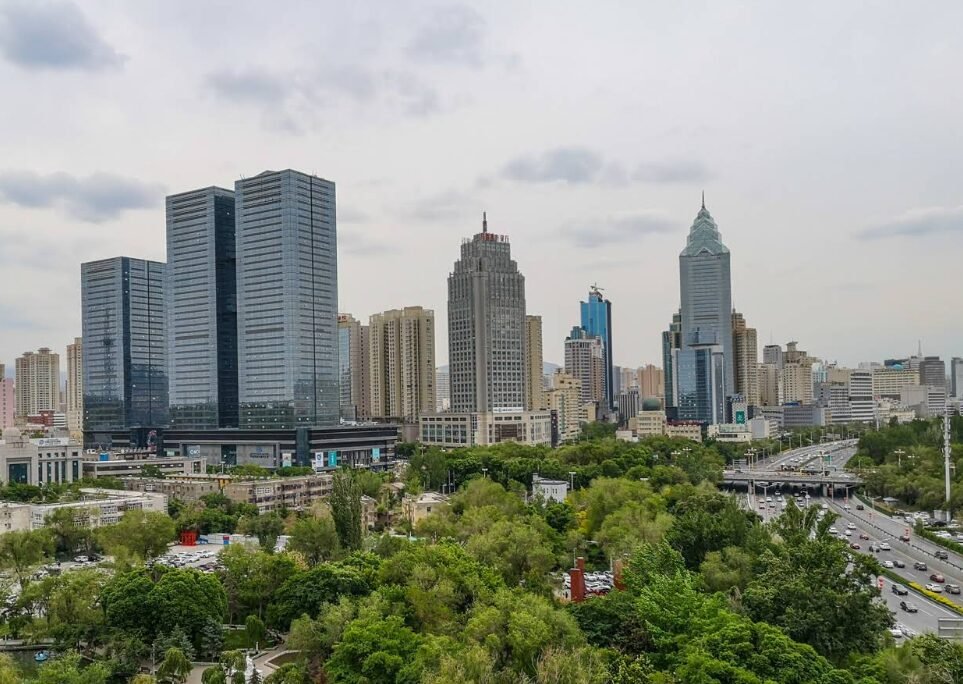
The regional capital combines modern development with museums, parks, and easy access to Tianchi (Heavenly Lake).
Highlights:
* Xinjiang Museum.
* International Grand Bazaar.
* Hongshan (Red Hill) Park.
* Tianchi.
—
Kashgar
One of the world’s most famous Silk Road cities.
Don’t miss:
* Old City.
* Id Kah Mosque.
* Traditional bazaars.
* Abakh Khoja Tomb.
—
Turpan
Located in one of the world’s lowest and hottest inhabited depressions.
Famous attractions include:
* Jiaohe Ancient City.
* Gaochang Ancient City.
* Karez Irrigation System.
* Grape Valley.
* Flaming Mountains.
—
Kanas Lake
One of China’s most beautiful alpine lakes, surrounded by forests and mountains.
Best known for:
* Autumn colours.
* Scenic boat trips.
* Hiking.
* Photography
—
Tianchi (Heavenly Lake)
A glacier-fed lake nestled within the Tianshan Mountains.
Popular activities include:
* Walking trails.
* Boat rides.
* Cable cars.
* Mountain viewpoints.
—
Ili Valley
Known as the “Switzerland of Xinjiang.”
Highlights:
* Lavender fields.
* Kazakh culture.
* Nalati Grassland.
* Sayram Lake.
—
Tashkurgan
A remote mountain town on the Pamir Plateau.
Famous for:
* Stone Fortress.
* Tajik culture.
* Karakul Lake.
* Karakoram Highway.
—
UNESCO & Silk Road Heritage
Xinjiang preserves many important sites connected with the historic Silk Roads.
Highlights include:
* Jiaohe Ancient City.
* Gaochang Ancient City.
* Karez Irrigation System.
* Bezeklik Thousand Buddha Caves.
* Ancient caravan routes.
—
National Parks & Nature
Nature lovers will find remarkable diversity.
Top destinations include:
* Kanas Scenic Area.
* Bayinbuluk Grassland.
* Nalati National Grassland.
* Altun Mountains.
* Kalamaili Nature Reserve.
* Tomur Peak region.
—
Best Scenic Drives
Xinjiang is widely considered one of China’s best self-drive destinations.
Duku Highway
A legendary mountain road crossing the Tianshan Mountains.
Best for:
* Snow peaks
* Meadows
* Rivers
* Dramatic scenery
—
Karakoram Highway
One of the world’s highest international highways.
Highlights:
* Pamir Plateau.
* Karakul Lake.
* Tashkurgan.
* Border mountain scenery.
—
Tarim Desert Highway
Crosses the heart of the Taklamakan Desert.
A unique drive through towering sand dunes and desert landscapes.
—
Culture
Xinjiang is home to many ethnic communities, each with distinctive traditions.
Visitors may experience:
* Traditional music and dance.
* Local handicrafts.
* Carpet weaving.
* Bazaar culture.
* Eagle hunting traditions in some Kazakh communities.
* Nomadic heritage.
* Historic caravan towns.
—
Cuisine
Xinjiang’s food reflects Central Asian, Turkic, and Chinese influences.
Must-try dishes include:
* Lamb kebabs.
* Dapanji (Big Plate Chicken).
* Laghman noodles.
* Polo (Pilaf).
* Nang bread
* Samsa
* Cumin lamb.
* Yogurt.
* Fresh grapes.
* Hami melon.
* Dried fruits and nuts.
—
Best Time to Visit
| Season | Experience |
| ————————– | —————————————————– |
| Spring (April–May) | Blossoms, pleasant weather, fewer crowds |
| Summer (June–August) | Grasslands, lakes, mountain scenery |
| Autumn (September–October) | Golden forests, harvest season, ideal for photography |
| Winter (November–March) | Snow landscapes and winter sports in some areas |
—
Transportation
By Air
Major airports include:
* Ürümqi.
* Kashgar.
* Turpan (nearby access).
* Yining.
* Altay.
* Hotan.
—
By Train
Xinjiang is connected to the rest of China by long-distance rail services.
High-speed rail links also serve parts of northern Xinjiang, while conventional rail reaches many southern destinations.
—
By Road
Major highways include:
* G217 (Duku Highway).
* G314 (Karakoram Highway).
* Tarim Desert Highway.
* G30 Expressway.
—
Suggested Itineraries
5-Day Northern Xinjiang
* Ürümqi.
* Tianchi.
* Kanas.
* Hemu.
* Burqin.
—
7-Day Silk Road Tour
* Ürümqi.
* Turpan.
* Kuqa.
* Kashgar.
—
10-Day Xinjiang Highlights
* Ürümqi.
* Tianchi.
* Ili Valley.
* Kanas.
* Turpan.
* Kashgar.
—
14-Day Grand Xinjiang Expedition
* Ürümqi.
* Altay.
* Kanas.
* Ili.
* Turpan.
* Kuqa
* Aksu.
* Kashgar.
* Karakul Lake.
* Tashkurgan.
—
Shopping
Popular souvenirs include:
* Handwoven carpets.
* Atlas silk.
* Dried fruits.
* Nuts.
* Tea.
* Traditional musical instruments.
* Jade carvings (purchase only from reputable sellers).
* Embroidered textiles.
—
Travel Tips
* Distances between destinations are often very large, so plan travel times carefully.
* Carry sufficient water and sun protection, especially in desert areas.
* Weather can change rapidly in mountain regions, even during summer.
* Respect local customs and ask before photographing people.
* Book accommodation and transport in advance during peak travel seasons.
* Check current road conditions before driving mountain routes such as the Duku Highway.
—
Frequently Asked Questions
Is Xinjiang suitable for first-time visitors to China?
Yes. However, because of its size and long travel distances, it is best suited to travellers with at least one week available or those focusing on a specific region, such as Northern Xinjiang or the Silk Road cities.
What is Xinjiang most famous for?
Xinjiang is renowned for its Silk Road heritage, alpine lakes, mountain ranges, vast deserts, scenic highways, and distinctive regional cuisine.
When is the best time to visit?
Late spring through autumn (May to October) is generally the best period, though the ideal season depends on whether you want wildflowers, green grasslands, autumn colours, or desert exploration.
Is a road trip the best way to explore?
A self-drive or private-driver itinerary offers the greatest flexibility, particularly for Northern Xinjiang and scenic mountain routes. Rail and air travel are also useful for covering the region’s long distances.
How many days do I need?
A minimum of 7 days is recommended for the main highlights, while 10–14 days allows for a much more comprehensive journey across both Northern and Southern Xinjiang.