Image Source: Ganga singh Farswan
About Zimba Valley
Hidden deep within the rugged landscapes of Uttarakhand’s Kumaon Himalayas, Zimba Valley is one of those rare places that still feels untouched by mainstream tourism. Tucked away in the remote stretches of Pithoragarh district, this beautiful valley offers raw Himalayan scenery, peaceful surroundings, and an unforgettable sense of isolation. For travelers who prefer quiet mountain trails over crowded tourist hotspots, Zimba Valley feels like a hidden treasure waiting to be explored.
Unlike commercial hill stations packed with hotels and busy markets, Zimba Valley remains wild and authentic. The journey here is less about luxury and more about experiencing nature in its purest form — towering mountains, alpine meadows, crystal-clear skies, and silence broken only by the sound of rivers and mountain winds.
Where Is Zimba Valley Located?
Zimba Valley lies in the northern Kumaon region of Uttarakhand, close to the historic Johar Valley area near Munsiyari. The region is part of the higher Himalayan belt carved by the powerful Gori Ganga River and surrounded by snow-covered peaks that dominate the skyline throughout the year.
Most travelers begin their journey from Munsiyari, a picturesque mountain town often called the “Little Kashmir of Uttarakhand.” From there, trekkers head toward remote villages such as Golfa, which serves as a gateway to lesser-explored trekking routes leading into Zimba Valley.
The valley sits in a region historically connected to ancient trade routes between India and Tibet. Even today, traces of old Himalayan culture and mountain lifestyles can still be felt in the nearby villages and seasonal shepherd settlements.
The Landscape and Natural Beauty
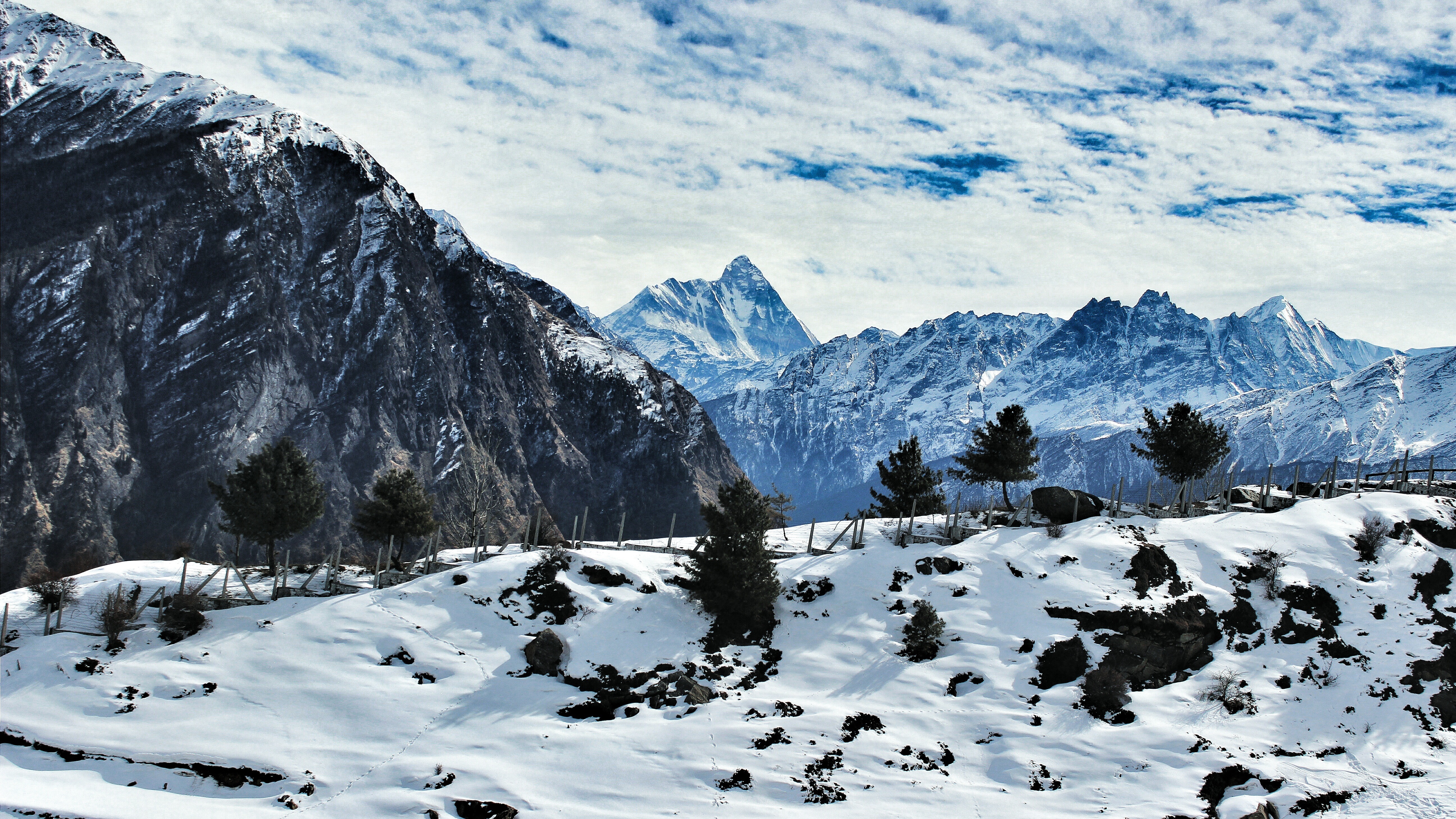
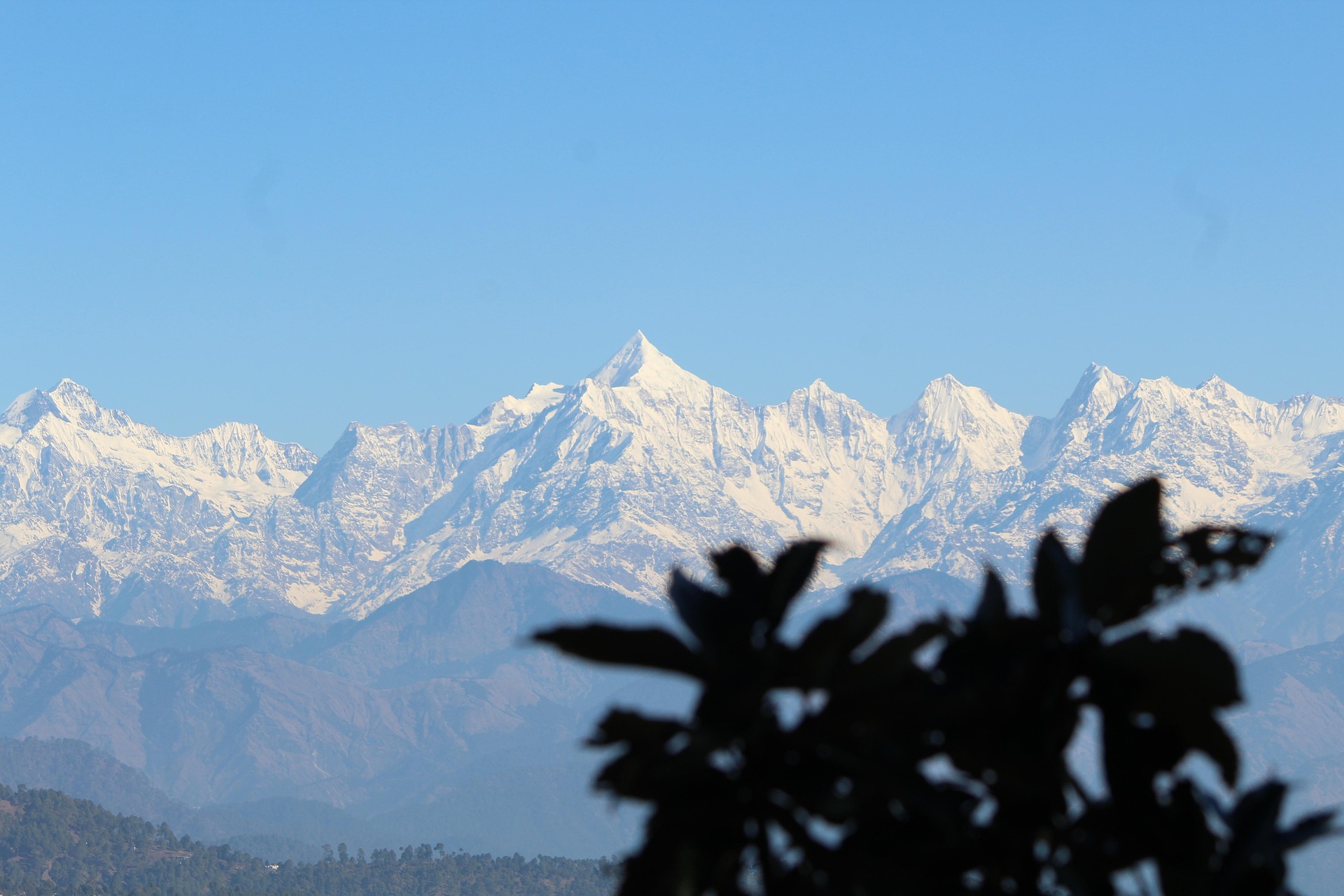
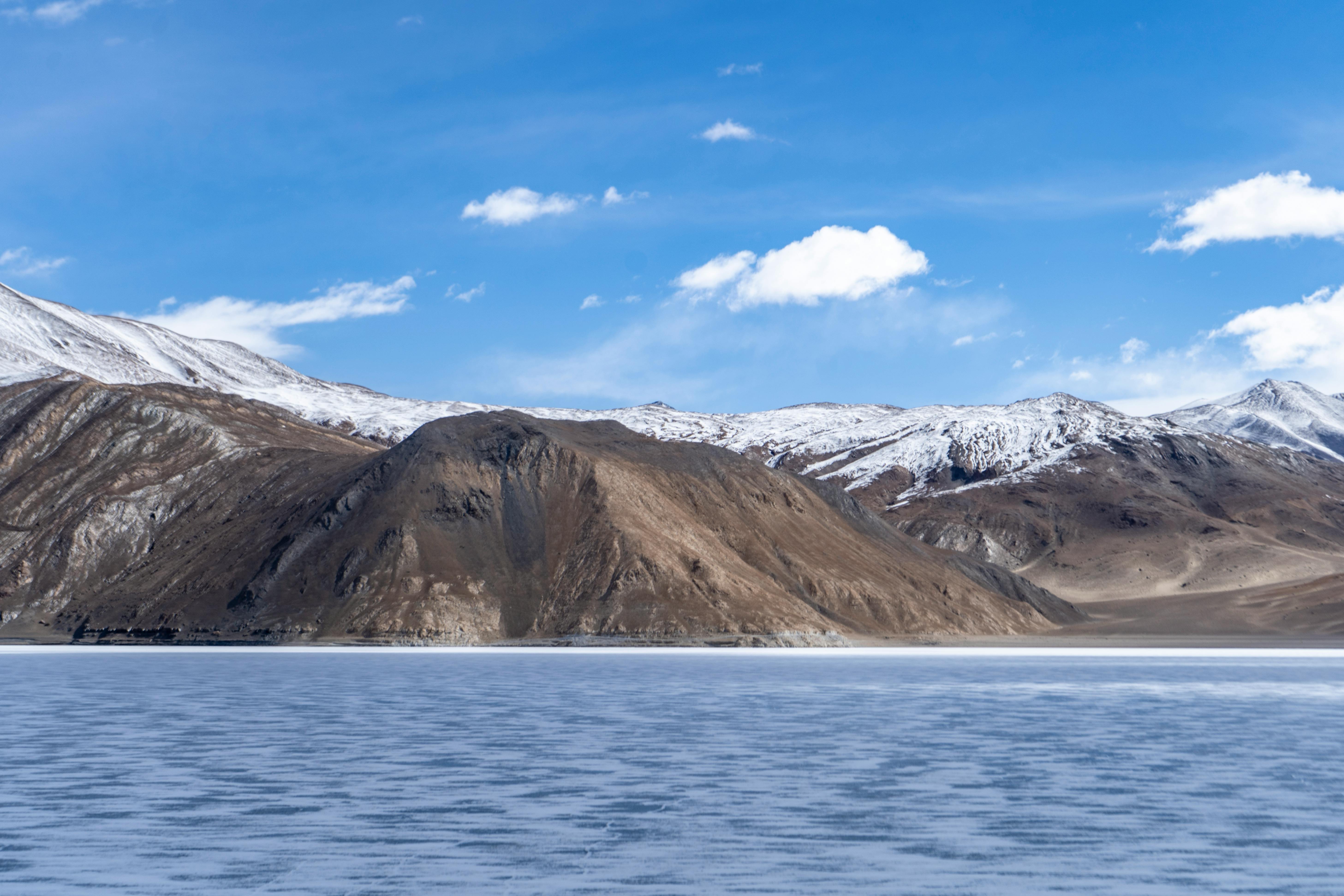
The scenery in Zimba Valley feels almost unreal. Rolling alpine grasslands stretch beneath dramatic Himalayan ridges, while dense forests gradually open into vast meadows covered with seasonal wildflowers. During clear weather, snow-clad mountain peaks rise sharply against deep blue skies, creating postcard-like views in every direction.
One of the most captivating aspects of the valley is its untouched atmosphere. Since the region sees very few visitors compared to popular trekking destinations, the landscape remains remarkably pristine. There are no crowded campsites, noisy roads, or tourist shops interrupting the experience.
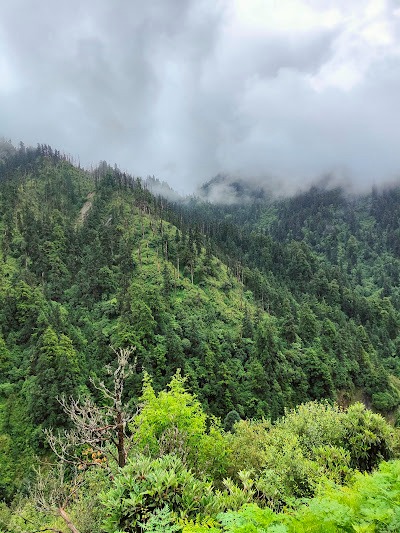
As you move deeper into the valley, the terrain constantly changes. Forest trails lead into open pastures, streams cut through rocky slopes, and distant glaciers shine under the sunlight. Many travelers describe the valley as peaceful yet dramatic — a place where the sheer scale of the Himalayas becomes impossible to ignore.
Some local accounts also mention Kulka Kund, a sacred high-altitude lake believed to hold spiritual significance for nearby communities. Though lesser known, places like these add a mystical charm to the region and deepen the feeling that Zimba Valley is more than just a trekking destination.
Trekking in Zimba Valley
Zimba Valley is best suited for trekkers, adventure lovers, and travelers comfortable with remote mountain conditions. This is not a polished tourist circuit with marked pathways and easy facilities. Instead, it offers a genuine Himalayan trekking experience where nature remains largely untouched.
The trails passing through the valley are traditionally used by shepherds and local villagers who migrate seasonally with their livestock. Trekkers often walk through isolated mountain routes, grassy ridges, river crossings, and high-altitude terrain that require both physical endurance and preparation.
The journey usually begins from Munsiyari, which is already famous among trekking enthusiasts because of its access to iconic Himalayan routes. The Panchachuli peaks towering above the town create a stunning backdrop and set the tone for the adventure ahead.
From this region, trekkers can also connect to famous high-altitude destinations like the Milam Glacier, Ralam Glacier, and parts of the greater Johar Valley. Because of this, Zimba Valley is often explored as part of longer trekking expeditions through Kumaon’s remote Himalayan wilderness.
Why Trekkers Love the Region
What makes Zimba Valley truly special is its solitude. In a time when many Himalayan destinations are becoming crowded and commercialized, this valley still offers silence, open landscapes, and a genuine connection with nature.
Photographers are drawn to the constantly changing mountain light, dramatic cloud formations, and untouched scenery. Nature lovers appreciate the biodiversity of the region, including alpine flora, Himalayan birds, and occasional wildlife sightings. Adventure seekers, meanwhile, enjoy the challenge of exploring a place that still feels wild and unexplored.
The valley also offers a rare glimpse into traditional Himalayan life. Villages in the surrounding region continue to follow age-old customs, and travelers often encounter warm hospitality from local communities who have lived in these mountains for generations.
Spending time here is less about sightseeing and more about slowing down, breathing mountain air, and experiencing the Himalayas without distractions.
Best Time to Visit Zimba Valley
The ideal time to visit Zimba Valley is between May and October, when the weather is relatively stable and trekking routes remain accessible.
Summer (May to June)
Summer brings pleasant temperatures, green meadows, and clear mountain views. Snow begins melting at higher altitudes, making trekking conditions favorable.
Monsoon (July to August)
The valley becomes incredibly lush during the monsoon, but heavy rainfall can make trails slippery and increase the risk of landslides in mountain areas. Travelers should exercise caution during this season.
Autumn (September to October)
Autumn is considered one of the best times to visit. The skies are usually crystal clear, temperatures remain comfortable, and the Himalayan peaks appear especially sharp and beautiful.
Winters are extremely harsh due to heavy snowfall and freezing temperatures, making trekking difficult for most travelers.
Travel Tips for Zimba Valley
Since Zimba Valley is a remote Himalayan destination, proper preparation is essential before planning the journey.
Prepare for Basic Conditions
Do not expect hotels, restaurants, or tourist facilities inside the valley itself. Carry all essential supplies, including medicines, power banks, snacks, water purification options, and warm clothing.
Wear Proper Trekking Gear
Good trekking shoes, layered clothing, rain protection, and a sturdy backpack are extremely important because weather conditions in the Himalayas can change quickly.
Acclimatize Properly
The region lies at high altitude, so travelers should spend time acclimatizing in Munsiyari before attempting longer treks.
Hire Local Guides
If you are unfamiliar with the terrain, hiring a local guide is highly recommended. Local guides not only help with navigation but also provide valuable knowledge about routes, weather, and regional culture.
Respect Nature
Zimba Valley remains beautiful largely because it is untouched. Travelers should avoid littering, minimize plastic waste, and respect local traditions and ecosystems.
How to Reach Zimba Valley
The nearest major base town is Munsiyari in Uttarakhand’s Pithoragarh district.
- The closest railway stations are Kathgodam and Tanakpur.
- The nearest airports are Pantnagar Airport and Pithoragarh Airport (limited connectivity).
- From these points, travelers usually continue by road toward Munsiyari.
From Munsiyari, trekking routes lead toward Golfa village and the surrounding high-altitude valleys, including Zimba Valley.
Because the region is remote, journeys can be long and road conditions may vary depending on weather.
Google Maps
FAQs
Why is Chintpurni Temple famous?
Chintpurni Temple is famous as one of the 51 Shakti Peethas of Goddess Sati. Devotees believe that praying here helps remove worries, fulfil wishes, and bring peace and prosperity.
Which goddess is worshipped at Chintpurni Temple?
The temple is dedicated to Mata Chintpurni, also known as Chhinnamastika Devi, a powerful form of Goddess Durga and one of the ten Mahavidyas.
What is the meaning of the name Chintpurni?
The name “Chintpurni” comes from two words: “Chinta,” meaning worries or anxiety, and “Purni,” meaning remover or fulfiller. Together, it means “the goddess who removes worries.”
Is Chintpurni Temple one of the Shakti Peethas?
Yes, Chintpurni Temple is considered one of the most sacred Shakti Peethas in Hinduism.
What are the major festivals celebrated here?
Navratri and the Sawan Ashtami Fair are the most important festivals celebrated at the temple, attracting huge numbers of devotees every year.
How far is Chintpurni Temple from Chandigarh?
The temple is approximately 120 km from Chandigarh and can be reached by road in around 3–4 hours.
What offerings are made at the temple?
Devotees commonly offer coconuts, flowers, red chunris, sweets, and sacred threads while praying to Mata Chintpurni.
Is accommodation available near the temple?
Yes, there are many dharamshalas, guest houses, budget hotels, and lodges available near the temple for pilgrims and tourists.