Image Source: Alakananda.s
About Rinchenpong Monastery
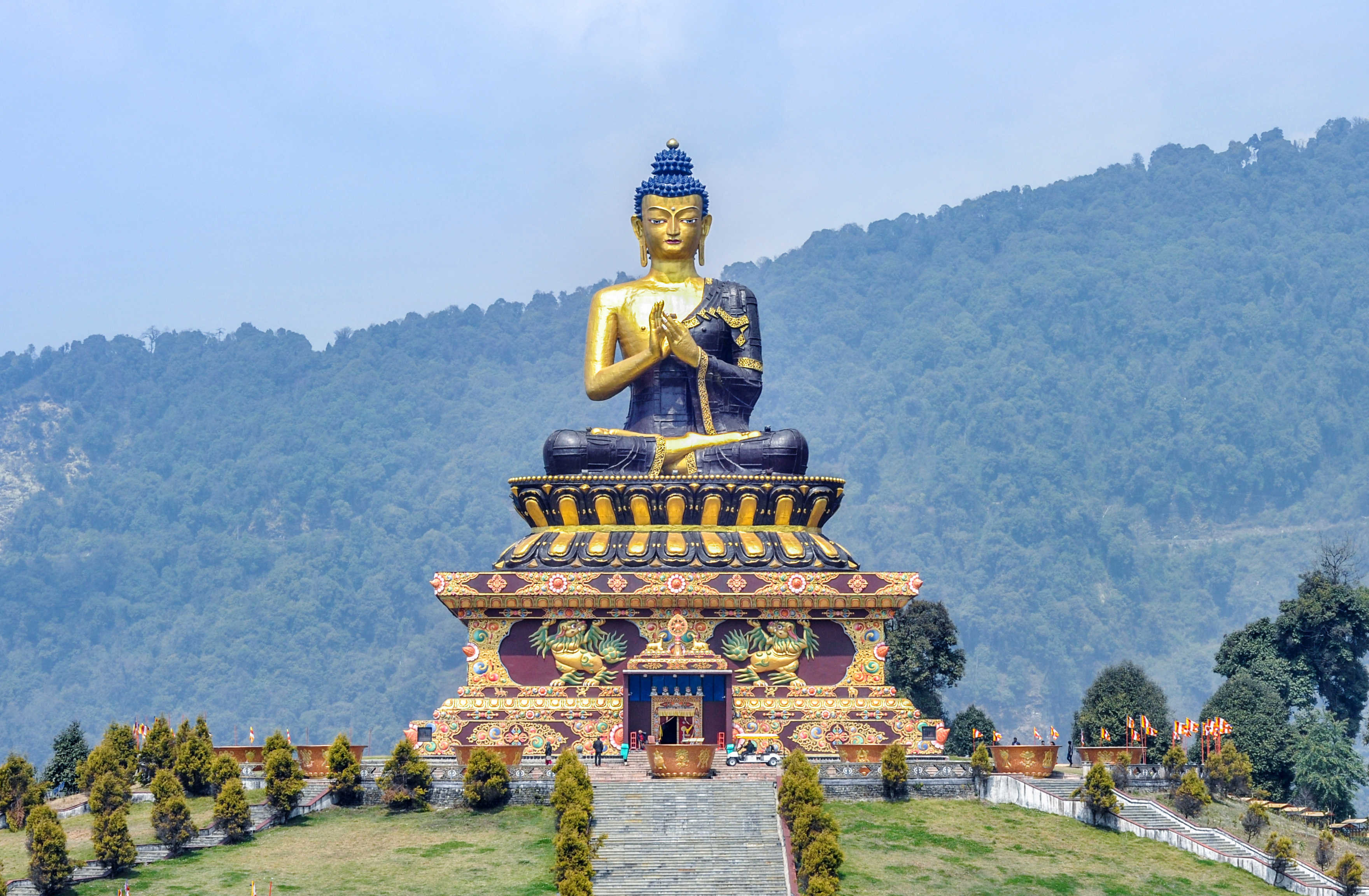
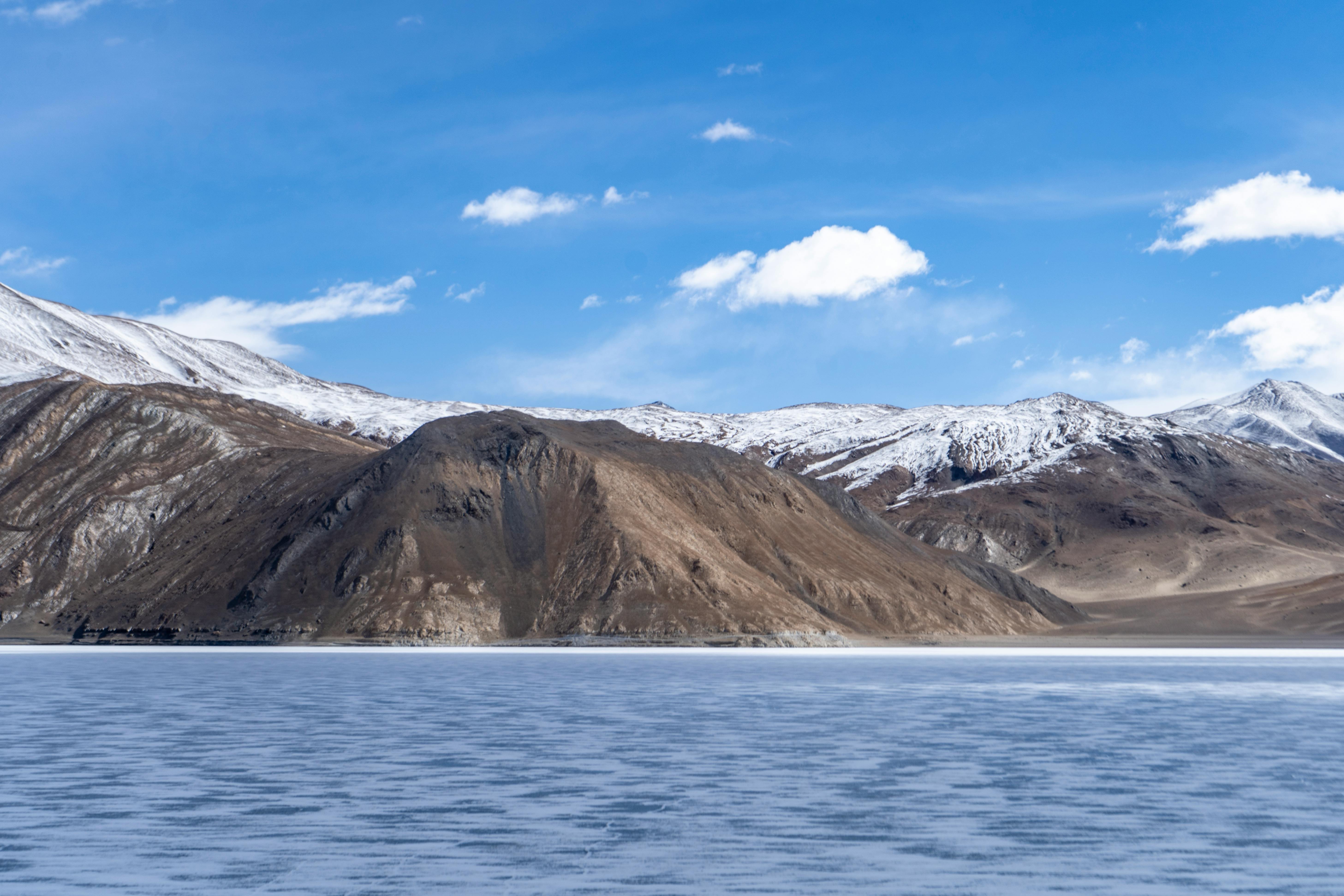
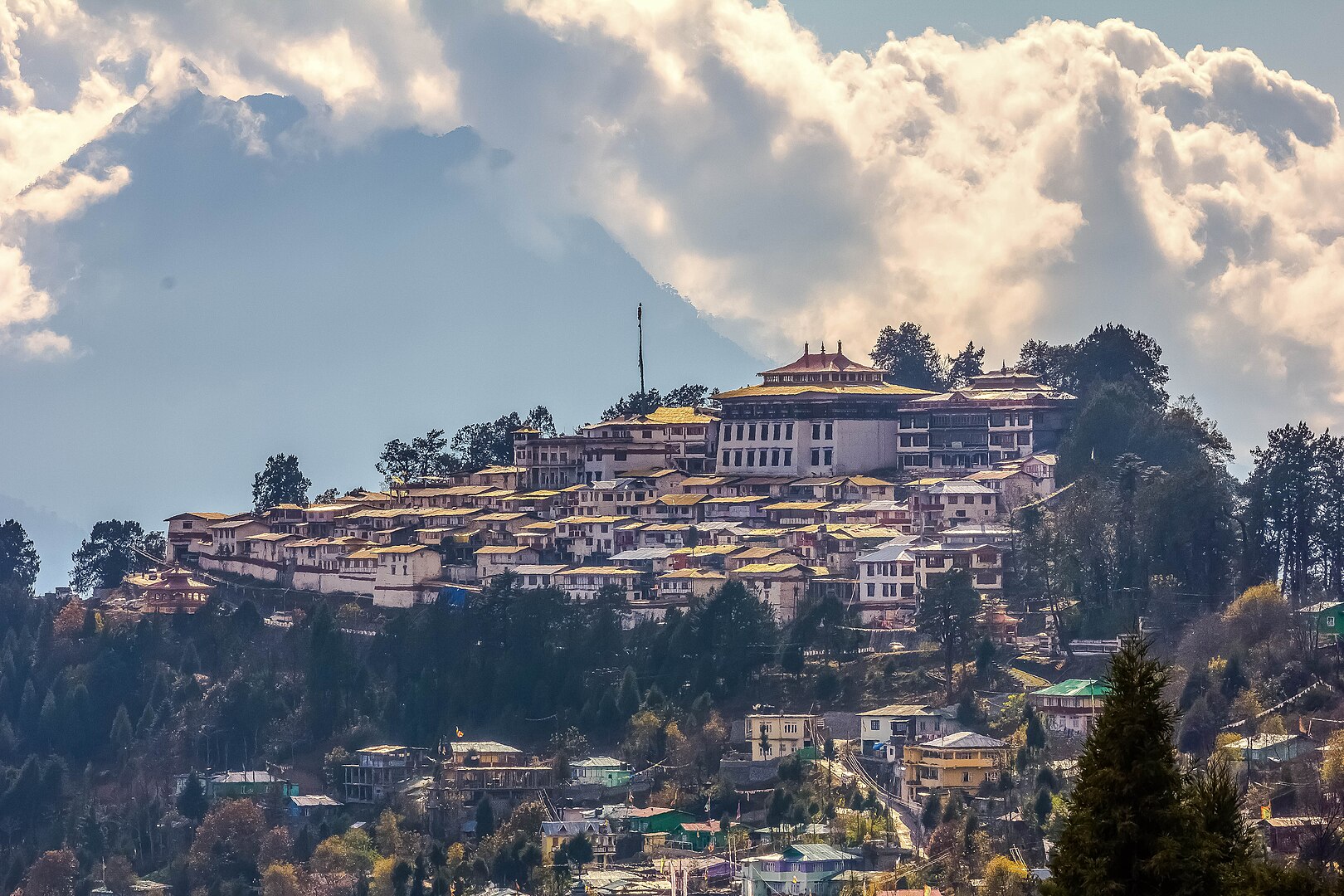
Nestled amid the quiet hills of West Sikkim, Rinchenpong Monastery is one of the region’s most peaceful and spiritually significant Buddhist monasteries. Surrounded by dense forests, terraced farmland, and sweeping Himalayan landscapes, the monastery offers visitors a calm retreat away from crowded tourist destinations. Perched on a hill near the small town of Rinchenpong, the monastery is known not only for its religious importance but also for its breathtaking panoramic views of the surrounding valleys and snow-covered peaks.
The atmosphere around the monastery is deeply tranquil. Prayer flags flutter gently in the mountain breeze, monks chant prayers in the halls, and the silence of the hills creates a meditative environment that attracts pilgrims, spiritual seekers, photographers, and nature lovers alike. For travelers exploring the quieter side of Sikkim, Rinchenpong Monastery provides a perfect blend of spirituality, culture, and natural beauty.
Historical and Religious Importance
Rinchenpong Monastery holds an important place in the Buddhist heritage of Sikkim and is associated with the Nyingma sect of Tibetan Buddhism, one of the oldest schools of Buddhist philosophy in the Himalayan region. The monastery serves as a center for prayer, meditation, religious learning, and monastic training. Local communities regard it as a sacred site, and many devotees visit regularly to seek blessings and participate in religious ceremonies.
Like many monasteries in Sikkim, Rinchenpong Monastery reflects the strong influence of Tibetan Buddhist traditions that spread across the Himalayas centuries ago. Monks residing here dedicate their lives to spiritual practices, scriptural studies, and preserving ancient Buddhist teachings. During important Buddhist festivals, the monastery becomes lively with rituals, prayers, masked dances, and traditional celebrations that showcase the rich spiritual culture of the region.
Its elevated hilltop location also carries symbolic meaning in Buddhism. Monasteries are often built in high places to represent spiritual elevation and closeness to enlightenment. The peaceful setting naturally encourages reflection and meditation, making it an ideal place for inner peace and spiritual contemplation.
Architecture and Cultural Charm
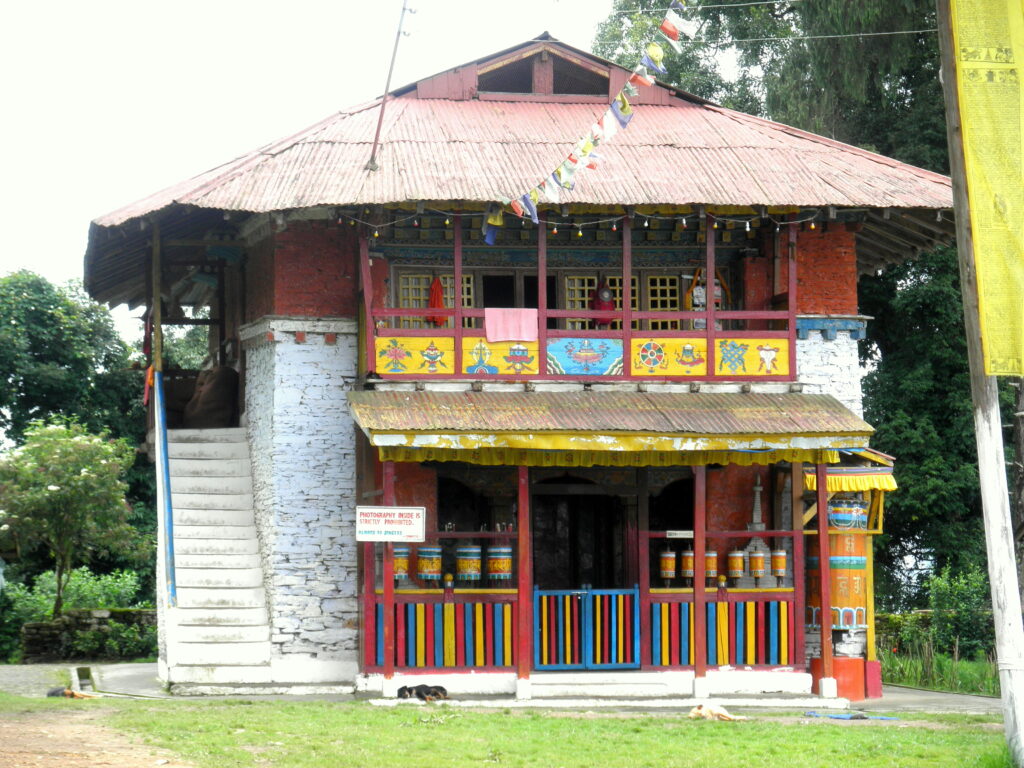
The monastery beautifully reflects traditional Tibetan and Sikkimese Buddhist architecture. The structure features colorful walls, intricately carved wooden windows, prayer wheels, and beautifully painted murals depicting Buddhist deities, saints, and symbolic motifs. Inside the prayer hall, visitors can find statues of Buddha, sacred scriptures, butter lamps, and ornate decorations that create a deeply spiritual atmosphere.
One of the most striking elements of the monastery is the vibrant display of prayer flags spread across the surrounding hills. According to Buddhist beliefs, the fluttering flags carry prayers and positive energy into the wind, spreading peace and harmony across the world.
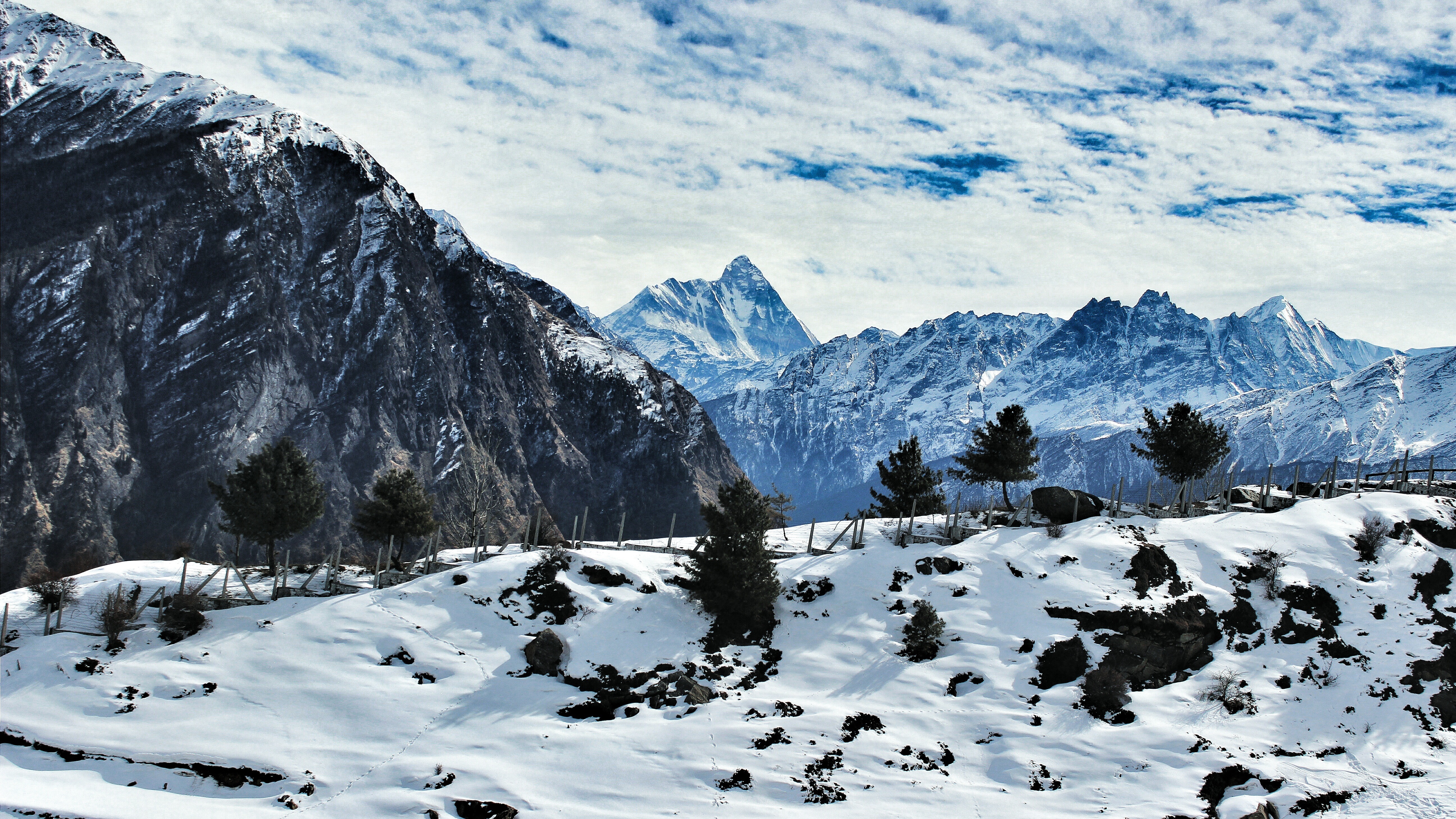
The surrounding environment adds greatly to the monastery’s charm. Lush greenery, mist-covered hills, and quiet walking paths make the area ideal for meditation and relaxation. During sunrise and sunset, the changing colors over the Himalayan landscape create a magical experience for visitors. On clear days, parts of the Kanchenjunga range can also be seen from nearby viewpoints, making the journey even more memorable.
Experience for Visitors
A visit to Rinchenpong Monastery is less about sightseeing and more about experiencing serenity. Unlike some of the more crowded monasteries in Sikkim, this monastery retains a peaceful and intimate atmosphere. Visitors often spend time quietly exploring the prayer halls, observing monks during rituals, or simply sitting outside and admiring the surrounding mountains.
Photography enthusiasts are drawn to the scenic beauty of the area, while cultural travelers appreciate the opportunity to learn about local Buddhist traditions. The calm environment also makes it an excellent place for meditation and mindful travel experiences.
Travelers visiting Rinchenpong often combine their trip with nearby attractions such as ancient heritage sites, forest trails, waterfalls, and scenic viewpoints in West Sikkim. The region itself is known for its untouched beauty and traditional village culture, offering a slower and more authentic Himalayan experience.
Best Time to Visit
The ideal time to visit Rinchenpong Monastery is between March and June and again from September to November. During these months, the weather remains pleasant, the skies are generally clear, and the mountain views are at their best.
Spring brings blooming flowers and lush greenery, while autumn offers crisp air and spectacular Himalayan vistas. Winters can be cold, but the misty atmosphere gives the monastery a unique charm. The monsoon season, however, may bring heavy rainfall and slippery roads, which can sometimes make travel difficult.
How to Reach Rinchenpong Monastery
Rinchenpong Monastery is located around 8 kilometers from Rinchenpong town in West Sikkim and approximately 140 kilometers from Gangtok. The monastery can be reached by road through taxis, shared jeeps, or private vehicles.
The nearest airport is Pakyong Airport, located roughly 140 kilometers away. However, many travelers prefer arriving via Bagdogra Airport, which serves as the major gateway to Sikkim.
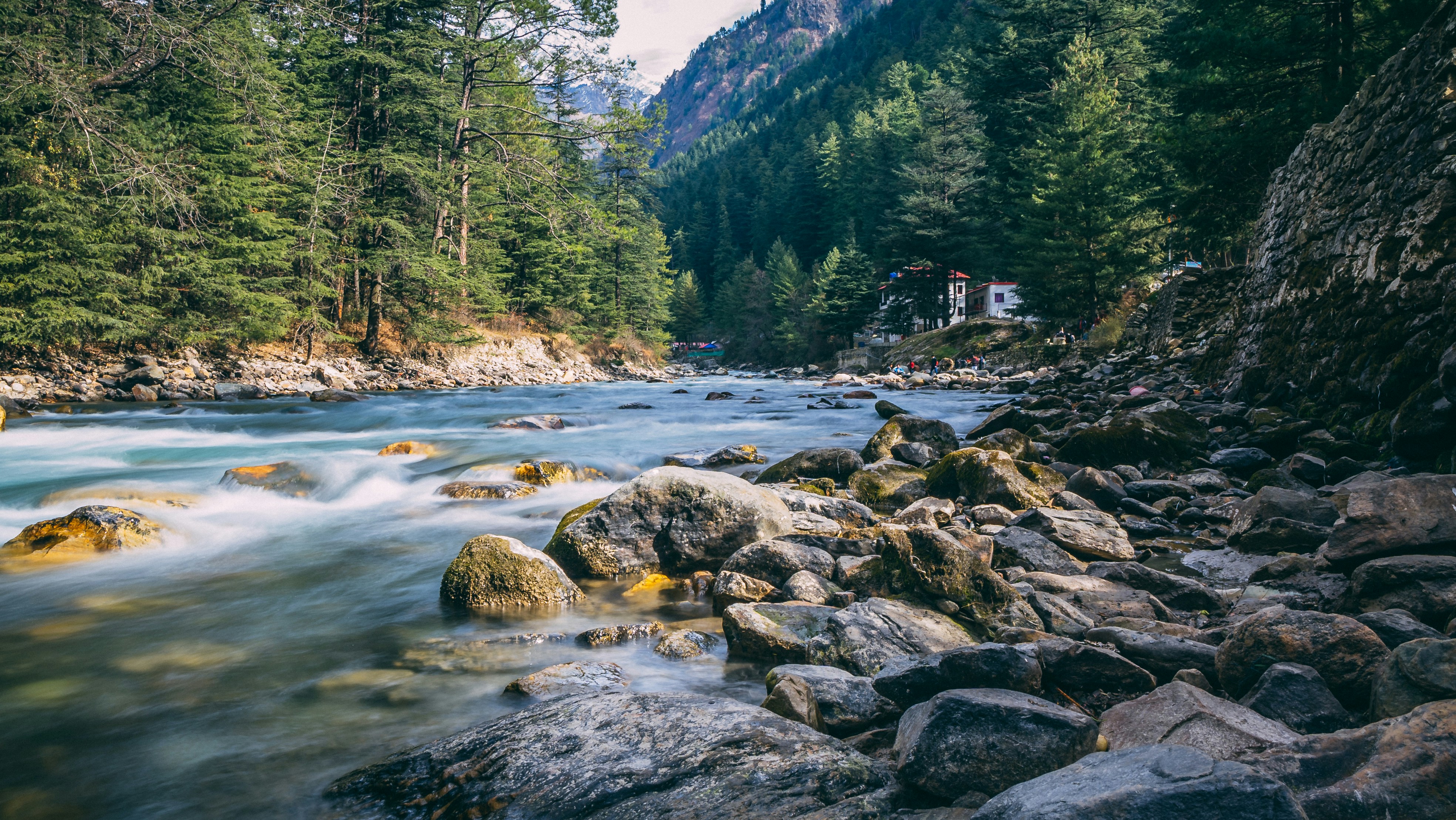
The closest railway station is New Jalpaiguri Railway Station. From there, visitors can hire taxis or take shared vehicles toward Rinchenpong. The road journey itself is scenic, passing through mountain roads, forests, rivers, and traditional Himalayan villages.
Nearby Attractions
While visiting Rinchenpong Monastery, travelers can also explore several nearby attractions in West Sikkim. The region is known for its natural beauty, heritage sites, and peaceful landscapes.
Some nearby places worth visiting include:
- Kanchenjunga National Park.
- Pemayangtse Monastery.
- Rabdentse Ruins.
- Khecheopalri Lake.
These attractions can easily be combined into a broader West Sikkim travel itinerary.
Google Maps
FAQs
What is Rinchenpong Monastery famous for?
Rinchenpong Monastery is famous for its peaceful spiritual atmosphere, traditional Buddhist architecture, scenic Himalayan surroundings, and importance in Nyingma Buddhism.
Which Buddhist sect is associated with the monastery?
The monastery belongs to the Nyingma sect, one of the oldest schools of Tibetan Buddhism.
Is Rinchenpong Monastery suitable for meditation?
Yes, the calm environment, quiet surroundings, and spiritual ambiance make it an excellent place for meditation and reflection.
What is the best time to visit Rinchenpong Monastery?
The best months to visit are March to June and September to November when the weather is pleasant and mountain views are clear.
How far is Rinchenpong Monastery from Gangtok?
The monastery is located approximately 140 kilometers from Gangtok by road.
Can tourists visit the monastery freely?
Yes, tourists are generally welcome to visit the monastery, though visitors should maintain silence, dress respectfully, and follow monastery rules.
Are there accommodation options near the monastery?
Yes, Rinchenpong and nearby towns offer homestays, guesthouses, and small hotels for travelers exploring West Sikkim.
Is photography allowed inside the monastery?
Photography is usually allowed in outdoor areas, but visitors should ask permission before taking photos inside prayer halls or during religious ceremonies.