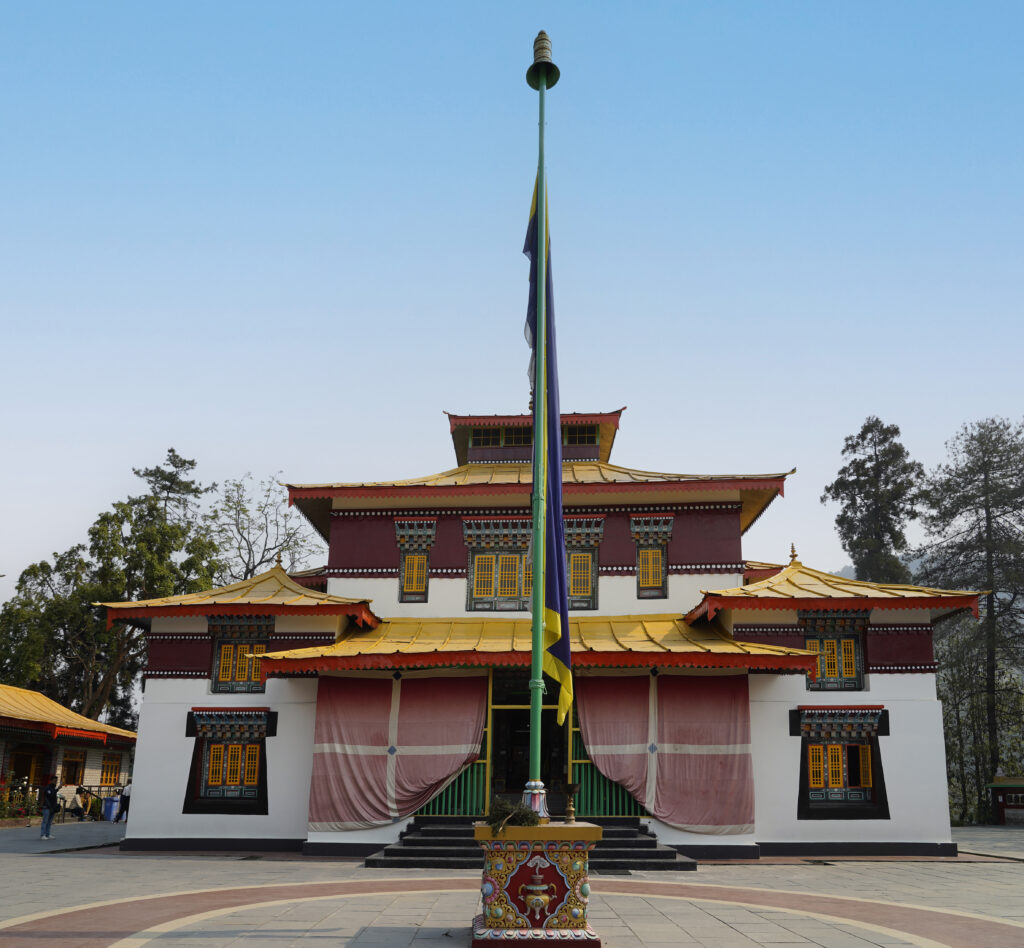
Image Source: Amitabha Gupta
About Enchey Monastery
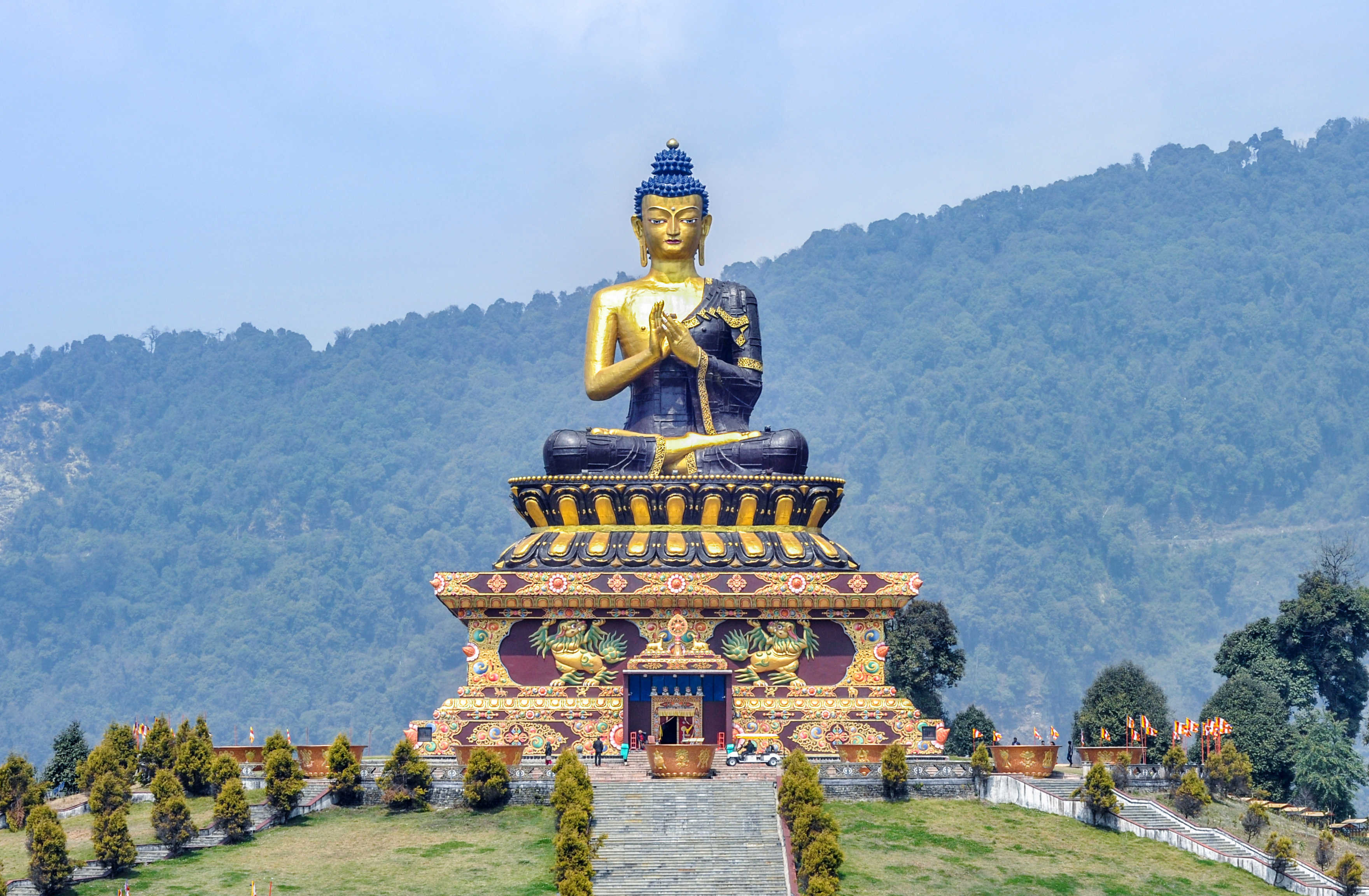
Nestled on a quiet hilltop above the bustling streets of Gangtok, Enchey Monastery is one of the most peaceful and spiritually significant monasteries in Sikkim. Surrounded by fluttering prayer flags, pine-covered slopes, and sweeping Himalayan scenery, the monastery offers visitors a calm escape from the fast pace of city life. Though located only a few kilometers from central Gangtok, the atmosphere here feels completely different—serene, meditative, and deeply rooted in Buddhist tradition.
Belonging to the Nyingma sect of Tibetan Buddhism, Enchey Monastery is not only a place of worship but also an important cultural landmark that reflects the spiritual heritage of Sikkim. Monks can often be seen chanting prayers, spinning prayer wheels, and carrying out daily rituals, giving visitors a glimpse into the timeless practices of Himalayan Buddhism. The monastery attracts pilgrims, spiritual seekers, photographers, and travelers who come to experience both its religious importance and scenic beauty.
Historical and Religious Importance
The history of Enchey Monastery dates back to the early 19th century, although the current structure was reconstructed in the early 20th century. The monastery is closely associated with Lama Druptab Karpo, a highly respected tantric master believed to possess extraordinary spiritual powers. According to local legends, the lama flew from Maenam Hill to the site where the monastery now stands and meditated there in solitude. Because of this sacred association, the area is considered spiritually blessed by devotees.
Over the decades, Enchey Monastery has become an important center for Buddhist learning and monastic traditions in Sikkim. It continues to preserve ancient rituals, scriptures, and teachings that have been passed down through generations. The monastery also plays an active role in educating young monks in Buddhist philosophy, meditation practices, and sacred ceremonies.
One of the most celebrated events held here is the annual Chaam festival, usually organized around the Tibetan New Year period. During the festival, monks dressed in elaborate silk robes and colorful masks perform sacred masked dances accompanied by traditional drums and horns. These ritual dances symbolize the victory of wisdom and goodness over evil forces and are considered both spiritually meaningful and visually spectacular.
Architecture and Artistic Beauty
Enchey Monastery beautifully represents traditional Tibetan Buddhist architecture. The structure features bright red, gold, yellow, and white colors that stand out vividly against the surrounding greenery and mountain landscape. Intricate wooden carvings, painted windows, and ornate rooftops add to its spiritual charm and artistic elegance.
Inside the monastery, visitors can admire large statues of Buddhist deities, beautifully painted murals, prayer wheels, and sacred thangkas that illustrate stories and teachings from Buddhist scriptures. The prayer hall, filled with the soft sound of chanting and the fragrance of incense, creates a deeply calming atmosphere. Butter lamps flicker gently before the altars, enhancing the spiritual ambiance of the monastery.
The monastery complex is also surrounded by peaceful courtyards and quiet pathways where visitors can sit, meditate, or simply enjoy the mountain air. The combination of spirituality, art, and natural beauty makes Enchey Monastery one of Gangtok’s most captivating landmarks.
Scenic Surroundings and Atmosphere
One of the biggest attractions of Enchey Monastery is its scenic location. Perched on elevated ground, the monastery offers panoramic views of Gangtok town, rolling hills, and, on clear days, the majestic snow-covered peaks of Kangchenjunga. Early mornings are especially beautiful, with mist drifting across the hills and sunlight slowly illuminating the mountains.
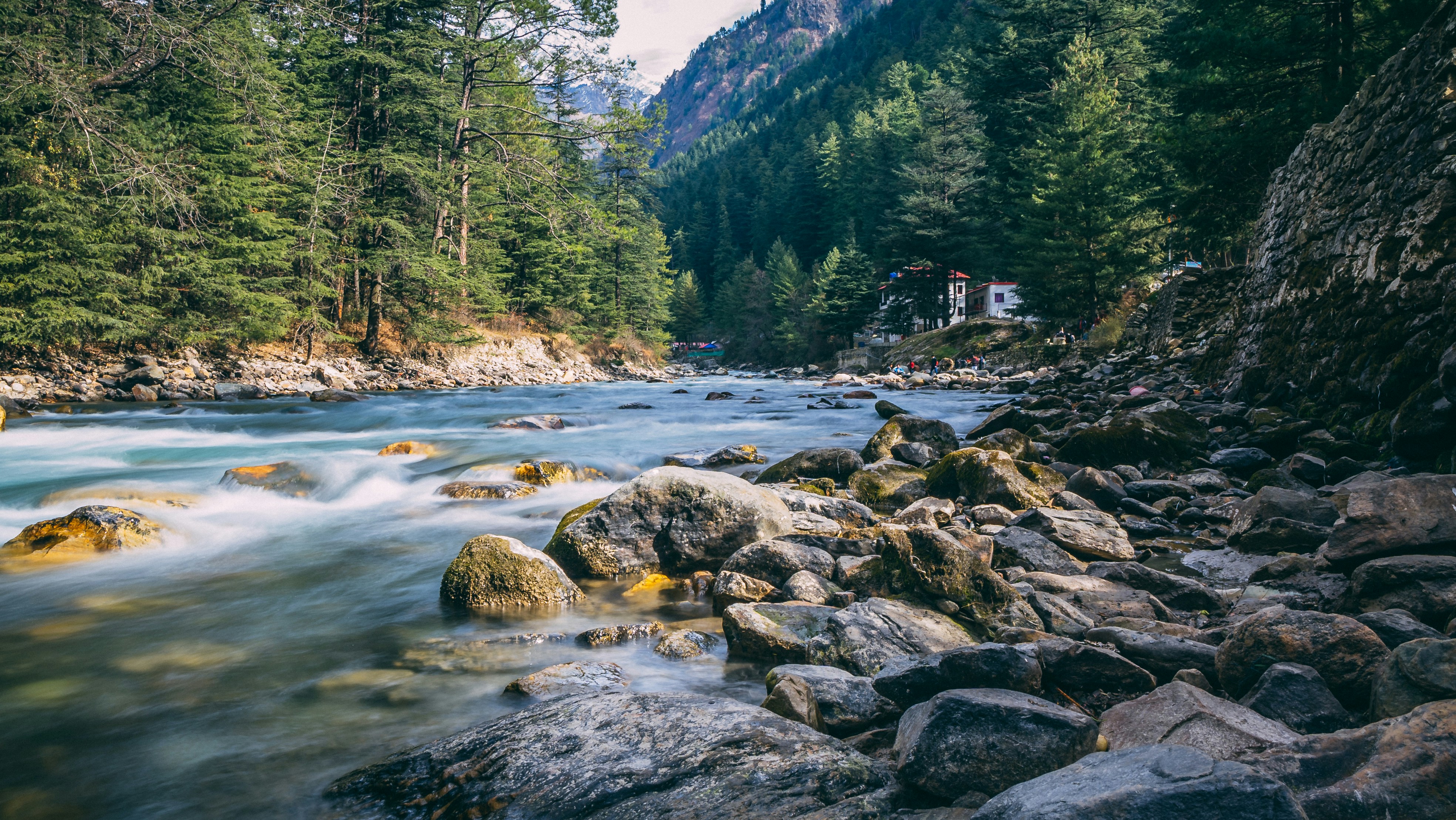
The surrounding pine forests and quiet environment create a soothing retreat ideal for meditation and reflection. Unlike some heavily crowded tourist spots, Enchey Monastery still retains a peaceful and authentic spiritual atmosphere. Birds chirping in the trees, prayer flags fluttering in the breeze, and the distant sound of chanting together create an experience that feels both calming and memorable.
Photography enthusiasts are particularly drawn to the monastery because of its colorful architecture and dramatic Himalayan backdrop. The changing light throughout the day adds different moods to the landscape, making it an excellent place for nature and cultural photography.
Visitor Experience
Visitors to Enchey Monastery can explore the prayer halls, observe monks during their daily rituals, and learn about Buddhist customs and traditions. While tourists are welcome, the monastery remains an active place of worship, so respectful behavior and modest clothing are appreciated.
The monastery is especially lively during festivals and prayer ceremonies, when the grounds become filled with music, chanting, and traditional performances. At quieter times, visitors can enjoy the silence and spend time appreciating the spiritual energy of the place.
Many travelers combine a visit to Enchey Monastery with nearby attractions in Gangtok, including viewpoints, markets, and other monasteries. Because of its peaceful setting and convenient location, it remains one of the most visited spiritual destinations in Sikkim.
Best Time to Visit
The best time to visit Enchey Monastery is between March and June or from September to November, when the weather remains pleasant and the skies are generally clear. During these months, visitors can enjoy beautiful mountain views and comfortable sightseeing conditions.
Winter also has its own charm, especially when cold mountain air and occasional snowfall create a mystical atmosphere around the monastery. The annual Chaam festival is another excellent time to visit if you wish to experience Sikkim’s vibrant Buddhist culture and ceremonial traditions.
How to Reach
Enchey Monastery is located around 3 kilometers from the center of Gangtok and is easily accessible by local taxis, shared jeeps, and private vehicles.
By Air
The nearest airport is Pakyong Airport, situated about 35 kilometers away. However, many travelers also use Bagdogra Airport, which is better connected to major Indian cities.
By Rail
The nearest major railway station is New Jalpaiguri Railway Station. From there, travelers can hire taxis or take shared vehicles to Gangtok.
By Road
Gangtok is well connected by road to Siliguri and other parts of northeastern India. Once in Gangtok, Enchey Monastery can be reached within a short drive from the main town area.
Nearby Attractions to Enchey Monastery
Enchey Monastery is perched on a peaceful hilltop in Gangtok and is surrounded by several popular tourist attractions, viewpoints, temples, and cultural landmarks. Most of these places can be comfortably covered in a single day.
1. Ganesh Tok (Approx. 1 km)
A small hilltop temple dedicated to Lord Ganesha, Ganesh Tok is known for its breathtaking panoramic views of Gangtok and the snow-clad Kanchenjunga range. It is one of the city’s most popular viewpoints.
2. Hanuman Tok (Approx. 3 km)
Maintained by the Indian Army, Hanuman Tok is a serene temple surrounded by lush greenery. The temple offers spectacular views of the Himalayas and is a peaceful place for meditation and photography.
3. Tashi View Point (Approx. 4 km)
One of Gangtok’s best viewpoints, Tashi View Point provides magnificent views of Mount Kanchenjunga and the surrounding valleys. Sunrise is the ideal time to visit for the clearest mountain vistas.
4. MG Marg (Approx. 2 km)
The vibrant heart of Gangtok, MG Marg is a lively pedestrian street lined with cafés, restaurants, local handicraft shops, and souvenir stores. It is perfect for shopping, dining, and enjoying the local atmosphere.
5. Gangtok Ropeway (Approx. 2.5 km)
The Gangtok Ropeway offers an exciting cable car ride with panoramic aerial views of the city, lush hills, and surrounding Himalayan landscapes.
6. Do Drul Chorten (Approx. 3 km)
One of Sikkim’s most important Buddhist stupas, Do Drul Chorten is famous for its golden dome, 108 prayer wheels, and tranquil surroundings. It is an important spiritual landmark in Gangtok.
7. Namgyal Institute of Tibetology (Approx. 3 km)
Located beside Do Drul Chorten, this renowned institute preserves Tibetan Buddhist heritage through its collection of ancient manuscripts, statues, thangka paintings, and historical artifacts.
8. Banjhakri Falls and Energy Park (Approx. 7 km)
This scenic waterfall is surrounded by beautifully landscaped gardens, sculptures based on Sikkimese folklore, walking trails, and picnic spots, making it a favorite family destination.
9. Himalayan Zoological Park (Approx. 8 km)
Spread across a forested hillside, the Himalayan Zoological Park is home to native Himalayan wildlife, including the red panda, Himalayan black bear, snow leopard, and various pheasant species.
10. Rumtek Monastery (Approx. 26 km)
One of the largest and most significant monasteries in Sikkim, Rumtek Monastery is renowned for its impressive Tibetan architecture, sacred relics, beautiful murals, and peaceful atmosphere. It is a must-visit for those interested in Buddhist culture and history.
Google Maps
FAQs
Why is Enchey Monastery famous?
Enchey Monastery is famous for its spiritual importance, traditional Buddhist architecture, scenic hilltop setting, and the colorful Chaam masked dance festival held annually.
Which Buddhist sect does Enchey Monastery belong to?
The monastery belongs to the Nyingma order, one of the oldest schools of Tibetan Buddhism.
Is photography allowed inside the monastery?
Photography is usually allowed in outdoor areas, but restrictions may apply inside prayer halls. Visitors should always ask for permission before taking photographs indoors.
What is the best time to visit Enchey Monastery?
Spring and autumn are considered the best seasons because of pleasant weather and clear Himalayan views. Festival periods are also popular among visitors.
How much time is needed to explore the monastery?
Most visitors spend around one to two hours exploring the monastery, enjoying the views, and experiencing the peaceful surroundings.
Is Enchey Monastery suitable for families and elderly visitors?
Yes, the monastery is accessible by road and suitable for families, elderly travelers, and anyone interested in spirituality, culture, or scenic beauty.
Can tourists attend prayer ceremonies?
Visitors are generally allowed to observe prayers and rituals respectfully, especially during public ceremonies and festivals.