Image Source: Odisha1
About Biraja Temple
Located in the historic town of Jajpur, the sacred Biraja Temple is one of the most important Shakti shrines in eastern India. Dedicated to Goddess Biraja, a powerful form of Goddess Durga, the temple has been a major center of devotion, spirituality, and pilgrimage for centuries. Revered as one of the 51 sacred Shakti Peethas, the temple draws devotees, spiritual seekers, and history enthusiasts from across the country.
What makes Biraja Temple especially unique is the form of the presiding deity. Unlike the more familiar ten-armed depiction of Durga seen in many temples, Goddess Biraja appears here in a rare Dwibhuja (two-armed) form. She is shown slaying the demon Mahishasura with a spear, symbolizing the triumph of divine power over evil. The temple and its surrounding region are traditionally known as “Viraja Kshetra,” a sacred land deeply connected with Shakti worship and ancient Hindu traditions.
The spiritual atmosphere of the temple, combined with its historical roots and mythological importance, gives the place a timeless aura that continues to inspire devotion even today.
Mythological Importance of Biraja Temple
Biraja Temple occupies a highly respected place in Hindu mythology. According to ancient legends, Goddess Sati immolated herself after being insulted by her father, King Daksha. Overwhelmed with grief, Lord Shiva carried her body across the universe in a state of cosmic sorrow. To restore balance, Lord Vishnu used his Sudarshan Chakra to divide Sati’s body into several parts, which fell at different locations across the Indian subcontinent. These sacred sites later became known as the Shakti Peethas.
It is believed that the navel, or Nabhi, of Goddess Sati fell at Jajpur. Because of this, Biraja Temple is considered one of the holiest and most spiritually powerful Shakti Peethas in India. Devotees believe that worshipping here grants divine blessings, inner peace, and spiritual liberation.
Ancient Hindu scriptures such as the Skanda Purana, Brahma Purana, and Tantra texts also mention Viraja Kshetra as an important center of pilgrimage and goddess worship. The temple has therefore remained an enduring symbol of feminine divine energy for centuries.
History
The present structure of Biraja Temple is believed to have been constructed during the 13th century CE under the patronage of the Eastern Ganga dynasty, which ruled large parts of Odisha and contributed significantly to temple architecture in the region. However, historians and scholars suggest that the sacred site itself is much older than the existing temple structure.
Jajpur was once an important political and religious center in ancient Odisha, historically known as the capital of the Somavanshi kings. Over time, the region developed into a major pilgrimage destination due to its association with Shaktism, Shaivism, and various Tantric traditions.
Despite invasions and changes in political power over the centuries, the temple has preserved its religious importance and continues to remain one of Odisha’s most revered spiritual landmarks.
Architecture of the Temple
The temple is a fine example of traditional Kalinga-style architecture, the same architectural tradition seen in many famous temples of Odisha. The structure features a towering vimana (sanctum tower), beautifully carved stone walls, and intricate sculptural work that reflects the artistic excellence of medieval Odisha.
Inside the sanctum, Goddess Biraja is depicted in her distinctive Mahishasuramardini form. She is shown piercing Mahishasura with her spear while holding the demon’s tail, a powerful representation of strength and righteousness. The idol is carved from stone and radiates a commanding spiritual presence.
The temple complex also contains several smaller shrines dedicated to deities such as Lord Shiva, Lord Vishnu, Ganesha, Hanuman, and various forms of Shakti. Ancient sculptures, sacred tanks, and ritual spaces add to the spiritual charm of the complex.
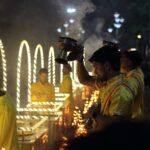
The atmosphere inside the temple is serene yet deeply devotional, especially during morning and evening rituals when chants, bells, and incense fill the air.
Religious and Spiritual Significance
Biraja Temple holds immense importance for followers of Shaktism, a tradition that worships the Divine Mother as the supreme cosmic force. Devotees visit the temple to seek blessings for strength, protection, prosperity, and spiritual growth.
Apart from goddess worship, Jajpur is also regarded as an important center for Pitru Tarpan and ancestral rites. Many Hindus believe that performing rituals for departed ancestors here helps attain peace for their souls and contributes toward moksha, or spiritual liberation.
Another unique aspect of the temple is its association with the Navagrahas, the nine celestial influences in Hindu astrology. Because of this, many devotees come here to perform rituals seeking relief from planetary afflictions and negative influences.
The temple becomes especially vibrant during Durga Puja, when thousands of devotees gather to participate in elaborate rituals, prayers, and cultural celebrations.
Festivals Celebrated at Biraja Temple
Sharadiya Durga Puja
The grandest celebration at Biraja Temple is the Sharadiya Durga Puja, observed with exceptional devotion and grandeur. Unlike the typical four- or five-day Durga Puja celebrated in many parts of India, the festivities here continue for sixteen days and are known as the Shodasha Dinatmika Puja.
During this period, the temple is decorated with flowers and lights, while special rituals, chanting, and traditional performances take place daily. The spiritual energy during the festival attracts pilgrims from all over Odisha and neighboring states.
Navaratri
Navaratri is another major festival celebrated with fasting, prayers, and devotional ceremonies dedicated to Goddess Durga. The temple witnesses large crowds of devotees throughout the nine sacred nights.
Ashokashtami Mela
The Ashokashtami festival is marked by a colorful chariot procession in which the deity is taken around the town amid music, chanting, and devotional celebrations. The event has both religious and cultural significance and is eagerly awaited by locals every year.
Pitru Paksha Rituals
During Pitru Paksha, devotees visit Jajpur to perform rituals for their ancestors. The temple and nearby sacred water bodies become important centers for offerings and prayers dedicated to departed souls.
Best Time to Visit Biraja Temple
The ideal time to visit Biraja Temple is between October and March, when the weather remains pleasant and suitable for sightseeing and pilgrimage. Visiting during Durga Puja offers an opportunity to witness the temple at its most vibrant and spiritually charged state.
Early mornings and evenings are considered especially peaceful for darshan and prayer, as the temple atmosphere becomes calm and devotional during these hours.
How to Reach Biraja Temple
By Air
The nearest airport is Biju Patnaik International Airport, located around 100 kilometers from Jajpur. From the airport, visitors can hire taxis or take buses to reach the temple.
By Train
The nearest major railway station is Jajpur Keonjhar Road Railway Station, situated about 30 kilometers from the temple. The station is well connected to major cities such as Bhubaneswar, Cuttack, and Kolkata.
By Road
Jajpur enjoys good road connectivity with major towns and cities in Odisha. Regular buses, taxis, and private vehicles operate from Bhubaneswar, Cuttack, Balasore, and nearby regions.
Nearby Attractions Around Biraja Temple
Visitors exploring Jajpur can also discover several nearby spiritual and historical sites:
- Trilochaneswar Temple – An ancient Shiva temple known for its historical significance.
- Ratnagiri Buddhist Site – A renowned Buddhist archaeological complex with monasteries and sculptures.
- Udayagiri Buddhist Site – An important Buddhist heritage site in Odisha.
- Lalitgiri Buddhist Site – One of the oldest Buddhist establishments in the region.
These places make Jajpur a fascinating destination for travelers interested in spirituality, history, and ancient Indian culture.
Google Maps
FAQs
Why is Biraja Temple famous?
Biraja Temple is famous for being one of the 51 sacred Shakti Peethas of India. It is believed that the navel of Goddess Sati fell here, making the site highly sacred in Hindu mythology.
Which goddess is worshipped at Biraja Temple?
The temple is dedicated to Goddess Biraja, a form of Goddess Durga depicted in a rare two-armed Mahishasuramardini form.
Where is Biraja Temple located?
The temple is located in the town of Jajpur in the Indian state of Odisha.
What is special about the idol of Goddess Biraja?
Unlike the common ten-armed depiction of Durga, Goddess Biraja is worshipped here in a Dwibhuja (two-armed) form while slaying Mahishasura.
Which is the major festival celebrated at the temple?
Sharadiya Durga Puja is the most important festival celebrated here and lasts for sixteen days.
Is Biraja Temple connected with ancestor rituals?
Yes, Jajpur is considered an auspicious place for performing Pitru Tarpan and other ancestral rituals associated with spiritual liberation.
What is the best time to visit Biraja Temple?
The months between October and March are considered the best for visiting, especially during Durga Puja and Navaratri celebrations.
How far is Biraja Temple from Bhubaneswar?
Biraja Temple is approximately 100 kilometers from Bhubaneswar by road.