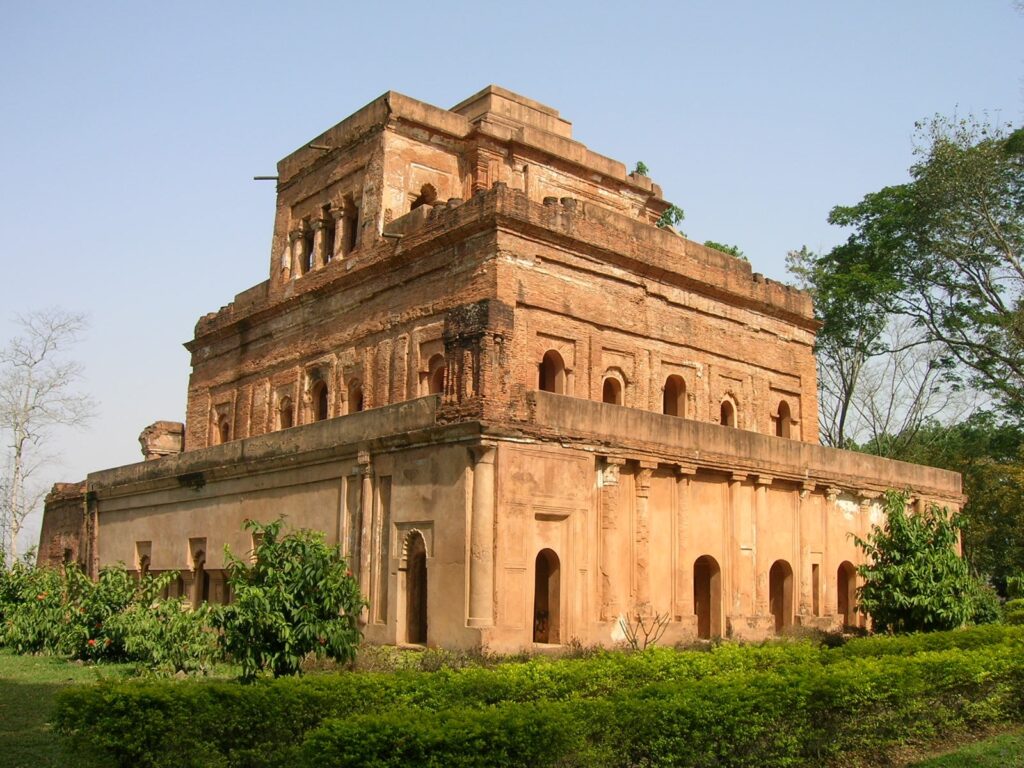
Image Source: Mozzworld
About Sivasagar Ahom Palace
Located in the historic town of Sivasagar, the Sivasagar Ahom Palace is one of the finest reminders of the glorious Ahom dynasty that ruled Assam for nearly 600 years. Often associated with famous structures like Kareng Ghar and Rang Ghar, this royal complex reflects the power, sophistication, and cultural richness of the Ahom kingdom. The monuments here are not just old buildings; they are living symbols of Assam’s medieval heritage and continue to attract historians, architecture enthusiasts, and travelers from across the country.
Built during the 18th century under the patronage of Ahom rulers, these palaces once served as royal residences, administrative headquarters, and ceremonial spaces. Walking through the remains of these grand structures offers a glimpse into a time when the Ahom kingdom flourished politically, economically, and culturally. Even today, the ruins carry an atmosphere of royal elegance, with expansive courtyards, ancient walls, underground passages, and open terraces telling stories of a remarkable era in Assamese history.
Historical Significance of the Ahom Dynasty
The Ahom dynasty played a defining role in shaping the identity and history of Assam. Originally of Tai origin, the Ahoms entered Assam in the 13th century and gradually established one of the longest-ruling dynasties in Indian history. Over centuries, they successfully resisted several Mughal invasions and built a strong kingdom known for its administration, military strategy, art, and architecture.
Sivasagar became one of the most important centers of Ahom rule and served as the political and cultural capital of the kingdom for a long period. The palaces and monuments constructed here reflected the wealth and authority of the Ahom kings. Today, these historical structures stand as important cultural treasures that preserve the legacy of Assamese civilization.
Architecture of Sivasagar Ahom Palace
The architecture of the Ahom palaces is unique because it beautifully combines traditional Assamese design with influences from Southeast Asian styles. Unlike many North Indian palaces dominated by Mughal elements, Ahom architecture developed its own distinctive identity. The structures were built using brick, wood, stone, and a special type of indigenous mortar made from rice paste, eggs, and lime, which added remarkable durability.
Kareng Ghar – The Royal Palace
Kareng Ghar, also known as the Garhgaon Palace, served as the royal residence of the Ahom kings. Although parts of the original structure have been damaged over time, the remaining sections still display impressive craftsmanship. The palace once had multiple stories connected by passages and stairways. Open balconies, underground chambers, and elevated watch points reveal how carefully the structure was planned for both comfort and defense.
The spacious halls and terraces were used for royal meetings, celebrations, and administrative activities. The palace complex also included gardens, ponds, and defensive walls, creating a self-sufficient royal enclosure.
Rang Ghar – Asia’s First Amphitheater
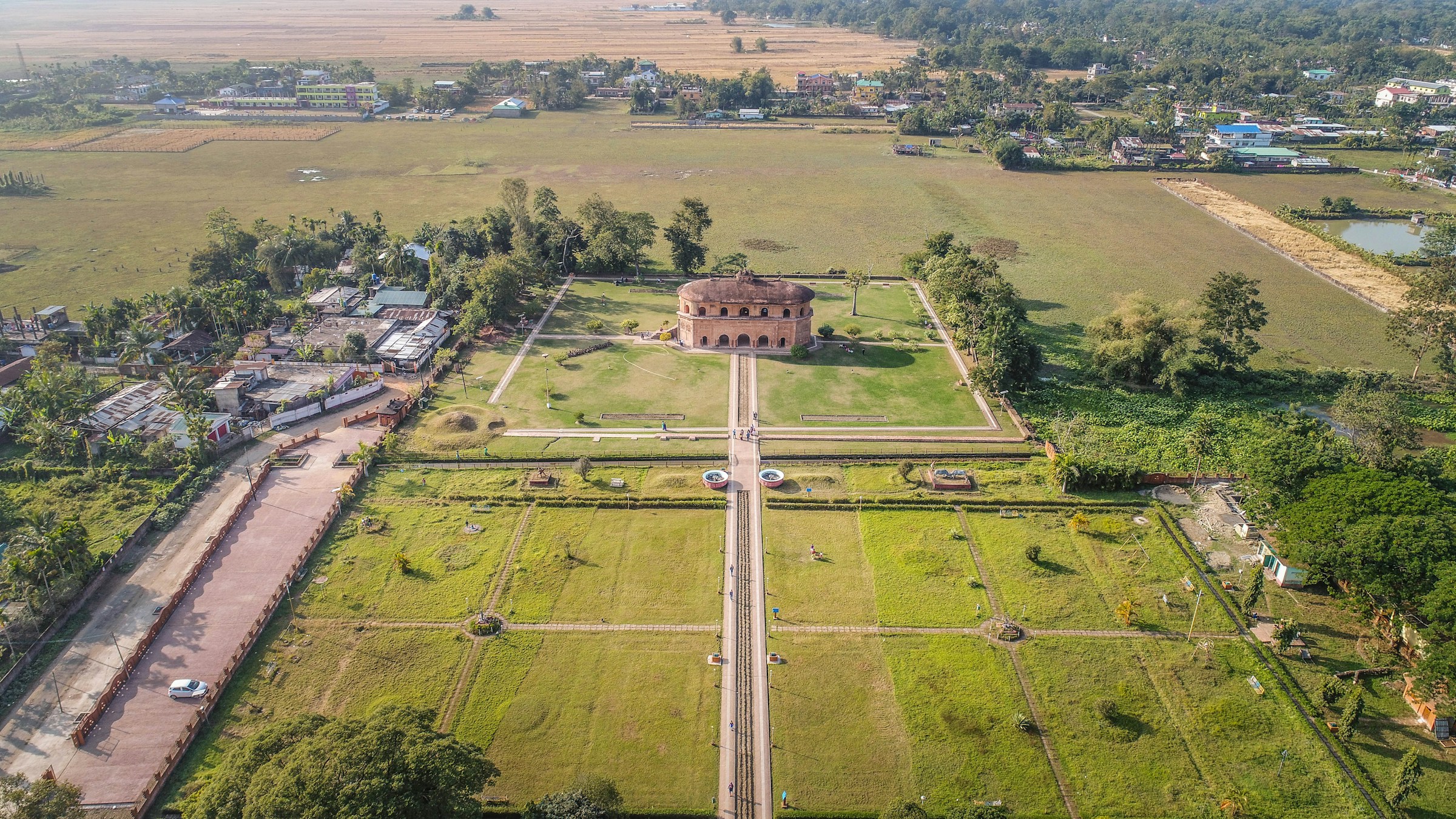
One of the most famous monuments in Sivasagar is the Rang Ghar, often referred to as Asia’s first amphitheater. This unique oval-shaped structure was constructed primarily as a royal sports pavilion where Ahom kings and nobles watched traditional games and entertainment events. Popular activities included buffalo fights, wrestling competitions, and cultural performances during festivals such as Bihu.
The two-storied building features arched entrances and a roof shaped like an inverted boat, inspired by traditional Assamese architecture. Despite being centuries old, the structure still reflects the engineering brilliance of the Ahom era.
Nearby Attractions Around the Palace
A visit to the Sivasagar Ahom Palace is often combined with several nearby historical and cultural attractions that together form an important heritage circuit of Assam.
Sivasagar Tank
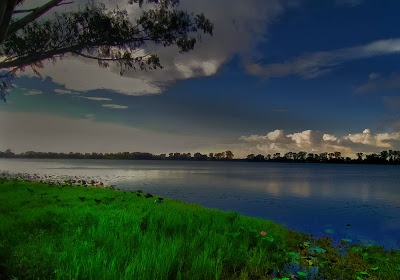
The famous Sivasagar Tank, locally known as Borpukhuri, is a massive man-made water reservoir built during the Ahom period. Surrounded by temples and historical monuments, the tank adds scenic beauty to the town and remains an important landmark.
Talatal Ghar
Talatal Ghar is another remarkable Ahom-era structure known for its underground tunnels and military significance. It is considered one of the largest surviving Ahom monuments and showcases the advanced planning and defensive architecture of the kingdom.
Shiva Dol
Located near the Sivasagar Tank, Shiva Dol is one of the tallest Shiva temples in India. Built by Ahom queen Ambika in the 18th century, the temple remains a major pilgrimage site and an important symbol of Assamese spirituality.
Cultural Importance
The Sivasagar Ahom Palace is much more than a historical monument. It represents the cultural pride and resilience of Assam. The site frequently hosts heritage walks, educational tours, cultural programs, and local festivals that celebrate Assamese traditions and history.
For the people of Assam, these monuments are closely tied to their regional identity. The palaces remind visitors of the achievements of the Ahom rulers, who preserved the cultural and political independence of the region for centuries. Scholars and researchers also visit Sivasagar to study Ahom history, architecture, manuscripts, and traditional engineering techniques.
Best Time to Visit
The best time to visit Sivasagar is between October and March, when the weather remains pleasant and comfortable for sightseeing. Winter months are ideal for exploring the historical monuments and nearby attractions without the discomfort of heavy rainfall or summer heat.
The monsoon season, from June to September, brings lush greenery to the region, but frequent rains can make travel slightly challenging.
How to Reach Sivasagar Ahom Palace
By Air
The nearest airport is Jorhat Airport, located around 55 kilometers from Sivasagar. Regular flights connect Jorhat with cities like Guwahati and Kolkata. From the airport, travelers can hire taxis or use bus services to reach Sivasagar.
By Rail
The nearest railway station is Simaluguri Junction, approximately 16 kilometers away. The station is well connected to major towns and cities in Assam, including Guwahati and Dibrugarh.
By Road
Sivasagar is well connected by road through National Highway 37. Regular buses, private taxis, and shared cabs operate from nearby cities such as Guwahati, Jorhat, and Dibrugarh. The drive to Sivasagar is scenic, passing through tea gardens, small Assamese villages, and green countryside landscapes.
Nearby Attractions
1. Rang Ghar
Located close to the Ahom Palace, Rang Ghar is one of Asia’s oldest surviving amphitheaters. Built by the Ahom kings, it was used to watch traditional games, sports, and cultural performances. Its unique architecture makes it one of Assam’s most iconic monuments.
2. Talatal Ghar
Talatal Ghar is the largest Ahom-era monument in Assam. Known for its underground tunnels, secret passages, and impressive architecture, it offers fascinating insights into the military and administrative history of the Ahom Kingdom.
3. Kareng Ghar
Also known as the Ahom Palace, Kareng Ghar served as the royal residence of the Ahom kings. The palace complex showcases the grandeur and architectural brilliance of the Ahom dynasty.
4. Sivasagar Tank
This historic man-made tank is one of the largest in Assam. Surrounded by important monuments and temples, it forms the cultural heart of Sivasagar.
5. Shivadol
Situated on the banks of the Sivasagar Tank, Shivadol is one of the tallest Shiva temples in India. The temple is an important pilgrimage site and a major architectural landmark.
6. Vishnudol
Part of the famous temple complex near Sivasagar Tank, Vishnudol is dedicated to Lord Vishnu and is known for its elegant Ahom-era architecture.
7. Devidol
Dedicated to Goddess Durga, Devidol is another important temple in the Sivasagar temple complex and attracts devotees throughout the year.
8. Charaideo Maidams
Often referred to as the “Pyramids of Assam,” the Charaideo Maidams are royal burial mounds of Ahom kings and nobles. They are among the most significant historical sites in Northeast India.
9. Joysagar Tank
Constructed by the Ahom rulers, Joysagar Tank is one of the largest man-made water reservoirs in India and is surrounded by several historic temples.
10. Gargaon Palace
Once the capital complex of the Ahom Kingdom, Gargaon Palace provides valuable insights into the political and cultural history of the Ahom rulers.
Travel Tips for Visitors
- Wear comfortable footwear, as exploring the palace grounds involves a fair amount of walking.
- Early mornings and late afternoons are ideal for photography.
- Hiring a local guide can make the visit more informative and engaging.
- Combine your palace visit with nearby temples and Ahom monuments for a complete historical experience.
- Carry water and sun protection during summer months.
Google Maps
FAQs
1. Where is Sivasagar Ahom Palace located?
Sivasagar Ahom Palace, also known as Kareng Ghar, is located in the town of Sivasagar in Assam.
2. Why is the Sivasagar Ahom Palace famous?
The palace is famous for being the royal residence of the Ahom kings and for its historical significance as a symbol of the Ahom Kingdom’s power and prosperity.
3. Who built the Ahom Palace?
The palace was constructed by the Ahom rulers during the 18th century and served as an important administrative and residential center.
4. What does Kareng Ghar mean?
Kareng Ghar translates to “Royal Palace” and refers to the multi-storied structure used by the Ahom royalty.
5. What can visitors see at the palace?
Visitors can explore the palace architecture, royal chambers, historical structures, and learn about the history of the Ahom dynasty.
6. How much time is needed to visit the palace?
A visit typically takes one to two hours, depending on the level of interest in history and architecture.
7. What is the best time to visit the palace?
The best time to visit is from October to March when the weather is pleasant for sightseeing.
8. Is the palace suitable for history enthusiasts?
Yes, the palace is one of Assam’s most important historical monuments and is highly recommended for history lovers and cultural travelers.
9. Are photography and videography allowed at the palace?
Photography is generally permitted in the outdoor areas, though visitors should follow any guidelines issued by site authorities.
10. Why is the Ahom Palace important in Assam’s history?
The palace represents more than six centuries of Ahom rule in Assam and stands as a testament to the architectural, political, and cultural achievements of the Ahom Kingdom.