Image Source: raj vasava
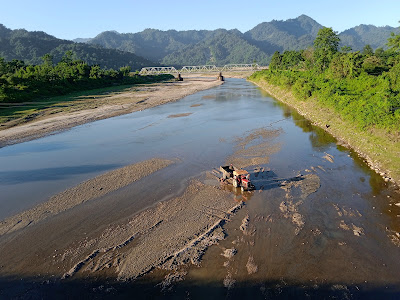
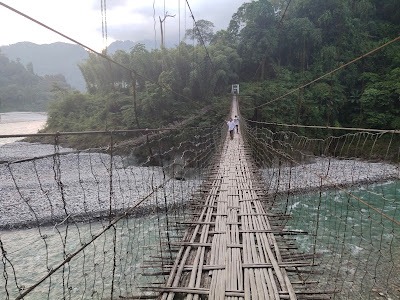
In Pasighat, the oldest town of Arunachal Pradesh, the mighty Siang River (upper course of the Brahmaputra) cuts through the land like a shimmering ribbon. To connect its far-flung riverine settlements, locals long ago built suspension bridges — swaying, hand-crafted marvels of bamboo, cane, and wood.
These bridges are more than just ways to cross; they are living heritage that reflect the ingenuity, resourcefulness, and adventurous spirit of the Adi people who call this region home.
Walking across one is like stepping back in time — every creak of the bamboo planks, every sway in the wind, and the sound of the Siang rushing below tells a story of survival, community, and connection.
History & Cultural Significance
Pasighat’s suspension bridges have been used for decades, some even older than independent India. They were handwoven by local Adi tribes using locally sourced cane and bamboo, without modern machinery. In the days before concrete roads and steel bridges, these were lifelines for transporting food, goods, and even livestock across the powerful Siang and its tributaries.
They are also tied to the Adi cultural identity in festivals like Solung, the community gathers to repair and decorate the bridges, a symbolic act of unity and cooperation.
Architecture & Design
Materials: Primarily bamboo, cane, and wooden planks lashed together with cane ropes.
Structure: Two sturdy towers on either side of the river hold the main support ropes, with a narrow, swaying deck that challenges even the bravest travelers.
Length & Height: Some bridges stretch over 100 meters, dangling high above swirling rapids.
Sustainability: Entirely biodegradable and rebuilt or repaired yearly to withstand monsoon floods.
Unique Experiences
Feel the adrenaline rush as you step onto the narrow, bouncing walkway with the Siang roaring below.
Watch locals carrying baskets of vegetables, firewood, or even fishing nets with effortless balance.
Capture dramatic photos of the river, lush valleys, and bridge silhouettes — especially at sunrise or sunset.
Learn from villagers about traditional bridge-making techniques that have been passed down for generations.
How to Reach
Base Town: Pasighat in East Siang district.
By Road: Well-connected to Dibrugarh (via Bogibeel Bridge) and Along/Aalo by bus, shared sumo, or private taxi.
By Air: Nearest airport is Pasighat Airport, with flights from Guwahati.
By Rail: Closest railhead is Murkongselek in Assam, about 30 km away.
From Pasighat town, many old suspension bridges are located in nearby villages like Renging, Sille, and Rani Village, accessible by short drives and walks.
Nearby Attractions
Pasighat is famous for its traditional hanging and suspension bridges that span rivers and valleys across the Siang region. These bridges are not only important for local connectivity but also serve as iconic tourist attractions, offering spectacular views of rivers, forests, and mountains. The region is particularly known for the Raneghat Suspension Bridge and the traditional hanging bridges around Pongging and nearby villages.
1. Raneghat Suspension Bridge
One of the most popular suspension bridges near Pasighat, Raneghat offers breathtaking views of the mighty Siang River and surrounding hills. Walking across the bridge is an exciting experience and provides excellent photography opportunities.
2. Pongging Hanging Bridge
Located near Pasighat, this traditional hanging bridge showcases indigenous engineering techniques. Surrounded by lush forests and river valleys, it is one of the most photographed bridges in the region.
3. Daying Ering Memorial Wildlife Sanctuary
Situated about 13 km from Pasighat, this sanctuary is famous for migratory birds, wetlands, grasslands, and rich biodiversity. It is a must-visit destination for wildlife enthusiasts and birdwatchers.
4. Siang River
The mighty Siang River flows through Pasighat and forms the backdrop for many suspension bridges. Visitors can enjoy river views, boating, photography, and riverside walks.
5. Pangin
Known for its dramatic suspension bridges and the confluence of the Siang and Siyom rivers, Pangin offers some of the most scenic landscapes in Arunachal Pradesh.
6. Kekar Monying (Black Rock)
A historically important site associated with the Adi tribe, Kekar Monying offers cultural significance along with panoramic views of the Siang Valley.
7. Sirki Waterfall
A beautiful waterfall located near Pasighat, Sirki Waterfall is surrounded by forests and provides a refreshing escape into nature.
8. Bodak Angling Centre
A popular destination for fishing enthusiasts, Bodak offers opportunities for angling and enjoying the serene riverside environment.
9. Komlighat
This scenic riverside area is known for its beautiful landscapes and serves as a peaceful spot for picnics and photography.
10. Mebo
Located near Pasighat, Mebo is known for its tribal heritage, traditional villages, and beautiful views of the Siang Valley. It offers visitors a chance to experience authentic Adi culture.
Google Maps
FAQs
1. Why are Pasighat’s suspension bridges famous?
They are famous for their unique engineering, scenic beauty, and their role in connecting remote villages across the Siang River and its tributaries.
2. Which is the most famous suspension bridge in Pasighat?
The Raneghat Suspension Bridge is among the most visited and photographed bridges in the region.
3. What is special about the hanging bridges of Arunachal Pradesh?
Many traditional bridges are built using bamboo, cane, and locally available materials, reflecting indigenous engineering skills developed over generations.
4. Can tourists walk across these bridges?
Yes. Most suspension and hanging bridges are accessible to visitors, though caution is advised, especially during the monsoon season.
5. What is the best time to visit Pasighat’s suspension bridges?
October to April is the best period, as the weather remains pleasant and river views are at their clearest.
6. How can I reach the suspension bridges?
The bridges can be reached from Pasighat town by local taxis, private vehicles, or guided tours. Raneghat is only a short drive from the town center.
7. Are the bridges safe for visitors?
Most bridges are regularly used by local communities and visitors. However, travelers should follow local guidance and avoid crossing during extreme weather conditions.
8. Is there an entry fee to visit the bridges?
Generally, there is no entry fee for visiting or crossing the suspension bridges.
9. What activities can visitors enjoy near the bridges?
Photography, sightseeing, birdwatching, cultural exploration, river viewing, and nature walks are among the most popular activities.
10. What makes Pasighat’s suspension bridges unique?
Their combination of traditional craftsmanship, dramatic river settings, cultural significance, and breathtaking Himalayan scenery makes them some of the most distinctive bridges in Northeast India.