Image Source: Vidhan Shah
About Chandrakhani Pass
Hidden in the heart of the Kullu region of Himachal Pradesh, Chandrakhani Pass is one of the most beautiful and culturally fascinating trekking routes in the western Himalayas. Connecting the old heritage town of Naggar with the mysterious village of Malana, this high-altitude pass offers a perfect blend of mountain scenery, mythology, forests, and traditional Himalayan life. Sitting at an elevation of around 3,500 meters, the trek is considered moderately difficult and is ideal for both experienced trekkers and fit beginners looking for an immersive Himalayan adventure.
The trek is usually completed in three days, although many travelers choose to spend additional time exploring nearby villages and valleys. The best months to visit are from May to November, when the weather remains relatively stable and the trails are mostly free from heavy snow. During spring and early summer, the route comes alive with blooming rhododendrons, lush alpine meadows, and crystal-clear mountain views. In autumn, the forests turn golden, creating a completely different but equally magical atmosphere.
The Legend and Spiritual Importance of Chandrakhani Pass
Chandrakhani Pass is not just a trekking route; it is deeply rooted in the mythology and spiritual traditions of the Kullu Valley. According to local folklore, Jamlu Rishi, one of the region’s most revered deities, once carried a basket filled with local gods across the mountains. When he reached the pass, a powerful gust of wind scattered the deities across the valley. These gods are believed to have settled in different villages, giving rise to the spiritual identity of Kullu as the “Valley of Gods.”
Even today, the mountains, forests, and meadows around the pass are considered sacred by local communities. Many villagers believe the landscape is protected by divine forces, and traditional rituals connected to these beliefs continue to be practiced in the region. Trekkers often notice small shrines, prayer flags, and stone altars along the trail, reflecting the spiritual atmosphere that surrounds the mountains.
Naggar – The Historic Starting Point
Most trekkers begin their journey from Naggar, a picturesque village located above the Beas River. Once the capital of the old Kullu kingdom, Naggar is filled with traditional wooden architecture, ancient temples, and stunning mountain views. The village itself is worth exploring before beginning the trek.
One of the major attractions here is Naggar Castle, a centuries-old royal residence built using traditional Himalayan stone-and-wood construction techniques. Today, it functions as a heritage property while still preserving its medieval charm. Another important landmark is the ancient Tripura Sundari Temple, known for its intricate wooden carvings and pagoda-style architecture.
Art lovers often visit the Nicholas Roerich Art Gallery, dedicated to the famous Russian painter and philosopher Nicholas Roerich, who spent many years living in the valley. His paintings beautifully capture the mystical landscapes and changing moods of the Himalayas.
Day 1: Naggar to Rumsu Camp
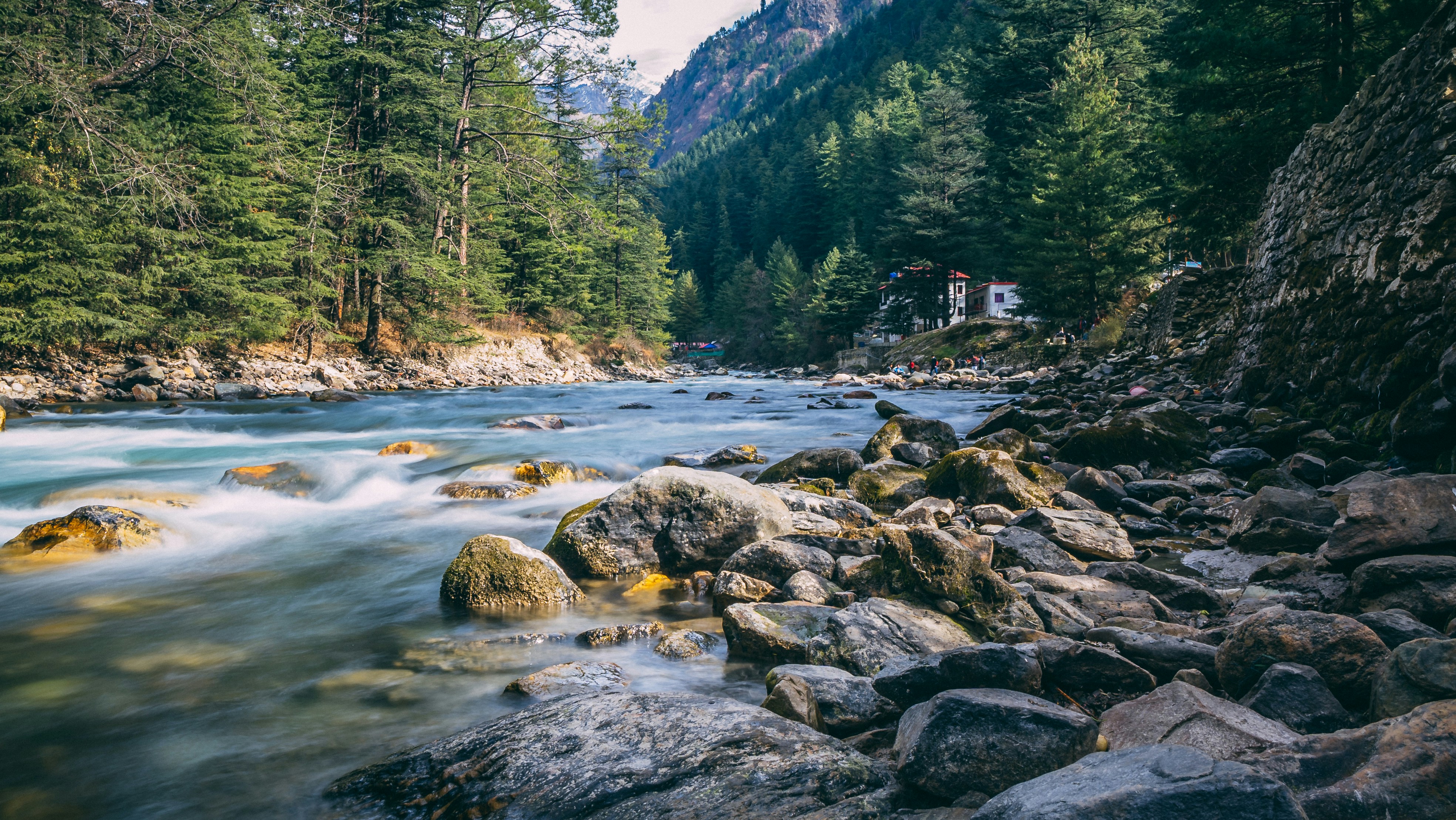
The trek begins with a gradual but steady climb from Naggar through dense forests of pine, cedar, and deodar. The traditional trail was once used by shepherds and traders moving between valleys, and even today it retains an untouched, old-world charm.
After a few hours of climbing, trekkers reach the small village of Rumsu, located at around 2,200 meters. Rumsu is a quiet Himalayan settlement where traditional Himachali homes, slate roofs, and terraced fields still dominate the landscape. The village offers a glimpse into rural mountain life that has changed little over generations.
Many trekkers camp near Rumsu, while others continue further uphill to shorten the next day’s climb. Beyond the village, the trail enters thick oak and rhododendron forests where several natural campsites can be found. These forest clearings provide access to freshwater streams, firewood, and scenic surroundings, making them ideal overnight stops.
One important thing to remember is that the trail above Rumsu splits into multiple shepherd paths. Without proper guidance, it is easy to lose the main route, especially during foggy weather. Hiring a local guide is highly recommended for navigation and safety.
Day 2: Rumsu to Chandrakhani Pass and Descent to Malana
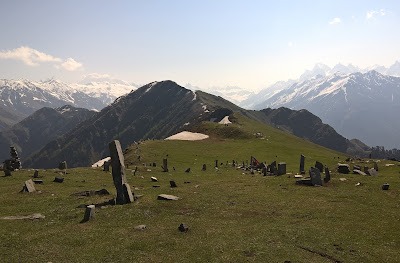
The second day is the highlight of the trek and also the most physically demanding. The climb toward Chandrakhani Pass gradually leaves the forests behind and opens into vast alpine meadows filled with wildflowers during summer. Snow patches may still remain in shaded sections until June.
Unlike many steep Himalayan passes, the final approach to Chandrakhani is surprisingly broad and gentle. The ridge walk feels open and expansive, allowing trekkers to fully absorb the dramatic scenery around them. From the top, panoramic views stretch across several Himalayan ranges, including the Pir Panjal and Dhauladhar mountains.
On clear days, famous peaks like Deo Tibba and Indrasan can also be seen rising in the distance. The combination of rolling meadows, snowy peaks, and endless skies makes this one of the most rewarding ridge walks in Himachal Pradesh.
The descent toward Malana is considerably steeper and requires caution, especially after rainfall when the trail becomes slippery. Many trekkers prefer taking the longer but safer Dadru forest route, which passes through dense conifer forests before gradually descending toward the village.
Day 3: Exploring Malana Village
The ancient village of Malana is unlike any other settlement in the Himalayas. Famous for its unique customs, traditional governance system, and cultural isolation, Malana has fascinated travelers for decades.
The villagers consider themselves descendants of Alexander the Great’s soldiers, although historians debate the authenticity of this claim. What truly makes Malana special is its ancient democratic system and strict social codes that have survived for centuries. The village follows its own customs and laws, many of which are still enforced today.
Visitors are expected to respect local traditions at all times. Touching temple structures, sacred objects, or even certain walls is prohibited for outsiders. Photography may also be restricted in specific areas. Travelers are advised to behave respectfully and avoid carrying leather items into sacred spaces.
Malana is divided into Upper and Lower sections separated by an open space. The village architecture, narrow pathways, and wooden houses create an atmosphere that feels isolated from the modern world. After exploring the village, most trekkers descend to Jari, the nearest roadhead, while some continue toward Rashol Pass or deeper into the Parvati Valley for extended trekking routes.
Wildlife, Forests, and Natural Beauty
One of the most rewarding aspects of the Chandrakhani Pass trek is the incredible diversity of landscapes packed into a relatively short route. Trekkers move through cedar forests, alpine grasslands, rocky ridges, and remote mountain villages within just a few days.
The forests are home to several Himalayan bird species, including the colorful Himalayan monal, which is also the state bird of Himachal Pradesh. Lucky trekkers may also spot pheasants, mountain foxes, and grazing sheep herds belonging to local shepherd communities.
During late spring and early summer, rhododendron blooms add vibrant shades of red and pink to the trail. In autumn, the crisp mountain air and golden forests create ideal conditions for photography and long-distance mountain views.
What Makes Chandrakhani Pass Special
One of the biggest attractions of this trek is the balance it offers between adventure and accessibility. Unlike remote Himalayan expeditions that require long travel days and technical mountaineering skills, Chandrakhani Pass can be reached relatively easily from Kullu or Manali.
The trek also stands out because of its cultural richness. Few Himalayan routes combine spectacular landscapes with mythology, traditional villages, ancient temples, and unique communities as effectively as this one. Every section of the trail feels connected to local legends and centuries-old traditions.
The broad ridgeline at the pass is another rare feature. Instead of a narrow and exhausting climb, trekkers are rewarded with a scenic high-altitude walk offering uninterrupted 360-degree Himalayan views.
Important Tips for Trekkers
Weather in the Himalayas changes rapidly, especially near the pass. Carry proper warm clothing, rain protection, and sturdy trekking shoes even during summer months. Nights can become cold at higher campsites.
Hiring a local guide is strongly recommended, particularly for the forest sections and the descent toward Malana where trails can become confusing. Trekkers should also carry enough water, basic medicines, and energy snacks since shops are limited along the route.
Respecting local culture is extremely important, especially in Malana. Travelers should follow village rules carefully and avoid behavior that may offend local residents.
Google Maps
FAQs
1. How difficult is the Chandrakhani Pass trek?
The trek is considered moderate in difficulty. It involves long walking hours and steep ascents, but it does not require technical climbing skills.
2. What is the best time to visit Chandrakhani Pass?
The ideal time is from May to November. Spring and summer offer greenery and flowers, while autumn provides clear mountain views.
3. How many days are needed for the trek?
Most trekkers complete the route in three days, though some extend the journey toward Parvati Valley or Rashol Pass.
4. Is a guide necessary for the trek?
While experienced trekkers may navigate independently, hiring a local guide is strongly advised because several sections have confusing branching trails.
5. Can beginners attempt this trek?
Yes, beginners with decent fitness levels can complete the trek if they prepare properly and pace themselves.
6. Is camping allowed on the route?
Yes, there are several scenic camping spots near Rumsu and along the forest and meadow sections of the trail.
7. What makes Malana unique?
Malana is known for its ancient traditions, unique village governance system, and strict cultural customs that are still preserved today.
8. Are there mobile networks available during the trek?
Mobile connectivity is limited and unreliable on most parts of the route, especially near the pass and forest camps.
9. Can the trek be extended further?
Yes, many trekkers combine Chandrakhani Pass with routes toward Rashol Pass, Kasol, or other parts of the Parvati Valley.
10. What should I pack for the trek?
Essential items include trekking shoes, warm layers, rain gear, sunscreen, a first-aid kit, water bottles, and energy snacks.