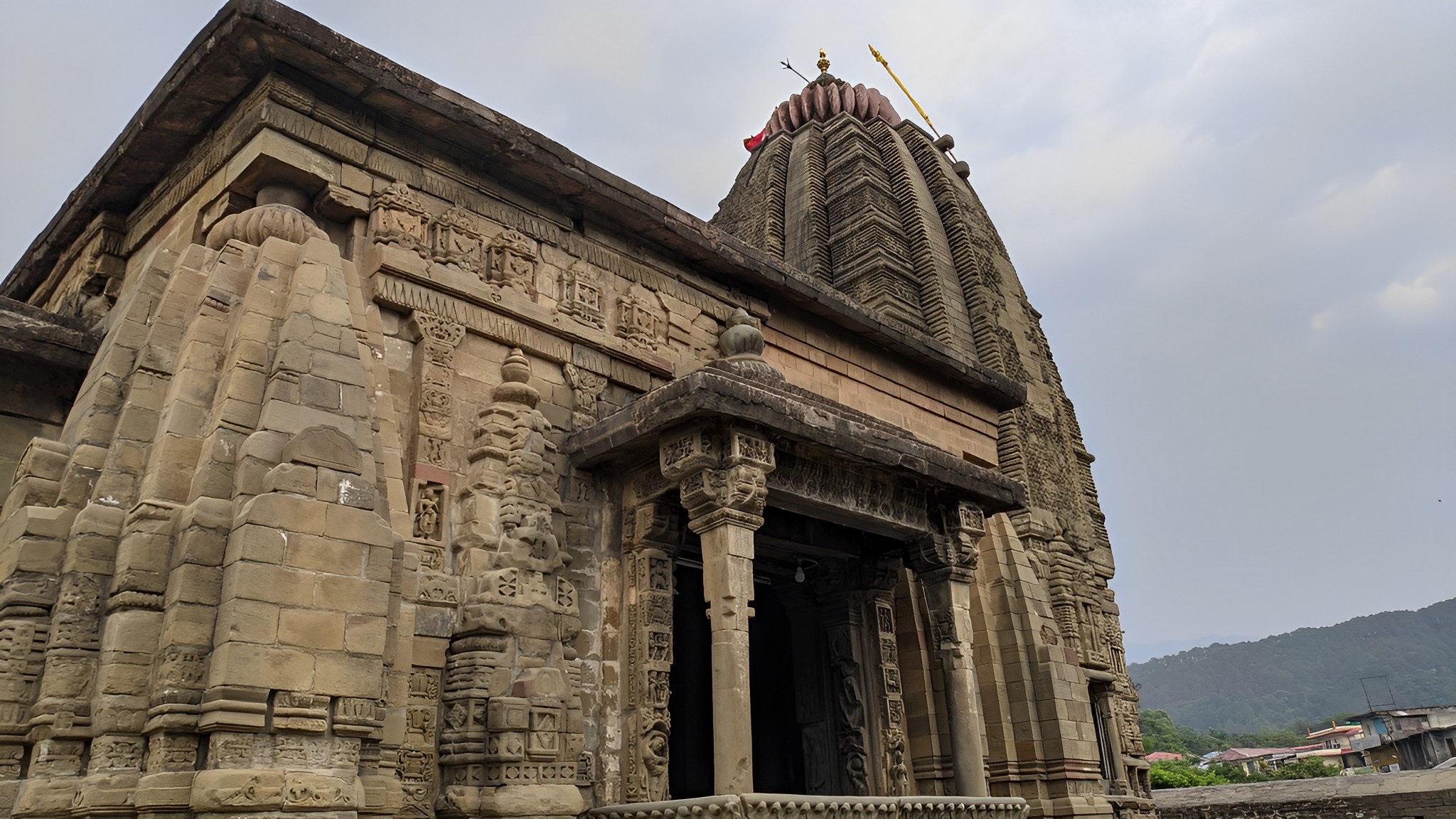
Image Source: Harjinder Anoopgarh
About Jalsu Pass Trek
Tucked away in the scenic Dhauladhar range of Himachal Pradesh, the Jalsu Pass Trek is one of the lesser-known yet incredibly rewarding mountain routes in the region. Connecting the remote Bharmour valley in Chamba district with Baijnath in Kangra, this trail has been used for generations by local villagers, shepherds, and Gaddi tribes as a traditional crossing route through the mountains. At an altitude of around 3,600 meters, Jalsu Pass is considered one of the easiest high-altitude passes in the Dhauladhar range, making it suitable even for beginners with decent fitness levels.
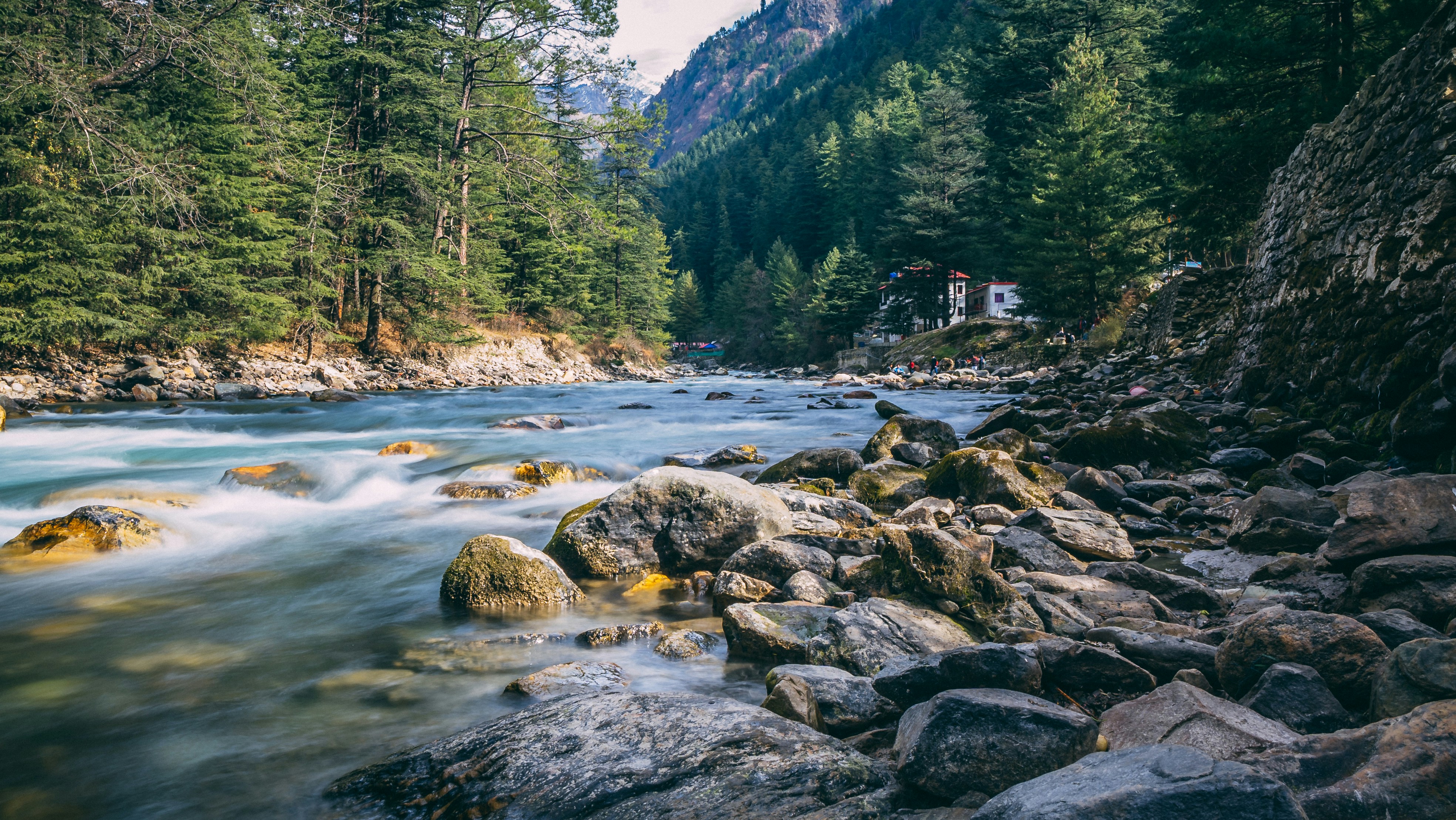
Unlike some of the more demanding Himalayan treks, the Jalsu Pass route offers a gentle introduction to mountain trekking. The trail passes through thick forests, traditional Himalayan villages, grassy meadows, wooden bridges, streams, and open ridgelines with beautiful views of the surrounding peaks. The journey is not just about landscapes; it also offers a glimpse into the lifestyle and culture of the Gaddi shepherd communities who migrate through these mountains seasonally with their livestock.
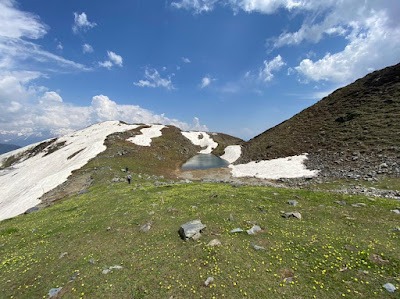
The best time to do the trek is between May and November. During early summer, patches of snow may still remain near the pass, while the monsoon and post-monsoon months bring lush green valleys and blooming alpine vegetation. Because the pass opens earlier than tougher routes like Thamsar Pass, locals often use it as an alternative mountain crossing when higher routes remain blocked by snow.
Trek Overview
- Region: Dhauladhar Range, Himachal Pradesh
- Maximum Altitude: 3,600 meters
- Trek Difficulty: Easy to Moderate
- Duration: Around 3 days
- Starting Point: Holi village near Bharmour
- Ending Point: Baijnath in Kangra district
- Best Season: May to November
The trek is ideal for trekkers looking for a short Himalayan adventure without extreme altitude challenges. Though relatively easier than many Himalayan passes, the long walking hours and changing mountain weather still require good preparation.
Starting Point: Holi Village
The trek usually begins from Holi, a beautiful sub-valley located around 36 kilometers from Bharmour. Surrounded by dense forests and mountains, Holi serves as the gateway to the Jalsu Pass route. The small settlement has a local market, government guest houses, and a peaceful atmosphere that allows trekkers to relax before beginning the climb.
One of the interesting attractions in Holi is its trout fish farm, which adds to the charm of the village. Since Holi is connected by road, trekkers can easily reach it from Bharmour through buses or taxis.
Day 1: Holi to Yara
The first day of the trek is long but scenic, usually taking around 8 to 10 hours depending on pace and weather conditions.
From Holi, trekkers can travel by road up to Nayagram, which lies around 12 kilometers away. Buses and taxis are available regularly, and many trekkers choose to save time and energy by covering this section by vehicle. Nayagram has enough open space for camping near the school or roadside.
Beyond Nayagram, the real mountain trail begins. A well-marked path gradually climbs toward the revered Laka Mata Temple. This temple holds deep religious importance for local communities, especially women who often stay here for days seeking blessings. A small shelter or sarai near the temple provides resting space for pilgrims and trekkers.
After the temple, the trail descends steeply toward a wooden bridge crossing over a mountain stream. Locally, this section is called Patal Puri, meaning “the land beneath” or “hell,” mainly because of the difficult descent.
Soon after crossing the stream, the route climbs sharply toward Surahi village, which locals lovingly refer to as Swarg Puri or “heaven.” The contrast between the difficult climb and the peaceful beauty of the village is what likely inspired the name. Surahi is a tiny Himalayan settlement with a primary school and a forest guard hut, and it also serves as a good campsite.
From Surahi onward, the trail becomes gentler and passes through forested stretches and grazing lands. During summer months, temporary tea stalls and dhabas sometimes appear along the route, serving tea, snacks, and basic meals to trekkers and shepherds.
The path eventually crosses another stream before gradually ascending toward Yara. This section can feel exhausting on sunny afternoons because water sources are limited along the trail. Though a forest hut is visible from afar, many trekkers avoid staying there due to insects and frequent use by shepherds.
Trekkers who begin early can continue further to reach Jalsu ka Paddar by evening.
Camping at Jalsu ka Paddar
Jalsu ka Paddar, meaning the “plains of Jalsu,” is one of the best camping spots on the trek. Surrounded by open alpine landscapes and rolling meadows, it offers stunning mountain views and a peaceful atmosphere under the stars.
However, trekkers should carry firewood from Yara because wood is generally unavailable at the campsite. During the trekking season, a few seasonal dhabas provide basic supplies and simple meals. Gujjar and Gaddi shepherd families camping nearby may also sell fresh milk, butter, or curd.
The campsite becomes especially beautiful during summer and early autumn when the meadows are green and the skies remain clear.
Day 2: Jalsu ka Paddar to Baijnath
The second major trekking day begins with an early morning start toward Jalsu Pass. From the campsite, the pass is clearly visible, standing quietly between the mountain ridges.
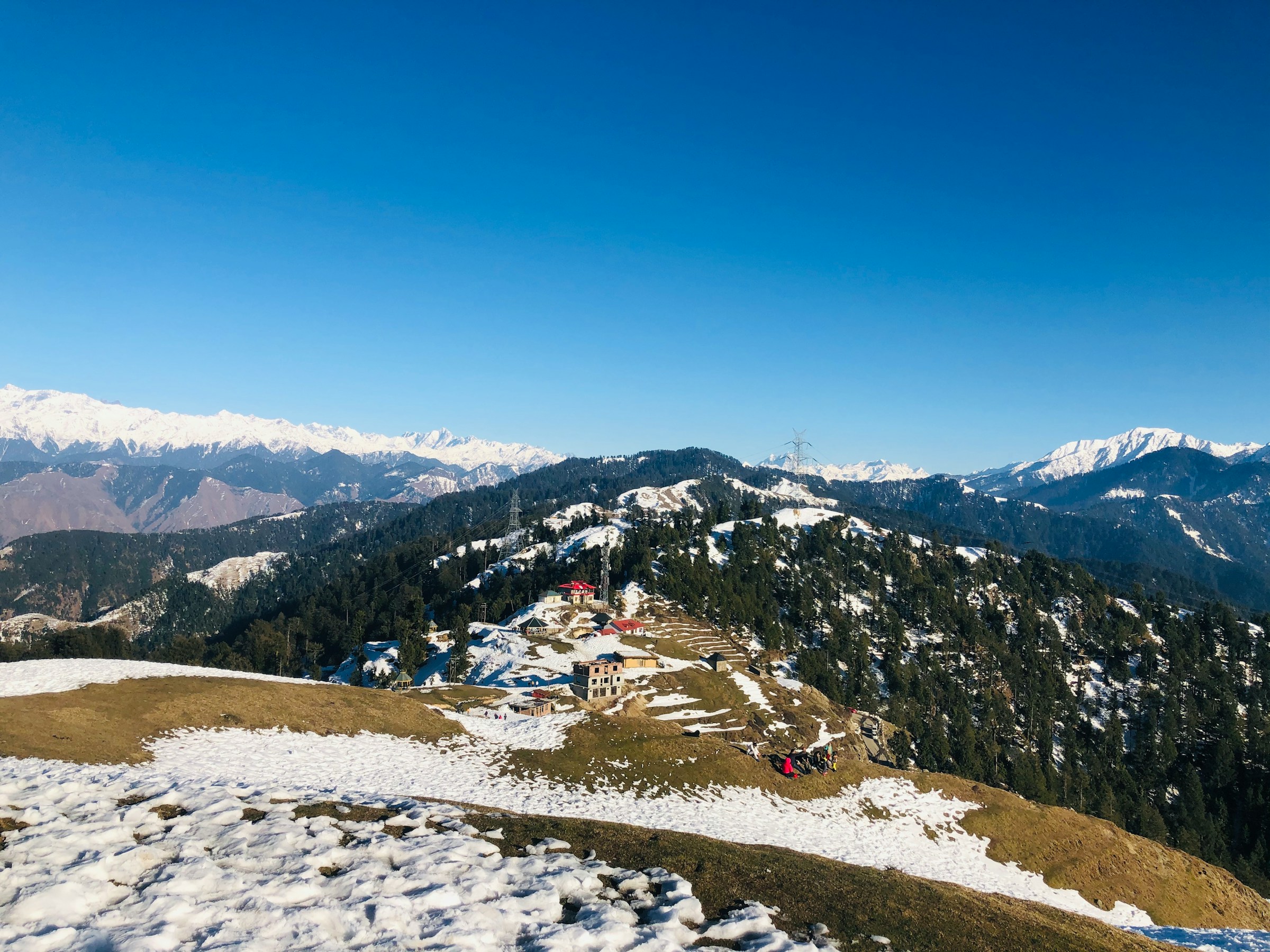
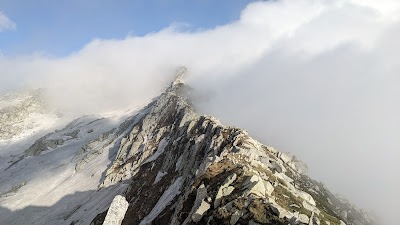
The ascent to the top is relatively easy and usually takes about an hour. Once at the pass, trekkers are rewarded with sweeping views of the Dhauladhar range, deep valleys, and distant Himalayan landscapes stretching across Chamba and Kangra regions.
The descent from the pass offers two route options.
The first is the traditional mule trail, which is longer but easier to follow. However, it involves crossing several streams that may become difficult during heavy rain because bridges are often absent.
The second option follows the ridge route on the right-hand side. Local people generally prefer this path during the monsoon season because it avoids dangerous stream crossings when water levels rise.
Both routes eventually meet near Uttarala village, located at the foothills of the Dhauladhar mountains. Uttarala has basic facilities including a small market and a State Electricity Board rest house. From here, buses and taxis regularly connect travelers to Baijnath.
Scenic Beauty and Cultural Experience
One of the most memorable aspects of the Jalsu Pass Trek is its cultural richness. Unlike commercial trekking routes crowded with tourists, this trail still feels raw and authentic. Trekkers often encounter Gaddi shepherds moving with large flocks of sheep and goats across the mountains.
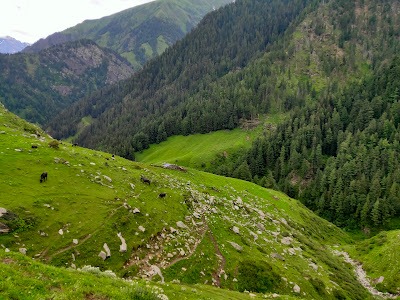
The changing scenery throughout the trek is equally captivating. Dense cedar forests gradually give way to grassy meadows, rocky ridges, and panoramic Himalayan views. During the monsoon and post-monsoon months, wildflowers cover the slopes, adding vibrant colors to the landscape.
The peaceful atmosphere, combined with traditional mountain life, gives the trek a timeless charm.
Things to Carry for the Trek
Even though the trek is considered easy to moderate, proper preparation is important. Trekkers should carry:
- Good trekking shoes with grip.
- Warm clothing for cold nights.
- Rain protection during monsoon months.
- Sleeping bag and tent if camping.
- Water bottles and purification tablets.
- Basic medicines and first-aid kit.
- Energy snacks and dry fruits.
- Flashlight or headlamp.
- Sunscreen and sunglasses.
Weather in the mountains can change suddenly, so layered clothing is always recommended.
Why Jalsu Pass Trek is Special
The Jalsu Pass Trek stands out because it combines accessibility, natural beauty, and cultural authenticity. It is perfect for trekkers who want to experience Himalayan landscapes without extremely technical climbing or dangerous altitude conditions.
The trail offers everything from forests and streams to high mountain meadows and traditional villages. Since it remains relatively unexplored compared to popular Himachal treks, the route still retains its peaceful and untouched character.
For nature lovers, photographers, and those seeking a quieter Himalayan experience, Jalsu Pass is a hidden gem worth discovering.
Google Maps
FAQs
Is the Jalsu Pass Trek suitable for beginners?
Yes, the trek is considered beginner-friendly compared to many Himalayan high-altitude passes. However, trekkers should still have reasonable fitness because walking hours can be long.
What is the best time to visit Jalsu Pass?
The ideal trekking season is from May to November. Summer and post-monsoon months offer the best weather and clearer mountain views.
How high is Jalsu Pass?
Jalsu Pass is located at an elevation of approximately 3,600 meters above sea level.
How many days are required for the trek?
The trek is generally completed in about three days, though some trekkers may extend it depending on camping plans and pace.
Is camping necessary on the trek?
Yes, camping is commonly done at places like Yara or Jalsu ka Paddar. Some basic shelters and dhabas may be available during the trekking season.
Are guides required for the trek?
The route is relatively well-defined and frequently used by locals, but hiring a local guide is always helpful, especially during bad weather or early-season snow conditions.
Does the trek involve snow?
Early in the season, especially in May and June, snow patches may still remain near the pass. By late summer, most of the trail becomes snow-free.
How difficult are the stream crossings?
During dry months, stream crossings are manageable. However, during the monsoon season, water levels can rise significantly, making some crossings difficult and risky.
What makes Jalsu Pass different from other Himachal treks?
Unlike heavily commercialized trekking routes, Jalsu Pass remains peaceful and culturally authentic. It offers beautiful Himalayan scenery along with close interaction with local shepherd communities and traditional mountain villages.