Image Source: Varun Shiv Kapur
Bharmour, a beautiful place in Himachal that I am sure you haven’t heard about, is known for its 7th-century temple. A large number of tourists visit Himachal Pradesh every year to see its natural beauty, but they miss out on the ancient temples.
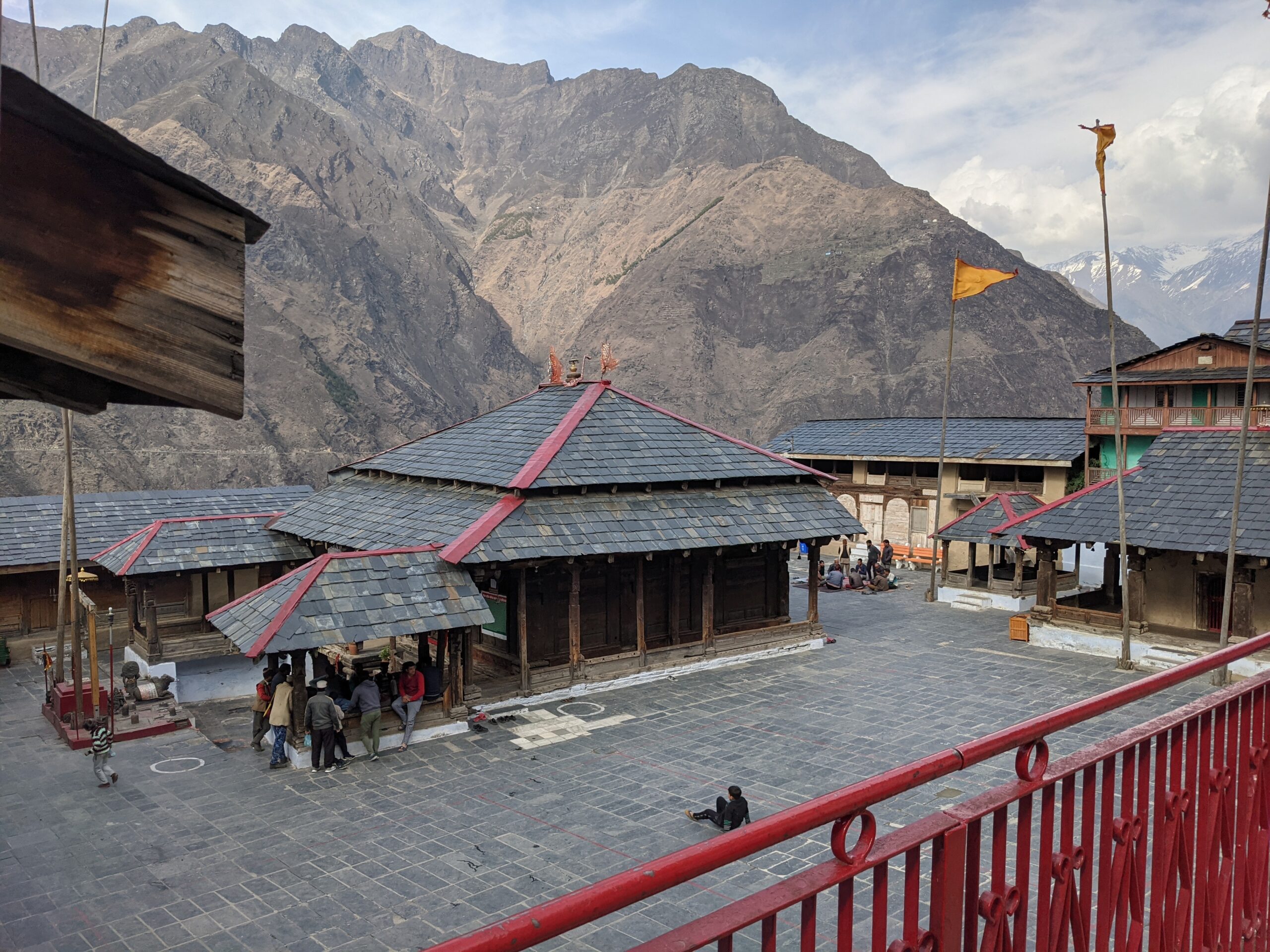
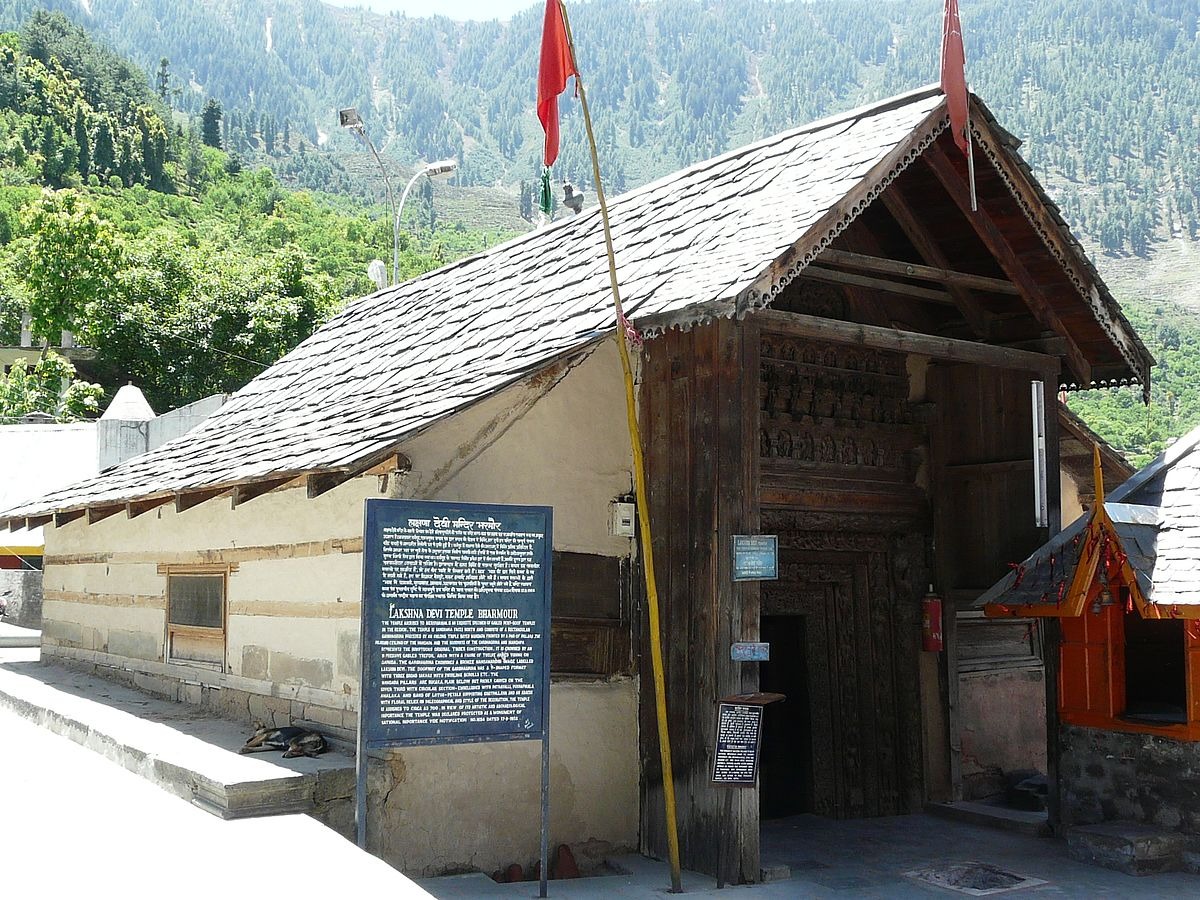
Lakshana Devi Temple, located in Bharmour, is one such temple that falls into this category. Showcasing excellent wooden art and architecture, the temple was built in the 7th century. What is most remarkable is the use of wood in the temple. The intricate carving on the wood mixed with a stone represent a different architectural style of the western himalayan region.
About Bharmour state
Once the capital of State Chamba, Bharmour was historically known as Brahmore, Bharmour, Brahmapura, and Brahmaur. It was established by the son of Maru, Jaistambh.
The Chamba state was established in the 6th century by Maru, who was a descendant of the kings of Ayodhya. He was a great ruler and a great patron of art and culture. He constructed numerous temples, among which the Lakhana temple is an important one.
He expanded the rule of Chamba State and brought areas down along the Ravi Valley. Before this, his rule was only up to the village of Chhatrari, which was only 48 km from Chamba. All the construction of these temples shows the power and wealth of Meru Varman.
Temple’s layout
Lakhana Temple is a part of the famous Chaurasi Temple Complex, which once consisted of 84 temples. The temple roof is triangular and pointed in shape. It’s the most common shape found in the temples of the Himalayan region. The architecture of the temple is categorized into the post-Temple period.
Inner Sanctum
The temple is dedicated to the Lakshana (Lakshana) devi and considered a manifestation of the Mahishasuramardini form of Durga. The brass idol of Devi resting inside the Sanctorum looks beautiful to the eyes. At the base of the idol, there is an inscription that says the name of the sculptor, Gugga. It tells more about the three generations of King Meru Varman.
Some remains of the woods are old remains of the 7th century. It shows when you stand at the entrance and see the carved door. It is divided into three sections: the door frame, the rectangle section, and the triangular section. All the wooden carvings will surely take the heart out of you.
Inside the Mandapa and sanctum sanctorum, the magic of wooden carving continues. Mandap ceilings are divided into three sections with different patterns. The middle section represents the chandelier, while the outer and inner sections have patterns of louts and bells. The only difference is that the inner sanction is shaped in the form of a rectangle.
Alexander Cunningham
In the governmental records, Alexander Cunningham first noticed the ancient remains of Chamba and Bharmour region. He later published a short report talking about several inscriptions and copper plates found .
Wooden temples in Himachal Pradesh
Mrikula Devi Temple in Udaipur
Shakti Devi Temple Complex in Chhatrari
Dakshineshwar Mahadev Temple in Nirmand
Maps and Location
FAQs
1. Where is the Lakshana Devi Temple located?
Lakshana Devi Temple is situated in Bharmour (Bharmaur) in the Chamba district of Himachal Pradesh. It stands within the historic Chaurasi Temple Complex and is one of the region’s most important ancient shrines.
2. How old is the Lakshana Devi Temple?
The temple dates back to the second half of the 7th century CE, making it one of the oldest surviving wooden temples in India and among the earliest examples of Himalayan temple architecture.
3. To which deity is the temple dedicated?
The temple is dedicated to Goddess Lakshana Devi, who is worshipped as Mahishasuramardini, a powerful form of Goddess Durga known for slaying the buffalo demon Mahishasura.
4. Who built the Lakshana Devi Temple?
Historical evidence suggests that the temple was constructed during the reign of King Meru Varman of the former Bharmour kingdom around the 7th century CE.
5. Why is the temple historically significant?
The temple is considered the oldest surviving monument of ancient Bharmour, which once served as the capital of the Chamba rulers. It preserves valuable examples of early Himalayan art, architecture, and religious traditions.
6. What makes the architecture of the temple unique?
The temple combines stone and deodar wood construction. Its intricately carved wooden doorway, pillars, ceiling panels, and decorative motifs display strong influences of late Gupta-period art and craftsmanship.
7. Is the original structure still intact?
Although parts of the roof and walls have been repaired and renovated over the centuries, several important wooden carvings and architectural elements from the original 7th-century structure still survive.
8. Does the temple contain any inscriptions?
Yes. An inscription beneath the brass idol of the goddess provides important historical information, including references to King Meru Varman and the sculptor Gugga, helping historians determine the temple’s age and origin.
9. What is the significance of the idol inside the temple?
The sanctum houses an ancient brass image of Mahishasuramardini. The idol is regarded as a masterpiece of early medieval Himalayan metal art and remains an active object of worship for devotees.
10. How does Lakshana Devi Temple compare with other ancient temples of Himachal Pradesh?
Lakshana Devi Temple is often counted among the most important early wooden temples of Himachal Pradesh, alongside the Shakti Devi Temple of Chhatrari and the Mrikula Devi Temple of Udaipur. These temples collectively represent the rich wooden architectural heritage of the Western Himalayas.