Image Source: Sanyam Gupta
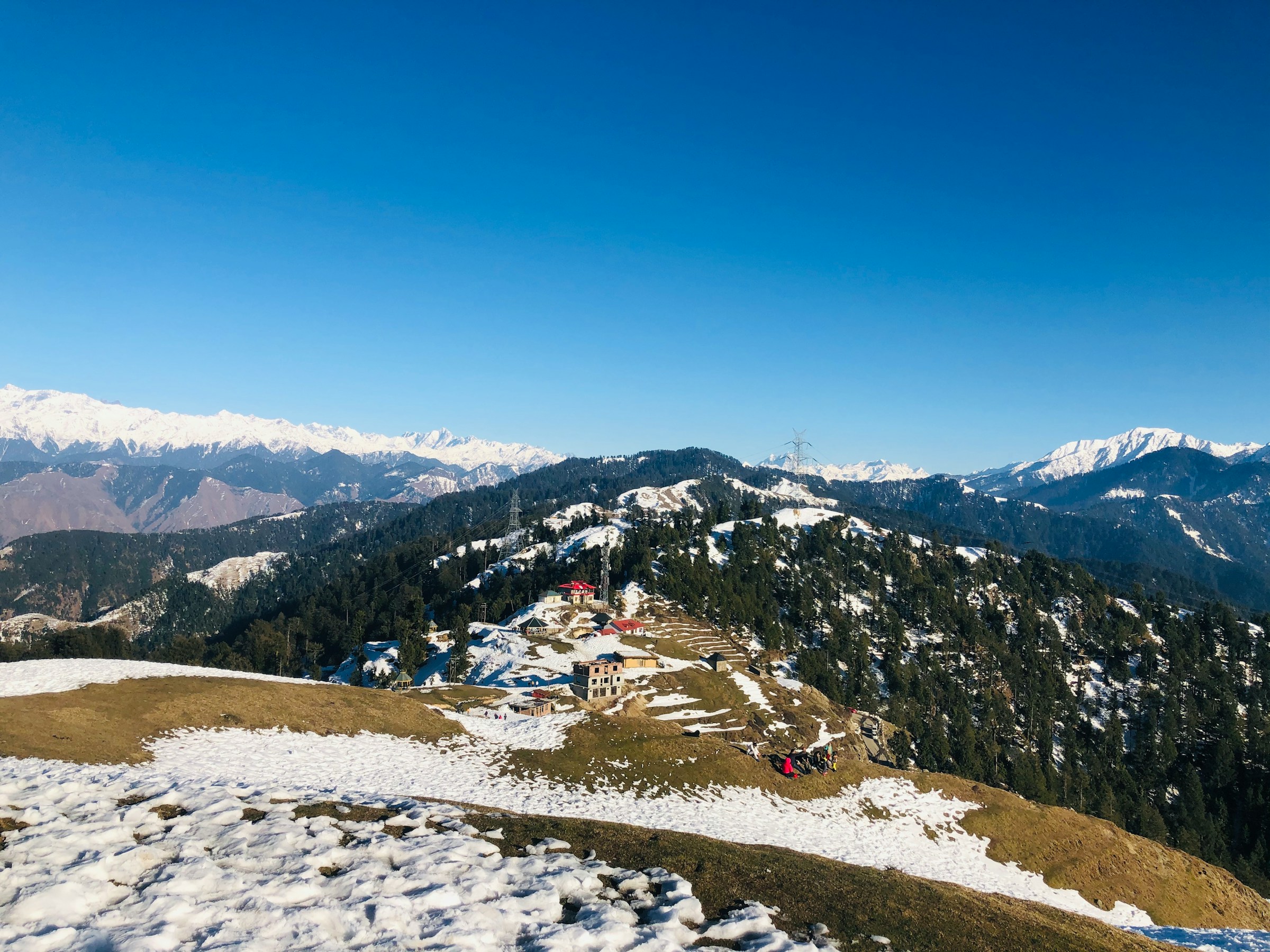
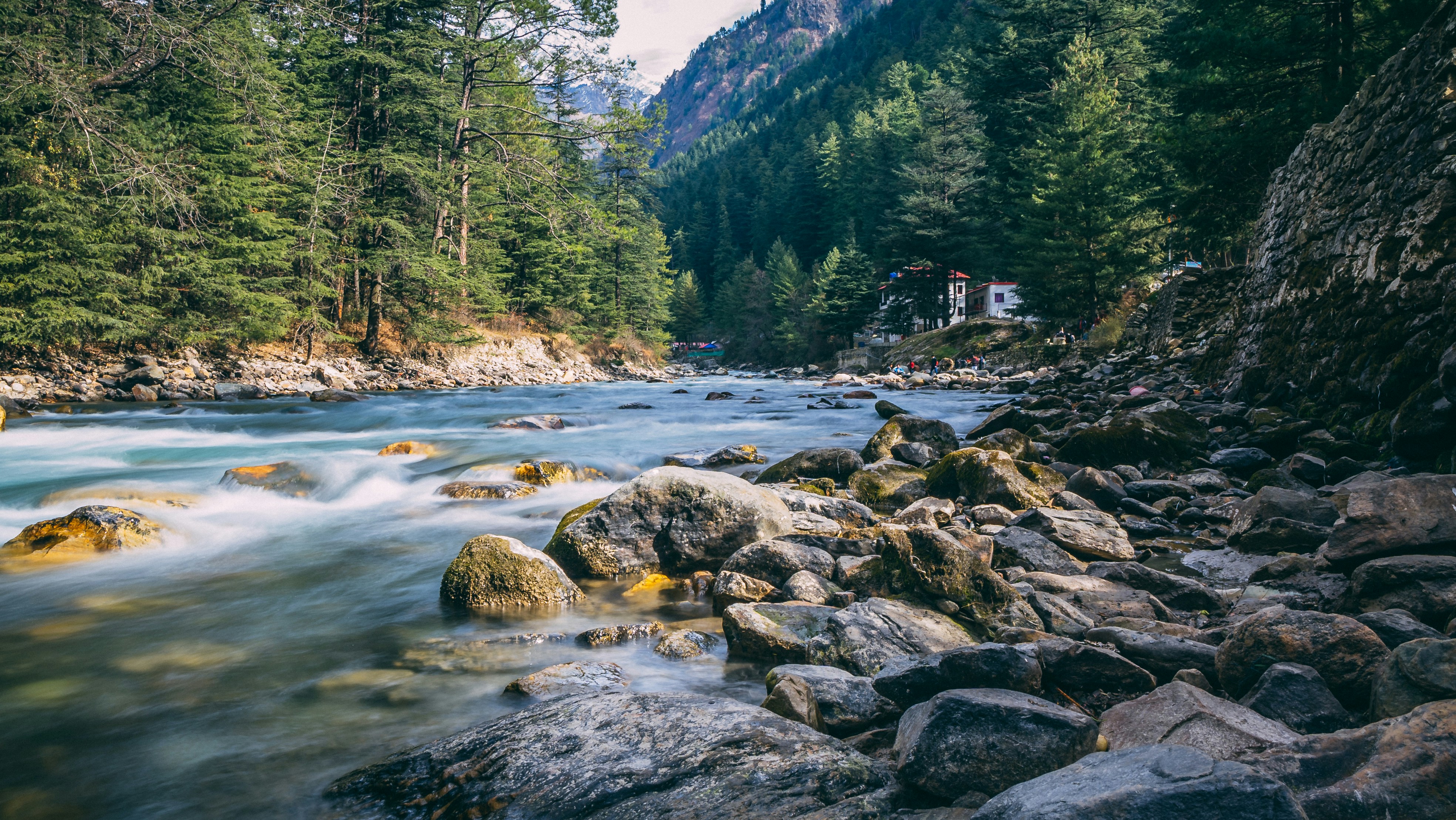
Nestled amid the serene mountains of the Chamba region, Chhatrari Devi Temple, also known as the Shiv Shakti Temple, is one of the oldest and most culturally significant temples in Himachal Pradesh. Located in the picturesque village of Chhatrari in the Budhil Valley of Chamba district, the temple stands at an elevation of around 6,000 feet above sea level and is surrounded by dense deodar forests, traditional Himalayan houses, and breathtaking mountain scenery.
The village of Chhatrari lies approximately 48 kilometers from Chamba town and is situated near the left bank of the Ravi River. The nearest settlement is Luna village, which is connected by a motorable road. Far from the crowds that visit more famous pilgrimage sites, Chhatrari offers a peaceful spiritual atmosphere and a glimpse into the rich cultural heritage of the western Himalayas.
History of Chhatrari Devi Temple
The origins of Chhatrari Devi Temple date back to the 7th century CE, when it was commissioned by King Meru Varman, one of the prominent rulers of the ancient Chamba kingdom. The temple is regarded as an excellent example of early Himalayan temple architecture and shares many architectural similarities with the famous Lakshmi Narayan and Lakshana Devi temples of the region.
Built using a combination of finely carved wood and stone, the temple showcases the remarkable craftsmanship of medieval Himalayan artisans. Its intricate wooden carvings, traditional sloping roof, and stone base have helped it withstand centuries of harsh mountain weather while retaining much of its original character.
The temple is dedicated to Aadishakti, the primordial divine feminine power. The sanctum houses a magnificent Ashtadhatu (eight-metal alloy) idol believed to have been crafted by the renowned artisan Guugga. Standing approximately 4 feet 6 inches tall, the idol is a masterpiece of ancient metalwork.
The goddess is depicted holding a lance symbolizing power and energy, a lotus representing purity and life, a bell signifying space and cosmic vibration, and a serpent symbolizing time, transformation, and mortality. The artistic detailing and spiritual symbolism of the idol make it one of the most treasured religious artifacts in the Chamba region.
Architecture and Cultural Significance
The temple is a fine representation of traditional Himalayan wooden architecture. The beautifully carved doorways, decorative wooden panels, and ancient sculptures reflect the artistic traditions that flourished in the Chamba Valley over a thousand years ago.
Apart from its religious importance, the temple serves as a cultural center for the local Gaddi and Pahari communities. For centuries, it has been a place where local traditions, folklore, rituals, and festivals have been preserved and passed down through generations.
Visitors often admire not only the temple itself but also the surrounding village, where traditional wooden houses and local customs offer a glimpse into the lifestyle of rural Himachal Pradesh.
Fairs and Festivals
The most important celebration associated with the temple takes place during Radhashtami, when the annual Chhatrari Fair is held with great enthusiasm and devotion.
The festivities begin when temple priests undertake a sacred journey connected with the revered Manimahesh pilgrimage. Holy water is ceremonially brought from the sacred Manimahesh Lake and used to bathe the idol of Shiv Shakti. Following this ritual, the deity is adorned with fresh sacred garments and ornaments.
The fair officially starts on the following day with the ceremonial procession of Butek Mahadev, who is carried in a beautifully decorated chariot. One of the most fascinating highlights of the festival is the traditional mask dance performed in the temple courtyard.
During this unique ritual performance, dancers wear masks representing divine powers and demonic spirits. The enactment symbolizes the triumph of divine forces over evil and ignorance. The celebration continues for several days and includes traditional Gaddi dances, folk music performances, community gatherings, and religious ceremonies, attracting devotees and visitors from various parts of Himachal Pradesh.
Accommodation Near Chhatrari
Accommodation options around Chhatrari are limited but sufficient for travelers seeking a peaceful stay in the mountains. Government-run facilities such as the Forest Rest House and HPPWD Rest House are among the most popular choices. Since these guest houses often receive advance reservations, visitors are advised to book well ahead of their trip.
In recent years, several homestays and small guesthouses have also emerged in nearby villages, allowing travelers to experience local hospitality, traditional Himachali cuisine, and village life. Those looking for more accommodation choices can stay in Chamba town and make a day trip to the temple.
How to Reach Chhatrari Devi Temple
By Road
Chhatrari village is well connected by road from Chamba. The temple is located approximately 48 kilometers from Chamba town and can be reached by taxi or local buses operating towards the Budhil Valley region. The scenic drive passes through beautiful mountain landscapes, forests, and traditional villages.
By Rail
The nearest major railway station is Pathankot Railway Station, located around 170 kilometers away. From Pathankot, travelers can hire a taxi or board a bus to Chamba and then continue onward to Chhatrari.
By Air
The nearest airport is Gaggal Airport in Kangra district, situated roughly 140 kilometers from Chamba. From the airport, taxis and buses are available to reach Chamba and subsequently Chhatrari village.
Nearby Attractions
Manimahesh Lake
One of the most sacred pilgrimage destinations in Himachal Pradesh, Manimahesh Lake lies at the base of the majestic Manimahesh Kailash Peak. Thousands of devotees undertake the pilgrimage every year.
Bharmour
Located about 40 kilometers from Chhatrari, Bharmour is famous for the ancient Chaurasi Temple Complex and its rich Gaddi culture. It serves as the gateway to the Manimahesh Yatra.
Chaurasi Temple Complex
This historic temple complex contains over eighty shrines dedicated to various Hindu deities and is among the most important religious sites in the Chamba region.
Chamba Town
The historic town of Chamba is known for its temples, palaces, museums, traditional handicrafts, and vibrant local culture. It is an excellent base for exploring the region.
Lakshmi Narayan Temple
One of the oldest temple complexes in Himachal Pradesh, this architectural marvel in Chamba town dates back to the 10th century and remains a major pilgrimage center.
Khajjiar
Often referred to as the “Mini Switzerland of India,” Khajjiar is famous for its lush meadows, dense cedar forests, and stunning mountain views.
Maps
FAQs
What is Chhatrari Devi Temple famous for?
The temple is famous for its 7th-century origin, ancient Himalayan architecture, and the rare Ashtadhatu idol of the goddess Aadishakti.
Who built Chhatrari Devi Temple?
The temple was built by King Meru Varman during the 7th century CE.
Where is Chhatrari Devi Temple located?
The temple is located in Chhatrari village in the Chamba district of Himachal Pradesh, about 48 kilometers from Chamba town.
What is the best time to visit Chhatrari Devi Temple?
The best time to visit is from March to June and September to November, when the weather remains pleasant and road conditions are generally favorable.
Can visitors attend the Chhatrari Fair?
Yes. Visitors are welcome to witness the annual Chhatrari Fair, which features religious ceremonies, traditional dances, folk performances, and local cultural celebrations.
Are accommodation facilities available near the temple?
Yes. Government rest houses, local homestays, guesthouses, and accommodations in Chamba town are available for visitors.
Is Chhatrari suitable for history and architecture enthusiasts?
Absolutely. The temple is one of the finest surviving examples of early Himalayan wooden temple architecture and offers valuable insights into the artistic and cultural history of ancient Chamba.