About Birla Mandir
Nestled in the heart of New Delhi, Birla Mandir, officially known as the Laxmi Narayan Temple, is one of the capital’s most famous Hindu temples. Dedicated to Lord Vishnu in his form as Laxmi Narayan and Goddess Lakshmi, the temple is not only a place of worship but also an important landmark that reflects India’s spiritual and architectural heritage.
The idea of building a grand Hindu temple in Delhi emerged during the early twentieth century when prominent industrialist and philanthropist Jugal Kishore Birla envisioned a magnificent temple for devotees in the capital. During the Mughal era, the construction of large Hindu temples with towering shikharas was often restricted in many major cities. Birla Mandir helped fill this historical gap by becoming the first large-scale Hindu temple built in Delhi in modern times.
The temple was inaugurated in 1939 by Mahatma Gandhi along with Jugal Kishore Birla. Gandhi agreed to inaugurate the temple on the condition that it would remain open to people of all castes and communities, a principle that continues to be respected today.
Over the decades, Birla Mandir has become one of Delhi’s most visited religious sites. During festivals such as Janmashtami, Diwali, Ram Navami, and Krishna Janmashtami, the temple is beautifully decorated with lights and flowers, attracting thousands of devotees and tourists. The Birla family has also established similar temples in cities such as Jaipur, Hyderabad, Kolkata, and Varanasi, making the Birla Temple network a significant part of modern India’s religious landscape.
Architecture of Birla Mandir
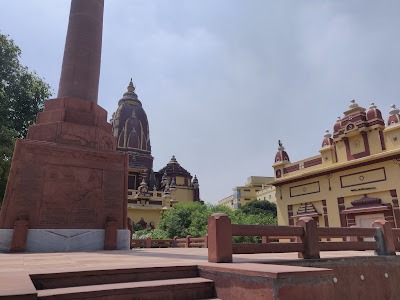
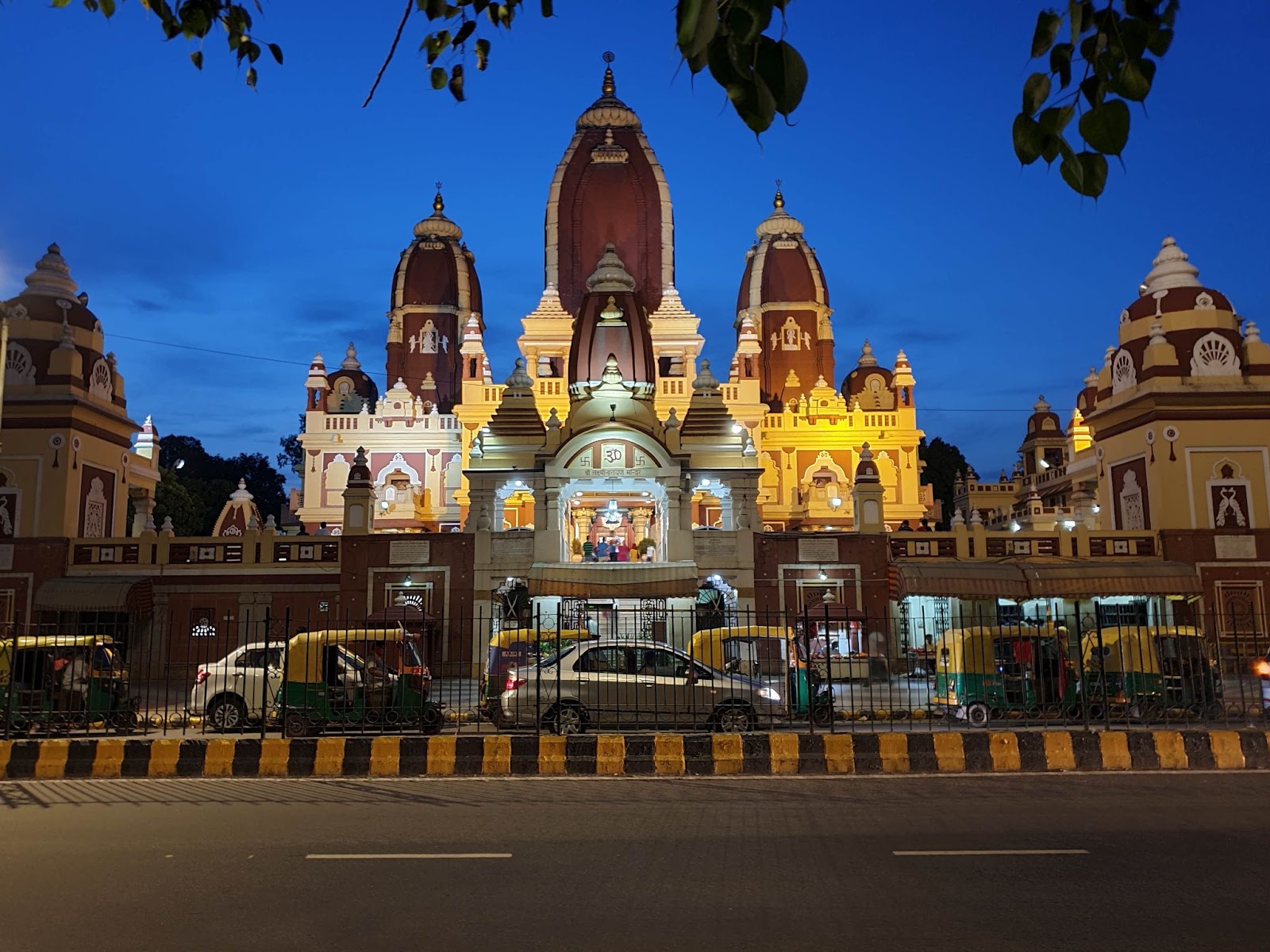
Spread across approximately 7.5 acres of landscaped grounds, Birla Mandir is an impressive example of traditional Nagara-style temple architecture blended with modern construction techniques. The temple was designed by renowned architect Sris Chandra Chatterjee, who believed in combining indigenous Indian architectural traditions with contemporary engineering methods.
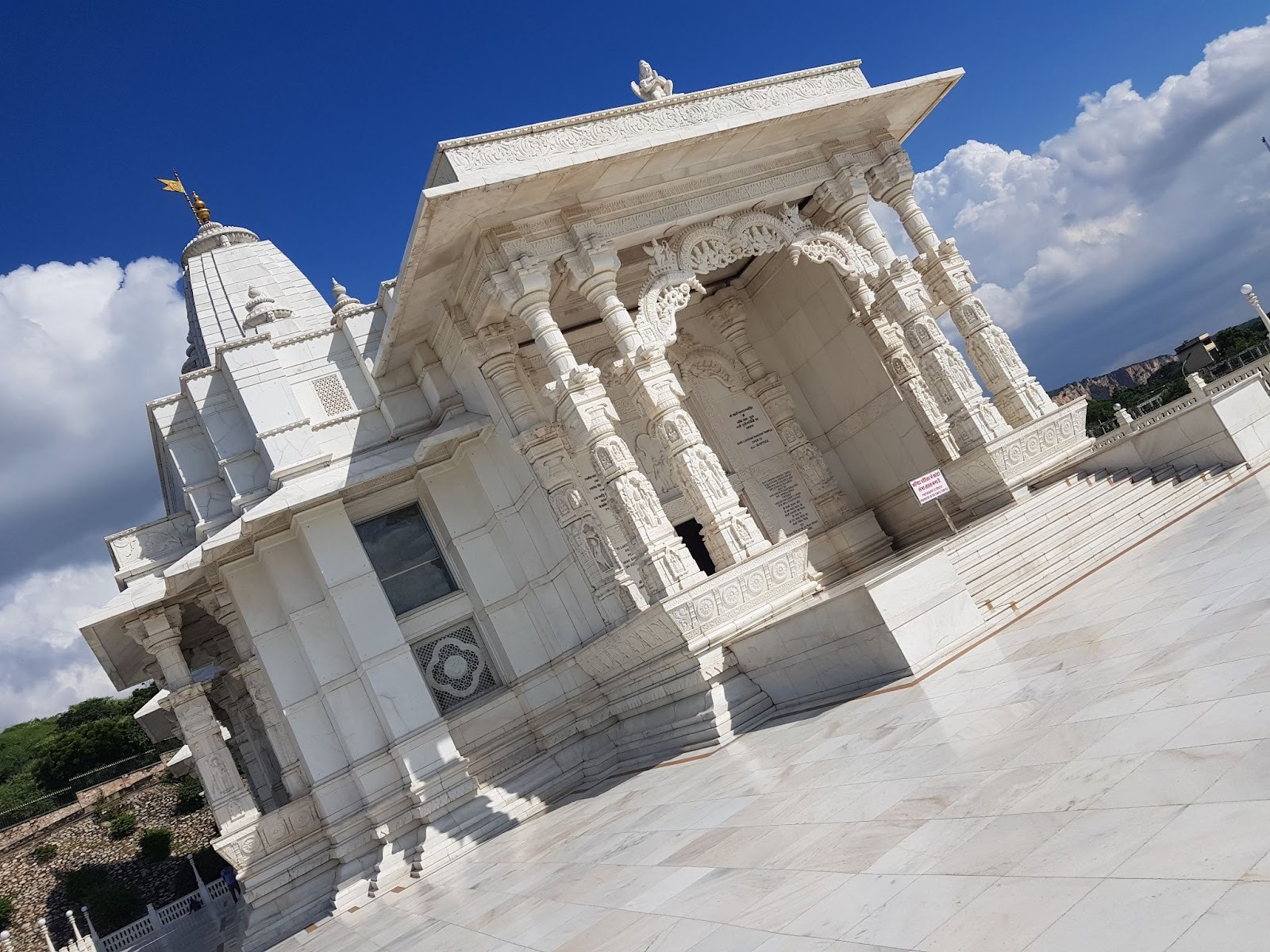
The structure is built primarily from red sandstone and white marble sourced from Rajasthan, particularly from Jaipur and Kota. Skilled craftsmen led by Acharya Vishvanath Shastri painstakingly carved intricate sculptures, decorative motifs, and sacred icons that adorn the temple walls and interiors.
The main shrine is dedicated to Lord Laxmi Narayan, while several smaller shrines within the complex honor Lord Shiva, Lord Hanuman, Goddess Durga, Lord Krishna, and other Hindu deities. Rising approximately 49 meters (160 feet) above ground level, the central shikhara dominates the skyline and can be seen from a considerable distance.
One of the highlights of the temple complex is the Geeta Bhawan, located on the northern side. Its walls feature inscriptions and scenes from the Bhagavad Gita and Hindu scriptures. Beautiful gardens, fountains, artificial waterfalls, and open courtyards create a peaceful atmosphere, making the temple an ideal place for both prayer and quiet reflection.
Spiritual Significance
Birla Mandir serves as a major center for Hindu worship in Delhi. Daily rituals, bhajans, aartis, and special religious ceremonies are conducted throughout the year. The evening aarti, accompanied by devotional music and ringing bells, creates a deeply spiritual experience for visitors.
The temple’s message of inclusivity, inspired by Mahatma Gandhi’s vision, continues to attract people from diverse backgrounds. Whether one visits for religious devotion, cultural exploration, or architectural appreciation, the temple offers a meaningful experience.
Local Experience Around Birla Mandir
Located near Mandir Marg in central Delhi, Birla Mandir enjoys a strategic location close to many of the city’s important landmarks. The surrounding area is well maintained and offers easy access to shopping centers, government buildings, and cultural attractions.
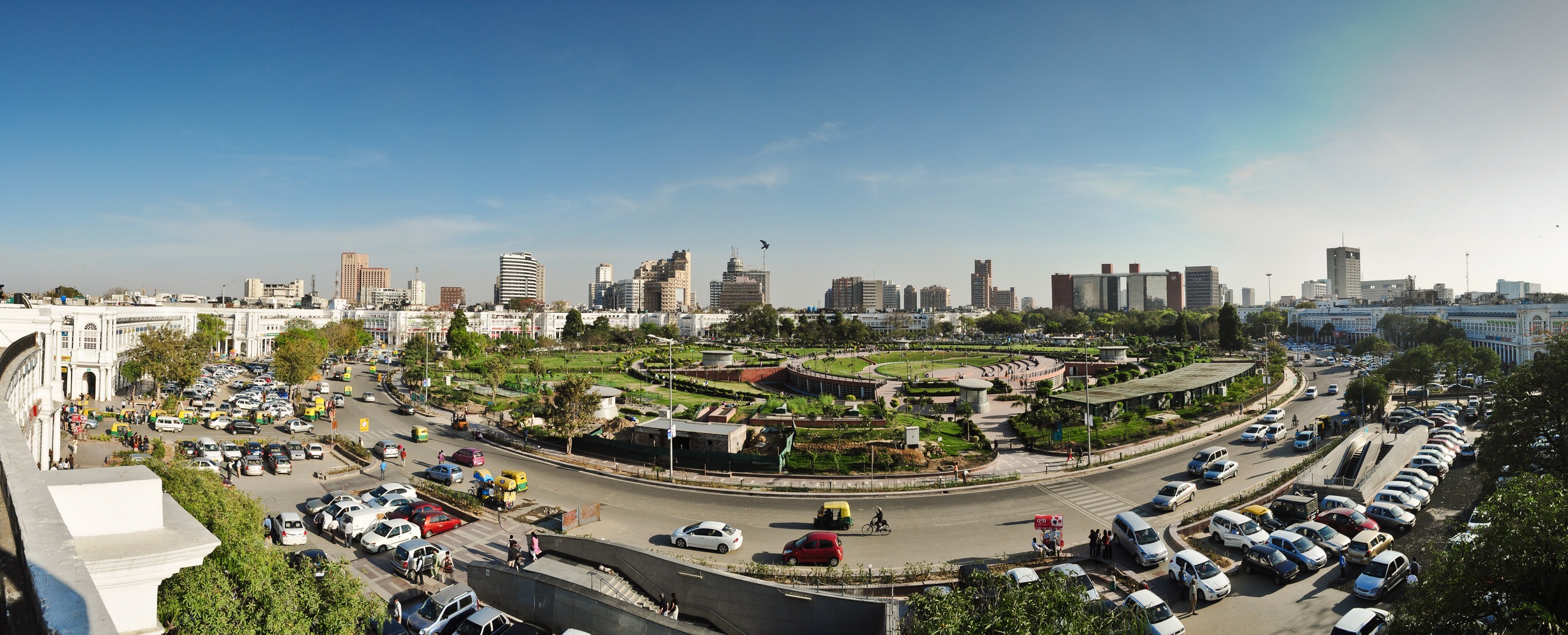
Visitors often combine a temple visit with a walk through the nearby Connaught Place area, one of Delhi’s most iconic commercial districts. Numerous restaurants, cafes, street-food stalls, and local markets can be found within a short distance. During festivals, the roads around the temple become lively with decorative lights, flower vendors, and devotional celebrations.
The temple is particularly beautiful during the evening hours when the illuminated shikharas glow against the Delhi skyline.
Best Time to Visit
The ideal time to visit Birla Mandir is between October and March, when Delhi experiences pleasant weather. Early mornings and evenings are especially peaceful and comfortable for sightseeing and prayer.
Festival periods such as Janmashtami and Diwali offer a vibrant atmosphere with elaborate decorations and special religious events, although these days can be quite crowded.
Temple Timings
Birla Mandir is generally open daily:
Morning: 4:30 AM to 1:30 PM.
Evening: 2:30 PM to 9:00 PM.
Timings may vary slightly during festivals and special occasions.
How to Reach Birla Mandir
By Metro
The nearest metro stations are:
- R.K. Ashram Marg Metro Station (Blue Line).
- Shivaji Stadium Metro Station (Airport Express Line).
- Patel Chowk Metro Station (Yellow Line).
From these stations, visitors can easily hire an auto-rickshaw, taxi, or take a short cab ride to the temple.
By Road
Birla Mandir is situated on Mandir Marg and is well connected to all parts of Delhi through buses, taxis, app-based cabs, and auto-rickshaws.
By Railway
New Delhi Railway Station is approximately 4 kilometers away, making the temple easily accessible for travelers arriving by train.
By Air
The temple is about 15 kilometers from Indira Gandhi International Airport. A taxi ride typically takes 30–45 minutes depending on traffic conditions.
Nearby Attractions
Connaught Place
One of Delhi’s most famous shopping and dining destinations, known for its colonial architecture, markets, and restaurants.
Jantar Mantar
An eighteenth-century astronomical observatory featuring fascinating scientific instruments built by Maharaja Jai Singh II.
Gurudwara Bangla Sahib
A revered Sikh place of worship known for its serene sarovar and community kitchen.
Agrasen Ki Baoli
A centuries-old stepwell hidden amidst the modern cityscape.
India Gate
One of Delhi’s most recognizable monuments and a popular evening gathering spot.
Rashtrapati Bhavan
An architectural masterpiece and one of the largest presidential residences in the world.
Maps
FAQs
1. Why is Birla Mandir famous?
Birla Mandir is famous for being Delhi’s first major Hindu temple of the modern era, its beautiful architecture, and its association with Mahatma Gandhi and the Birla family.
2. Is there an entry fee for Birla Mandir?
No. Entry to the temple is completely free for all visitors.
3. Can tourists visit the temple?
Yes. Both Indian and international tourists are welcome to visit the temple.
4. What is the best time to visit Birla Mandir?
Early mornings and evenings are ideal. The winter months from October to March offer the most pleasant weather.
5. Is photography allowed inside the temple?
Photography policies may vary within different sections of the temple complex. Visitors should follow the instructions displayed on-site.
6. How much time is needed to explore Birla Mandir?
Most visitors spend between one and two hours exploring the temple, gardens, and surrounding areas.
7. Which festivals are celebrated with special grandeur here?
Janmashtami, Diwali, Ram Navami, and other major Hindu festivals are celebrated with elaborate decorations and special religious ceremonies.
8. Is Birla Mandir suitable for families?
Yes. The temple’s spacious gardens, peaceful environment, and cultural significance make it an excellent destination for families, pilgrims, and tourists alike.