Image Source: Ashish Thakur
About Janu Tala Lake
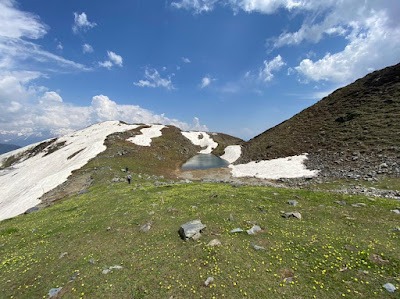
Hidden deep within the remote landscapes of the Churah Valley in Himachal Pradesh, Janu Tala Lake is one of the lesser-known alpine lakes of the Chamba district. Surrounded by untouched forests, rolling meadows, and towering Himalayan peaks, the lake remains largely unexplored, making it a perfect destination for travelers seeking peace, solitude, and raw natural beauty. Unlike the more commercial hill stations of Himachal Pradesh, Janu Tala offers a quiet escape into the heart of the mountains where nature still feels pure and unspoiled.
The lake is often visited along with the nearby Mehal Naag Lake, as both lakes share cultural and spiritual importance among the local communities of the Churah Valley. Located close to the border regions of Chamba and the Doda district of Jammu and Kashmir, Janu Tala forms part of a sacred cluster of high-altitude lakes revered by villagers and shepherd communities for centuries.
Geography and Natural Beauty
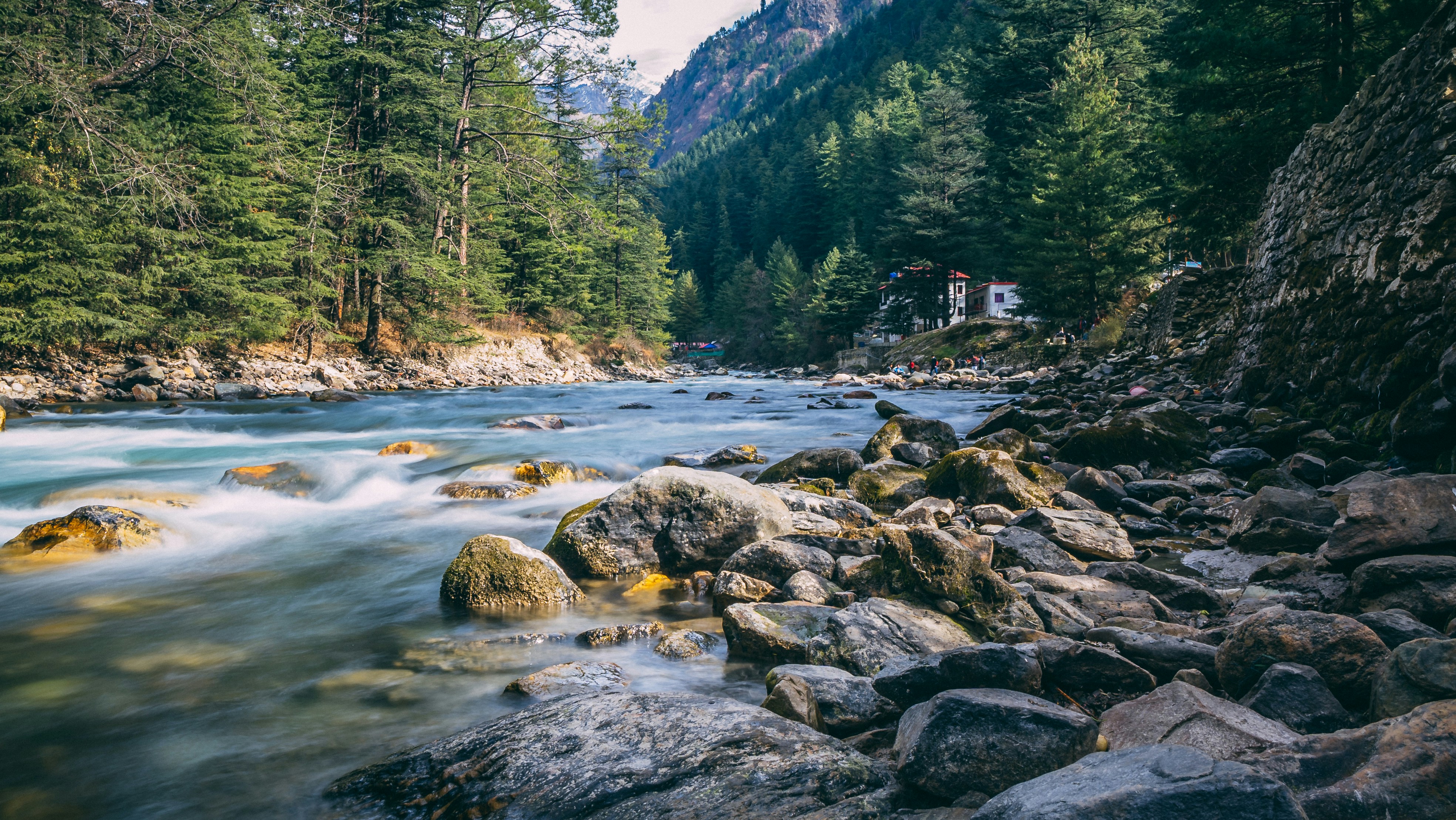
Janu Tala Lake is set amidst breathtaking Himalayan scenery. Dense deodar and pine forests surround the trekking route, while vast alpine meadows open up as one climbs higher into the mountains. During summer, the grasslands near the lake become vibrant with wildflowers, creating a colorful contrast against the rugged mountain backdrop.
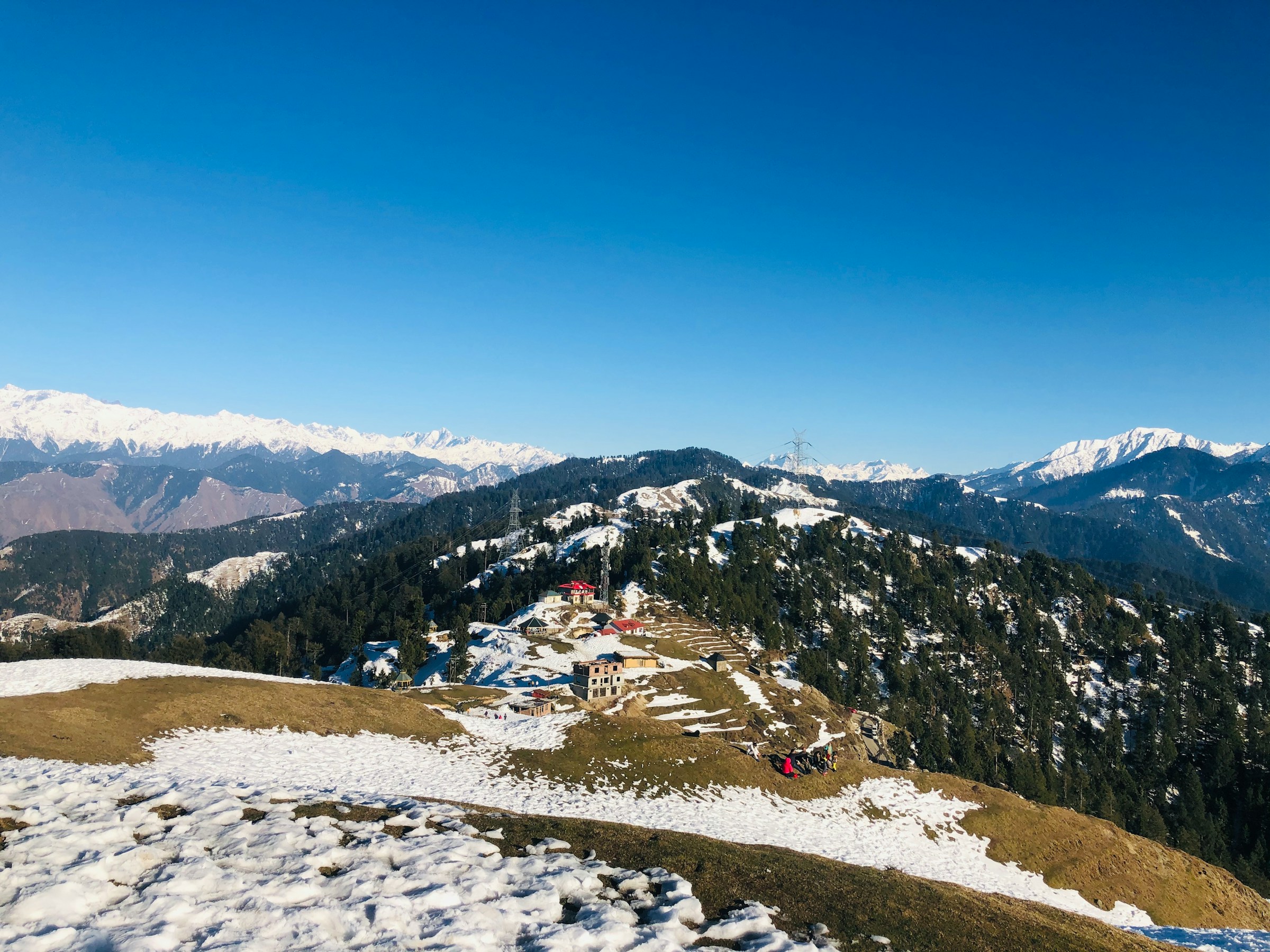
The lake also offers mesmerizing views of the mighty Pir Panjal and Dhauladhar mountain ranges. On clear days, snow-covered ridges shine brilliantly under the sun, while evenings bring dramatic sunsets that paint the mountains in shades of orange and pink. The peaceful atmosphere, interrupted only by the sound of flowing streams and mountain winds, makes Janu Tala an ideal place for nature lovers, photographers, and trekkers.
Because of its remote location, the area around the lake supports rich Himalayan biodiversity. Trekkers may spot Himalayan birds, grazing sheep and goats belonging to Gaddi shepherds, and occasionally wild mountain animals in the surrounding forests. The region remains ecologically sensitive and relatively untouched by mass tourism.
Cultural and Spiritual Importance
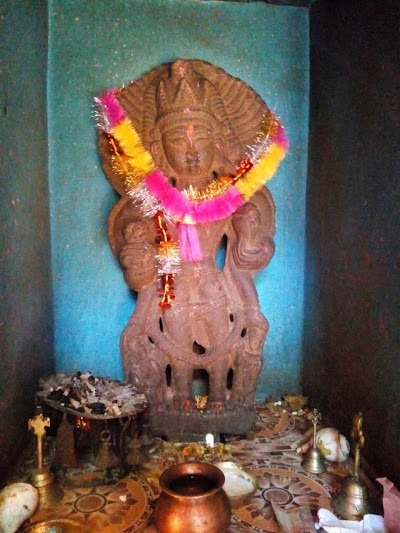
Like many high-altitude lakes in Himachal Pradesh, Janu Tala holds deep spiritual significance for the local people. The word “Tala” in the local dialect simply means a pond or lake, but for villagers, the lake is much more than a water body. It is believed to be the abode of local deities who protect the nearby valleys, forests, and settlements.
Local folklore surrounding the lake has been passed down through generations. According to traditional beliefs, guardian spirits reside in these alpine waters and bless the region with good rainfall, fertile grazing lands, and prosperous harvests. Villagers from nearby settlements undertake seasonal pilgrimages to the lake, especially during the summer months, offering prayers and performing rituals seeking protection and harmony.
The lake also plays an important role in the pastoral lifestyle of the region. The surrounding meadows serve as grazing grounds for Gaddi shepherds, who move with their flocks across the high-altitude pastures during warmer seasons. Their temporary stone huts and camps along the trail add a unique cultural charm to the trekking experience.
Trekking Experience to Janu Tala Lake
The trek to Janu Tala Lake is considered moderately challenging and is best suited for trekkers who enjoy offbeat Himalayan trails. Unlike popular trekking routes filled with crowds, this trail offers complete tranquility and a strong connection with nature.
The path winds through thick forests, narrow mountain trails, open grasslands, and remote shepherd settlements. Along the route, trekkers cross small streams and natural springs, while panoramic mountain views continuously unfold with every ascent. Since the trail remains largely unmarked in certain sections, hiring a local guide is strongly recommended.
One of the most beautiful aspects of the trek is the gradual transition in scenery. The lower region is dominated by dense forests, while the upper sections reveal wide alpine meadows and rugged mountain terrain. Camping near the lake under a sky filled with countless stars becomes one of the most unforgettable experiences of the journey.
Best Time to Visit Janu Tala Lake
The ideal time to visit Janu Tala Lake is between June and September when the weather remains pleasant and the trekking routes are accessible. During these months, the meadows are lush green, wildflowers bloom across the hillsides, and the lake appears crystal clear.
The monsoon season brings fresh greenery to the region, although trekkers should be cautious of slippery trails and occasional landslides. Winters are extremely harsh, with heavy snowfall cutting off access to the lake and surrounding villages.
How to Reach Janu Tala Lake
By Road
The trek to Janu Tala generally begins from villages like Majur or Tarella, which are connected through the Tissa–Bairagarh road in Chamba district.
The nearest major town is Chamba, which is well connected by road to nearby destinations such as Dalhousie, Pathankot, and Kangra.
By Rail and Air
The nearest railway station is located at Pathankot. Travelers arriving by air can use Kangra Airport, also known as Gaggal Airport, which is the closest airport to Chamba district.
By Trek
From Majur village, trekkers begin the uphill journey toward Janu Tala Lake. The trek can either be completed separately or combined with the Mehal Naag Lake route for a longer Himalayan adventure. Due to the isolated terrain and lack of signboards, local guides are highly recommended for safety and navigation.
Nearby Attractions Around Janu Tala Lake
Janu Tala Lake is located in the remote Churah Valley of Chamba district and serves as an important stop on the trekking route to Mehal Naag Lake. Surrounded by alpine meadows, ridgelines, and panoramic Himalayan landscapes, the area offers several natural and cultural attractions for trekkers and nature lovers.
Mehal Naag Lake
One of the most sacred high-altitude lakes in the Churah region, Mehal Naag Lake is located beyond Janu Tala and is associated with the local deity Mehal Naag. Every year, devotees undertake the Mehal Naag Yatra to seek blessings at the lake. The route passes through beautiful alpine pastures and mountain landscapes.
Multani Cave
According to local folklore, seventeen craftsmen from Multan took refuge in this cave during the legendary battle between Mehal Naag and King Gojra. The cave remains an important cultural landmark connected with the myths and traditions of the Churah Valley.
Mansa Dhar
Mansa Dhar is a scenic mountain ridge along the trekking route to Janu Tala. It offers spectacular views of the surrounding valleys, forests, and distant Himalayan peaks. Sunrise and sunset views from this point are particularly memorable.
Nodal Dhar
Another beautiful viewpoint near the trek route, Nodal Dhar provides sweeping vistas of the entire Churah Valley and the surrounding mountain ranges. It is a favorite stop for photographers and trekkers.
Sach Pass
Visible from several points around Janu Tala, Sach Pass is one of Himachal Pradesh’s most dramatic mountain passes. Connecting Chamba with the remote Pangi Valley, it is known for its rugged terrain, waterfalls, and breathtaking scenery.
Darati Jot
Darati Jot is a high-altitude mountain pass visible from the Janu Tala region. The area is known for its pristine landscapes, alpine vegetation, and panoramic Himalayan views.
Churah Valley
The entire Churah Valley is an attraction in itself. Traditional villages, terraced fields, dense forests, and untouched Himalayan beauty make it one of the least explored regions of Himachal Pradesh. Visitors can experience authentic local culture and village life here.
Gamgul Siyabehi Wildlife Sanctuary
Located within the broader Chamba region, this wildlife sanctuary is home to Himalayan Tahr, Musk Deer, Himalayan Black Bear, and numerous bird species. It is a great destination for wildlife enthusiasts and trekkers exploring the western Himalayas.
Chamera Lake
Situated in Chamba district, Chamera Lake is a scenic reservoir surrounded by forested hills. Visitors can enjoy boating, photography, and lakeside relaxation while exploring the region.
Bharmour
Known as the “Land of Shiva,” Bharmour is famous for the ancient Chaurasi Temple Complex and its rich Gaddi heritage. It is also the starting point for the renowned Manimahesh pilgrimage.
Suggested 3-Day Itinerary for Janu Tala Lake Trek
Day 1: Chamba to Majur Village
Start your journey early from Chamba town and drive through the scenic Tissa-Bairagarh route. The road journey itself is incredibly beautiful, passing through deep valleys, waterfalls, and traditional Himalayan villages. By afternoon, reach Majur village and settle into a local homestay or campsite. Spend the evening interacting with villagers, preparing trekking gear, and enjoying the peaceful mountain atmosphere.
Day 2: Trek to Janu Tala Lake
Begin trekking early in the morning. The trail passes through thick forests, shepherd settlements, and vast alpine meadows used by Gaddi shepherds during summer. As the climb continues, spectacular views of surrounding Himalayan ridges begin to appear.
Reach Janu Tala Lake by afternoon and spend time exploring the serene surroundings. Many visitors offer prayers at the lake as a mark of respect for local traditions. The calm waters, cool mountain breeze, and complete silence create a deeply refreshing experience. Camp overnight near the lake and enjoy a sky full of stars far away from city lights.
Day 3: Return to Majur and Departure
Wake up early to witness a magical sunrise over the Himalayan peaks. After breakfast, begin the descent back toward Majur village. Once you arrive, continue your journey back to Chamba town.
Travelers with additional time can further explore nearby attractions such as Tarella, Sach Pass, or Dalhousie to extend their Himalayan adventure.
Nearby Attractions Around Janu Tala Lake
Janu Tala Lake is located in the remote Churah Valley of Chamba district and serves as an important stop on the trekking route to Mehal Naag Lake. Surrounded by alpine meadows, ridgelines, and panoramic Himalayan landscapes, the area offers several natural and cultural attractions for trekkers and nature lovers.
Mehal Naag Lake
One of the most sacred high-altitude lakes in the Churah region, Mehal Naag Lake is located beyond Janu Tala and is associated with the local deity Mehal Naag. Every year, devotees undertake the Mehal Naag Yatra to seek blessings at the lake. The route passes through beautiful alpine pastures and mountain landscapes.
Multani Cave
According to local folklore, seventeen craftsmen from Multan took refuge in this cave during the legendary battle between Mehal Naag and King Gojra. The cave remains an important cultural landmark connected with the myths and traditions of the Churah Valley.
Mansa Dhar
Mansa Dhar is a scenic mountain ridge along the trekking route to Janu Tala. It offers spectacular views of the surrounding valleys, forests, and distant Himalayan peaks. Sunrise and sunset views from this point are particularly memorable.
Nodal Dhar
Another beautiful viewpoint near the trek route, Nodal Dhar provides sweeping vistas of the entire Churah Valley and the surrounding mountain ranges. It is a favorite stop for photographers and trekkers.
Sach Pass
Visible from several points around Janu Tala, Sach Pass is one of Himachal Pradesh’s most dramatic mountain passes. Connecting Chamba with the remote Pangi Valley, it is known for its rugged terrain, waterfalls, and breathtaking scenery.
Darati Jot
Darati Jot is a high-altitude mountain pass visible from the Janu Tala region. The area is known for its pristine landscapes, alpine vegetation, and panoramic Himalayan views.
Churah Valley
The entire Churah Valley is an attraction in itself. Traditional villages, terraced fields, dense forests, and untouched Himalayan beauty make it one of the least explored regions of Himachal Pradesh. Visitors can experience authentic local culture and village life here.
Gamgul Siyabehi Wildlife Sanctuary
Located within the broader Chamba region, this wildlife sanctuary is home to Himalayan Tahr, Musk Deer, Himalayan Black Bear, and numerous bird species. It is a great destination for wildlife enthusiasts and trekkers exploring the western Himalayas.
Chamera Lake
Situated in Chamba district, Chamera Lake is a scenic reservoir surrounded by forested hills. Visitors can enjoy boating, photography, and lakeside relaxation while exploring the region.
Bharmour
Known as the “Land of Shiva,” Bharmour is famous for the ancient Chaurasi Temple Complex and its rich Gaddi heritage. It is also the starting point for the renowned Manimahesh pilgrimage.
Travel Tips for Janu Tala Lake
- Carry warm clothing even during summer, as temperatures drop sharply at night.
- Wear proper trekking shoes because certain sections of the trail can be rocky and slippery.
- Hire a local guide since the route is remote and partially unmarked.
- Respect local customs and avoid polluting the lake area, as it is considered sacred.
- Carry essential medicines, power banks, and snacks because facilities are limited in the region.
- Mobile network connectivity may be weak or unavailable near the lake.
Google Maps
FAQs
1. Where is Janu Tala Lake located?
Janu Tala Lake is located in the remote Churah Valley region of Chamba district in Himachal Pradesh, near the border areas of Jammu and Kashmir.
2. Is the trek to Janu Tala Lake difficult?
The trek is considered moderately difficult. It involves forest trails, mountain climbs, and high-altitude walking, making it suitable for trekkers with basic fitness.
3. What is the best time to visit Janu Tala Lake?
The best time to visit is from June to September when the weather is pleasant and the trekking routes remain accessible.
4. Can beginners do the Janu Tala trek?
Yes, beginners with decent physical fitness can complete the trek, especially with the help of a local guide.
5. Is camping allowed near Janu Tala Lake?
Yes, camping is possible near the lake, and many trekkers prefer overnight camping to experience the peaceful Himalayan surroundings.
6. Are there accommodation facilities near the lake?
There are no permanent hotels near the lake. Travelers usually stay in homestays at Majur village or camp during the trek.
7. Why is Janu Tala Lake considered sacred?
Local villagers believe that guardian deities reside in the lake and protect the surrounding valleys and settlements. Seasonal rituals and pilgrimages are still performed here.
8. Can Janu Tala Lake be visited along with Mehal Naag Lake?
Yes, many trekkers combine both lakes into a single trekking route because of their close proximity and shared cultural significance.