Image Source: Bodh Raj
Mehal Naag Temple
Hidden deep within the untouched landscapes of Himachal Pradesh’s Churah Valley, Mehal Naag Temple is one of those rare places where mythology, nature, and tradition blend seamlessly together. Located near Majur village in the Chamba district, this ancient shrine sits quietly amid dense deodar forests and high mountain ridges, far from the noise of crowded tourist destinations. The temple, along with the sacred Mehal Naag Lake nearby, attracts pilgrims, trekkers, and nature lovers who come seeking peace, spiritual connection, and the raw beauty of the Himalayas.
The journey to Mehal Naag is not just about reaching a destination—it is an experience filled with mountain trails, folklore, and the timeless culture of Himachal’s remote villages.
Mythology and Spiritual Significance
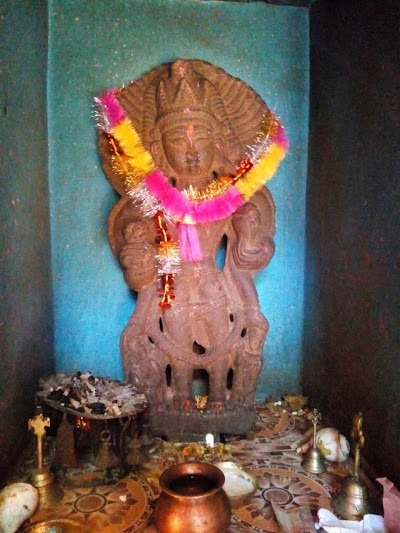
Mehal Naag Temple is dedicated to Mehal Naag, also lovingly called Babbu Naag by the local people. In the traditions of Himachal Pradesh, serpent deities or Naag Devtas hold immense spiritual importance and are believed to protect villages, forests, water sources, and crops. According to local legends, Mehal Naag resides within the sacred alpine lake located near the temple. Villagers believe the deity safeguards the region from natural calamities and blesses the people with prosperity, fertility, and good fortune.
For generations, residents of nearby villages have worshipped Mehal Naag with deep faith and devotion. Even today, many people visit the shrine before important life events, agricultural activities, or community celebrations to seek blessings from the deity.
The peaceful surroundings of the temple add to its spiritual atmosphere. With towering cedar trees, drifting mountain mist, and the silence of the forests, the entire area feels deeply sacred and untouched by time.
Mehal Naag Yatra and Rang Mela
One of the most fascinating aspects of the temple is the annual Mehal Naag Yatra, popularly known as the Rang Mela. Held every year in December, this festival is an important cultural and religious event for the people of Churah Valley.
During the festival, villagers dressed in colorful traditional attire gather at the temple to participate in rituals, prayers, and celebrations. Men often wear cone-shaped ceremonial headgear and decorative masks, while traditional music and folk dances fill the mountain air. Community feasts are organized, and devotees come together to celebrate their shared heritage and devotion to the deity.
The festival is not only a religious occasion but also a reflection of the region’s living traditions. Ancient customs, oral folklore, local songs, and age-old rituals continue to survive through this celebration, making it a unique cultural experience for visitors.
Witnessing the Rang Mela offers a rare glimpse into the deeply rooted traditions of Himachal Pradesh’s remote mountain communities.
Traditional Himalayan Architecture
The architecture of Mehal Naag Temple beautifully reflects the traditional Himalayan style found in many old shrines across Himachal Pradesh. Constructed primarily from wood, the temple features the classic pagoda-style design with sloping multi-tiered roofs that help withstand heavy snowfall and harsh mountain weather.
Unlike large urban temples filled with elaborate ornamentation, Mehal Naag Temple carries a simple yet powerful rustic charm. The wooden carvings, weathered beams, and natural materials create a structure that feels perfectly connected to its surroundings.
The temple complex is surrounded by ancient deodar trees, adding to its mystical atmosphere. Open spaces around the shrine are often used for meditation, prayer gatherings, and festival activities. During foggy mornings or evenings, when clouds drift through the cedar forest, the temple appears almost dreamlike—like something from an old Himalayan legend.
Mehal Naag Lake and Trekking Experience
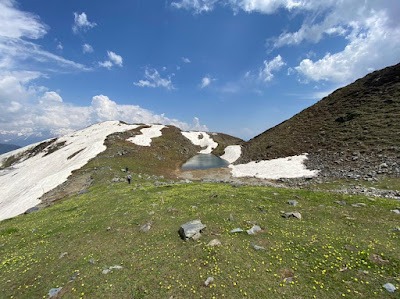
Near the temple lies the sacred Mehal Naag Lake, a pristine high-altitude lake considered the spiritual heart of the region. The crystal-clear waters reflect the surrounding forests and mountains, creating a breathtaking scene that leaves visitors mesmerized.
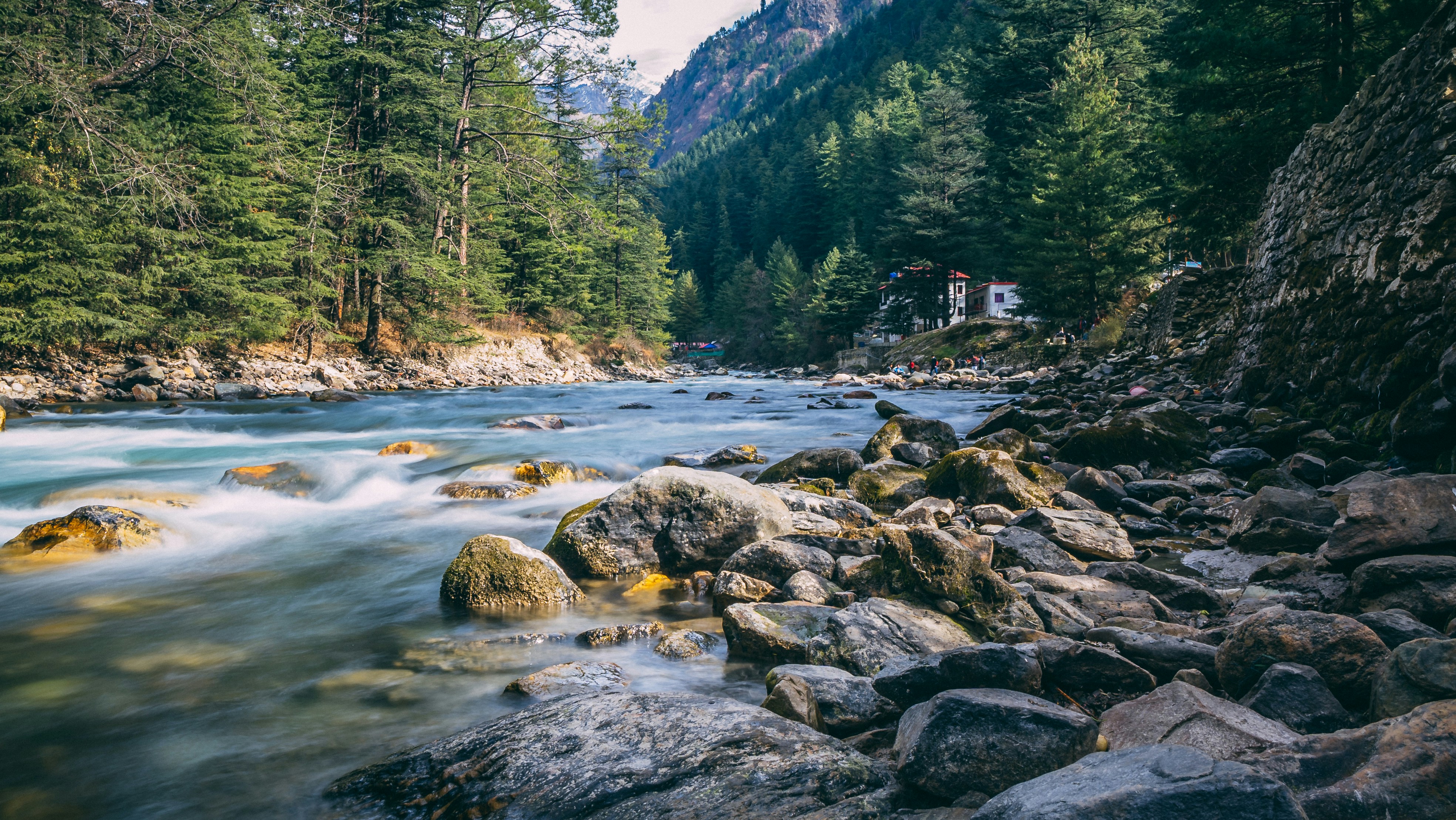
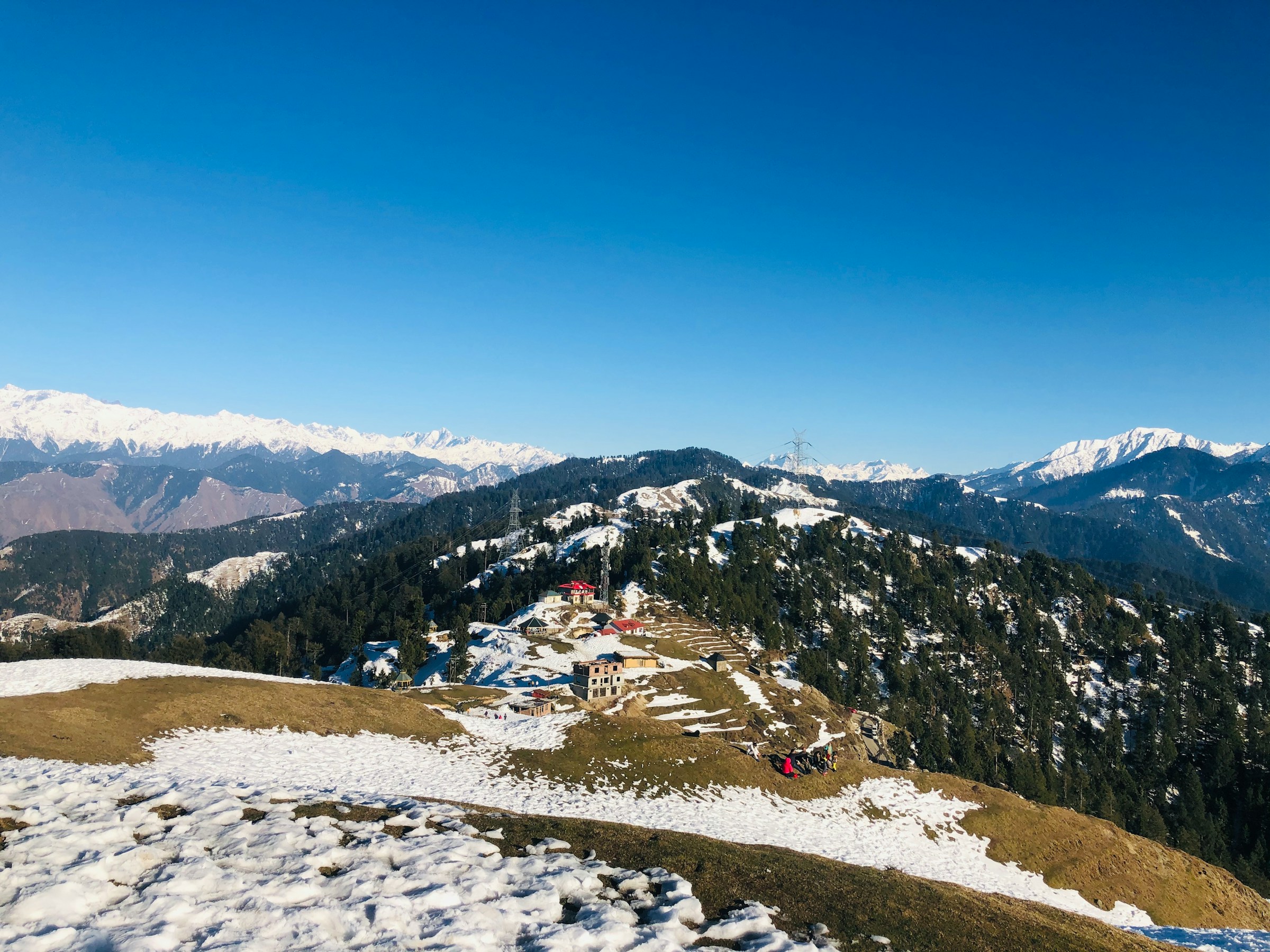
Reaching the lake requires a moderately challenging trek from Majur village. The trek usually takes around four hours and passes through dense cedar forests, grassy meadows, wildflowers, and scenic mountain ridges overlooking the Churah Valley. Along the way, trekkers are rewarded with panoramic Himalayan views and the peaceful sounds of nature.
For adventure enthusiasts, the journey often extends beyond Mehal Naag Lake to Janu Tala Lake, another hidden alpine lake located deeper in the mountains. Many trekkers choose to camp near these lakes, spending nights under star-filled skies while sharing stories and meals around bonfires.
The combination of spirituality, untouched landscapes, and trekking adventure makes Mehal Naag one of the most unique offbeat destinations in Himachal Pradesh.
How to Reach Mehal Naag Temple
By Road
The nearest access point to the temple is Majur village in Churah Valley, located in Chamba district of Himachal Pradesh. Travelers generally reach Bairagarh first, which is well connected by road through Himachal Pradesh’s state highway network. Bairagarh is situated about 6–7 kilometers from Majur village.
From Bairagarh, local buses, taxis, or hired jeeps are available to reach Majur.
By Trek
From Majur village, visitors must complete a trek of around four hours to reach the temple and sacred lake. The route is moderately difficult and includes uphill sections through forest trails. Proper trekking shoes, warm clothing, and sufficient water are highly recommended, especially during colder months.
By Rail
The nearest major railway station is at Pathankot, which is well connected to major cities in North India. From Pathankot, travelers can hire taxis or take buses toward Chamba and Churah Valley.
By Air
The closest airport is in Dharamshala. From there, road transport is available to Chamba district and onward to Bairagarh and Majur village.
Best Time to Visit
The best time to visit Mehal Naag Temple depends on the kind of experience you are looking for.
- December is ideal for witnessing the vibrant Rang Mela festival and experiencing the region’s cultural traditions.
- May to June offers pleasant weather, blooming landscapes, and clearer trekking conditions.
- September to October is another beautiful period, with post-monsoon greenery and crisp mountain views.
Winter visits can be magical due to snowfall, but trekking conditions become more challenging, so proper preparation is essential.
Why Mehal Naag Temple is Special
What makes Mehal Naag Temple truly special is its untouched authenticity. Unlike commercial tourist spots, this sacred place still preserves its natural beauty, spiritual atmosphere, and ancient traditions. The journey through cedar forests, the legends surrounding the serpent deity, the peaceful alpine lake, and the warmth of local culture together create an unforgettable Himalayan experience.
For pilgrims, it is a sacred place of devotion. For trekkers, it is an adventure through hidden mountain landscapes. And for travelers seeking silence and connection with nature, Mehal Naag offers a rare sense of calm that is increasingly hard to find.
Google Maps
FAQs
Where is Mehal Naag Temple located?
Mehal Naag Temple is located near Majur village in the Churah Valley of Chamba district, Himachal Pradesh.
Who is Mehal Naag?
Mehal Naag, also known as Babbu Naag, is a revered serpent deity worshipped by the local communities of the region.
How difficult is the trek to Mehal Naag Temple?
The trek is considered moderately difficult and usually takes around four hours from Majur village.
What is the significance of Mehal Naag Lake?
The lake is considered sacred and is believed to be the dwelling place of Mehal Naag. It is an important pilgrimage site for devotees.
When is the Mehal Naag Yatra held?
The Mehal Naag Yatra, also known as Rang Mela, is held annually in December.
Can beginners do the trek?
Yes, beginners with decent fitness levels can complete the trek, though proper trekking gear and preparation are recommended.
Is camping allowed near the lake?
Many trekkers camp near the lake during trekking expeditions, especially when extending the journey toward Janu Tala Lake.
What is the best season for trekking?
May to June and September to October are considered the best seasons for trekking due to favorable weather conditions.
Are accommodation facilities available nearby?
Basic accommodation and homestay options are available in nearby villages and small settlements around Churah Valley.
Is Mehal Naag Temple suitable for family trips?
Yes, families interested in spirituality, nature, and cultural experiences can visit, though the trek may be physically demanding for elderly travelers or very young children.