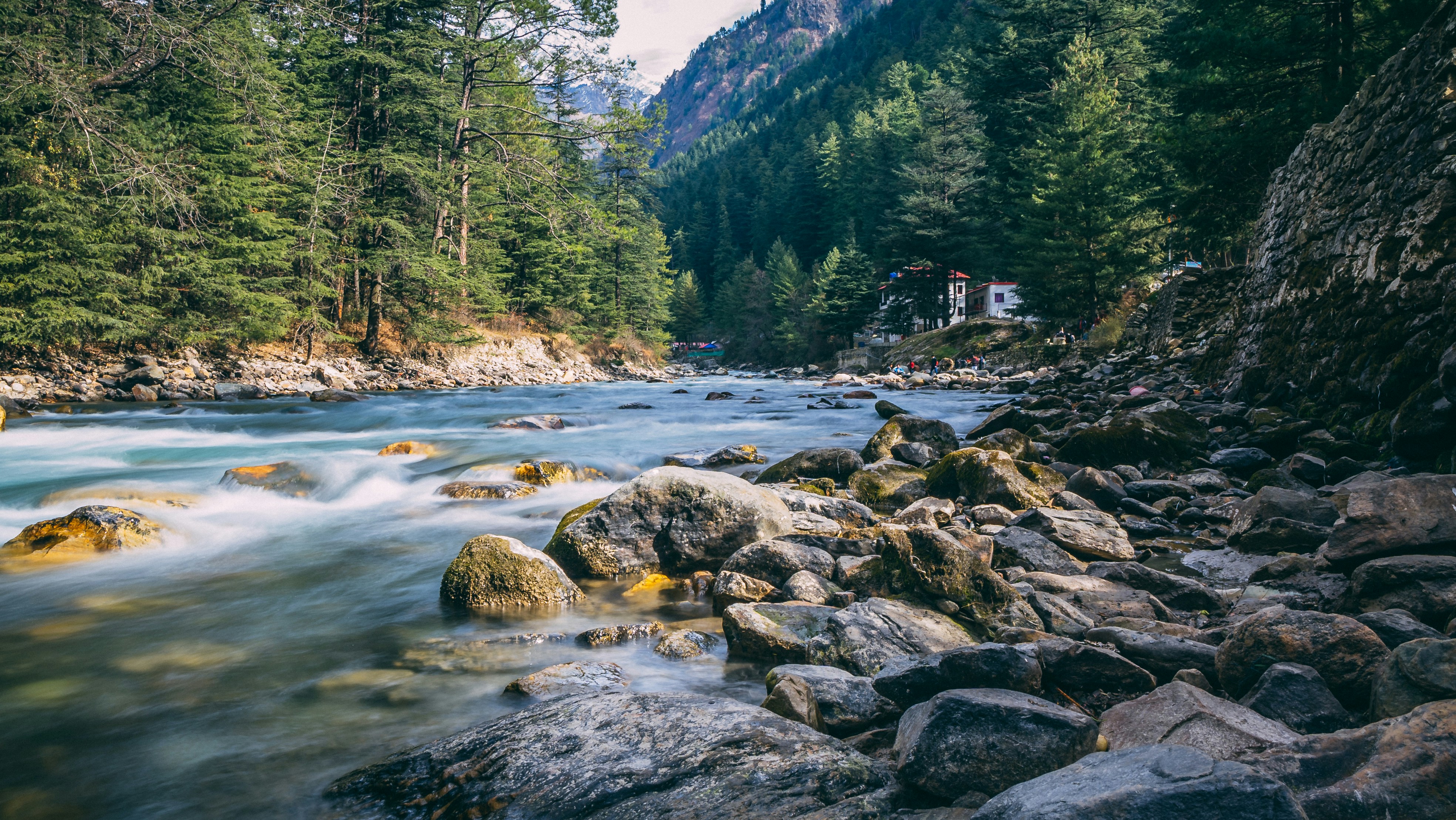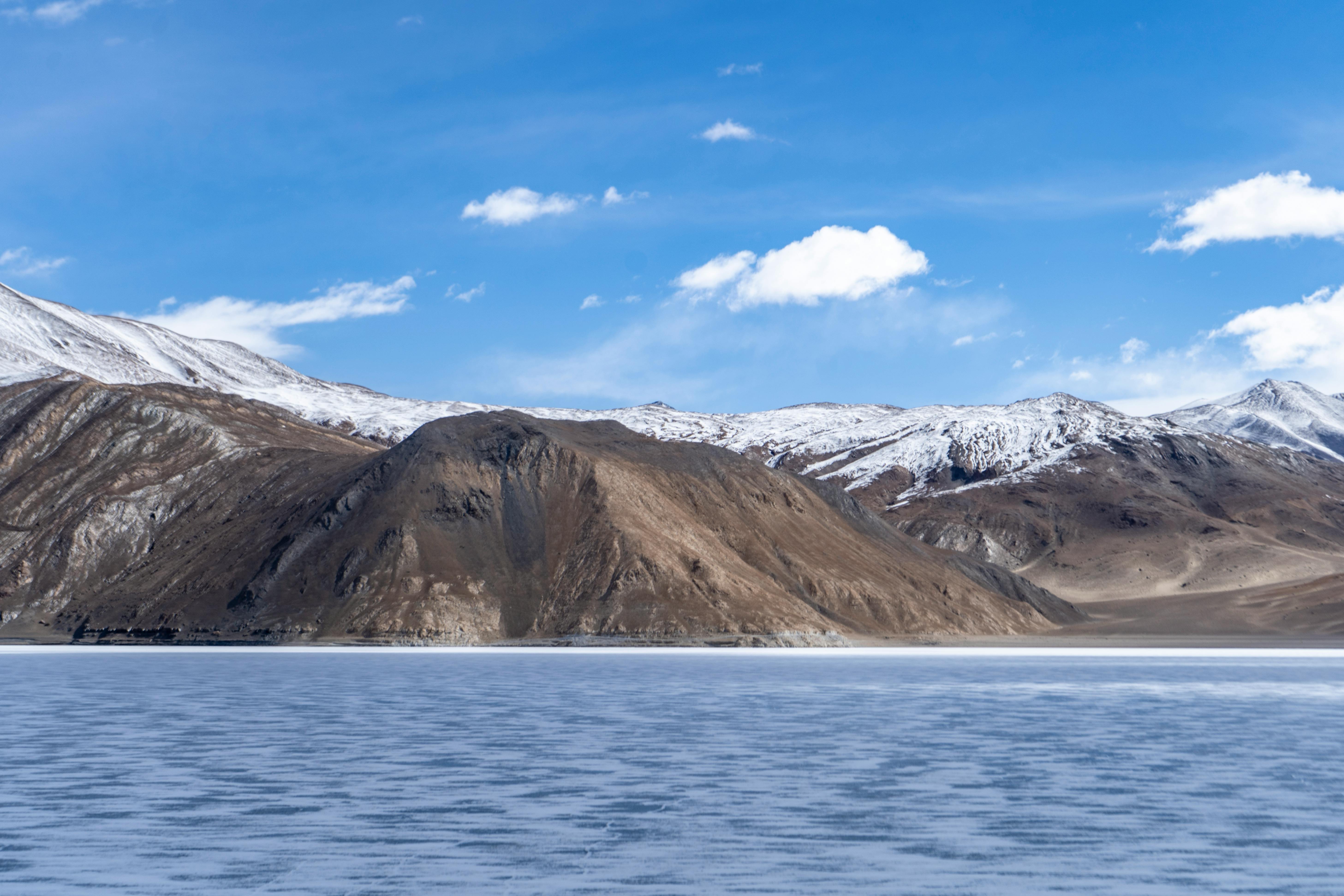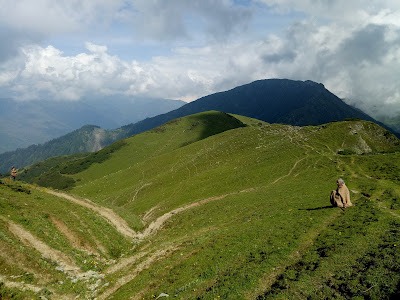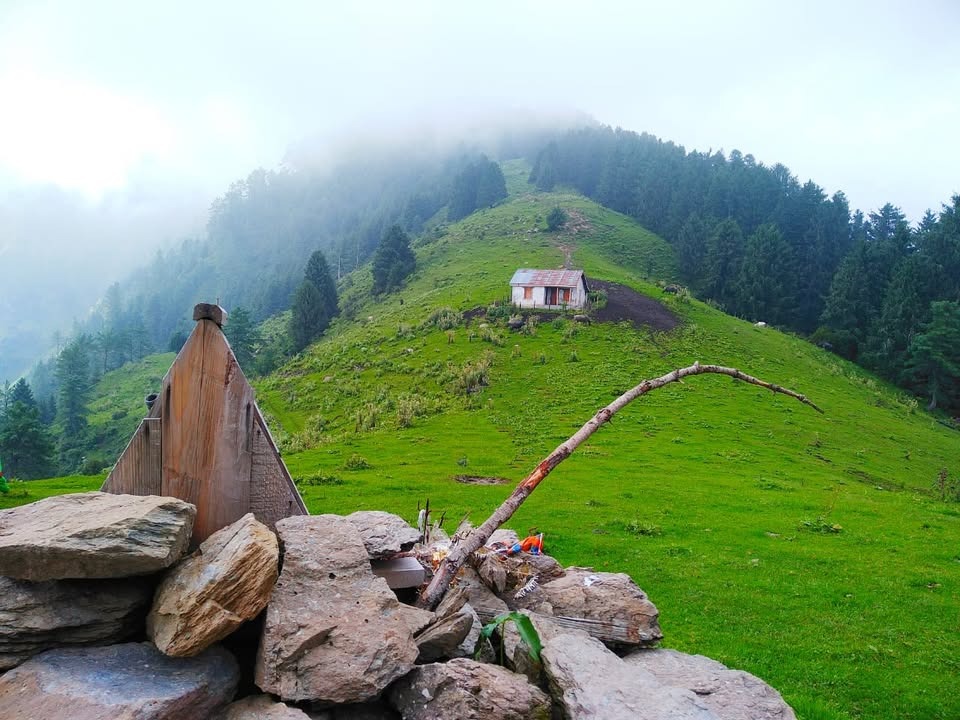
Image Source: Facebook/GamgulSiyabehiWildlifeSanctuary
About Gamgul Siyabehi Wildlife Sanctuary
Gamgul Siyabehi Wildlife Sanctuary is situated in the Bhandal Valley region of the Chamba district, right at the border of Himachal Pradesh and Jammu & Kashmir (now the Union Territory of Jammu & Kashmir and Ladakh).
A vital role in preserving rare Himalayan wildlife, the sanctuary is a paradise for nature lovers, wildlife enthusiasts and trekkers seeking an offbeat wilderness experience.
Geography and Location
The sanctuary spread over an area of 108 square kilometers. Its altitude ranges roughly between 2,400 meters and 4,300 meters above sea level, covering temperate forests, subalpine pastures, and rugged high-altitude terrains. The sanctuary forms part of the Pir Panjal Range, which acts as a natural divide between Chamba and the remote Pangi Valley.
The landscape is dramatic—steep ridges, alpine meadows, gushing streams, and snow-bound peaks create habitats for a variety of endangered Himalayan species.
Ecological Significance and Wildlife
Gamgul Siyabehi is the only sanctuary in Himachal Pradesh where the endangered Kashmir Stag (Hangul) is believed to be found, although sightings are extremely rare today. This makes it ecologically significant, as the Hangul’s primary population is otherwise confined to the Dachigam National Park near Srinagar.
Apart from the Hangul, the sanctuary is home to other important Himalayan fauna:
Himalayan Musk Deer: A rare and highly protected species prized for its musk pod.
Himalayan Tahr: Found grazing in the higher reaches.
Serow, Goral, and Bharal (Blue Sheep): Commonly spotted in rocky alpine areas.
Himalayan Black Bear and Brown Bear: Roam the forests and meadows.
Leopard and Snow Leopard: The elusive apex predators of these remote mountains.
Birdlife: The sanctuary supports many pheasants, like the Western Tragopan, Monal (state bird of Himachal Pradesh), Koklass Pheasant, and Himalayan Snowcock.
Dense coniferous forests of deodar, pine, fir, and birch, along with alpine pastures, provide the perfect habitat for this wildlife diversity.
History and Conservation
Gamgul Siyabehi Wildlife Sanctuary was notified in 1962 to protect the Hangul and other rare Himalayan species. The sanctuary’s remoteness and challenging terrain have kept it relatively undisturbed compared to other protected areas in the state. However, this remoteness also means less active conservation management and limited research.
Local Gaddi shepherds and villagers have traditionally used the meadows and forest fringes for grazing, which has coexisted with the wildlife for centuries.
Visiting Gamgul Siyabehi: What to See and Do
Due to its remoteness, Gamgul Siyabehi is not a typical tourist sanctuary with established safari trails. It’s a destination for serious nature enthusiasts, trekkers, and researchers who prefer rugged, offbeat Himalayan wilderness.
Things to do:
Wildlife Trekking: Explore the sanctuary on foot with a local guide. Spotting large mammals may require patience and luck due to the dense forests and elusive nature of the animals.
Photography: The sanctuary’s pristine landscapes and chance sightings of rare birds and animals make it a rewarding experience for wildlife photographers.
Village Experience: Visit nearby remote villages like Gamgul and Siyabehi to see the traditional Gaddi way of life.
Nature Walks: Hike along forest trails, alpine meadows, and streams to experience the diverse flora.
Camping: Camping is possible with proper permissions and local arrangements, offering unmatched Himalayan solitude under a canopy of stars.
Best Time to Visit
The best time to visit Gamgul Siyabehi is May to October, when the snow has melted and trails are accessible. Winter months are harsh, with heavy snowfall cutting off the area.
How to Reach
By Road
The sanctuary is located in the Bhandal Valley of Salooni Tehsil in Chamba district. The most common route is:
Pathankot → Chamba → Salooni → Bhandal → Gamgul Siyabehi Wildlife Sanctuary
Regular buses and taxis are available from Chamba to Salooni and Bhandal. The final stretch passes through winding mountain roads and offers spectacular views of forests and valleys. Chamba is approximately 80 km from the sanctuary region.
By Rail
The nearest major railway station is Pathankot Railway Station, which is well connected to Delhi, Chandigarh, Jammu, and other major Indian cities. From Pathankot, visitors can hire a taxi or take a bus to Chamba and then proceed towards Salooni and Bhandal.
By Air
The nearest airport is Kangra Airport (Gaggal Airport) near Dharamshala. From the airport, travelers can hire a taxi to Chamba and continue onward by road to the sanctuary.
Best Time to Visit
The ideal time to visit Gamgul Siyabehi Wildlife Sanctuary is from May to October, when the weather is pleasant and trekking routes remain accessible. During winter, heavy snowfall often makes parts of the region difficult to reach.
Nearby Attractions
Located in the remote Bhandal Valley of Chamba district, Gamgul Siyabehi Wildlife Sanctuary is surrounded by some of the most pristine and lesser-explored landscapes of Himachal Pradesh. The sanctuary itself is known for its dense deodar forests, alpine meadows, Himalayan wildlife, and rare species such as the Himalayan Tahr, Musk Deer, and the elusive Kashmir Stag (Hangul). It is also one of the few protected areas in Himachal where the presence of the Himalayan Brown Bear has recently been documented.
Bhandal Valley
Bhandal Valley is the gateway to the sanctuary and one of the most scenic regions in Chamba district. Surrounded by thick conifer forests, traditional Himalayan villages, and snow-clad peaks, the valley is ideal for trekking, birdwatching, and nature photography. The peaceful atmosphere and untouched landscapes make it a favorite among offbeat travelers.
Salooni
Situated about 30–40 km from the sanctuary region, Salooni is a charming hill town known for its panoramic Himalayan views. It serves as an important base for travelers heading towards Gamgul and Bhandal Valley. The town offers beautiful viewpoints, local markets, and traditional Himachali culture.
Chamera Lake
Located near Chamba, Chamera Lake is a picturesque reservoir surrounded by lush green hills. Visitors can enjoy boating, photography, and relaxing lakeside walks. The calm waters and mountain backdrop make it one of the most beautiful attractions in the district.
Bharmour
Often referred to as the “Land of Shiva,” Bharmour is famous for its ancient temples and rich Gaddi culture. The historic Chaurasi Temple Complex, consisting of numerous shrines dating back over a thousand years, is the town’s main attraction.
Chamba Town
The historic town of Chamba offers a blend of heritage, architecture, and culture. Attractions include the famous Lakshmi Narayan Temple, Bhuri Singh Museum, Chaugan Ground, and traditional Chamba handicrafts. It serves as an excellent stop for travelers exploring the region.
Dalhousie
Although slightly farther away, Dalhousie remains one of the most popular hill stations near the sanctuary. Colonial-era architecture, pine forests, and scenic viewpoints attract visitors throughout the year. Many travelers combine a visit to Dalhousie with excursions into the remote valleys of Chamba district.
Khajjiar
Known as the “Mini Switzerland of India,” Khajjiar is famous for its rolling meadows, dense cedar forests, and breathtaking mountain scenery. Adventure activities such as horse riding and zorbing are also available here.
Google Maps
FAQs
1. Where is Gamgul Siyabehi Wildlife Sanctuary located?
Gamgul Siyabehi Wildlife Sanctuary is located in the remote Bhandal Valley of Salooni Tehsil in the Chamba district of Himachal Pradesh. It lies close to the border of Jammu and Kashmir and forms an important part of the western Himalayan ecosystem.
2. Why is Gamgul Siyabehi Wildlife Sanctuary famous?
The sanctuary is famous for its rich biodiversity, dense conifer forests, alpine meadows, and rare Himalayan wildlife. It is particularly known for species such as the Himalayan Brown Bear, Musk Deer, Himalayan Tahr, Snow Leopard, and numerous Himalayan bird species.
3. What is the best time to visit the sanctuary?
The best time to visit is between May and October when the weather is pleasant and roads remain accessible. During winter, heavy snowfall may restrict travel to some areas.
4. Can tourists visit Gamgul Siyabehi Wildlife Sanctuary?
Yes, tourists can visit the sanctuary. Nature lovers, wildlife enthusiasts, birdwatchers, and trekkers often explore the area to experience its untouched Himalayan landscapes.
5. Are there any trekking opportunities in the sanctuary?
Yes, the sanctuary offers several trekking routes through forests, valleys, and alpine pastures. These trails provide excellent opportunities to observe wildlife and enjoy panoramic views of the surrounding mountains.
6. What kind of wildlife can be seen here?
Visitors may spot Himalayan Tahr, Musk Deer, Goral, Himalayan Black Bear, Himalayan Brown Bear, Leopard, Snow Leopard, and various species of pheasants and other Himalayan birds.
7. Is a permit required to enter the sanctuary?
Entry regulations may vary depending on the area and current forest department guidelines. It is advisable to check with the local Forest Department office in Chamba or Salooni before planning a visit.
8. Are accommodation facilities available near the sanctuary?
Basic accommodation is available in Salooni, Bhandal, and nearby villages. Travelers can also find guesthouses, homestays, and hotels in Chamba town, which offers more comfortable lodging options.
9. How far is the sanctuary from Chamba town?
Gamgul Siyabehi Wildlife Sanctuary is approximately 80 kilometers from Chamba town, though travel time can be longer due to mountainous roads and terrain.
10. Is the sanctuary suitable for family trips?
Yes, the sanctuary can be visited by families who enjoy nature and outdoor activities. However, due to its remote location and rugged terrain, visitors should be prepared for basic facilities and mountain travel conditions.