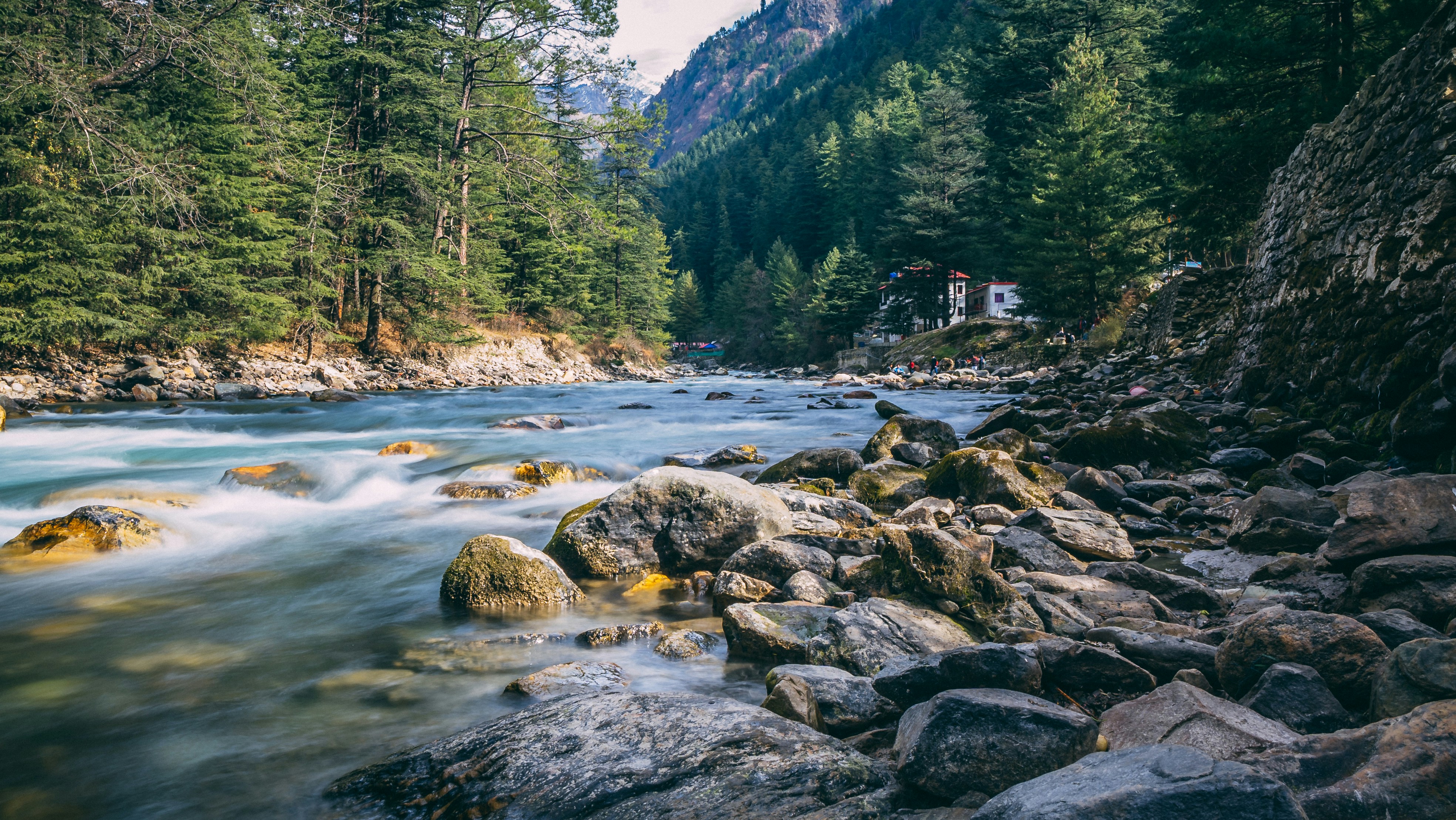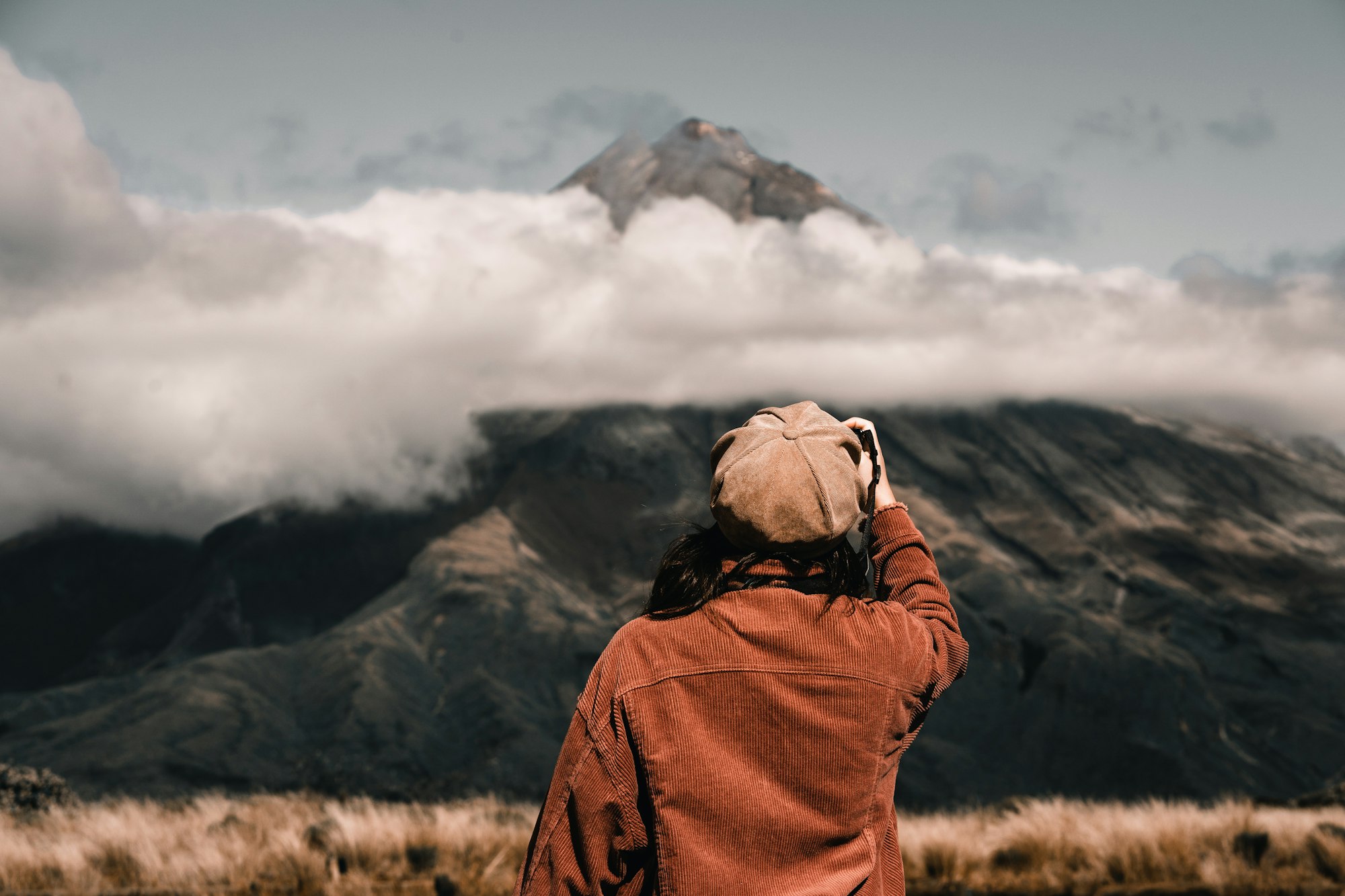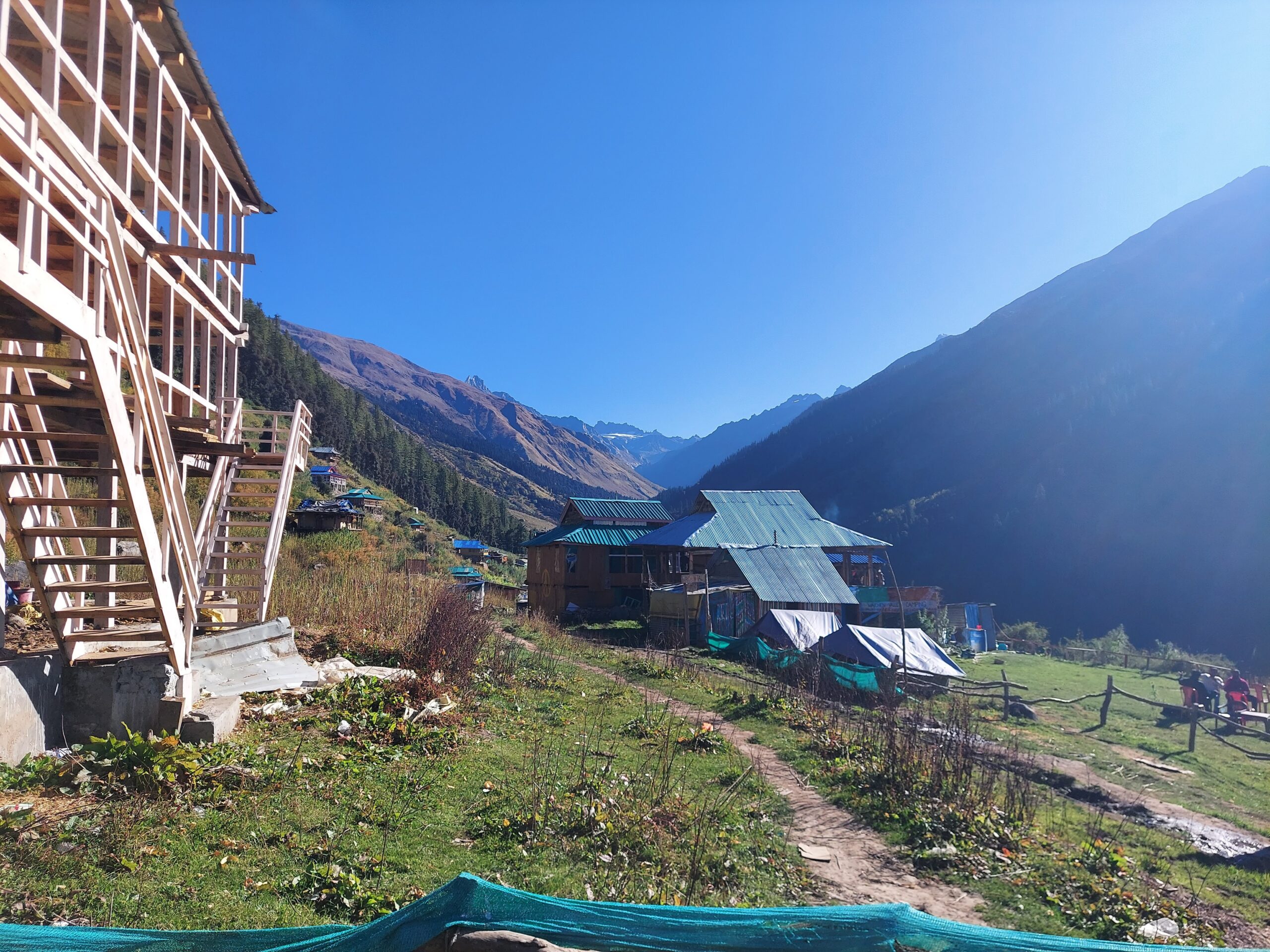
Image Source: Mrinmoy Goswami
About Rashol Pass
Nestled in the heart of Himachal Pradesh’s stunning Parvati Valley, Rashol Pass is part of a scenic trekking route that connects the remote village of Malana with the peaceful hamlets of Rashol, Kasol, and Jari. The Malana–Rashol Pass–Kasol trek is considered one of the most rewarding short Himalayan treks for travelers who want a mix of mountain scenery, local culture, forest trails, and village life without committing to a long or highly demanding expedition.
At an altitude of around 3,250 meters (10,660 feet), Rashol Pass offers breathtaking panoramic views of the surrounding Himalayan ridges, deep valleys, and thick forests that blanket the region. The trek is generally categorized as easy to moderate, making it suitable for beginners with decent fitness as well as experienced trekkers looking for a short escape into nature.
The route usually takes about three days to complete, though many travelers extend their stay in villages like Kasol or Rashol to enjoy the relaxed mountain atmosphere. The best months for this trek are from May to November, when the weather remains pleasant and the trails are mostly free from heavy snow. During winter, the pass often becomes inaccessible due to snowfall.
The Cultural Significance of the Region
One of the most fascinating aspects of this trek is the unique cultural journey it offers. The trek begins from Malana, one of the most mysterious and talked-about villages in the Himalayas. Surrounded by towering mountains and dense forests, Malana has preserved its distinct identity for centuries. The villagers are known for their ancient customs, traditional governance system, and strong devotion to Jamlu Rishi, the local deity believed to protect and guide the community.
Malana’s culture is deeply rooted in tradition, and visitors are expected to follow local rules carefully. Tourists are discouraged from touching temple walls, houses, or sacred structures. Carrying leather items near religious areas is also considered disrespectful. These customs are taken seriously by locals, and respecting them is an important part of traveling responsibly in the region.
As the trek moves beyond Malana, the atmosphere gradually changes. Rashol village feels quieter and more traditional, while Kasol introduces travelers to the lively backpacker culture that Parvati Valley has become famous for. This contrast between ancient Himalayan traditions and modern traveler culture makes the journey especially memorable.
Trek Overview
Day 1: Malana to Rashol Village
The trek begins from the steep terraced slopes of Malana. Soon after leaving the village behind, the trail enters dense forests filled with pine, oak, and rhododendron trees. The climb toward Rashol Pass is steady and scenic, with occasional openings that reveal magnificent views of the Parvati Valley far below.
The ascent to the pass generally takes around four to five hours depending on pace and weather conditions. As trekkers gain altitude, the terrain becomes steeper and slightly more rugged. Reaching Rashol Pass is one of the highlights of the journey. From the top, endless layers of Himalayan peaks stretch across the horizon, creating an unforgettable mountain panorama.
After spending some time at the pass, the trail descends sharply toward Rashol village, located at approximately 2,300 meters. The descent can be tiring on the knees, especially after rain, but the surrounding forests and peaceful atmosphere make it enjoyable. Near the village, green meadows, terraced fields, and small water streams create excellent camping spots.
Rashol itself is a quiet mountain village with traditional wooden houses and friendly locals. Unlike the busier tourist hubs nearby, Rashol still retains a calm and authentic Himalayan charm. Many trekkers choose to spend the evening relaxing around campfires while enjoying views of the surrounding mountains
.
Day 2: Rashol Village to Kasol
The second day involves a gentler descent from Rashol toward Kasol. The trail winds through thick deodar and pine forests, crossing small clearings, waterfalls, and rocky sections along the way. Birdsong, cool mountain air, and the scent of cedar trees make this part of the trek especially peaceful.
As trekkers move closer to Kasol, the landscape slowly transitions from isolated mountain wilderness to a more vibrant valley atmosphere. Kasol, situated along the banks of the Parvati River, is one of Himachal Pradesh’s most popular backpacking destinations.
Often called the “Mini Israel of India,” Kasol attracts travelers from around the world because of its laid-back environment, scenic riverside setting, and café culture. The town is known for its cozy guesthouses, riverside camps, live music cafés, and diverse food options ranging from Israeli dishes to local Himachali cuisine.
Many trekkers spend an extra day here to explore nearby villages such as Chalal, Tosh, or Grahan, or simply relax beside the roaring Parvati River.
Day 3: Kasol to Jari
The final section of the trek from Kasol to Jari is comparatively easy and relaxing. The route passes through small villages, pine groves, and apple orchards, offering a gentle conclusion to the adventure.
Jari is a small settlement located near the entrance to Malana Valley. From here, travelers can easily find buses and taxis toward Kullu, Bhuntar, or Manikaran. Many visitors also choose to stop at Manikaran Sahib, a famous pilgrimage destination known for its hot springs, temples, and Gurudwara.
The peaceful walk to Jari allows trekkers to slow down and absorb the beauty of the valley one last time before returning to city life.
What Makes the Rashol Pass Trek Special?
A Perfect Short Himalayan Trek
Unlike difficult high-altitude expeditions that require technical skills or long acclimatization periods, the Rashol Pass trek offers a manageable adventure that still delivers stunning mountain scenery. It is ideal for beginners who want their first Himalayan trekking experience.
A Blend of Culture and Nature
The route passes through villages that each have their own identity and atmosphere. From the ancient traditions of Malana to the peaceful simplicity of Rashol and the lively traveler culture of Kasol, the trek offers much more than just natural beauty.
Dense Forest Trails
One of the most enjoyable parts of the journey is walking through untouched forests filled with towering deodar trees, moss-covered rocks, and hidden clearings. During spring and early summer, colorful rhododendron blooms add even more beauty to the trail.
Gateway to Greater Adventures
The trek also serves as an introduction to the larger Parvati Valley region. Travelers who wish to continue exploring can extend their journey toward Kheerganga, Tosh, Pulga, Grahan, or even challenging expeditions like the Pin Parvati Pass trek.
Best Time to Visit Rashol Pass
The ideal trekking season is from May to November. During these months, the weather is generally clear, and the trails remain accessible.
- May to June: Pleasant temperatures, blooming forests, and clear mountain views.
- July to September: Lush green landscapes due to monsoon rains, though trails may become slippery.
- October to November: Crisp mountain air, fewer crowds, and excellent visibility.
Winter trekking is usually not recommended because heavy snowfall can block the pass and make navigation difficult.
Difficulty Level and Preparation
The Rashol Pass trek is considered moderate in difficulty. While beginners can complete it, a basic level of fitness is important because the trail includes steep ascents and descents.
Trekkers should carry:
- Good trekking shoes with grip.
- Warm clothing for cold evenings.
- Rain protection during monsoon months.
- Water bottles and energy snacks.
- A small medical kit.
- Flashlight or headlamp.
Hiring a local guide is often recommended, especially for first-time visitors, as certain forest sections can become confusing.
Responsible Travel Tips
Traveling in the Parvati Valley requires respect for both nature and local traditions. Visitors should avoid littering, minimize plastic use, and follow village customs carefully.
In Malana, maintaining respectful distance from religious structures and local homes is extremely important. Photography permissions should also be checked before taking pictures of villagers or sacred places.
Trekkers should also avoid loud music and unnecessary disturbance in forest and camping areas to preserve the peaceful mountain environment.
Google maps
FAQs
How difficult is the Rashol Pass trek?
The trek is generally considered easy to moderate. Beginners with average fitness can complete it comfortably, though some sections involve steep climbing and descending.
What is the altitude of Rashol Pass?
Rashol Pass stands at approximately 3,250 meters (10,660 feet) above sea level.
How many days are required for the trek?
Most trekkers complete the trek in three days, though many extend their stay in Kasol or nearby villages.
Is a guide necessary for the trek?
A guide is not mandatory, but hiring a local guide is recommended because some forest trails can be confusing, especially during fog or bad weather.
What is the best season for the trek?
The best time is from May to November. Snowfall during winter often blocks the route.
Can beginners do this trek?
Yes, beginners can attempt the trek if they have basic fitness and proper trekking gear.
Are there accommodation options on the route?
Yes, guesthouses, homestays, campsites, and small lodges are available in Rashol and Kasol.
Is the trek safe during monsoon season?
The trek can be done during monsoon months, but caution is necessary because trails may become slippery and prone to landslides.
Why is Malana famous?
Malana is known for its ancient traditions, unique culture, and strict social customs that have remained preserved for centuries.
What nearby places can be explored after the trek?
Travelers often continue toward Kheerganga, Tosh, Pulga, Grahan, Manikaran, or other destinations in the Parvati Valley.