Image Source: Tazeen Fatima
Valmiki Mandir, located near Mandir Marg in central Delhi, is a modest yet historically profound Hindu temple dedicated to Maharishi Valmiki, the revered sage and author of the Ramayana. Unlike grand temple complexes, this shrine is deeply significant for its social, cultural, and national importance, as it is closely associated with Mahatma Gandhi, who chose to stay here during one of the most sensitive phases of India’s history.
History
The Valmiki Mandir near Mandir Marg is traditionally associated with the Valmiki community, who regard Maharishi Valmiki as their spiritual ancestor and guiding figure. The temple has long served as a place of worship, community gathering, and cultural identity, especially for sanitation workers and marginalized communities in Delhi.
What sets this temple apart in India’s modern history is its direct connection with Mahatma Gandhi. After India’s independence in 1947, Gandhi deliberately chose to stay at the Valmiki Colony (then known as Bhangi Colony) adjacent to the temple, rather than at official government residences. His stay here was a powerful symbolic act aimed at challenging caste hierarchies and promoting social equality, dignity of labour, and inclusive nationalism.
Mahatma Gandhi’s Stay
Mahatma Gandhi lived near Valmiki Mandir between September 1947 and January 1948, during the turbulent period following Partition. His decision to stay among sanitation workers was a conscious moral statement. Gandhi believed that true freedom could not be achieved unless the most marginalized sections of society were treated with dignity and respect.
During his stay, Gandhi conducted prayer meetings, interacted closely with residents, and used the location as a platform to advocate communal harmony and social reform. The place where he stayed later became known as Gandhi Smriti of Valmiki Colony, making the Valmiki Mandir area an important landmark in India’s freedom movement and post-independence social history.
Religious and Spiritual Significance
The temple is dedicated to Maharishi Valmiki, revered as the Adi Kavi (first poet of Sanskrit literature). Valmiki’s transformation from a life of ignorance to enlightened authorship of the Ramayana symbolizes redemption, wisdom, and spiritual awakening. Devotees believe that worshipping here brings moral clarity, inner strength, and guidance on the path of righteousness.
The temple also represents inclusive Hindu spirituality, emphasizing that wisdom and holiness transcend birth, caste, and social status—an idea strongly aligned with Gandhian philosophy.
Architecture of Valmiki Mandir
Architecturally, Valmiki Mandir is simple and unpretentious, reflecting its community-oriented roots. The structure follows a straightforward North Indian temple style, with a modest sanctum housing the idol of Maharishi Valmiki, often depicted holding a manuscript symbolizing the Ramayana.
The temple prioritizes function and devotion over ornamentation, with open prayer spaces, minimal decorative elements, and an atmosphere conducive to quiet reflection. This simplicity reinforces both the spiritual teachings of Valmiki and the ethical ideals of Mahatma Gandhi, who believed in austere living and moral strength.
Social and Cultural Role
Beyond religious worship, Valmiki Mandir has long functioned as a center for social cohesion and cultural identity. It plays an important role during Valmiki Jayanti, when devotees organize prayers, processions, and cultural programs celebrating the sage’s life and teachings.
The temple also stands as a reminder of India’s ongoing journey toward social justice and equality, carrying forward the reformist ideals advocated by Gandhi during his stay in the area.
How to Reach
Valmiki Mandir is centrally located and easily accessible:
By Metro:
The nearest metro station is Mandir Marg Metro Station (Blue Line), from where the temple is a short walk.
By Road:
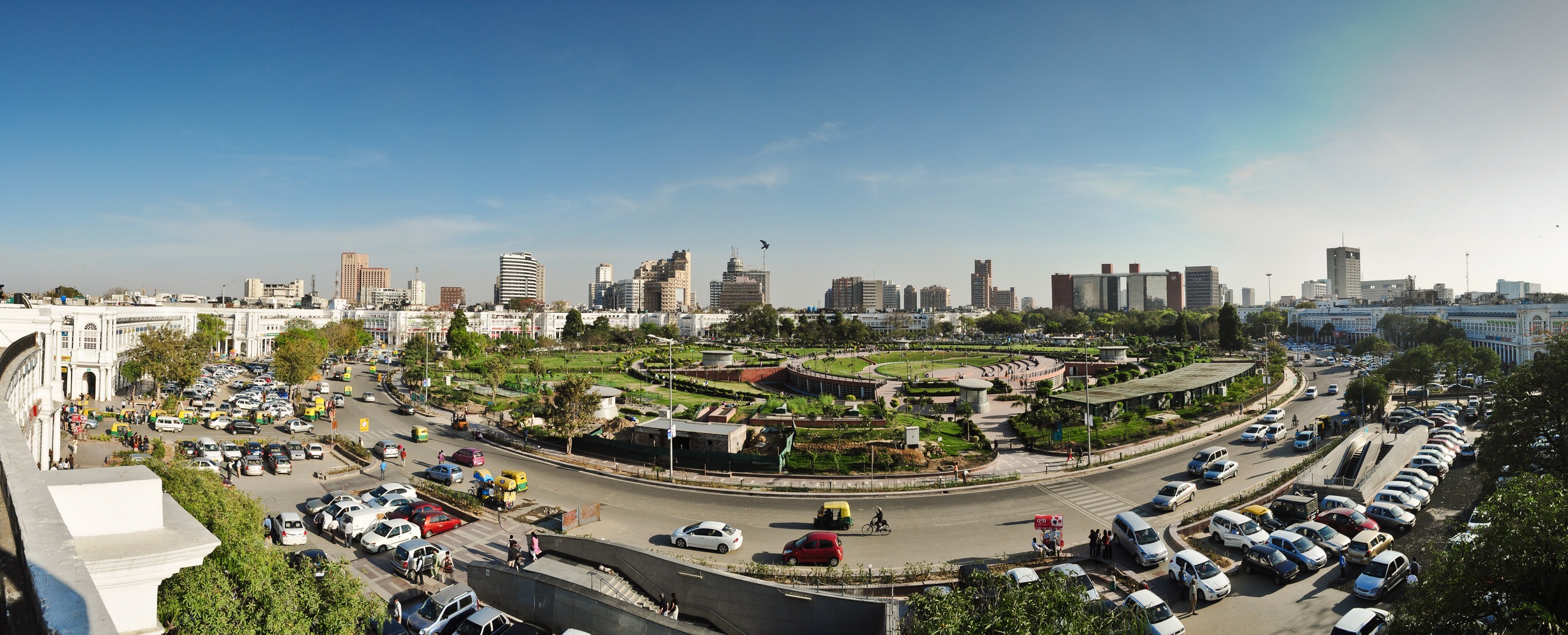
Well connected via Connaught Place, Gole Market, and RML Hospital Road. Autos and taxis are easily available.
By Bus:
Several DTC bus routes pass through Mandir Marg and nearby areas.
Nearby Landmarks
Visitors often combine a visit to Valmiki Mandir with:
Gandhi Smriti
Birla Mandir (Laxminarayan Temple)
Connaught Place
Gole Market
RML Hospital area
Why Valmiki Mandir Matters Today
Valmiki Mandir is not just a religious site—it is a living symbol of moral courage, social reform, and inclusive spirituality. Its association with Maharishi Valmiki represents spiritual enlightenment, while Mahatma Gandhi’s stay here elevates it to a landmark of ethical leadership and national conscience.