Image Source: ARUN KUMAR NABERIA
About Gandhi Hall
Among the many historic landmarks that define the cultural identity of Indore, Gandhi Hall stands out as one of the city’s most iconic buildings. Located just about a kilometre from the busy Indore Junction railway station, this magnificent structure instantly captures attention with its grand clock tower, red-and-white façade, and old-world architectural beauty. Whether you are a history enthusiast, architecture lover, or simply exploring the city, Gandhi Hall deserves a place on your travel itinerary.
More than just a historical monument, Gandhi Hall reflects the royal legacy and cultural richness of Indore. Over the decades, it has remained an important gathering place for exhibitions, fairs, cultural events, and public celebrations, making it both a historical treasure and a living part of the city’s social life.
History of Gandhi Hall
The story of Gandhi Hall dates back to the early 20th century during the rule of the Holkar dynasty. Originally known as King Edward Hall, the building was inaugurated in 1905 by the Prince of Wales, who later became King George V. The structure was designed by renowned architect Charles Frederick Stevens from Mumbai, the same architect associated with several famous colonial-era buildings in India.
Construction of the hall was completed in 1904 at an estimated cost of ₹2.5 lakh, which was considered a substantial amount during that period. After India gained independence, the building was renamed Gandhi Hall in 1948 by Maharaja Yeshwantrao Holkar II as a tribute to Mahatma Gandhi.
Since then, Gandhi Hall has become an important symbol of the city’s heritage and cultural evolution. It not only represents colonial-era architecture but also tells the story of Indore’s transformation through history.
Architectural Beauty of Gandhi Hall
One of the biggest attractions of Gandhi Hall is its stunning Indo-Gothic architecture. The building beautifully combines Indian artistic influences with Gothic design elements introduced during the British period. Its grand arches, ornamental windows, high ceilings, and intricately designed pillars give the structure a majestic appearance.
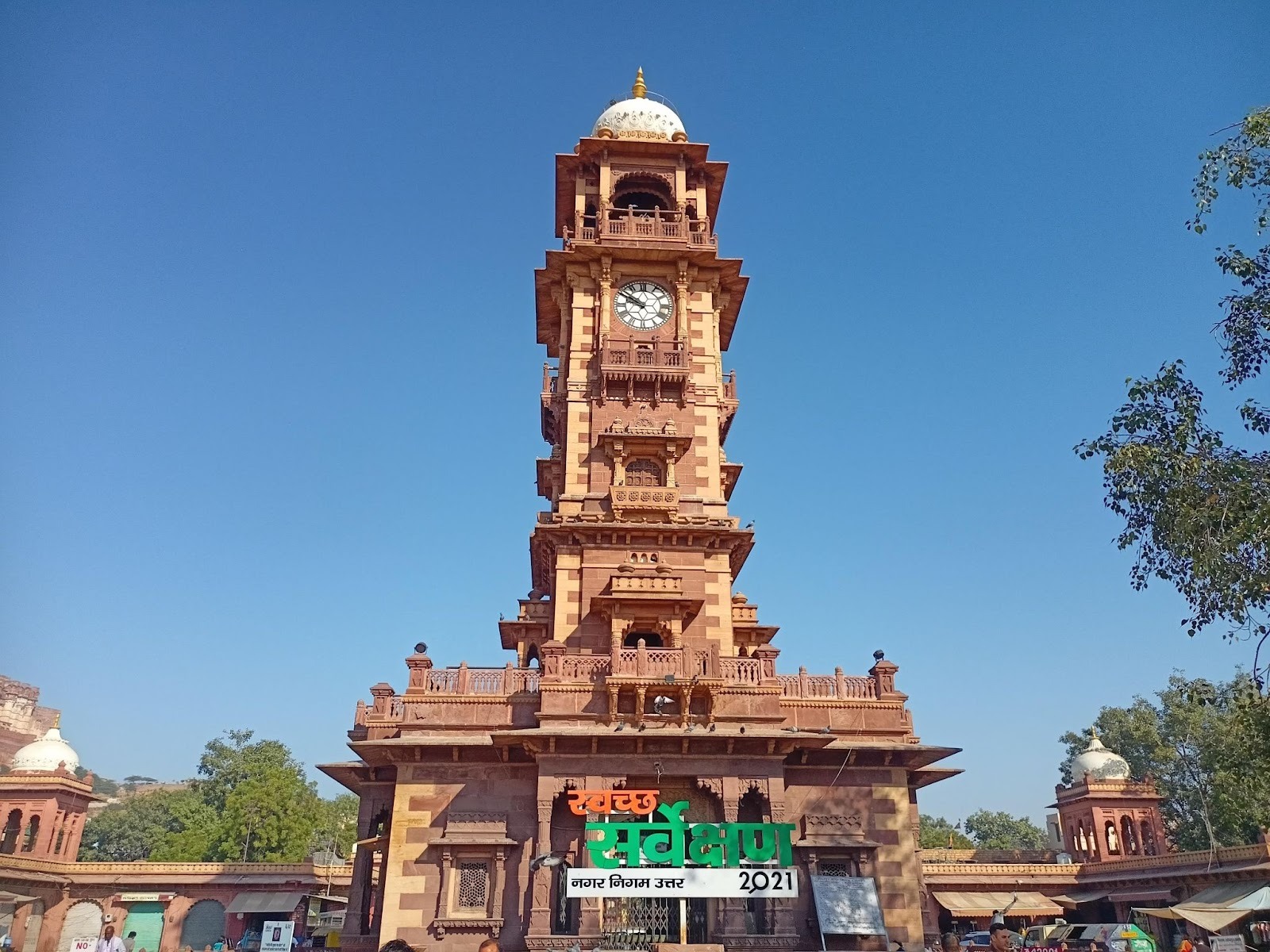
The hall was primarily built using Seoni stone, known for its strength and durability. The reddish tones of the stone add warmth and elegance to the building’s exterior. Perhaps the most recognizable feature of Gandhi Hall is its towering clock tower, locally referred to as the Ghantaghar. The illuminated clock tower becomes especially captivating during national celebrations such as Independence Day, Republic Day, and Gandhi Jayanti.
Inside the hall, visitors can admire decorative columns, detailed carvings, spacious galleries, and a massive central auditorium that showcases the craftsmanship of that era. The blend of European and Indian design styles makes the monument architecturally unique in Central India.
Cultural Importance of Gandhi Hall
Over the years, Gandhi Hall has evolved into one of the major cultural centres of Indore. The spacious central hall can accommodate nearly 2,000 people, making it an ideal venue for large gatherings and public events.
Several exhibitions, fairs, and festivals are regularly organized here. Popular events include handicraft exhibitions, book fairs, trade fairs, art displays, and seasonal cultural programs. The famous “Jatra” events and mango fairs also attract large crowds from across the city.
For many residents of Indore, Gandhi Hall is not just a tourist attraction but also a place associated with memories of social gatherings, performances, and celebrations. Even today, the venue remains active and vibrant, hosting seminars, workshops, wedding functions, and cultural programs throughout the year.
Attractions Within the Premises
The Gandhi Hall complex offers more than just the main building. Visitors can also explore several smaller attractions located within the premises, including:
- A public library for readers and researchers.
- A small temple that adds a spiritual touch to the area.
- A children’s park where families can relax.
- Open spaces used for fairs and exhibitions.
The surrounding gardens and open grounds make the location pleasant for leisurely walks and photography.
Best Time to Visit Gandhi Hall
Gandhi Hall can be visited throughout the year, but the best time to explore the monument is during the winter season, from October to February. During these months, the weather in Indore remains cool and comfortable, making sightseeing more enjoyable.
Evening visits are particularly rewarding because the building looks especially beautiful under decorative lighting. If possible, try visiting during a cultural exhibition or festival to experience the lively atmosphere of the venue.
How to Reach Gandhi Hall
Gandhi Hall enjoys a central location in Indore and is easily accessible from different parts of the city.
- By Train: It is located just about 1 km from Indore Junction railway station.
- By Air: The nearest airport is Devi Ahilya Bai Holkar Airport, around 8–10 km away.
- By Road: Local buses, taxis, and auto-rickshaws are easily available throughout the city.
Because of its convenient location, Gandhi Hall is often included in local sightseeing tours of Indore.
Why Gandhi Hall is Worth Visiting
Gandhi Hall is more than a historical building—it is a symbol of Indore’s architectural elegance, royal heritage, and cultural life. The structure beautifully preserves the charm of the colonial era while continuing to serve the people of the city in modern times.
Whether you want to admire heritage architecture, learn about the history of Indore, attend a cultural event, or simply enjoy the atmosphere of an iconic landmark, Gandhi Hall offers a memorable experience for every visitor.
How to Reach

By Car: If you’re travelling by car, you can take the AB Road, which is well-connected to other cities in Madhya Pradesh and neighboring states. You can park your car in the parking lot located near Gandhi Hall.

By Train: Indore Junction is the nearest railway station to Gandhi Hall, which is just 1 km away. Indore Junction is well-connected to major cities like Mumbai, Delhi, Kolkata, and Ahmedabad. You can hire a taxi or an auto-rickshaw from the station to reach Gandhi Hall.

By Air: Devi Ahilyabai Holkar International Airport in Indore is the nearest airport, located approximately 8 km away from Gandhi Hall. The airport is well-connected to major cities like Delhi, Mumbai, Bangalore, and Hyderabad. From the airport, you can take a taxi or a bus to reach Gandhi Hall.
Nearby Attractions
Rajwada Palace
Located in the heart of Indore, Rajwada Palace is one of the city’s most iconic landmarks. This seven-story historic palace reflects a blend of Maratha, Mughal, and French architectural styles and offers visitors a glimpse into the royal legacy of the Holkar dynasty.
Lal Bagh Palace
A short drive from Gandhi Hall, Lal Bagh Palace is known for its grand architecture, lavish interiors, and impressive collection of artifacts. The palace showcases the opulence of the Holkar rulers and remains one of Indore’s most visited heritage sites.
Central Museum (Indore Museum)
History enthusiasts can explore the Central Museum, which houses an extensive collection of sculptures, coins, weapons, and archaeological artifacts from different periods of Madhya Pradesh’s history.
Khajrana Ganesh Temple
One of Indore’s most revered religious sites, Khajrana Ganesh Temple attracts thousands of devotees every year. The temple is known for its peaceful atmosphere and beautiful architecture.
Sarafa Bazaar
Famous for its vibrant street food scene, Sarafa Bazaar transforms into a bustling food market after sunset. Visitors can enjoy local delicacies such as poha, bhutte ka kees, garadu, and jalebi.
56 Dukan
A popular food hub in Indore, 56 Dukan is known for its variety of snacks, sweets, and local specialties. It is an ideal place to experience the city’s rich culinary culture.
Annapurna Temple
Dedicated to Goddess Annapurna, this beautifully designed temple is known for its impressive entrance inspired by South Indian temple architecture and its serene surroundings.
Kamla Nehru Prani Sangrahalaya (Indore Zoo)
A family-friendly attraction, the Indore Zoo is home to a variety of animals, birds, and reptiles, making it a popular destination for visitors of all ages.
FAQs
Where is Gandhi Hall located?
Gandhi Hall is located in the heart of Indore, Madhya Pradesh, about 1 kilometre from Indore Junction railway station.
What was Gandhi Hall originally called?
Originally, the building was known as King Edward Hall before being renamed Gandhi Hall in 1948.
Who designed Gandhi Hall?
The hall was designed by architect Charles Frederick Stevens, who was known for designing several notable buildings during the British era.
What is the architectural style of Gandhi Hall?
The building follows the Indo-Gothic architectural style, combining Gothic design with Indian artistic elements.
What events are held at Gandhi Hall?
Gandhi Hall hosts exhibitions, cultural programs, fairs, seminars, public gatherings, handicraft shows, book fairs, and wedding events.
What is the best time to visit Gandhi Hall?
The best time to visit is between October and February when the weather in Indore is pleasant.
Is Gandhi Hall suitable for photography?
Yes, Gandhi Hall is a popular spot for photography because of its striking architecture and historic ambience.
Are there any attractions near Gandhi Hall?
Yes, visitors can explore nearby markets, local food streets, temples, and other historical attractions in Indore.