Image Source: Aslam Khan
About Taragarh Fort, Ajmer
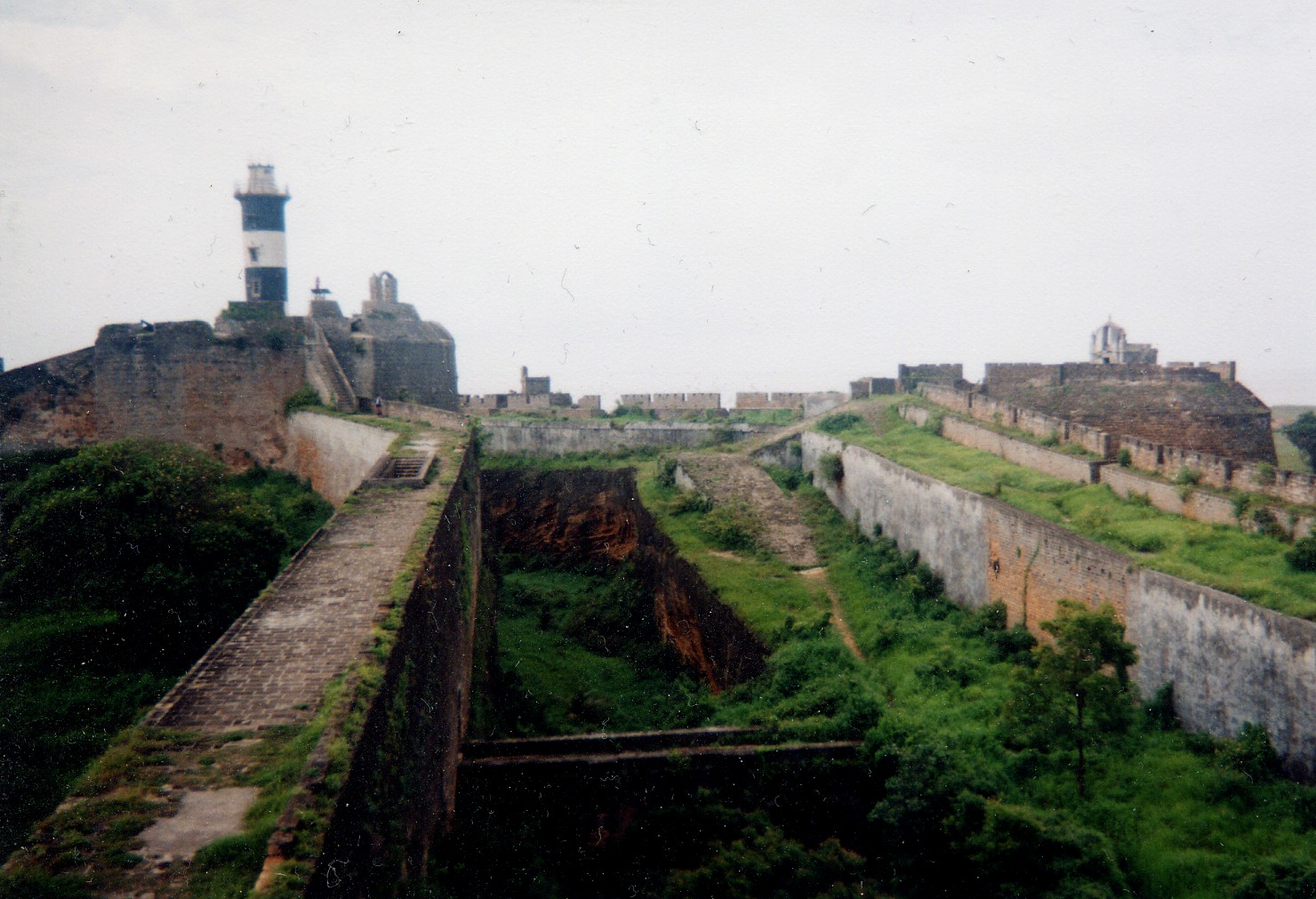
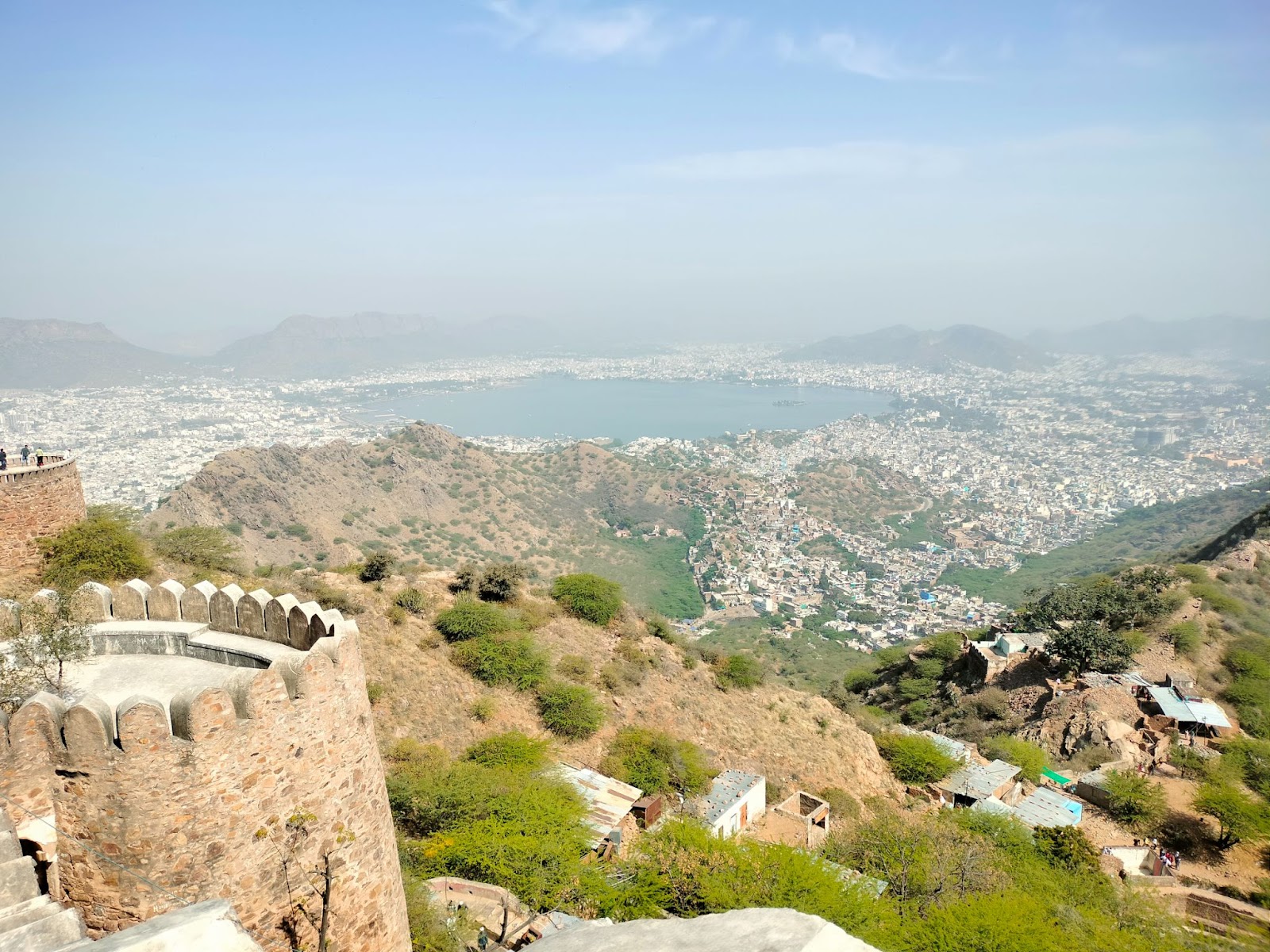
Perched high on the rugged slopes of the Nagpahri Hills, Taragarh Fort is one of the oldest hill forts in India and a striking reminder of Ajmer’s layered history. From the top, the fort offers sweeping views of the city, especially during sunrise and sunset when the landscape glows in golden tones. Located just about 3.5 km from Ajmer Junction Railway Station, it is a popular spot for both history lovers and casual travellers looking for a short uphill adventure.
Unlike many well-restored forts, Taragarh retains a raw, weathered charm—its crumbling walls, winding paths, and silent bastions still echo stories from centuries past.
History of Taragarh Fort
The history of Taragarh Fort stretches back to early medieval times, making it one of the earliest hill forts built in the region. Over the centuries, it witnessed repeated conflicts and power struggles between Rajput rulers and invading forces.
One of the early major assaults on the fort is believed to have occurred during the campaigns of Muslim armies in the region, when the local ruler King Durlabhraj I faced intense pressure. Historical accounts also mention the tragic episode of Jauhar performed by the queen, a reflection of the brutal warfare traditions of that era.
Later, in the 15th century, the fort again became strategically important when Prithviraj (associated with the Mewar lineage) is said to have captured it after defeating Governor Mallu Khan. These layers of conquest and resistance give Taragarh its deeply textured historical identity.
Architecture and Key Features
Taragarh Fort is designed as a defensive stronghold, built to withstand prolonged sieges. It originally featured around 14 bastions, many of which still stand in partial ruins today, giving visitors a glimpse into its military strength.
The main access points include gates such as Lakshmi Pol, Phuta Darwaza, and Gagudi ki Phatak. While several entrances have deteriorated over time, they still reflect the strategic planning of Rajput-era fort architecture.
Inside the complex, you’ll also find the revered shrine of Miran Saheb Dargah, dedicated to a saint who is believed to have lost his life during a conflict in 1202. This blend of military architecture and spiritual presence gives the fort a unique cultural depth.
Another notable aspect is its self-sustaining design—historically, the fort had water storage systems and provisions that allowed it to survive long sieges.
How to Reach Taragarh Fort
Reaching Taragarh Fort is fairly straightforward, though the final stretch requires a bit of effort.
- By Train: The nearest major railhead is Ajmer Junction Railway Station, well connected to Jaipur, Delhi, and other major cities. From here, you can hire an auto or taxi to the base of the hill.
- By Road: Ajmer is well connected via NH routes, and local taxis or auto-rickshaws can drop you close to the foothill near Adhai Din Ka Jhonpra Mosque.
- On Foot or Jeep: From the base, visitors can either take a jeep ride or choose a scenic 1.5-hour uphill trek. The trekking route starts near Adhai Din Ka Jhonpra and passes through rocky terrain, offering beautiful views along the way.
Nearby Attractions
If you are visiting Taragarh Fort, there are several interesting places nearby that you can easily include in your itinerary:
- Adhai Din Ka Jhonpra Mosque – A remarkable Indo-Islamic architectural marvel.
- Ajmer Sharif Dargah – One of the most revered Sufi shrines in India.
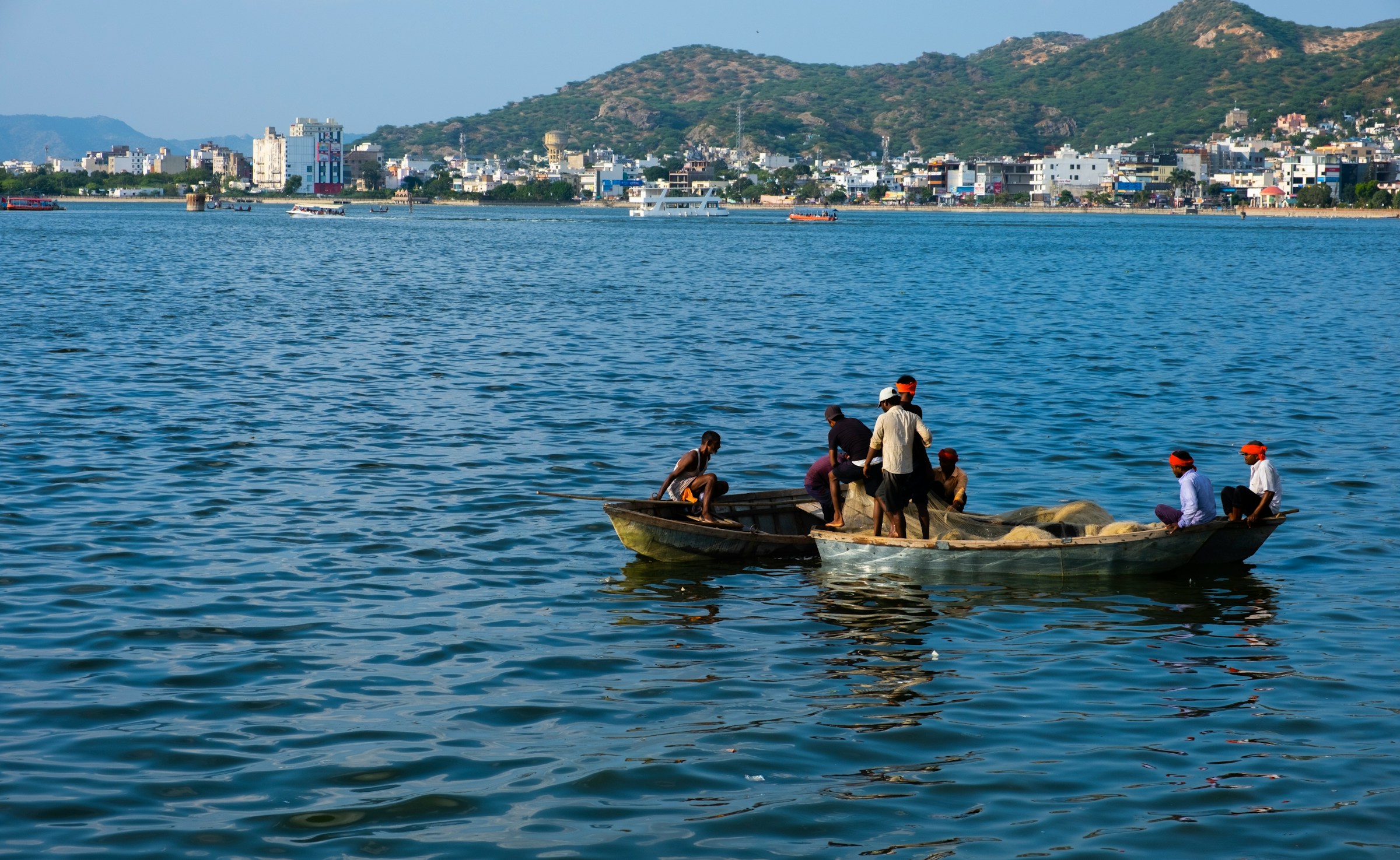
- Ana Sagar Lake – A peaceful lake ideal for evening walks and photography.
- Akbari Fort and Museum – Showcasing Mughal-era artifacts and regional history.
- Mayo College – One of India’s oldest and most prestigious boarding schools with colonial architecture.
Visiting Information
- Timings: 9:00 AM – 6:30 PM.
- Best Time to Visit: Early morning or late afternoon for pleasant weather and better views.
- Entry: Open to visitors throughout the week.
Map
FAQs
Q1. How difficult is the climb to Taragarh Fort?
The trek is moderately challenging and takes around 1–1.5 hours depending on pace. Jeep rides are available for those who prefer not to walk.
Q2. Is Taragarh Fort safe for tourists?
Yes, it is generally safe during daylight hours. However, it’s best to avoid visiting after sunset due to uneven terrain.
Q3. What is the best time to visit Taragarh Fort?
October to March is ideal when the weather in Ajmer is cooler and more comfortable for trekking.
Q4. Are guides available at the fort?
Local guides are sometimes available near the base, especially during peak tourist season.