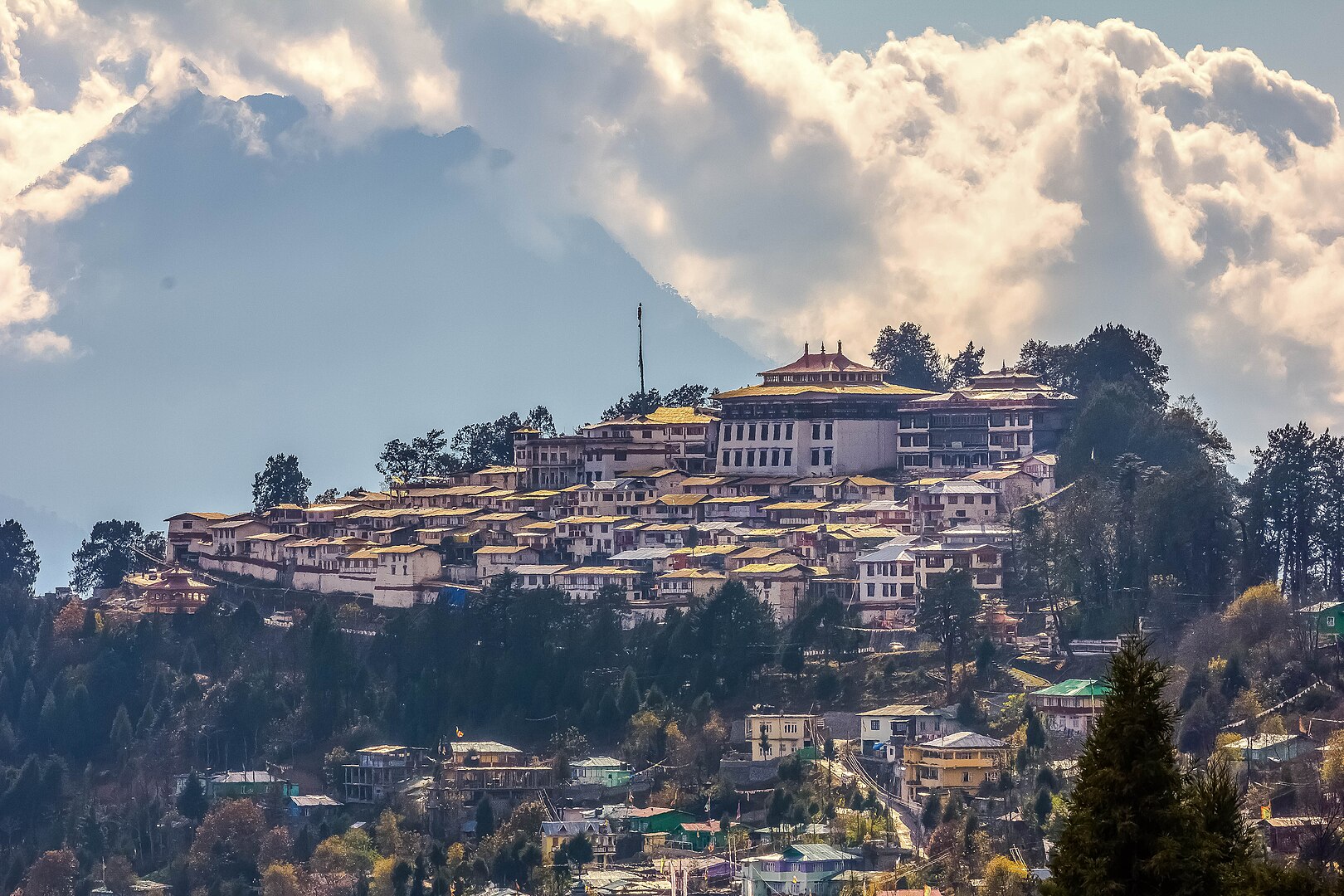

Image Source: Sakshi Sharma
About Dorje Drak Monastery
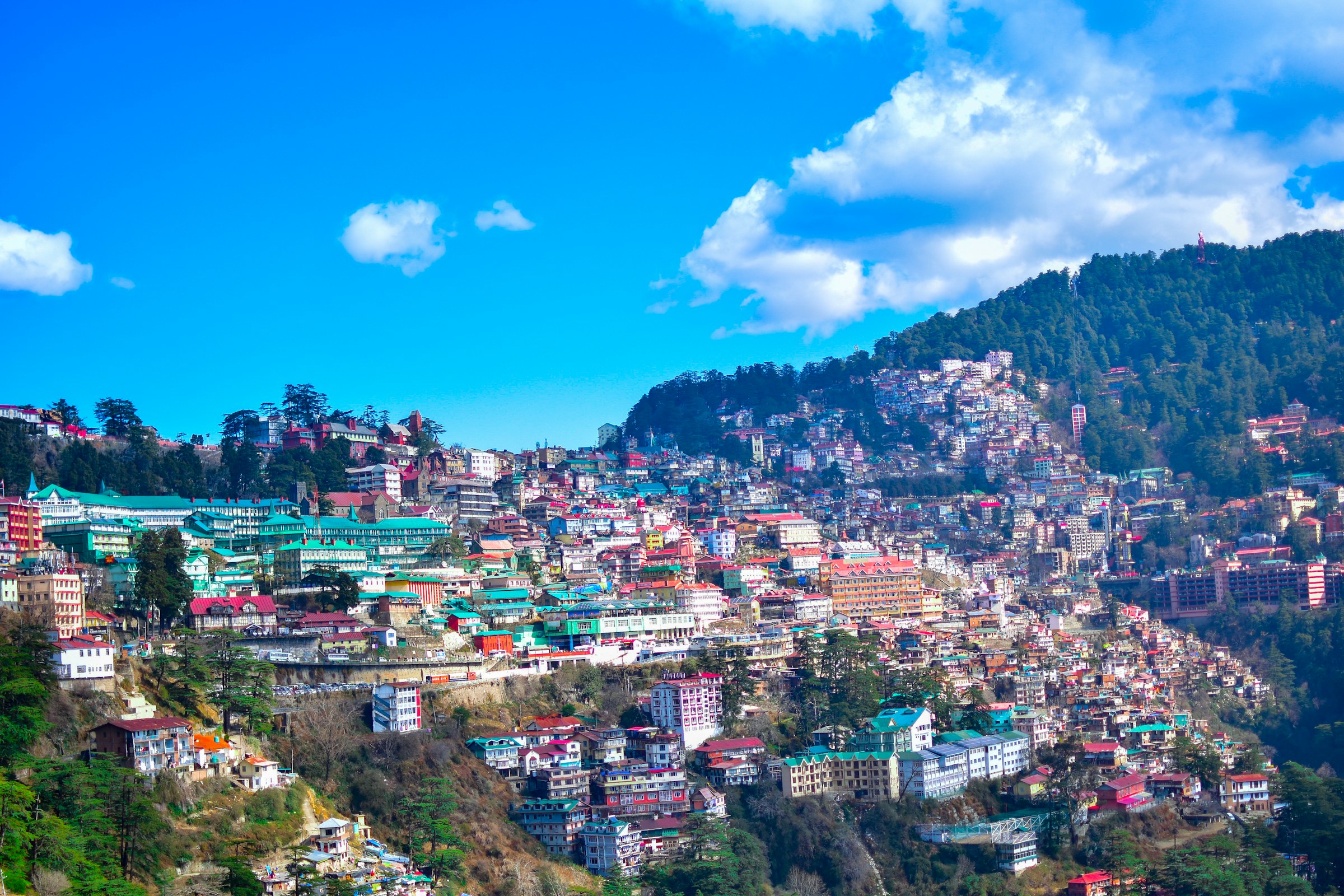
Nestled amidst the peaceful hills of Kasumpti in Shimla, Dorje Drak Monastery is one of the most beautiful and spiritually significant Buddhist monasteries in the region. Popularly known as the TDAC Nyingmapa Monastery, this serene religious site reflects the deep-rooted influence of Tibetan culture and Buddhism in the Himalayan region.
Located around 7 km from Shimla Old Bus Stand and approximately 8 km from the Shimla Railway Station, the monastery attracts both devotees and travelers looking for peace, spirituality, and cultural insight. Surrounded by lush greenery and calm mountain landscapes, the monastery offers a soothing escape from the busy atmosphere of the city.
Spiritual Atmosphere and Cultural Significance
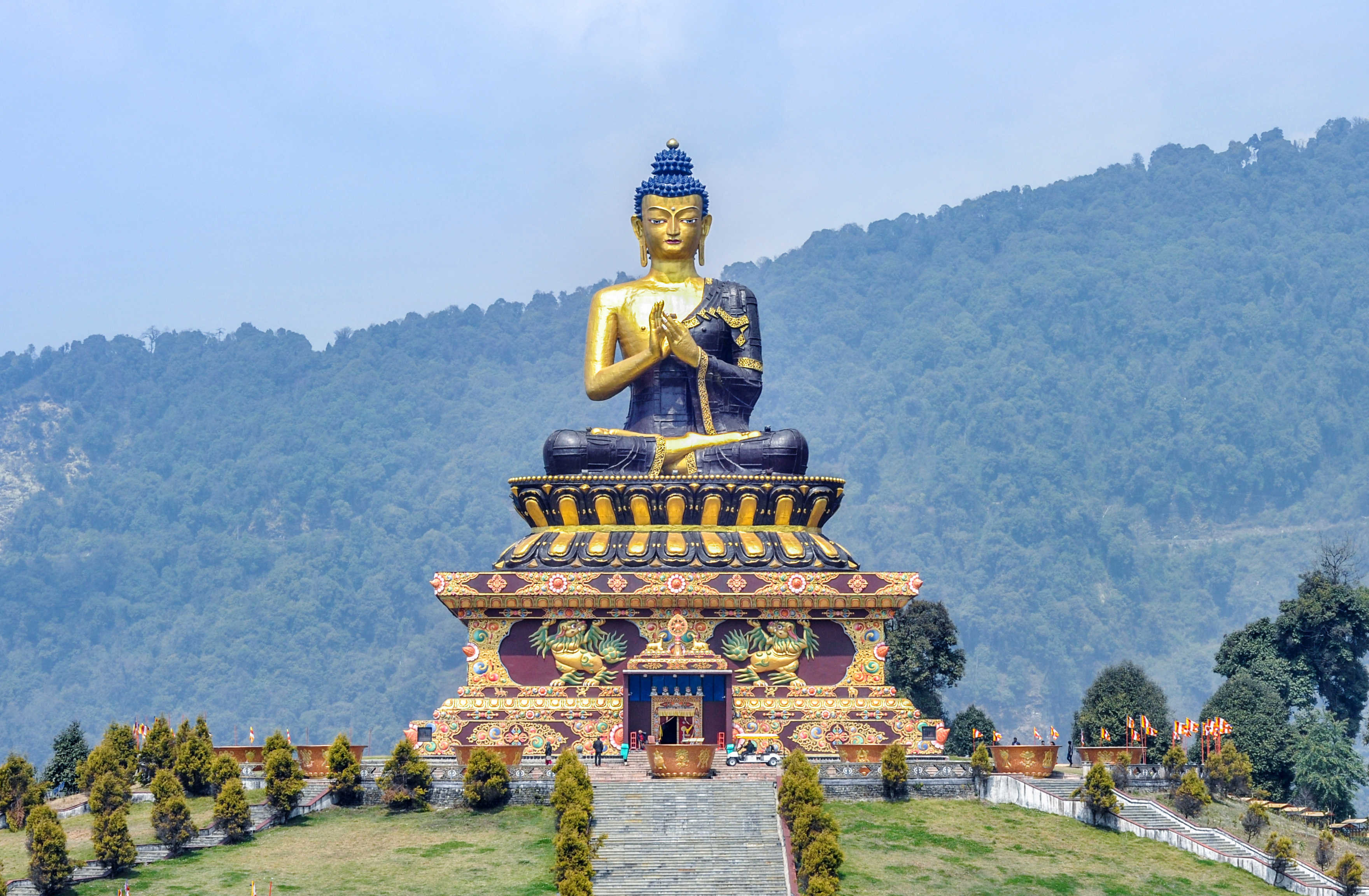
Dorje Drak Monastery is widely admired for its tranquil environment and spiritual energy. Visitors are often welcomed by the calming sound of prayer chants, fluttering prayer flags, and monks quietly engaged in meditation and religious practices. The peaceful ambiance makes it an ideal place for meditation, self-reflection, and inner peace.
Managed by Tibetan exiles, the monastery serves not only as a religious center but also as an important symbol of Tibetan heritage and resilience. The monastery beautifully preserves Tibetan traditions, rituals, art, and teachings, allowing visitors to experience authentic Buddhist culture in the heart of Himachal Pradesh.
History of Dorje Drak Monastery
The monastery belongs to the ancient Nyingma school of Tibetan Buddhism, which is regarded as the oldest of the four major schools of Tibetan Buddhist traditions.
The monastery was established under the guidance of Kyabje Taklung Tsetrul Rinpoche, a highly respected spiritual leader who migrated from Tibet in 1959 following the Chinese invasion of Tibet. After leaving Tibet, he sought to preserve Buddhist teachings and traditions in exile.
Originally, the monastery in Tibet was known for its strong square and rectangular architectural design. Later, in 1984, Tsetrul Rinpoche established the present monastery in Shimla, recreating a sacred spiritual center for Tibetan Buddhists living in exile.
Today, the monastery stands as a remarkable symbol of faith, perseverance, and cultural preservation.
Architecture and Interior Beauty
Dorje Drak Monastery is a fine example of traditional Tibetan Buddhist architecture. The monastery features colorful prayer wheels, vibrant murals, beautifully painted walls, and sacred Buddhist symbols that create a deeply spiritual atmosphere.
Inside the monastery, visitors can admire statues of Buddhist deities, intricate thangka paintings, and ornate decorations that reflect centuries-old Tibetan artistic traditions. The peaceful prayer hall, filled with butter lamps and incense, creates a calming and meditative environment.
The monastery’s hilltop setting also offers scenic views of Shimla and the surrounding Himalayan landscape, making it a wonderful place for photography and quiet contemplation.
Hemis Festival Celebration
One of the most important events celebrated at the monastery is the vibrant Hemis Festival, held every year during the month of May in honor of Guru Padmasambhava, also known as Guru Rinpoche.
During the festival, the monastery comes alive with colorful decorations, traditional rituals, sacred mask dances, prayers, and cultural performances. Monks and devotees gather to celebrate the teachings and legacy of Guru Padmasambhava, attracting a large number of tourists and pilgrims from different parts of India and abroad.
The festival provides visitors with a unique opportunity to witness Tibetan Buddhist traditions and spiritual ceremonies up close.
Best Time to Visit
The monastery can be visited throughout the year, but the months from March to June and September to November are considered the best due to pleasant weather and clear mountain views.
Visitors planning to experience the monastery’s cultural vibrancy should consider visiting during the Hemis Festival in May.
Visiting Details
- Location: Kasumpti, Shimla, Himachal Pradesh.
- Distance from Shimla Old Bus Stand: Approximately 7 km.
- Distance from Shimla Railway Station: Approximately 8 km.
- Timings: 10:00 AM to 5:00 PM.
- Entry Fee: Usually free for visitors.
How to Reach Dorje Drak Monastery
Dorje Drak Monastery is well-connected by road from different parts of Shimla. Visitors can hire local taxis, private cabs, or use public transport to reach Kasumpti. The route to the monastery is scenic and passes through beautiful pine-covered hills and peaceful residential areas.
Map and Location
FAQs
1. Where is Dorje Drak Monastery located?
The monastery is located in Kasumpti, Shimla, Himachal Pradesh.
2. What is Dorje Drak Monastery famous for?
It is famous for its peaceful atmosphere, Tibetan Buddhist culture, beautiful architecture, and spiritual significance.
3. Which school of Buddhism does the monastery belong to?
The monastery belongs to the Nyingma school of Tibetan Buddhism.
4. Who established Dorje Drak Monastery?
The monastery was established under the guidance of Kyabje Taklung Tsetrul Rinpoche after his migration from Tibet.
5. What is the best time to visit the monastery?
The best time to visit is between March and June or during the Hemis Festival in May.
6. Is there an entry fee for visiting the monastery?
No, visitors can usually enter the monastery free of charge.
7. Can tourists attend the Hemis Festival?
Yes, the festival is open to visitors and is one of the best times to experience Tibetan Buddhist culture and rituals.
8. Is photography allowed inside the monastery?
Photography may be allowed in certain areas, but visitors should always seek permission and maintain respect for religious practices.