Image Source: Gayatri Karande
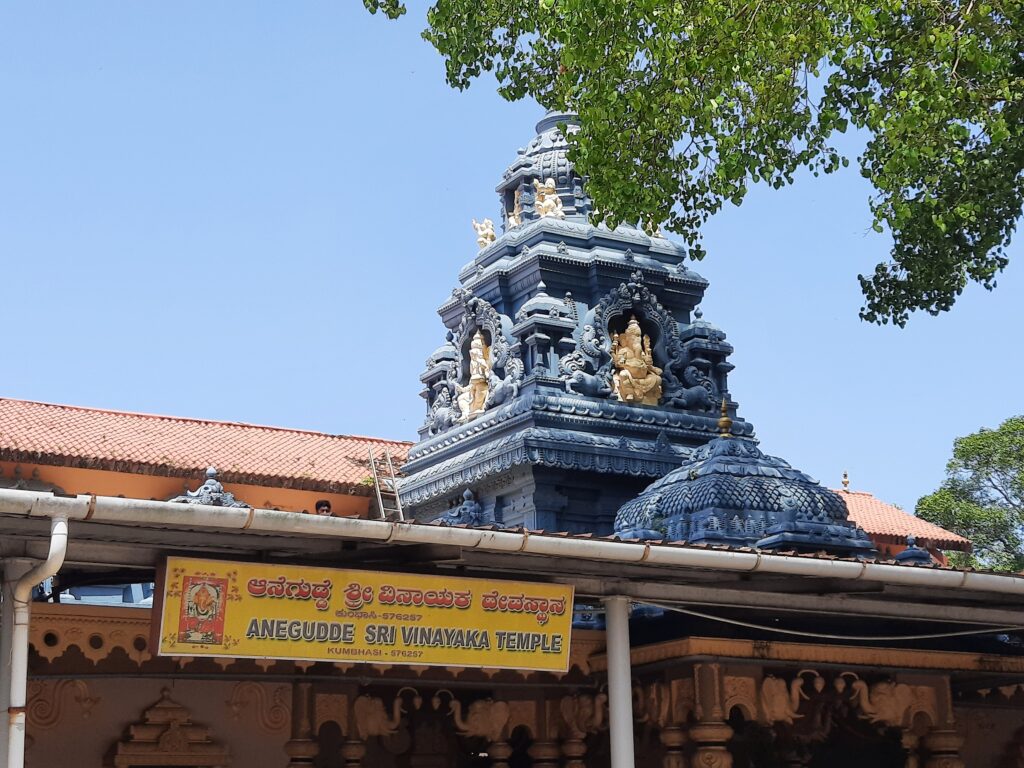
Anegudde Vinayaka Temple, Kumbashi
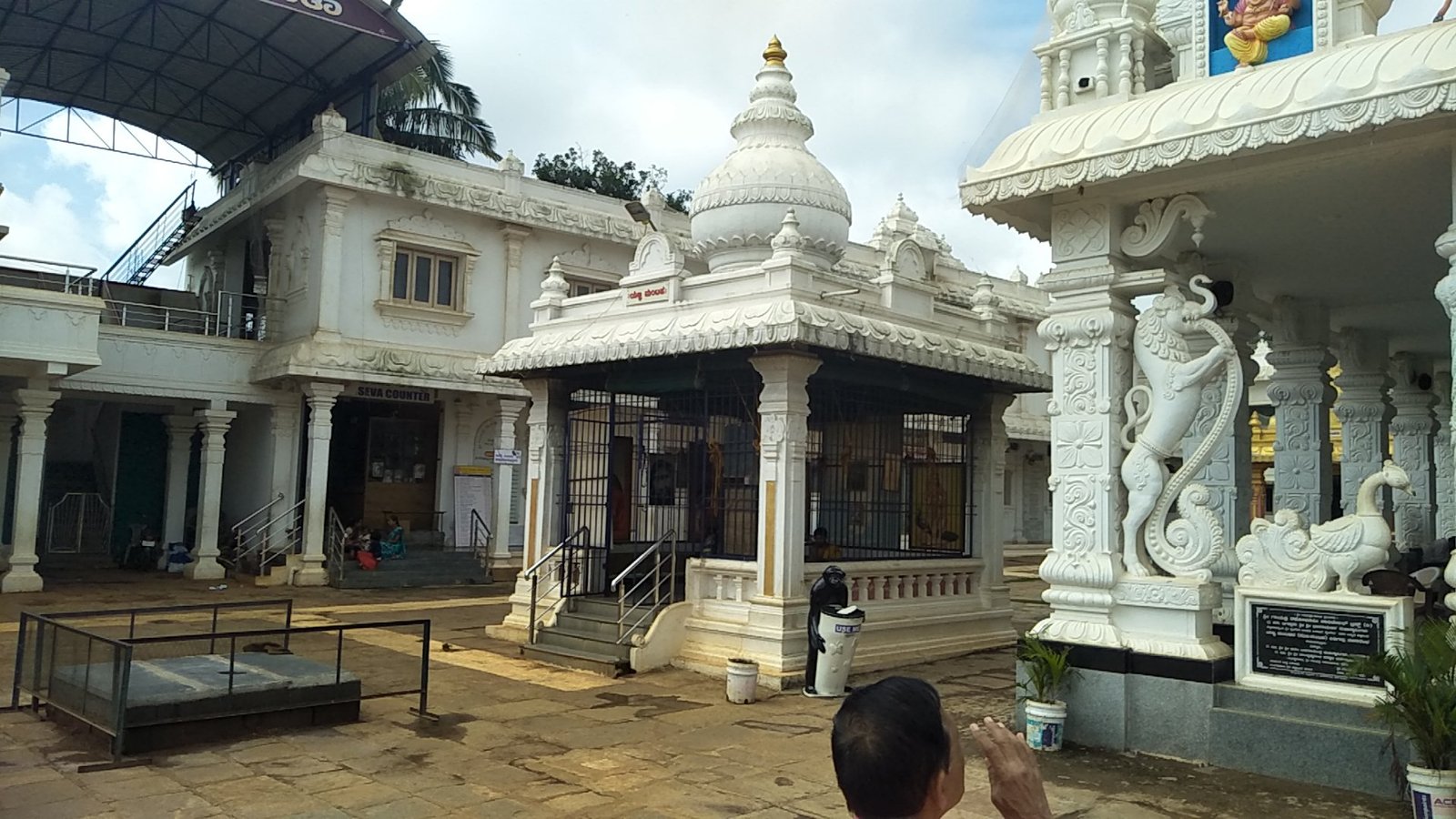
Situated at Kumbashi village in Udupi district, Anegudde Vinayaka Temple is one of the most revered Ganesha shrines in coastal Karnataka. The temple is deeply embedded in the religious landscape of Tulu Nadu and the Udupi–Kundapura region. Unlike urban Ganapati temples, Anegudde is set up in the natural setting of an elephant-shaped hillock. Numerous devotees from across Karnataka, Kerala, and the Konkan Coast come to pay offerings.
Fertile river plains and the humid monsoon ecology of coastal Karnataka make the temple a place where sacred geography, like land, meets with legend and faith.
Geography
The name Anegudde literally means “Elephant Hill” in Kannada (Ane – elephant, Gudde – hill). The temple is located on a small laterite hill whose natural contours resemble the form of an elephant, reinforcing the association with Lord Ganesha, the elephant-headed deity.
The surrounding landscape is shaped by the Varahi River basin, coconut groves, arecanut plantations, and paddy fields typical of coastal Karnataka. The hill’s elevated position makes the temple visible from a distance, symbolically marking it as a guardian presence over Kumbashi and nearby villages.
Mythological Origin and Local Legend
Local legend narrates that the hill itself transformed into an elephant to protect the region from demonic forces, and Lord Ganesha manifested here to restore balance. Another widely believed story connects the shrine to Lord Parashurama, who is said to have installed the idol while reclaiming land from the sea to create the Konkan and coastal belt. These legends are not preserved in written scripture alone but continue through oral storytelling, temple songs, and ritual narration during festivals, giving the temple a living mythological identity.
Presiding Deity and Spiritual Significance
The presiding deity of the temple is Sri Siddhi Vinayaka, worshipped as the remover of obstacles and granter of success. Devotees firmly believe that prayers offered at Anegudde Vinayaka Temple are especially powerful before embarking on new ventures, examinations, business decisions, marriages, and construction of homes. In coastal belief systems, Ganesha here is also regarded as a protector from natural calamities, particularly floods and storms that affect the Varahi river plains during monsoon.
Temple Architecture and Sacred Layout
Architecturally, Anegudde Vinayaka Temple follows traditional coastal Karnataka temple design, with laterite stone walls, tiled sloping roofs, and a compact sanctum suited to heavy rainfall conditions. The temple complex includes a spacious courtyard that accommodates large crowds during festivals. The sanctum houses a self-manifested (Swayambhu) idol of Ganesha, modest in form yet intensely revered. The simplicity of the structure emphasizes devotion over grandeur, aligning with the temple’s rural and spiritual character.
Rituals, Sevas, and Daily Worship Practices
Daily worship at Anegudde follows a rhythm rooted in Agamic traditions blended with regional customs. Popular sevas include Panchakajjaya, Madhyanna Pooja, and Modaka offerings, reflecting Ganesha’s association with sweet prasada. Tuesdays and Sankashti Chaturthi are considered especially auspicious, drawing large numbers of devotees. Many families perform Harake (vows), promising offerings or services in return for fulfilled wishes, reinforcing a deeply personal relationship between deity and devotee.
Vinayaka Chaturthi and Annual Festivals
Vinayaka Chaturthi is the most significant festival at Anegudde Vinayaka Temple, transforming Kumbashi into a major pilgrimage center. The festival includes special abhishekas, extended darshan hours, and continuous chanting of Ganesha mantras. During this time, the temple becomes a hub of social and spiritual activity, uniting people across caste, language, and regional boundaries. Other festivals such as Sankashti and local temple fairs further reinforce the shrine’s role in the cultural life of the region.
Role in Local Culture and Coastal Belief Systems
Anegudde Vinayaka Temple functions as a spiritual anchor for coastal Karnataka. Fishermen, farmers, traders, and students alike seek the deity’s blessings before significant life events. The temple’s prominence has shaped local identity, with many households maintaining generational ties to the shrine. Even today, important decisions are often preceded by a visit to Anegudde, reflecting a worldview where divine guidance and everyday life remain closely intertwined.
Pilgrimage, Travel, and Responsible Visitation
The temple is easily accessible from Kundapura, Byndoor, and Udupi, making it an important stop along the coastal pilgrimage circuit. While facilities are available for devotees, visitors are encouraged to maintain decorum, respect local customs, and participate in temple rituals with mindfulness. The hilltop setting and surrounding greenery add to the spiritual ambiance, offering pilgrims a sense of calm alongside devotion.
How To Reach
The famous Anegudde Vinayaka Temple is located in Kumbashi village of Karnataka’s Udupi district, about 9 km south of Kundapura and around 30 km from Udupi. The temple stands atop a small hillock beside National Highway 66 and is one of the revered Mukti Sthalas of coastal Karnataka.
By Road
Anegudde is well connected by NH-66. Regular KSRTC and private buses operate from Udupi, Kundapura, Mangaluru, and other major towns along the coast. Visitors can get down at Kumbashi bus stop and either climb the steps leading to the temple or hire an autorickshaw for the short ride uphill.
By Train
The nearest major railway station is Kundapura Railway Station, located about 8–10 km away. Trains on the Konkan Railway route connect Kundapura with Bengaluru, Mangaluru, Goa, Mumbai, and Kerala. Taxis and autos are readily available from the station to the temple.
By Air
The nearest airport is Mangaluru International Airport, situated approximately 95–100 km from Kumbashi. From the airport, visitors can hire a taxi or take a bus toward Kundapura and then proceed to the temple.
Nearby Attractions
Maravanthe Beach
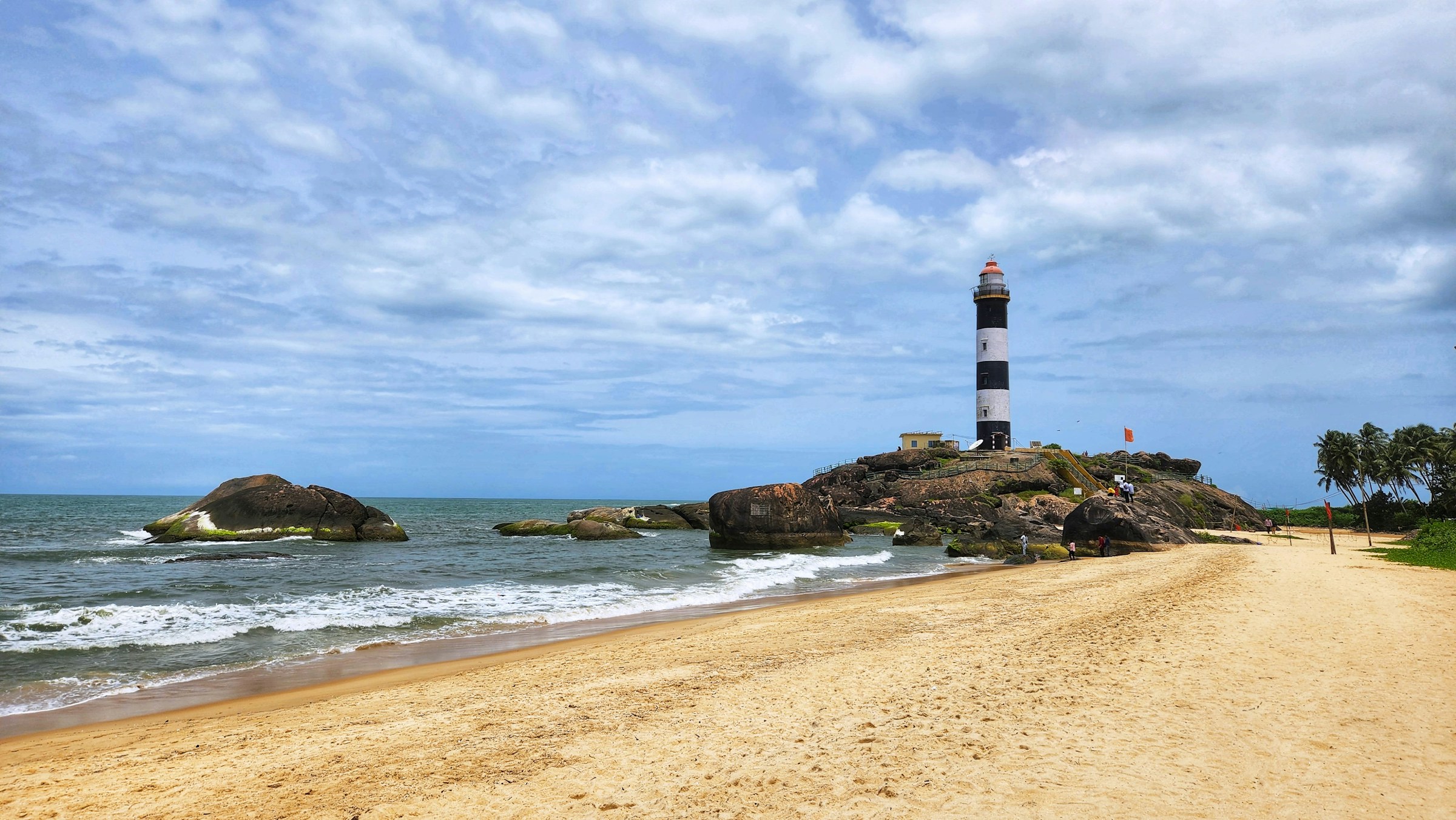
Located around 15 km from Anegudde, this picturesque beach is famous for its unique setting where the Arabian Sea lies on one side of the road and the Souparnika River on the other. It is considered one of Karnataka’s most scenic coastal stretches.
Kodi Beach
A peaceful beach near Kundapura known for golden sands, sunset views, and relatively fewer crowds compared to other coastal destinations.
Kollur Mookambika Temple
One of South India’s most revered pilgrimage centers, dedicated to Goddess Mookambika. It is about 40 km from Anegudde and is often included in the same pilgrimage circuit.
Murudeshwar Temple
Famous for its towering Shiva statue and seaside temple complex, Murudeshwar is a major attraction located about 75 km north of Kumbashi.
St. Mary’s Island
Known for its rare basalt rock formations and pristine surroundings, this island is accessible by boat from Malpe near Udupi.
Udupi Sri Krishna Matha
A renowned Vaishnavite pilgrimage center established by the philosopher-saint Madhvacharya and one of the most important temples in Karnataka.
Local Temples Around Anegudde
Pilgrims visiting Anegudde also frequently visit nearby shrines such as Harihara Temple, Suryanarayana Temple, and Ayyappa Swamy Temple, all located within the vicinity of the temple complex.
A visit to Anegudde Vinayaka Temple can easily be combined with a spiritual and coastal tour covering Kundapura, Kollur, Maravanthe Beach, and Udupi, making it one of the most rewarding pilgrimage circuits in coastal Karnataka.
Google Maps
- Q: Where is Anegudde Vinayaka Temple located?
The temple is located at Kumbashi village in the Udupi district, coastal Karnataka.
- Q: Why is the temple called Anegudde?
The name refers to the elephant-shaped hill (Ane – elephant, Gudde – hill) on which the temple is situated.
- Q: Which deity is worshipped at Anegudde Vinayaka Temple?
Sri Siddhi Vinayaka, a form of Lord Ganesha, is the presiding deity.
- Q: What is the most important festival celebrated here?
Vinayaka Chaturthi is the most significant festival, drawing thousands of devotees.
- Q: Why do people visit this temple before new beginnings?
Devotees believe Lord Ganesha at Anegudde removes obstacles and ensures success in new ventures.