Image Source: Prafulla Dindorkar
About Hampi Bazaar
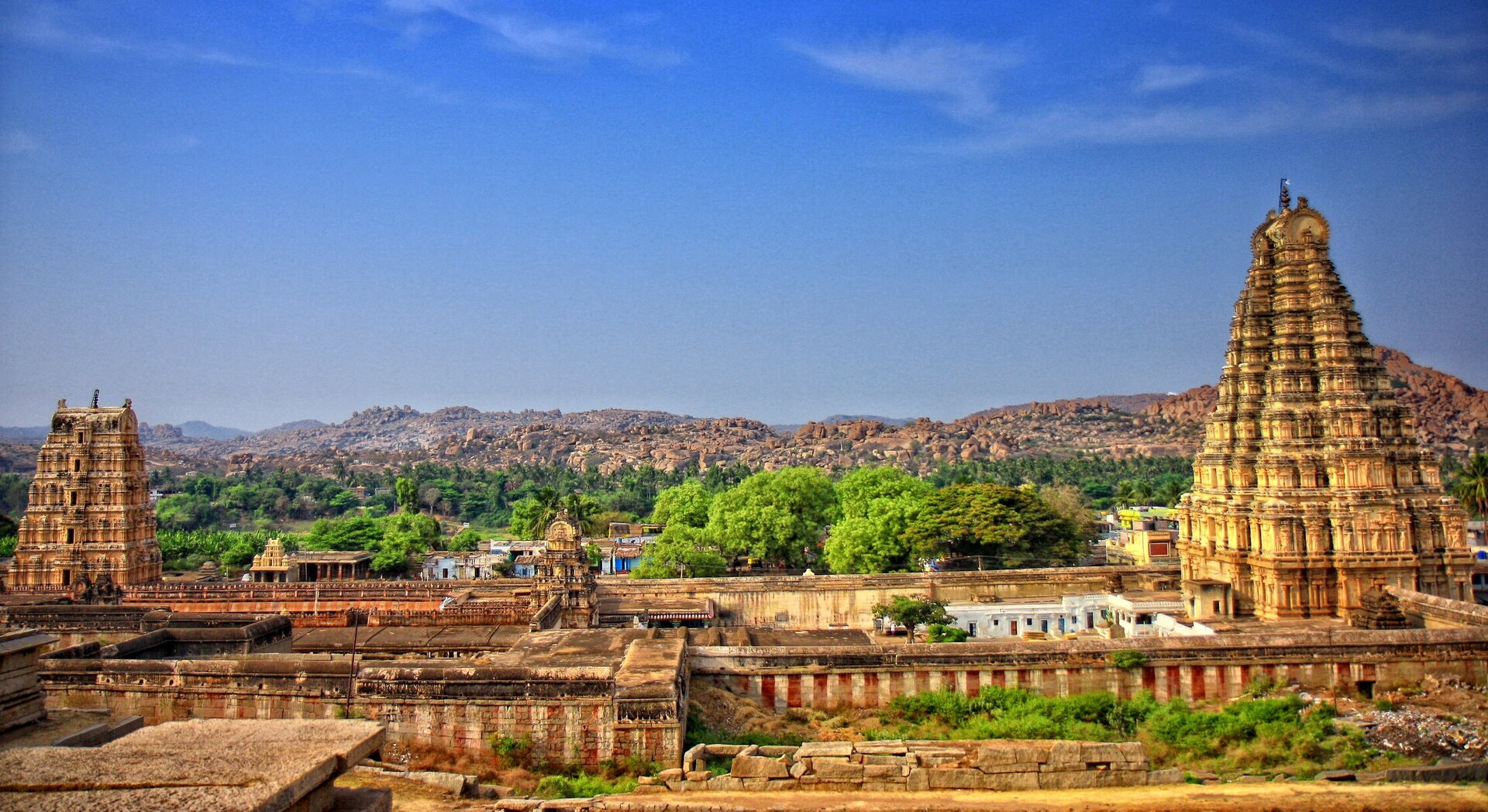
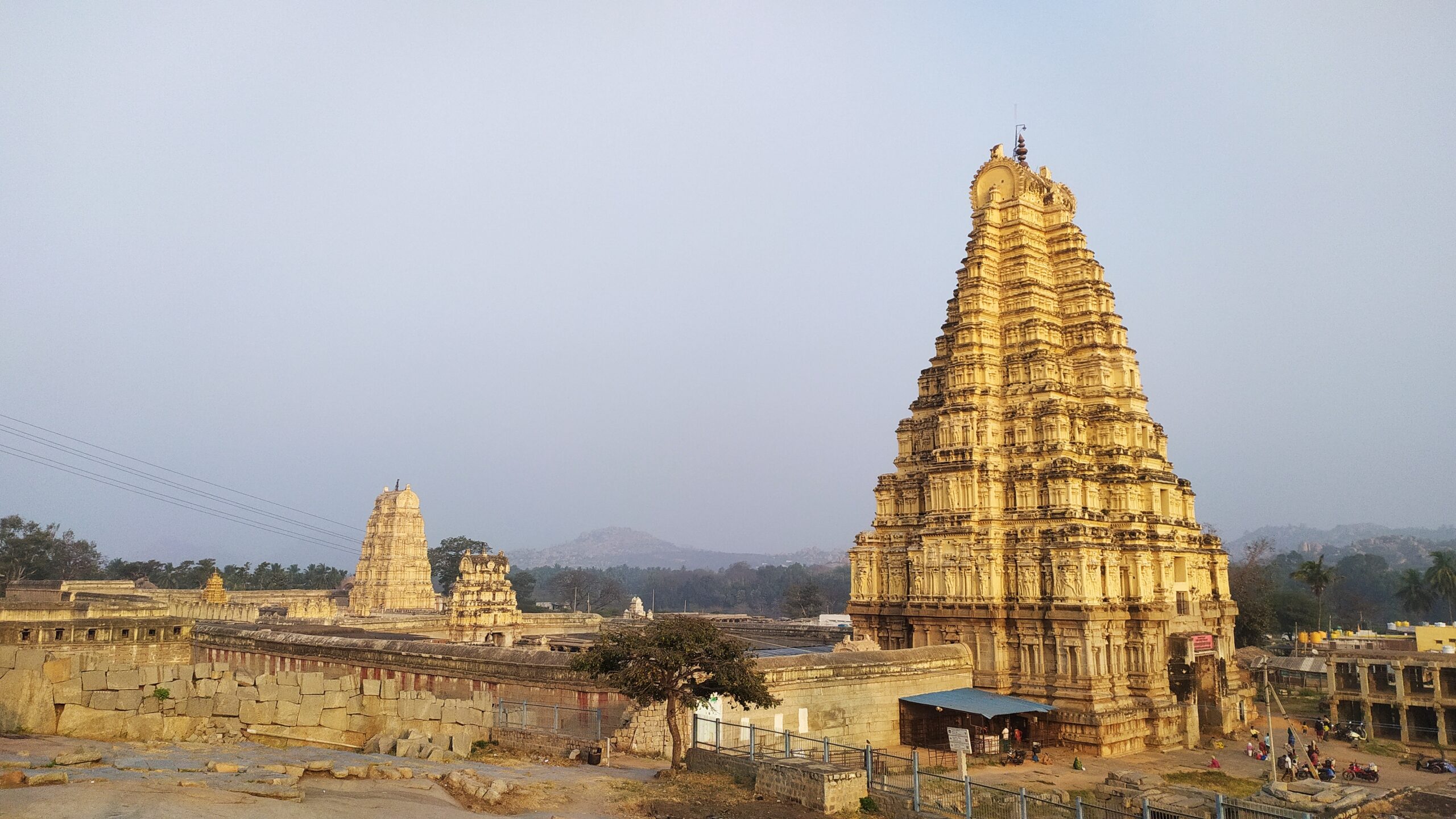
Located in the heart of Hampi, Hampi Bazaar—also known as Virupaksha Bazaar—is one of the most iconic and historically significant streets in Karnataka. Stretching for nearly a kilometer from the sacred Virupaksha Temple to the foothills of Matanga Hill, this ancient marketplace offers visitors a fascinating glimpse into the grandeur of the Vijayanagara Empire. Today, the bazaar stands as a living reminder of Hampi’s glorious past, where history, culture, and local life come together.
Walking through Hampi Bazaar feels like stepping back in time. The long stone-paved street is lined with centuries-old pavilions and mandapas that once served as bustling commercial centers. During the reign of the Vijayanagara kings, merchants from across India and abroad gathered here to trade precious stones, silk fabrics, jewelry, spices, and livestock. Historical accounts suggest that the market was among the wealthiest trading centers of its era, reflecting the prosperity of the empire.
Historic Pavilions: Echoes of a Glorious Past
One of the most striking features of Hampi Bazaar is its ancient stone pavilions. These structures, built on both sides of the street, once housed wealthy traders and merchants. Some were single-storied, while others rose two levels high, showcasing the architectural brilliance of the period.
Though many of these arcades now stand in ruins, they continue to narrate stories of Hampi’s vibrant commercial and cultural life. The weathered stone columns and platforms serve as silent witnesses to centuries of history, making the bazaar a paradise for history enthusiasts and photographers alike.
Yeduru Basavanna and Historic Photography
At the eastern end of the bazaar stands the imposing monolithic Nandi statue known as Yeduru Basavanna, facing the Virupaksha Temple. This sacred bull statue holds religious significance and is a popular stop for visitors exploring the area.
Adjacent to the Nandi is a three-story pavilion where travelers can view photographs captured by British photographer Alexander Greenlaw in 1856. These rare images provide a fascinating look at Hampi before modern restoration efforts and offer visitors a unique opportunity to compare the ruins across different periods of history.
A Market That Still Lives On
Although Hampi Bazaar no longer functions as the bustling marketplace it once was, it continues to retain its cultural charm. The western side of the bazaar is dotted with small shops, cafes, and stalls selling souvenirs, ethnic clothing, handmade bags, religious artifacts, and local handicrafts. The relaxed atmosphere, coupled with the backdrop of ancient ruins, creates an unforgettable experience for visitors.
Experience the Vibrancy of Hampi Utsav
The best time to visit Hampi Bazaar is during the annual Hampi Utsav, typically held between November and January. During this grand festival, the bazaar transforms into a vibrant cultural hub filled with music, dance performances, folk arts, processions, and traditional celebrations. The event beautifully recreates the spirit of the Vijayanagara era and attracts tourists from across the country.
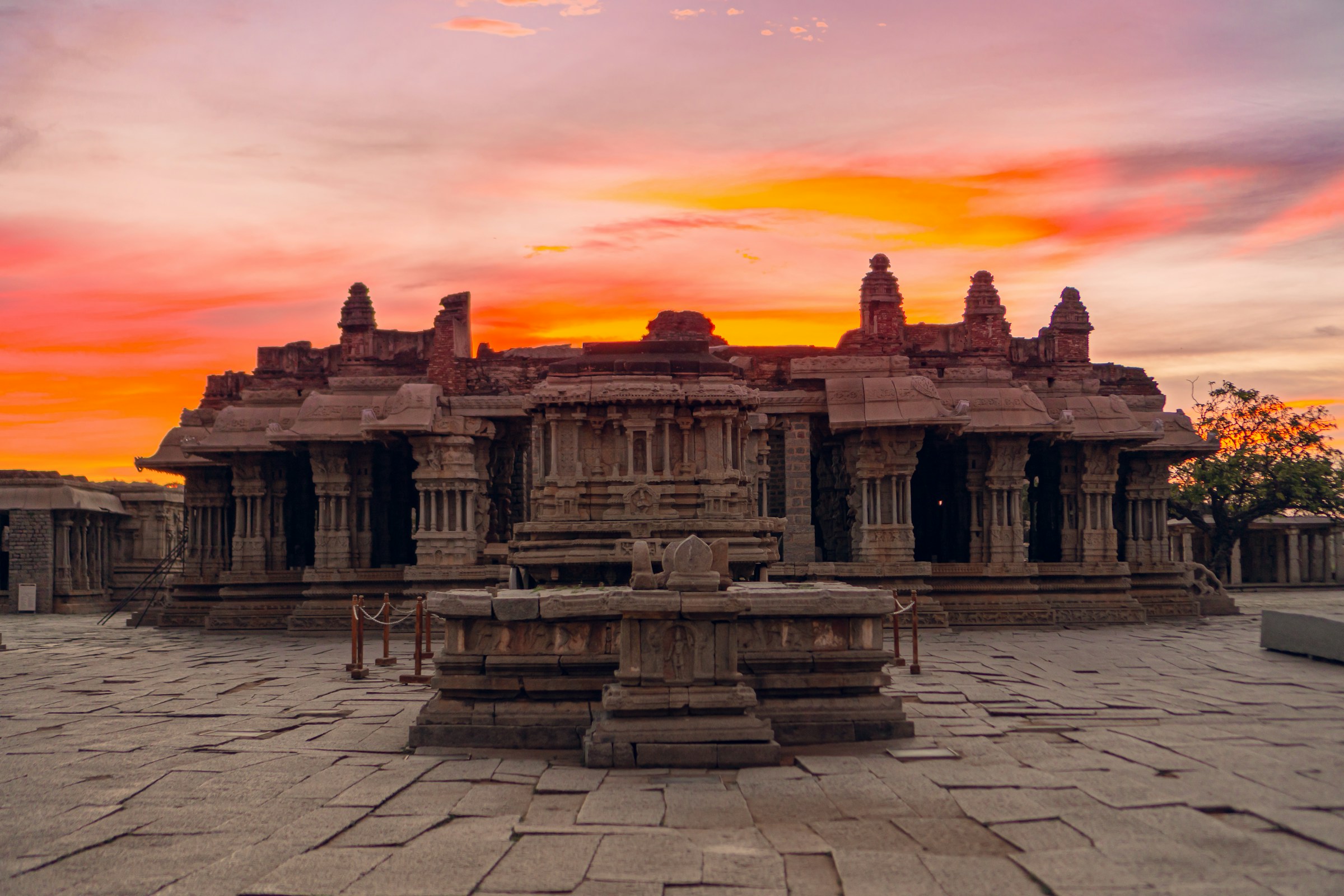
Visiting Hampi Bazaar during sunset is especially rewarding, as the golden hues illuminate the stone structures and surrounding landscape, creating breathtaking views of the historic site.
How to Reach Hampi Bazaar
Hampi Bazaar is located in the Vijayanagara district of Karnataka and is easily accessible by road, rail, and air.
By Air: The nearest airport is Hubballi Airport, approximately 165 km away. Another convenient option is Jindal Vijaynagar Airport near Toranagallu, around 40 km from Hampi.
By Train: The closest railway station is Hospet Junction (Hosapete), situated about 13 km from Hampi. Taxis, auto-rickshaws, and buses are readily available from the station to Hampi Bazaar.
By Road: Hampi enjoys good road connectivity with major cities like Bengaluru, Hubballi, and Hyderabad. Karnataka State Road Transport Corporation (KSRTC) and private buses operate regular services to Hospet, from where local transport can take visitors to the bazaar.
Local Transport: Once in Hampi, travelers can explore the bazaar and nearby monuments on foot, by bicycle, scooter rentals, or auto-rickshaws.
Nearby Attractions
Virupaksha Temple
Situated right beside the bazaar, this ancient temple dedicated to Lord Shiva is one of the oldest functioning temples in India and a UNESCO World Heritage Site.
Matanga Hill
A favorite among trekkers, Matanga Hill offers panoramic views of Hampi’s ruins and is especially popular for sunrise and sunset hikes.
Hemakuta Hill Temples
Located close to Virupaksha Temple, these ancient shrines showcase early temple architecture and offer spectacular views of Hampi.
Achyutaraya Temple
Situated near the Tungabhadra River, this magnificent temple complex is known for its grand architecture and peaceful surroundings.
Sasivekalu Ganesha
This large monolithic statue of Lord Ganesha is one of Hampi’s most photographed monuments.
Maps
FAQs
1. Why is Hampi Bazaar famous?
Hampi Bazaar is famous for its historical significance as the main marketplace of the Vijayanagara Empire and its proximity to the Virupaksha Temple.
2. Is Hampi Bazaar part of the UNESCO World Heritage Site?
Yes, Hampi Bazaar is located within the UNESCO World Heritage Site of Hampi.
3. What is the best time to visit Hampi Bazaar?
The ideal time to visit is between October and February when the weather is pleasant. Visiting during Hampi Utsav offers an even richer cultural experience.
4. Are there shops and restaurants in Hampi Bazaar?
Yes, visitors can find small shops, cafes, and eateries selling local crafts, souvenirs, and traditional items.
5. How much time is needed to explore Hampi Bazaar?
A leisurely visit generally takes 1–2 hours, though visitors often spend more time exploring nearby attractions like Virupaksha Temple and Matanga Hill.
6. Is Hampi Bazaar suitable for photography?
Absolutely. The ancient ruins, temple backdrop, and scenic landscape make it one of the best photography spots in Hampi.