Image Source: Rasika Gaikwad
About Naldurg Fort
Naldurg Fort is a famous heritage fort situated in Naldurg town, Osmanabad district, Maharashtra, India. One of the top places to visit near Solapur, the fort is at a distance of 48 km from Solapur. The fort is not like other hilltop forts that rely on elevation but derives its strength from sheer scale, massive basalt walls, and strategic embrace of the Bori River. For centuries, the fort functioned as a military, administrative, and defensive nerve center controlling movement between the Deccan interior, the Bidar–Gulbarga region, and the Marathwada plains.
Geographical Setting and River-Based Defense
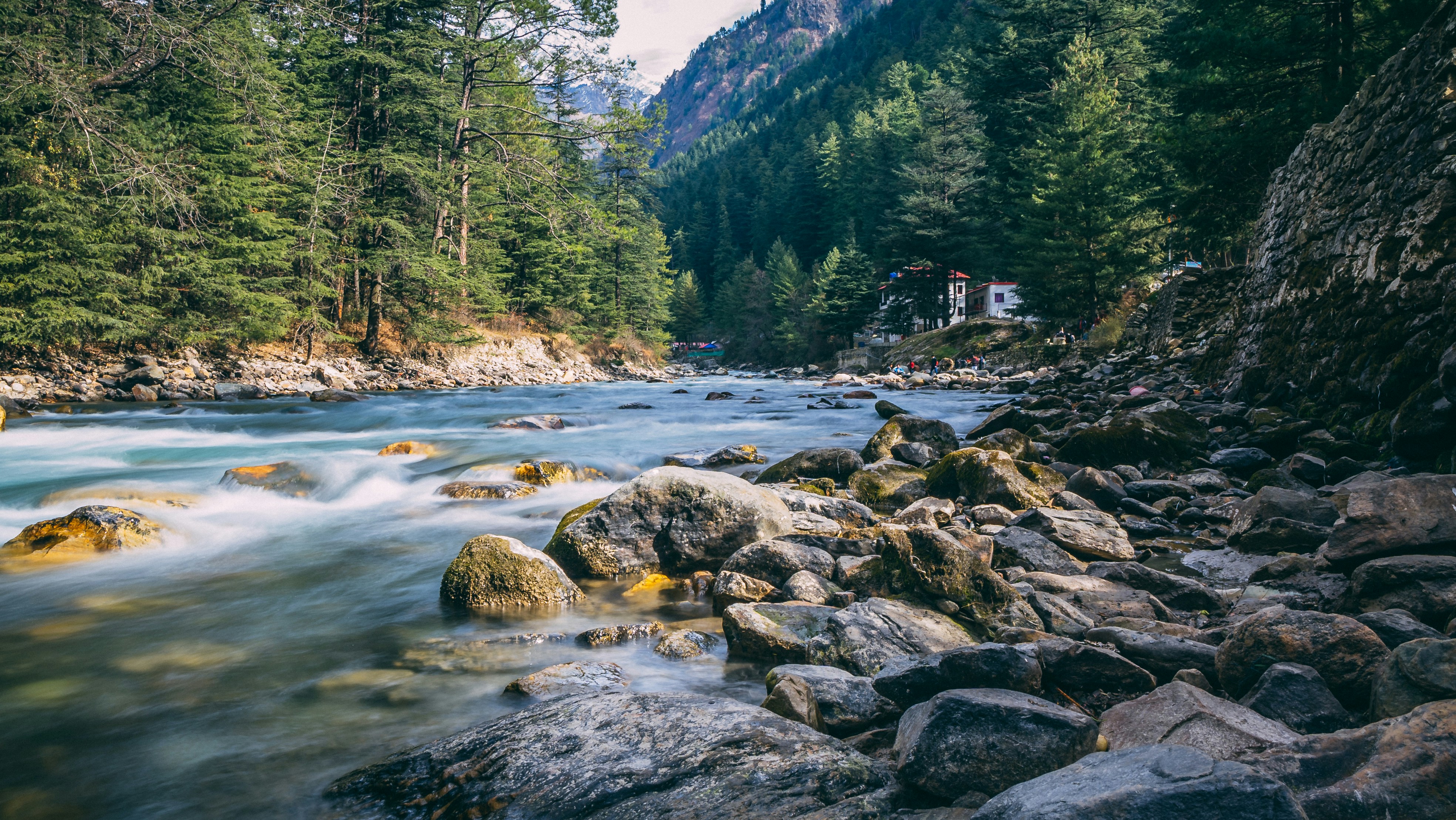
Naldurg Fort occupies a rocky outcrop along the Bori River, a tributary of the Bhima. The fort’s walls stretch for nearly three kilometers, rising directly from the riverbed in several sections. This integration of fortification with a flowing river created a natural moat system, making frontal assaults extremely difficult. The surrounding landscape—semi-arid plains, black cotton soil, and sparse vegetation—is typical of the Solapur–Osmanabad belt, reinforcing the fort’s role as a sentinel over an otherwise open terrain.
A Glimpse into History
Nalaraja, or a Hindu Raja, is believed to have constructed the Naldurg fort. Since then, the fort has witnessed the rise and fall of several dynasties. From the Bahmanis to the Adil Shahi rulers and later the Mughals in 1686 AD, its ownership has shifted hands, leaving behind layers of captivating history.
Adil Shahi Expansion and Architectural Refinement
Naldurg reached its architectural and strategic peak under the Adil Shahi dynasty of Bijapur. The Adil Shahis strengthened the ramparts, added bastions, and refined internal structures, transforming Naldurg into a near-impregnable fortress. The fort’s walls, in places over 30 feet high and several meters thick, were designed to withstand prolonged artillery bombardment, marking a transition from medieval to early modern warfare in the Deccan.
Role During Deccan Power Shifts
Following the decline of the Adil Shahi kingdom, Naldurg changed hands multiple times, witnessing conflicts involving the Mughals, Marathas, and the Nizam of Hyderabad. Each regime recognized the fort’s strategic value in controlling the eastern approaches to the western Deccan. Even when artillery and military strategies evolved, Naldurg remained relevant due to its sheer mass and river integration.
Maratha and Later Period Significance
Under Maratha influence, Naldurg served more as a regional stronghold and administrative post rather than a frontline fortress. Its control ensured dominance over local revenue routes and movement across the Solapur–Osmanabad corridor. The fort gradually lost military prominence during British consolidation, but it never fell into complete obscurity.
Defensive Architecture and Fort Layout
The fort complex includes multiple massive bastions (buruj), crenellated walls, hidden passages, and strategically positioned gateways. The curvature of the walls follows the natural contours of the rock, minimizing structural stress and maximizing defensive angles. One of Naldurg’s defining features is the Mehboob Subhani Dargah–associated area, indicating how religious and military spaces often coexisted within Deccan forts.
Water Management and the Bori River System
Unlike hill forts dependent on rainwater tanks, Naldurg benefited from the perennial flow of the Bori River. The fort incorporated water access points and controlled river edges to ensure year-round supply, a crucial advantage during sieges. The river also supported surrounding settlements and agriculture, making the fort a hydro-political asset as much as a military one.
Exploring the Fort
Naldurg Fort, despite being in a ruined state, has remnants of its past glory. Rani Mahal, Taylor’s house, and the elephant stable offer a great glimpse into the fort’s storied past. The watchtower, armoury, and court building stand as silent witnesses to centuries of history.
Nature’s Canvas: Birdwatching at Naldurg
Naldurg Fort, beyond its historical significance, is a heaven for birdwatchers. A number of migratory birds visit the lake surrounding the fort. In their natural habitat , migratory birds offer an opportunity to observe winged wonders.
Timing of Naldurg Fort
Naldurg fort is open to visitors from 9am to 5pm.
Entry fees
Entry fees are Rs 20 for adults and Rs 10 for children.
How to Reach Naldurg Fort
Naldurg Fort is located in Naldurg town in Dharashiv (formerly Osmanabad) district of Maharashtra. It is one of the largest and most impressive land forts in the Deccan region, situated on the banks of the Bori River. The fort is easily accessible by road and makes for an excellent historical day trip from Solapur, Tuljapur, or Dharashiv. The fort lies approximately 50 km from Dharashiv, 48–50 km from Solapur, and about 35 km from Tuljapur.
By Air
The nearest airport is Solapur Airport, located about 50 km away. For better connectivity, travelers can also use Pune International Airport, around 275 km from Naldurg. From the airport, taxis and buses are available to reach the fort.
By Train
Solapur Railway Station is the nearest major railhead, approximately 50 km from Naldurg Fort. The station is well connected to Mumbai, Pune, Hyderabad, Bengaluru, and other major cities. From Solapur, visitors can hire a taxi or take a state transport bus to Naldurg.
By Road
Naldurg is situated along National Highway 65 (Pune–Hyderabad Highway), making it easily accessible by private vehicles and buses. Regular MSRTC buses operate from Solapur, Tuljapur, and Dharashiv.
Nearby Attractions
Tulja Bhavani Temple
Located in Tuljapur, this revered temple dedicated to Goddess Bhavani is one of Maharashtra’s most important Shakti Peethas and a major pilgrimage destination.
Bhuikot Fort, Solapur
A historic land fort known for its massive fortifications, ancient cannons, and strategic location in the heart of Solapur city.
Siddheshwar Temple and Lake
One of Solapur’s most famous religious landmarks, the temple is situated beside a picturesque lake and attracts thousands of devotees annually.
Akkalkot Swami Samarth Temple
A major pilgrimage center associated with Shri Swami Samarth Maharaj, located about an hour’s drive from Solapur.
Pani Mahal
Situated within the Naldurg Fort complex itself, Pani Mahal is a remarkable architectural structure built beneath a massive dam across the Bori River. It is one of the fort’s most unique attractions and showcases the engineering brilliance of the Adil Shahi era.
Upli Buruj
The highest bastion of Naldurg Fort offers panoramic views of the surrounding landscape and is among the most visited spots within the fort complex.
Great Indian Bustard Sanctuary, Nannaj
A popular destination for birdwatchers and wildlife enthusiasts, known for the conservation of the endangered Great Indian Bustard.
Maps and Location of Naldurg Fort
FAQS
- Q: Where is Naldurg Fort located?
Naldurg Fort is located in Solapur district, Maharashtra, along the banks of the Bori River.
- Q: Why is Naldurg Fort unique?
Its massive walls integrated with a flowing river make it one of the strongest riverine forts in the Deccan.
- Q: How long are the fort walls?
The fort walls extend for nearly three kilometers.
- Q: Is Naldurg Fort a hill fort?
No, it is a low-elevation fort that relies on scale, thickness, and river defense rather than height.